BEST Authentic Falafel
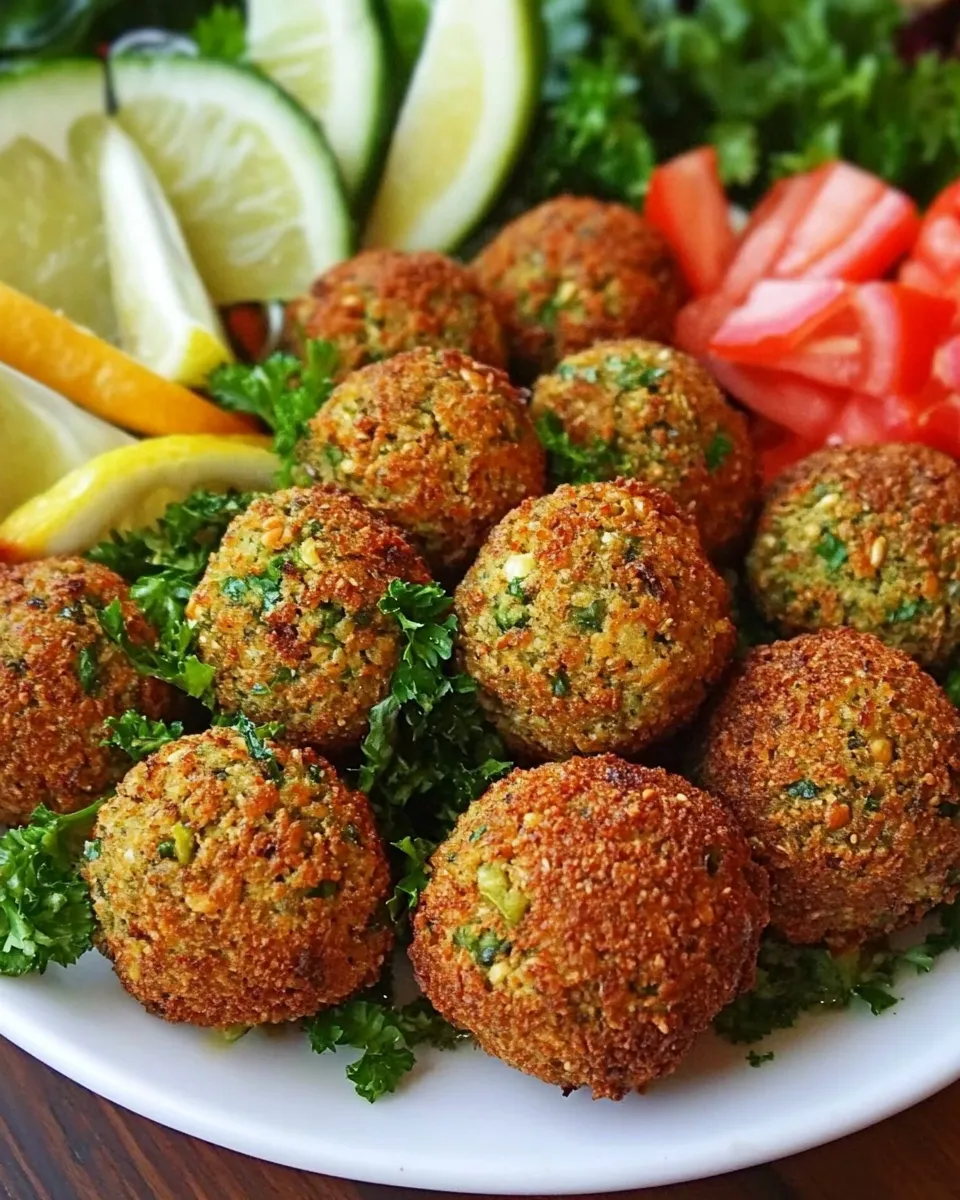
There are few things as reliably comforting as a perfectly fried falafel: crisp, herb-studded exterior giving way to a tender, fragrant interior. This version follows time-tested techniques—soaking dried chickpeas, toasting whole spices, and pulsing (not pureeing) the mix—so you get authentic texture and flavor every time. No canned beans, no shortcuts that make them gummy.
Read through the steps once, gather your tools, and give yourself the hour needed for the mixture to rest in the fridge. The payoff is worth it: falafel that hold together, stay moist, and deliver bright notes from preserved lemon, parsley, cilantro, and lemon zest. Serve them in pita with hummus, salads, and a silky tahini or yogurt sauce.
This recipe is written for a home cook who appreciates practical tips and dependable timing. I’ll walk you through soaking, spice toasting, processing, shaping, frying, and serving—plus storage tips, holiday twists, and troubleshooting so your falafel come out restaurant-good every time.
What You’ll Gather
- 2 cups dried garbanzo beans / chickpeas — the base; do not use canned or cooked chickpeas (they’re too soft and will make falafel gummy).
- 2 teaspoons whole cumin seeds — toast for fresh aromatic warmth; can substitute 1 tsp ground cumin but whole is better.
- 2 teaspoons whole coriander seeds — toast with cumin for bright citrusy spice; can substitute 1 tsp ground coriander.
- 1/2 cup chopped yellow onion — adds moisture and sweetness.
- 3–4 cloves garlic, minced — for savory punch; adjust to taste.
- 1/4 preserved lemon, pulp discarded, mince the peel — gives a salty, floral lemon bite; essential for authenticity.
- 1/3 cup chopped parsley — fresh herb backbone for color and flavor.
- 1/3 cup chopped cilantro — pairs with parsley for layered herbiness.
- 2 teaspoons fresh lemon zest — brightens the mix; don’t skip.
- 1 1/2 teaspoons salt — seasons the entire mixture; adjust slightly if using very salty preserved lemon.
- 1/2 teaspoon freshly ground black pepper — subtle heat and balance.
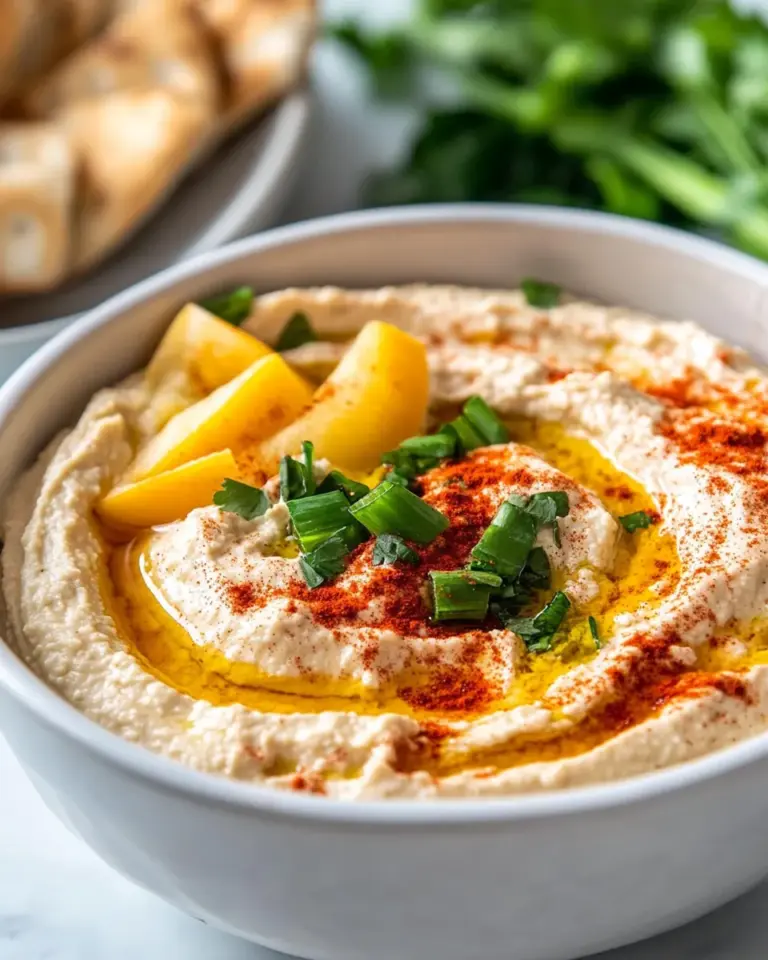
- For Serving: Homemade Creamy Hummus — works as a rich spread inside pita.
- For Serving: Preserved Lemon Cilantro Yogurt Sauce — tangy, herby finish (use vegan yogurt if needed).
- oil for frying (high smoke point) — avocado or canola recommended; you’ll need about 1 1/2 to 2 inches depth in a heavy skillet.
Build Authentic Falafel Step by Step
- Soak the chickpeas: Place the 2 cups dried garbanzo beans in a large bowl and cover with at least 3 inches of cold water. Cover the bowl and let the beans soak for 20–24 hours. They will expand to roughly 5 cups. Drain and rinse thoroughly. Note: insufficient soaking makes falafel crumbly and prone to falling apart.
- Toast the whole spices: Heat a small, heavy skillet over medium-high heat. Add 2 teaspoons whole cumin seeds and 2 teaspoons whole coriander seeds and dry-roast, stirring or shaking the pan, until the seeds are very fragrant—watch carefully to avoid burning. Let cool completely.
- Grind the spices: Once cool, grind the toasted cumin and coriander in a coffee/spice grinder or with a mortar and pestle until finely ground.
- Combine ingredients in the processor: Place the ground spices and all remaining falafel ingredients into a large food processor: drained soaked chickpeas, 1/2 cup chopped yellow onion, 3–4 cloves minced garlic, 1/4 preserved lemon (peel only, minced), 1/3 cup chopped parsley, 1/3 cup chopped cilantro, 2 teaspoons fresh lemon zest, 1 1/2 teaspoons salt, and 1/2 teaspoon freshly ground black pepper. Pulse the mixture in short bursts until the blend is well ground but still slightly chunky. Do not over-process; the mixture should not be a smooth paste.
- Chill the mixture: Transfer the processed mixture to a bowl and refrigerate for at least one hour. Chilling firms the mixture and helps the falafel hold together when frying. You can prepare this step hours or even a day in advance.
- Form the falafel: Shape the chilled mixture into rounds roughly the size of golf balls. Compress each ball firmly so it holds together. Place shaped falafel on a plate and keep them refrigerated until ready to fry. Expect the formed falafel to be somewhat loose and delicate; that’s normal.
- Heat the oil: Fill a heavy skillet with oil to a depth of about 1 1/2 to 2 inches. Heat to 360–375°F (use an instant-read thermometer). The correct temperature ensures the falafel sizzle immediately on contact and don’t absorb excess oil or fall apart.
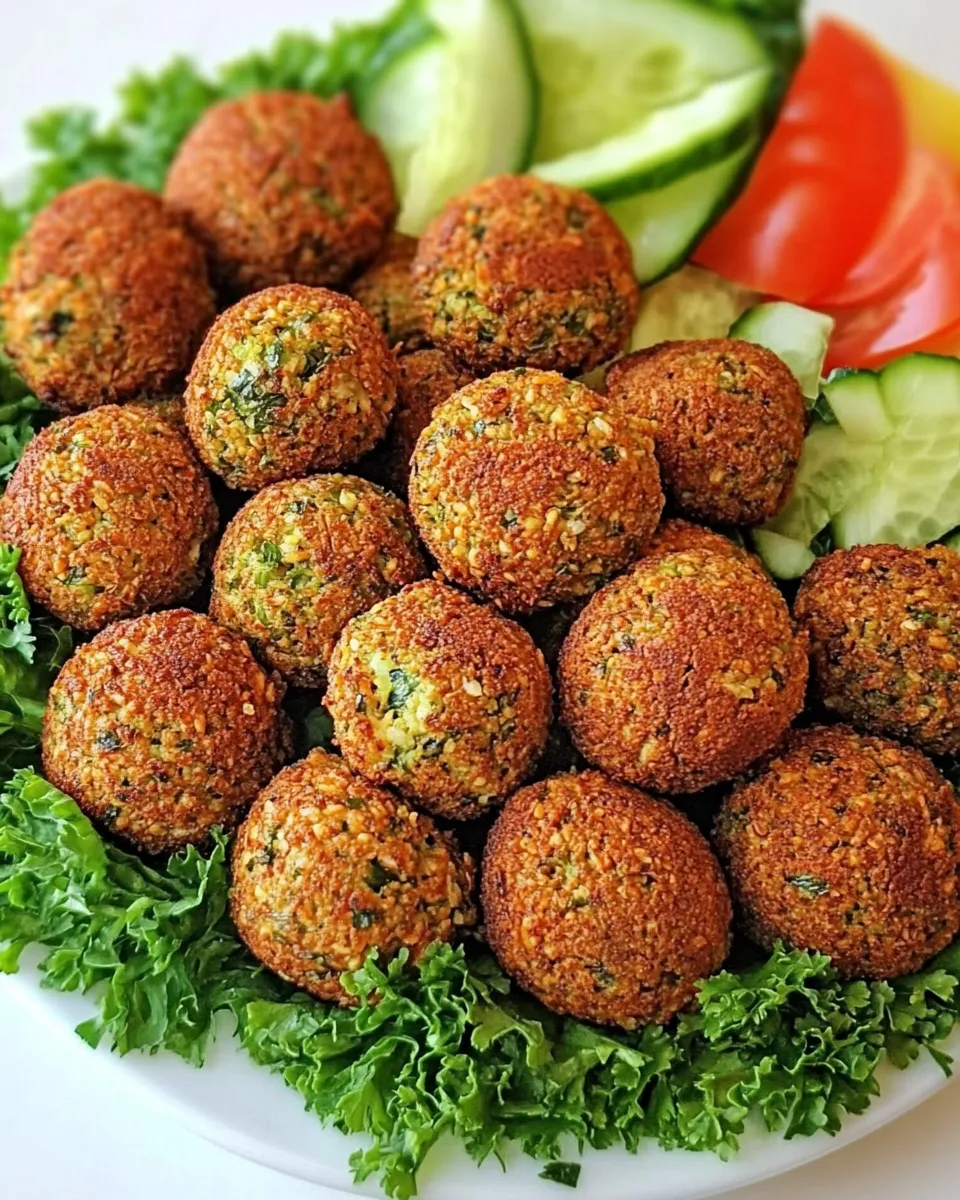
- Fry carefully, in batches: Once the oil is at temperature, gently lower a few falafel into the skillet—don’t overcrowd. (Test with one first to confirm the oil temperature.) Fry until deep golden brown, about 2–3 minutes per side, turning carefully with a slotted spoon or tongs. Remove cooked falafel to a paper towel–lined plate to drain. Bring oil back to temperature between batches.
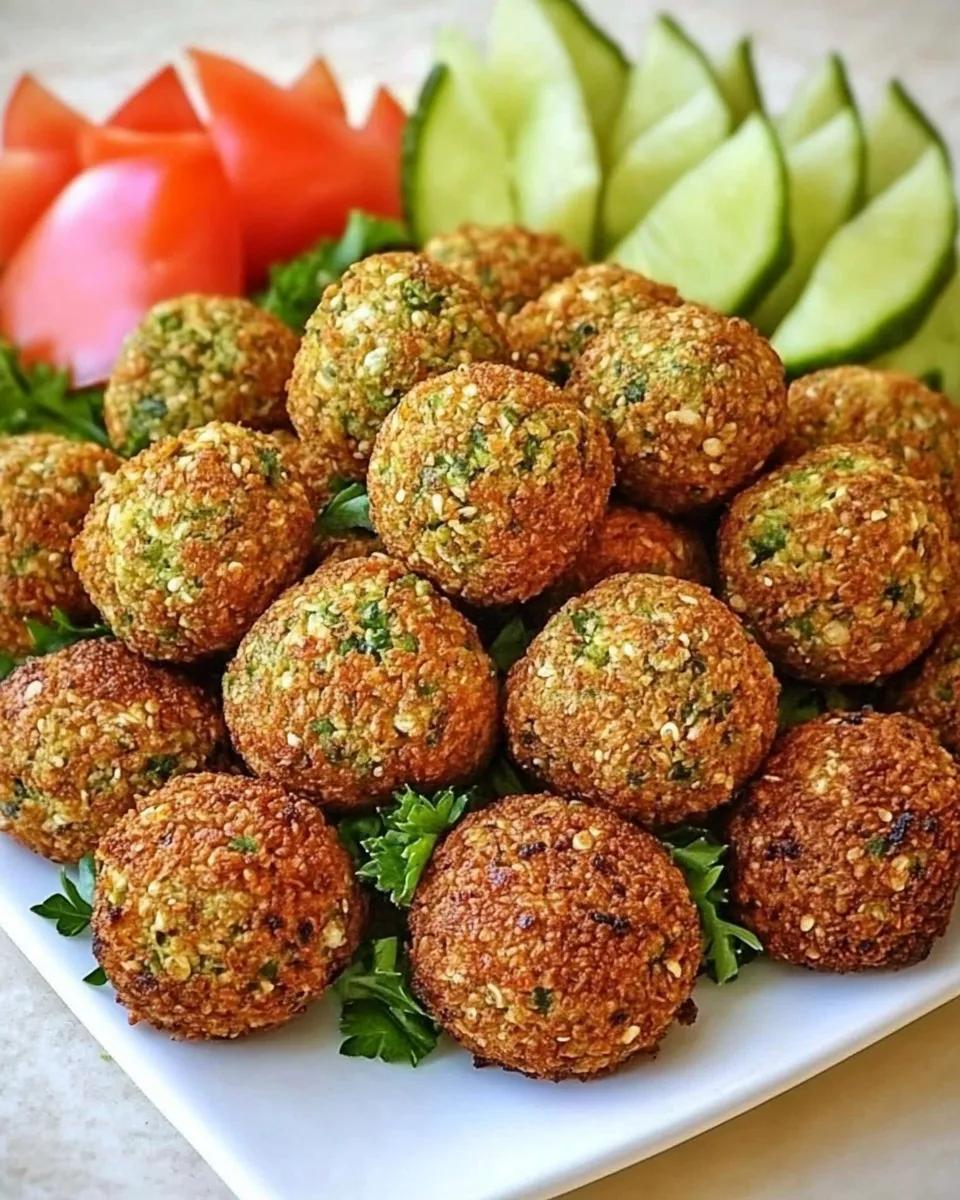
- Serve: To make falafel pitas, spread homemade creamy hummus inside a warmed pita, layer lettuce, tomatoes, onions, pickles, and the falafel. Top with Preserved Lemon Cilantro Yogurt Sauce and a drizzle of tahini if you like. Falafel are also excellent with plain tahini sauce (tahini paste mixed with garlic, lemon juice, water, and salt).
Why It’s Crowd-Pleasing
Falafel combines crisp texture with bright herbaceous and citrus notes, a contrast that appeals to many palates. They’re naturally vegetarian (and easily vegan), so they work for mixed-diet gatherings. The preserved lemon and toasted whole spices give this version a distinct, memorable lift compared with blander mixes.
They’re also portable and versatile—served in pita, on salads, or on a mezze plate—so guests can customize plates. And frying them fresh creates irresistible aroma and color everyone notices when they walk into the room.
International Equivalents
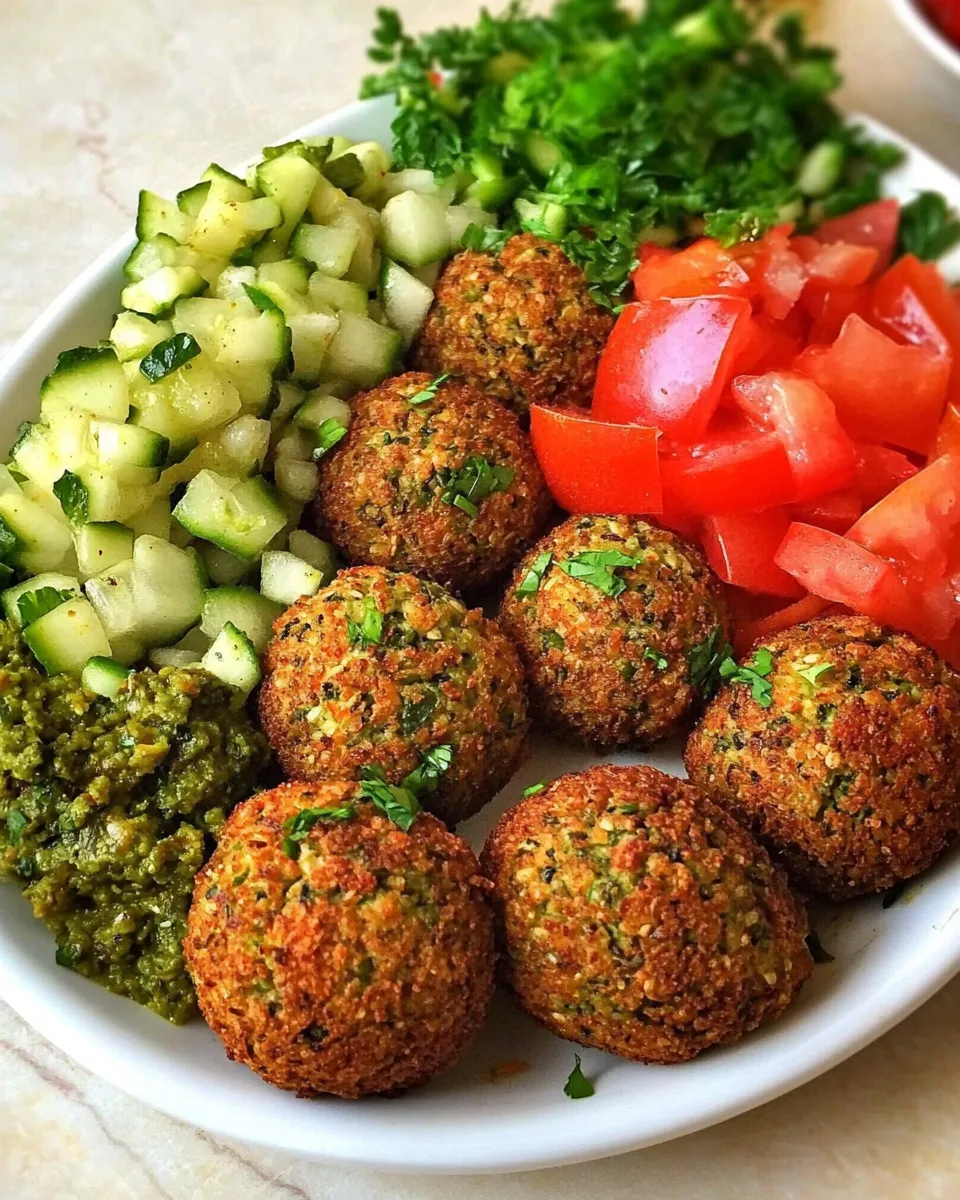
Falafel is broadly Middle Eastern but shows up in regional guises. In Egypt, ta’ameya uses fava beans and more green herbs; Lebanese and Syrian styles lean on chickpeas with fresher herb balance. Variants include baked falafel (less oily but different texture) and street-food versions stuffed into flatbreads with pickles and hot sauces. This recipe follows the classic chickpea-based Levantine approach.
Gear Checklist
- Large bowl — for soaking chickpeas.
- Small heavy skillet — for dry toasting spices.
- Coffee/spice grinder or mortar & pestle — to grind toasted spices.
- Large food processor — to pulse the falafel mixture to the right texture.
- Instant-read thermometer — crucial to maintain 360–375°F for frying.
- Heavy skillet or a deep pan — for frying with 1 1/2–2 inches of oil.
- Slotted spoon or tongs — for turning and removing falafel.
- Paper towels and plate — to drain fried falafel.
Pitfalls & How to Prevent Them
Common mistakes
- Using canned chickpeas — Prevents by always starting with 2 cups dried chickpeas; canned beans are too soft and make a gummy mixture.
- Under-soaking beans — Soak 20–24 hours; under-soaked beans expand less and yield crumbly falafel.
- Over-processing — Pulse to a chunky mix; over-pureeing makes falafel paste that won’t hold shape.
- Oil at wrong temperature — Use thermometer and aim for 360–375°F; too cool means oily, too hot means burnt outside, raw inside.
- Overcrowding the pan — Fry in batches so each falafel browns evenly.
Holiday-Friendly Variations
For a festive table, make mini-falafel as bite-sized hors d’oeuvres and serve with skewers and a trio of sauces: tahini, preserved lemon cilantro yogurt, and a harissa yogurt. For a winter holiday, fold in a small amount of roasted red pepper puree to the mix for color, or add a teaspoon of ground cinnamon and a pinch of allspice for warm aromatics.
If feeding a crowd and you want less frying, shape falafel into patties and bake at 400°F on a lightly oiled sheet for about 15–20 minutes, flipping halfway—texture will be less crisp but still flavorful.
Cook’s Commentary
I make a double batch of the processed mixture and keep half chilled to fry the same day and freeze the other half shaped on a tray, then into a bag. Frozen falafel can be fried straight from the freezer—add a minute or two to the fry time. Preserved lemon is a small ingredient that makes a big impact: its peels add depth that plain lemon zest can’t fully replicate.
The single most useful tools here are an instant-read thermometer and restraint with the processor. Trust the sensory clues: the smell of toasted spices, the sight of a deep golden crust, and the feel of a slightly firm chilled mixture when shaping.
Best Ways to Store
Cooked falafel: Cool completely, then store in an airtight container in the fridge for up to 3 days. Re-crisp in a 375°F oven for 8–10 minutes or in a skillet with a few teaspoons of oil.
Uncooked shaped falafel: Freeze on a tray until firm, then transfer to a freezer bag for up to 1 month. Fry from frozen, increasing fry time slightly.
Unprocessed mixture: Keep refrigerated up to 24 hours before shaping. For longer storage, shape and freeze as above.
Authentic Falafel FAQs
- Can I use canned chickpeas? No—canned chickpeas are too soft and will make the mixture gummy; start with 2 cups dried chickpeas soaked 20–24 hours.
- Why toast whole spices? Toasting releases essential oils for brighter flavor; grinding them fresh keeps the spice notes vivid.
- Can I bake them? Yes, but expect a different texture—baked falafel will be drier and less crisp than fried.
- How do I keep them from falling apart? Soak long enough, don’t over-process, chill the mix before shaping, and fry at the right oil temperature (360–375°F).
Next Steps
Make the falafel, and start with a single test fry to confirm oil temperature. If you loved these, next try adding small tweaks: swap some parsley for dill, or experiment with a fava-bean/chickpea mix for a hybrid take. Share your results—what worked, what you adjusted—and enjoy building these into your regular weeknight or hosting repertoire.

BEST Authentic Falafel
Ingredients
- 2 cups dried garbanzo beans (chickpeas) do not use canned; soak in water 20–24 hours
- 2 teaspoons whole cumin seeds can substitute 1 teaspoon ground cumin; toast and grind for best flavor
- 2 teaspoons whole coriander seeds can substitute 1 teaspoon ground coriander; toast and grind for best flavor
- 1/2 cup yellow onion chopped
- 3-4 cloves garlic minced
- 1/4 preserved lemon preserved lemon peel pulp discarded, peel minced
- 1/3 cup parsley chopped
- 1/3 cup cilantro chopped
- 2 teaspoons fresh lemon zest
- 1 1/2 teaspoons salt
- 1/2 teaspoon freshly ground black pepper
- oil for frying use a high smoke point oil such as avocado or canola
- Homemade Creamy Hummus for serving
- Preserved Lemon Cilantro Yogurt Sauce for serving; use vegan yogurt for a vegan option
Instructions
- Place the dried garbanzo beans in a large bowl and cover with at least 3 inches of water; cover and soak 20–24 hours until expanded (about 5 cups). Drain and rinse well.
- Dry-roast the whole cumin and coriander seeds in a small heavy skillet over medium-high heat just until fragrant, being careful not to burn them. Let cool, then grind in a coffee or spice grinder or mortar and pestle.
- Combine the soaked chickpeas, ground spices, chopped onion, minced garlic, minced preserved lemon peel, chopped parsley, chopped cilantro, lemon zest, salt, and pepper in a large food processor.
- Pulse the mixture until finely ground but still slightly coarse — not a smooth paste. Avoid over-processing to prevent a crumbly falafel. Transfer mixture to the refrigerator and chill at least 1 hour.
- Form the chilled mixture into balls about the size of golf balls, compressing firmly so they hold together; place on a plate while you heat the oil.
- Fill a heavy skillet with 1½–2 inches of oil and heat to 360–375°F (use an instant-read thermometer). Test one falafel first to confirm the temperature.
- Fry a few falafel at a time without overcrowding, turning carefully, until deep golden brown, about 2–3 minutes per side. Use a slotted spoon to transfer to a paper towel–lined plate to drain.
- Serve falafel warm with hummus, preserved lemon cilantro yogurt sauce (or vegan yogurt sauce), pita, lettuce, tomatoes, onions, pickles, and a drizzle of tahini if desired.
Equipment
- Food Processor
- coffee or spice grinder
- Large Bowl
- small heavy skillet
- instant-read thermometer
- Slotted Spoon
- Paper Towels
Notes
- Soaking the chickpeas 20–24 hours is essential for proper texture.
- Do not use canned chickpeas or the falafel will fall apart.
- Toast whole spices briefly — do not burn them.
- Keep the processing coarse, not a smooth paste.
- Maintain oil temperature at 360–375°F for best results.