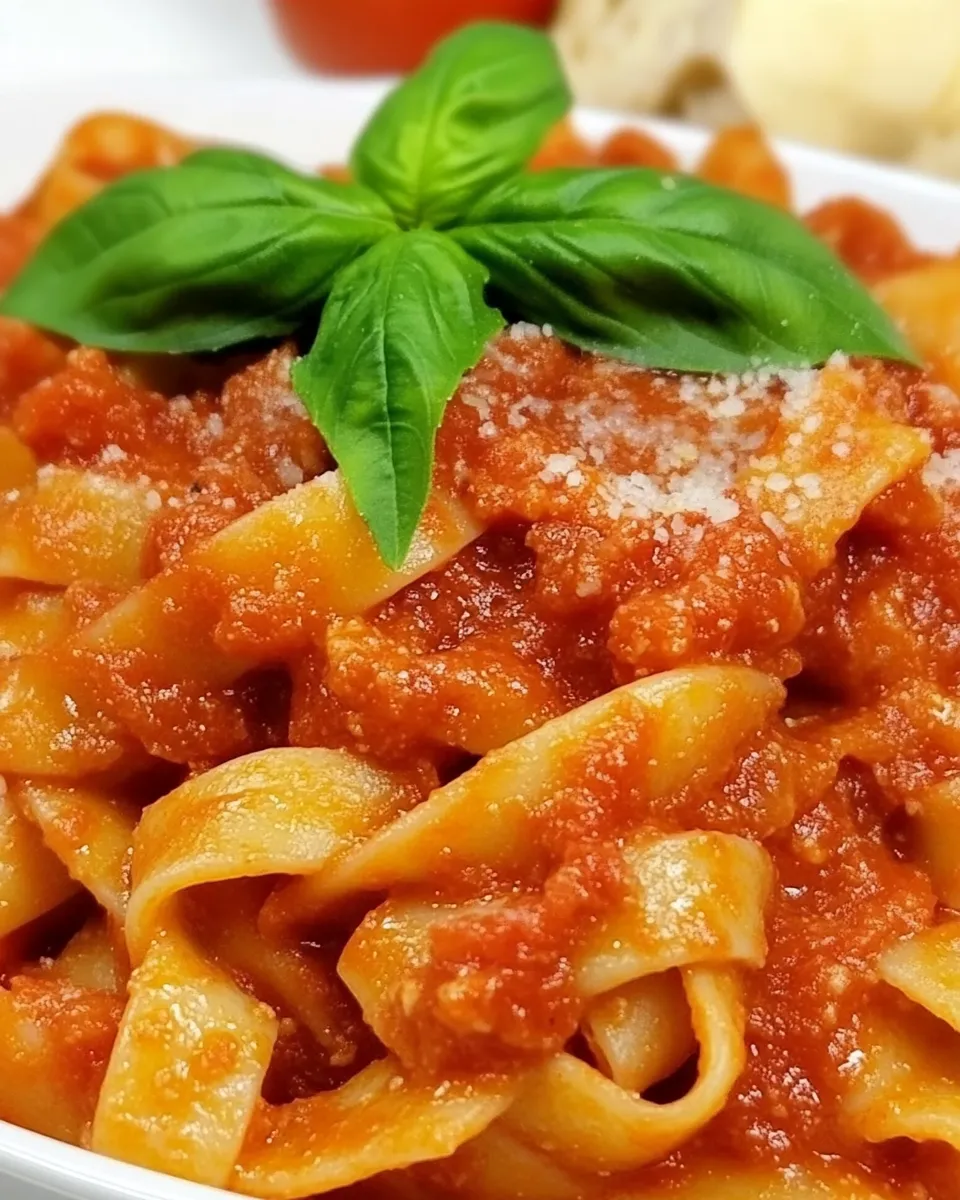
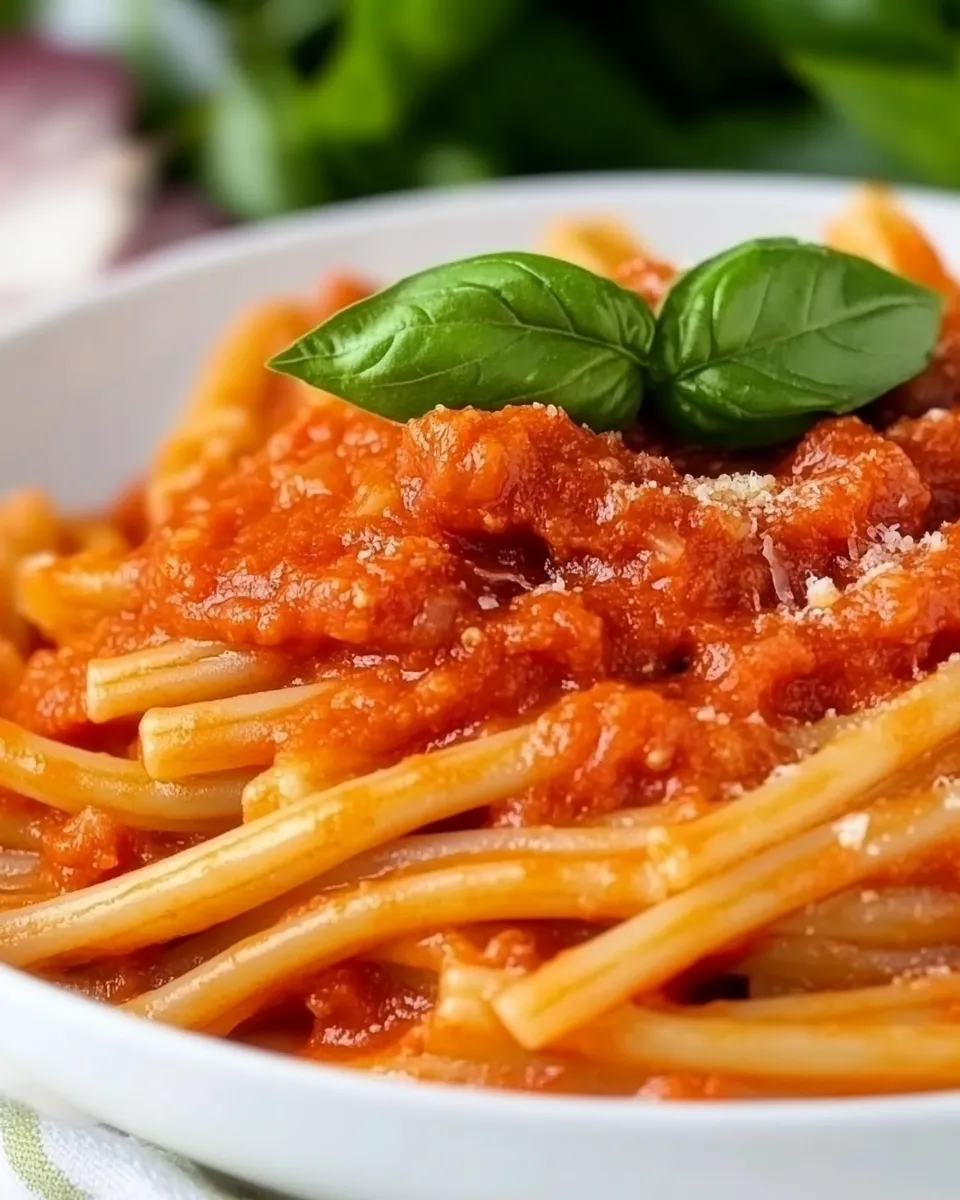
Classic Red Sauce Pasta
Bright, straightforward tomato sauce and perfectly cooked pasta—this is the kind of dinner I turn to when I want comfort without complexity. The sauce is built from sautéed onions and red peppers, blended with canned tomatoes and a touch of sugar to balance the acidity. It’s unfussy, forgiving, and scales easily.
You’ll find this recipe practical for weeknights and satisfying enough for guests. It leans on pantry staples and a short list of fresh produce, so you can get from stove to table in under an hour. I’ll walk you through each step, offer smart substitutions, and flag the common mistakes that slow people down.
Ingredient Rundown
- 4 tablespoon olive oil — Used for sautéing the vegetables; provides the cooking fat and base flavor.
- 2 large onions (peeled and chopped) — Sweetness and body for the sauce; cook until soft to develop flavor.
- 2 red bell peppers (chopped) — Adds color, natural sweetness, and texture to the sauce.
- 1 teaspoon salt — Seasons the vegetables while they cook and helps draw out moisture.
- 4 garlic cloves (peeled and sliced) — Aromatic backbone; add later so garlic doesn’t burn and turn bitter.
- 1 teaspoon dried oregano — Herb note that complements tomatoes; add with garlic for a gentle bloom.
- 1 can diced tomatoes (28oz/800g can) — The sauce base; canned tomatoes give consistent flavor and body year-round.
- 1 teaspoon sugar — Balances tomato acidity for a mellow, rounded sauce.
- ¼ teaspoon black pepper — Freshly ground is best for bright peppery heat.
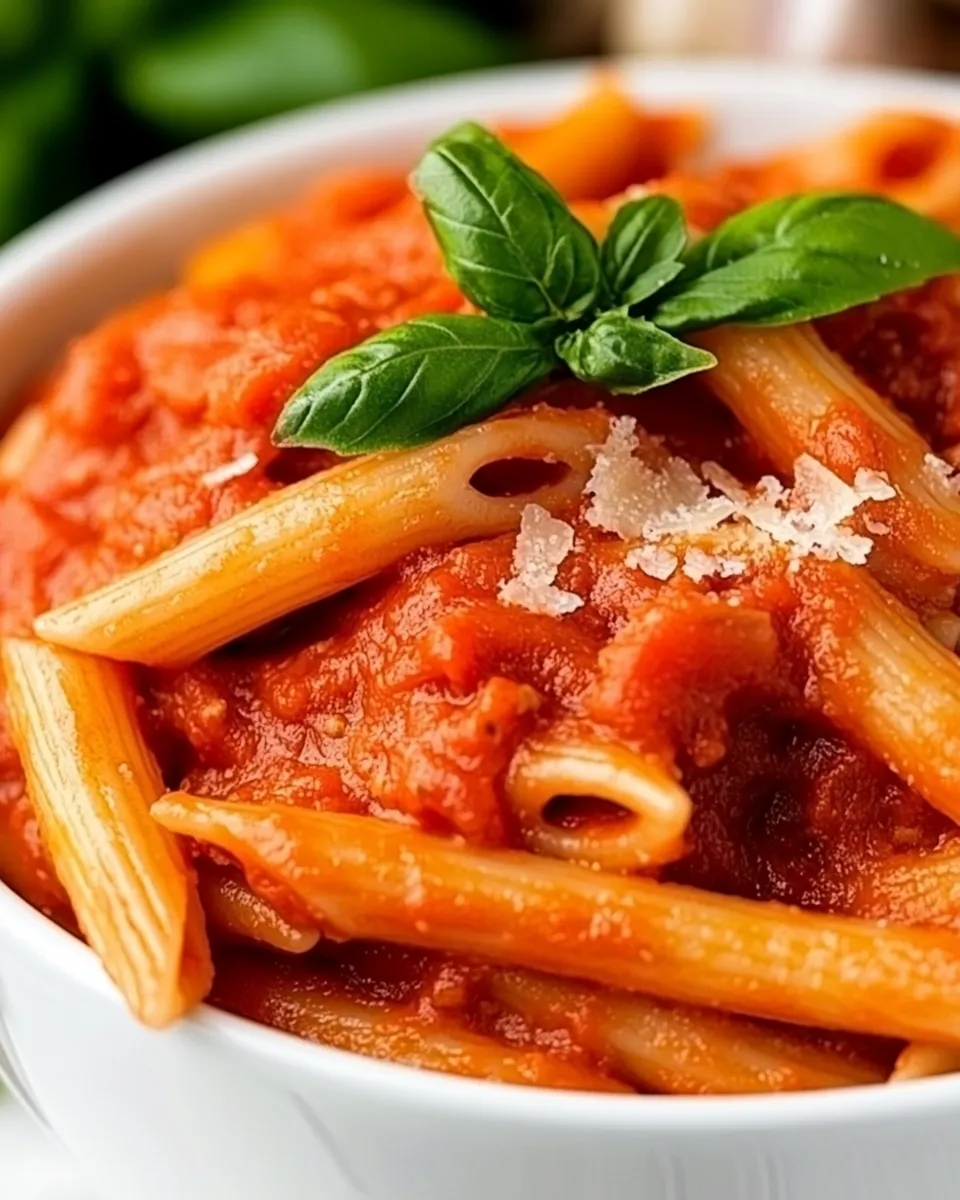
- 14 oz pasta — The amount called for; choose your favorite shape (spaghetti, penne, fusilli work well).
- 1 tablespoon extra virgin olive oil — Stirred into the finished sauce right before combining with pasta for shine and flavor.
Make Classic Red Sauce Pasta: A Simple Method
- Heat a large frying pan, skillet, or sauté pan over medium heat. Add 4 tablespoons olive oil and let it warm for about 30 seconds.
- Add the 2 large chopped onions, 2 chopped red bell peppers, and 1 teaspoon salt to the pan. Cook over medium heat, stirring occasionally, until the vegetables are soft and slightly caramelized—about 10 to 15 minutes.
- Add the 4 sliced garlic cloves and 1 teaspoon dried oregano to the softened vegetables. Reduce the heat to low and cook, stirring, for an additional 5 minutes so the garlic softens and the oregano releases its aroma without burning.
- Carefully transfer the contents of the pan into a blender or food processor. Add the 1 can diced tomatoes (28 oz / 800 g), 1 teaspoon sugar, and ¼ teaspoon black pepper. Blend or pulse until the sauce is pureed to your preferred texture—smooth or slightly chunky.
- Pour the pureed sauce back into the same pan and bring it to a gentle simmer over medium-low heat. Let it cook, uncovered, for 5 to 10 minutes to deepen the flavors and slightly reduce the liquid.
- Just before combining the sauce with the pasta, stir 1 tablespoon extra virgin olive oil into the sauce to enrich the flavor and add sheen.
- While the sauce is simmering, bring a large pot of water to a rolling boil. Add 1 tablespoon salt to the water. Cook 14 oz of pasta according to the package’s suggested timing for al dente texture.
- Before draining the pasta, reserve one cup of the starchy cooking water. Then drain the pasta well.
- Return the drained pasta to its pot or to the pan with the sauce. Add the red pasta sauce and stir gently over low heat to combine. If the sauce feels too thick or the pasta seems dry, add a splash of the reserved pasta cooking water and stir until you reach the desired consistency.
- Taste and adjust seasoning if needed (a pinch more salt or a grind more black pepper). Serve immediately.
What You’ll Love About This Recipe
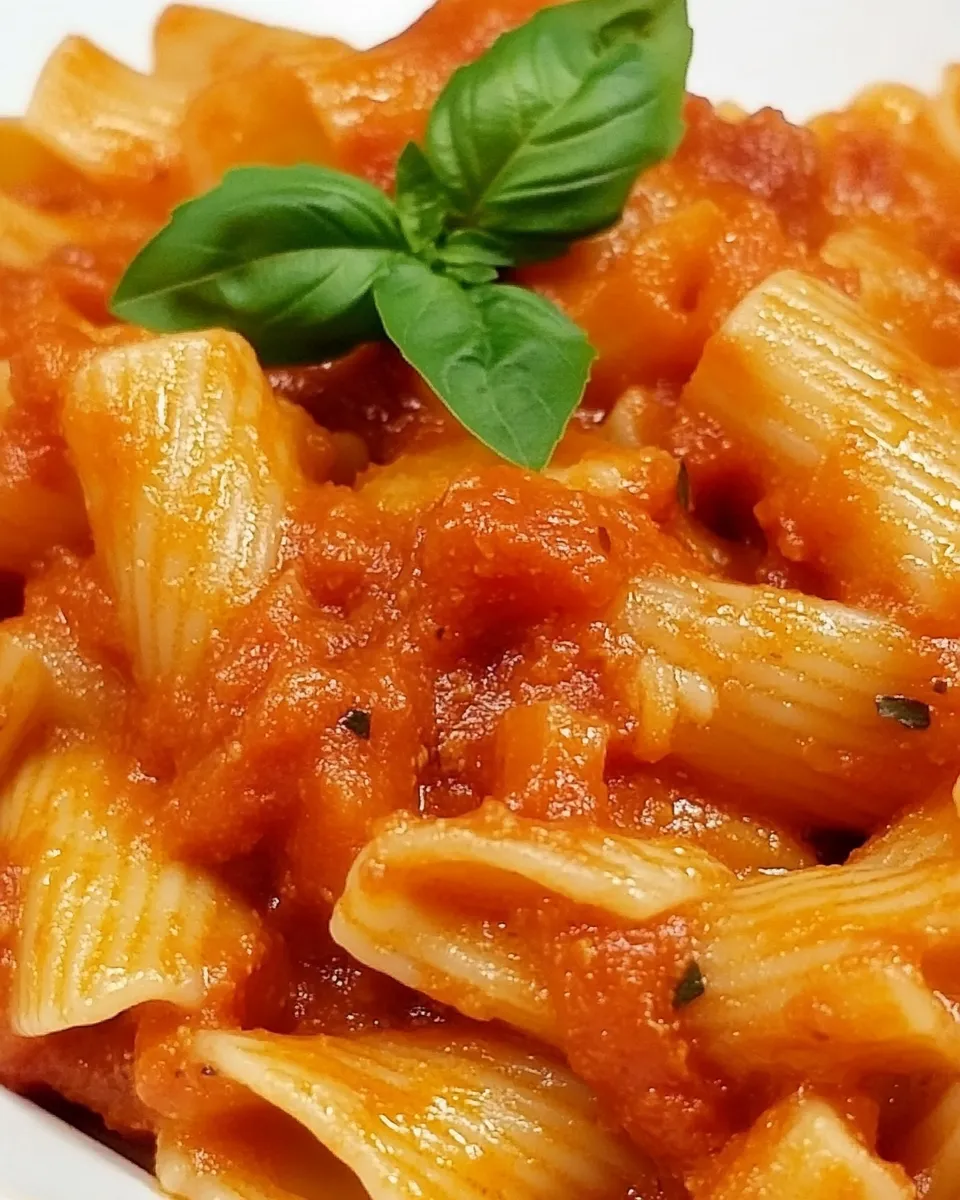
This sauce is bright and homey, with real vegetable flavor from the onions and peppers rather than relying solely on canned tomato heft. It’s easy to make in one pan plus a blender, so cleanup stays manageable. The method keeps the garlic mellow and avoids metallic canned-tomato harshness by adding a little sugar and finishing with extra virgin olive oil.
The recipe is flexible. Want it chunkier? Pulse less in the blender. Prefer a smoother finish? Blend longer. It pairs with most pasta shapes and carries added proteins or vegetables without losing its identity.
Substitutions by Category
- Oil — Use neutral vegetable oil for sautéing if olive oil isn’t available; keep extra virgin olive oil for finishing if possible for flavor.
- Onions & Peppers — Yellow or white onions work interchangeably. If you don’t have red bell peppers, use orange or yellow for similar sweetness; omit if necessary but increase onion by one small onion.
- Herbs & Spices — Swap dried oregano for dried basil if you prefer; use 1 teaspoon. Add a pinch of red pepper flakes for heat.
- Tomatoes — If you only have crushed tomatoes, use the same can size—texture will be smoother; if using whole peeled tomatoes, break them up in the blender.
- Pasta — Any 14 oz short or long pasta is fine. Use gluten-free pasta of the same weight and cook according to package instructions.
- Finishing fat — If you want a richer finish, mix in 1 tablespoon butter instead of extra virgin olive oil.
Kitchen Gear Checklist
- Large frying pan, skillet, or sauté pan (big enough to hold the sauce and later combine with pasta).
- Large pot for boiling pasta.
- Blender or food processor to puree the sauce.
- Wooden spoon or heatproof spatula for sautéing.
- Colander or fine-mesh strainer to drain pasta.
- Measuring spoons and a kitchen scale or measuring cup for pasta if needed.
Common Errors (and Fixes)
- Garlic burned and bitter — Fix: Add garlic later as directed and keep heat low during those final 5 minutes so it softens rather than browns.
- Sauce too thin or watery — Fix: Simmer the pureed sauce longer to reduce it, or add a splash less of reserved pasta water when combining.
- Sauce too thick or clinging — Fix: Add a splash of reserved pasta water a tablespoon at a time until sauce coats the pasta smoothly.
- Undersalted pasta — Fix: Salt the pasta water generously (1 tablespoon in a large pot as directed) to season the pasta from within.
- Blended sauce too smooth for preference — Fix: Pulse briefly instead of blending until fully smooth, or reserve a portion of the cooked vegetables and stir them back in after blending.
Make It Diet-Friendly
- Lower calorie — Reduce the olive oil used for sautéing to 2 tablespoons and use a nonstick pan. Keep the finishing tablespoon of extra virgin olive oil or omit it for fewer calories.
- Low-sodium — Use less salt in the vegetable sauté and choose a low-sodium canned tomato option; add finishing salt to taste at the end.
- Vegetarian & Vegan — This recipe is already vegan as written. For added protein, mix in cooked lentils or chickpeas after blending the sauce.
- Gluten-free — Substitute a gluten-free pasta of equal weight and follow package instructions for timing.
Pro Tips & Notes
Timing and texture
- Cook the onions and peppers until they start to brown in places—this builds flavor. Don’t rush this stage.
- If you like texture, pulse the sauce so it remains slightly chunky. For silky sauce, blend fully and simmer longer to concentrate flavors.
Flavor balance
- The teaspoon of sugar is there to tame canned tomato acidity. Taste before adding more—some tomatoes need it, some don’t.
- Finish with a tablespoon of extra virgin olive oil for gloss and a fresher olive flavor that elevates the sauce.
Meal Prep & Storage Notes
- Make ahead — The sauce stores well in the fridge for up to 4 days. Cool completely before sealing in an airtight container.
- Freezing — Freeze the sauce (without pasta) in portions for up to 3 months. Thaw overnight in the fridge and reheat gently on the stove.
- Reheating pasta — Reheat gently in a pan with a splash of water or pasta cooking water to revive the texture. Avoid microwave reheating without adding moisture; it can dry the pasta out.
Ask the Chef
Q: Can I add meat to this sauce? A: Yes—brown 8–12 ounces of ground beef, pork, or turkey after sautéing the onions and peppers, then proceed with the garlic and oregano and continue as written.
Q: How much pasta is 14 oz? A: It’s roughly 400 grams—enough to serve about 4 people as a main dish depending on appetites.
Q: Can I skip blending? A: You can skip pureeing if you prefer a chunkier rustic sauce. Cook the vegetables until very soft and simply add the canned tomatoes and crush them with a spoon as they cook.
That’s a Wrap
This Classic Red Sauce Pasta is intentionally simple and built to be reliable. It uses a short ingredient list but rewards patience at the stove: soft, caramelized vegetables and a gentle simmer turn pantry tomatoes into a flavorful sauce. Keep a cup of starchy pasta water on hand while finishing the dish—that little trick makes the sauce cling perfectly to the pasta every time.
Serve with a green salad and a grating of parmesan if you like. Leftovers are great the next day, so double the sauce if you want quick lunches for the week.
Classic Red Sauce Pasta
Ingredients
- 4 tablespoons olive oil
- 2 large onions peeled and chopped
- 2 red bell peppers chopped
- 1 teaspoon salt
- 4 garlic cloves peeled and sliced
- 1 teaspoon dried oregano or 1 tablespoon fresh oregano (see notes)
- 1 can (28 oz / 800 g) diced tomatoes
- 1 teaspoon sugar
- 1/4 teaspoon black pepper
- 14 oz pasta any shape (see notes)
- 1 tablespoon extra virgin olive oil to finish the sauce
Instructions
- Heat 4 tablespoons olive oil in a large frying pan or skillet over medium heat.
- Add the chopped onions, chopped red bell peppers and 1 teaspoon salt; cook for 10–15 minutes, stirring occasionally, until softened.
- Stir in the sliced garlic and 1 teaspoon dried oregano; reduce heat to low and cook for 5 minutes more.
- Transfer the pan contents to a blender or food processor, add the canned diced tomatoes, 1 teaspoon sugar and 1/4 teaspoon black pepper, then puree to your desired consistency.
- Return the blended sauce to the pan, bring to a gentle simmer and cook for 5–10 minutes to meld the flavors.
- Meanwhile, bring a large pot of water to a boil, add 1 tablespoon salt, and cook the 14 oz pasta according to the package instructions until al dente.
- Reserve one cup of the pasta cooking water, then drain the pasta in a colander.
- Return the drained pasta to the pot, add the red sauce and 1 tablespoon extra virgin olive oil, and gently stir over low heat to combine; add a splash of reserved pasta water if the sauce needs thinning.
Equipment
- large frying pan or skillet
- blender or food processor
- large pot for pasta
- Colander
- wooden spoon or spatula
Notes
- If using fresh oregano, add 1 tablespoon to the blender with the tomatoes.
- Use good quality canned tomatoes for the best flavor.
- Adjust or omit the sugar if your canned tomatoes are already sweet.
- Any pasta shape works: penne, rigatoni, ziti, fusilli, shells, spaghetti or linguine.