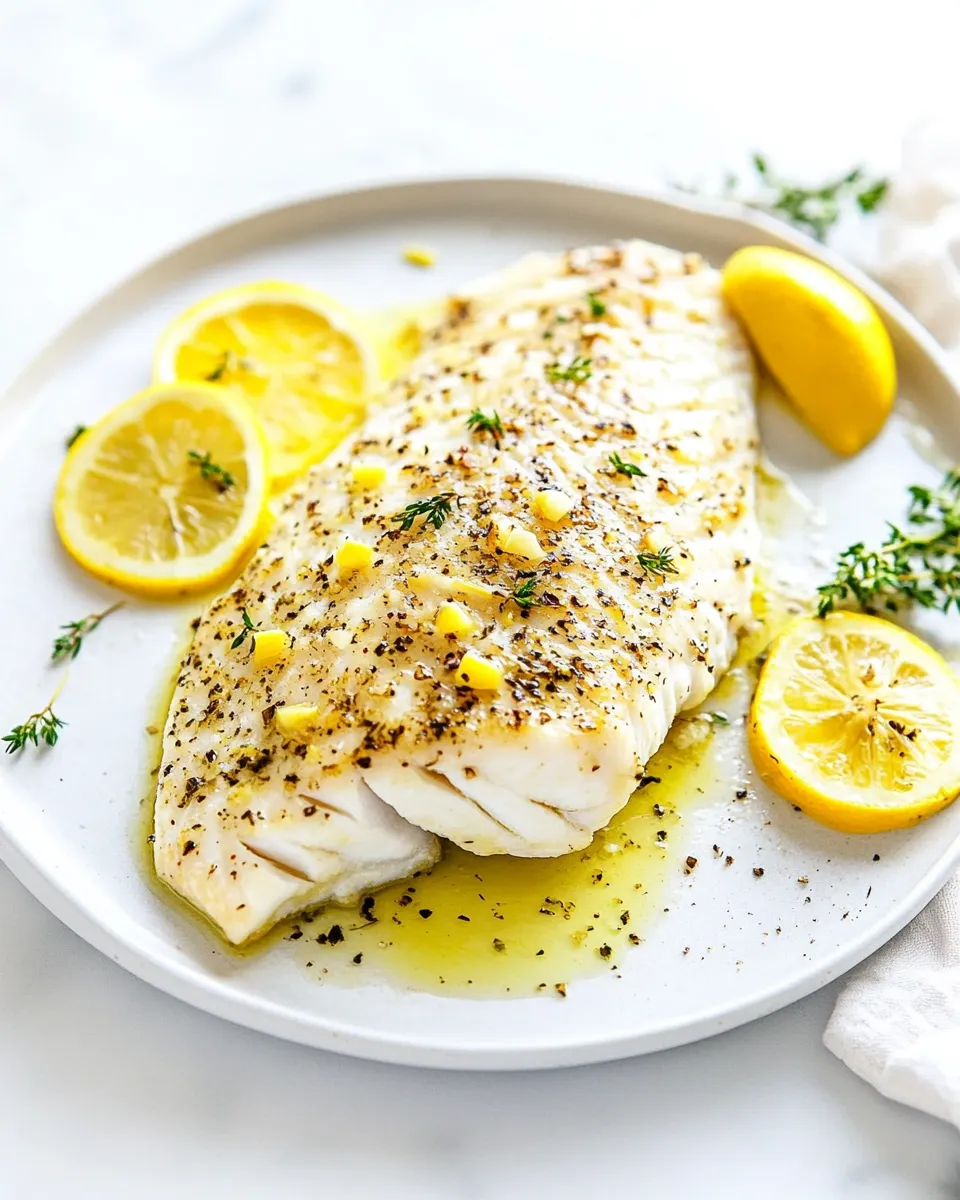
Baked Halibut with Garlic Butter
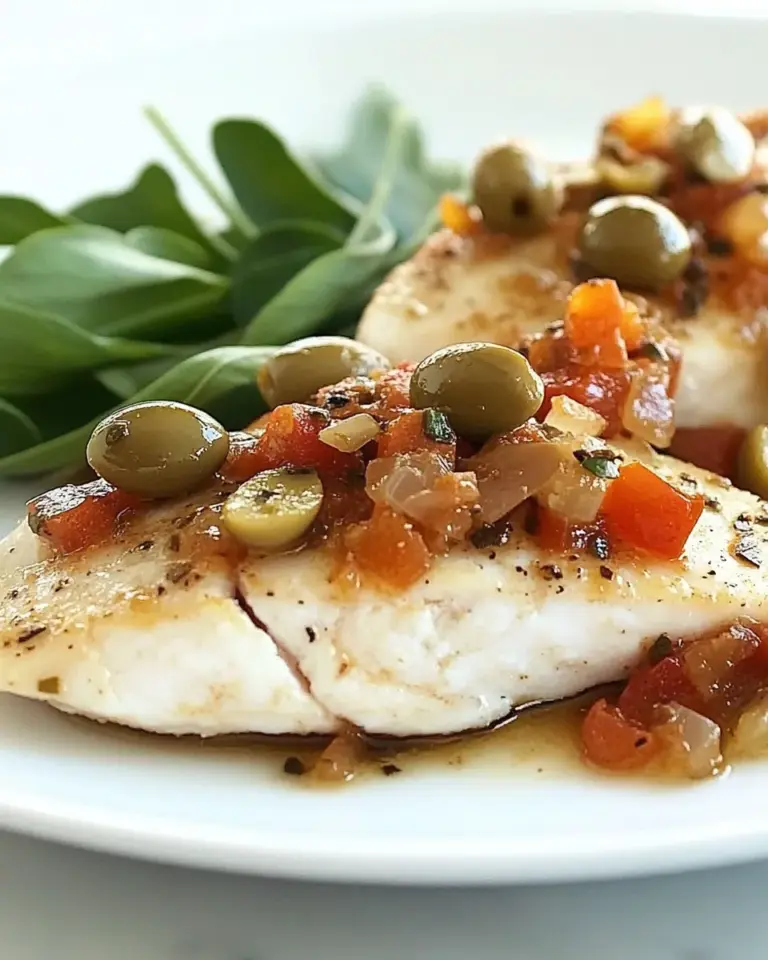
I love recipes that feel special but come together practically — this Baked Halibut with Garlic Butter does exactly that. It’s bright, buttery, and quick: everything I reach for on busy weeknights or when I want to impress with minimal fuss. The garlic butter keeps the fillet moist and flavorful, while a squeeze of lemon at the end wakes the whole dish up.
This post walks you through what to buy, how to cook it step by step, easy swaps, and troubleshooting so you’ll get consistent results every time. No frills, just clear directions and a few pro tips from my kitchen to yours.
What to Buy
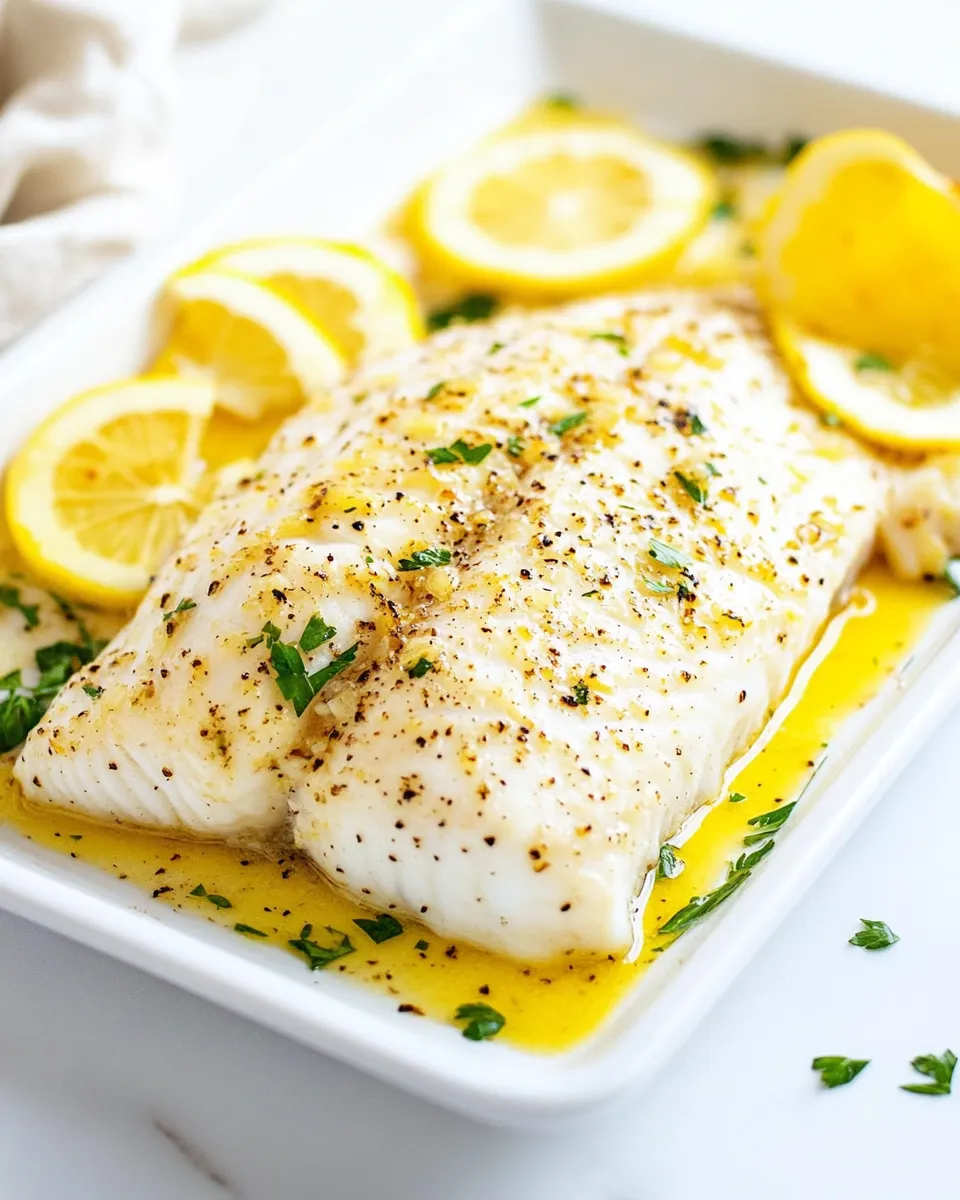
- 1.5 lb halibut filet — Choose a firm, opaque fillet about 1 inch thick for predictable cooking time; ask your fishmonger to trim any ragged edges.
- 4 tbsp unsalted butter — Unsalted butter lets you control seasoning; this is the base for the garlic butter sauce.
- 3 garlic cloves, minced — Fresh garlic gives the butter its lively flavor; mince finely so it disperses evenly.
- 1/2 tsp garlic powder — Reinforces the garlic flavor and gives a gentle roasted note.
- 1 lemon, zested then cut into wedges — Zest adds bright citrus oils to the butter; wedges are for serving.
- 1 tsp kosher salt — Kosher salt seasons the fish cleanly; adjust slightly if using table salt.
- 1/2 tsp pepper — Freshly ground black pepper adds a mild bite that complements the butter.
Cooking Baked Halibut with Garlic Butter: The Process
Follow these steps in order. Quantities and sequence match the ingredients and source directions exactly, rewritten for clarity.
- Preheat the oven to 425°F (220°C). Line a baking sheet with aluminum foil for easy cleanup and set it on the counter.
- Pat the 1.5 lb halibut filet dry with paper towels. Place the filet on the lined baking sheet with the skin side down. Sprinkle 1 tsp kosher salt and 1/2 tsp pepper evenly over the top of the fish.
- In a small saucepan or heatproof bowl, combine 4 tbsp unsalted butter, 3 minced garlic cloves, 1/2 tsp garlic powder, and the zest of 1 lemon. Warm gently over low heat, stirring, until the butter is fully melted and the garlic is fragrant. Do not let the garlic brown.
- Using a pastry brush or the back of a spoon, brush the melted garlic butter evenly over the surface of the halibut, coating it thoroughly. Reserve any extra butter for basting halfway through baking if you like.
- Place the baking sheet in the preheated oven. Bake the halibut at 425°F for 9–15 minutes depending on thickness: plan on about 10 minutes per inch of thickness. Thicker pieces will be toward the 15-minute end; thinner pieces toward 9 minutes.
- Check doneness with an instant-read thermometer inserted into the thickest part of the filet. The fish is done when it reaches 145°F. Alternatively, the fish will flake easily with a fork and will no longer look translucent.
- Remove the halibut from the oven as soon as it reaches 145°F. Transfer to a serving platter, spoon any melted garlic butter from the pan over the top, and serve with lemon wedges.
Why You’ll Love This Recipe
This recipe highlights halibut’s naturally mild, sweet flavor without overwhelming it. The garlic butter provides richness and aroma while the lemon zest brightens the palate. It’s fast: the oven does most of the work, and the active time is minimal.
Because it uses simple ingredients and a straightforward method, it’s forgiving for home cooks. You’ll get tender, flaky fish rather than dry, overcooked fillets when you follow the temperature guideline.
Quick Replacement Ideas
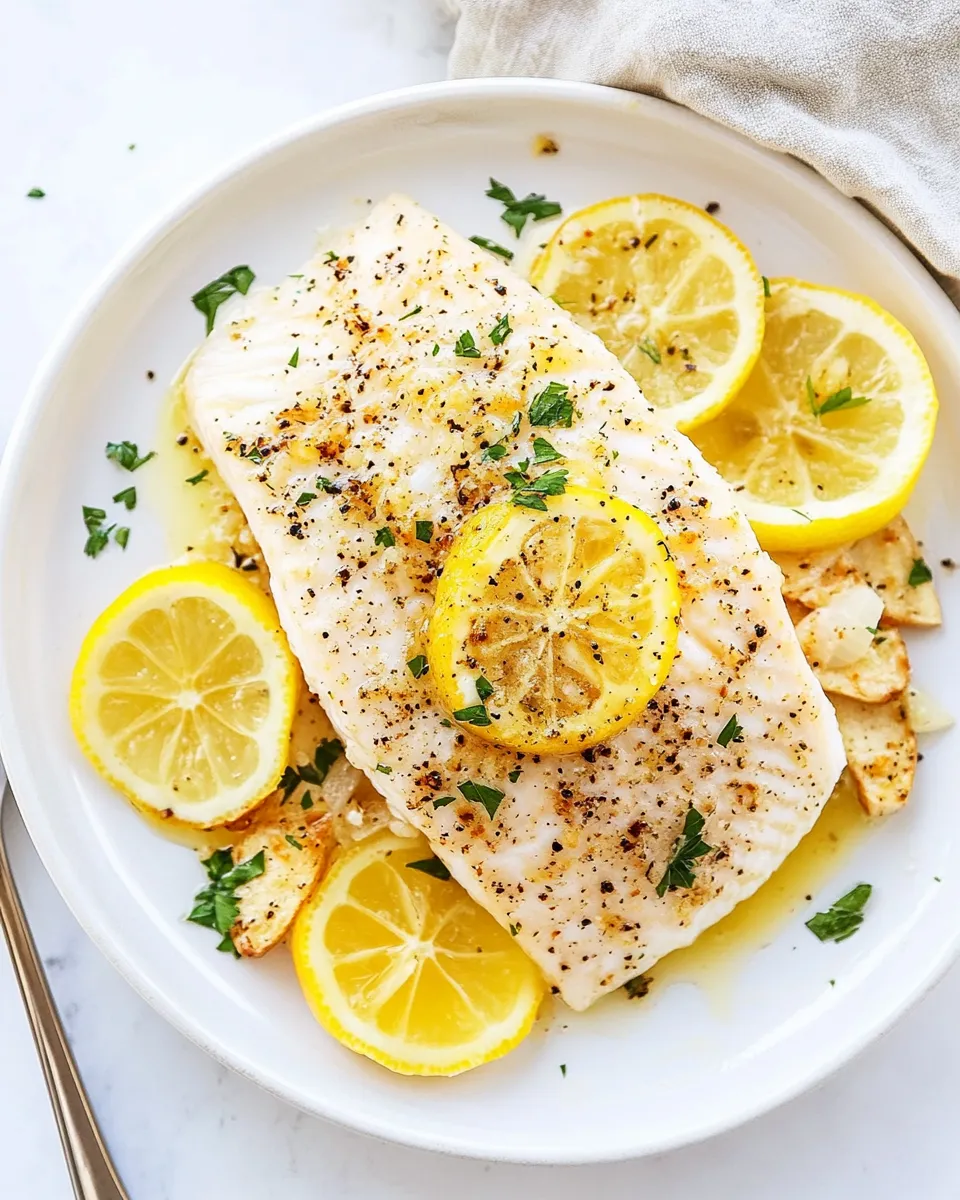
- Fish swap: Cod, sea bass, or mahi-mahi — these fillets have similar cooking times if cut to comparable thickness.
- Butter alternative: Use a 50/50 mix of olive oil and butter for a lighter finish or to make the recipe shelf-stable at slightly higher temperatures.
- Garlic sub: If you’re out of fresh garlic, increase garlic powder to 3/4 tsp and mince one small shallot thinly for texture (don’t invent new ingredients beyond what’s on hand).
Kitchen Gear Checklist
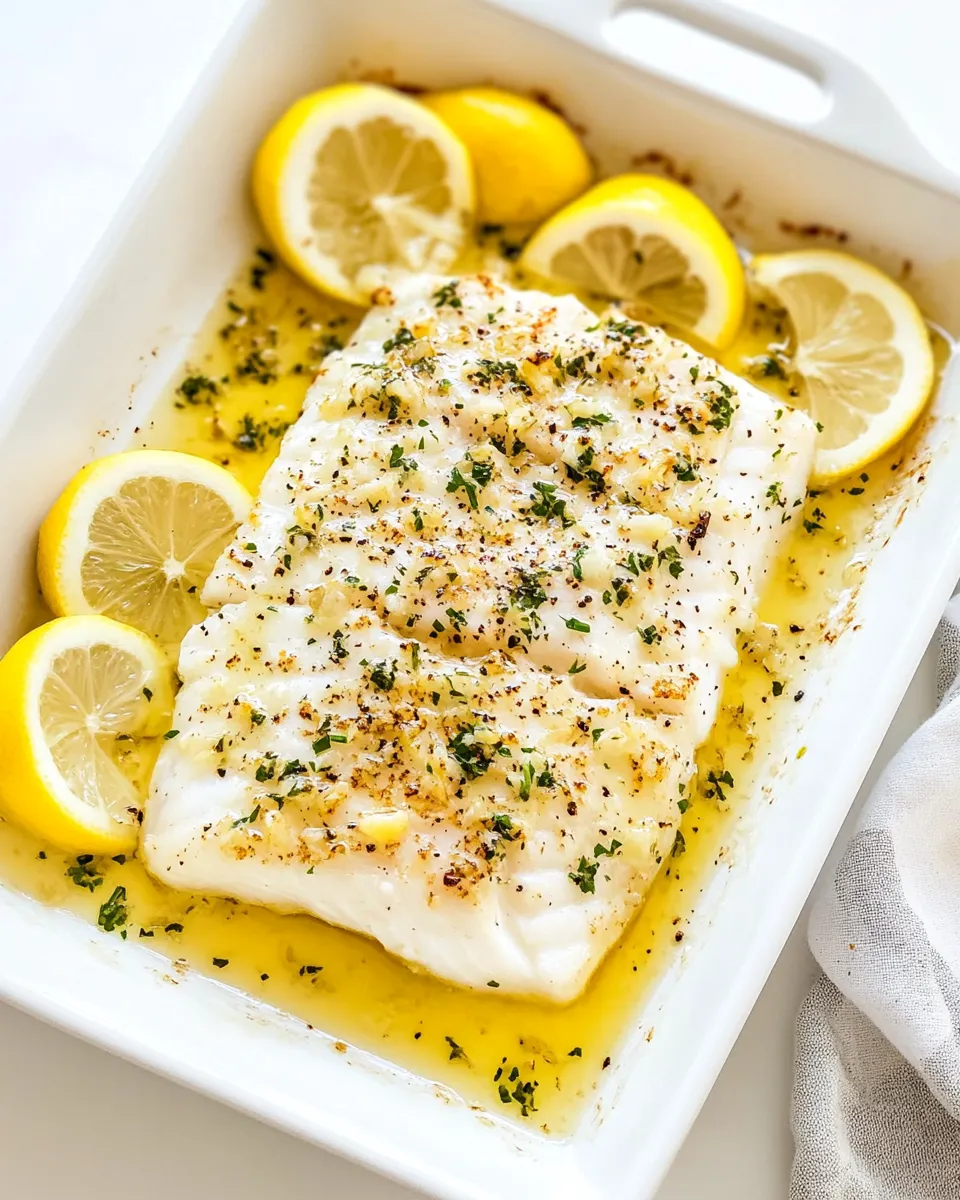
- Baking sheet — A rimmed sheet to catch juices.
- Aluminum foil — For lining the sheet and faster cleanup.
- Small saucepan or microwave-safe bowl — To melt the butter and infuse garlic.
- Pastry brush or spoon — For coating the fish with garlic butter.
- Instant-read thermometer — The most reliable way to confirm the fish is 145°F inside.
- Microplane or fine grater — For zesting the lemon.
Watch Outs & How to Fix
- Overcooked, dry fish: If you accidentally go past 145°F, slice and serve with an extra pat of butter or a spoonful of plain Greek yogurt mixed with lemon to add moisture.
- Under-seasoned: Taste a small flake and, if needed, sprinkle a little extra kosher salt and pepper before serving. A squeeze of lemon brightens underseasoned fish.
- Burnt garlic butter: If the garlic browns while melting, discard that batch and melt fresh butter on lower heat; browned garlic turns bitter.
- Uneven cooking: If the filet is uneven in thickness, fold or tuck the thinner end under slightly so the surface is more uniform, or remove the thinner section earlier.
Fresh Takes Through the Year
Spring/Summer: Serve the halibut with a green salad, new potatoes, or a chilled corn salad and extra lemon wedges for a light plate.
Fall/Winter: Add a side of roasted root vegetables or a warm grain like farro dressed with herbs. A small spoon of caper butter on top adds a briny counterpoint during colder months.
Pro Tips & Notes
- Temperature is king: Rely on the instant-read thermometer. Appearance and flakiness are helpful but can be misleading.
- Room temperature fish: Let the filet sit 10–15 minutes at room temperature before baking for more even cooking.
- Butter infusion: Keep the butter warm but not boiling when adding garlic and lemon zest; gentle heat extracts flavor without burning.
- Timing guide: About 10 minutes per inch thickness is a useful rule for this temperature, but always confirm with a thermometer.
Save for Later: Storage Tips
- Refrigerating: Cool leftovers to room temperature for no more than 2 hours, then refrigerate in an airtight container for up to 2 days.
- Reheating: Reheat gently at 275–300°F in the oven until warmed through, or steam briefly covered in a skillet over low heat to avoid drying out.
- Freezing: I don’t recommend freezing cooked halibut for best texture — freeze raw halibut portions instead and bake fresh when ready.
Common Qs About Baked Halibut with Garlic Butter
- Can I use salted butter? Yes, but reduce the kosher salt to about 1/2 tsp to avoid oversalting.
- How do I know thickness? Measure the thickest part of the filet from top to bottom with a ruler; use the 10-minutes-per-inch guideline.
- Can I broil instead? You can broil for a minute or two at the end to brown the top, but watch closely — garlic can burn quickly under high heat.
- Is the lemon zest necessary? It’s a small step with big impact: the zest adds citrus oils that brighten the butter. Skip only if you don’t have a lemon.
Save & Share
If this recipe becomes a favorite, save it to your recipe box and share it with friends who like quick, elegant meals. A small note: keep a thermometer nearby and good-quality butter on hand — they make a big difference.
Happy cooking — and enjoy that garlic butter kiss on perfectly baked halibut.
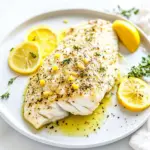
Baked Halibut with Garlic Butter
Ingredients
- 1.5 lb halibut fillet
- 4 tbsp unsalted butter
- 3 garlic cloves minced
- 1/2 tsp garlic powder
- 1 lemon zested and cut into wedges
- 1 tsp kosher salt
- 1/2 tsp black pepper
Instructions
- Preheat the oven to 425°F (220°C). Line a baking sheet with aluminum foil.
- Place the halibut fillet on the prepared baking sheet, skin side down if present, and sprinkle evenly with 1 teaspoon kosher salt and 1/2 teaspoon black pepper.
- Melt 4 tablespoons unsalted butter in a small saucepan over low heat or in a microwave-safe bowl. Stir in the minced garlic, 1/2 teaspoon garlic powder, and the lemon zest until combined.
- Brush the melted garlic-lemon butter evenly over the top of the halibut.
- Bake in the preheated oven for 9–15 minutes, depending on thickness, until an instant-read thermometer inserted into the thickest part reads 145°F (63°C) and the fish flakes easily with a fork.
- Serve immediately with lemon wedges.
Equipment
- Baking Sheet
- Aluminum Foil
- small saucepan or microwave-safe bowl
- pastry brush or spoon
- Measuring spoons
- Knife
- Cutting Board
- instant-read thermometer
Notes
- Check fish thickness to adjust bake time.
- Use an instant-read thermometer for best results.
- Trim excess skin if desired before baking.