White Layer Cake
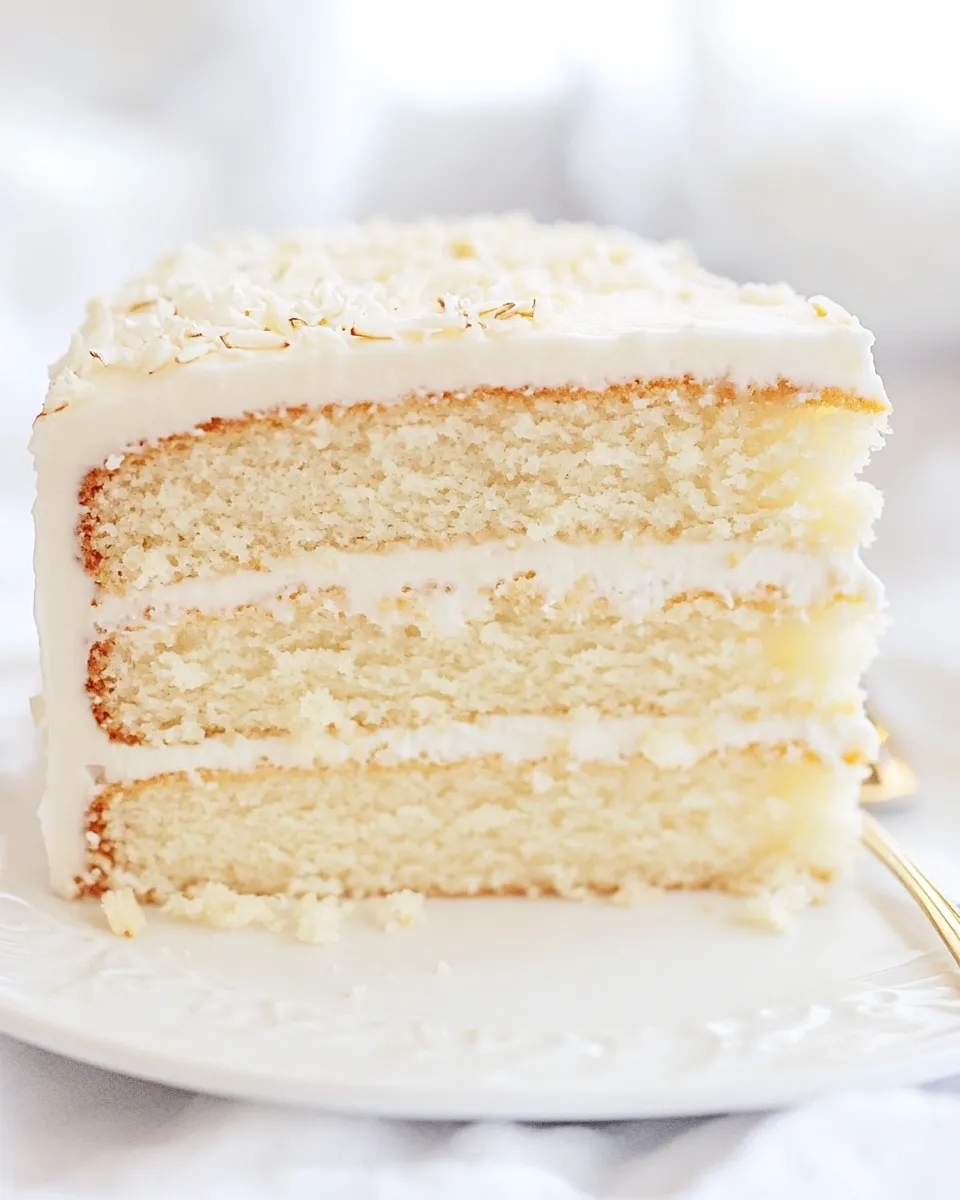
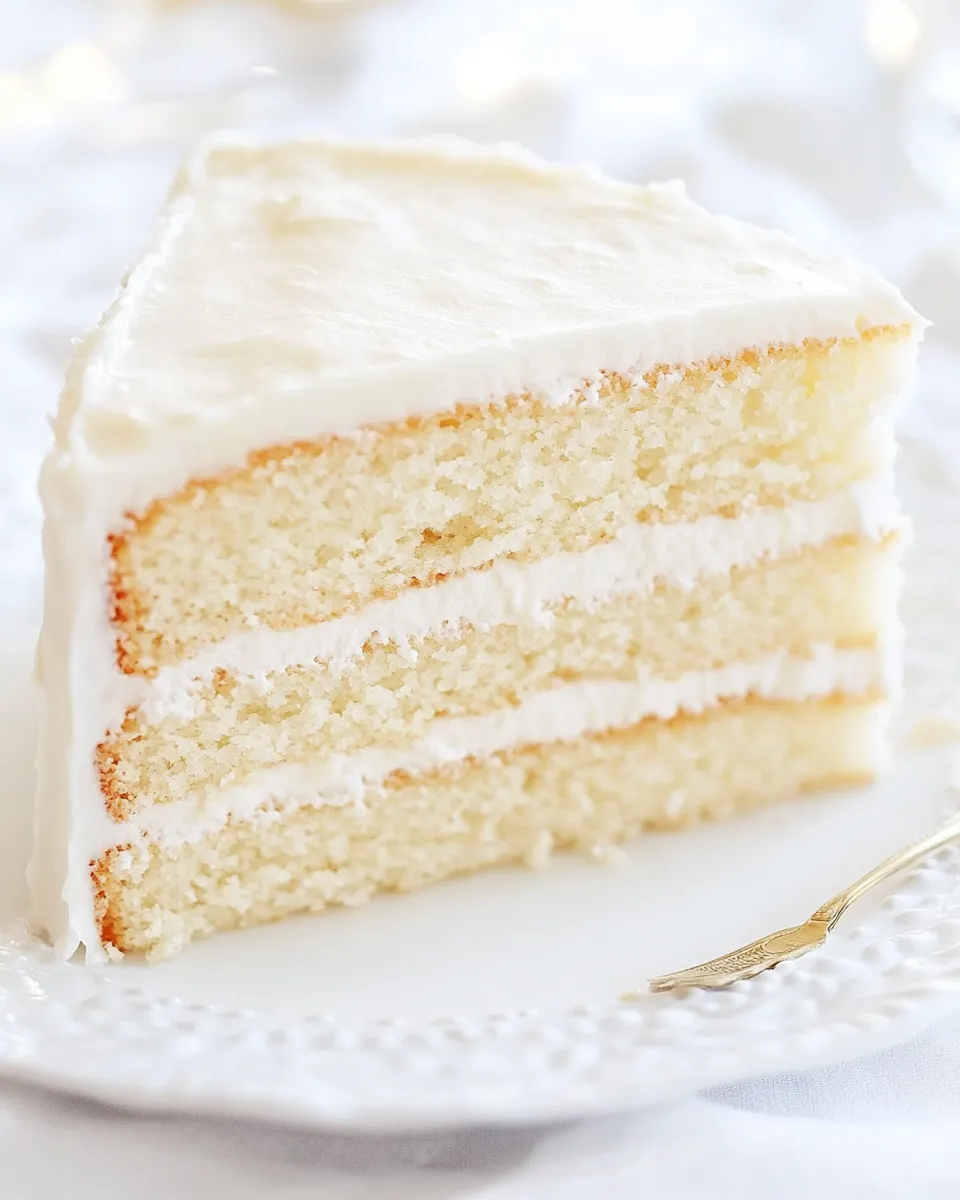
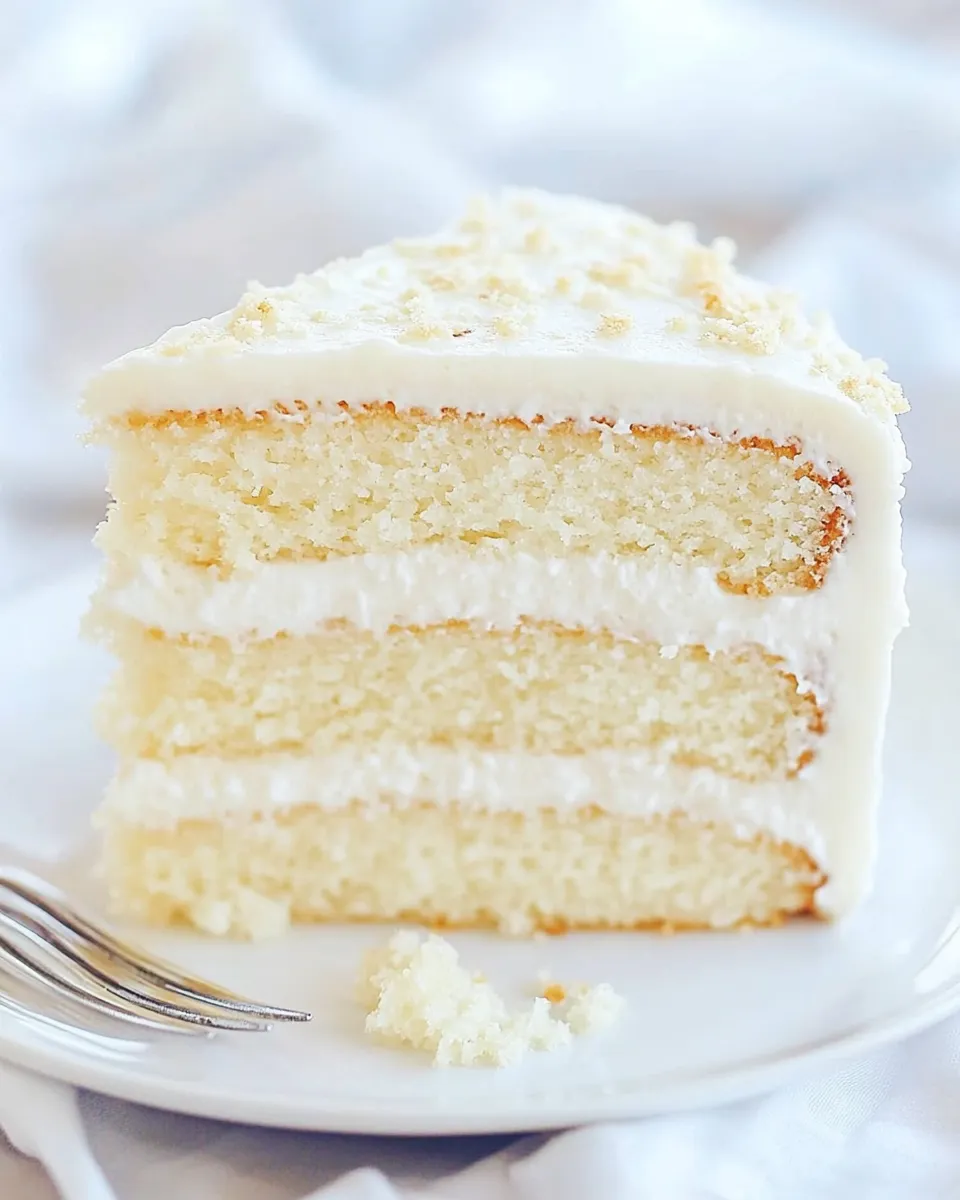
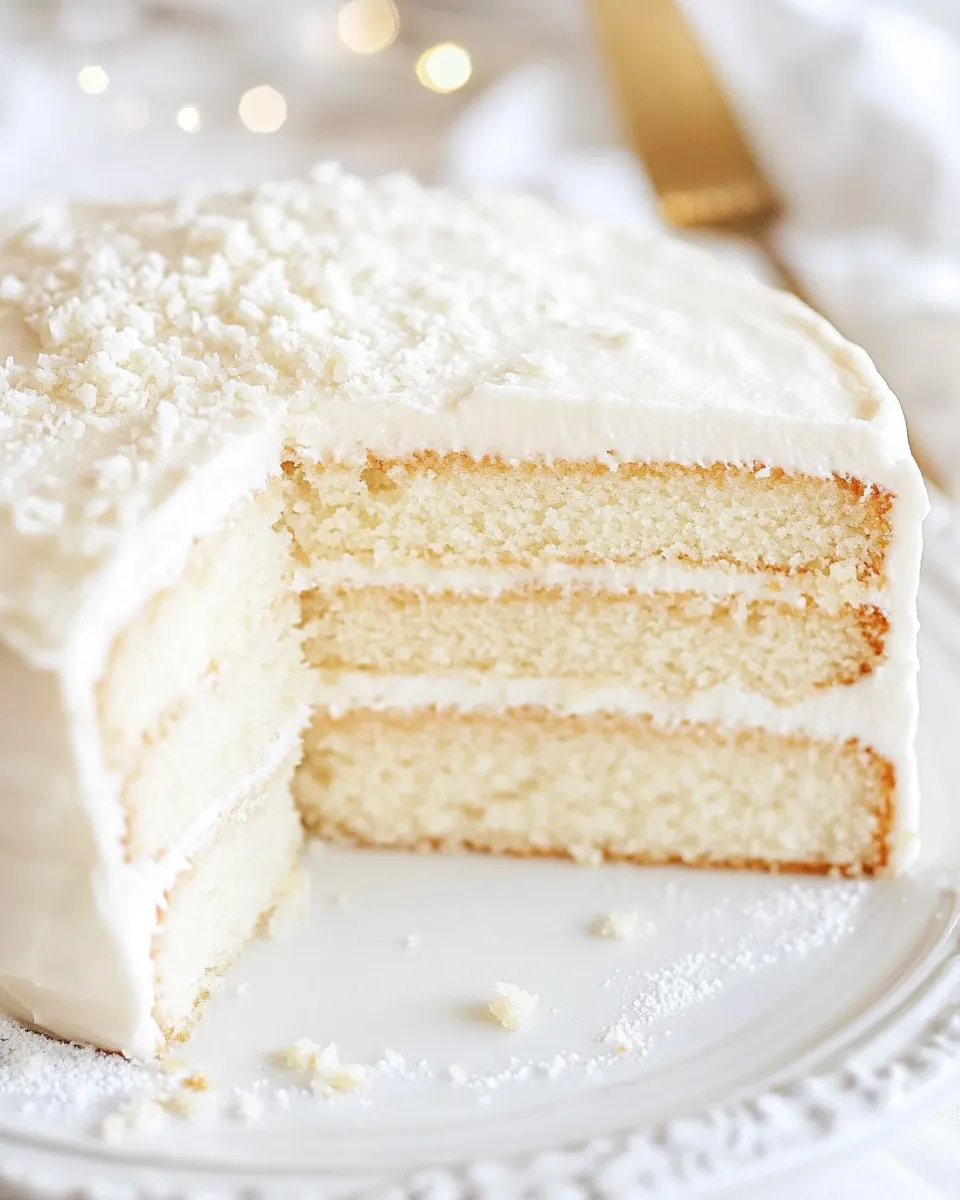
This is the white layer cake I turn to when I want something classic, delicate, and unfussy. It’s soft, lightly sweet, and built to showcase a pillowy buttercream. The crumb is fine and tender because we use cake flour and whipped egg whites, and the frosting is a straightforward Swiss-style textured buttercream that you can make without special equipment.
I test recipes in a small kitchen and deliver practical notes so you don’t have to guess. The instructions below follow the recipe precisely but reorganize steps so they read clearly and flow in the order you’ll actually work: pans first, batter next, then frosting and assembly. Times, temperatures, and quantities are unchanged from the source.
You’ll find sensible tips for avoiding common mistakes, options for swapping ingredients, and storage advice so this cake stays moist whether you serve it same-day or prep ahead. Read through once, then gather ingredients and gear—this is a great cake to bake with confidence.
Ingredient List
- 1 cup whole milk, room temperature (65°F) — adds moisture and tenderness; room temp helps batter emulsify.
- 6 large egg whites, room temperature (65°F) — lighten the cake and keep it white; room temp whips more evenly into the batter.
- 1 teaspoon clear vanilla extract — flavoring; clear keeps the cake pale (real vanilla will darken slightly).
- 1 teaspoon almond extract, optional but highly recommended — brightens flavor; optional but suggested for a delicate note.
- 2 ¼ cups cake flour — the base of the cake; cake flour yields a soft, fine crumb (all-purpose not recommended).
- 1 tablespoon baking powder — leavening; ensures the layers rise evenly.
- ½ teaspoon fine sea salt — balances sweetness and enhances flavor.
- ¾ cup unsalted butter, room temp (65°F) — creamed with sugar to create structure and richness in the batter.
- 1 ¾ cup granulated sugar — sweetens and helps aerate when creamed with butter.
- 1 ½ cups unsalted butter, softened — for the buttercream; softened (not melted) gives best texture.
- 6 cups confectioners’ sugar, sifted* — bulk and structure of the buttercream; sifted for smoothness.
- 1 teaspoon fine sea salt — balances the buttercream’s sweetness.
- 1 ½ teaspoons clear vanilla extract — buttercream flavor; clear keeps frosting pale.
- 1 ½ teaspoons almond extract, optional but highly recommended — extra flavor lift in the frosting; optional.
- 3 tablespoons whole milk — adjusts frosting consistency; add exactly as written for ideal spreadability.
- Sprinkles for decorating, optional — purely decorative; adds color if desired.
Mastering White Layer Cake: How-To
Follow these directions in order. Quantities and temperatures match the ingredient list exactly; I’ve clarified steps and added small procedural notes so you won’t stall at any point.
- Preheat your oven to 350°F. Prepare two 9-inch round cake pans: spray them with cooking spray and use a pastry brush to coat evenly. Line the bottoms with parchment paper rounds (they don’t need to go up the sides). Lightly spray the top of the parchment and brush the spray so the liner is slick. Set pans aside.
- In a large bowl whisk together the milk, egg whites, clear vanilla extract, and optional almond extract until blended. Set this wet mixture aside at room temperature.
- In a separate large bowl whisk together the cake flour, baking powder, and ½ teaspoon fine sea salt until evenly combined. Set the dry mixture aside.
- Fit a stand mixer with the paddle attachment (or use an electric hand mixer in a large bowl). Add ¾ cup room-temperature unsalted butter and 1 ¾ cups granulated sugar. Beat on medium speed until the mixture is light and fluffy, about 3 minutes. Stop and scrape down the bowl and paddle.
- With the mixer on low or medium-low, add half of the flour mixture and beat just until it is incorporated. Stop the mixer and scrape down the sides.
- Add half of the milk-and-egg-white mixture and beat just until incorporated. Scrape down the sides again.
- Add the remaining flour mixture and beat just until incorporated. Scrape the bowl.
- Add the remaining milk mixture and beat just until incorporated. Do not overmix; stop when the batter looks uniform and smooth.
- Divide the batter evenly between the two prepared pans. I use a large cookie scoop to portion batter scoop-by-scoop so each pan gets the same amount; weighing is fine too.
- Bake for 20 to 25 minutes. The cakes are done when a toothpick inserted into the center comes out mostly clean with a few moist crumbs attached. Avoid browning the tops or sides too much—dark edges will remain noticeable after slicing and frosting.
- Place the pans on a wire rack and cool for 10 minutes. Then turn the cakes out of the pans and remove parchment. Allow the layers to cool completely on the wire rack, at least 2 hours.
- To make the buttercream: place 1 ½ cups softened unsalted butter into the bowl of a stand mixer fitted with the paddle attachment (or use a large bowl and hand mixer). Beat on medium speed until completely smooth.
- Reduce speed to low and add the 6 cups sifted confectioners’ sugar a spoonful at a time, making sure each addition is incorporated before adding the next. Scrape the sides of the bowl as needed. This slow method yields a super fluffy frosting.
- Add 1 ½ teaspoons clear vanilla extract and 1 ½ teaspoons almond extract (if using) and beat briefly on medium-low to combine.
- Pour in 3 tablespoons whole milk and beat briefly on medium-low until combined.
- Turn the mixer speed up to medium-high and whip the frosting for 3 minutes until light and very fluffy. Scrape and check the texture; it should be spreadable but hold peaks.
- If the cakes have domed tops, level them carefully with a serrated knife so they’re flat.
- Place a tablespoon-sized dollop of buttercream on your cake board, stand, or plate to anchor the bottom layer. Put one cake layer on top of that, bottom-side down, centered on your serving surface.
- Spread 1 cup of buttercream evenly over the first layer, smoothing to the edges.
- Invert the second cake and place it top-side down onto the buttercream to form the sandwich.
- Reserve about 1 cup of buttercream in a separate bowl for the crumb coat. Use the remaining frosting for final coverage later.
- Using the reserved frosting, apply a thin full coat all over the cake to trap crumbs (the crumb coat). Press frosting gently into any gap where the two layers meet so the seam is filled.
- Chill the crumb-coated cake in the refrigerator for at least 2 hours (overnight is fine) so the coating sets and makes final frosting easier.
- After chilling, spread the remaining buttercream over the outside of the cake. You can keep a rustic finish or smooth it for a cleaner look. Add sprinkles if you like.
Top Reasons to Make White Layer Cake
This cake is a perfect celebration base—simple, elegant, and crowd-pleasing. It’s pale and clean-tasting, so it works for birthdays, showers, weddings, or anytime you want a neutral canvas for decorations. The texture is tender but stable enough for stacking and decorating.
It’s also flexible for make-ahead planning: layers and frosting freeze well separately, so you can bake in advance and assemble on the day you need the cake. The flavor profile is mild, which means you can pair it with fruit curds, jams, or flavored creams without clashing.
Ingredient Flex Options
- Milk — whole milk is called for; for a slightly lighter crumb you can try 2% (texture will change).
- Egg whites — use pasteurized whites if you’re avoiding raw egg concerns; keep them at room temp.
- Vanilla — clear vanilla is suggested to keep the cake pale; pure vanilla extract will deepen color slightly but tastes richer.
- Almond extract — optional; swap with 1 teaspoon of additional vanilla if you prefer no almond flavor.
- Buttercream — this recipe is a classic butter-based confectioners’ sugar buttercream; you can flavor it with citrus zest, espresso, or swap some milk for heavy cream to alter texture.
What You’ll Need (Gear)
- Two 9-inch round cake pans
- Cooking spray and a pastry brush (or grease and flour method)
- Parchment paper rounds
- Stand mixer with paddle attachment or electric hand mixer
- Mixing bowls (two large)
- Large cookie scoop or kitchen scale for even batter distribution
- Wire cooling rack
- Serrated knife or cake leveler
- Cake board, plate, or stand
- Spatulas and offset spatula for frosting
Missteps & Fixes
Underbaked center
If a toothpick comes out wet, return the layers to the oven and bake in 2–3 minute increments until mostly clean with a few crumbs. Don’t overbake—watch for browning.
Crumby frosting
If crumbs keep appearing in your frosting, chill the cake longer after the crumb coat and use a separate bowl of frosting reserved before you crumb-coat for the final layer (the recipe already calls for reserving about 1 cup).
Dense or heavy cake
Make sure butter and sugar are properly creamed until light and airy, and don’t overmix after adding the flour—mix only until incorporated.
Runny or stiff buttercream
If frosting is too stiff, add a teaspoon of milk at a time until spreadable. If too soft, chill for 10–15 minutes, then re-whip briefly.
Allergy-Friendly Swaps
- Dairy-free — substitute a non-dairy milk like oat or almond for the whole milk and a vegan butter substitute for the butter; flavor and texture will vary.
- Nut allergy — omit almond extract entirely; the cake still tastes bright with vanilla alone.
- Egg-free — this recipe relies on egg whites for structure; for egg-free options, use a tested egg replacer cake formula rather than swapping directly.
- Sugar-free — confectioners’ sugar is essential for the buttercream texture; for a lower-sugar option, look for tested recipes that use sugar substitutes designed for baking.
Method to the Madness
This recipe separates wet and dry mixtures and alternates them into creamed butter and sugar. That technique helps keep the batter emulsified and prevents overworking the gluten. Cooling times are generous on purpose: undercooled layers will crumble when you level or assemble, and a chilled crumb coat sets up a cleaner final finish.
The buttercream is built slowly, adding powdered sugar spoonful-by-spoonful at low speed. It’s time-consuming but worth it: the slow incorporation yields a smoother, fluffier texture than dumping all the sugar in at once.
Leftovers & Meal Prep
An assembled, frosted two-layer White Layer Cake keeps airtight in the refrigerator for up to 1 week; it tastes best within the first few days. Allow slices to come to room temperature before serving for a moister mouthfeel. The assembled cake can safely sit at room temperature for up to 3 days because of the high sugar content in the buttercream, but refrigeration extends shelf life.
Baked but unfrosted layers freeze airtight for up to 3 months. Buttercream can also be frozen for up to 3 months. Thaw in the fridge overnight, then bring to room temperature and re-whip briefly before using. This makes staging multiple cakes over several days much more manageable.
Common Qs About White Layer Cake
Q: Can I use all-purpose flour instead of cake flour? A: The recipe notes that cake flour is recommended; AP flour will make the crumb slightly denser. If you must use AP, remove 2 tablespoons per cup and add 2 tablespoons cornstarch per cup to mimic cake flour.
Q: Why are the egg whites separate? A: Egg whites help keep the cake pale and tender. Using whole eggs would change color and texture; the whites produce a lighter crumb.
Q: Is almond extract necessary? A: It’s optional but recommended for a delicate lift. If you or guests have nut sensitivities, omit it and stick with vanilla.
Q: Can I make this into three thin layers? A: Yes—adjust bake time downward and use smaller pans or divide batter into three pans. Watch for doneness earlier.
Let’s Eat
Slice this cake thinly for guests; its fine crumb and sweet buttercream means a little goes a long way. Serve simply with tea or coffee, or add fresh berries and a dusting of powdered sugar for a gentle, pretty presentation. If you decorated it with sprinkles, let that be the joyful finish and keep the serving straightforward.
Make it a day ahead if you like—the flavors meld and the buttercream firms, making slicing cleaner and service easier. Enjoy baking and sharing this approachable, elegant White Layer Cake.
White Layer Cake
Ingredients
- 1 cup whole milk room temperature (65°F)
- 6 large egg whites room temperature (65°F)
- 1 teaspoon clear vanilla extract clear likely imitation; real vanilla may yellow cake
- 1 teaspoon almond extract optional but highly recommended
- 2 1/4 cups cake flour all-purpose not recommended
- 1 tablespoon baking powder
- 1/2 teaspoon fine sea salt
- 3/4 cup unsalted butter room temperature (65°F) for cake
- 1 3/4 cups granulated sugar
- 1 1/2 cups unsalted butter softened, for buttercream
- 6 cups confectioners' sugar sifted
- 1 teaspoon fine sea salt for buttercream
- 1 1/2 teaspoons clear vanilla extract
- 1 1/2 teaspoons almond extract optional but highly recommended; clear may be imitation
- 3 tablespoons whole milk for buttercream
- sprinkles for decorating, optional
Instructions
- Preheat the oven to 350°F. Spray two 9-inch round cake pans with cooking spray, brush evenly, line the bottoms with parchment rounds, and lightly grease the parchment; set pans aside.
- In a large bowl, whisk together the milk, egg whites, vanilla extract, and optional almond extract until combined; set aside.
- In a separate bowl, whisk the cake flour, baking powder, and 1/2 teaspoon fine sea salt until evenly combined; set aside.
- In the bowl of a stand mixer fitted with the paddle (or using a large bowl and electric hand mixer), beat 3/4 cup room-temperature butter and 1 3/4 cups granulated sugar on medium speed until light and fluffy, about 3 minutes, scraping the bowl as needed.
- Add half of the dry flour mixture to the butter-sugar and beat briefly until just incorporated; scrape the bowl.
- Add half of the milk-and-egg-white mixture and beat briefly until just incorporated; scrape the bowl.
- Add the remaining flour mixture and beat briefly until just incorporated; scrape the bowl.
- Add the remaining milk mixture and beat briefly until the batter is just combined and smooth; scrape the bowl once more.
- Divide the batter evenly between the prepared pans (by weight or using a scoop) and smooth the tops.
- Bake 20–25 minutes, until a toothpick inserted in the centers comes out mostly clean with a few crumbs; avoid excessive browning.
- Cool the pans on a wire rack for 10 minutes, then turn the cakes out and cool completely on the rack, at least 2 hours.
- For the buttercream, beat 1 1/2 cups softened unsalted butter on medium until smooth in a stand mixer or with a hand mixer.
- Reduce speed to low and add the sifted confectioners' sugar in spoonfuls, incorporating each addition fully before adding more; scrape as needed.
- Add 1 teaspoon fine sea salt, 1 1/2 teaspoons vanilla extract, 1 1/2 teaspoons almond extract (if using), and 3 tablespoons milk; beat on medium-low until combined.
- Increase speed to medium-high and whip the frosting for 3 minutes until very light and fluffy.
- If the cake layers have domes, level them carefully so they are flat.
- Place a tablespoon of buttercream on your cake board or plate to anchor the cake. Put one layer bottom-side down, spread 1 cup buttercream evenly to the edge, then invert the second layer and place it top-side down onto the filling.
- Reserve about 1 cup buttercream in a separate bowl for the crumb coat. Use the remaining buttercream to apply a thin crumb coat over the assembled cake, smoothing to cover completely.
- Chill the cake at least 2 hours (or overnight) so the crumb coat sets.
- After chilling, frost the outside of the cake with the remaining buttercream as desired and optionally decorate with sprinkles.
Equipment
- Two 9-inch round cake pans
- Parchment Paper
- stand mixer with paddle attachment or electric hand mixer
- Mixing bowls
- Wire Rack
- spatula and pastry brush
- Measuring cups and spoons
Notes
- Almond extract is optional but adds rich flavor; omit or replace with extra vanilla if not using.
- Sift the confectioners' sugar for the smoothest buttercream.
- Use clear (imitation) vanilla to avoid yellowing if desired.
- A very small amount of violet gel can brighten the buttercream if needed.
- Chill the crumb coat for at least 2 hours before final frosting.