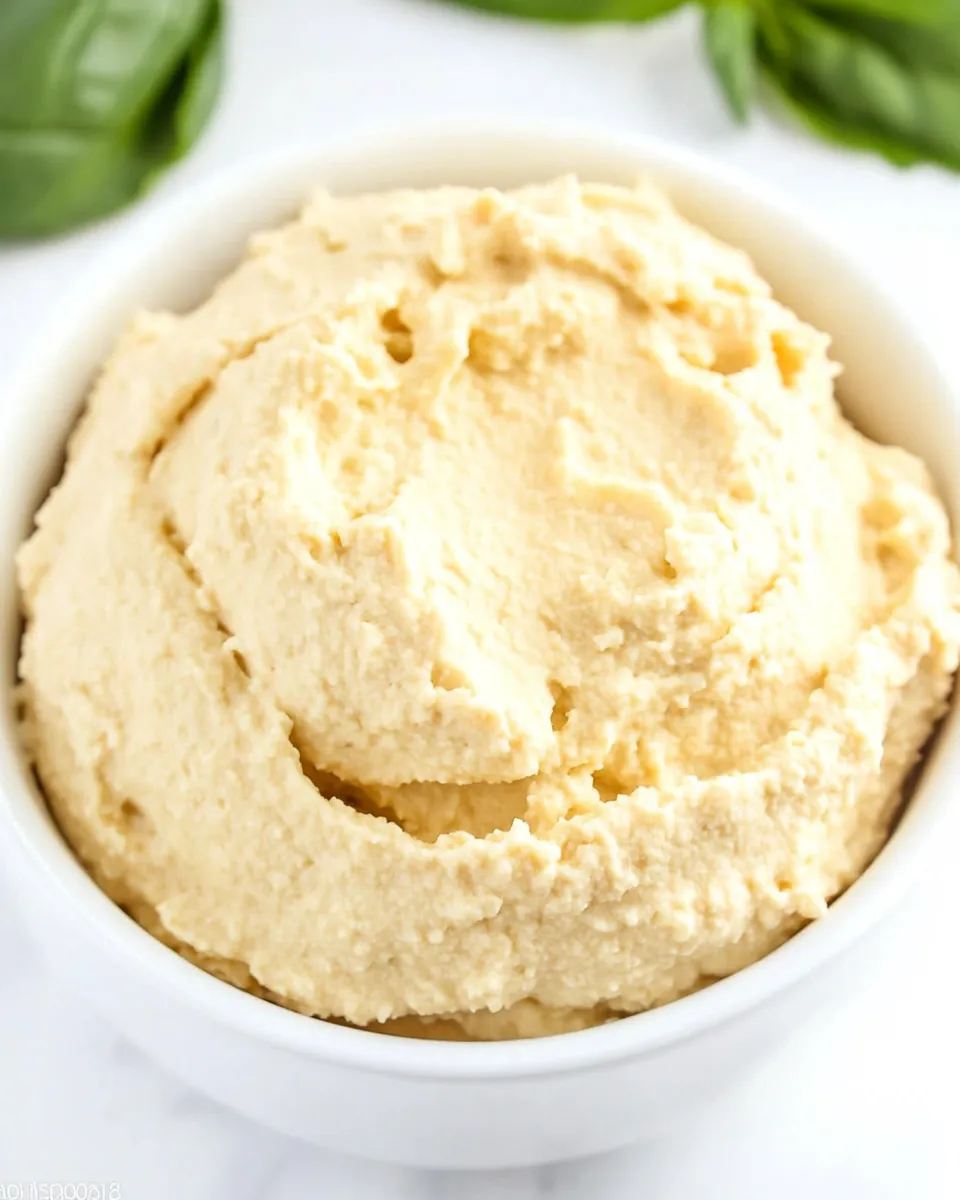
Vegan Ricotta Cheese (Chickpea Ricotta!)
This chickpea ricotta is one of those pantry-friendly recipes I reach for when I want creamy, tangy, plant-based spread without fuss. It uses a single can of chickpeas and a few simple pantry staples to create a ricotta-like texture that works in pasta, on toast, or dolloped into salads. No soaking, no tofu press—just a quick blend and a little patience while it chills.
The flavor is bright and adaptable: nutritional yeast adds that cheesy note, lemon juice brings lift, and almond flour helps with body and a delicate nuttiness. You can keep it plain or fold in fresh herbs, roasted garlic, or Italian seasoning depending on what you’re serving it with.
Below you’ll find a clear ingredient breakdown with tips, step-by-step instructions that stick to the original recipe quantities, troubleshooting, and smart ways to use and store your chickpea ricotta. Read through once, then get hands-on—the whole thing comes together in about 10 minutes active time.
Ingredient Breakdown
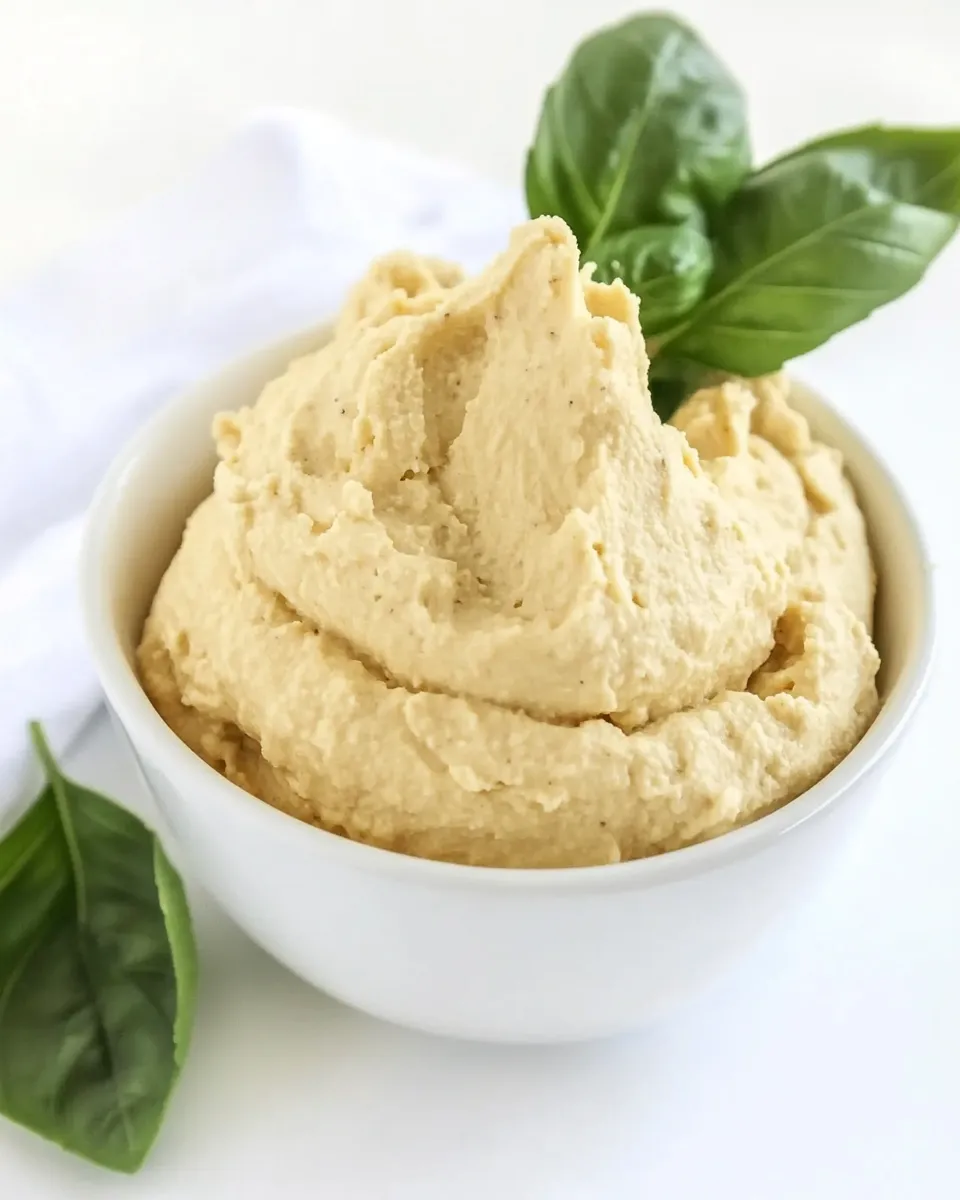
- 15oz. can chickpeas — Base of the ricotta; provides creaminess and structure. Rinse and drain before using.
- 1/3 cup almond flour (blanched, superfine) — Adds body and a slightly nutty, grainy texture that mimics curd; helps thicken without cooking.
- 3 Tbsp. nutritional yeast — Gives a savory, cheesy flavor essential to the ricotta profile.
- 1 Tbsp. fresh lemon juice — Bright acidity that balances richness and replicates ricotta’s tang.
- 1/2 tsp. garlic powder — Adds gentle garlic flavor without moisture; use less if you prefer subtle garlic.
- 1/4 tsp. salt — Brings the flavors into balance; adjust after blending to taste.
- 1/4 cup aquafaba or water — Liquid to help blend; aquafaba adds slight silkiness. Start with less and add more as needed.
- Fresh basil, roasted garlic, dried basil, Italian seasoning, etc. — Optional mix-ins for customization; add to taste after the base is blended.
From Start to Finish: Vegan Ricotta Cheese (Chickpea Ricotta!)
- Open the can of chickpeas and pour the liquid into a small measuring cup. Reserve 1/4 cup aquafaba (that is, the canning liquid). Drain and rinse the chickpeas under cold water, then drain again.
- Place the drained chickpeas in the bowl of a food processor.
- Add 1/3 cup blanched superfine almond flour, 3 tablespoons nutritional yeast, 1 tablespoon fresh lemon juice, 1/2 teaspoon garlic powder, and 1/4 teaspoon salt to the food processor.
- Start the blender and add about 3 tablespoons of the reserved aquafaba (or water) through the feed tube. Pulse and process, stopping to scrape down the sides with a spatula as needed. The mixture will begin to break down and come together.
- Continue blending, adding more aquafaba one tablespoon at a time until you reach a creamy but still quite thick consistency. The source suggests the final texture should be creamy yet very thick—stop adding liquid once you have that density.
- Pause to scrape the bowl and pulse a few more times so the texture is even. You’ll probably need to scrape the sides a few times during the process to get everything incorporated.
- Taste the ricotta and adjust seasonings if desired—more salt, nutritional yeast, or lemon juice for acidity. If you want herb or garlic variations, fold them in now (fresh basil, roasted garlic, or dried Italian seasoning are all good options).
- Use the ricotta immediately, or transfer it to an airtight container and refrigerate for at least 30 minutes to let the flavors meld. It firms slightly as it chills.
Why This Recipe Belongs in Your Rotation
This chickpea ricotta is fast, flexible, and forgiving. It gives you the creamy mouthfeel of ricotta without dairy, and the ingredients are simple and shelf-stable. You can swap the aquafaba for water in a pinch, and the almond flour means you don’t need to cook or curdle anything—just blend.
Use it as a spread, filling, or finishing element: it stands up in lasagnas, brightens stuffed shells, and makes a terrific high-protein base for a creamy pasta sauce. It’s vegan, nut-inclusive, and pantry-friendly for last-minute cooking.
What to Use Instead
If you can’t or don’t want to use one of the ingredients:
- Almond flour — Substitute with another superfine nut flour (like cashew) for a similar texture. Note: this will change the flavor slightly. Do not replace with coarse flours—texture will be off.
- Aquafaba — Use water if you don’t have aquafaba. Aquafaba gives a touch more silkiness, but water works fine and keeps the flavor neutral.
- Nutritional yeast — You can reduce it if you dislike the flavor, but you’ll lose some of the cheesy umami. A small pinch of miso (not in the original list) would be an umami option—only if you already keep some on hand.
Tools & Equipment Needed
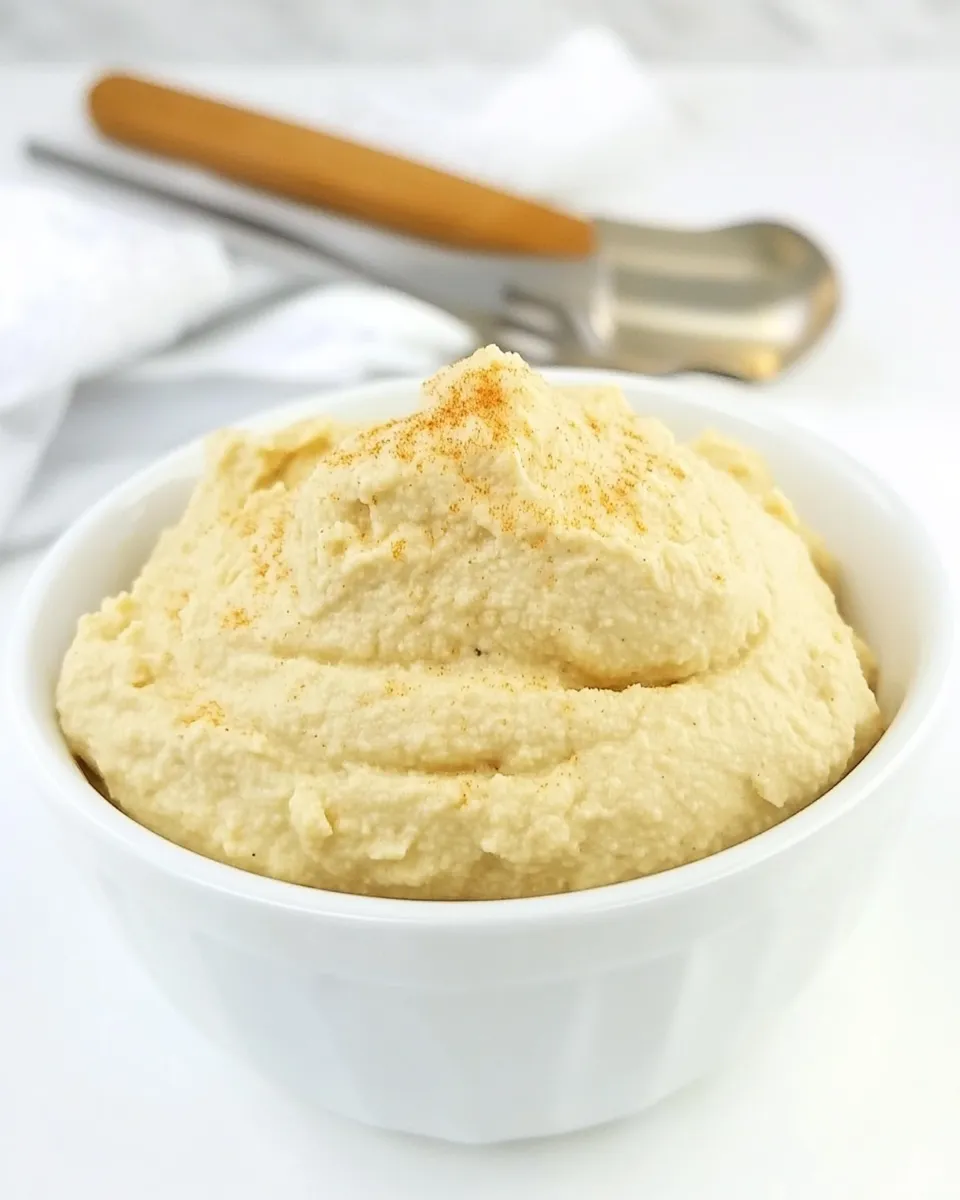
- Food processor — The primary tool to get the right texture; a high-powered blender can work but may need more liquid and stopping to scrape.
- Measuring cups and spoons — For accurate almond flour, nutritional yeast, and lemon juice.
- Spatula — To scrape down the sides and transfer the ricotta.
- Small bowl or measuring cup — To reserve the aquafaba when draining the can.
- Airtight container — For storing leftovers in the fridge.
Mistakes Even Pros Make
- Adding too much liquid too quickly — The result becomes soupy. Add aquafaba one tablespoon at a time and aim for very thick creaminess.
- Skipping the scrape-downs — Blending evenly requires stirring and scraping; otherwise you’ll have chunks and uneven texture.
- Under-seasoning — Chickpeas need acid and salt to sing. Taste and adjust lemon and salt after blending.
- Using coarse almond meal — That will give a gritty texture. Use blanched superfine almond flour as listed.
How to Make It Lighter
To reduce perceived richness without changing the ingredient amounts, keep the ricotta slightly thicker and serve it with bright, acidic accompaniments—extra lemon zest, a drizzle of vinegar-forward vinaigrette, or a side of pickled vegetables. Using water instead of aquafaba will also make the texture leaner.
Flavor Logic
Each ingredient plays a clear role: chickpeas provide the bulk and subtle earthiness; almond flour replaces curds by giving body without heat; nutritional yeast introduces savory, cheesy umami; lemon juice cuts through richness and imitates ricotta’s tang; garlic powder provides background savory warmth; aquafaba binds and smooths. Together they replicate the balance of dairy ricotta while keeping the recipe fully plant-based.
Refrigerate, Freeze, Reheat
Refrigerate: Store in an airtight container for up to 5 days. The texture will firm slightly as it chills; give it a stir before serving.
Freeze: I don’t recommend freezing this ricotta. The texture will change and become crumbly once thawed because of the almond flour and chickpea structure.
Reheat: Gentle reheating is fine if using in hot dishes—stir it into warm pasta or fold into lasagna filling. Avoid high direct heat which can dry it out; add a splash of water or aquafaba if it tightens up.
Popular Questions
- Can I use the aquafaba to whip this like a meringue? — Not in this application. Here aquafaba is only a small amount to help blending and provide silkiness, not to aerate.
- Is almond flour necessary? — It’s in the ingredient list and provides the best texture. Using another superfine nut flour is the closest substitute.
- Can I make this nut-free? — The provided recipe uses almond flour, so to keep strictly to the source you’d need it. In practice, some cooks use oat flour or sunflower seed flour, but those aren’t part of the given ingredients.
- How do I get it really smooth? — Use a food processor, add aquafaba slowly, and scrape the bowl often. For an ultra-smooth finish, pulse longer and strain briefly if needed.
Serve & Enjoy
Ways I love this chickpea ricotta:
- Spoon it over warm pasta with lemon zest, olive oil, and fresh basil.
- Spread it on crostini and top with roasted cherry tomatoes and basil.
- Use it as filling for stuffed shells or layer it into a vegan lasagna with roasted veggies.
- Serve it as a dip with crudités or warm pita and a sprinkle of smoked paprika.
Keep a jar in the fridge for quick breakfasts and last-minute dinners. It’s one of those recipes that multiplies options: once you have the base, you can riff on flavors and uses in minutes. Enjoy.
Vegan Ricotta Cheese (Chickpea Ricotta!)
Ingredients
- 15 oz chickpeas (canned) rinsed and drained; reserve 1/4 cup aquafaba
- 1/3 cup almond flour blanched, superfine
- 3 Tbsp nutritional yeast
- 1 Tbsp fresh lemon juice
- 1/2 tsp garlic powder
- 1/4 tsp salt
- 1/4 cup aquafaba or water start with ~3 Tbsp and add by tablespoon to reach desired consistency; reserve from canned chickpeas when using aquafaba
- optional herbs and additions fresh basil, roasted garlic, dried basil, Italian seasoning, etc.
Instructions
- Open the canned chickpeas and reserve 1/4 cup of the aquafaba (liquid). Rinse and drain the chickpeas.
- Place the drained chickpeas, almond flour, nutritional yeast, lemon juice, garlic powder, and salt into a food processor.
- Begin blending and add about 3 tablespoons of aquafaba or water; stop and scrape the bowl as needed. If the mixture is too thick, add more liquid 1 tablespoon at a time until creamy but still thick.
- Blend until the texture resembles thick ricotta, scraping down the sides occasionally to incorporate everything.
- Taste and adjust seasoning with more salt, lemon juice, nutritional yeast, or herbs as desired. Add roasted garlic or fresh basil for the suggested variation.
- Serve immediately or refrigerate to let the flavors meld.
Equipment
- Food Processor
- Measuring cups and spoons
- Spatula
- Can opener
Notes
- Substitute roasted garlic or a fresh clove for garlic powder if desired.
- Start with less aquafaba and add gradually to avoid a runny texture.
- Recipe yields about 1.5 cups of ricotta.
- Adjust lemon and salt for a tangier flavor.