The Easiest Homemade Pizza Ever!
Homemade pizza doesn’t have to be complicated to be delicious. This recipe pares the process down to the essentials: a quick, forgiving dough, a jar of good sauce, melty mozzarella, and your favorite toppings. It’s designed for weeknights, beginners, and anyone who wants pizza without fuss.
The method moves in simple stages: activate the yeast, mix and rest the dough briefly, portion and roll, top, and bake. Timing is short and predictable, and you don’t need specialty flour or fancy tools. If you can measure, stir, and heat an oven, you can make a pizza that tastes far better than delivery.
Below you’ll find the exact ingredients, step-by-step instructions rewritten for clarity, troubleshooting tips, equipment notes, storage guidance, and sensible swaps for different diets. Read once, then make this over and over until it becomes your go-to pizza night.
What Goes In
Ingredients
- 1½ cups warm water — activates the yeast; should feel warm but not hot (about 100–110°F/38–43°C).
- 2 tablespoons granulated sugar — feeds the yeast so it blooms quickly and gives a touch of sweetness to the crust.
- 1 tablespoon yeast — instant or active dry yeast; creates the rise and light texture in the dough.
- 3 ½ cups flour — all-purpose flour is fine; provides structure for the dough.
- 1 teaspoon salt — balances flavor and strengthens the dough.
- 1 (14-ounce) jar pizza sauce — your favorite jarred sauce or store-bought marinara; spreads easily and flavors the pizza.
- 2 cups mozzarella cheese — shredded; melts and gives the classic pizza pull.
- pepperoni — a suggested topping; salty, savory, and crisp when baked.
- mushrooms — optional topping; slice thin so they release moisture quickly.
- olives — optional topping; provide salty, briny contrast.
- green peppers — optional topping; slice thin for quick cooking and a fresh bite.
How to Prepare The Easiest Homemade Pizza Ever!
Follow these steps in order. Quantities match the ingredient list exactly.
- Combine the warm water, granulated sugar, and yeast in a large mixing bowl. Stir gently to dissolve the sugar and distribute the yeast. Let the mixture sit undisturbed for 5 minutes so the yeast can bloom — you should see some foam or bubbling on the surface.
- Add the 3 ½ cups flour and 1 teaspoon salt to the bowl with the yeast mixture. Mix until the dough comes together into a ball. If you have a stand mixer, use the dough hook on low until the dough is smooth and slightly tacky. If mixing by hand, stir until combined, then turn the dough out and knead for about 5–8 minutes until smooth.
- After mixing, cover the dough lightly with plastic wrap or a clean towel and let it rest for 10 minutes. This short rise relaxes the gluten and makes the dough easier to shape.
- Portion the dough into the sizes you want for your pizzas. The author divided the batch in half to make two medium pizzas; do the same or divide into more portions for smaller pies. Shape each portion into a ball, then let the dough rest, covered, for another 10 minutes — this second rest keeps the dough relaxed so it rolls out without snapping back.
- Preheat your oven to 400°F (204°C) while the dough rests, so it’s hot when you’re ready to bake.
- On a lightly floured surface, roll or stretch each dough portion to your desired diameter and thickness. Transfer the rolled dough to a baking sheet, pizza pan, or preheated pizza stone if you have one.
- Spread the 14-ounce jar of pizza sauce evenly over the dough, leaving about a 1-inch border around the edge for the crust.
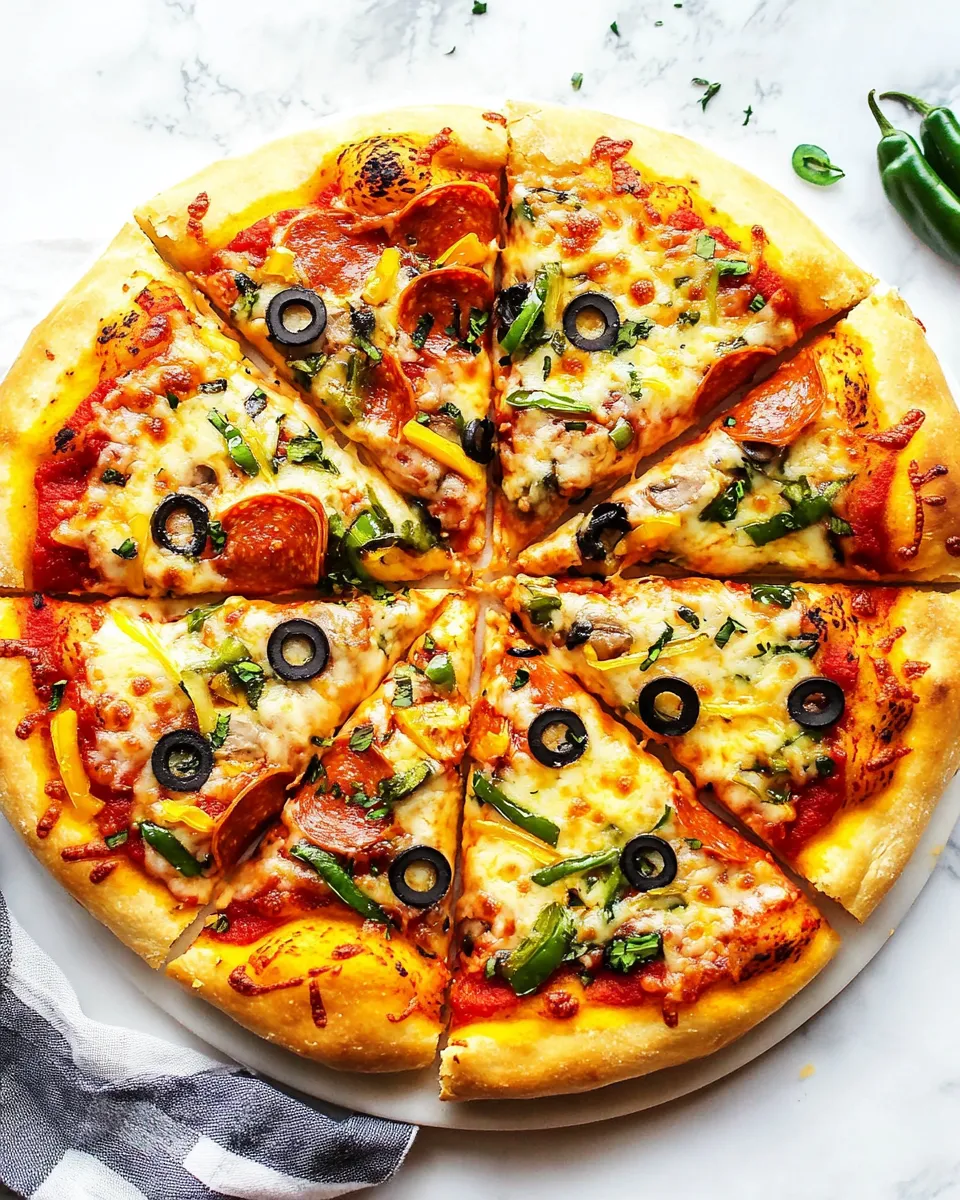
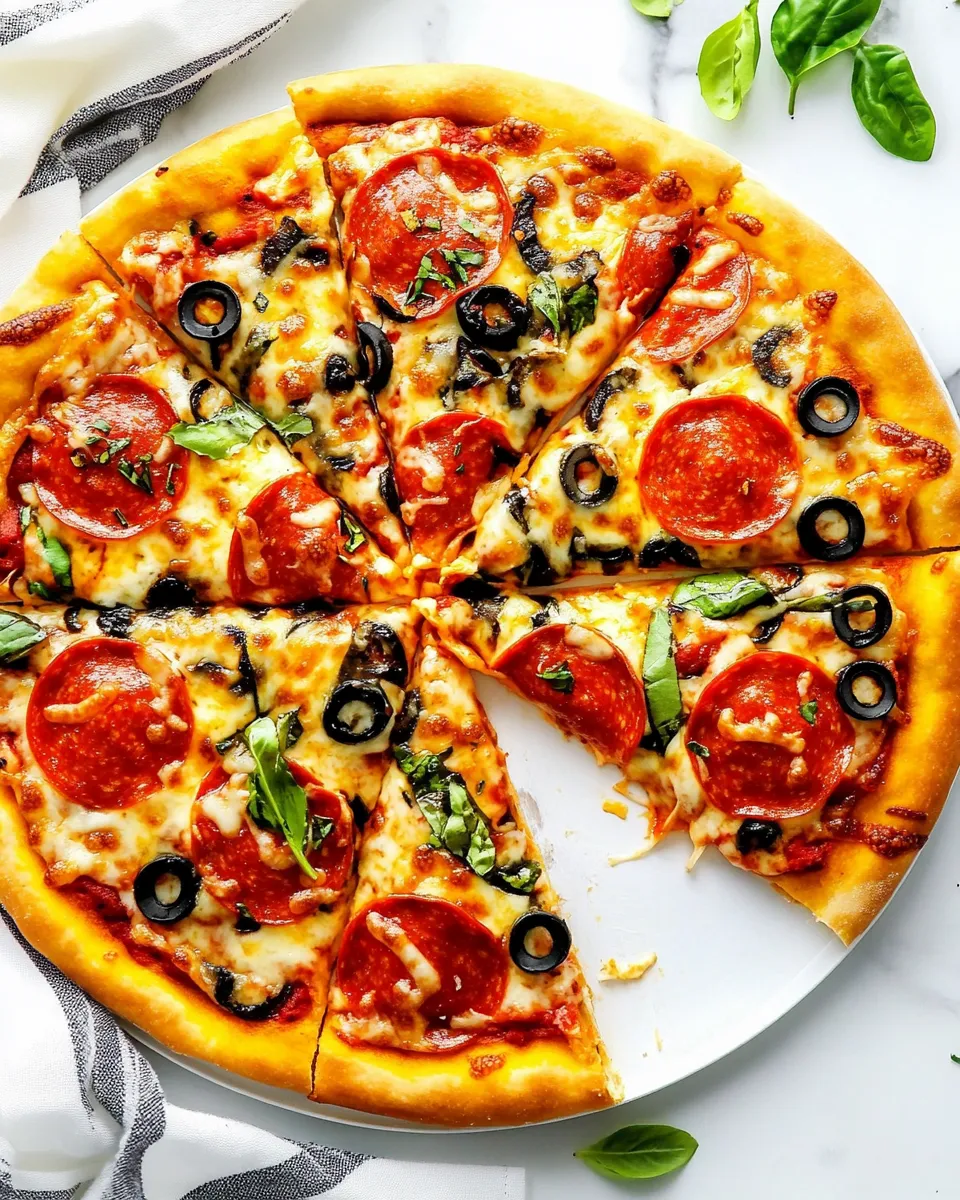
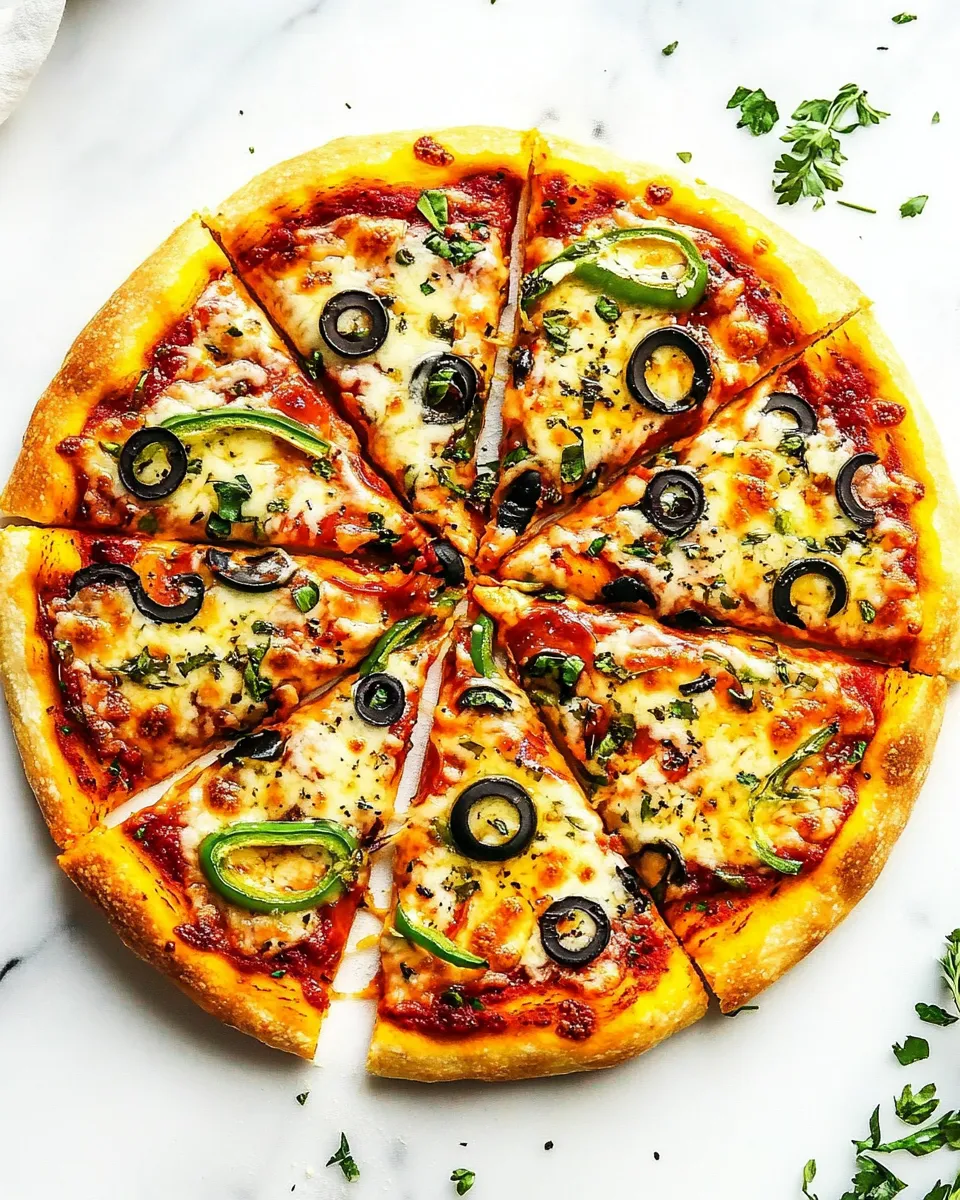
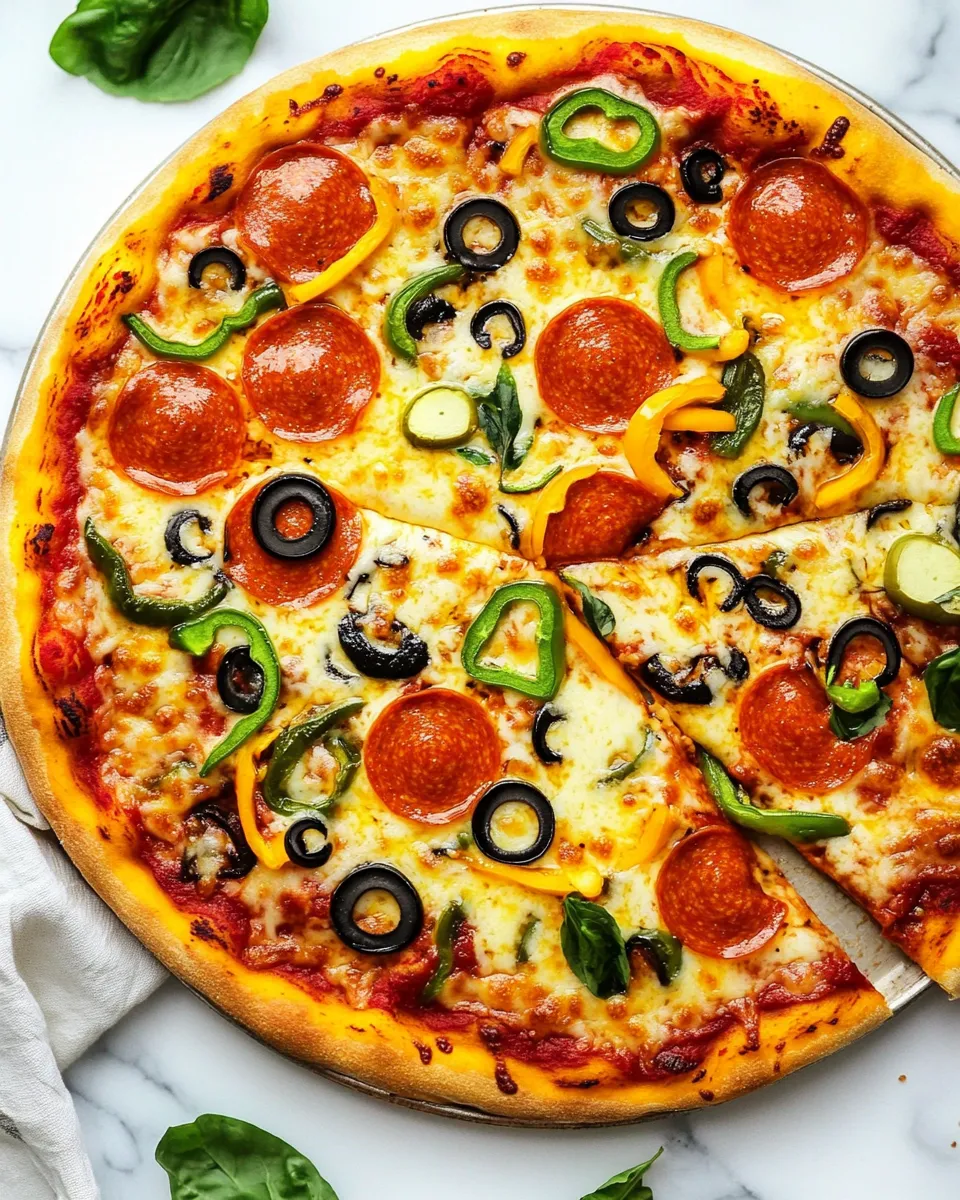
- Sprinkle 2 cups of shredded mozzarella cheese over the sauce, then add pepperoni, mushrooms, olives, green peppers, or any combination of the listed toppings to your taste. Keep toppings in a single layer so the pizza cooks evenly.
- Bake the pizza in the preheated 400°F oven for 15–20 minutes. Bake until the crust is golden and the cheese is melted and bubbling. Timing depends on oven variability and pizza thickness; check at 15 minutes and continue until done to your liking.
- Remove the pizza from the oven and let it rest for 2–3 minutes before slicing. This brief rest helps the cheese set just enough for cleaner slices. Serve hot.
Why You’ll Love This Recipe
It’s straightforward and fast. There’s no long first rise or refrigeration step — the dough comes together and is ready to roll in about half an hour. The ingredient list keeps things pantry-friendly: no specialty flours, no long fermentation, no complicated sauces.
The dough is forgiving. Short rests relax the gluten so you can roll or stretch it with ease, and the texture bakes up with a pleasant chew and a light crumb. You also get the flexibility to make one large pizza, two medium ones, or several personal pies.
Vegan & Vegetarian Swaps
- Vegan cheese — swap the 2 cups mozzarella for a plant-based shredded cheese to keep the same melting effect.
- Vegan toppings — replace pepperoni with plant-based pepperoni or seasoned roasted vegetables for a hearty, vegan-friendly topping.
- Extra veg — load up on mushrooms, olives, and green peppers for a vegetarian pizza; consider pre-sautéing mushrooms to reduce moisture on the pie.
Must-Have Equipment
- Mixing bowl (or stand mixer with dough hook) — for combining and kneading the dough.
- Rolling pin or hands for stretching — you can stretch by hand if you prefer a thinner, rustic crust.
- Baking sheet, pizza pan, or pizza stone — a preheated stone will give a crisper bottom; a sheet pan works fine and is easiest.
- Oven that reaches 400°F — the recipe is written for this temperature.
Things That Go Wrong
- Dough doesn’t rise or show foam after 5 minutes: Your water may be too hot or too cold, or the yeast could be old. Use warm (not hot) water and fresh yeast.
- Dough is too sticky to handle: Dust the work surface and your hands with a bit more flour, but avoid adding too much or the crust will be dry.
- Toppings make the pizza soggy: Use thinly sliced vegetables and don’t overload the pie. For watery toppings like mushrooms, sauté briefly first.
- Bottoms stay pale or soft: Use a preheated pizza stone or a lower oven rack; bake a touch longer if needed for a crisper base.
Better Choices & Swaps
- Flour: All-purpose is fine, but bread flour will give a chewier crust if you prefer that texture.
- Yeast: Instant yeast can be mixed directly into the flour if you want to skip the brief bloom step, though the recipe uses a quick activation for reliability.
- Sauce: Swap the jarred pizza sauce for crushed tomatoes seasoned with salt, garlic powder, and dried oregano for a fresher flavor.
- Cheese: Add a blend of mozzarella and a little Parmesan or provolone for extra flavor complexity.
Testing Timeline
- 0–5 minutes: Activate yeast with warm water and sugar.
- 5–15 minutes: Mix dough, then short 10-minute rest.
- 15–25 minutes: Portion dough, rest another 10 minutes, and preheat oven.
- 25–35 minutes: Roll or stretch dough, top with sauce, cheese, and toppings.
- 35–55 minutes: Bake at 400°F for 15–20 minutes and rest briefly before serving.
Save for Later: Storage Tips
- Unbaked dough: Store wrapped in plastic and refrigerated for up to 24 hours; bring to room temperature before shaping.
- Cooked pizza: Refrigerate slices in an airtight container for up to 3–4 days. Reheat in a hot oven or toaster oven to crisp the crust; avoid microwaving if you want to keep the crust texture.
- Freezing: Freeze baked slices between parchment paper in a sealed bag for up to 1 month. Reheat from frozen in a 375°F oven until hot and crispy.
Common Questions
- Can I use less yeast? You can reduce yeast slightly, but this recipe is written for a quick turnaround; reducing yeast will slow rise time and may change texture.
- Can I make the dough ahead? Yes. Refrigerate wrapped dough for up to 24 hours. Let it warm slightly before shaping.
- What temperature is best? This recipe bakes at 400°F. If you have a pizza stone and a hotter oven, you can increase temperature and decrease baking time, but 400°F is safe and reliable for home ovens.
- How thin should I roll the dough? That’s personal. For a traditional medium crust, aim for about 1/4-inch thickness. Thinner will crisp more, thicker will be chewier.
The Last Word
This is pizza you can make any night with basic pantry items and a little confidence. It’s fast, flexible, and forgiving — the kind of recipe that turns pizza night into something simple and satisfying. Try the base as written, then tweak toppings and bake time until you find your favorite combo. Once you master this, homemade pizza will become a regular family favorite.

The Easiest Homemade Pizza Ever!
Ingredients
- 1.5 cups warm water
- 2 tablespoons granulated sugar
- 1 tablespoon active dry yeast
- 3.5 cups all-purpose flour
- 1 teaspoon salt
- 1 14-ounce jar pizza sauce
- 2 cups mozzarella cheese, shredded
- pepperoni to taste
- mushrooms sliced, to taste
- olives sliced, to taste
- green peppers sliced, to taste
Instructions
- In a large bowl, combine 1½ cups warm water, 2 tablespoons granulated sugar, and 1 tablespoon active dry yeast; stir and let sit 5 minutes until foamy.
- Add 3½ cups all-purpose flour and 1 teaspoon salt to the yeast mixture; mix until a smooth dough forms using a stand mixer with a dough hook or by hand.
- Let the dough rise for 10 minutes in a warm spot.
- Divide or portion the dough to the desired pizza size (the author divided it in half to make two pizzas); let portions rest 10 minutes, then roll out on a lightly floured surface.
- Place the rolled dough on a baking sheet or preheated pizza stone. Spread the 14-ounce jar of pizza sauce evenly, leaving about a 1-inch border.
- Sprinkle 2 cups shredded mozzarella evenly over the sauce, then add pepperoni, mushrooms, olives, and green peppers as desired.
- Bake in a 400°F (204°C) oven for 15–20 minutes, until the crust is golden and the cheese is bubbly.
Equipment
- large mixing bowl
- Measuring cups and spoons
- stand mixer with dough hook (optional)
- Rolling Pin
- baking sheet or pizza stone
- spoon or ladle
- Oven
Notes
- I divided the dough in half to make two medium pizzas.
- You can make one large pizza with all the dough or divide into fourths for mini pizzas.