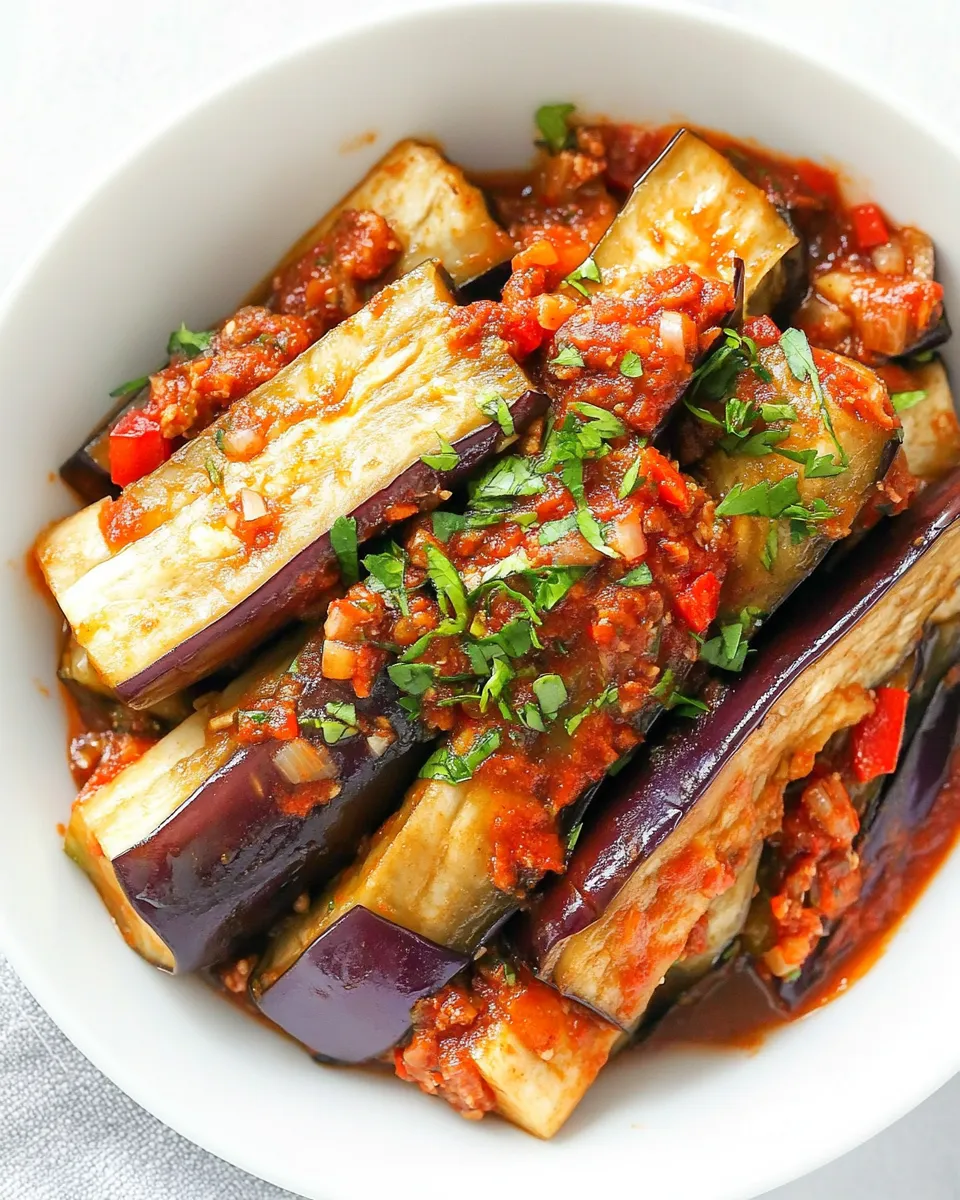
Sambal Eggplant
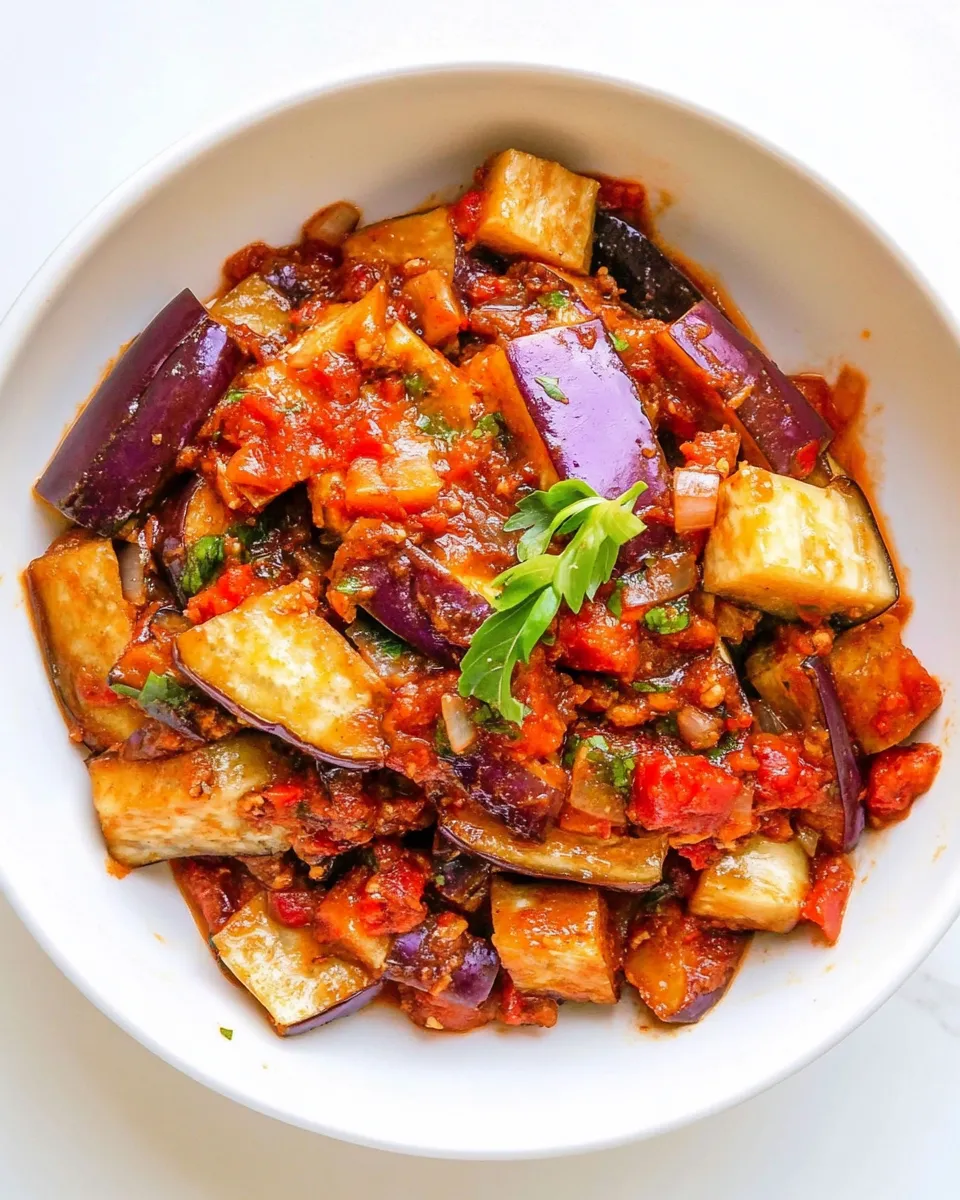
Simple, vibrant, and utterly satisfying—this Sambal Eggplant is a weekday hero. I love it because it takes pantry-friendly sambal paste and turns humble eggplant into something saucy and craveable in under 20 minutes. The flavors are bright: umami from dried shrimp and fish sauce, a touch of sweetness, and the chili heat that characterizes a good sambal.
There’s no need for fuss or special trips to the market. With a hot wok and a few basic ingredients, you’ll have a glossy, slightly charred eggplant dish that pairs beautifully with steamed rice or as part of a larger dinner spread. I’ll walk you through each step, share practical tips, and point out what to avoid so your eggplant never turns mushy.
The Ingredient Lineup
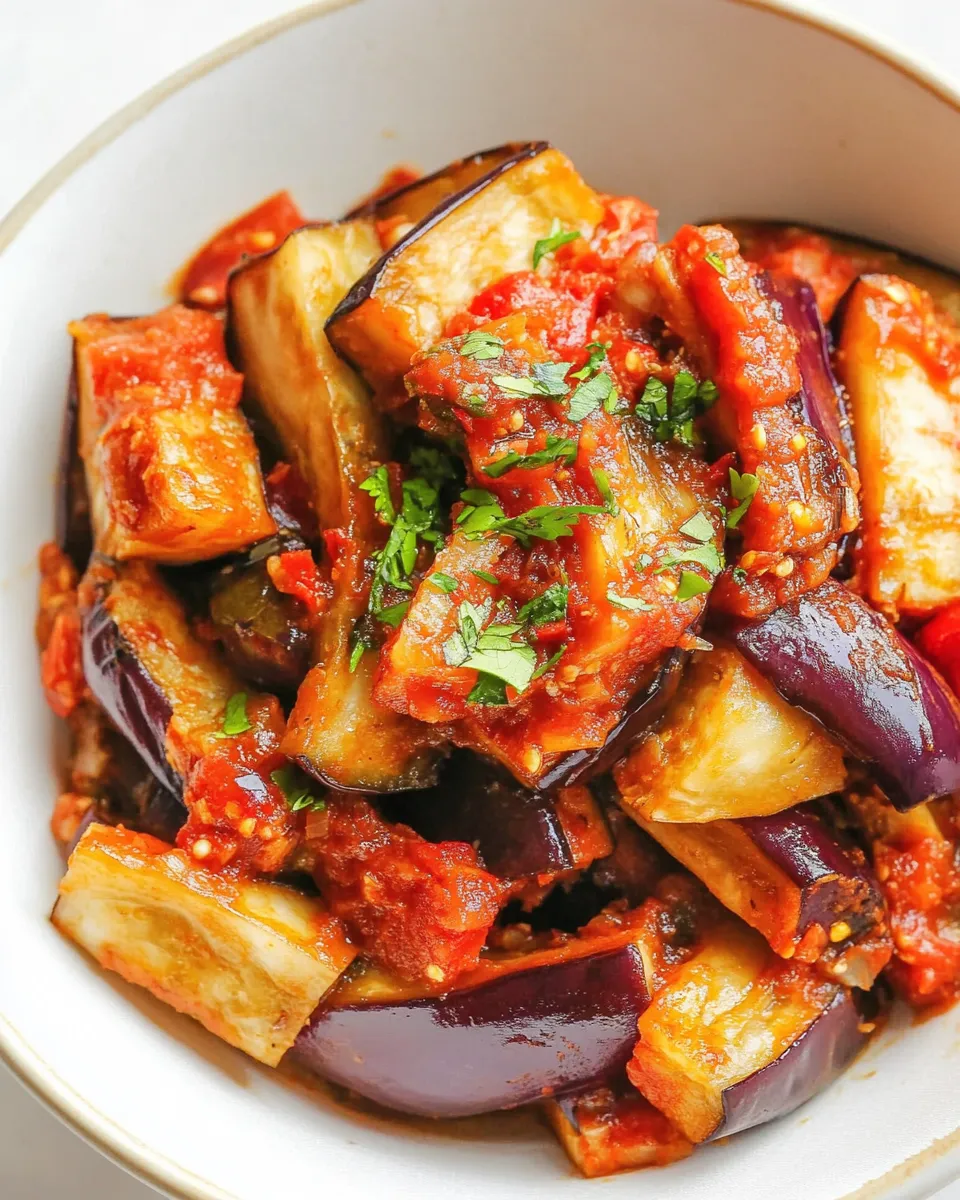
- 2 tablespoons oil — for frying the sambal and eggplant; neutral oil with a high smoke point works best.
- 1 1/2 tablespoons dried shrimp, soaked in warm water and drained — adds concentrated seafood umami; soaking softens them for easier blending and frying.
- 1 1/2 – 2 tablespoons Sambal — this is your chili paste; use 1 1/2 tbsp for milder heat, 2 tbsp for a stronger kick (referenced from Sambal Asparagus recipe).
- 7 oz (200 g) eggplant, cut into rounds, then into long strips — the main vegetable; cutting into strips helps them cook quickly and pick up sauce.
- 1/2 teaspoon sugar or to taste — balances heat and salt; start with 1/2 tsp and adjust if needed.
- 1 teaspoon fish sauce or to taste — salty, savory finish; add gradually so it doesn’t overpower the dish.
Cooking Sambal Eggplant: The Process
- Prepare the sambal paste: Pound the dried shrimp together with the sambal in a mortar and pestle until fairly smooth, or pulse them in a mini food processor until combined. The goal is a cohesive paste with some texture from the shrimp.
- Heat 1 tablespoon of oil in a wok over medium-high heat. When the oil shimmers, add the sambal paste and stir-fry continuously for 2–3 minutes. Keep stirring until you see the oil separate from the paste and the aroma becomes fragrant. Remove the sambal from the wok and set it aside on a plate.
- Wipe the wok clean if there are stubborn browned bits, then return it to medium-high heat. Add the remaining 1 tablespoon of oil.
- Add the drained, soaked dried shrimp to the hot oil. Stir continuously for about 1 minute until you can smell their toasty aroma. This awakens their flavor without overbrowning.
- Immediately add the reserved sambal paste back into the wok with the shrimp. Stir briefly to combine and heat through for 30–45 seconds.
- Add the eggplant strips to the wok and toss them gently to coat with the sambal-shrimp mixture. Stir often but avoid constant heavy agitation—cook just until the eggplant is tender but still holds its shape. This should take 3–5 minutes depending on the thickness of your strips.
- Sprinkle in 1/2 teaspoon sugar and add 1 teaspoon fish sauce. Toss gently and taste. Adjust sugar or fish sauce slightly if you prefer it sweeter or saltier, but keep within the given quantities.
- Once the eggplant is cooked through but not collapsed—glossy and sauced—dish out immediately and serve hot.
Why This Sambal Eggplant Stands Out
This version leans into texture and timing. By frying the sambal first, you coax deeper flavor from the paste and allow the oil to carry those aromatics through the dish. Separating the shrimp fry step ensures the dried shrimp fully bloom, giving a compact burst of umami rather than an indistinct background note. Cutting the eggplant into strips shortens cooking time and prevents a mushy finish, so you get tender flesh with some bite and a nicely sauced exterior.
No-Store Runs Needed
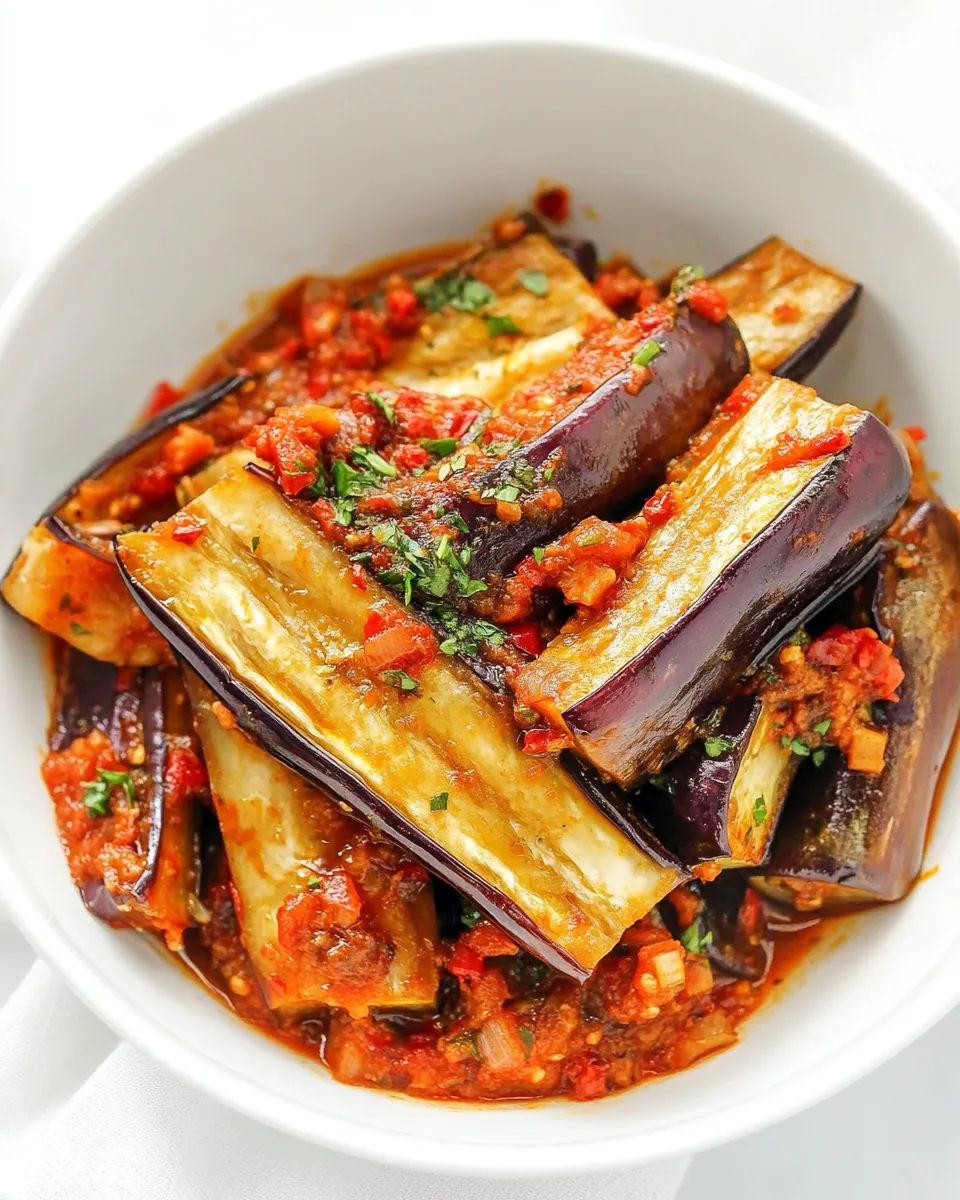
If you keep sambal paste or a chili paste and some basic pantry staples—oil, sugar, and fish sauce—you can make this any night without a special trip. Dried shrimp are the only item that might require a shop, but if you don’t have them, the recipe will still work with sambal alone; just know the final flavor will be less marine-umami and more straight chili-salty. Use what you have and adjust seasoning to taste.
Equipment Breakdown
- Wok or large skillet — for high-heat, quick stir-frying; a wide surface helps the eggplant cook evenly.
- Mortar and pestle or mini food processor — to combine dried shrimp with sambal into a cohesive paste.
- Spatula or tongs — for gentle tossing so eggplant doesn’t break down.
- Plate and paper towel — to rest the sambal paste and wipe the wok if needed between steps.
What Not to Do
- Do not overcook the eggplant. Overcooking turns it mushy and causes the dish to lose its pleasant texture.
- Do not add all the sambal raw to the wok with the eggplant. Frying the paste first deepens flavor and prevents a raw chili taste.
- Do not skimp on oil when frying the sambal; the oil separates and carries flavor—too little oil leads to sticking and uneven cooking.
- Do not add fish sauce all at once before tasting. It’s potent; add, taste, then adjust.
Seasonal Adaptations
Summer: Use local eggplant when they’re at their brightest. Smaller Asian eggplants work beautifully and need slightly less cook time.
Winter: If eggplants are large and seedy, peel them partially and remove some seeds before slicing to reduce bitterness and wateriness.
Flavor boosts: In cooler months, stir in a splash of coconut milk at the end for a richer, rounder sauce—though that’s optional and not part of the core recipe.
What I Learned Testing
Timing is everything. I tested multiple approaches: adding sambal at the start, mid-cook, and separately frying it. Frying the sambal first and briefly blooming the dried shrimp gave the most balanced, pronounced flavor. Also, uniform cuts are underrated—thick, uneven pieces cook inconsistently and can make the dish dry in parts and mushy in others.
Best Ways to Store
- Refrigerate leftovers in an airtight container for up to 3 days. The eggplant will soften further in the fridge; reheat gently over medium heat—add a splash of water if the mixture looks dry.
- Do not freeze. Eggplant’s texture degrades significantly after freezing and thawing.
- If you make extra sambal paste and store it separately in the fridge, it will keep for up to a week and can be quickly re-fried to serve with freshly cooked vegetables.
FAQ
- Can I skip the dried shrimp? — Yes. The dish will be less umami-forward but still tasty. Add a little extra fish sauce if you want to boost savoriness.
- Which sambal should I use? — Use the sambal referenced in the Sambal Asparagus recipe or any good-quality chili paste. Adjust quantity between 1 1/2 and 2 tablespoons depending on heat preference.
- My eggplant absorbs too much oil. What did I do wrong? — Eggplants can be sponges. Use a hot wok and get the oil shimmering before adding ingredients. Cooking at too low a temperature encourages oil absorption.
- Can I make this spicier or milder? — Yes. Increase sambal to 2 tablespoons for more heat or use 1 1/2 tablespoons and add a little sugar to tame heat.
Ready, Set, Cook
- Prep everything first—soak and drain the dried shrimp, measure the sambal, slice the eggplant. Once the wok is on, things move quickly.
- Fry the sambal paste in 1 tablespoon oil until fragrant and oil separates; rest it aside.
- In the same wok with the remaining 1 tablespoon oil, sauté the drained dried shrimp briefly until aromatic.
- Add the sambal back, then the eggplant strips. Toss gently and cook 3–5 minutes until tender but not collapsed.
- Season with 1/2 teaspoon sugar and 1 teaspoon fish sauce, taste and adjust, then serve hot.
Sambal Eggplant
Ingredients
- 2 tablespoons oil
- 1 1/2 tablespoons dried shrimp soaked in warm water and drained
- 1 1/2–2 tablespoons sambal see Sambal Asparagus recipe
- 7 oz eggplant about 200 g, cut into rounds or long strips
- 1/2 teaspoon sugar or to taste
- 1 teaspoon fish sauce or to taste
Instructions
- Prepare the sambal: use a mortar and pestle or a mini food processor to pound or blend the sambal ingredients (including the soaked, drained dried shrimp) until well combined.
- Heat 2 tablespoons oil in a wok or skillet over medium-high heat. When hot, add the sambal paste and stir-fry continuously for a few minutes until the oil separates from the paste. Transfer the cooked sambal to a bowl and set aside.
- Wipe the wok if desired, then heat the wok again over medium-high heat with a little oil. Add the soaked, drained dried shrimp and stir-fry until fragrant, about 1–2 minutes.
- Add the reserved sambal back to the wok, then immediately add the eggplant pieces. Stir-fry quickly to coat the eggplant with the sambal.
- Stir constantly and cook until the eggplant is tender but not mushy, about 3–5 minutes depending on thickness.
- Season with 1/2 teaspoon sugar and 1 teaspoon fish sauce, adjusting to taste. Toss once more, then remove from heat and serve immediately.
Equipment
- mortar and pestle or mini food processor
- wok or large skillet
- spatula or wooden spoon
- Knife
- Cutting Board
Notes
- Indian (small) eggplants work well but any variety is fine.
- You may use fresh shrimp or a mix of fresh and dried shrimp.
- Do not overcook the eggplant to avoid a mushy texture.
- Use 2 tablespoons sambal if you want it spicier.