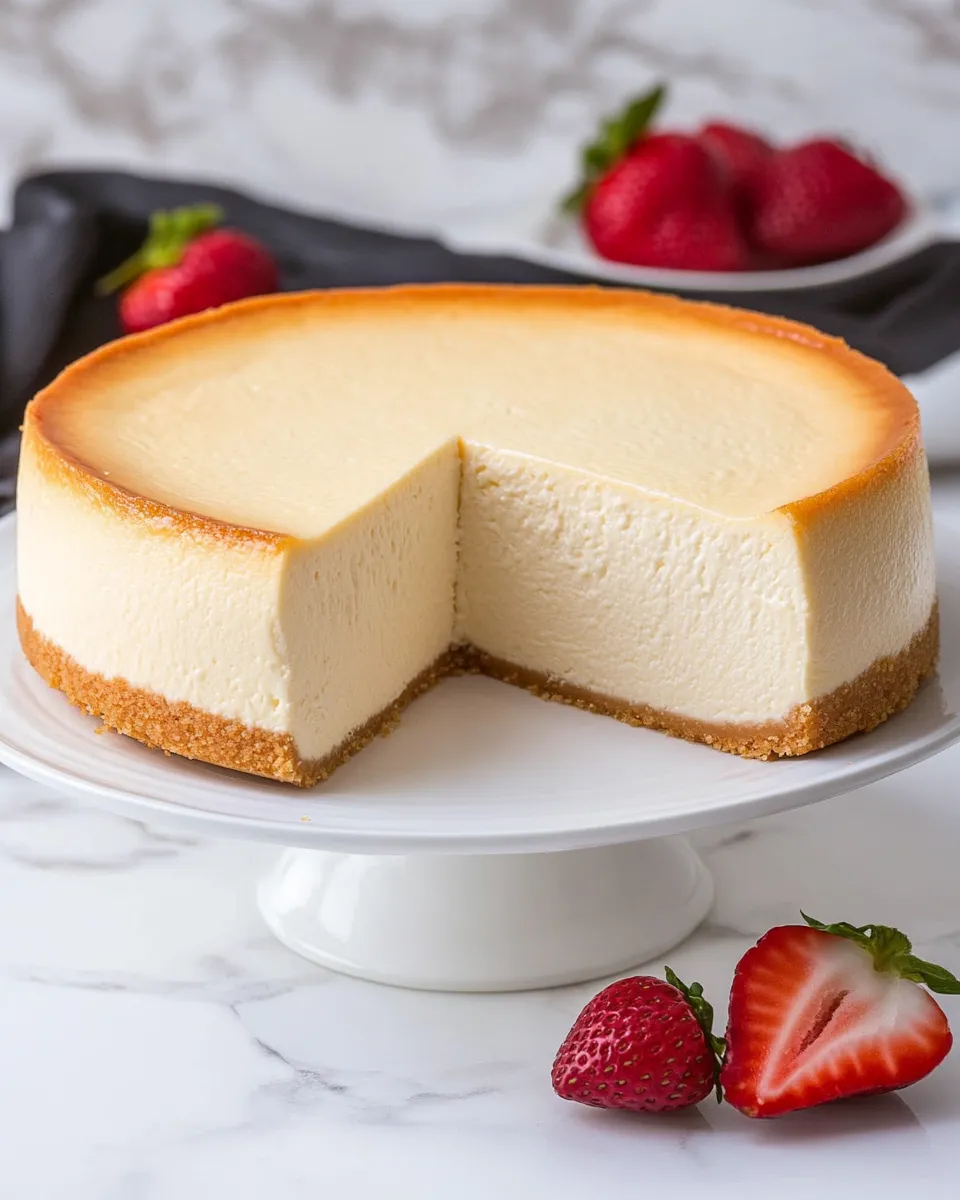
Ricotta Cheesecake
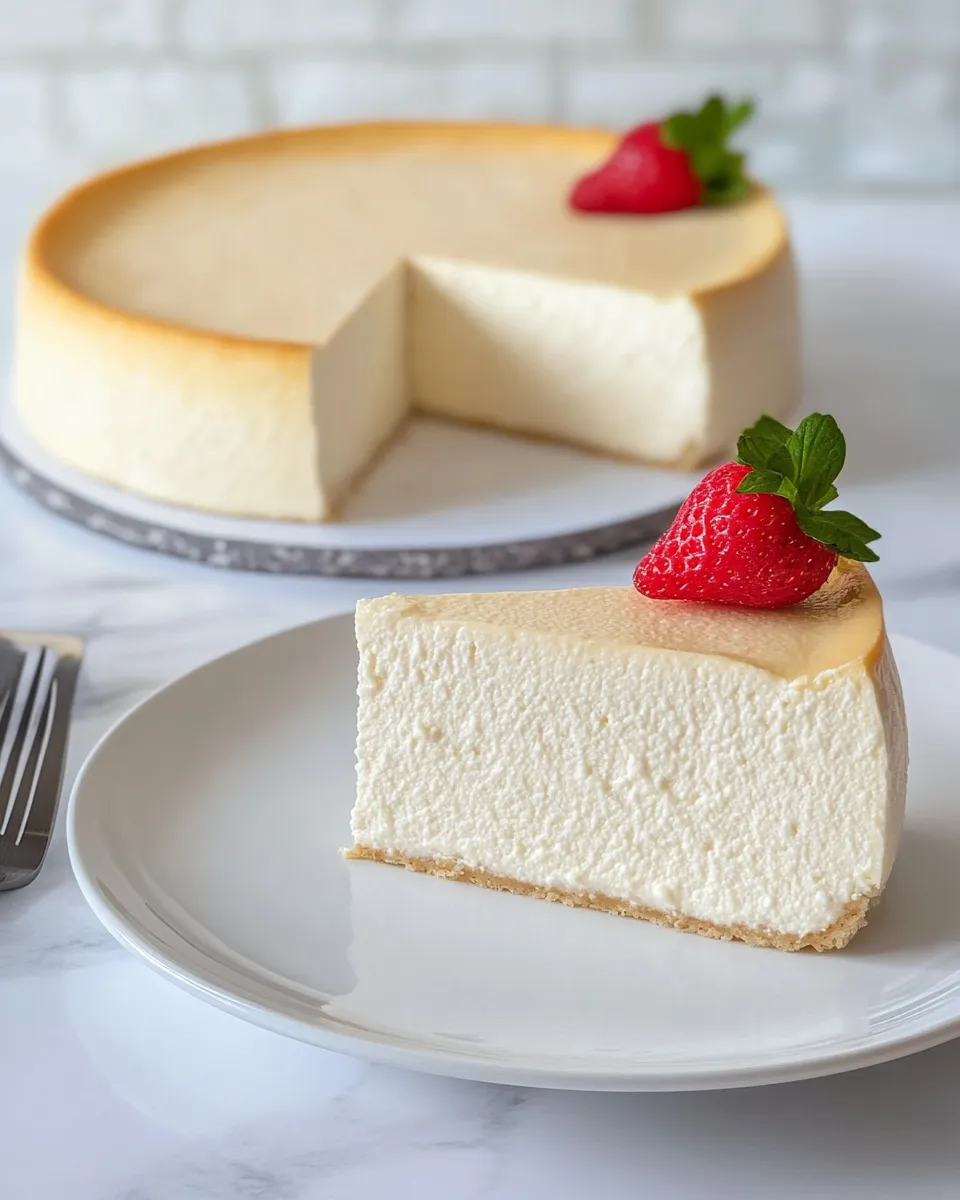
I’ve always admired ricotta cheesecake for being lighter in texture yet still luxuriously creamy. This version combines cream cheese and ricotta for a balanced, slightly tangy filling with a fine, elegant crumb. It’s straightforward to make and rewards patience with a crack-free top and a smooth slice.
No fancy techniques required—just room-temperature ingredients, gentle folding, and a patient cooling routine. Serve it plain, or dress it with bright fresh fruit. Below I break the recipe down into ingredients, method, options, and the practical tips I use when I bake this regularly.
Ingredient Rundown
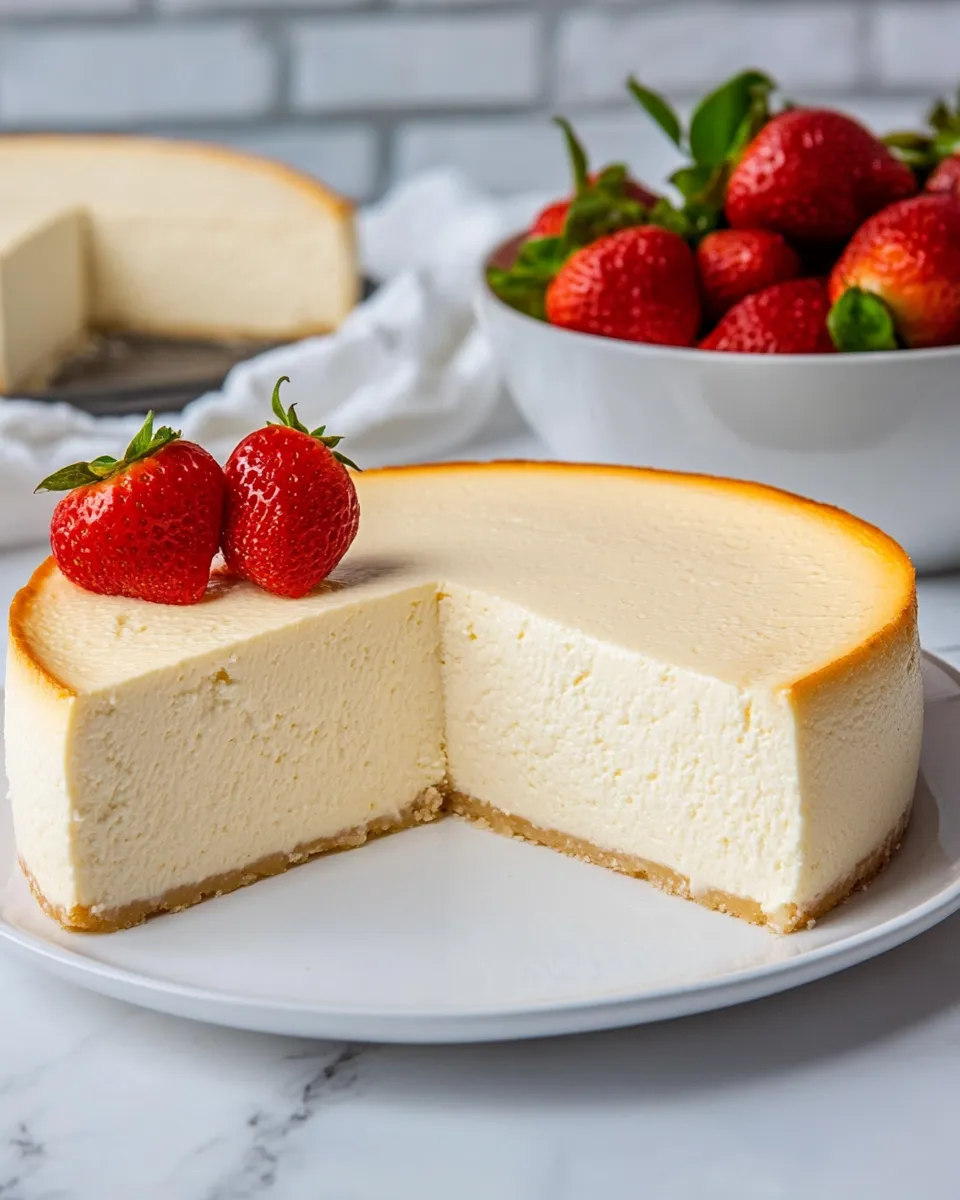
- 16 ounces cream cheese, softened — provides the rich, dense body and tang typical of cheesecake; soften so it blends smoothly.
- 1 container (16 ounces) ricotta cheese, drained if watery — lightens the texture and adds a milky, slightly granular creaminess; drain excess whey so the batter isn’t too loose.
- 4 large eggs, at room temperature — bind the filling and contribute structure; room temperature eggs mix more evenly.
- 1 2/3 cups granulated sugar — sweetens and helps with texture and browning.
- 1/2 cup unsalted butter, melted and cooled — adds silkiness and a bit of richness without changing texture; cool it so it doesn’t curdle the cheeses.
- 2 teaspoons freshly squeezed lemon juice — brightens the batter and balances richness.
- 1 teaspoon vanilla extract — rounds the flavor; use pure vanilla for best results.
- 3 tablespoons all-purpose flour — stabilizes the filling and helps set the cheesecake without changing the mouthfeel.
- 3 tablespoons cornstarch — fine-tunes structure, giving a tender slice and reducing weepiness.
- 1 pint sour cream — folded in for extra creaminess and slight tang; fold gently to keep the batter airy.
- Fresh fruit — optional for serving; bright berries or poached stone fruit complement the tangy cheese.
Mastering Ricotta Cheesecake: How-To
- Preheat your oven to 350°F. Lightly grease a 9-inch springform pan.
- In a large bowl, beat the softened cream cheese and drained ricotta cheese together until the mixture is smooth and well blended. Use a paddle attachment or an electric mixer on low–medium speed to avoid overbeating.
- Add the 4 large eggs, 1 2/3 cups granulated sugar, 1/2 cup melted and cooled unsalted butter, 2 teaspoons freshly squeezed lemon juice, and 1 teaspoon vanilla extract. Mix until smooth and homogenous, scraping the bowl as needed.
- Sift in the 3 tablespoons all-purpose flour and 3 tablespoons cornstarch. Stir them into the batter until just combined—avoid vigorous mixing once the dry ingredients go in.
- Gently fold in the 1 pint sour cream until the batter is uniform in texture and color. Use a spatula and turn the bowl slowly to keep the batter airy.
- Pour the cheesecake batter into the prepared 9-inch springform pan and spread it evenly with an offset spatula or the back of a spoon.
- Bake in the preheated oven at 350°F for 1 hour. The center should be slightly wobbly but the edges set when you check.
- When the hour is up, turn the oven off and leave the cheesecake inside with the door closed for an additional 1 hour. This gradual cooling helps prevent drastic shrinkage and cracking.
- Remove the cheesecake from the oven and let it cool completely at room temperature. Once cooled, refrigerate until thoroughly chilled—at least 4 hours, but ideally overnight for best texture.
- To serve, unlock and remove the sides of the 9-inch springform pan. Slice the cheesecake with a sharp knife wiped clean between cuts. Serve chilled, optionally with fresh fruit.
Reasons to Love Ricotta Cheesecake
It’s lighter than a classic New York cheesecake yet still creamy and luxurious. The ricotta gives a delicate tang and slightly grainy silkiness that makes each bite feel less dense—perfect if you want something elegant without feeling heavy. It’s also forgiving: the dough relies on simple pantry staples and straightforward technique, so it’s accessible whether you bake often or just occasionally.
Additionally, this cheesecake holds up well for parties and can be dressed up easily with seasonal fruit, compotes, or a drizzle of honey. It slices cleanly when chilled, and the flavor improves after a day in the fridge.
Ingredient Flex Options
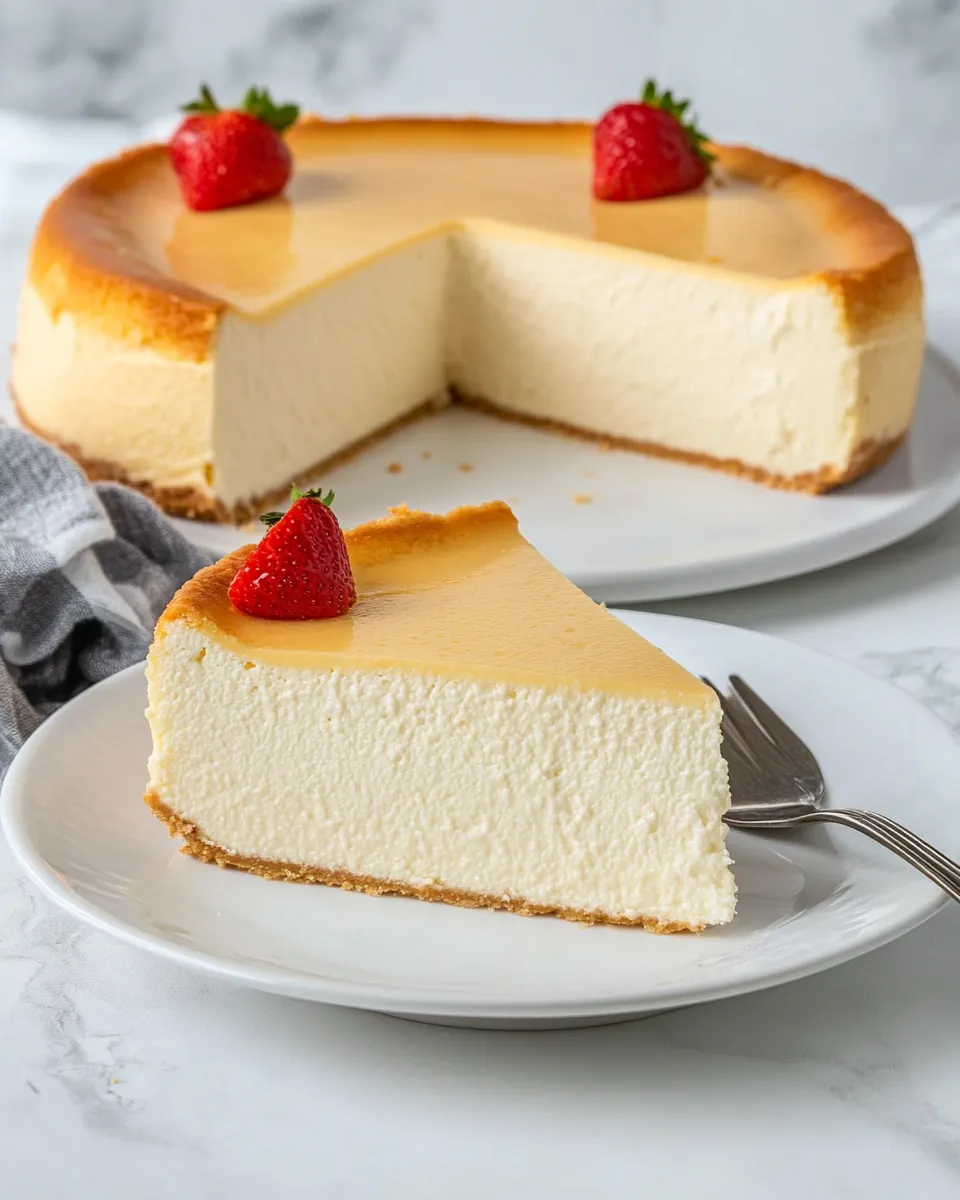
- Cheese ratio — Keep the 1:1 cream cheese to ricotta as written for the texture described; you can slightly increase ricotta for a lighter cake, but don’t exceed the total quantities.
- Butter — Unsalted is preferred to control salt levels; if you only have salted, omit added salt elsewhere (this recipe doesn’t call for extra salt).
- Sugar — Reduce up to 1/4 cup for a less sweet result; remember the sour cream and lemon add tang that balances sweetness.
- Flour and cornstarch — Both provide structure; don’t skip both—replace cornstarch with an equal amount of flour if needed, but keep the total thickening amount similar.
- Sour cream — Full-fat sour cream gives best richness. For lower fat, use a cultured low-fat version but expect a slightly different mouthfeel.
Appliances & Accessories
- Electric mixer (hand or stand) — speeds up blending and ensures smooth cream cheese.
- Paddle attachment — preferable to the whisk for minimal air incorporation and a dense, smooth batter.
- 9-inch springform pan — essential for easy removal and clean slices.
- Offset spatula — helps spread batter evenly and smooth the top.
- Sifter or fine-mesh sieve — for the flour and cornstarch to prevent lumps.
- Rubber spatula — for gentle folding and scraping the bowl thoroughly.
Frequent Missteps to Avoid
- Overbeating the cheeses — creates excess air that can cause cracks or a domed top; mix just until smooth.
- Adding warm butter — always cool melted butter before adding or it will loosen the batter too much.
- Not draining ricotta — watery ricotta thins the batter and affects baking time and texture; drain in a fine sieve if needed.
- Skipping the oven cool-down — transferring a hot cake to a cool environment can cause sudden shrinkage and cracking; let it rest in the turned-off oven for the extra hour.
- Slicing too soon — refrigeration firms the cake and gives clean slices; cut only after it’s thoroughly chilled.
Nutrition-Minded Tweaks
- Reduce sugar slightly — trim up to 1/4 cup sugar if you prefer less sweet desserts; balance with a touch more lemon if needed.
- Lower-fat options — use low-fat ricotta and reduced-fat cream cheese, but expect a softer set and less richness.
- Sour cream swap — Greek yogurt works in a pinch to reduce fat and add protein, though texture will be a bit tangier and less silky.
Little Things that Matter
Bring eggs and cheeses to room temperature before mixing. Cold ingredients don’t incorporate well and promote lumps. When folding in the sour cream, use a light hand—overworking the batter creates too much air and changes the final texture. For neat slices, run a sharp knife under hot water, dry it, then slice; wipe the blade between cuts for clean presentation.
Shelf Life & Storage
Refrigerate the cheesecake in an airtight container or wrapped tightly with plastic wrap for up to 4–5 days. For longer storage, freeze slices wrapped individually in plastic and then foil; they’ll keep well for up to 1 month. Thaw in the fridge overnight before serving. Fresh fruit toppings are best added just before serving to preserve texture and flavor.
Common Questions
- Do I need a water bath? No—the recipe and cooling step are designed to minimize cracking without a bain-marie. If you’re used to water baths, you can use one, but ensure the springform is well wrapped.
- Why drain ricotta? Excess moisture from ricotta can make the batter too thin and alter baking time; draining gives a firmer, more predictable texture.
- Can I use a different pan? A 9-inch springform is recommended for easy release. A fixed pan will work but plan to serve slices directly from the pan.
- Why turn the oven off and leave it closed? This gradual cooling prevents rapid contraction that causes cracks. It also helps the center finish setting gently.
Final Thoughts
This ricotta cheesecake is dependable, graceful, and endlessly adaptable. It rewards small but important habits—room-temperature ingredients, gentle folding, and patient cooling. Follow the steps and you’ll have an elegant dessert that’s lighter than a classic cheesecake yet still indulgent. Top with seasonal fruit for color and contrast, and enjoy the many compliments that follow.
Ricotta Cheesecake
Ingredients
- 16 ounces cream cheese softened
- 16 ounces ricotta cheese drained if watery
- 4 eggs large, at room temperature
- 1 2/3 cups granulated sugar
- 1/2 cup unsalted butter melted and cooled
- 2 teaspoons lemon juice freshly squeezed
- 1 teaspoon vanilla extract
- 3 tablespoons all-purpose flour
- 3 tablespoons cornstarch
- 1 pint sour cream
- fresh fruit for serving (optional)
Instructions
- Preheat the oven to 350°F and lightly grease a 9-inch springform pan.
- In a large bowl, beat the softened cream cheese and drained ricotta until smooth and well combined.
- Add the eggs, granulated sugar, melted cooled butter, lemon juice, and vanilla; mix until smooth.
- Sift in the flour and cornstarch, then stir gently until just combined—do not overmix.
- Fold in the sour cream until the batter is uniform.
- Pour the batter into the prepared springform pan and smooth the top.
- Bake for 1 hour at 350°F. When time is up, turn the oven off and leave the cheesecake inside with the oven door closed for 1 hour to cool slowly.
- Remove the cheesecake from the oven and let cool completely at room temperature, then refrigerate until thoroughly chilled before serving.
- Release and remove the springform sides, slice, and serve chilled with fresh fruit if desired.
Equipment
- 9-inch springform pan
- Mixing bowls
- electric mixer or whisk
- Measuring cups and spoons
- Spatula
- Sifter
- cooling rack
Notes
- Use room-temperature eggs for a smoother batter.
- Drain ricotta well to avoid a watery cheesecake.
- Allow slow cooling in the turned-off oven to reduce cracking.
- Chill fully before slicing for clean slices.