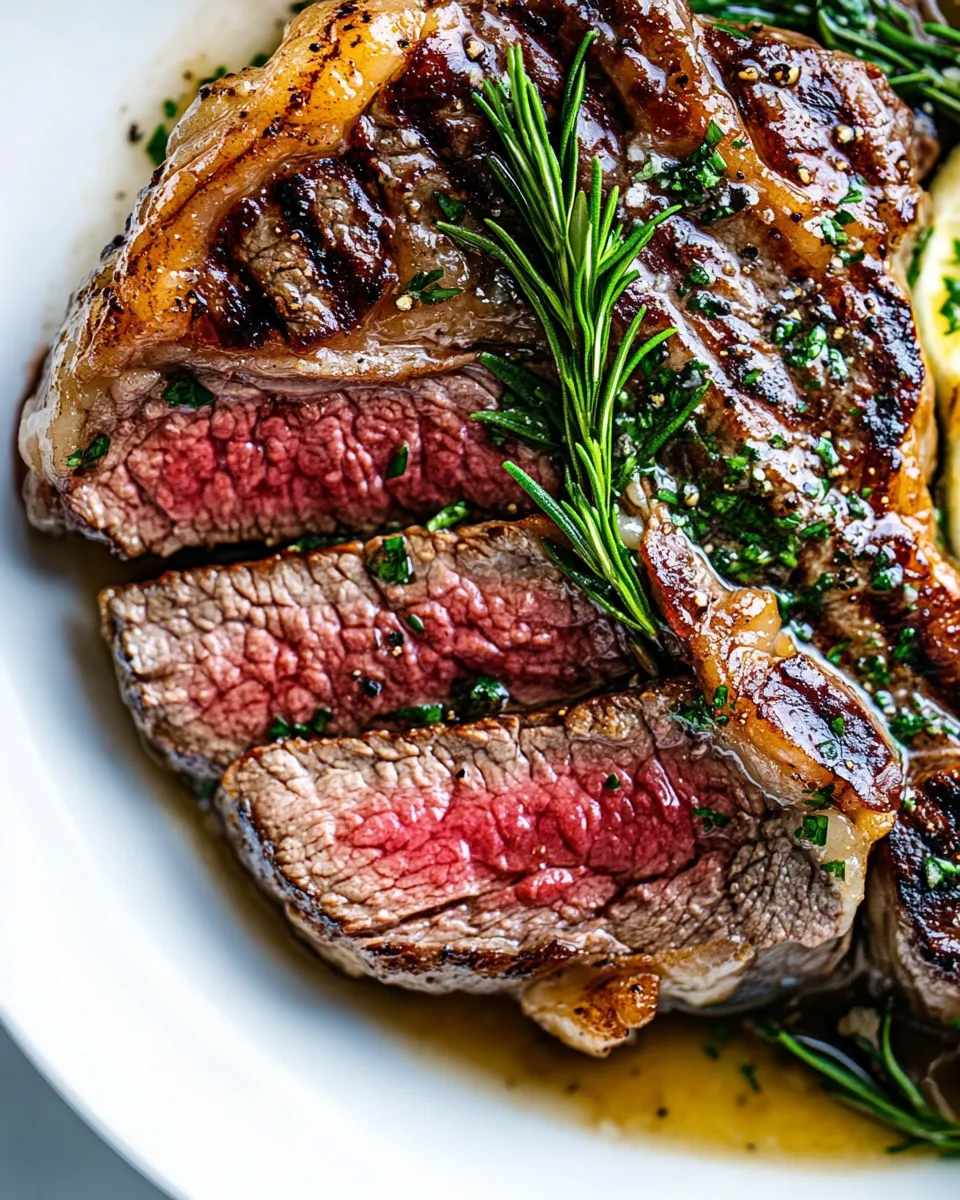
Pan Fried Ribeye
This pan-fried ribeye is the kind of steak dinner I make when I want something impressive without fuss. The method is straightforward: high heat, steady flipping, a finishing spoon of butter and a short rest. You get a deeply caramelized exterior, even internal cooking and a buttery finish that lifts the beef without hiding it.
I’ll walk you through exactly what to do, why each step matters, and what to avoid. There are small tricks that make a big difference — like drying the steak properly and using an oil with a high smoke point — and I’ll point them out as we go.
Gather These Ingredients
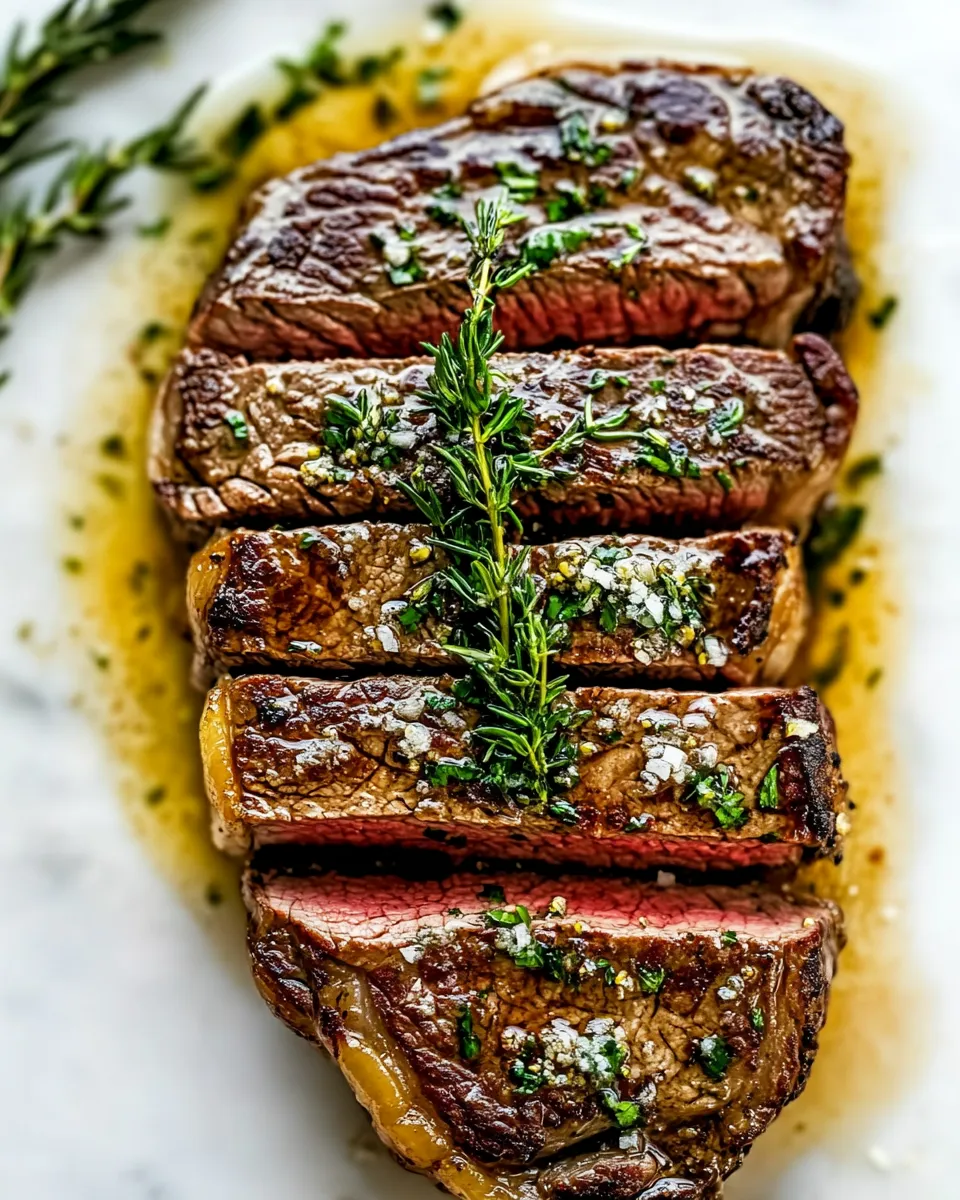
- 2 tablespoons avocado oil — high smoke-point oil for a hot sear without burning.
- 2 12 ounce ribeye steaks — the star of the dish; good marbling equals flavor and juiciness.
- 2 teaspoons kosher salt — seasons and helps form a flavorful crust.
- 1 teaspoon black pepper — adds bite and complements the beef.
- 1/4 cup compound butter — optional finish; melts into the steak for richness and flavor.
Method: Pan Fried Ribeye
These instructions follow the source directions but clarified and broken into clear steps. Read through once, then follow them at the stove.
- Bring the steaks to room temperature for about 20–30 minutes if possible. Pat both sides thoroughly dry with paper towels — moisture prevents a proper crust.
- Season both sides of each ribeye evenly with the 2 teaspoons kosher salt and the 1 teaspoon black pepper. Press the seasoning gently into the meat so it adheres.
- Place a 12-inch cast iron skillet on the stove and add the 2 tablespoons avocado oil. Preheat the skillet over medium-high heat until the oil is just barely smoking; this is roughly 450°F in a properly calibrated oven thermometer, but on most stoves medium-high gets you there.
- When the pan is hot and the oil is shimmering, set a timer for 5 minutes. Put one of the steaks into the pan and immediately start flipping it repeatedly every 20–30 seconds. Continue this pattern for the full 5 minutes; the frequent flips promote even cooking and a uniform crust.
- With one minute left on the 5-minute timer, add 1 tablespoon of the compound or regular butter to the pan. Tilt the pan slightly and use a spoon to baste the butter over the top of the steak for a final gloss and flavor boost.
- When the 5 minutes are complete, remove the steak from the heat and transfer it to a cutting board. Tent the steak loosely with aluminum foil and let it rest for 10 minutes. Resting lets the juices redistribute so they don’t run out when you cut.
- Repeat the same preheat and cooking process for the second steak if you’re cooking them one at a time. Optionally, serve each steak with additional compound butter on top.
Why It Works Every Time
High heat searing and frequent flipping produce a deep, even crust without overcooking the interior. Patting the steak dry eliminates surface moisture that would steam instead of sear. Using a high smoke-point oil like avocado oil allows you to reach the proper pan temperature without burning the fat. The short rest is critical: it keeps the steak juicy when you slice into it.
Adding butter toward the very end prevents it from burning but still lets it impart flavor and gloss. The compound butter melts into the hot steak, enriching the natural beef flavor instead of masking it.
If You’re Out Of…
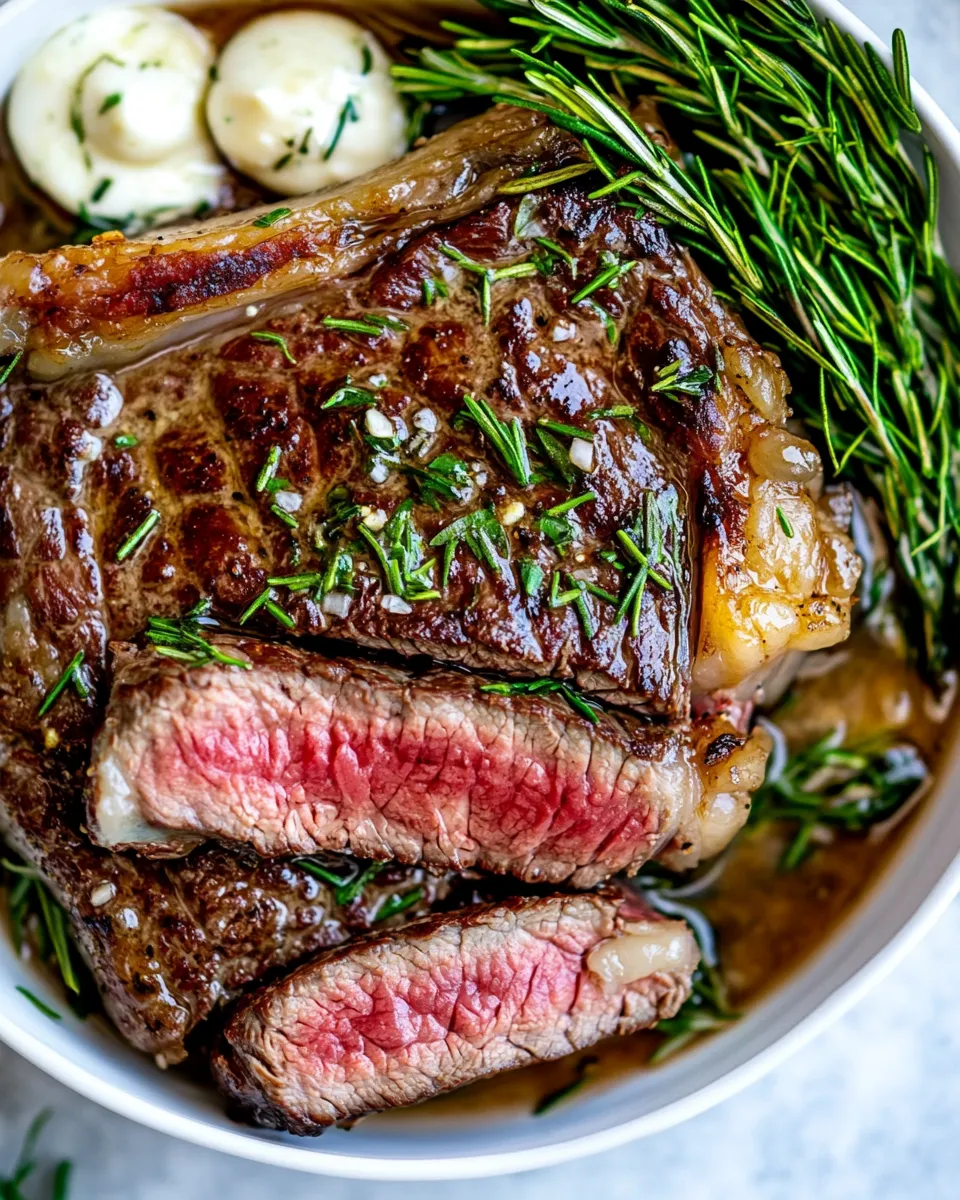
- Avocado oil: Use another high smoke-point oil such as grapeseed or refined peanut oil if you have it.
- Compound butter: Use plain unsalted butter if necessary, added at the same moment for basting.
- Cast iron skillet: A heavy-bottomed stainless steel pan will work; expect slightly different heat retention and adjust timing by feel.
Must-Have Equipment
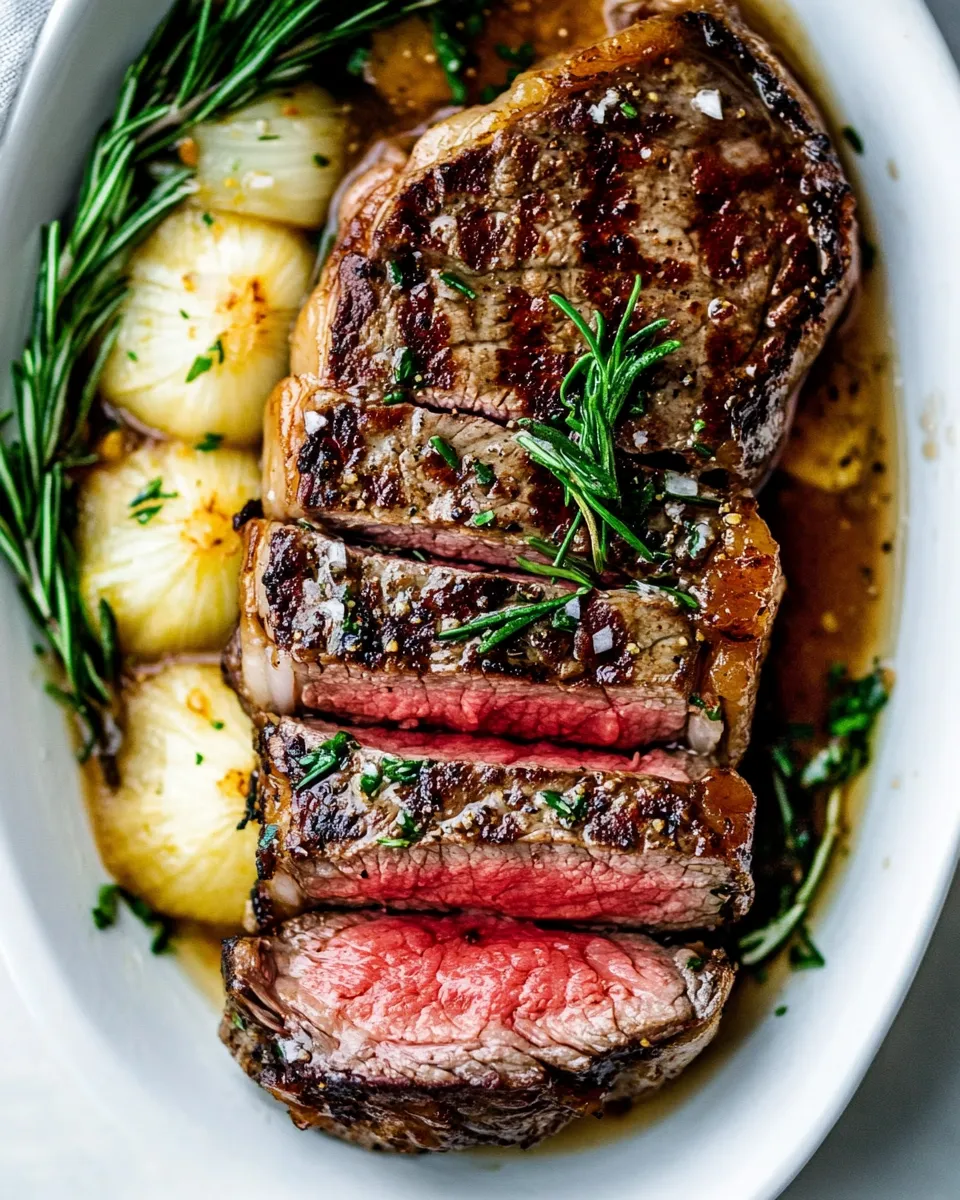
- 12-inch cast iron skillet — ideal for even heating and a great sear.
- Kitchen tongs — for frequent, controlled flipping.
- Instant-read thermometer (optional but helpful) — to check internal temperature if you prefer exact doneness.
- Timer — to keep the 5-minute flip cycle precise.
- Aluminum foil — for resting the steak.
Don’t Do This
- Don’t put a wet steak into a hot pan — it will steam and won’t develop a crust.
- Don’t add the butter at the very start — it will burn at high searing temperatures.
- Don’t skip the rest — cutting immediately leaks precious juices and dries the steak.
- Don’t overcrowd the pan — one steak at a time keeps the pan hot enough for a proper sear.
Allergy-Friendly Swaps
- If you need a dairy-free finish, skip the compound butter and use a drizzle of extra avocado oil right after resting.
- For a lower-sodium option, reduce the kosher salt slightly but remember that some salt is needed to form a proper crust and enhance flavor.
Cook’s Commentary
I prefer the frequent-flip method for home cooking because it gives very predictable, evenly cooked results without the need for repeated temperature checks. The repeated flips may feel odd if you’re used to a single long sear per side, but it keeps the surface temperature stable and reduces the risk of a burnt exterior with an underdone center.
Compound butter is optional but worth it if you have it: herb- and garlic-infused butter adds a final aromatic lift that pairs beautifully with ribeye’s richness. If you make extra compound butter, it’s great on vegetables and bread later in the week.
Storing, Freezing & Reheating
Store cooked steak in an airtight container in the refrigerator for up to 3–4 days. To reheat without overcooking, gently warm in a 250°F oven on a wire rack until just warmed through, then briefly sear in a hot pan for 30–60 seconds per side to restore crust. For frozen cooked steak, thaw overnight in the refrigerator before reheating.
Helpful Q&A
- Q: How do I tell doneness without a thermometer? A: With this method and a 5-minute flip cycle, steaks will usually reach medium-rare to medium depending on thickness; feel the steak’s firmness or use an instant-read thermometer for precision (125–130°F for rare, 130–135°F for medium-rare, 135–145°F for medium).
- Q: Can I cook both steaks at once? A: Only if your pan is large enough that each steak has room and the pan stays hot. Otherwise cook one at a time for consistent results.
- Q: Why flip every 20–30 seconds? A: Frequent flipping promotes uniform cooking and helps form an even crust without over-charring any one side.
Final Thoughts
This pan-fried ribeye method is quick, reliable and produces a restaurant-worthy steak from a simple stovetop routine. Keep your prep minimal: dry the steak, season well, heat the pan properly and time the flips. Finish with butter and a short rest, and you’ll have a juicy, beautifully crusted ribeye on the table fast.
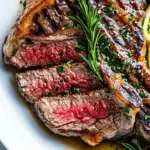
Pan Fried Ribeye
Ingredients
- 2 tablespoons avocado oil or other high smoke point oil
- 2 12 ounce ribeye steaks
- 2 teaspoons kosher salt
- 1 teaspoon black pepper
- 1/4 cup compound butter
Instructions
- Preheat a 12-inch cast iron skillet over medium-high heat until very hot, about 450°F; add the avocado oil and heat until it is just barely smoking.
- Pat the ribeye steaks dry with paper towels and season both sides evenly with the kosher salt and black pepper.
- Set a timer for 5 minutes, then add one steak to the hot skillet; flip the steak every 20–30 seconds for the full 5 minutes to develop an even crust.
- With about 1 minute remaining, add 1 tablespoon of the compound butter to the pan and spoon the melted butter over the steak continuously.
- When the 5 minutes are up, remove the steak from the skillet and tent loosely with aluminum foil; let rest for 10 minutes before slicing.
- Repeat the cooking process for the second steak and serve with additional compound butter if desired.
Equipment
- 12-inch cast iron skillet
- Tongs
- Spoon
- Aluminum Foil
Notes
- Use a high smoke point oil like avocado for best searing.
- Patting steaks dry helps achieve a better crust.
- Flipping every 20–30 seconds promotes even browning.
- Rest steaks under foil for 10 minutes to redistribute juices.
- Compound butter can be substituted with plain salted butter.