Chimichurri Sauce Recipe
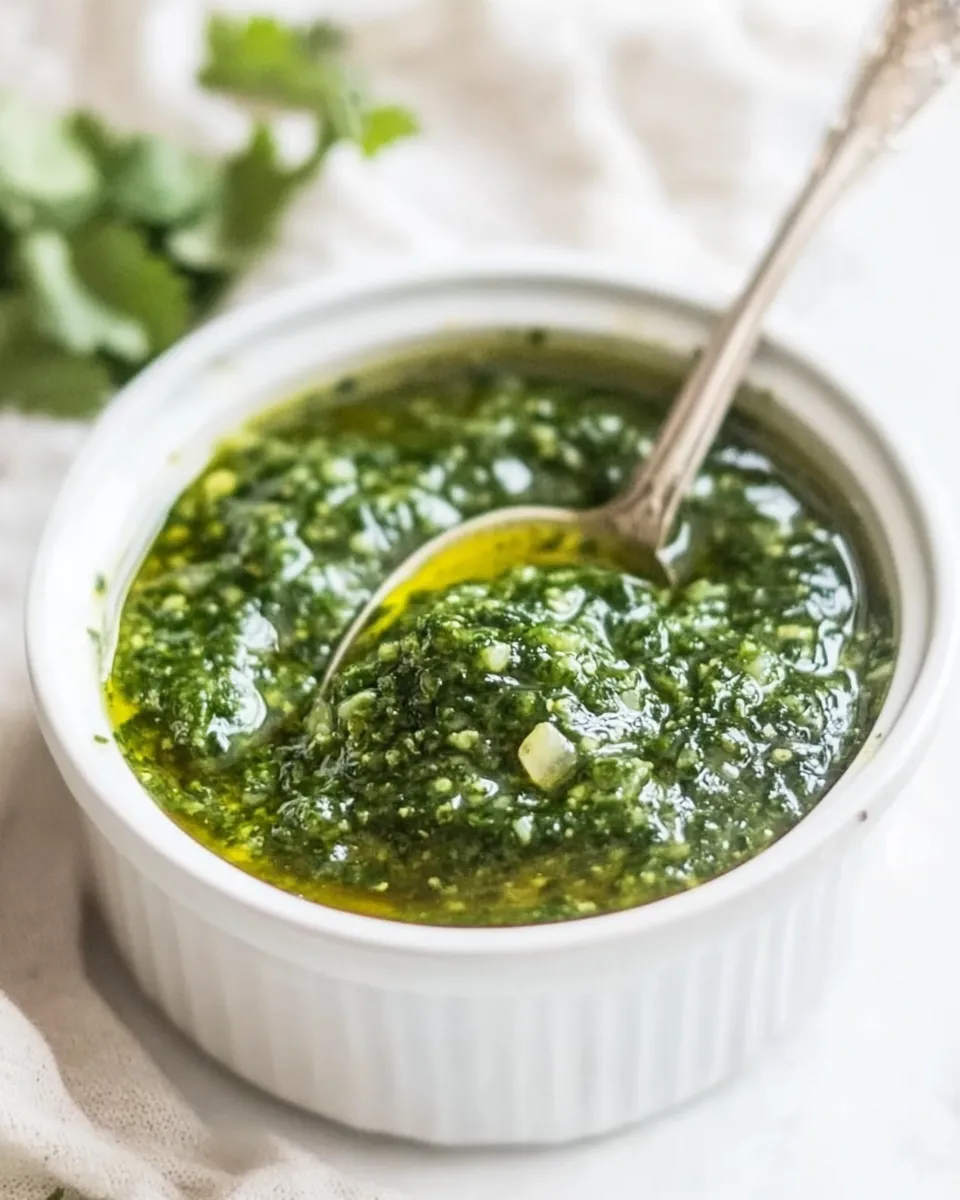
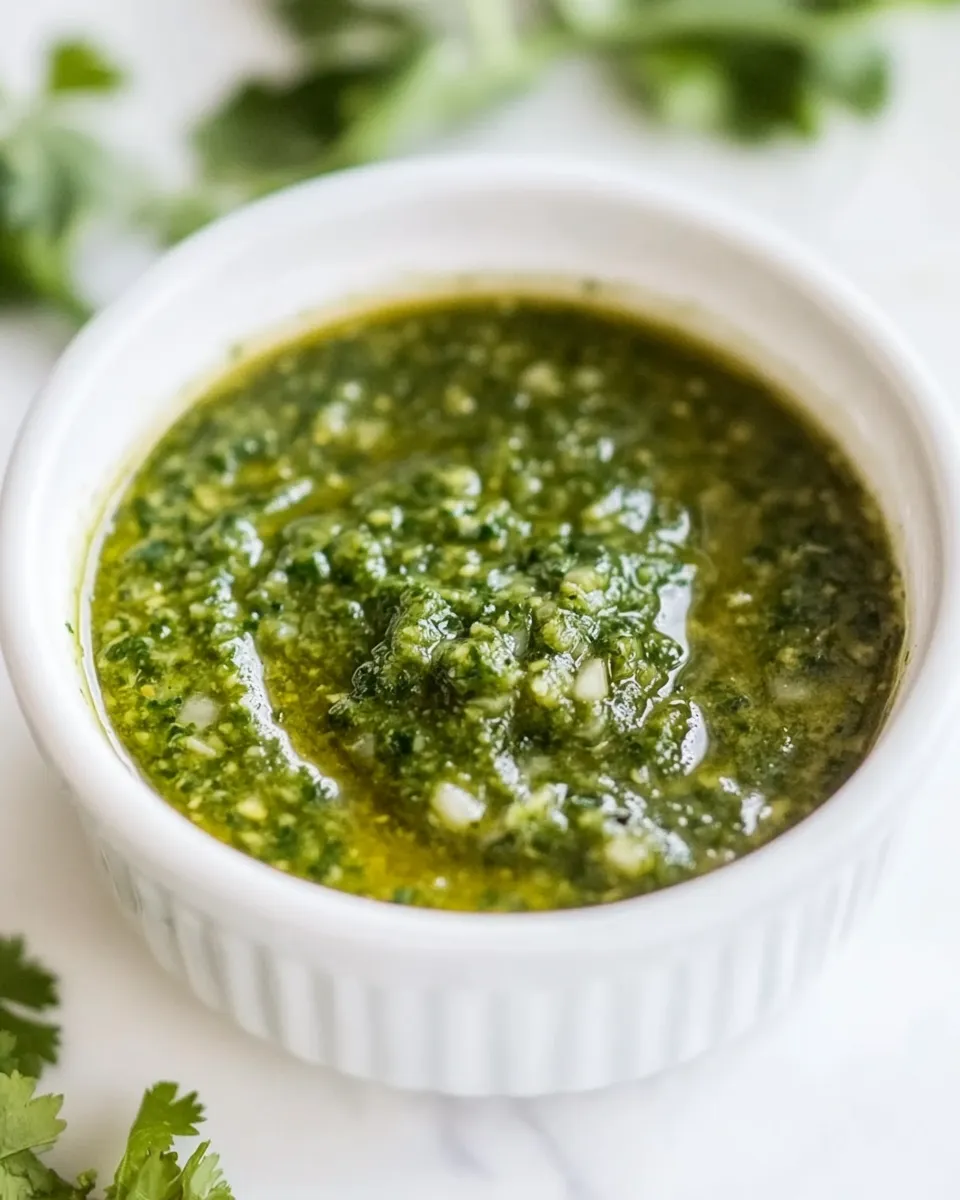
This chimichurri is the bright, herb-forward sauce I reach for when I want a fast hit of freshness on grilled meat, roasted vegetables, or simply stirred into plain rice. It blends parsley, kale, and oregano with garlic and lime for a slightly tangy, herbaceous kick. The texture is rustic yet emulsified enough to cling to food, thanks to a slow drizzle of olive oil during processing.
It’s a forgiving recipe that still rewards a few deliberate steps: pack the herbs, measure the citrus, and add oil slowly so the sauce comes together silky rather than separated. Make it in a food processor or blender in minutes, then taste and adjust the seasoning to your preference.
Below you’ll find the ingredient notes, a crisp step-by-step method that follows the original proportions exactly, troubleshooting tips, low-carb swaps, and serving ideas. I keep a jar of this in my fridge almost constantly — it turns leftovers into dinner and makes anything on the grill sing.
Gather These Ingredients
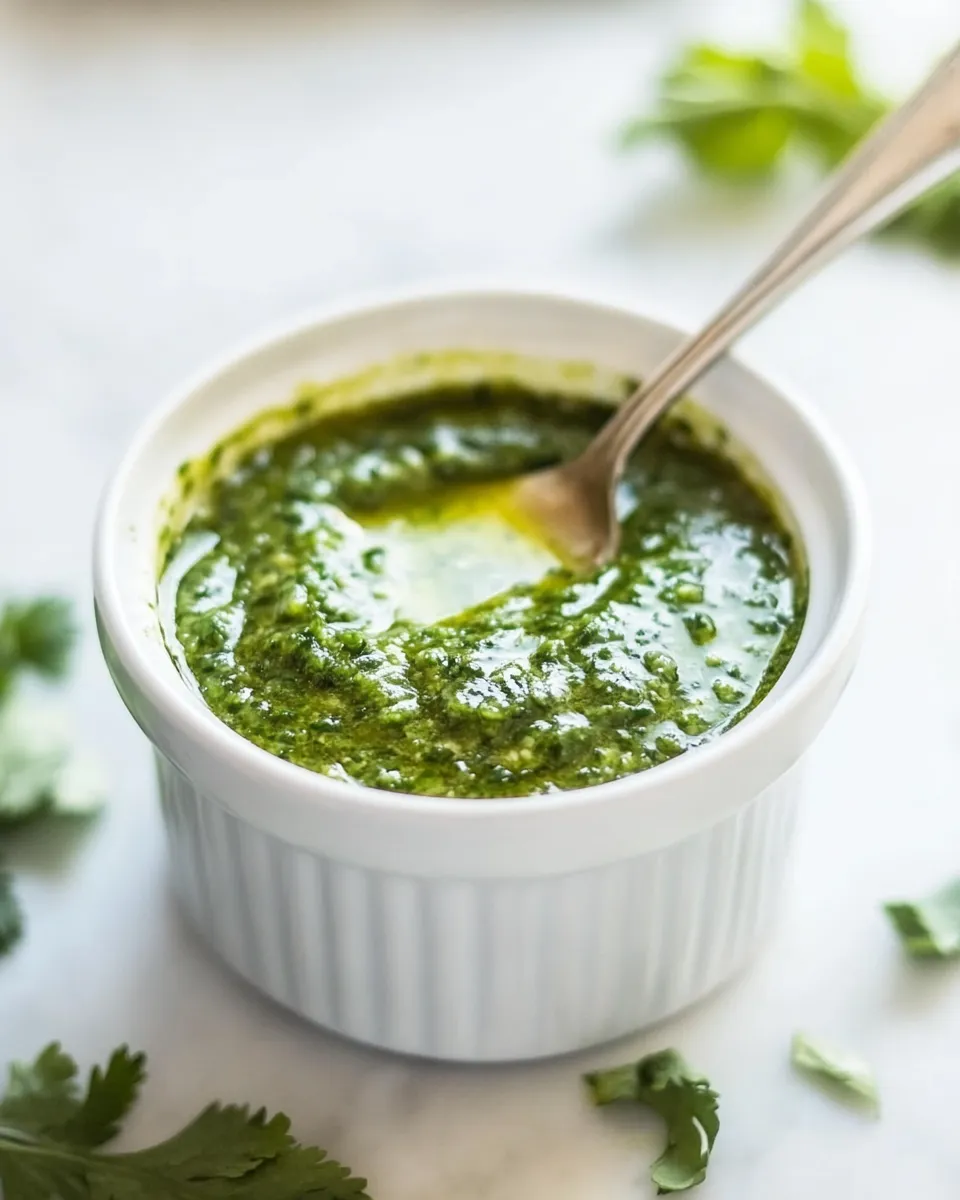
- 2 cups flat-leaf parsley, tightly packed — the bright, grassy backbone of the chimichurri; pack it into the measuring cup for accurate volume.
- 1 cup kale leaves, tightly packed — adds body and a deeper green flavor; remove tough stems before measuring.
- 1/2 cup fresh oregano leaves, loosely packed — aromatic and slightly minty; use plenty for authentic tang.
- 5 cloves garlic, roughly chopped — provides savory punch; rough chop so it processes evenly.
- Zest of 1 lime — concentrates citrus oils for aroma; zest before juicing the lime.
- 1 tablespoon fresh lime juice — adds bright acidity; use fresh juice, not bottled.
- 1 tablespoon white vinegar — balances richness and preserves the green color.
- 3/4 teaspoons salt — seasons the sauce; start with this and add a pinch more if needed after tasting.
- 1/4 teaspoon black pepper — ground black pepper for background heat.
- 1/4 teaspoon red pepper flakes, optional — for a touch of warmth; omit if you prefer no heat.
- 1 cup olive oil — creates the emulsion and carries flavors; use a good-quality extra virgin for best taste.
From Start to Finish: Chimichurri Sauce Recipe
- Prepare herbs and aromatics: Strip the parsley leaves from the stems and tightly pack 2 cups into the measuring cup. Remove the kale stems and tightly pack 1 cup of kale leaves. Take 1/2 cup fresh oregano leaves, loosely packed. Roughly chop 5 garlic cloves and zest 1 lime; then squeeze 1 tablespoon fresh lime juice.
- Load the processor: Add the parsley, kale, oregano, roughly chopped garlic, lime zest, lime juice, 1 tablespoon white vinegar, 3/4 teaspoons salt, 1/4 teaspoon black pepper, and 1/4 teaspoon red pepper flakes (if using) into the bowl of a blender or food processor. Do not add the olive oil yet.
- Start processing slowly: Secure the lid and pulse or turn the machine to a low speed to begin breaking down the herbs and garlic. Use short pulses at first if your processor is powerful to avoid overheating and turning the mixture to a paste.
- Emulsify with oil: While the machine is running on low speed, slowly stream in the full 1 cup of olive oil. Take about 30–60 seconds to add the oil in a thin, steady stream so the mixture emulsifies and becomes glossy rather than separated.
- Check texture and taste: Stop the processor and scrape down the sides. The chimichurri should be finely chopped but still a bit textured — not completely pureed. Taste and adjust: add a pinch more salt, a little extra lime juice, or more red pepper flakes if you want more heat.
- Serve or store: You can serve the chimichurri immediately at room temperature. To store, transfer the sauce to a jar, press a small piece of plastic wrap onto the surface to limit air, seal the lid, and refrigerate. Use within 5–7 days for best color and flavor.
Why Cooks Rave About It
Chimichurri is a low-effort, high-impact condiment. It brightens fatty proteins like steak and pork, and it keeps dishes from feeling heavy. The acid and oil balance gives a lasting freshness, while the garlic and herbs deliver complexity. It’s also endlessly adaptable — a green boost for sandwiches, grain bowls, and grain-free salads.
Low-Carb/Keto Alternatives
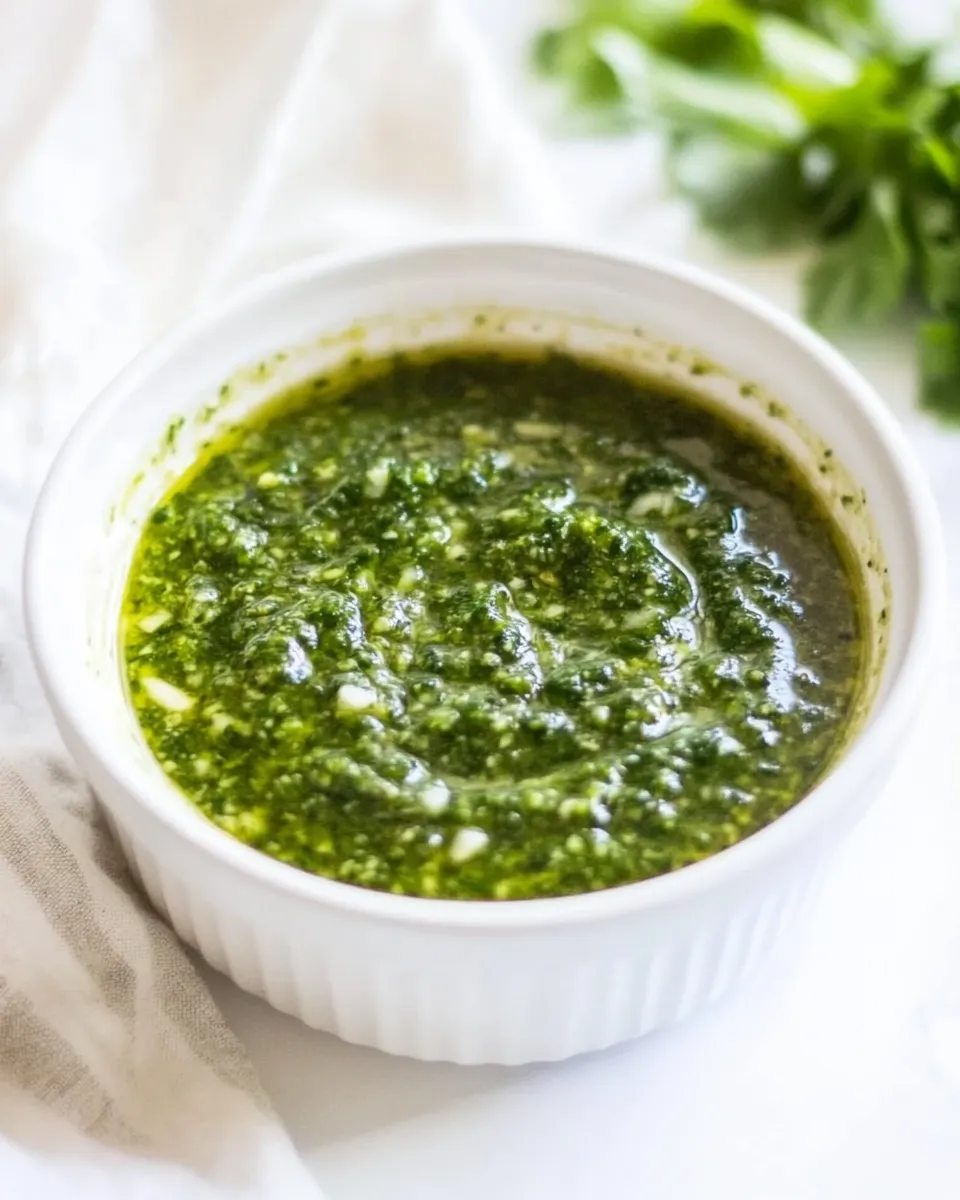
The base recipe is already low in carbs and keto-friendly: mostly herbs and oil. A few notes if you’re strict about carb counts:
- Omit the red pepper flakes if you’re tracking minutiae — they add negligible carbs but sometimes show up in strict logs.
- Use extra oregano and parsley instead of kale if you prefer even fewer carbs; kale contributes minimal carbs but slightly more fiber.
- Serve chimichurri as a finishing sauce or marinade rather than mixing with carb-rich side dishes.
Recommended Tools
- Food processor or blender — required for the recipe as written; a good-sized processor makes it easy to pulse the herbs without overheating.
- Citrus zester or microplane — for bright lime zest without bitter pith.
- Measuring cups and spoons — to match the exact proportions in this recipe.
- Spoon or small ladle — to drizzle the olive oil slowly while processing.
- Glass jar with tight lid — for storage to keep the sauce vibrant and easy to access.
Easy-to-Miss Gotchas
Small mistakes can dull the chimichurri’s brightness. Here’s what to watch for:
- Adding oil too quickly — if you pour the olive oil in all at once the mixture can separate and become slick rather than emulsified. Add it slowly while processing.
- Processing on high right away — high speed can overwork the herbs and turn the sauce into a green puree. Start slow and pulse as needed.
- Using bottled lime juice only — fresh lime juice and zest make a big difference in aroma and flavor intensity.
- Neglecting stems when measuring — tough kale stems or woody oregano stems will affect texture; strip stems where needed before packing the herbs.
Seasonal Twists
Chimichurri is a great canvas for seasonal flavors. A few ideas:
- Summer: Add a handful of basil or mint for a sweeter, summer-forward version.
- Fall/Winter: Swap kale for baby spinach if kale is less available or bitter in colder months.
- Spring: Increase the oregano and add a pinch of lemon zest alongside the lime for a floral lift.
- Spicy seasonal: In late summer when peppers are abundant, blend in a small fresh chile instead of dried flakes for fresh heat.
Author’s Commentary
I keep this chimichurri ratio in my repertoire because it balances brightness and body: parsley for lift, kale for structure, oregano for aroma, and a full cup of olive oil so the sauce coats food without being cloying. Processing gently and adding oil slowly are the two little habits that turn a so-so sauce into one that looks glossy and tastes cohesive.
When I’m short on time, I’ll omit the kale and double the parsley; the result is brighter but still delicious. If I’m prepping for guests, I make it a day ahead — flavors meld and the sauce becomes more rounded. Just give it a quick stir and a fresh squeeze of lime before serving.
Refrigerate, Freeze, Reheat
Refrigerate: Store chimichurri in a sealed jar with a thin film of olive oil on top to limit oxidation. It keeps well in the refrigerator for about 5–7 days; the color will slowly darken but the flavor remains lively.
Freeze: You can freeze chimichurri in ice cube trays for single-serving portions. Once frozen, transfer cubes to a freezer bag and use within 2–3 months. Thaw in the refrigerator overnight and give it a stir before serving.
Reheat: This sauce is best served cold or at room temperature. If you prefer it warm over grilled meat, gently bring it to room temperature or microwave very briefly — avoid heating it too much, which can flatten the flavors and olive oil.
Chimichurri Sauce Recipe FAQs
- Can I make this without a food processor? You can finely chop everything by hand, but it takes more time and yields a chunkier texture. Follow the same ingredient amounts and slowly whisk in oil until combined.
- Will the sauce turn brown? The chimichurri may darken over several days due to oxidation. Storing with a thin layer of oil on top and keeping it chilled slows that process.
- Is this recipe spicy? As written it’s mildly spicy if you include the 1/4 teaspoon red pepper flakes. Omit the flakes for no heat, or increase them to taste.
- How long does chimichurri last? Refrigerated, 5–7 days; frozen, 2–3 months in portioned cubes.
- Can I use dried herbs? Fresh herbs are essential here for the bright flavor and texture. Dried herbs won’t replicate the same freshness.
Bring It Home
Make this chimichurri when you want an easy, transformative sauce that elevates everything from a simple grilled steak to a leftover roasted veggie bowl. Follow the step-by-step method: measure and pack the herbs, start the processor on low, and drizzle in 1 cup of olive oil gradually to create a silky, aromatic emulsion. Keep a jar in the fridge and use it all week — it will make weekday dinners feel a little more special.
Chimichurri Sauce Recipe
Ingredients
- 2 cups flat-leaf parsley, tightly packed
- 1 cup kale leaves, tightly packed
- 1/2 cup fresh oregano leaves, loosely packed
- 5 cloves garlic, roughly chopped
- 1 lime zest (from 1 lime)
- 1 tablespoon fresh lime juice
- 1 tablespoon white vinegar
- 3/4 teaspoon salt
- 1/4 teaspoon black pepper
- 1/4 teaspoon red pepper flakes optional
- 1 cup olive oil
Instructions
- Add the parsley, kale, oregano, garlic, lime zest, lime juice, white vinegar, salt, black pepper, and red pepper flakes (if using) to a blender or food processor.
- Pulse on low or briefly process until the herbs and garlic are finely chopped but still have some texture.
- With the machine running on low, slowly pour in the olive oil until the mixture is emulsified and combined to your desired consistency.
- Taste and adjust seasoning if needed, then serve immediately or transfer to a jar and refrigerate.
Equipment
- blender or food processor
- Measuring cups and spoons
- Knife
- Cutting Board
- spatula or spoon
- jar or airtight container
Notes
- This sauce pairs well with steak and grilled vegetables.
- You can make it a day ahead to let flavors meld.
- Use a spoon to incorporate any oil separated before serving.
- Adjust red pepper flakes to control heat.