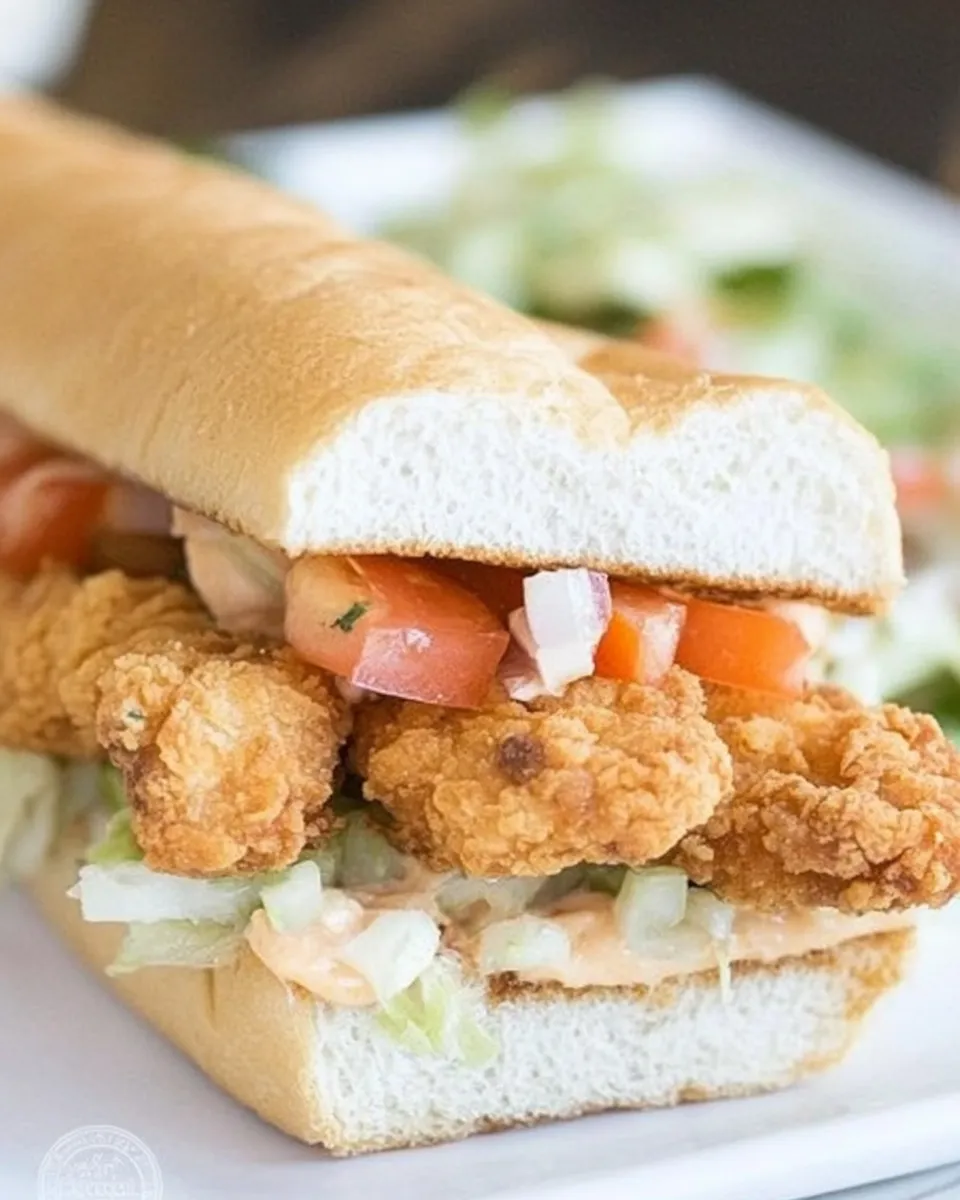
Chicken Tender Subs
These Chicken Tender Subs are the kind of sandwich you make when you want something fast, satisfying, and reliably delicious. They come together in minutes using store-bought components—French bread, a smear of mayo, a pile of chopped chicken tenders, and simple toppings—yet they taste like you put more effort in than you actually did.
There’s no complicated prep, no long marinating, and no fancy ingredients. The focus is texture: crunchy or crisp-tender chicken, soft bread with the airy middle removed, melty provolone, and fresh lettuce and tomato for balance. It’s a perfect weeknight dinner or a weekend game-day hero.
Below I walk you through everything: the ingredient roles, step-by-step instructions using the exact amounts, swaps if you’re missing something, equipment you’ll find useful, and tips for storing and reheating. Read through once, then you’ll be able to assemble these subs on autopilot.
Ingredient Rundown
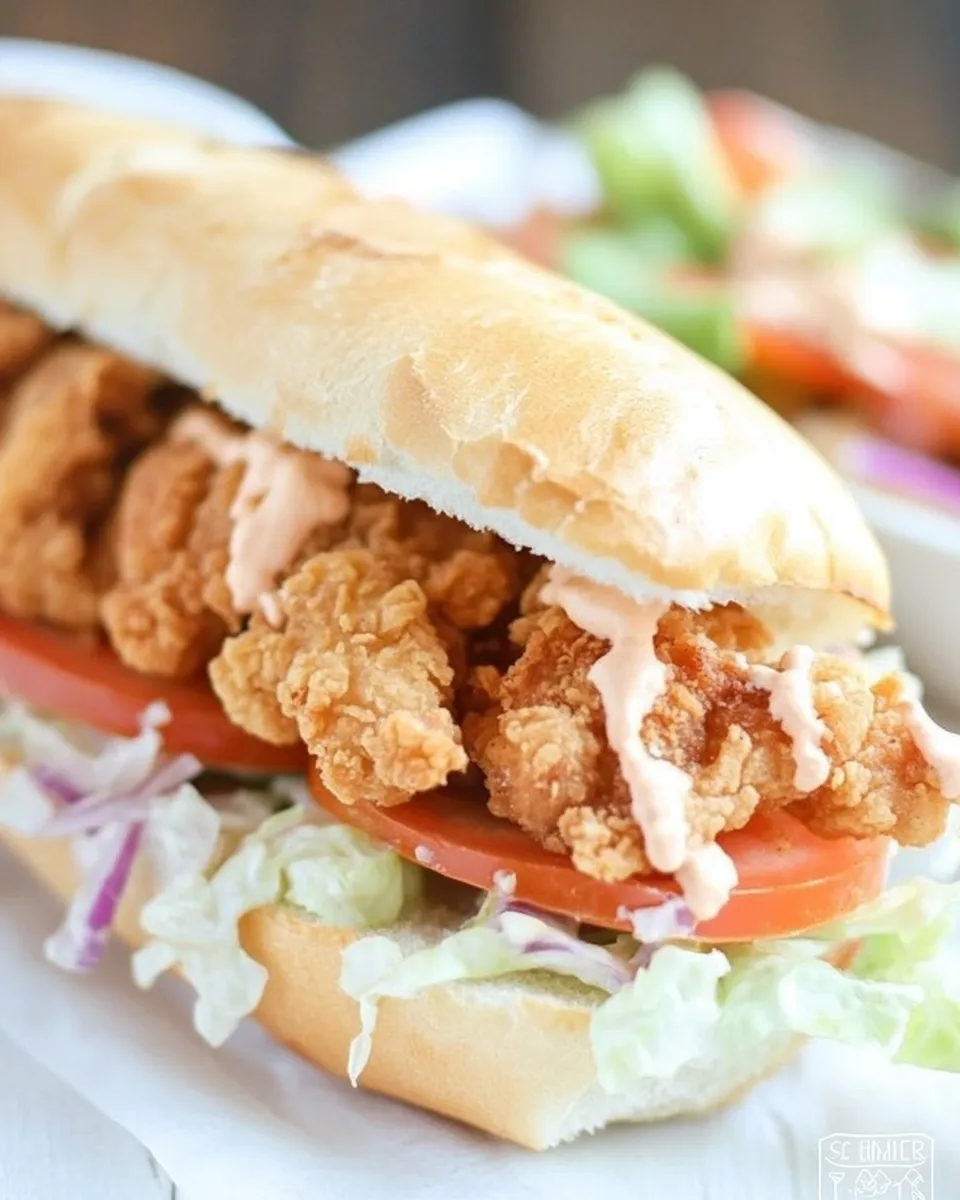
- 1 loaf French bread — Sturdy vehicle for the fillings; remove the fluffy center so the sub holds more filling without getting soggy.
- 2 tablespoons mayonnaise — Adds creaminess and helps bind toppings to the bread; spreads easily and keeps the interior moist.
- 6 chicken tenders, hot or cold (see note) — The main protein; chopped into bite-sized pieces so every bite has chicken. Can be leftover, rotisserie-style, or freshly cooked.
- 1½ cups shredded lettuce — Provides crunch and freshness; shredding keeps it easy to bite through inside the sub.
- 3 slices provolone cheese — Mild, melty cheese that layers nicely over the chicken; adds richness and a gentle tang.
- ½ tomato, sliced — Brings acidity and moisture to cut through the richness of mayo and cheese; slice thin so it doesn’t make the sub soggy.
- ½ teaspoon oregano — Simple herb seasoning to lift the flavors; sprinkle evenly over the filling.
- Salt and pepper, to taste — Essential finishing seasonings; adjust to preference, especially if your tenders are pre-seasoned.
Cook Chicken Tender Subs Like This
- Prepare the bread: Cut the French bread loaf in half lengthwise. Remove the fluffy inner crumb from both halves, leaving a sturdy shell that will hold the fillings but won’t collapse or become too doughy.
- Spread the mayo: Evenly spread 2 tablespoons of mayonnaise over the inside surfaces of both the top and bottom halves. This creates a moisture barrier and adds flavor.
- Chop the chicken: Chop the 6 chicken tenders into bite-sized pieces. If the tenders are hot, give them a minute to cool so they don’t wilt the lettuce or make the bread soggy.
- Assemble the base layer: Pile the chopped chicken onto the bottom half of the loaf, distributing it so each section of the sub will get protein.
- Add lettuce and cheese: Sprinkle 1½ cups shredded lettuce over the chicken, then layer the 3 slices of provolone cheese on top. If you prefer the cheese melty, briefly place the assembled bottom half under a broiler or in a warm oven for 1–2 minutes before adding the tomato.
- Top with tomato and seasonings: Arrange the ½ sliced tomato over the cheese. Sprinkle ½ teaspoon oregano, and season with salt and pepper to taste, distributing seasonings evenly.
- Close and portion: Place the top half of the bread over the fillings. Using a sharp knife, cut the assembled sub into four pieces for serving. Serve immediately so the bread stays crisp and the ingredients remain fresh.
Why This Recipe Belongs in Your Rotation
This sub ticks multiple practical boxes: it’s quick, uses store-bought or leftover tenders, and feeds several people without a lot of fuss. The components are flexible yet grounded—swap a cheese or add a sauce, but you’ll still get the satisfying contrast of crunchy-ish bread and tender chicken.
It’s also crowd-pleasing. Kids and adults both appreciate the straightforward flavors, and you can scale up or down for potlucks, picnics, or weeknight dinners. Most people have the ingredients on hand, and the assembly time is minimal.
If You’re Out Of…
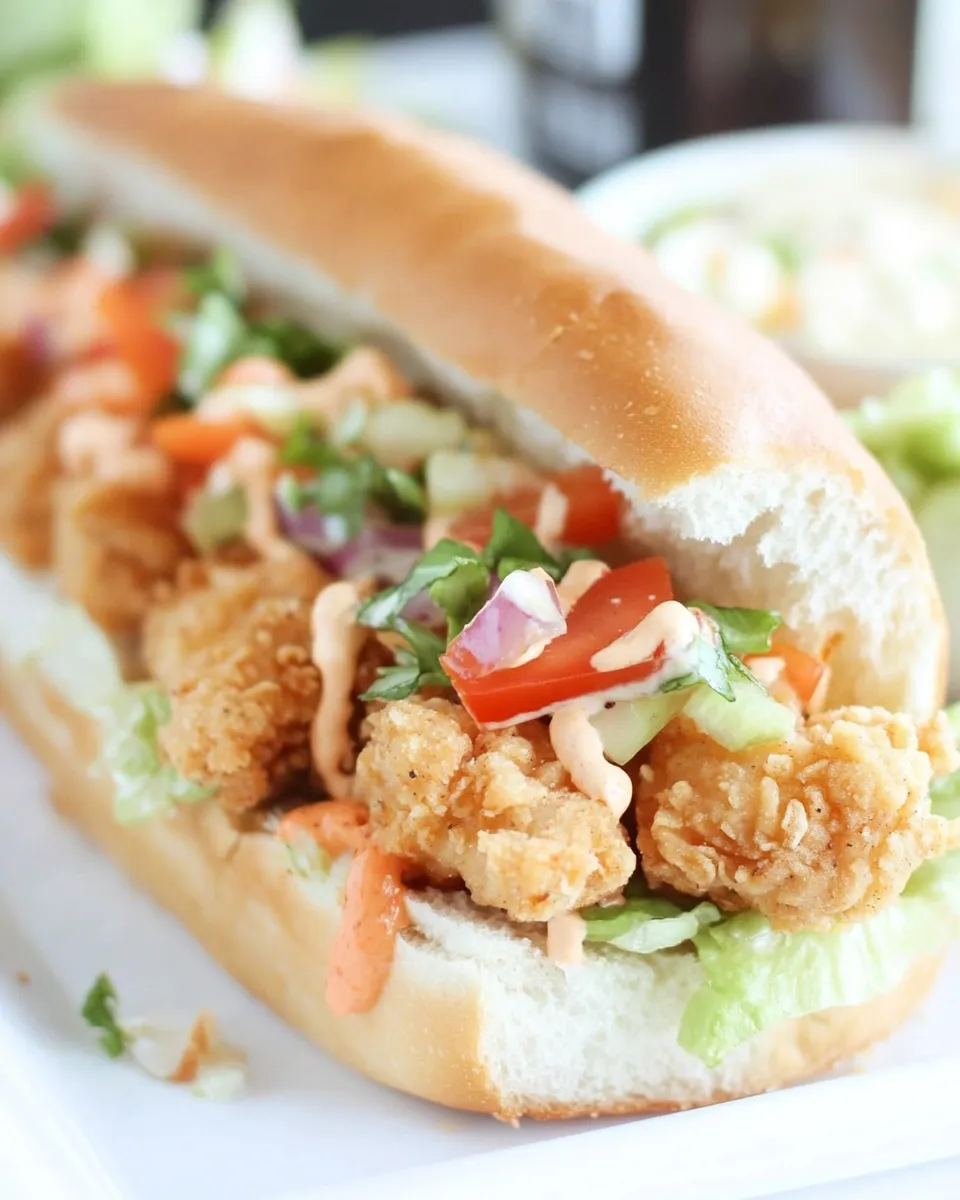
- French bread — Use hoagie rolls, a baguette, or even a crusty bakery sandwich loaf. Just pick something firm enough to hold fillings.
- Mayonnaise — Greek yogurt or a light spread of softened butter works in a pinch; or mix yogurt with a touch of mustard for tang.
- Chicken tenders — Shredded rotisserie chicken, sliced grilled chicken breast, or leftover fried chicken pieces will all work. Keep the 6-piece quantity for roughly the same fill level.
- Provolone cheese — Swiss, mild cheddar, or mozzarella slices are good alternatives; use three slices as the recipe indicates.
- Lettuce — Thinly sliced cabbage or arugula can replace shredded lettuce and will still give crunch and freshness.
- Tomato — Roasted red peppers or cucumbers are acceptable swaps if tomatoes are out of season or overly watery.
Equipment & Tools
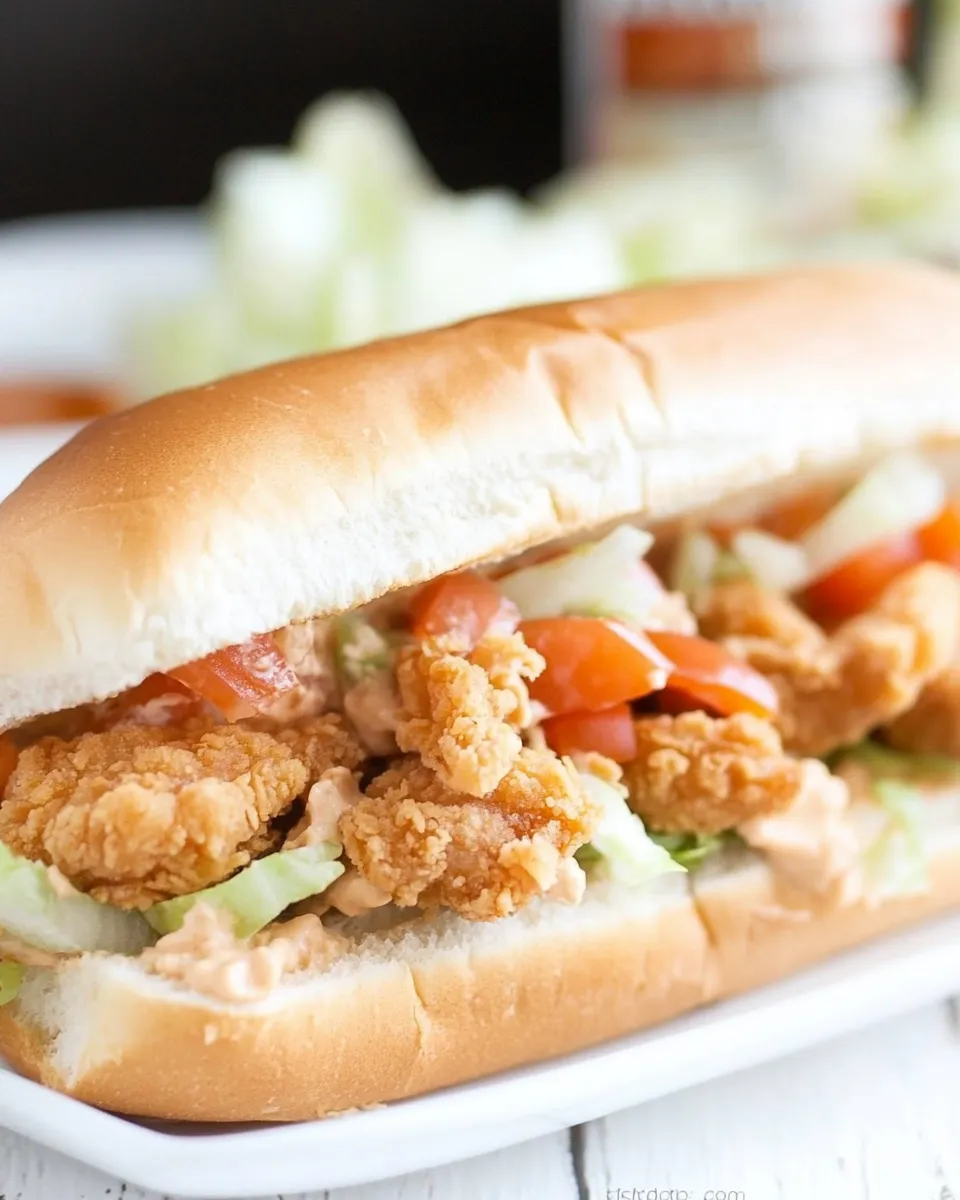
- Sharp serrated knife — For halving the bread and cutting the finished sub cleanly into portions.
- Cutting board — For chopping chicken and slicing tomato.
- Spoon or offset spatula — To spread mayonnaise evenly over the bread.
- Bowl and fork — To chop and gently toss chicken if you want to mix in extra seasoning before piling it into the bread.
- Optional: small baking sheet and broiler — If you want the provolone melted before adding the tomato, a quick broil or warm oven does the trick.
Problems & Prevention
Potential issues and how to avoid them
- Soggy bread — Remove the soft inner crumb (as the recipe directs) and spread mayonnaise; both help prevent excess moisture from soaking into the crust.
- Uneven filling distribution — Chop the chicken into similar-sized pieces and spread them evenly along the bottom half before adding other toppings.
- Watery tomato — Slice thinly and pat dry with a paper towel if tomatoes are especially juicy. Layer tomato last, or tuck it between cheese and lettuce to buffer moisture.
- Cold or tough cheese — If you want melty cheese, briefly warm the assembled bottom half in the oven or under the broiler before adding the tomato.
How to Make It Lighter
- Reduce mayo — Use 1 tablespoon instead of 2, or swap for Greek yogurt to cut fat while keeping creaminess.
- Lean protein — Use grilled or baked chicken tenders rather than fried to lower calories and grease.
- More greens — Increase shredded lettuce or add arugula and thinly sliced cucumber to bulk up the sandwich with low-calorie volume.
- Lower-fat cheese — Choose reduced-fat provolone or use 2 slices instead of 3.
Flavor Logic
The mayonnaise gives richness and mouthfeel, which pairs naturally with provolone’s mellow creaminess. The oregano is a small but important herbaceous note that ties the components together without overpowering them. Tomato adds acidity and juiciness to cut through the mayo and cheese, and lettuce gives crisp contrast so the sub doesn’t feel one-note.
Keeping the chicken chopped ensures it mixes with the other ingredients in each bite rather than concentrated in one spot. That balance of textures and flavors is what makes this sub feel complete even though the ingredient list is short.
Cooling, Storing & Rewarming
- Storage (assembled) — Best eaten immediately. If you must store assembled pieces, wrap tightly and refrigerate for up to 24 hours, but expect the bread to soften.
- Storage (components) — Keep chopped chicken, shredded lettuce, sliced tomato, and mayo-covered bread halves separately in airtight containers. Chicken will keep 3–4 days in the fridge.
- Rewarming — If using heated chicken or wanting melted cheese, reheat the chicken gently in a skillet or microwave, assemble quickly, then warm the sandwich briefly in a 350°F oven for 5–7 minutes to bring everything together without making the bread chewy.
- Freezing — Not recommended for assembled subs because lettuce and tomato won’t survive. Freeze cooked tenders separately if you want make-ahead protein.
Your Top Questions
- Can I use cold tenders? — Yes: the recipe accepts hot or cold tenders. Cold pieces make assembly faster and prevent wilting the lettuce; warm pieces can melt the cheese slightly if that’s your preference.
- How can I keep the sub from falling apart? — Remove the soft inner crumb from the bread, spread the mayo to create a binding layer, and distribute fillings evenly. Cutting into four portions also helps maintain structural integrity for eating.
- Can I add extra sauces? — Yes, but add sparingly. A light drizzle of hot sauce, ranch, or honey mustard complements the tenders without making the sandwich soggy.
- How many servings? — Cutting the finished sub into four pieces gives reasonable sandwich-sized portions for four people.
Before You Go
This Chicken Tender Sub is a quick assembly recipe that’s forgiving, adaptable, and crowd-friendly. Follow the exact ingredient amounts and the step-by-step instructions above for consistent results, and don’t be shy about swapping small components to suit what you have on hand.
Make it once, and you’ll know exactly how you like yours—more cheese, extra heat, or a lighter spread of mayo. Either way, it’s a reliable sandwich that delivers comfort and flavor with minimal effort. Enjoy.

Chicken Tender Subs
Ingredients
- 1 loaf French bread halfed and hollowed
- 2 tablespoons mayonnaise
- 6 pieces chicken tenders hot or cold
- 1.5 cups shredded lettuce
- 3 slices provolone cheese
- 1/2 whole tomato sliced
- 1/2 teaspoon oregano
- salt and pepper to taste
Instructions
- Cut the French bread loaf in half lengthwise and remove most of the soft inner crumb to create a cavity for the filling.
- Spread the mayonnaise evenly over the inside of both bread halves.
- Chop the chicken tenders into bite-sized pieces.
- Place the chopped chicken in the bottom half of the loaf.
- Top the chicken with shredded lettuce, provolone slices, and tomato slices.
- Season the filling with oregano, salt, and pepper to taste.
- Close the sandwich with the top half of the bread, cut the loaf into four portions, and serve immediately.
Equipment
- Cutting Board
- Knife
- spatula or spoon
Notes
- Great for using leftover chicken tenders.
- Works with hot or cold chicken tenders.
- Chicken breasts or strips can substitute for tenders.
- Swap provolone for mild cheddar, Colby Jack, or Swiss.
- Recipe can be doubled or halved to scale.