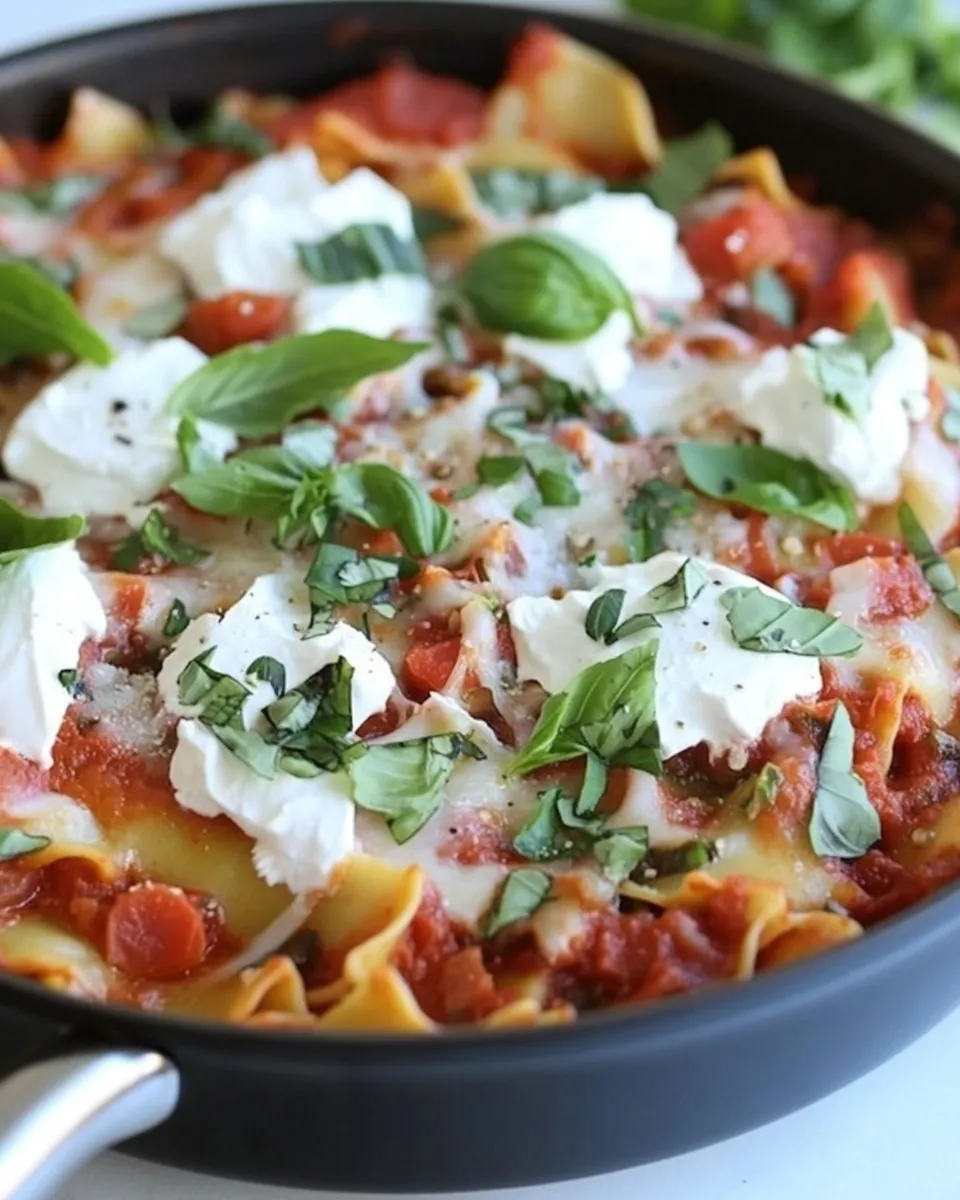
Easy Cheesy Veggie Skillet Lasagna Recipe
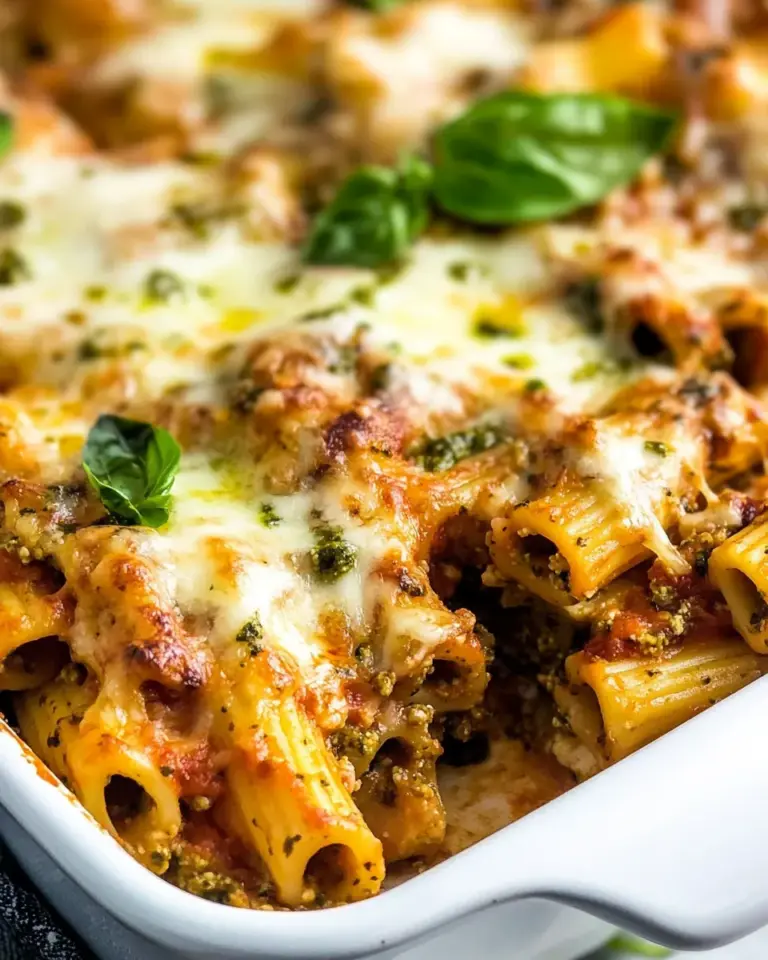
This skillet lasagna is the kind of weeknight recipe I return to when I want lasagna without the drama. It layers tender vegetables, saucy tomatoes, pockets of creamy ricotta, and bubbling mozzarella — all built right in a single oven-proof skillet. No boiling full sheets of pasta, no multiple baking dishes, and minimal cleanup.
The method is straightforward and forgiving: sauté the aromatics and vegetables, warm the sauce, layer broken lasagna noodles with cheese and sauce, then bake until everything is tender and golden. It’s cozy, homey food that still feels special enough for guests.
Because it’s made in a cast-iron or oven-proof skillet, the bottom gets a little caramelized and the top browns beautifully. Serve with a simple salad and a glass of something you like — dinner is ready in about an hour with most of the hands-on work done early.
What We’re Using
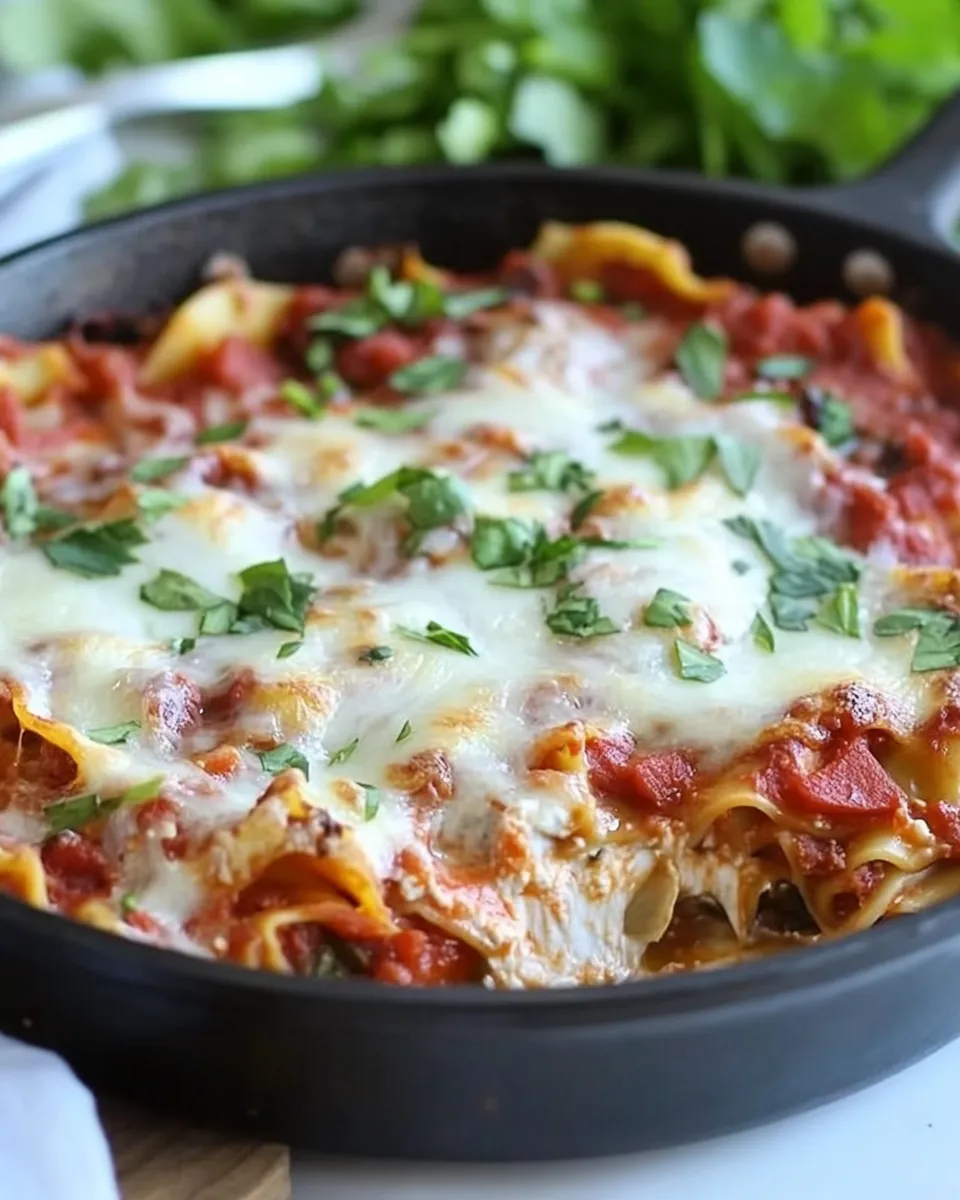
Ingredients
- 2 tablespoons olive oil — for sautéing the aromatics and vegetables; gives a light, fruity base flavor.
- 1 cup diced onion (about 1/2 medium onion) — provides sweet savory flavor when softened.
- 2 medium cloves garlic (diced) — adds aromatic depth; add after the onion so it doesn’t burn.
- 1 cup sliced button mushrooms — earthy texture and umami; cook until they release moisture and soften.
- 1 cup diced zucchini (about 1 small) — tender, mild vegetable that cooks quickly; don’t overcook to keep some bite.
- 1 cup baby spinach leaves — wilts quickly into the sauce for color and nutrients.
- 3 cups Italian tomato sauce — the primary sauce for the lasagna layers; use your favorite jarred sauce or homemade.
- Salt and pepper to taste — for seasoning at the end of the sauce stage.
- 8 ounces lasagna noodles (about 1/2 pound, broken into 3–4 inch pieces) — broken noodles layer easily in the skillet; they cook in the sauce while baking.
- 3 cups shredded mozzarella cheese (about 12 ounces) — melty, cheesy layers and a bubbly top.
- 15 ounces part-skim ricotta cheese — creamy dollops throughout the lasagna; whole-milk ricotta is an okay swap if you want richer texture.
- 1/4 cup shredded Parmesan cheese — adds a salty, nutty finish on top.
- 12-inch or larger cast-iron skillet — or any oven-proof skillet; this is where you cook, assemble, and bake the lasagna.
Cheesy Veggie Skillet Lasagna Recipe: Step-by-Step Guide
Follow these steps in order. Quantities are listed in the ingredients section above. The timing is approximate; trust visual cues (softened onions, tender zucchini, bubbly cheese).
- Preheat the oven to 375°F (190°C).
- Place a 12-inch (or larger) cast-iron or oven-proof skillet on the stovetop over medium heat.
- Add 2 tablespoons olive oil to the skillet and let it warm for about 30 seconds.
- Add 1 cup diced onion and stir frequently until the onion begins to soften, about 4–5 minutes.
- Add the 2 diced garlic cloves and sauté about 1 minute, stirring constantly so the garlic doesn’t brown.
- Add 1 cup sliced button mushrooms and 1 cup diced zucchini to the skillet. Sauté for 3–4 minutes, stirring occasionally, until the zucchini is tender and the mushrooms have softened.
- Pour 3 cups Italian tomato sauce over the vegetables and stir to combine. Keep the skillet over medium heat and warm the sauce and vegetables together until heated through, about 2–3 minutes.
- Stir in 1 cup baby spinach leaves and cook for about 1 minute, just until the spinach wilts. Taste and add salt and pepper as desired.
- Remove the skillet from the heat. Carefully spoon out and remove all but 1 cup of the sauce-vegetable mixture from the pan into a bowl. Leave the remaining cup spread evenly across the bottom of the skillet — this will help prevent sticking and create the first saucy layer.
- Place a single layer of the broken lasagna noodles (8 ounces broken into 3–4 inch pieces) over the sauce in the skillet. They don’t need to be perfectly arranged; overlap them so most of the sauce is covered.
- Dollop the ricotta: spoon about five or six mounds of ricotta (use roughly one-third of the 15 ounces) over the noodle layer and gently spread a little with the back of a spoon.
- Spoon one-third of the reserved sauce over the ricotta and noodles, spreading it evenly with the back of a spoon.
- Sprinkle one-third of the shredded mozzarella (about 1 cup) over the sauce.
- Add another layer of the broken lasagna noodles.
- Repeat the ricotta, sauce (another one-third), and mozzarella (another one-third) layers as before.
- Top with a final layer of noodles if needed, spoon the remaining sauce over the top, distribute the remaining ricotta in mounds, then sprinkle the remaining mozzarella over everything.
- Finish by scattering 1/4 cup shredded Parmesan cheese over the top.
- Place the skillet in the preheated oven and bake for about 30 minutes, or until the cheese is bubbly, melted, and the pasta is cooked through. The edges should be slightly golden.
- Remove the skillet from the oven and let the lasagna rest for about 5 minutes before serving — this helps the layers set and makes it easier to portion.
Why It Deserves a Spot
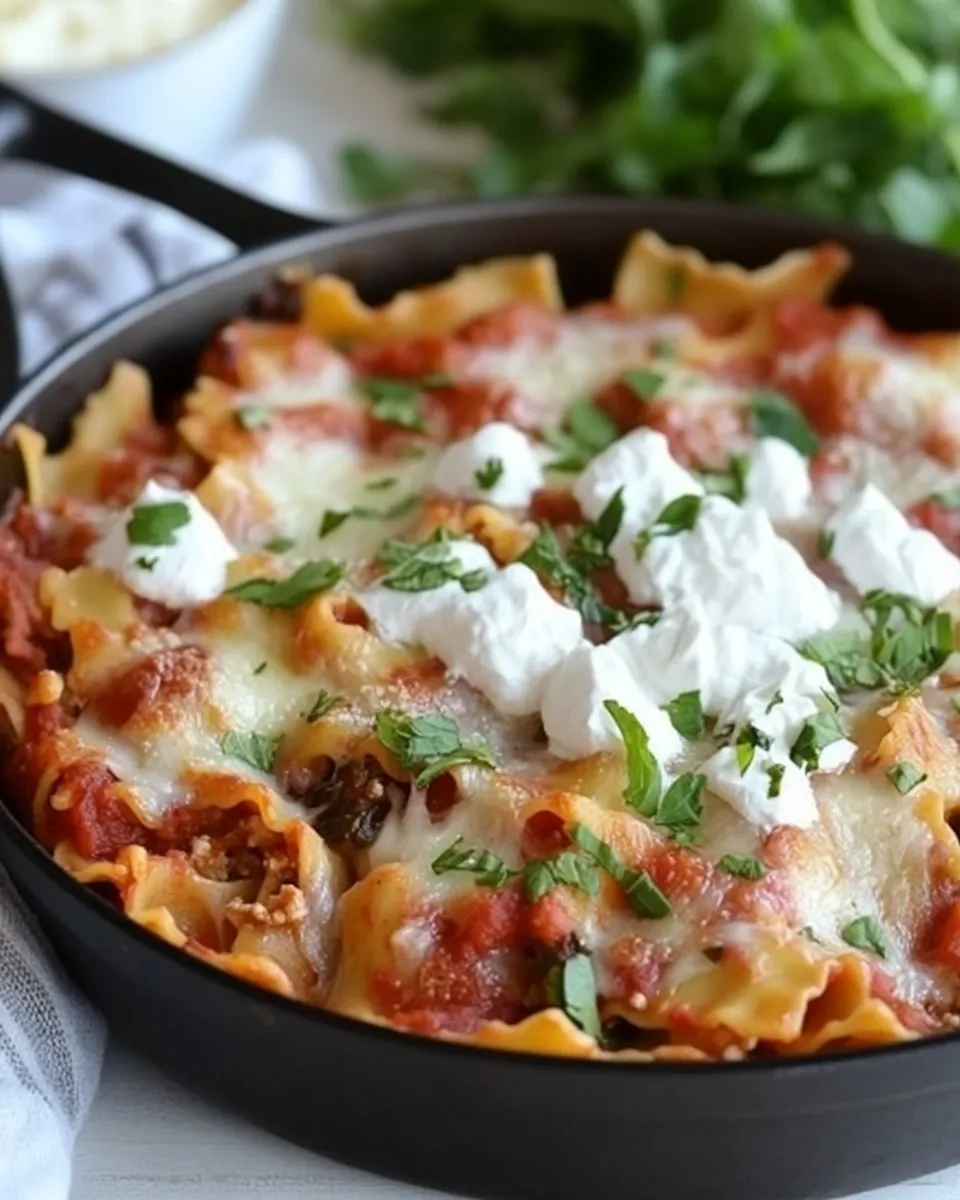
This dish earns a regular place in the rotation because it delivers classic lasagna flavor with a fraction of the effort. You get the textural contrast of tender noodles, creamy ricotta, and stretchy mozzarella without boiling full sheets or wrestling with multiple pans. It’s also flexible: the vegetables add volume and nutrients, so it’s both comforting and lighter than a meat-heavy lasagna.
It’s a one-skillet dinner that looks like a labor of love but cooks up quick. For busy evenings, that combination of honesty and ease is everything.
No-Store Runs Needed
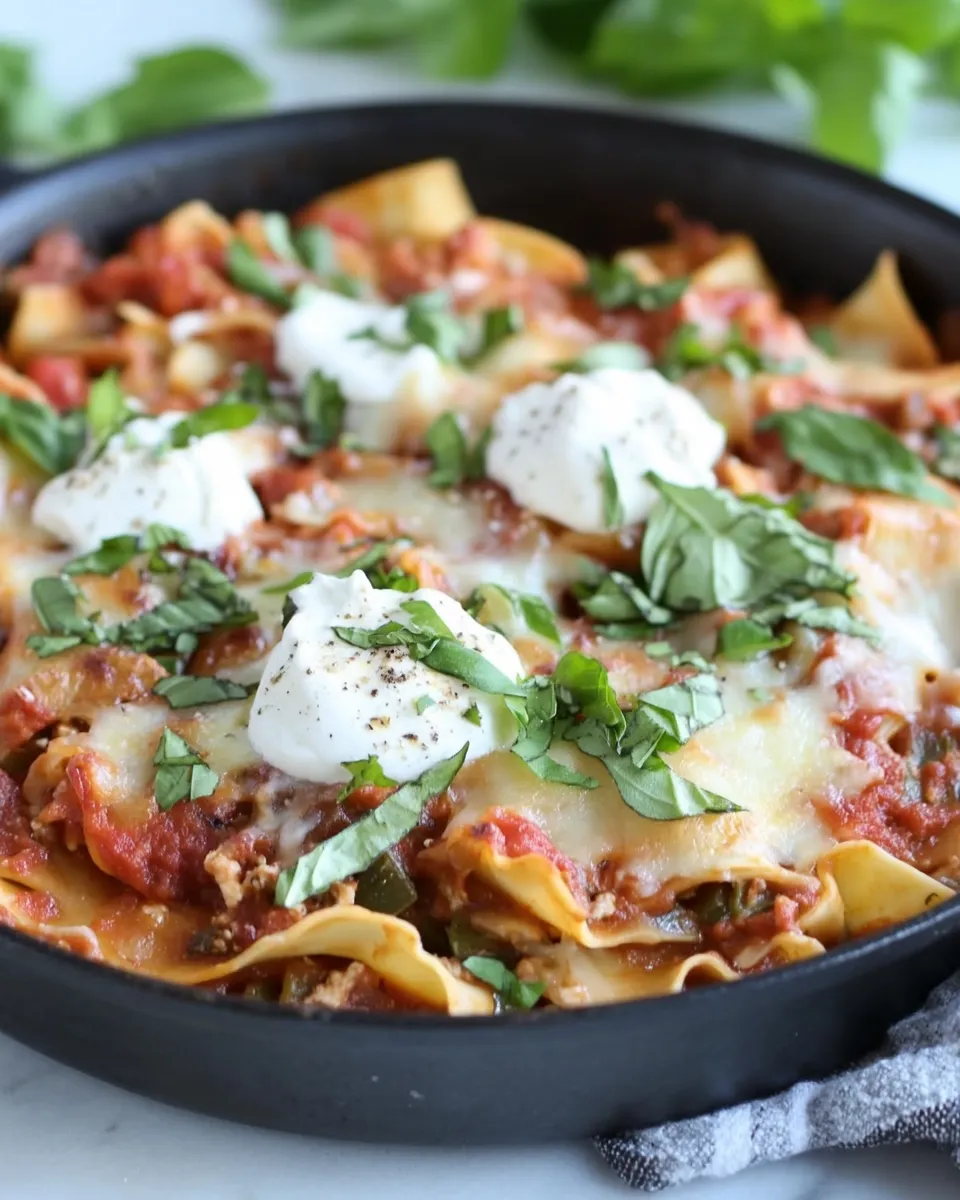
This recipe uses pantry-friendly staples and common fridge items: jarred tomato sauce, dried lasagna noodles, olive oil, basic cheeses, and simple produce like onion, zucchini, mushrooms, and spinach. If you already keep a well-stocked pantry and a small produce drawer, you’ll likely have everything on hand. Substitutions: any medium tomato-based sauce works; frozen spinach (thawed and drained) can replace fresh in a pinch.
Setup & Equipment
- 12-inch or larger cast-iron skillet (or any oven-proof skillet) — used for everything: sautéing, layering, and baking.
- Stovetop and oven — you’ll move the skillet from one to the other.
- Cutting board and sharp knife — for the onion, zucchini, and garlic.
- Spoon or spatula — for stirring and spreading layers.
- Measuring cups and spoons — to keep quantities consistent.
Pitfalls & How to Prevent Them
Soggy or Undercooked Pasta
If the noodles are too crowded or the sauce is too cool, they can remain undercooked after baking. Prevent this by spreading the reserved hot sauce evenly on the bottom before the first noodle layer and by preheating the oven to 375°F so the skillet comes up to temperature quickly.
Burned Garlic or Onions
Garlic burns quickly and turns bitter. Add it after the onions have softened and keep the heat at medium, stirring constantly for the short garlic step.
Watery Vegetables
Mushrooms and zucchini release water as they cook. Sauté them until they’ve softened and released most of their moisture before adding the sauce, or briefly increase heat to help evaporation. This prevents a watery final bake.
Seasonal Flavor Boosts
– Spring: Add thinly sliced asparagus or peas for brightness. Stir in fresh basil right before serving.
– Summer: Use a fresh tomato basil sauce and fold in chopped roasted bell peppers or fresh tomatoes for a lighter, brighter profile.
– Fall: Swap mushrooms for roasted eggplant or add a pinch of red pepper flakes and smoked paprika for warmth.
– Winter: Stir in roasted root vegetables (thinly sliced) to the sauté step and use a richer tomato-herb sauce for deeper flavor.
Chef’s Rationale
I keep the technique simple on purpose. Sautéing the veggies first concentrates their flavor and reduces excess moisture. Reserving one cup of sauce in the pan gives the noodles something to cling to, preventing sticking and ensuring even cooking. Broken lasagna noodles mimic the layered structure of classic lasagna without the fuss of boiling full sheets or building a tall casserole. The ricotta is added in dollops to create little pockets of creaminess throughout, while the mozzarella provides the signature gooey melt and the Parmesan gives a bright, savory finish.
Storing, Freezing & Reheating
– To store: Cool completely, cover tightly, and refrigerate for up to 3–4 days.
– To freeze: Cool, wrap the skillet with plastic wrap and foil, or transfer portions to a freezer-safe container. Freeze up to 2 months. Thaw overnight in the fridge before reheating.
– To reheat: For individual portions, microwave until hot. For the whole skillet, reheat in a 350°F oven covered with foil for 15–25 minutes, then uncover to crisp the top for 5–10 minutes.
Troubleshooting Q&A
- Q: My noodles were still firm after baking. What went wrong?
A: The oven temperature may have been too low, or the sauce wasn’t hot enough to transfer heat. Next time, make sure the oven is fully preheated and the sauce is warmed before layering. - Q: The dish seemed watery after baking. How do I fix it?
A: Cook the mushrooms and zucchini longer to drive off moisture before adding sauce. Also avoid overly watery store-bought sauces; simmer briefly to thicken if needed. - Q: Can I make this dairy-free or vegan?
A: Yes: use dairy-free ricotta and shredded cheese alternatives that melt. The textures differ, but the method stays the same.
Make It Tonight
This skillet lasagna is ideal for a solid, satisfying dinner you can assemble in under 30 minutes and bake while you relax. Start by preheating your oven and prepping the veggies. Use the time while it bakes to toss a quick salad or set the table. Leftovers reheat well, so you’ll have lunch sorted for the next day. Enjoy the melty cheese, the soft noodles, and the simple comfort of a lasagna that didn’t take all night to make.
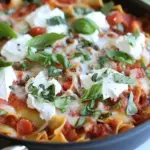
Easy Cheesy Veggie Skillet Lasagna Recipe
Ingredients
- 2 tablespoons olive oil
- 1 cup diced onion about 1/2 medium onion
- 2 cloves garlic diced
- 1 cup sliced button mushrooms
- 1 cup diced zucchini about 1 small
- 1 cup baby spinach leaves
- 3 cups Italian tomato sauce or other tomato-based pasta sauce of your choice
- salt to taste
- black pepper to taste
- 8 ounces lasagna noodles about 1/2 pound, broken into 3–4 inch pieces
- 3 cups shredded mozzarella cheese about 12 ounces
- 15 ounces part-skim ricotta cheese whole-milk ricotta works fine too
- 1/4 cup shredded Parmesan cheese
Instructions
- Preheat the oven to 375°F (190°C).
- Place a 12-inch (or larger) oven-proof skillet over medium heat and add 2 tablespoons olive oil.
- Add the diced onion and cook, stirring frequently, until it begins to soften, about 3–4 minutes.
- Add the diced garlic and sauté for 1 minute until fragrant.
- Add the diced zucchini and sliced mushrooms and cook 3–4 minutes until zucchini is tender and mushrooms soften.
- Pour 3 cups Italian tomato sauce over the vegetables, stir to combine, and cook until warmed through.
- Stir in the baby spinach and cook about 1 minute until wilted; season with salt and pepper to taste.
- Remove the skillet from heat and carefully scoop out all but 1 cup of the sauce, leaving the remaining sauce evenly spread on the bottom of the skillet.
- Cover the sauce with a single layer of broken lasagna noodle pieces (no need to be perfect), covering most of the sauce.
- Drop 5–6 mounds of ricotta (about one-third of the 15-ounce container) over the noodles, then spread one-third of the remaining sauce over the ricotta and sprinkle one-third of the shredded mozzarella.
- Repeat layering: noodles, one-third ricotta, one-third sauce, and one-third mozzarella, then add a final layer of noodles and the remaining sauce.
- Top with the remaining ricotta, the rest of the shredded mozzarella, and sprinkle 1/4 cup shredded Parmesan evenly on top.
- Transfer the skillet to the preheated oven and bake about 30 minutes, until cheese is bubbly and pasta is cooked through.
- Remove from oven and let cool about 5 minutes before serving.
Equipment
- 12-inch (or larger) oven-proof skillet, such as cast-iron
- Stovetop
- Oven
- wooden spoon or spatula
- Measuring cups and spoons
Notes
- Use whole-milk ricotta if you prefer a richer texture.
- Break noodles into 3–4 inch pieces so they layer easily.
- Adjust salt and pepper after the sauce is combined with vegetables.
- Any tomato-based pasta sauce can be substituted for Italian sauce.