Coconut Bread
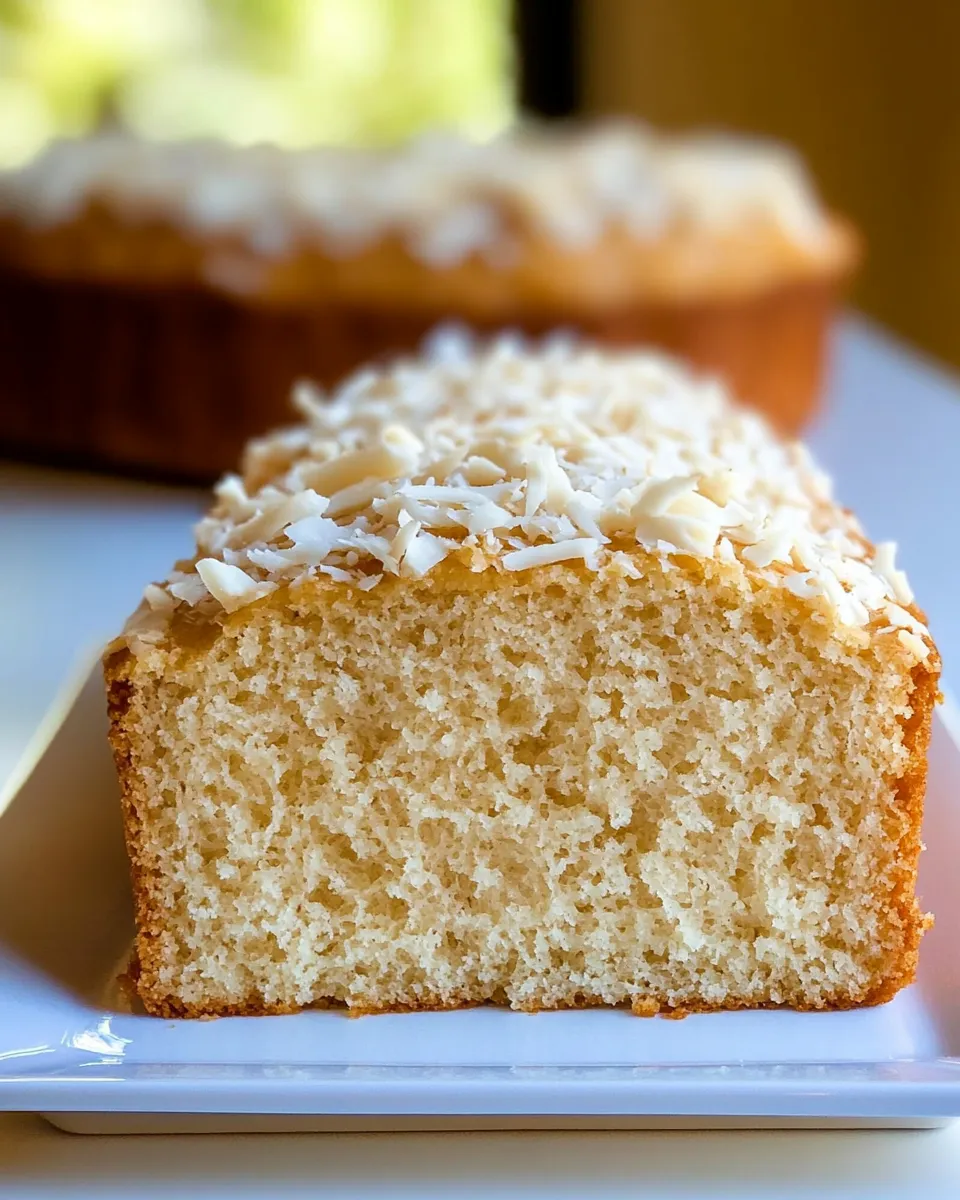
This coconut bread is simple, dependable, and quietly tropical. It bakes into a tender, lightly sweet loaf that feels like an island shortcut—rich from canned coconut milk and freshened by yogurt. It’s the kind of bread I reach for when I want something cozy but not fussy.
The texture leans soft rather than dense, and the flavor is coconut-forward without being cloying. You can make it with spelt, white, oat, or gluten-free all-purpose flour; each gives a slightly different crumb. Read the notes below so you get the loaf you want on the first try.
It stores well and adapts easily: top it with coconut chips, a quick coconut butter drizzle, or a light powdered sugar glaze. I include clear step-by-step directions, ingredient notes, and troubleshooting tips so you can bake confidently.
The Essentials
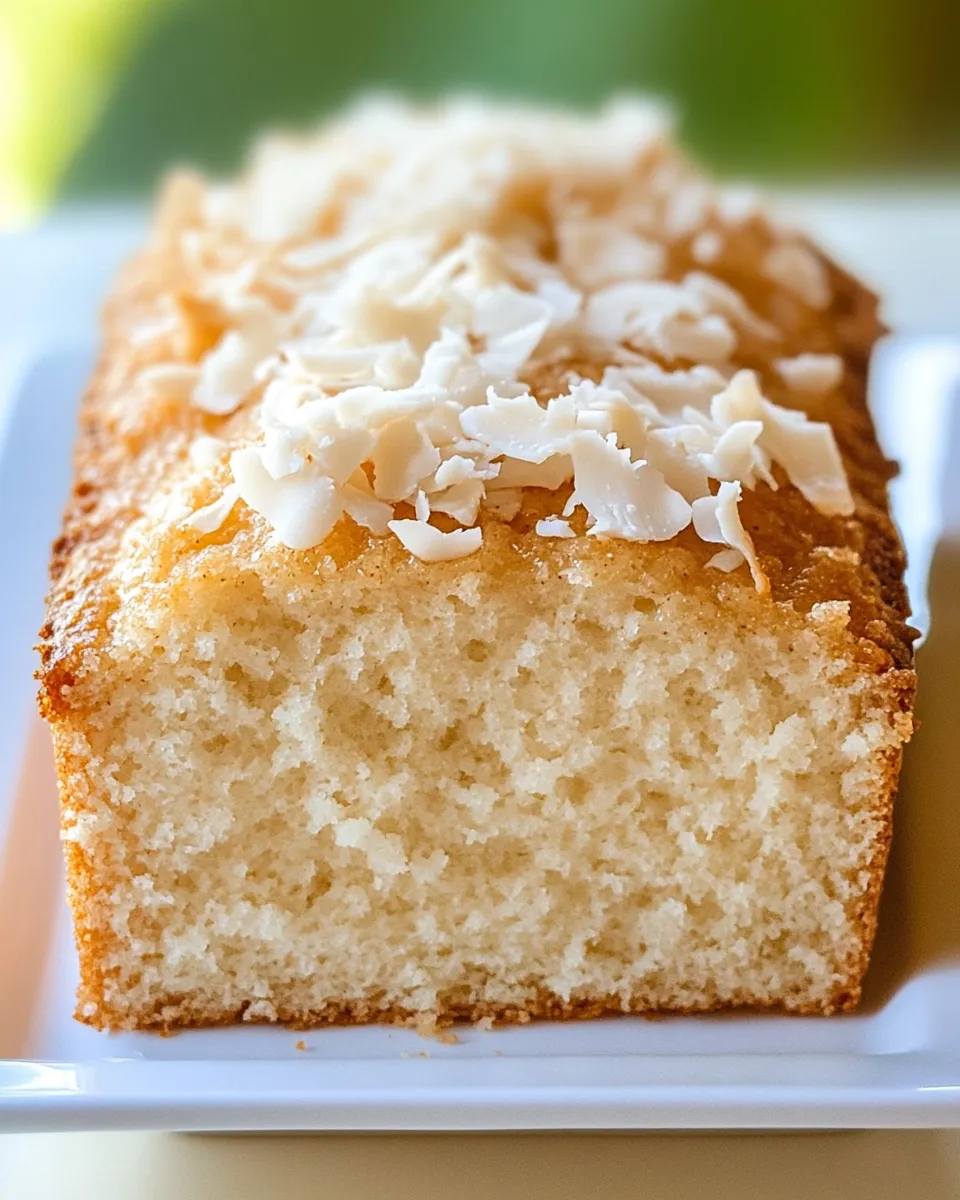
Yield: one 9×5-inch loaf. Oven: 350°F (175°C). Use canned coconut milk (not the carton kind) for the proper fat and texture. Choose from spelt, white, oat, or gluten-free all-purpose flour—almond flour technically works but won’t rise or look pretty. Have a 9×5 loaf pan ready, plus parchment and a knife for loosening the sides after cooling.
Ingredients
- 2 cups flour (see note) — base of the loaf; choose spelt, white, oat, or gf all-purpose flour per preference.
- 1 1/2 tsp baking powder — main leavening to help the loaf rise.
- 3/4 tsp salt — balances sweetness and enhances flavor.
- 1/4 tsp baking soda — helps with lift and tender crumb when combined with the yogurt.
- 1 cup sugar, or xylitol for sugar free — sweetener; xylitol can substitute if you need a sugar-free loaf.
- 1 cup canned coconut milk, lite or regular — provides coconut flavor and moisture; must be canned for best texture.
- 1/2 cup plain yogurt of choice, such as almond milk yogurt — adds tang and tenderness; works with dairy or non-dairy yogurts.
- optional coconut chips, to sprinkle on top — adds crunch and visual appeal if you want a toasted finish.
The Method for Coconut Bread
Follow these steps in order, using the ingredient amounts shown above.
- Preheat your oven to 350°F (175°C). Grease a 9×5-inch loaf pan and line it with parchment paper, leaving an overhang on the long sides for easy removal.
- In a large bowl, whisk together the dry ingredients: 2 cups flour, 1 1/2 tsp baking powder, 3/4 tsp salt, 1/4 tsp baking soda, and 1 cup sugar (or xylitol). Make sure there are no lumps and everything is evenly distributed.
- Add the wet ingredients to the dry: pour in 1 cup canned coconut milk and 1/2 cup plain yogurt. Use a whisk or spatula to combine until the batter is just evenly mixed—stop as soon as there are no large streaks of flour. Do not overmix.
- Scrape the batter into the prepared loaf pan and smooth the top with an offset spatula or the back of a spoon. If using, sprinkle coconut chips evenly over the batter.
- Bake on the center rack for 50 minutes, or until the loaf has risen and a toothpick inserted into the center comes out clean or with just a few moist crumbs attached.
- Remove the pan from the oven and let the loaf cool completely in the pan on a wire rack. Once cooled, run a knife around the sides, use the parchment overhang to lift the loaf out, and invert onto a plate.
- If you like, frost with melted coconut butter, your favorite frosting, or a simple glaze made by combining 1/2 cup powdered sugar with 1 tablespoon milk of choice. Apply the topping once the loaf is fully cooled so it doesn’t melt in.
Why It Works Every Time
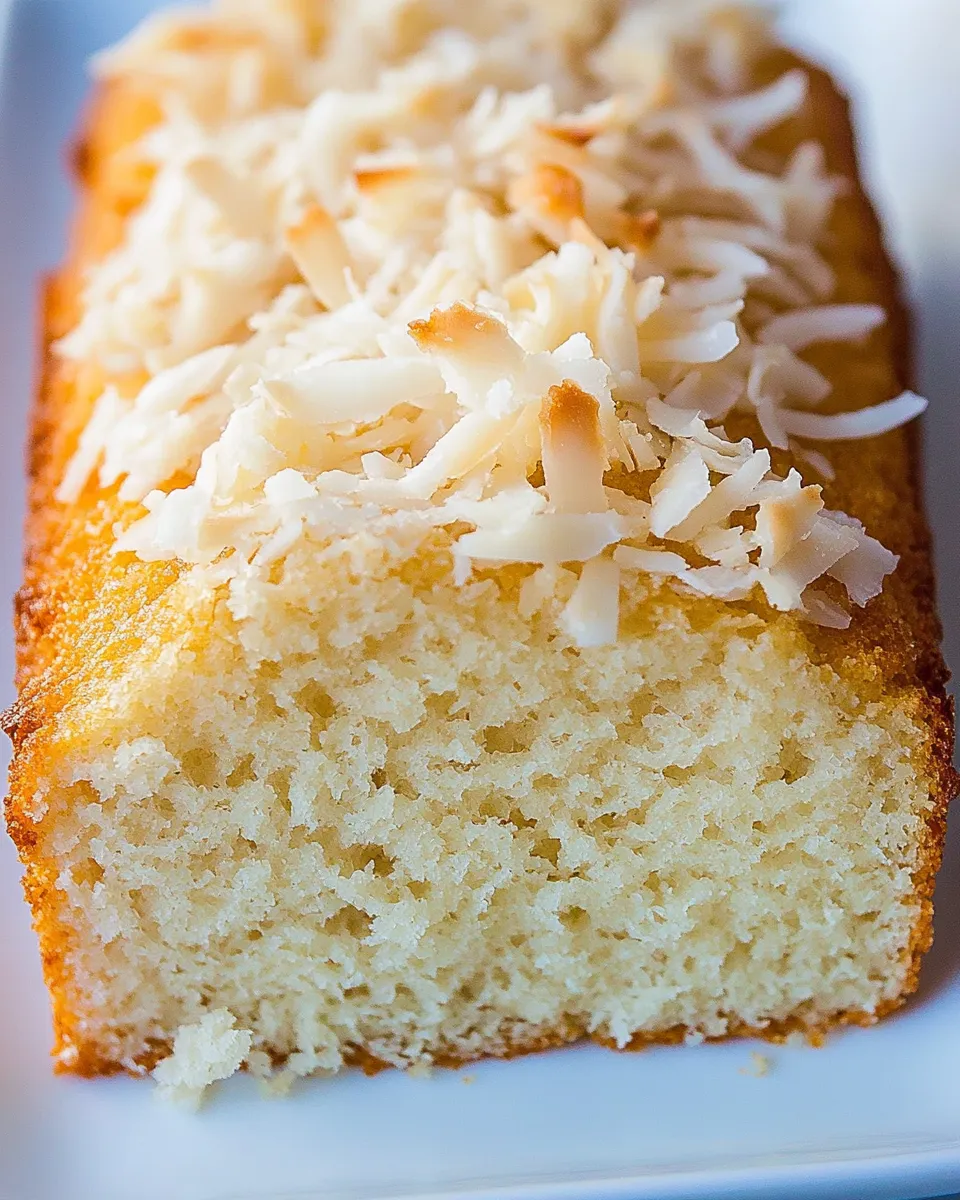
This recipe balances chemical leaveners—baking powder and a small amount of baking soda—with acidic yogurt. The baking powder gives most of the lift, while the baking soda plus yogurt improves tenderness and crumb stability. Using canned coconut milk provides the fat needed to keep the loaf moist; the yogurt adds acidity and a slight tang that brightens the coconut notes.
Keeping mixing to “just combined” prevents overdeveloping gluten, which is especially important if you use spelt or oat flour. The 50-minute bake at 350°F allows the interior to set without overbrowning the top.
Ingredient Flex Options
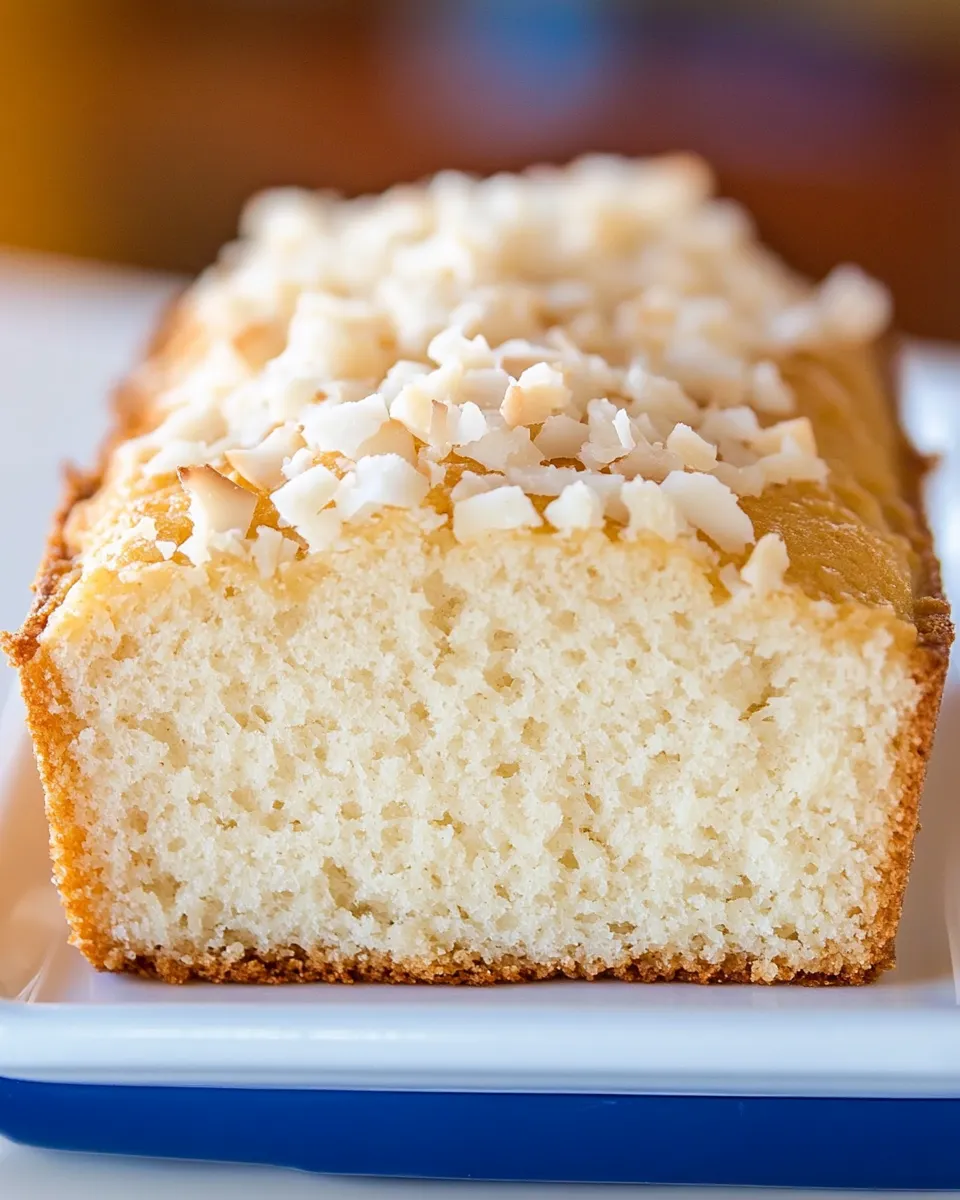
- Flour choices — spelt, white, oat, or gluten-free all-purpose all work. Spelt and white give the best rise and typical bread texture; oat or gf blends will be slightly denser. Almond flour will produce a loaf but it won’t rise or look like a conventional bread.
- Sugar substitute — use xylitol cup-for-cup if you need a sugar-free version. Note that xylitol isn’t suitable for pets.
- Coconut milk — canned only. Lite or regular both work; regular yields a richer flavor.
- Yogurt — plain dairy or plant-based yogurts (like almond milk yogurt) are fine. The yogurt’s acidity is important for the baking soda to function.
- Toppings — coconut chips, toasted nuts, or a powdered sugar glaze. For a richer finish, melted coconut butter works well.
Equipment Breakdown
- 9×5-inch loaf pan — the loaf size and bake time are calibrated to this pan.
- Parchment paper — lining makes removal simple and protects the loaf’s sides.
- Large mixing bowl — for combining dry and wet ingredients.
- Whisk or spatula — whisk the dry ingredients; use a spatula to fold wet into dry.
- Toothpick — for checking doneness in the center.
- Wire rack — lets the loaf cool completely without sweating on the bottom.
Missteps & Fixes
Here are the common mistakes and how to recover from them.
- Bread dense or heavy — you may have overmixed the batter. Next time, fold just until combined. Also verify your baking powder is fresh; expired leavening fails to lift.
- Loaf too wet in the center after the recommended time — tent with foil and continue baking in 5–10 minute increments until a toothpick comes out clean. Ovens vary.
- Top browning too quickly — lower the oven rack one position or tent the top with foil for the latter half of the bake.
- Loaf sticks to pan — be sure to grease and parchment-line the pan with an overhang. Letting the loaf cool completely before removing prevents crumbling.
Seasonal Flavor Boosts
Small additions make the loaf feel seasonal without changing the core recipe.
- Spring — fold in 1/2 cup fresh blueberries for a gentle fruit lift.
- Summer — scatter diced mango or pineapple on top before baking for a tropical twist.
- Autumn — add 1 tsp cinnamon and 1/4 tsp nutmeg to the dry mix, and sprinkle toasted coconut chips on the top.
- Winter — fold in 1/3 cup chopped crystallized ginger and finish with a thin lemon glaze for brightness.
Testing Timeline
Plan your time around cooling, which is essential for clean slicing.
- Prep — 10–15 minutes (measuring, mixing, pan prep).
- Bake — 50 minutes (start checking at 45 if your oven runs hot).
- Cool — at least 1 hour in the pan until completely cool. This prevents a gummy interior and helps the loaf slice cleanly.
Keep-It-Fresh Plan
Storage is simple. Wrap the cooled loaf tightly in plastic wrap or store in an airtight container.
- Room temperature — 2–3 days.
- Refrigerator — up to 1 week (wrap well to prevent drying).
- Freezer — slice and freeze up to 3 months; thaw at room temperature or toast straight from frozen.
Helpful Q&A
Answers to the questions I get most often.
- Can I use the boxed carton coconut milk? — No. Use canned coconut milk for the fat content and structure needed in the loaf.
- Will the loaf be very coconutty? — It has clear coconut notes from the canned milk, but it’s not overpowering. Toppings like coconut chips boost the coconut flavor.
- Can I halve the recipe? — Yes, but bake time will change—check after 30–35 minutes and watch for a clean toothpick.
- Why is there baking soda and baking powder? — Baking powder provides the main lift. Baking soda reacts with the yogurt’s acidity to further tenderize and improve crumb.
See You at the Table
This Coconut Bread is a reliable, approachable loaf you can customize and count on. It’s forgiving, quick to throw together, and lovely with morning coffee or as a snack. If you try a variation (toasted coconut on top, a fruity swirl, or a glaze), tell me how it turned out—I always want to hear which tweaks become your favorites.
Coconut Bread
Ingredients
- 2 cups flour (see note: spelt, white, oat, or gluten-free all-purpose flour)
- 1 1/2 tsp baking powder
- 3/4 tsp salt
- 1/4 tsp baking soda
- 1 cup sugar or xylitol for sugar-free
- 1 cup canned coconut milk lite or regular; use canned, not carton
- 1/2 cup plain yogurt of choice (example: almond milk yogurt)
- coconut chips optional, to sprinkle on top
Instructions
- Preheat the oven to 350°F (175°C). Grease a 9x5-inch loaf pan and line it with parchment paper, leaving some overhang for easy removal.
- In a large bowl, whisk together the flour, baking powder, salt, and baking soda until evenly combined.
- Add the sugar (or xylitol), canned coconut milk, and plain yogurt to the dry ingredients. Whisk gently until just combined and no large streaks of flour remain; do not overmix.
- Pour the batter into the prepared loaf pan and smooth the top with a spatula. Sprinkle coconut chips on top if using.
- Bake on the center rack for about 50 minutes, or until the loaf is risen and a toothpick inserted into the center comes out clean.
- Allow the loaf to cool completely in the pan. Run a knife around the edges, invert onto a plate, and remove the parchment.
- If desired, frost with melted coconut butter, your favorite frosting, or a simple glaze made from 1/2 cup powdered sugar mixed with 1 tablespoon milk of choice.
Equipment
- 9x5-inch loaf pan
- Parchment Paper
- large mixing bowl
- Whisk
- Spatula
- Toothpick
Notes
- This works with spelt, white, oat, or gluten-free all-purpose flour.
- Use canned coconut milk, not the carton variety.
- Almond flour will not rise well and is not recommended.
- Allow the loaf to cool completely before removing from the pan.
- Recipe adapted from Vegan Lemon Bread.