How to Make Fresh Pasta
Making fresh pasta at home is one of those simple pleasures that rewards patience and a little practice. The ingredients are humble — flour, semolina, eggs — but the texture and flavor you get from rolling and shaping dough yourself are unmistakable. This guide strips away fluff and walks you through a reliable, straightforward method so you can make fresh pasta that holds sauce and cooks with that tender bite you want.
I’ll cover what to gather, step-by-step instructions, common mistakes, equipment that makes the job easier, and ways to adapt the dough for different seasons or menus. Read through once, then jump in — the process is meditative and quicker than you think once you know the rhythm.
What You’ll Gather
Ingredients
- 7 ounces (200g) all-purpose flour — provides structure and tenderness.
- 7 ounces (200g) semolina — adds grit and chew; helps pasta hold sauce.
- 4 large eggs, at room temperature — bind the dough and add richness and color.
Method: Fresh Pasta
- Measure the flours: Combine 7 ounces (200g) all-purpose flour and 7 ounces (200g) semolina in a large bowl or on your work surface. If you prefer working by hand, mound the flours and create a crater in the center like a volcano.
- Add the eggs: If using a stand mixer, crack the 4 large eggs into the mixer bowl with the flours. If working on the counter, crack the 4 large eggs into the crater in the flour mound.
- Start mixing: Stand mixer method — fit the mixer with the paddle or dough hook and mix on low until the ingredients come together into a shaggy dough. Countertop method — use your fingers to gradually draw the dry flour into the eggs, folding and incorporating a little at a time. A pastry scraper helps bring the dough together when it sticks to the surface.
- Bring the dough together: At first the mixture will be sticky and loose. Keep folding and scraping; eventually it will form a coherent mass. When it begins to hold together, switch to kneading.
- Knead until smooth: Knead the dough by hand using the heel of your hand for at least three minutes. The goal is a very smooth, elastic dough that is not sticky. If the dough sticks to your fingers, dust with a small amount of flour and continue kneading until your fingers come away clean.
- Rest the dough: Shape the dough into a ball, wrap it tightly in plastic wrap or place it in an airtight container, and let it rest at room temperature for one hour. This relaxes the gluten and makes rolling easier. The recipe notes you can keep the dough at room temperature for several hours if needed.
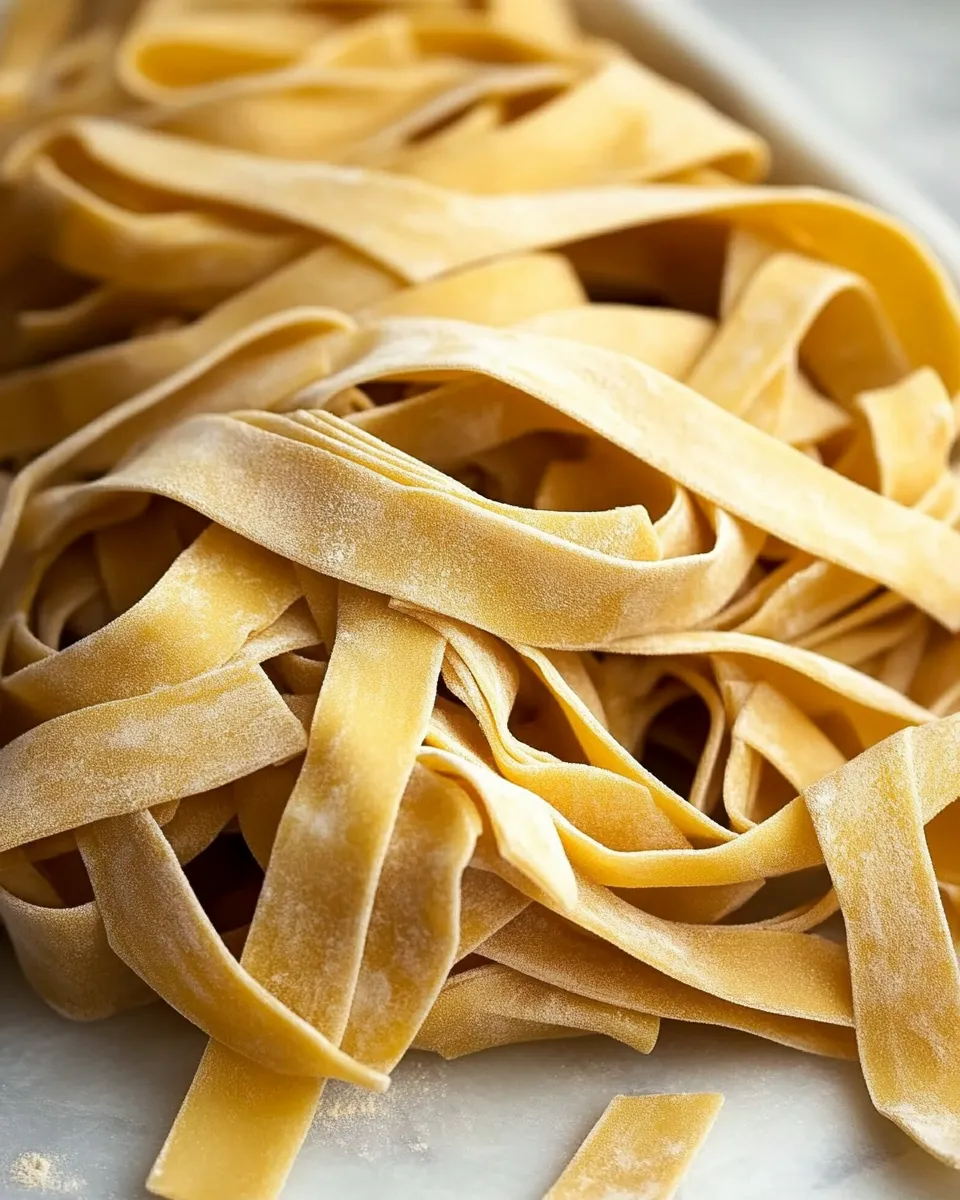
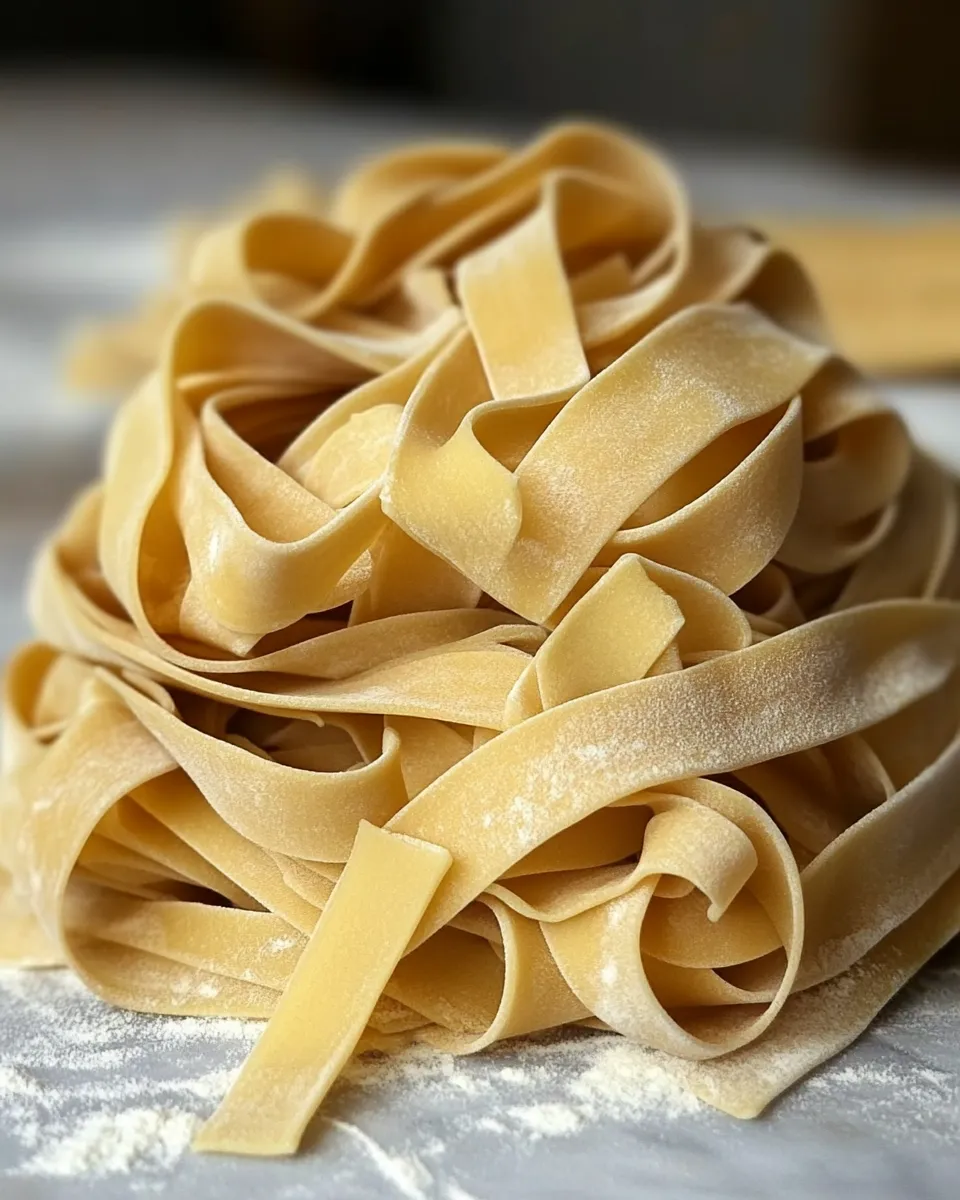
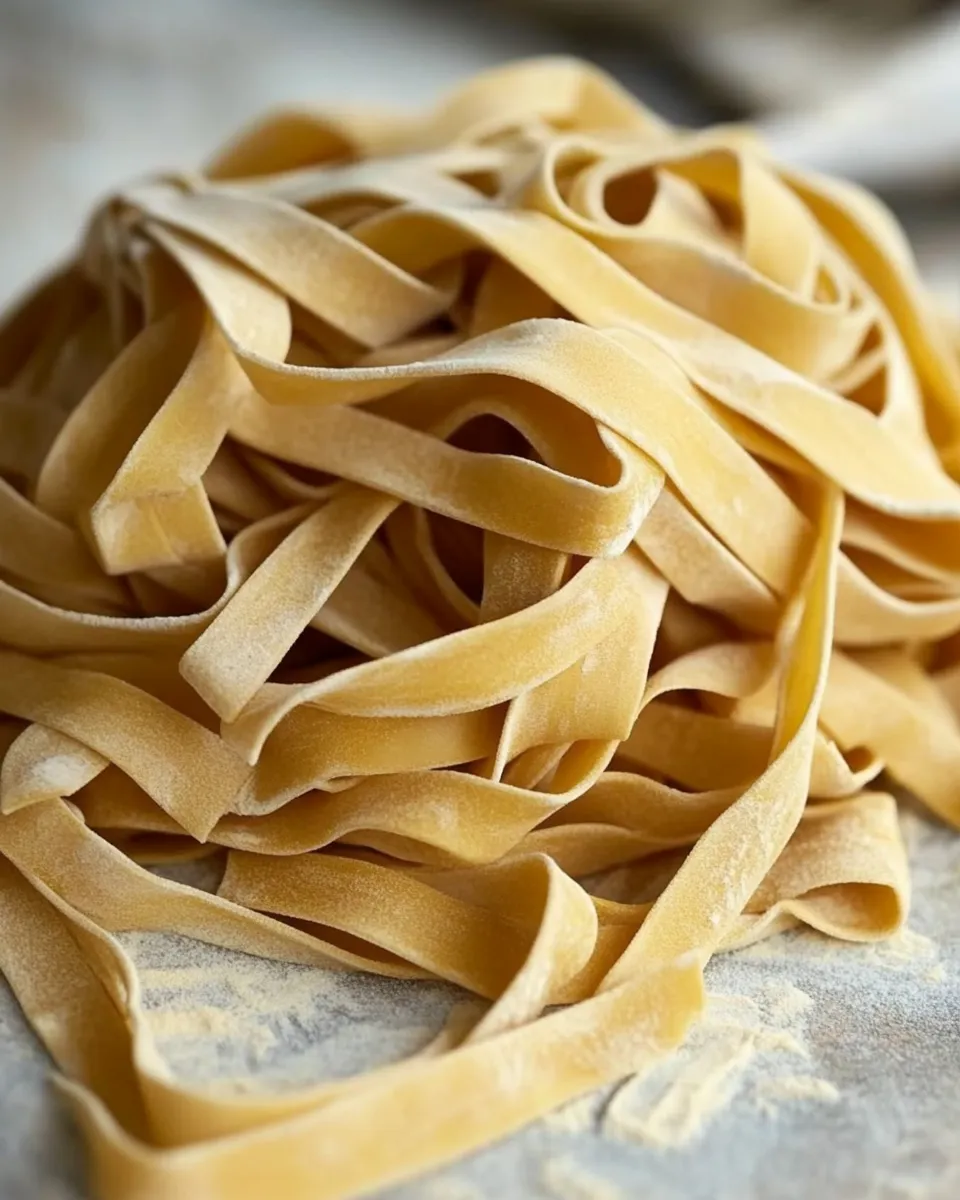
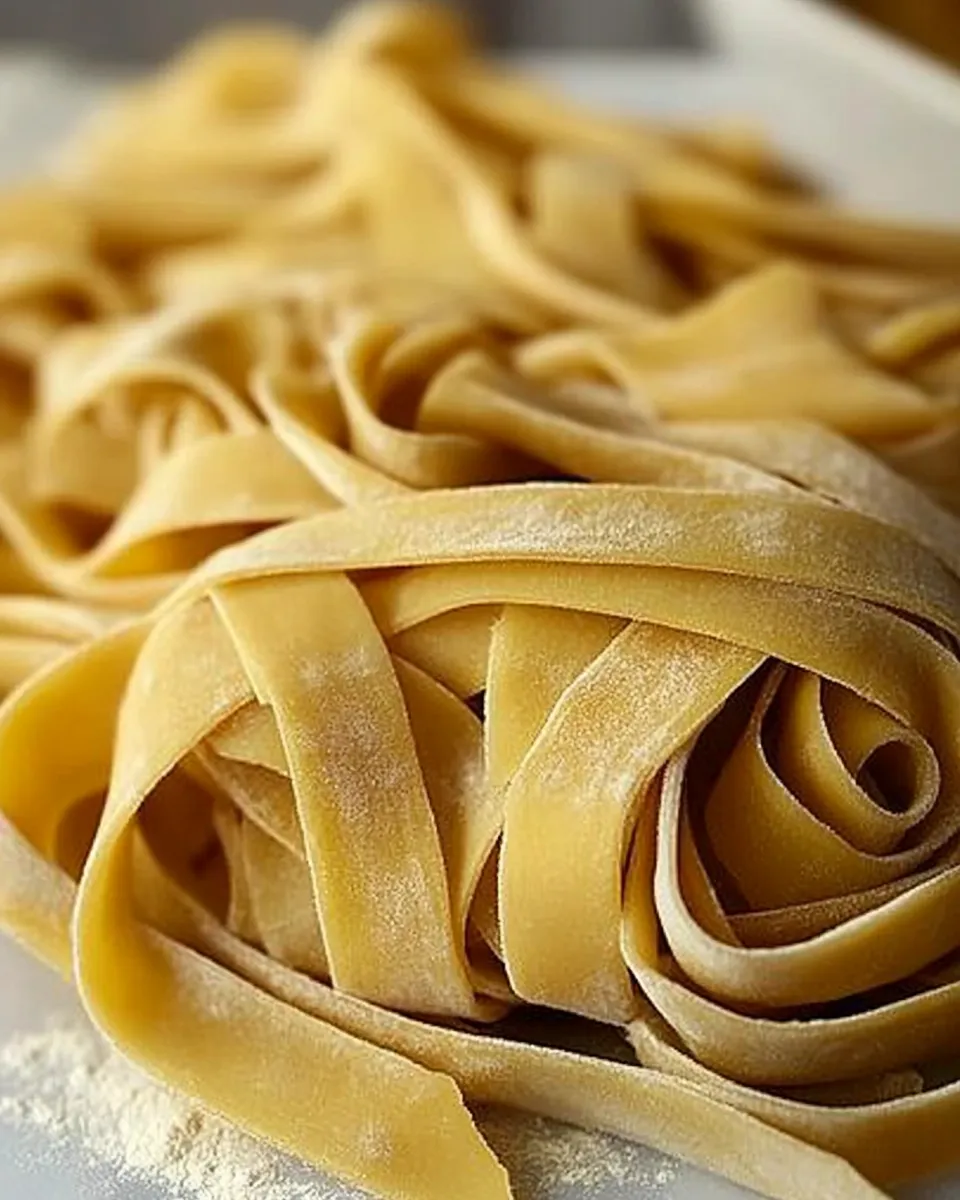
- Next steps: After resting, divide and roll or feed the dough through a pasta machine to your desired thickness, then cut into shapes (tagliatelle, fettuccine, pappardelle) or use as sheets for filled pasta. Cook fresh pasta in generously salted boiling water; it will cook far faster than dried pasta — typically 1–3 minutes depending on thickness.
Why Cooks Rave About It
Fresh pasta tastes brighter and feels silkier than dried. The eggs bring a richness that clings to sauces, and semolina gives a satisfying bite and grip. For home cooks, there’s also the control: you choose thickness, shape, and how rustic or refined the final texture will be. It’s quick to make and faster to cook — rewarding results with minimal ingredients.
Easy Ingredient Swaps
- All-purpose flour — Can sometimes be substituted with “00” flour if you prefer a silkier dough; reduce semolina slightly if using only “00”. (Not in the source ingredients; use cautiously.)
- Semolina — If unavailable, you can use more all-purpose flour in a pinch, but expect a softer, less toothsome pasta.
- Eggs — Use large eggs at room temperature for best results. Cold eggs slow incorporation and make the dough tougher to mix.
Must-Have Equipment
- Mixing surface or bowl — A clean countertop for the mound method or the bowl of a stand mixer.
- Stand mixer with paddle or dough hook — Speeds mixing and reduces hand fatigue (optional but helpful).
- Pastry scraper — Useful for drawing together shaggy dough and keeping the work surface tidy.
- Pasta roller or rolling pin — A pasta machine ensures even thickness; a rolling pin works fine for rustic shapes.
- Plastic wrap or airtight container — For resting the dough without drying out.
Easy-to-Miss Gotchas
- Egg temperature — Use room-temperature eggs. Cold eggs make the dough harder to incorporate and knead.
- Sticky dough — Dough that sticks is expected at first; add flour sparingly while kneading. Too much flour makes the pasta heavy.
- Over-kneading — Kneading for much longer than needed can make pasta tough. Aim for smooth and elastic; three minutes is the minimum guideline here.
- Resting time — Don’t skip the rest. It makes rolling and shaping dramatically easier.
- Cooking time — Fresh pasta cooks very quickly. Watch it closely to avoid mushy noodles.
Seasonal Adaptations
- Spring — Serve fresh ribbons with a light lemon-butter sauce and peas or spring greens.
- Summer — Pair with heirloom tomatoes, basil, and a drizzle of good olive oil for a bright, cool meal.
- Autumn — Toss with roasted squash, sage, and browned butter for a comforting plate.
- Winter — Heavier ragùs and cream sauces match well with egg-rich pasta for a hearty dinner.
Pro Perspective
Treat the dough like a living thing: feel it, don’t just measure it. The recommended three minutes of kneading gets you to a pleasant stage, but look for elasticity and a satin finish. Resting is crucial — even a short rest helps. If you use a mixer, keep speed low; high speed heats the dough and can change texture. Finally, cut and cook small batches: fresh pasta is best used the same day or frozen in portions.
Refrigerate, Freeze, Reheat
- Refrigerate — Fresh pasta can be kept wrapped in the fridge for up to 24 hours. Keep it airtight to prevent drying.
- Freeze — Freeze cut pasta in a single layer on a tray, then transfer to a sealed bag. It will keep well for several weeks. Cook from frozen with an extra minute or two in boiling water.
- Reheat — For sauced pasta, gently reheat on the stove with a splash of water or broth to revive silkiness. Avoid the microwave when possible; it can dry fresh pasta quickly.
Reader Questions
My dough is too sticky — what do I do?
Dust your hands and work surface lightly with flour and continue kneading. Add flour only a teaspoon at a time; the dough should become tack-free but not dry.
How thin should I roll it?
Roll according to the shape you want. For tagliatelle or fettuccine, thin but slightly substantial is best; for filled pasta or lasagna, aim for very thin sheets. A pasta machine setting of 6–7 (on many machines) is a common target for ribbons.
Can I make this without a machine?
Yes. Use a rolling pin and work in small batches, turning and dusting lightly. It takes more time and elbow grease but delivers excellent results.
Final Bite
Fresh pasta transforms simple ingredients into something special. With 7 ounces all-purpose flour, 7 ounces semolina, and 4 large eggs you can make a dough that’s forgiving, flavorful, and quick to cook. Follow the mixing, kneading, and resting steps here, keep an eye on stickiness, and you’ll have tender, saucy-ready pasta in no time. Enjoy the process — and the plate.
How to Make Fresh Pasta
Ingredients
- 200 g all-purpose flour
- 200 g semolina
- 400 g all-purpose flour (alternative)
- 4 large eggs room temperature
Instructions
- Combine 200 g all-purpose flour and 200 g semolina in a large bowl or on a clean counter. Alternatively, if using only all-purpose flour, use 400 g and skip the semolina.
- If using a stand mixer, add the 4 room-temperature eggs to the mixer bowl and beat with the paddle or dough hook until the dough comes together. If working by hand, make a mound of the dry ingredients and create a well in the center, then crack the eggs into the well.
- Gradually incorporate the dry flour into the eggs using your fingers, a fork, or a pastry scraper, drawing the flour into the center until a shaggy dough forms.
- Turn the dough onto a lightly floured surface and knead using the heel of your hand for about 3 minutes, until very smooth and not sticky. Add a little flour only if the dough sticks to your fingers.
- Shape the dough into a ball, wrap it tightly in plastic wrap, and let it rest at room temperature for 1 hour before rolling or cutting.
- The dough can be kept at room temperature for several hours if needed.
Equipment
- mixing bowl or stand mixer
- measuring scale or cups
- bench scraper or pastry scraper
- Plastic Wrap
Notes
- Use a kitchen scale for accurate measurements.
- Room-temperature eggs blend more easily into the dough.
- Add flour sparingly if the dough is sticky.
- Resting the dough relaxes the gluten for easier rolling.