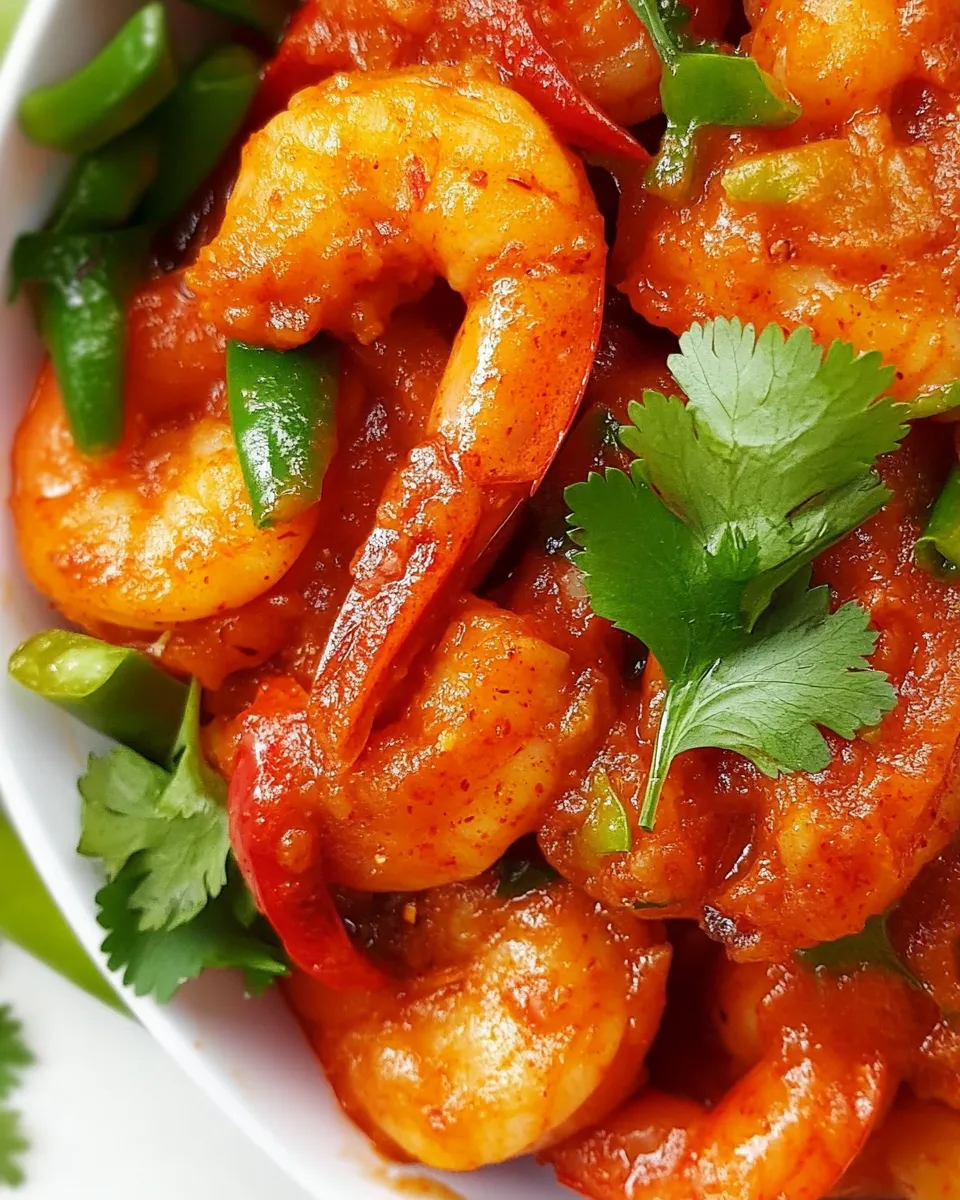
Camarones a la Diabla
I love a recipe that delivers heat, bright flavor, and comes together quickly. Camarones a la Diabla is one of those dishes: spicy, saucy shrimp that taste like a fiesta with minimal fuss. This version uses dried guajillo and chiles de árbol for a smoky, layered heat and fresh tomatoes to round the sauce out so it isn’t one-note hot.
The technique is straightforward—reconstitute chiles, blend into a smooth sauce, sear the shrimp, and finish by simmering them in the sauce just until opaque. I’ll walk you through the ingredient notes, step-by-step instructions, and useful swaps so you can make a confident, reliably spicy plate every time.
Ingredient Rundown
- Dried guajillo chiles (4) — provide a smoky, mildly fruity heat; remove stems and shake out seeds to control spiciness.
- Dried chiles de árbol (2) — add sharp, direct heat; remove stems and shake out seeds if you prefer slightly less intensity.
- Diced ripe tomatoes (1½ cups) — add acidity and body to the sauce; use ripe tomatoes for better flavor.
- Roughly chopped white onion (½ cup) — builds savory depth and balances the chiles’ heat.
- Large cloves garlic (2) — smashed and peeled for aromatic punch; don’t skip it.
- Smoked paprika (½ teaspoon) — enhances the smoky notes from the guajillo without extra heat.
- Olive oil (2 tablespoons) — for searing shrimp and carrying flavors in the pan.
- Large/jumbo raw shrimp (1 pound) — I use 20–25 count, peeled and deveined; tails on or off based on preference. Shrimp cook very fast, so size matters for timing.
- Fresh lime wedges, chopped cilantro, sliced jalapeños (for garnish) — lime brightens, cilantro freshens, and jalapeños add optional crunch and heat.
Cook Camarones a la Diabla Like This
1. Bring a small pot of water to a full boil. Remove the pot from the heat and add the dried guajillo and chiles de árbol (stems removed, seeds shaken out). Let them soak undisturbed for 15 minutes so they soften and rehydrate.
2. After 15 minutes, drain the chiles and transfer them to a high-speed blender. Add the diced tomatoes (1½ cups), chopped white onion (½ cup), smashed garlic cloves (2), and smoked paprika (½ teaspoon). Blend until the mixture becomes a smooth, thick sauce. If the blender yields a paste-like consistency rather than a pourable sauce, add ¼ cup of water and blend again until smooth.
3. Taste the blended sauce and season with salt and pepper to your preference. Set the sauce aside while you prepare the shrimp.
4. Pat the shrimp dry with paper towels and season lightly with salt and pepper. Dry shrimp sear more effectively and won’t steam in the pan.
5. Heat a large skillet over medium-high heat. Add 2 tablespoons olive oil and let it heat until shimmering but not smoking.
6. Place the shrimp in a single layer in the hot skillet. Let them sear undisturbed for 3 minutes so they develop color on the first side.
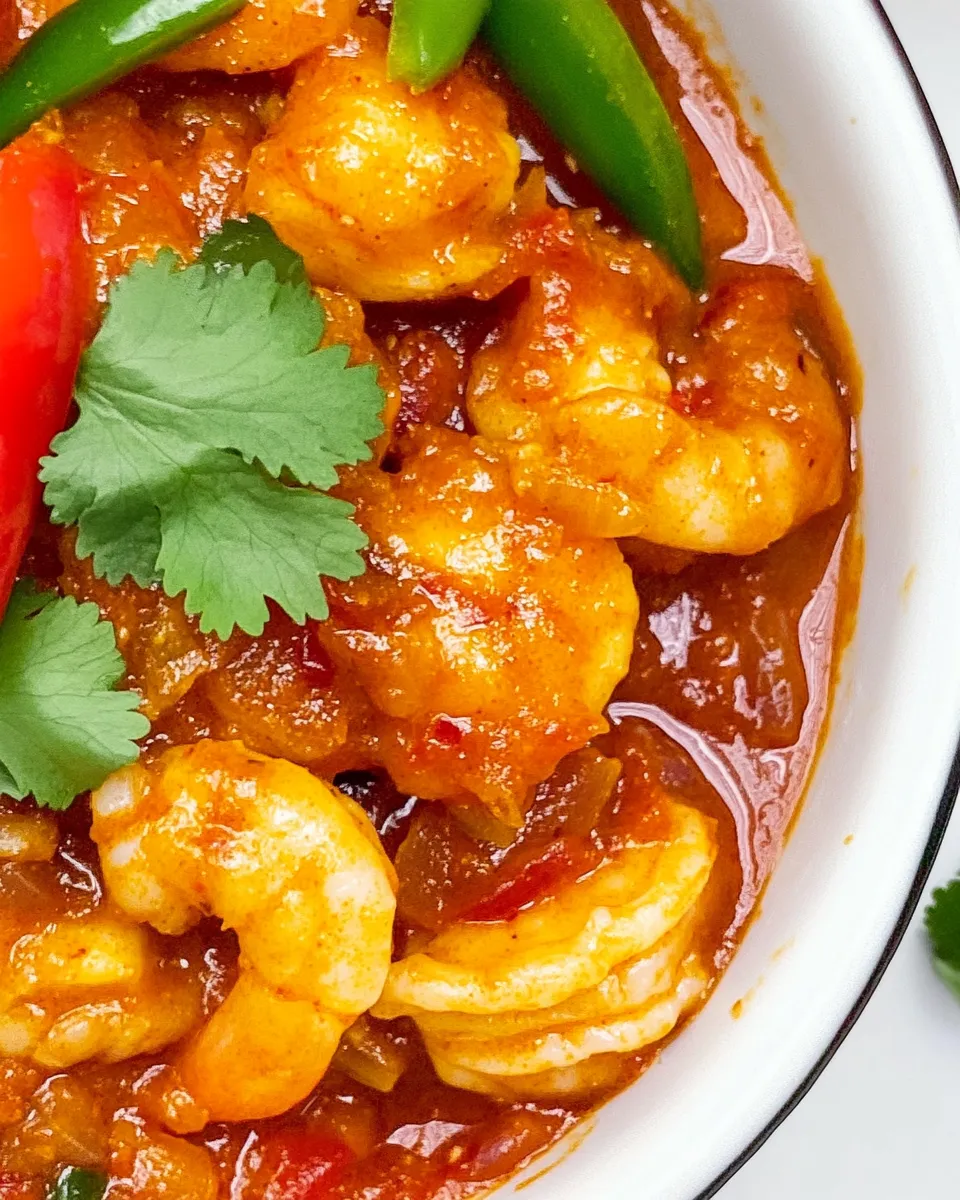
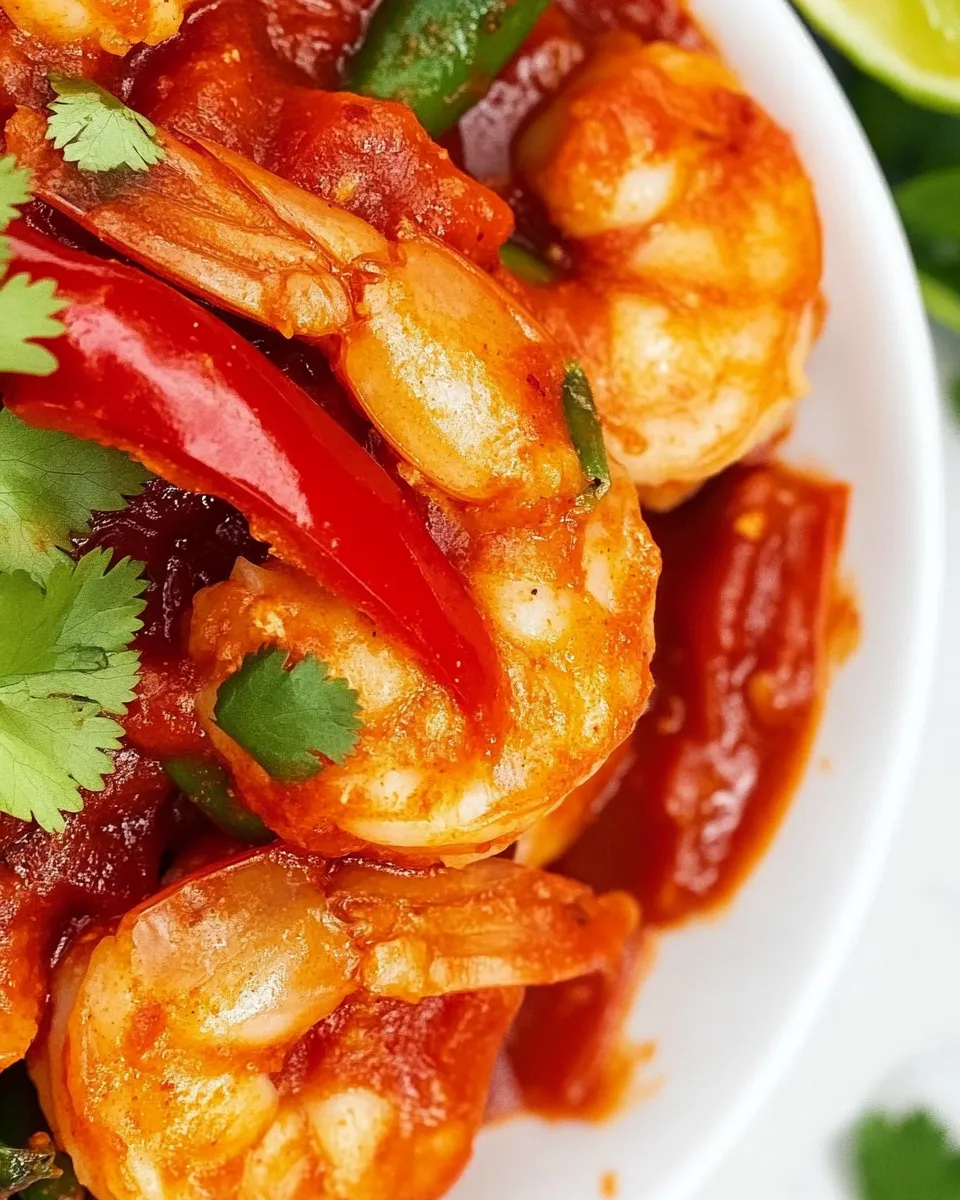
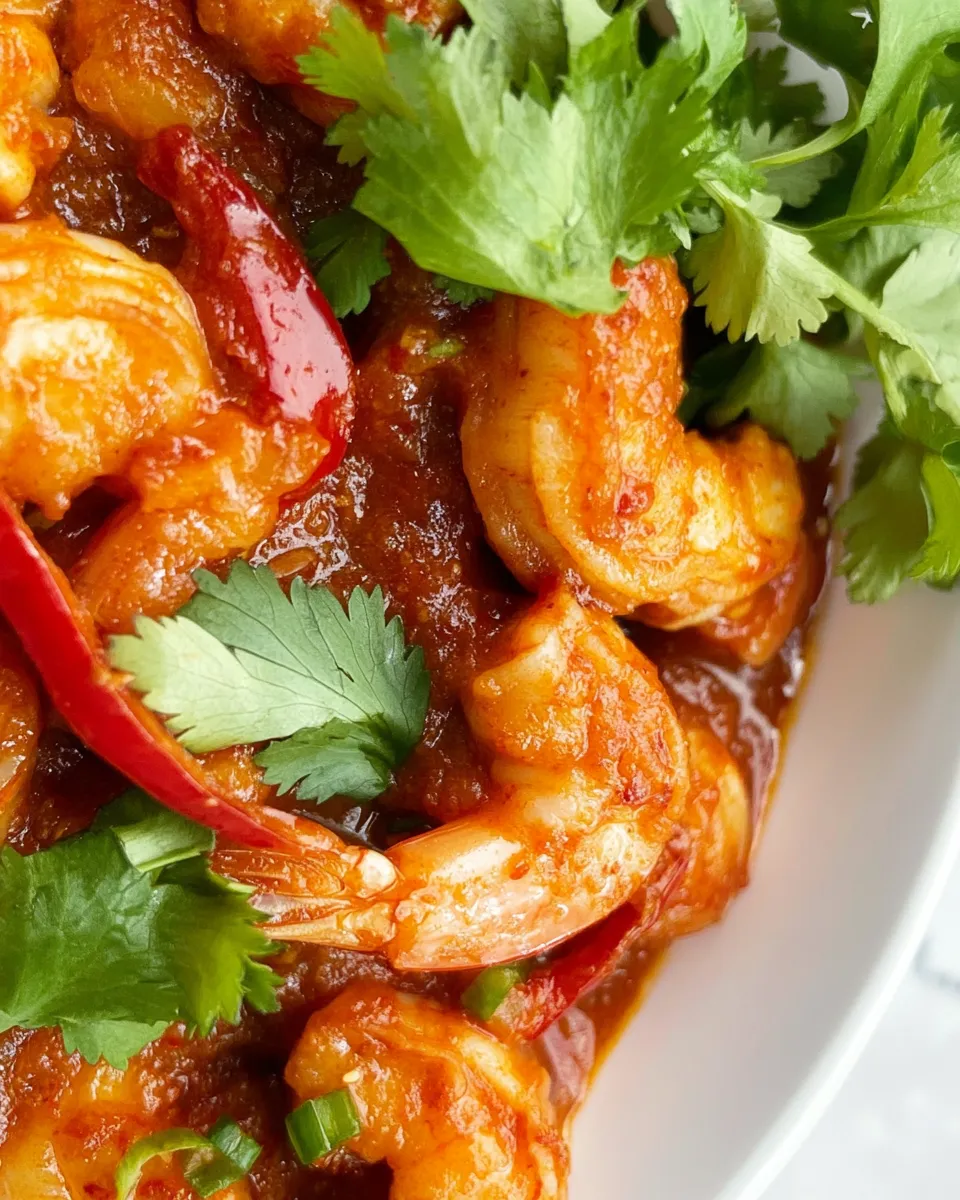
7. Flip the shrimp, pour the prepared tomato-chile sauce over them, and stir to combine. Cook for another 3–4 minutes, stirring occasionally, until the shrimp are opaque and firm to the touch and the sauce is warmed through. The shrimp should no longer look translucent.
8. Taste the finished dish and adjust seasoning with a little more salt and pepper if needed.
9. Serve immediately garnished with fresh lime wedges, chopped cilantro, and sliced jalapeños. Camarones a la Diabla is delicious on its own as a light meal or appetizer, or serve it alongside rice and soft tortillas to soak up the sauce.
Why This Recipe Is Reliable
– Technique-focused: rehydrating chiles separately and blending with fresh tomatoes creates consistent texture and flavor every time.
– Short cook time: shrimp cook quickly, so the method prevents overcooking while ensuring the sauce is fully integrated.
– Salt and finishing adjustments: tasting before serving lets you compensate for chile variability (some dried chiles are hotter than others).
– Minimal steps and common equipment keep execution simple for cooks of all levels.
Healthier Substitutions
- Olive oil — already a healthier choice; reduce to 1 tablespoon to lower calories, but expect slightly less sear color.
- Shrimp — choose wild-caught or sustainably farmed shrimp if you prioritize seafood sourcing; you can also use smaller shrimp, but watch the cook time.
- Reduce sodium — skip added salt in the sauce and let diners salt to taste at the table. This keeps the dish lower in sodium overall.
Tools & Equipment Needed
- Small pot — to rehydrate the dried chiles.
- High-speed blender — for a perfectly smooth, emulsified sauce.
- Large skillet — wide enough for shrimp to sit in a single layer for even searing.
- Paper towels — to dry shrimp before cooking.
- Tongs or a spatula — to flip shrimp cleanly.
Avoid These Traps
- Overcrowding the pan — if shrimp crowd, they steam instead of sear. Cook in batches if needed.
- Skipping the soak — dry chiles must rehydrate; skipping this gives a gritty, underdeveloped sauce.
- Overcooking shrimp — they only need about 6–7 minutes total; remove from heat as soon as they’re opaque and firm.
- Not tasting the sauce — dried chiles vary in heat; taste and adjust salt and pepper after blending to avoid an underseasoned final dish.
Better-for-You Options
- Serve over cauliflower rice for a lower-carb plate that still soaks up the sauce.
- Use less oil and finish with a squeeze of lime to make the dish feel lighter without losing acidity or balance.
- Add extra vegetables (sliced bell peppers or zucchini) but sauté them first until just tender before adding the sauce and shrimp so they don’t release too much water into the pan.
If You’re Curious
– Why use both guajillo and chile de árbol? Guajillo brings smoky, fruity notes while chile de árbol supplies sharper heat. Together they create depth without relying solely on scoville units.
– Can you make the sauce ahead? Yes—the blended sauce can be refrigerated for up to 48 hours or frozen for 1–2 months. Reheat gently before adding to freshly cooked shrimp.
– Tail on or off? Tail-on looks pretty and makes shrimp easier to pick up when serving as an appetizer; tail-off is easier to eat if serving over rice or in tortillas.
Storing Tips & Timelines
- Refrigerator: Store cooked Camarones a la Diabla in an airtight container for up to 2 days. Shrimp texture softens with time, so reheat gently.
- Freezer: Not recommended for cooked shrimp—they become rubbery. Freeze the blended sauce separately for up to 1–2 months and add to freshly cooked shrimp when ready.
- Reheating: Warm gently in a skillet over low heat with a splash of water or oil; avoid high heat that will overcook the shrimp.
Your Top Questions
What if I can’t find guajillo or chiles de árbol?
Use a mix of dried ancho (for fruitiness) and a small pinch of cayenne or crushed red pepper for heat—start conservatively and taste.
Can I make this milder?
Remove seeds from the chiles and reduce the number of chiles de árbol to 1 or omit them. Adding extra tomatoes also mellows the heat.
How do I know the shrimp are done?
They turn opaque and curl slightly into a C shape. If they form a tight O, they’re likely overcooked.
Ready to Cook?
This Camarones a la Diabla gets to the point: bold sauce, quick sear, bright finish. Gather the ingredients, rehydrate your chiles, and you’ll have a reliably spicy, restaurant-worthy plate in under 30 minutes. If you try it, leave a note—what garnish you chose and whether you served it with tortillas or rice. Enjoy the heat.
Camarones a la Diabla
Ingredients
- 4 dried guajillo chiles stems removed and seeds shaken out
- 2 dried chiles de árbol stems removed and seeds shaken out
- 1 1/2 cups diced ripe tomatoes stems removed
- 1/2 cup white onion roughly chopped
- 2 large garlic cloves smashed and peeled
- 1/2 teaspoon smoked paprika
- 2 tablespoons olive oil
- 1 pound large or jumbo shrimp raw, peeled and deveined; tail on or off (I use 20–25 count)
- fresh lime wedges for garnish
- chopped cilantro for garnish
- sliced jalapeños for garnish
- salt and pepper to taste
- 1/4 cup water optional, to thin sauce if needed
Instructions
- Bring a small pot of water to a boil, then remove from heat and add the dried guajillo and chiles de árbol; let soak 15 minutes until softened.
- Drain the chiles and transfer to a blender. Add the diced tomatoes, chopped onion, smashed garlic, and smoked paprika; blend until smooth and thick. If too thick, add up to 1/4 cup water and blend until sauce reaches a pourable consistency. Season with salt and pepper to taste and set aside.
- Pat the shrimp dry with paper towels and lightly season both sides with salt and pepper.
- Heat a large skillet over medium-high heat. Add the olive oil and heat until shimmering.
- Add the shrimp to the hot skillet in a single layer and sear without moving for 3 minutes.
- Flip the shrimp, pour the prepared chile-tomato sauce into the pan, and cook 3–4 more minutes, stirring occasionally, until shrimp are firm and opaque and the sauce is heated through. Taste and adjust salt and pepper if needed.
- Serve immediately, garnished with lime wedges, chopped cilantro, and sliced jalapeños. Enjoy alone or with rice and soft tortillas.
Equipment
- small pot
- Blender
- Large Skillet
- tongs or spatula
- Paper Towels
Notes
- Best enjoyed immediately after cooking.
- Leftovers can be refrigerated up to 3 days.