
Walnut-Shaped Cookies with Caramel Cream
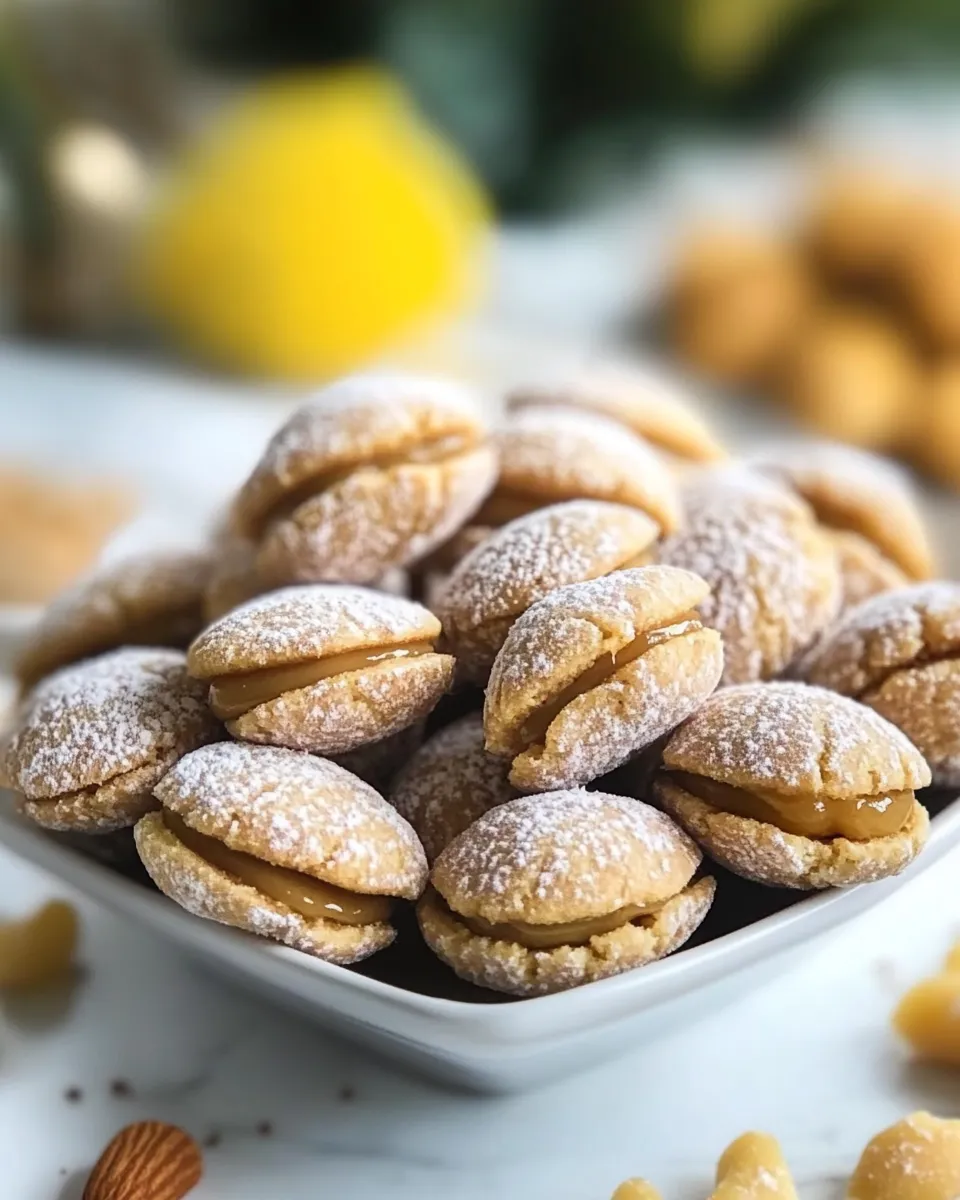
These walnut-shaped cookies filled with caramel cream are the sort of treat I keep in the tin for unexpected visitors. They look delicate and special, but the recipe is straightforward once you divide the work into dough, caramel, baking, and assembly. The caramel cream is made from a single can of condensed milk, slowly transformed into dulce de leche on the stove. That patience pays off in a creamy, richly flavored filling.
The cookie dough is a simple, tender shortbread-style batter that browns beautifully in walnut molds; if you don’t own molds, you can sandwich the filling between two rounds and still get the same comforting flavor. I recommend making the caramel first so it has time to cool, and chilling the dough while it rests. The final touch—mixing the trimmed edges back into the caramel—cuts waste and adds texture to each cookie.
Below I walk you through a practical, step-by-step approach: shopping, ingredients with quick notes, the revised instructions drawn directly from the recipe’s original directions, and helpful tips from the test kitchen to keep things predictable. Read the storage notes too—these cookies actually improve after a day as the cookies soften and flavor melds.
Your Shopping Guide

Buy whole ingredients you trust. Look for good baking flour, a high-quality unsalted butter, and a tall can of sweetened condensed milk (the only ingredient needed for the caramel). If you don’t already have a walnut mold, either pick one up or plan to make sandwich cookies instead. Small items: fresh lemons for zest, a vanilla extract you like, and extra butter if you prefer using a pastry bag for filling. A thermometer isn’t required, but a timer and an oven you understand will make this much easier.
Walnut-Shaped Cookies with Caramel Cream: Step-by-Step Guide
Ingredients
- 500 g flour — the structure of the cookies; use plain/all-purpose flour for a tender crumb.
- 200 g butter (at room temperature) — provides richness and tenderness; keep it soft but not melted.
- 10 g baking powder — gives a little lift so the cookies hold shape in the molds.
- 1 tsp salt — balances sweetness and enhances flavor.
- 1 tsp lemon zest — brightens the dough and cuts sweetness.
- 1 tsp vanilla — adds warm background flavor; use extract, not paste, if that’s what you have.
- 3 eggs — binders that add moisture and lightness.
- 150 g sugar — sweetness in the dough; granulated sugar is fine.
- 1 can of condensed milk — the only ingredient for the caramel cream (dulce de leche) when cooked.
- batter leftover from cleaning the walnut edges — trimmed cookie bits mixed back into the caramel to make the filling thicker and reduce waste.
Instructions
- Prepare the caramel cream (dulce de leche): place the unopened can of condensed milk in a tall saucepan and fill with water until the can is completely submerged. Bring the water to a gentle boil, then reduce the heat so the water simmers steadily. Keep the can covered by at least 1–2 cm (about 1 inch) of water at all times; add boiling water if the level drops. Simmer for at least 3 hours — the milk will thicken, darken, and develop a caramel color and flavor. When done, remove the can carefully (use tongs) and let it cool completely before opening.
- Make the cookie dough: in a large bowl combine the 500 g flour, 10 g baking powder, 1 tsp salt, 150 g sugar, 1 tsp lemon zest, 1 tsp vanilla, 3 eggs, and 200 g butter (at room temperature). Mix and knead until the dough is homogeneous. If the dough is too crumbly and doesn’t come together, add 1 tablespoon of water and knead until it holds shape and is pliable.
- Chill the dough: cover the dough tightly and refrigerate for 30 minutes. Chilling firms the butter and makes shaping easier, whether you’re pressing into molds or rolling and cutting.
- Shape the cookies: divide the rested dough into portions about the size of a walnut. Shape each portion so it fits into your walnut mold halves evenly. If you don’t have walnut molds, form small rounds for sandwich cookies instead.
- Bake: preheat your oven to a moderate temperature (around 170–180°C / 340–355°F, or as your oven typically requires for small cookies). Place filled mold halves or cookie rounds on a baking sheet and bake until golden brown. The dough may feel soft when it comes out of the oven; that’s normal — it will firm up while cooling.
- Trim while warm: remove cookies from the molds and, while still warm and pliable, trim the edges so the halves fit together neatly. If you wait until they are completely cool they will harden and can crack when trimmed.
- Make the filling: open the cooled can of caramel cream (dulce de leche). Combine the caramel with the trimmed cookie edges and leftover batter from cleaning the molds; mix until a smooth, spreadable filling forms.
- Assemble: pipe or spoon the caramel mixture into one walnut half and press the matching half on top to form a complete walnut-shaped cookie. Repeat until all cookies are filled.
- Decorate (optional): dust lightly with powdered sugar or sift cocoa over the finished cookies for a finished look.
- Rest before serving: cover the cookies and let them sit for at least 1 day. This rest time softens the biscuits as they absorb moisture from the cream and helps the flavors meld.
Why It’s Crowd-Pleasing
These cookies deliver contrasting textures—a crisp, buttery shell that gives way to a dense, silky caramel center. They look hand-crafted and impressive, but the flavors are familiar and comforting: butter, caramel, a hint of lemon and vanilla. The one-day resting period transforms them into tender tea-time treasures, which makes them great for gift tins and holiday platters.
Easy Ingredient Swaps
- Butter — you can use European-style butter for even richer flavor; keep the amount the same.
- Vanilla — swap for 1/2 tsp almond extract if you prefer a nutty note.
- Lemon zest — omit or replace with orange zest if you want a sweeter citrus aroma.
- Condensed milk — if you cannot cook a can, you can use store-bought dulce de leche (use approximately one can’s worth), but homemade from the can has the best affordability and texture.
Essential Tools for Success

- Walnut cookie molds — makes shaping quick and consistent; optional but worth the small investment.
- Tall saucepan — needed to fully submerge the can of condensed milk during the simmering stage.
- Kitchen timer — for the 3-hour caramel simmer and the baking time.
- Mixing bowl and wooden spoon or stand mixer — to bring the dough together evenly.
- Cooling rack and sharp knife or small offset spatula — for trimming warm edges and spreading filling.
Errors to Dodge
Do not open the can of condensed milk while it is hot: it can spray or cause burns and won’t yet have set into dulce de leche. Keep the can covered with water during the entire simmer to avoid exposing it; if water level drops, add boiling water. Avoid overworking the dough — knead only until homogeneous. Trim the cookies while warm; waiting until they are fully cool makes trimming brittle and prone to cracking. Finally, don’t skip the one-day rest — the cookies are at their best after they have softened slightly from the filling.
How to Make It Lighter
To reduce richness, you can trim the amount of filling you place between halves (use a thinner layer of caramel). Another option is to bake slightly thinner shells so each bite has less dough-to-filling ratio. Replacing half the butter with a neutral-flavored vegetable shortening will slightly lighten mouthfeel, but the flavor will change. Note: any reduction of butter will alter texture, so proceed cautiously.
Notes from the Test Kitchen
We tested two approaches: traditional walnut molds and sandwich-style rounds. Both worked well, but molds give a more authentic look. The caramel needs that long simmer — shorter times produce a paler, runnier cream. When cooling the can, give it a full hour to return to room temperature before opening; opening too early can cause the caramel to be too loose. Mixing the trimmed cookie pieces into the caramel both flavors the filling and makes the mixture easier to pipe or spoon into the shells.
Storing Tips & Timelines
Store the assembled cookies in an airtight container at room temperature. They keep well for up to 5 days; beyond that the shells may become overly soft. You can refrigerate them for up to 10 days if you prefer a firmer texture—bring to room temperature before serving for best flavor. Unfilled cookie shells can be frozen for up to 2 months; thaw completely before trimming and filling.
Ask & Learn
If you have questions about achieving a particular shell color, controlling oven temperature, or troubleshooting caramel consistency, ask. Mention whether you have molds or plan to sandwich the cookies—answers change slightly based on that method. Photo references of your cookie sizes or dough texture help diagnose issues quickly.
Bring It Home
These Walnut-Shaped Cookies with Caramel Cream are a practical showstopper: easy to make, impressive to give, and forgiving for home cooks. Follow the steps in order—caramel first, then the dough, bake, trim while warm, and mix trims into the filling—and you’ll have a tin of cookies that taste like you spent twice the time. Make a test batch with one or two molds first to dial in baking time, then scale up. Happy baking.

Walnut-Shaped Cookies with Caramel Cream
Ingredients
- 500 g all-purpose flour
- 200 g butter at room temperature
- 10 g baking powder
- 1 tsp salt
- 1 tsp lemon zest
- 1 tsp vanilla extract
- 3 eggs
- 150 g sugar
- 1 can sweetened condensed milk for making caramel (dulce de leche)
- trimmed cookie edges / leftover batter reserved to mix with caramel cream
Instructions
- Make the caramel cream (dulce de leche): remove the label from the can of sweetened condensed milk, place the closed can upright in a tall saucepan, and cover completely with water.
- Bring the water to a gentle boil, then reduce heat to maintain a simmer and cook the can for 3 hours, topping up with boiling water as needed to keep the can submerged at all times.
- Carefully remove the can from the water and let it cool completely before opening; the contents will be thick, caramel-colored dulce de leche.
- Meanwhile, combine the flour, baking powder, salt, and sugar in a mixing bowl and stir to blend evenly.
- Add the room-temperature butter, eggs, lemon zest, and vanilla; mix and knead until a homogeneous dough forms. If the dough is crumbly, add 1 tablespoon of water and knead again until it holds together.
- Cover the dough and refrigerate for 30 minutes to firm up.
- Divide the chilled dough into small balls sized for your walnut molds and press or shape them into the molds so each half is filled evenly. If you don't have molds, roll small balls and flatten into round cookies for sandwiching later.
- Bake the filled walnut molds or flattened cookie halves until golden brown. Timing will vary by oven and mold—watch for even golden color. Remove from the oven and let cool slightly.
- While still warm but manageable, trim the cookie edges and reserve the trimmings; they will be mixed into the caramel filling.
- Open the cooled can of dulce de leche and transfer to a bowl, then mix in the reserved cookie trimmings to create a thicker filling.
- Fill one half of each walnut cookie with the caramel-trimmings mixture, then join with a matching half to form a filled cookie.
- Optionally dust the assembled cookies with powdered sugar or cocoa, then cover and let rest for at least 24 hours so the cookies soften from the filling before serving.
Equipment
- Saucepan
- walnut cookie molds or cookie press
- Mixing Bowl
- spatula or wooden spoon
- rolling/hand shaping tools
- baking sheet (if not using molds)
- Refrigerator
Notes
- Do not open the can of condensed milk while it's hot to avoid burns.
- Keep the can submerged during simmering to prevent it from bursting.
- Chilling the dough makes it easier to shape in molds.
- Trim cookie edges while warm for easier handling.
- Let cookies rest 24 hours for best texture.