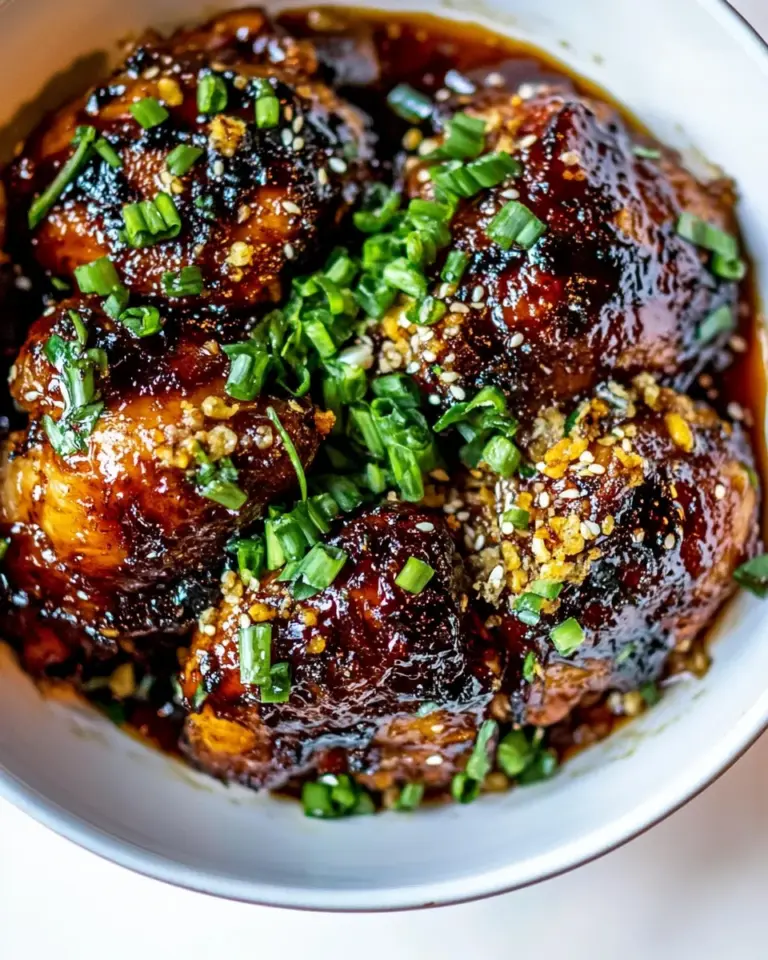
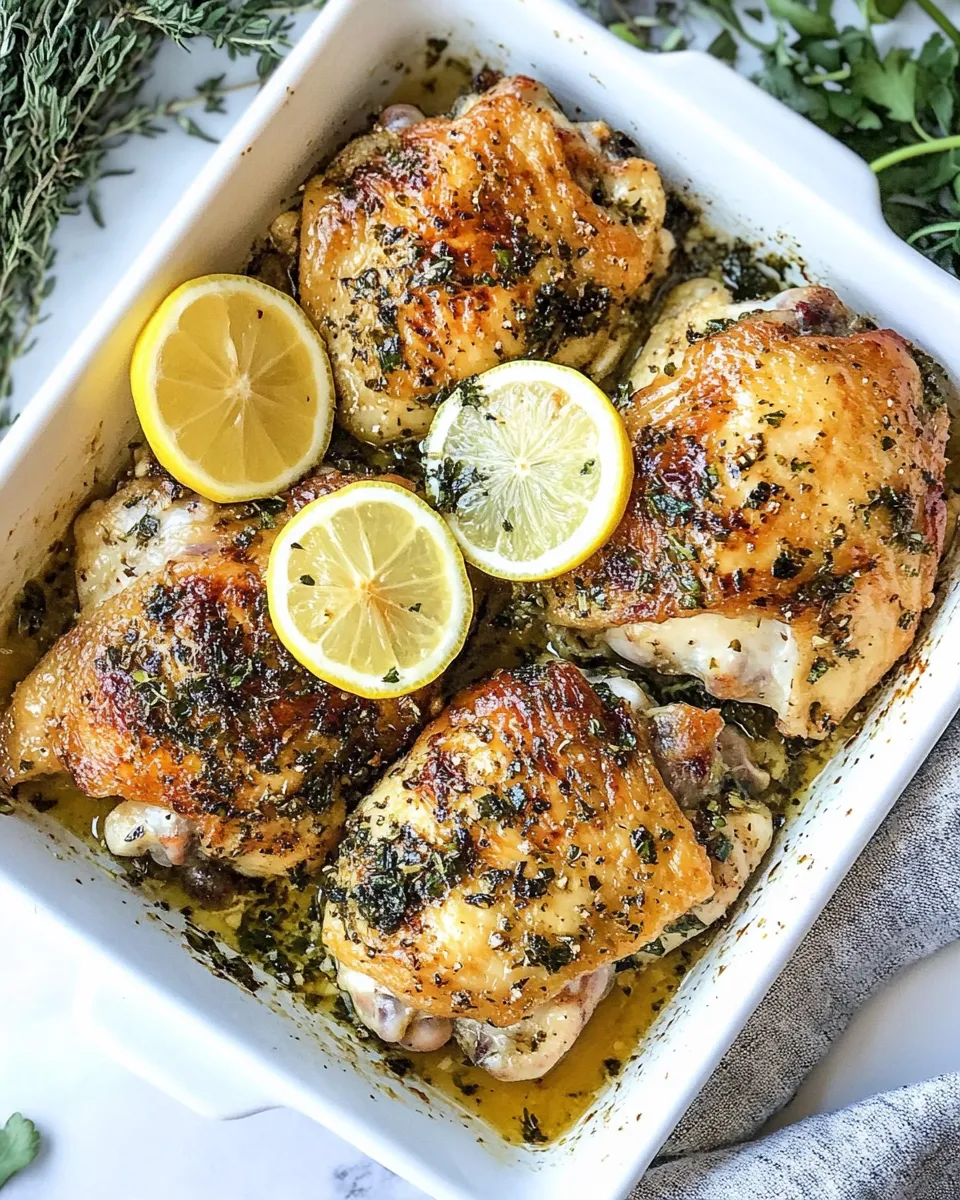
Lemon Garlic Chicken Thighs
This Lemon Garlic Chicken Thighs recipe is one of my go-to weeknight favorites: bright lemon, garlicky oil, and a handful of pantry herbs all baked on one sheet pan with potatoes and broccoli. It’s straightforward, cooks mostly unattended, and yields juicy chicken with crisped edges—exactly what I want when the day is already full.
I like that the marinade doubles as a quick dressing for the vegetables, so everything picks up the same citrus-garlic flavor. There’s also a cool, tangy Yogurt Parmesan Herb Sauce to round the dish out—perfect for spooning over the chicken or dunking roasted broccoli.
No fancy techniques required, just a little planning so the chicken can marinate and the potatoes get a head start in the oven. I include timing notes and small tips below to help you get the best texture and flavor every time.
What Goes In

- 1 ½-2 pounds boneless skinless chicken thighs — the main protein; stays moist and forgiving in the oven.
- 1 pound baby Dutch potatoes, quartered, halved if super small — roasted for a crispy exterior and creamy interior.
- 3 cups broccoli florets — added partway through roasting so they keep some bite and don’t overcook.
- 1/3 cup olive oil — the base of the lemon garlic marinade; helps brown and carry flavor.
- 3 cloves garlic, minced — gives the dish its garlicky backbone.
- 3 tablespoons freshly squeezed lemon juice — brightens and tenderizes the chicken.
- 2 teaspoons lemon zest — concentrates lemon flavor without extra acidity.
- 1 tablespoon Dijon mustard — adds depth and helps the marinade emulsify.
- 1 tsp each salt, pepper, dried basil, dried oregano, onion powder — basic seasoning and Italian-style herb notes.
- 1/2 tsp each paprika, ground cumin, dried thyme, sugar — paprika and cumin add warmth; thyme and sugar balance acidity.
- 1 cup Greek yogurt or sour cream — base for the Yogurt Parmesan Herb Sauce; choose Greek yogurt for tang and thickness.
- 1/4 cup finely, freshly grated Parmesan — salty, savory element in the sauce.
- 1/4 cup chopped parsley — bright herb for the sauce.
- 1 tablespoon lemon juice — extra lemon in the sauce for brightness.
- 1 tablespoon chopped chives (optional) — mild onion note; optional but nice.
- 1 tablespoon minced dill (optional) — fresh herb option; optional for a brighter finish.
- 1/4 tsp each salt, ground cumin — seasoning for the sauce; cumin echoes the marinade.
- 1/8 teaspoon pepper — finishes the sauce with a little bite.
From Start to Finish: Lemon Garlic Chicken Thighs
Follow these steps in order. Quantities and ingredients match the ingredient list above.
- Preheat your oven to 400°F (medium-high). Position a rack in the center so the sheet pan cooks evenly.
- Make the Lemon Garlic Marinade: In a bowl or directly into a freezer-size sealable bag combine 1/3 cup olive oil, 3 cloves minced garlic, 3 tablespoons lemon juice, 2 teaspoons lemon zest, 1 tablespoon Dijon mustard, 1 tsp salt, 1 tsp pepper, 1 tsp dried basil, 1 tsp dried oregano, 1 tsp onion powder, 1/2 tsp paprika, 1/2 tsp ground cumin, 1/2 tsp dried thyme, and 1/2 tsp sugar. Stir or shake to emulsify.
- Reserve marinade for the veggies: Remove 2 tablespoons of the mixed marinade and set aside in a small bowl. This is the portion that should never touch raw chicken.
- Add the chicken: Place 1 ½–2 pounds boneless skinless chicken thighs into the bag with the remaining marinade, seal, and turn the bag until the thighs are evenly coated. Let the chicken marinate at room temperature for 20 minutes if you’ll cook right away, or refrigerate up to 4 hours for more flavor.
- Prepare the sheet pan: Line a large sheet pan with sides (about 15×21 inches) with foil and spray lightly with cooking spray for easier cleanup.
- Toss the potatoes: Put the 1 pound quartered baby Dutch potatoes in a large bowl. Add 1 tablespoon of the reserved marinade (the portion never touched by chicken) and 1/4 teaspoon salt. Toss until the potatoes are evenly coated, then spread them in a single, even layer on one side of the prepared sheet pan.
- Start roasting the potatoes: Place the sheet pan in the preheated oven and bake the potatoes at 400°F for 15 minutes. This gives them a head start so they will finish tender and golden with the rest of the pan.
- Add broccoli and chicken: After 15 minutes, remove the sheet pan from the oven. Push the roasted potatoes to one side. In a bowl, toss 3 cups broccoli florets with the remaining 1 tablespoon reserved marinade (again, never used on the chicken). Spread the broccoli next to the potatoes in a single layer. Arrange the marinated chicken thighs in a single layer on the empty side of the pan, leaving space between pieces so air circulates and edges crisp.
- Finish roasting: Return the sheet pan to the oven and bake uncovered at 400°F for 17–22 minutes. Cook until bone-in thighs read 170–175°F, or if using chicken cutlets (thin breasts), until they reach 165°F on an instant-read thermometer. Internal temperature is the best indicator of doneness.
- Make the Yogurt Parmesan Herb Sauce: While the pan finishes, whisk together 1 cup Greek yogurt (or sour cream), 1/4 cup finely grated Parmesan, 1/4 cup chopped parsley, 1 tablespoon lemon juice, 1 tablespoon chopped chives (optional), 1 tablespoon minced dill (optional), 1/4 teaspoon salt, 1/4 teaspoon ground cumin, and 1/8 teaspoon pepper. Taste and adjust seasoning; refrigerate until ready to serve so it stays cool and thick.
- Rest and serve: When the chicken reaches the target temperature, remove the pan from the oven and let the chicken rest for 5 minutes. This helps the juices redistribute. Serve the chicken with roasted potatoes and broccoli and a generous spoonful of the Yogurt Parmesan Herb Sauce on the side.
Why I Love This Recipe
This dish balances convenience and flavor. The same lemon-garlic marinade ties protein and vegetables together, so every bite feels cohesive. Boneless chicken thighs are forgiving—juicy even if you step away for a minute—while the potatoes and broccoli add texture without extra pans. The yogurt-Parmesan sauce adds a cool, savory counterpoint that brightens the whole plate.
It’s fast enough for a weeknight but impressive enough for guests. Little touches—like reserving separate marinade for vegetables and finishing temperatures—make the difference between good and reliably great results.
Ingredient Swaps & Substitutions
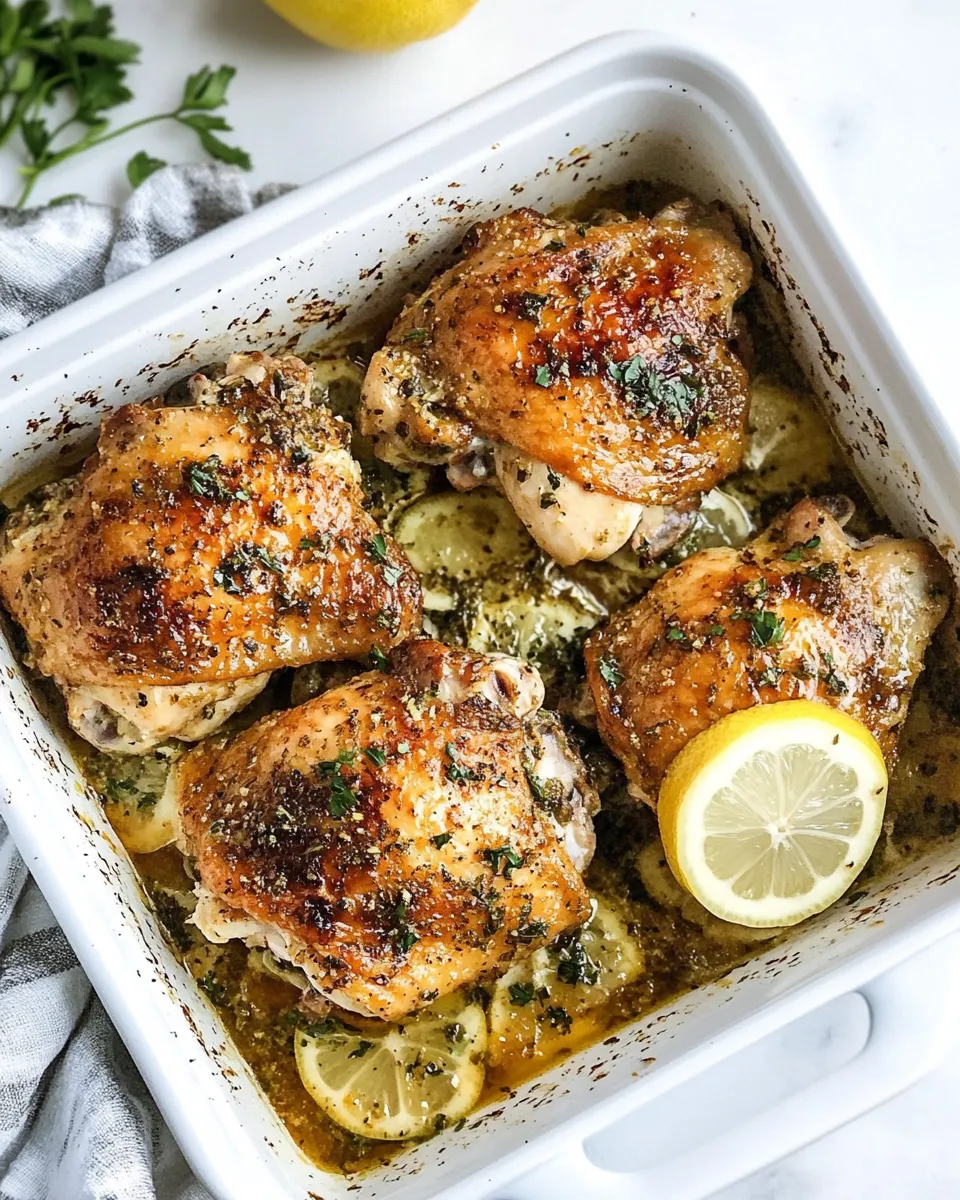
- Chicken thighs: If you prefer breasts, use thin cutlets and check for 165°F doneness; reduce oven time accordingly.
- Greek yogurt or sour cream: Use either; Greek yogurt is tangier and thicker, sour cream is creamier. Both work in the sauce.
- Potatoes: Small red or fingerling potatoes can replace baby Dutch potatoes. Cut similarly so they roast evenly.
- Herbs: Swap dried basil/oregano for Italian seasoning. Fresh herbs in the sauce (parsley, chives, dill) are interchangeable based on what you have.
- Olive oil: Neutral oil (avocado or canola) works if you want less olive flavor.
Tools of the Trade
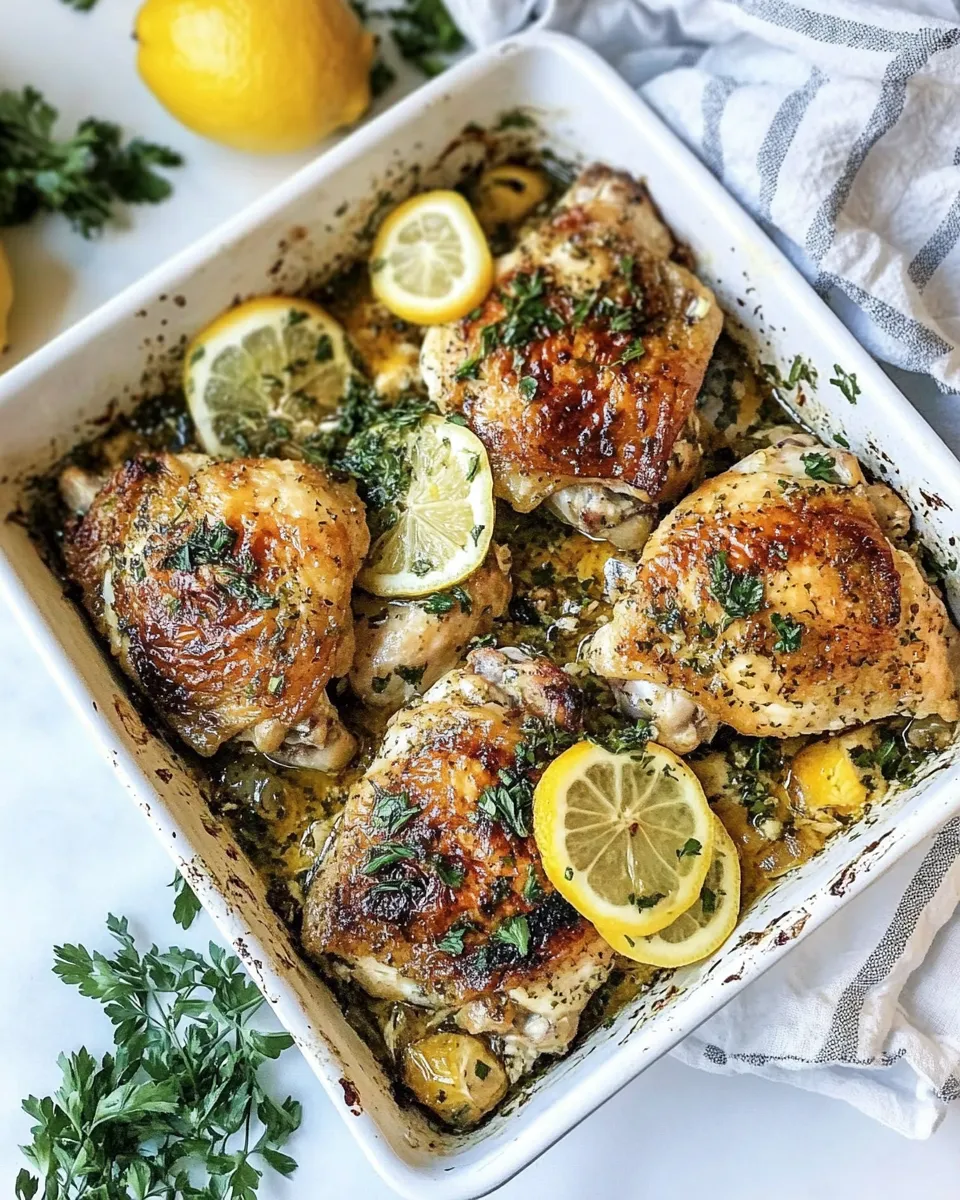
- Large rimmed sheet pan (15×21 inches): Needed to comfortably hold potatoes, broccoli, and chicken in single layers.
- Instant-read thermometer: Essential for checking chicken doneness accurately.
- Freezer-size sealable bag: For easy, even marinating and minimal cleanup.
- Mixing bowls and whisk: For the marinade and the yogurt sauce.
- Aluminum foil and cooking spray: For easier cleanup and to prevent sticking.
Errors to Dodge
- Don’t reuse the marinade for vegetables after it touches raw chicken: Reserve the 2 tablespoons at the start specifically for the veggies.
- Overcrowding the pan: Crowding prevents browning. Arrange items in single layers and leave space between pieces.
- Skipping the head start for potatoes: The 15-minute initial roast is important so potatoes finish tender when the chicken is done.
- Relying on color for doneness: Use an instant-read thermometer; thighs should reach 170–175°F for best texture, cutlets 165°F.
Make It Fit Your Plan
Meal-prep: Roast everything and portion into containers; keep the yogurt sauce separate and add fresh before eating. Refrigerate for up to 3–4 days.
Gluten-free: This recipe is naturally gluten-free if your mustard and other packaged seasonings are certified gluten-free.
Make it lighter: Use Greek yogurt and trim visible fat from thighs, or use boneless skinless breasts as thin cutlets and watch the oven time closely.
Notes from the Test Kitchen
I tested this recipe with 1 ¾ pounds of chicken thighs and a full pound of potatoes; the timing listed (15 minutes for potatoes, then 17–22 minutes for everything) hit the sweet spot. Thighs pulled at 170–175°F were tender and moist; at higher temps they dried out.
The reserved marinade step is non-negotiable—using marinade that’s touched raw chicken on the vegetables risks food safety and alters flavor. The little sugar in the marinade helps with caramelization on the chicken and potatoes without tasting sweet.
Refrigerate, Freeze, Reheat
- Refrigerate: Store cooked chicken, potatoes, and broccoli in airtight containers for up to 3–4 days. Keep the yogurt sauce in a separate container for up to 4 days.
- Freeze: You can freeze cooked chicken and potatoes for up to 2 months. Broccoli texture will change after freezing; it’s fine in casseroles but less crisp when reheated.
- Reheat: Oven or toaster oven at 350°F until warmed through keeps chicken juicier than microwave reheating. Reheat sauce at room temperature or give it a quick stir; avoid heating the yogurt sauce.
Helpful Q&A
- Can I marinate the chicken longer than 4 hours? You can, but for the best texture don’t go much beyond 6–8 hours with the lemon-heavy marinade—acid can begin to alter the texture of the meat.
- What if I only have whole lemons and no lemon zest? Use the zest when you can—zest concentrates the flavor—but you can skip it and slightly increase lemon juice if needed. The flavor will be a touch less intense.
- Can I roast everything together at once? You could, but the potatoes will require more time than the broccoli and chicken. The written method staggers them so all components finish properly.
- How do I get crispier edges on the chicken? Arrange thighs skin side up if using skin-on, or pat boneless thighs dry before marinating and leave a little space between pieces so hot air can circulate.
Time to Try It
Set aside about 10 minutes to prep, 15 minutes for the potatoes to begin roasting, then about 20 more minutes for the full pan to finish—roughly 45 minutes total from start to table (plus marinating time if you refrigerate). Pull out a baking sheet, make the simple marinade, and get dinner on the table with minimal fuss. When you try it, leave a note with any tweaks you made—I always love hearing what worked in your kitchen.
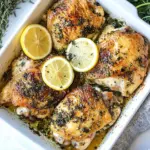
Lemon Garlic Chicken Thighs
Ingredients
- 1 1/2-2 pounds boneless skinless chicken thighs (see notes for breasts)
- 1 pound baby Dutch potatoes quartered (halve if very small)
- 3 cups broccoli florets
- 1/3 cup olive oil
- 3 cloves garlic minced
- 3 tablespoons fresh lemon juice divided (use 2 tbsp in marinade and reserve 2 tbsp total as directed)
- 2 teaspoons lemon zest
- 1 tablespoon Dijon mustard
- 1 teaspoon salt for marinade
- 1 teaspoon black pepper for marinade
- 1 teaspoon dried basil
- 1 teaspoon dried oregano
- 1 teaspoon onion powder
- 1/2 teaspoon paprika
- 1/2 teaspoon ground cumin plus extra 1/4 tsp for sauce
- 1/2 teaspoon dried thyme
- 1/2 teaspoon sugar
- 1 cup Greek yogurt or sour cream for sauce
- 1/4 cup finely grated Parmesan
- 1/4 cup chopped parsley
- 1 tablespoon lemon juice for sauce
- 1 tablespoon chopped chives (optional)
- 1 tablespoon minced dill (optional)
- 1/4 teaspoon salt for sauce
- 1/4 teaspoon ground cumin for sauce
- 1/8 teaspoon black pepper for sauce
Instructions
- Preheat the oven to 400°F (200°C).
- Make the lemon-garlic marinade: whisk together 1/3 cup olive oil, 3 minced garlic cloves, 3 tbsp lemon juice (reserve 2 tbsp aside), 2 tsp lemon zest, 1 tbsp Dijon mustard, 1 tsp each salt, pepper, dried basil, dried oregano, and onion powder, plus 1/2 tsp each paprika, ground cumin, dried thyme, and sugar.
- Place the marinade in a large resealable bag and remove 2 tablespoons (label as reserved for veggies); add the chicken thighs to the bag, seal, and turn to coat. Let chicken marinate at room temperature 20 minutes or refrigerate up to 4 hours.
- Line a large sheet pan (about 15×21 inches) with foil and spray with cooking spray.
- Toss the quartered potatoes with 1 tablespoon of the reserved marinade and 1/4 teaspoon salt, spread into an even layer on one side of the sheet pan, and bake for 15 minutes at 400°F.
- After 15 minutes, remove the pan. Push the partially cooked potatoes to one side, add the broccoli and toss with the remaining 1 tablespoon reserved marinade, then arrange the broccoli next to the potatoes in a single layer.
- Arrange the marinated chicken thighs in a single layer on the pan alongside the vegetables.
- Bake uncovered at 400°F for 17–22 minutes, or until chicken thighs register 170–175°F on an instant-read thermometer (chicken cutlets 165°F).
- Meanwhile, make the yogurt-Parmesan herb sauce: whisk together 1 cup Greek yogurt or sour cream, 1/4 cup finely grated Parmesan, 1/4 cup chopped parsley, 1 tbsp lemon juice, 1 tbsp chopped chives (optional), 1 tbsp minced dill (optional), 1/4 tsp salt, 1/4 tsp ground cumin, and 1/8 tsp pepper. Chill until ready to serve.
- When the chicken reaches the target temperature, remove the pan from the oven and let the chicken rest a few minutes before serving with the roasted potatoes, broccoli, and the yogurt-Parmesan herb sauce.
Equipment
- large resealable bag
- sheet pan (15×21 inches) lined with foil
- cooking spray
- Measuring cups and spoons
- Knife and cutting board
- Mixing Bowl
- Whisk
- instant-read thermometer (optional)
Notes
- Use chicken thighs for juicier, more flavorful results.
- To use chicken breasts, slice into cutlets and pound to even thickness.
- Choose potatoes of similar size and quarter them to about 1 inch for even cooking.
- Grease the foil with nonstick spray so veggies don’t stick.
- Let refrigerated chicken rest 20 minutes at room temperature before cooking.
- The yogurt sauce is important; use Greek yogurt for tang or sour cream for a milder flavor.