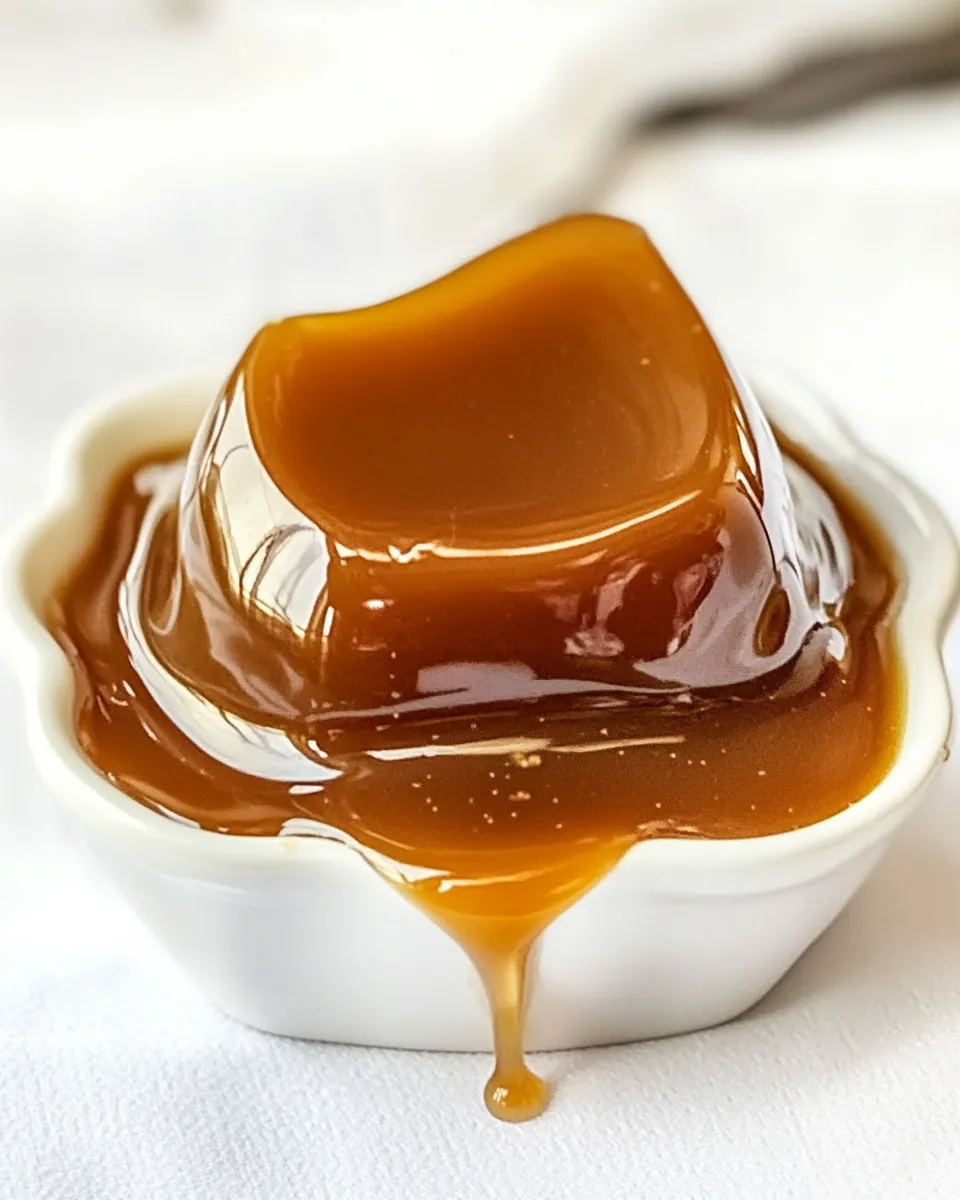
5-minute Salted Caramel
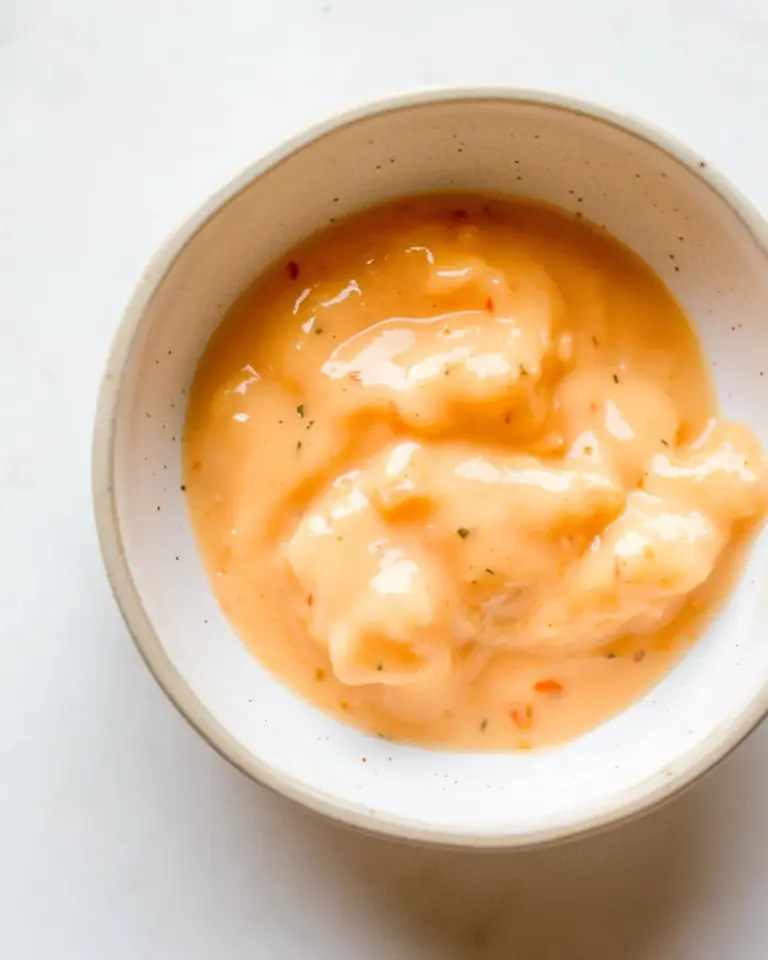
I make this salted caramel when I need a reliable, deeply flavored sauce in under ten minutes. It’s one of those pantry rescues: simple ingredients, very little fuss, and a result that feels indulgent. You can spoon it over ice cream, swirl it into yogurt, or use it as a finishing sauce for roasted fruit.
There’s no complicated sugar work here—just butter, brown sugar, milk, a little vanilla and salt. The technique is straightforward: melt, dissolve, boil briefly, then finish with flavor. Read through once, then follow the steps closely and you’ll have glossy caramel in about five minutes.
What You’ll Gather
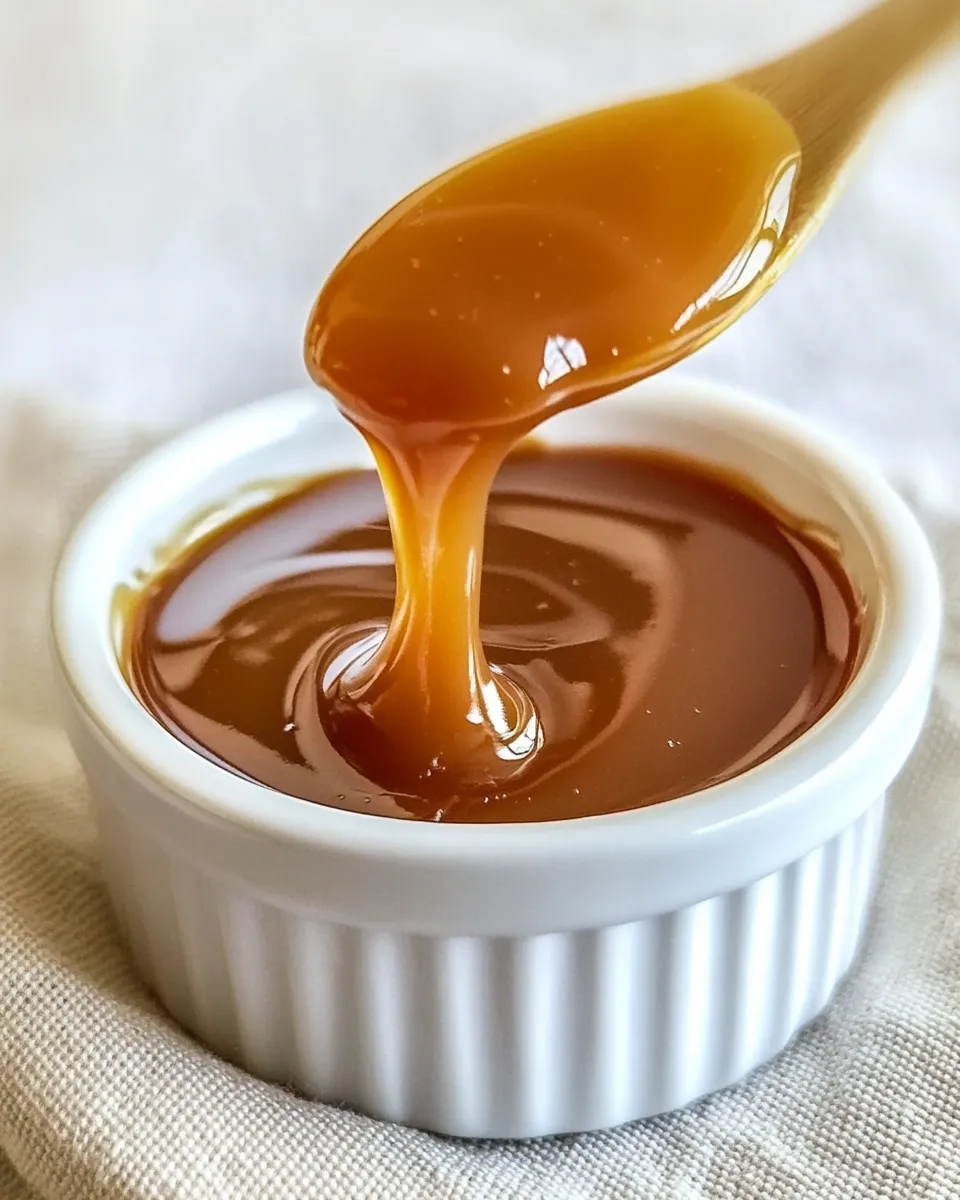
- ½ cup (113 g) unsalted butter, cubed — Fat base; cubes melt faster and evenly.
- 1 cup (200 g) packed brown sugar — Provides sweetness and that molasses note essential to salted caramel.
- ¼ cup (59 ml) milk — Thins the caramel and creates the sauce texture. Whole milk gives a richer end result.
- 1 teaspoon vanilla extract — Finishing flavor that rounds the sharpness of the sugar.
- ¼ teaspoon kosher salt or sea salt (more to taste) — Balances sweetness and brings out the caramel notes; add more after cooling if needed.
5-minute Salted Caramel — Do This Next
Follow these steps exactly and you’ll have a smooth, pourable caramel in minutes.
- Place the butter in a medium saucepan and set over medium-low heat. Let the butter melt completely, stirring occasionally so it doesn’t brown too quickly.
- Once the butter is melted, add the packed brown sugar and the milk to the pan. Increase the heat to medium.
- Stir constantly with a heatproof spatula or wooden spoon until the sugar dissolves and the mixture comes to a gentle boil. This ensures an even texture and prevents graininess.
- When the mixture reaches a boil, keep it boiling gently for 2 minutes, stirring continuously. Maintain a steady simmer—too aggressive a boil can cause scorching.
- Remove the pan from the heat. Stir in the vanilla extract and the ¼ teaspoon of salt. Taste when it cools slightly and add more salt if you prefer a stronger salty contrast.
- Pour the hot caramel into a clean jar or heatproof container. Let it sit at room temperature until it cools slightly and thickens to your desired consistency.
- Cover and store in the refrigerator if you won’t use it the same day. If the caramel separates or thickens excessively after chilling, rewarm briefly—either microwave for a few seconds, stirring between bursts, or heat gently on the stove while stirring.
Why I Love This Recipe
It’s fast without shortcuts that compromise flavor. Using brown sugar instead of white gives the sauce depth and a hint of molasses that mimics traditional caramel notes. The ratio of butter to sugar keeps the texture silky, and the small amount of milk makes it spoonable right away.
This caramel is forgiving: slight temperature swings or a quick reheat bring it back to life. It’s also wildly versatile—use it as a dip, a drizzle, or a mix-in, and it elevates simple desserts into something special.
Budget & Availability Swaps
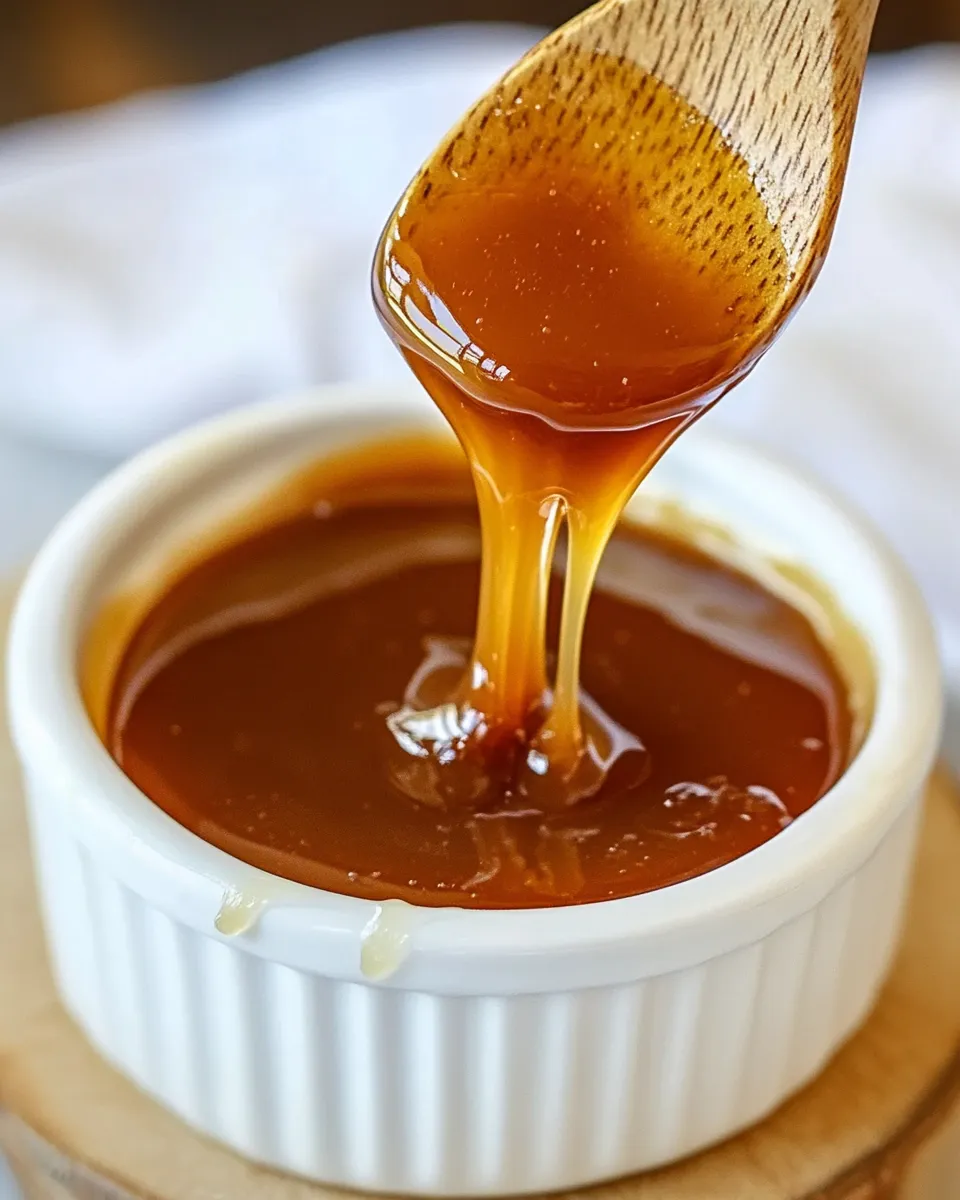
- Butter — If you only have salted butter, reduce added salt or skip it entirely and taste at the end.
- Brown sugar — Light or dark both work; dark gives a richer flavor. If you’re out of brown sugar, you can mix white sugar with a little molasses, but note that changes the exact flavor.
- Milk — Whole milk is best for richness. Semi-skimmed or 2% work fine; for a dairy-free option, use a neutral unsweetened plant milk (almond or oat).
- Vanilla — If you don’t have extract, a pinch of vanilla powder or even a scrape of vanilla bean will do; omit only if necessary.
Hardware & Gadgets
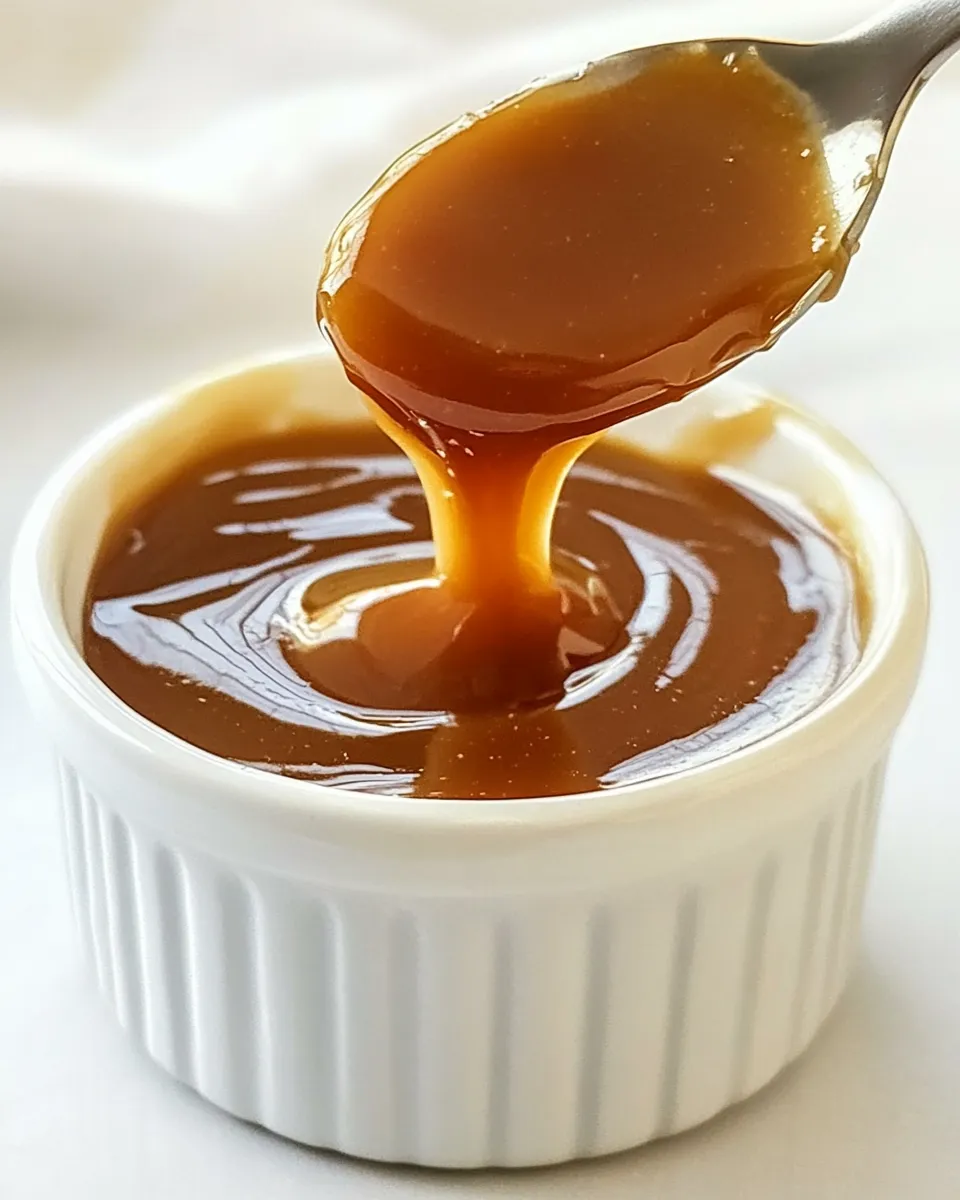
- Medium saucepan — Use one with a heavy bottom to prevent hot spots and scorching.
- Heatproof spatula or wooden spoon — For constant stirring while boiling.
- Measuring cups and spoons — Accurate measurements keep the texture consistent.
- Heatproof jar or container — For storing and pouring; a jar with a wide mouth is easiest for reheating and scooping.
Problems & Prevention
Grainy texture
Cause: Sugar not fully dissolved before boiling. Prevent by stirring constantly until smooth and watching for dissolution before increasing heat to a boil.
Scorching or burnt flavor
Cause: Heat too high or thin-bottomed pan. Use medium heat, a heavy-bottomed pan, and keep stirring. If you smell burning, discard and start over—bitterness won’t disappear.
Too thin after cooling
Cause: Not boiled the full 2 minutes or too much liquid. Reheat gently to thicken, or simmer a little longer next time, keeping the 2-minute minimum at a gentle boil.
Too thick after chilling
Fix: Microwave for a few seconds and stir, or warm in a saucepan over low heat until pourable.
Make It Your Way
- Salt level — Start with ¼ teaspoon and increase after cooling to taste if you prefer a more pronounced salty-sweet contrast.
- Richer sauce — Use half-and-half or cream in place of milk for a creamier finish (note: this changes fat content but keeps technique the same).
- Spiced version — Stir a pinch of cinnamon or a dash of espresso granules into the finished sauce for depth.
Notes on Ingredients
Unsalted butter gives you control over seasoning; the recipe includes ¼ teaspoon salt so you can adjust to taste. Packed brown sugar supplies moisture and molasses character—don’t try to substitute with powdered sugar. Milk thins the sauce; whole milk yields the most luxurious texture. Vanilla is a final nuance, so use real extract if you can.
How to Store & Reheat
Store: Keep caramel in a sealed jar or container in the refrigerator for up to 2 weeks. If you plan to keep it longer, bring to room temperature before sealing so condensation doesn’t form.
Reheat: Warm gently. Microwave in short 5–10 second bursts, stirring between each, until pourable. Or reheat in a small saucepan over low heat, stirring constantly. Do not boil hard during reheating—just warm enough to loosen the texture.
FAQ
- Can I double the recipe? — Yes. Use a larger saucepan and follow the same steps, stirring more often to ensure even heating.
- Why did my caramel separate? — Separation can happen as it cools. Stir vigorously or reheat gently to recombine; refrigeration can thicken it but will not ruin it.
- Can I use cream instead of milk? — Yes. Cream makes a richer, thicker caramel. Keep the same quantity and the 2-minute boil.
- Is this shelf-stable? — No. Store refrigerated and use within two weeks.
The Last Word
This 5-minute salted caramel is practical, fast, and reliably delicious. Keep it simple: gentle heat, constant stirring during the boil, and a final taste-adjustment with salt. Once you’ve made it a couple times you’ll know the exact point it’s ready—then you can experiment with small tweaks to make it yours.
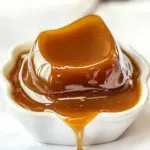
5-minute Salted Caramel
Ingredients
- 1/2 cup unsalted butter cubed (113 g)
- 1 cup packed brown sugar (200 g)
- 1/4 cup milk (59 ml)
- 1 teaspoon vanilla extract
- 1/4 teaspoon kosher salt or sea salt more to taste
Instructions
- Place the cubed unsalted butter in a medium saucepan and melt over medium-low heat.
- Add the packed brown sugar and milk, increase heat to medium, and stir constantly until the mixture comes to a full boil (large bubbles across the surface).
- Once boiling, continue to boil and stir for 2 minutes to thicken the caramel.
- Remove the pan from the heat and stir in the vanilla extract and the 1/4 teaspoon salt; taste and add more salt if desired.
- Pour the hot caramel into a jar or heatproof container and let cool slightly before using, then cover.
- If the caramel separates as it cools, stir or shake to recombine; if it becomes too thick after chilling, warm briefly and stir to loosen.
Equipment
- Saucepan
- wooden spoon or heatproof spatula
- Measuring cups and spoons
- jar or heatproof container
Notes
- Whole milk gives the creamiest texture, but 2% or nondairy milks will work.
- Start timing the 2-minute boil only once the mixture is at a full rolling boil.