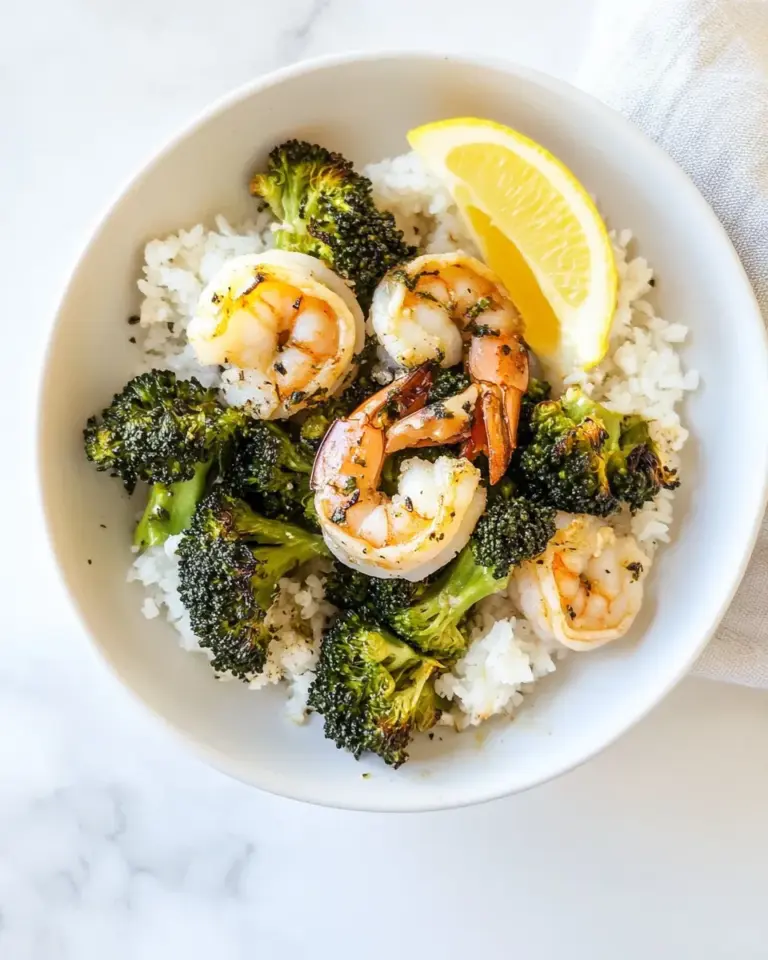
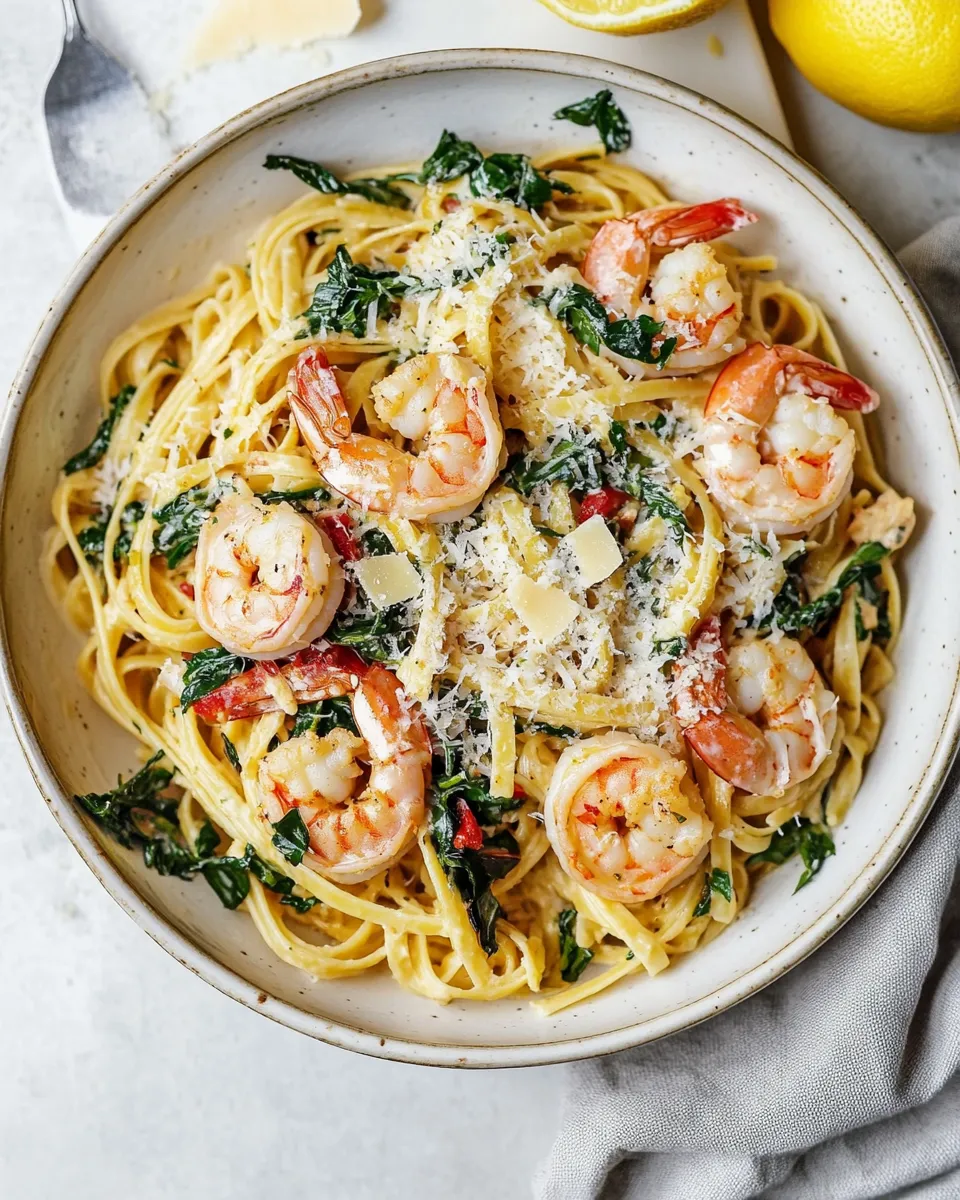
Lemon Garlic Parmesan Shrimp Pasta
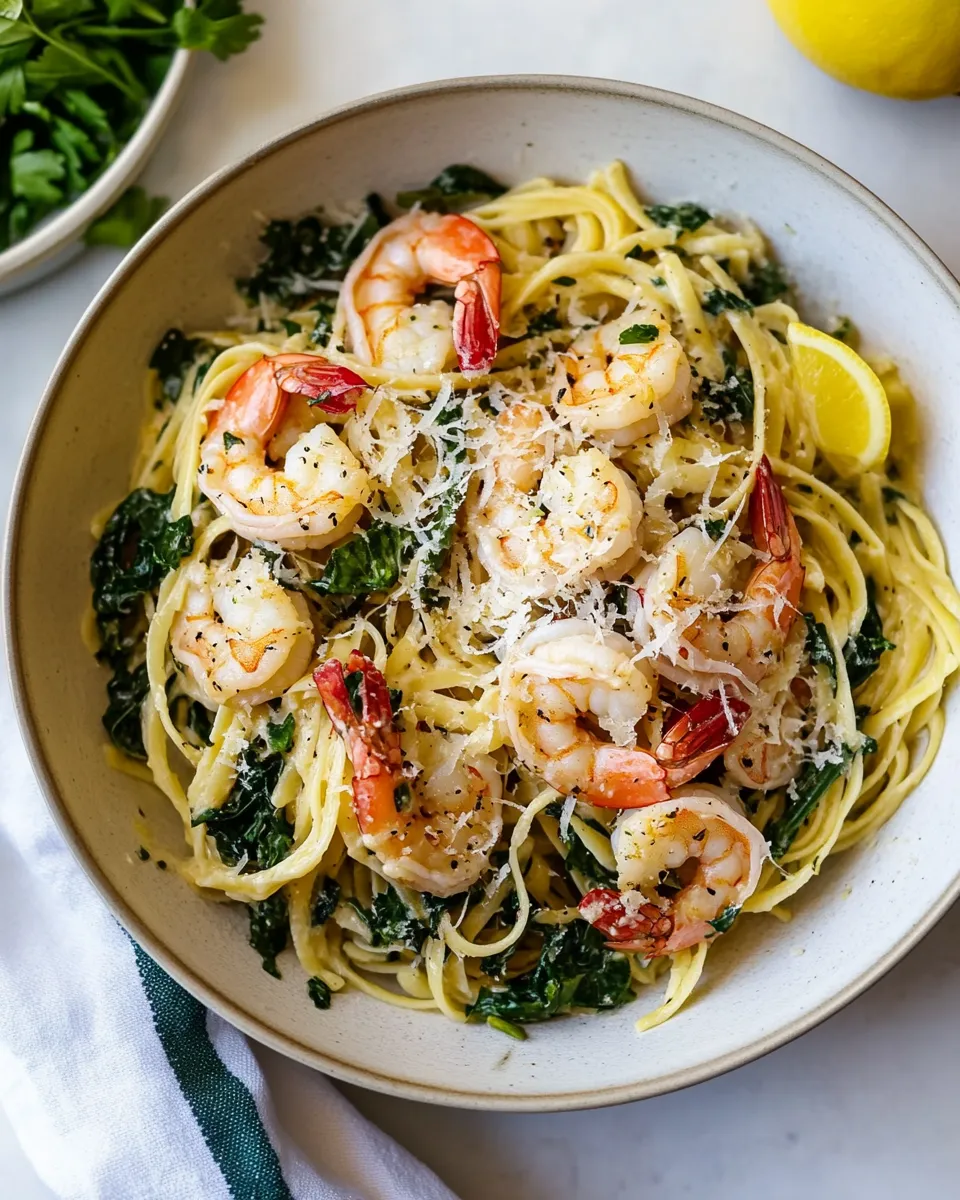
This Lemon Garlic Parmesan Shrimp Pasta is a weeknight winner: bright lemon, garlicky butter, salty Parmesan and tender shrimp come together in one skillet-friendly assembly. It’s straightforward enough for a hurried evening, but special enough for guests. I lean on simple techniques so the shrimp stay juicy and the pasta carries the sauce without getting greasy.
Followed exactly, this version balances butter and olive oil, adds a touch of heat from red pepper flakes, and finishes with fresh parsley and lemon for lift. The baby spinach wilts into the pan for a quick green boost. Timing is the trick—cook the pasta al dente and watch the shrimp closely so they don’t overcook.
I write recipes you can trust: clear steps, real timing, and tiny troubleshooting notes tucked into the instructions. Below you’ll find the shopping list, an ingredients section with quick tips, step-by-step directions rewritten for clarity, equipment notes, substitutions, storage advice, and answers to common questions.
Shopping List
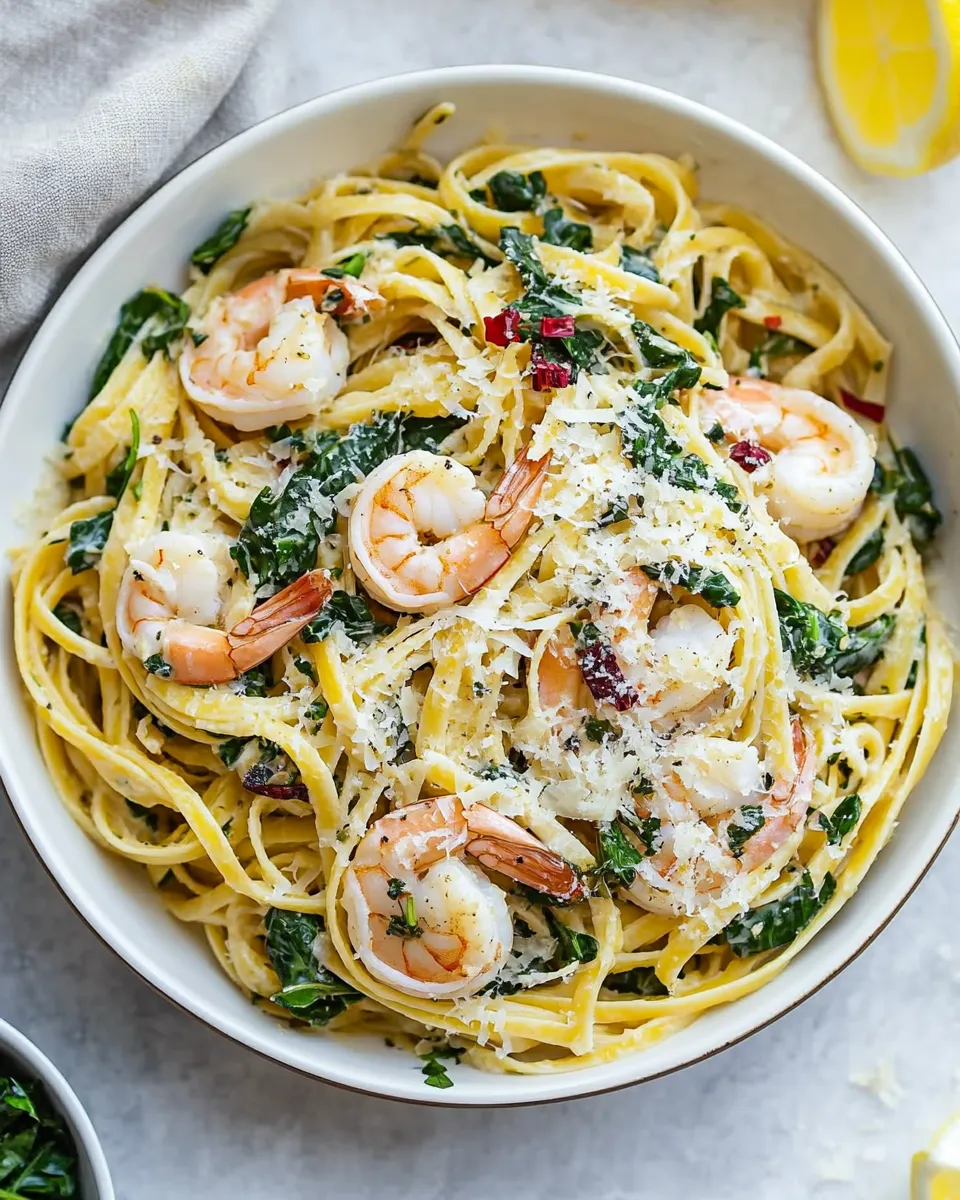
- 8 ounces linguine pasta
- 2 tablespoons olive oil
- 6 tablespoons butter (divided)
- 4 cloves garlic, minced
- 1 teaspoon red pepper flakes
- 1 1/4 pound large shrimp (peeled and deveined if possible)
- Salt and pepper
- 1 teaspoon Italian seasoning
- 4 cups baby spinach
- 1/2 cup Parmesan cheese (freshly grated if possible)
- 2 tablespoons parsley, chopped
- 1 tablespoon lemon juice (fresh is best)
Ingredients
- 8 ounces linguine pasta — provides the base; cooks quickly and holds this light sauce well.
- 2 tablespoons olive oil — used to sauté garlic and start the sauce; adds a fruity backbone.
- 6 tablespoons butter, divided — gives richness and helps the sauce cling to pasta; split so some melts earlier and some joins at the end.
- 4 cloves garlic, minced — the main aromatic; mince finely so it lightly flavors the oil without burning.
- 1 teaspoon red pepper flakes — adds gentle heat; adjust to taste or omit for no spice.
- 1 1/4 pound large shrimp — the protein star; large shrimp cook quickly and stay tender (use peeled and deveined).
- Salt and pepper to taste — essential for seasoning shrimp and pasta; taste as you go.
- 1 teaspoon Italian seasoning — an easy herb blend to boost savory flavor; adds depth without extra prep.
- 4 cups baby spinach — wilts into the sauce for color and nutrition; no need to pre-cook.
- 1/2 cup Parmesan cheese — salty and nutty; grate fresh for best texture and melting.
- 2 tablespoons parsley, chopped — bright finish and color contrast; add at the end.
- 1 tablespoon lemon juice — provides acidity to brighten the whole dish; taste before adding more.
Lemon Garlic Parmesan Shrimp Pasta Made Stepwise
- Fill a large pot with water, bring to a rolling boil, and salt it generously. Cook 8 ounces linguine according to package directions until al dente. Reserve a cup of pasta water, then drain the pasta and set it aside.
- Using the same pot or a large skillet (see Setup & Equipment), heat 2 tablespoons olive oil and 2 tablespoons of the butter over medium heat until the butter melts and the oil shimmers.
- Add 4 cloves minced garlic and 1 teaspoon red pepper flakes to the hot oil. Cook, stirring constantly, until fragrant—about 30–45 seconds—being careful not to brown the garlic.
- Add 1 1/4 pounds large shrimp to the pan. Season with salt and pepper to taste. Cook the shrimp until they begin to turn pink and opaque, about 2 minutes per side depending on size. Don’t overcook; they should still be slightly translucent at the thickest part when you flip them.
- Sprinkle 1 teaspoon Italian seasoning over the shrimp, then add 4 cups baby spinach. Toss or stir until the spinach wilts, about 1–2 minutes.
- Add the drained linguine back into the pot or skillet with the remaining 4 tablespoons butter, 1/2 cup Parmesan cheese, and 2 tablespoons chopped parsley. Toss everything together over low heat so the butter melts and the cheese begins to form a light sauce that coats the pasta. If the sauce feels dry, add a few tablespoons of the reserved pasta water to loosen it.
- Stir in 1 tablespoon lemon juice and taste. Adjust seasoning with additional salt, pepper, or lemon juice if needed. Give the pasta a final toss to combine flavors.
- Serve immediately, sprinkling extra Parmesan and parsley on top if you like. This dish is best hot and fresh.
Why I Love This Recipe
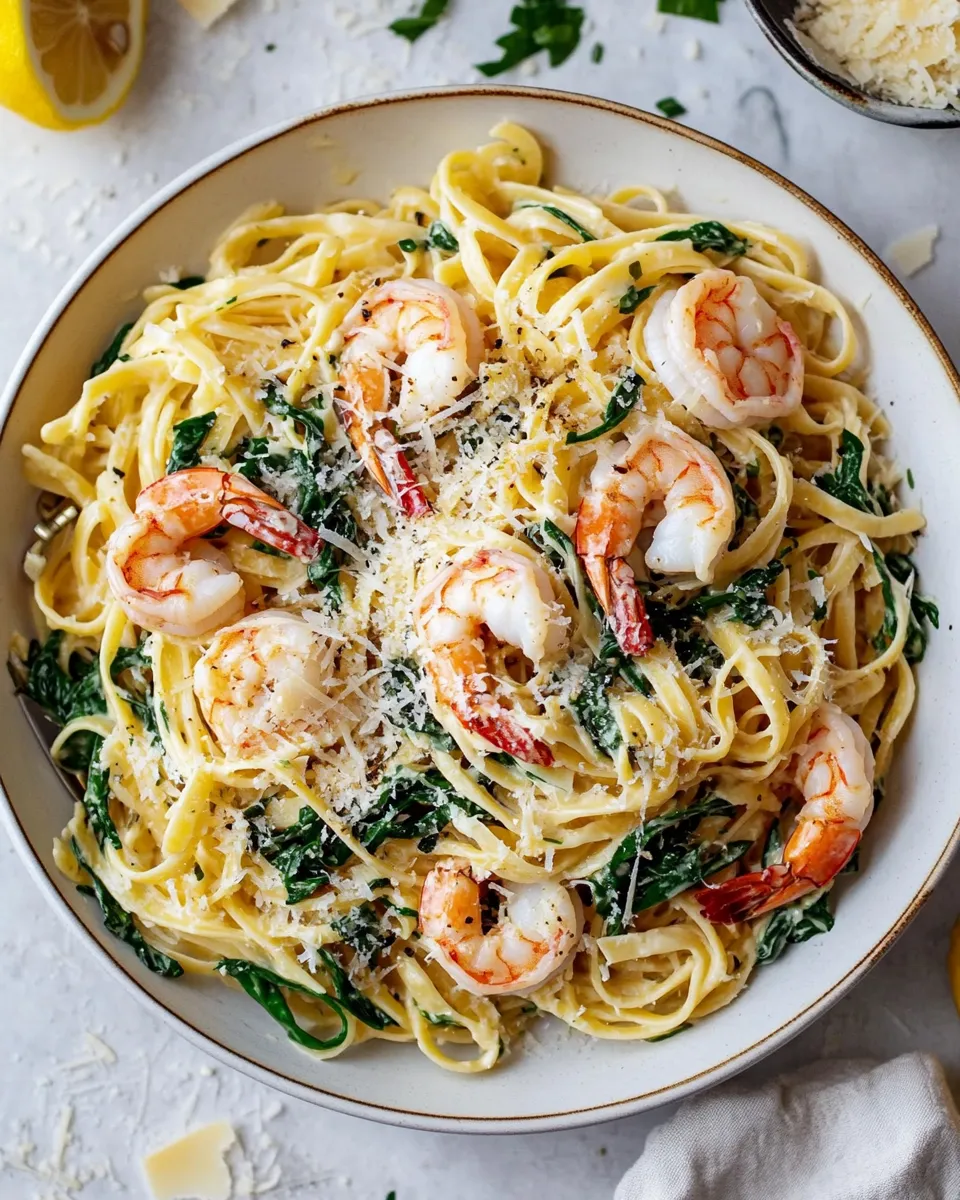
This pasta hits quick weeknight needs—ready in about the time it takes to open a bottle of wine and boil pasta. The balance is simple: garlic-butter depth with lemon brightness. Shrimp cooks fast and makes it feel a little celebratory, without adding fuss.
It’s forgiving. If your shrimp finish before the pasta, remove them briefly and add back at the end. If the sauce looks thin, a splash of reserved pasta water brings it together. Those small adjustments make this recipe consistently good.
Healthier Substitutions
- Swap half the butter for extra-virgin olive oil to reduce saturated fat.
- Use whole-wheat or legume-based pasta for more fiber and protein.
- Reduce Parmesan to 1/4 cup and add a squeeze more lemon for flavor with less fat.
- Use 1 pound shrimp instead of 1 1/4 pound to lower calories, and bulk up with extra spinach or chopped zucchini.
Setup & Equipment
- Large pot for boiling pasta (reserve some pasta water before draining).
- Large skillet or the same pot used to cook pasta—use whatever gives you room to toss the ingredients.
- Tongs or a large spoon for tossing linguine with sauce.
- Microplane or fine grater for fresh Parmesan.
Watch Outs & How to Fix
- Overcooked shrimp — Watch closely; shrimp cook fast. If overcooked, cut into smaller pieces and fold into the pasta to disguise firmness, or serve with a squeeze of lemon and extra sauce to add moisture.
- Watery sauce — If the sauce separates or seems thin, simmer briefly over low heat with the pasta to allow the Parmesan to thicken it, or stir in reserved pasta water 1 tablespoon at a time until you reach the desired consistency.
- Bitter burned garlic — If garlic browns, it tastes bitter. Start over with fresh oil/butter and add cleaned garlic later, or remove the browned garlic and continue with fresh minced garlic.
- Undersalted pasta — Always salt the pasta water well; it’s the primary seasoning for the noodles. If the dish tastes flat, a pinch more salt and a little lemon juice will bring it alive.
Make It Your Way
Protein options
- Chicken: Use thinly sliced boneless, skinless chicken breasts or thighs; cook fully before adding spinach and pasta.
- Vegetarian: Omit shrimp, increase spinach to 6–8 cups, add sautéed mushrooms and a splash more lemon.
Sauce variations
- Add a splash (2–3 tablespoons) of white wine after garlic and reduce by half for a wine-accented sauce.
- For creamier texture, stir in 1/4 cup heavy cream with the Parmesan at the end.
Notes on Ingredients
Use peeled and deveined shrimp for convenience; if using shell-on shrimp, sauté in shells for flavor then peel after cooking. Freshly grated Parmesan melts better and tastes brighter than pre-grated powders. Fresh lemon juice is preferable to bottled for the cleanest acidity.
Keep It Fresh: Storage Guide
- Refrigerate: Store leftovers in an airtight container for up to 2 days. Shrimp texture declines quickly; eat within 48 hours.
- Reheat: Warm gently on the stovetop over low heat with a splash of water or reserved pasta water to loosen the sauce. Avoid microwaving at high power, which overcooks shrimp.
- Freeze: Not recommended—the texture of both shrimp and the sauce suffers when frozen and thawed.
Ask & Learn
Q: Can I use frozen shrimp? A: Yes. Thaw in the refrigerator overnight or under cold running water, then pat dry before cooking.
Q: My sauce clumped when I added Parmesan—what happened? A: Parmesan can seize if added to very hot or dry pans. Turn heat to low, add butter, and toss quickly with pasta; add a tablespoon of pasta water if needed to smooth the sauce.
Q: Can I make this ahead? A: You can prep shrimp and grate cheese ahead, but cook pasta and combine right before serving for best texture.
Time to Try It
Gather the ingredients, boil your pasta, and cook the shrimp with care—this is where the dish wins or loses. Follow the stepwise instructions above and trust your senses: shrimp should be pink and firm, garlic fragrant not brown, and the final toss should produce a glossy, lightly saucy pasta. Serve immediately and enjoy a quick, bright, and comforting meal.
Lemon Garlic Parmesan Shrimp Pasta
Ingredients
- 8 ounces linguine pasta
- 2 tablespoons olive oil
- 6 tablespoons butter divided
- 4 cloves garlic minced
- 1 teaspoon red pepper flakes
- 1 1/4 pound large shrimp
- salt to taste
- black pepper to taste
- 1 teaspoon Italian seasoning
- 4 cups baby spinach
- 1/2 cup Parmesan cheese
- 2 tablespoons parsley chopped
- 1 tablespoon lemon juice
Instructions
- Bring a large pot of salted water to a boil and cook the linguine according to package directions until al dente. Drain and reserve.
- In a large skillet over medium heat, warm the olive oil and 2 tablespoons of the butter until melted.
- Add the minced garlic and red pepper flakes to the skillet and cook, stirring, until fragrant, about 30 seconds to 1 minute.
- Add the shrimp, season with salt and pepper, and cook until the shrimp turn pink and opaque, about 2–4 minutes depending on size.
- Stir in the Italian seasoning and the baby spinach and cook until the spinach is wilted, about 1–2 minutes.
- Add the cooked pasta back to the pot or into the skillet with the remaining butter, then add the Parmesan and chopped parsley; toss until the butter is melted and the pasta is evenly coated.
- Stir in the lemon juice, adjust seasoning if needed, toss to combine, and serve immediately.
Equipment
- Large Pot
- Large skillet or sauté pan
- Colander
- Measuring spoons
- measuring cups
- Tongs or pasta fork
Notes
- Use peeled and deveined shrimp for convenience.
- Reserve a splash of pasta water to loosen the sauce if needed.
- Grate Parmesan fresh for best flavor.
- Adjust red pepper flakes to control heat.