Toffee Recipe
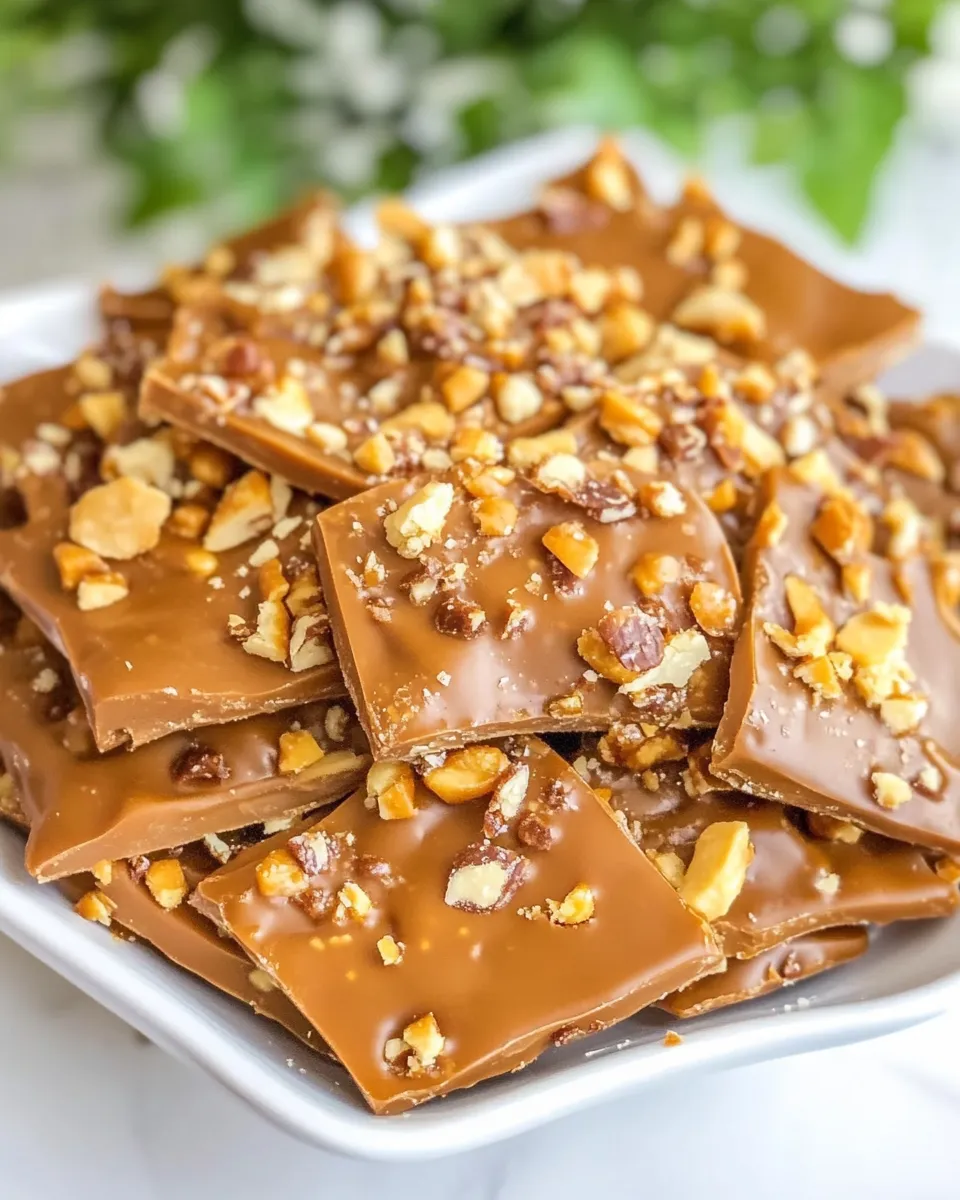
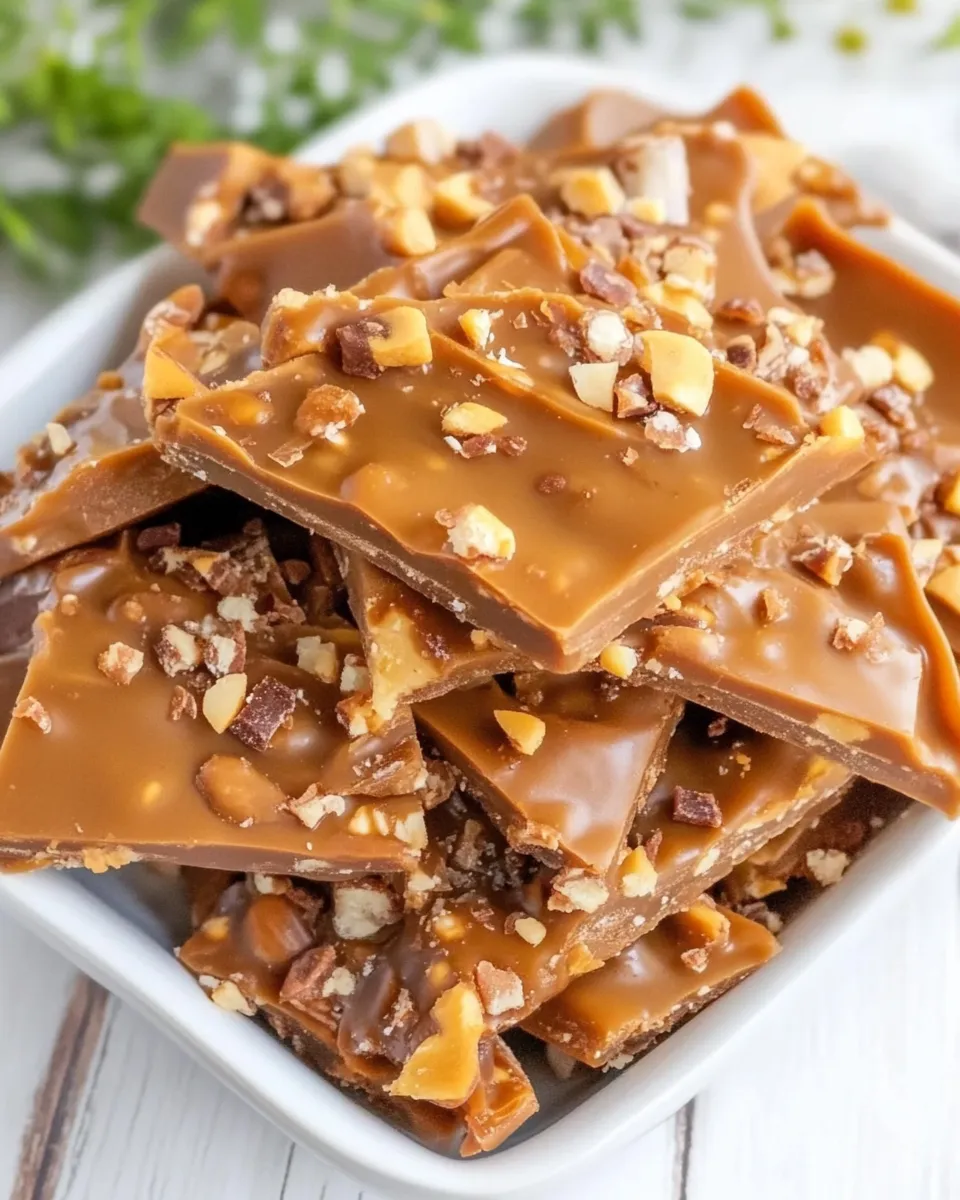
Rich, brittle toffee is one of those treats that feels fancier than it is. With just butter, sugar, vanilla, a pinch of salt, melted chocolate and pecans, you can make a buttery, snapping candy that keeps beautifully and makes an excellent gift or dessert plate addition.
This version is straightforward and forgiving if you follow the thermometer and timing. I’ll walk you through the exact steps, tools that help, common pitfalls, and simple swaps so you can make great toffee at home without drama.
What Goes Into Toffee Recipe
Ingredients
- 2 cups salted butter — provides the rich, buttery base and helps with smooth caramelization; use unsalted only if you want to control salt precisely.
- 2 cups sugar — the primary sweetener that caramelizes into toffee; granulated sugar is required for the correct texture.
- 2 teaspoons vanilla extract — adds depth and a warm, rounded flavor.
- ¼ teaspoon salt — balances sweetness and enhances the butter and vanilla notes.
- 2 cups milk chocolate chips — melts into a glossy chocolate layer atop the toffee; use milk chocolate chips as listed.
- ½ cup chopped pecans — provides crunch and a toasty finish; chop them small enough to adhere to the chocolate layer.
Step-by-Step: Toffee Recipe
Prep
Line a 17×12-inch jelly roll pan with parchment paper and set it on a heatproof surface. Measure all ingredients so they are within arm’s reach—candy-making moves quickly once you hit the boiling stage.
Cook the Toffee
- Place 2 cups salted butter, 2 cups sugar, 2 teaspoons vanilla extract, and ¼ teaspoon salt into a large, heavy-bottomed saucepan. Use a pan with thick walls to promote even heat and reduce scorching.
- Clamp a candy thermometer to the side of the saucepan so the tip sits in the mixture but doesn’t touch the bottom of the pan.
- Warm the mixture over medium heat, stirring occasionally, until the butter and sugar melt and the mixture is smooth.
- Once melted and smooth, start whisking constantly and bring the mixture to a boil. Keep the whisk moving to prevent hot spots and burning.
- Continue whisking while the mixture boils. Watch the thermometer and maintain a gentle boil until it reaches 290°F—the hard crack stage. This usually takes 10–15 minutes from when you begin boiling. The mixture will turn an amber-caramel color as it progresses.
Finish and Set
- When the mixture hits 290°F, remove the pan from the heat and immediately pour the hot toffee into the prepared jelly roll pan. Tilt the pan gently to spread the toffee into an even layer if needed.
- Let the poured toffee sit undisturbed for 1–2 minutes so the surface cools slightly but remains tacky.
- Sprinkle 2 cups milk chocolate chips evenly over the top. Wait 1 minute to allow the chips to soften from the heat, then use an offset spatula or rubber spatula to spread the melted chocolate into a smooth layer.
- Immediately sprinkle ½ cup chopped pecans over the warm chocolate so they adhere as it cools.
- Allow the toffee to sit at room temperature for about 2 hours to harden completely.
- Once set, use a thick, sharp knife to cut the toffee into pieces. If the chocolate cracks rather than cuts cleanly, let it sit a bit longer; very cold refrigeration can make cutting brittle pieces difficult.
Why Cooks Rave About It
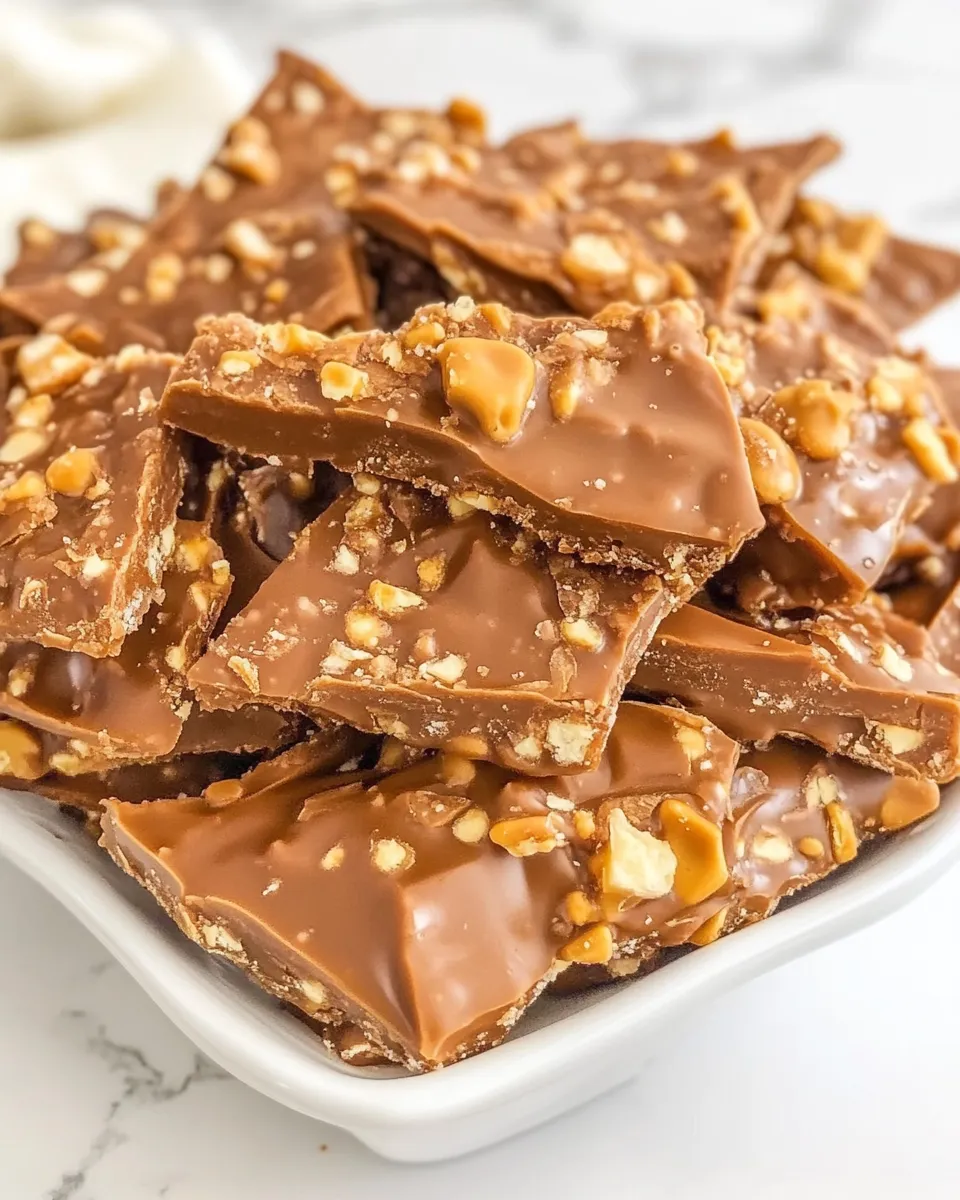
Toffee is a simple recipe that rewards precision: minimal ingredients, big payoff. The texture—firm, glass-like toffee with a creamy chocolate top and crunchy nuts—is addictive. It stores well and presents beautifully, which is why home bakers and pros alike keep a batch on hand for gifts and dessert boards.
It’s also flexible. Small ingredient tweaks and different nuts or chocolates let you create variations without changing technique. That reliability and room for creativity are why cooks keep returning to toffee.
International Equivalents
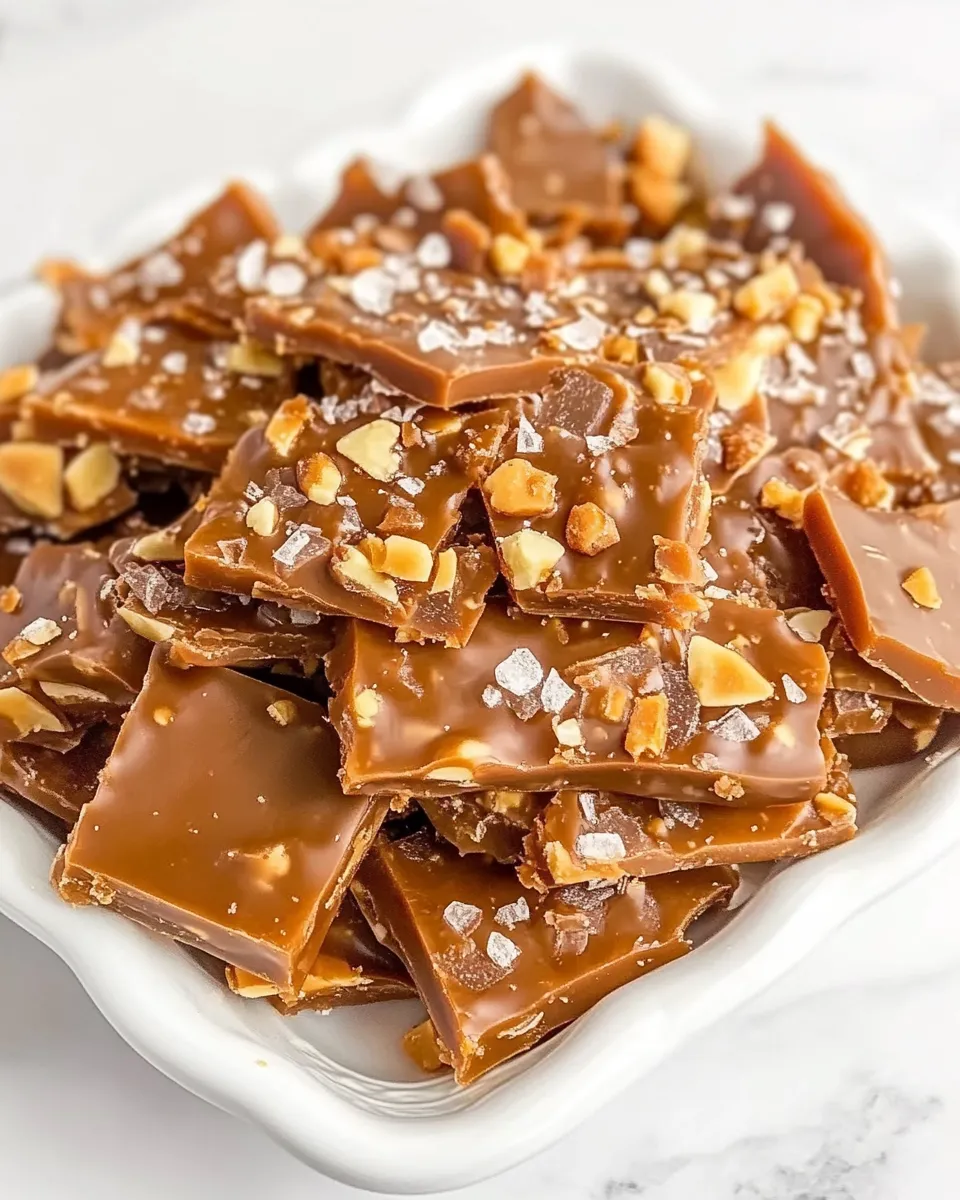
Toffee’s closest relatives around the world include English toffee, Scottish tablet (which is softer and grainier), and American buttercrunch (often topped with chocolate and nuts, like this recipe). In France, a similar cooked sugar confection is called “caramel dur” when it reaches firm stages. Ingredients and final textures vary, but the basic idea—sugar cooked to a high temperature—remains the same.
Cook’s Kit
- Large, heavy-bottomed saucepan — ensures even heat and reduces burning.
- Candy thermometer — critical to hit the 290°F (hard crack) stage precisely.
- 17×12-inch jelly roll pan + parchment paper — gives you the correct size and an easy release.
- Offset or rubber spatula — for spreading chocolate smoothly.
- Thick, sharp knife — for cleanly cutting the set toffee.
Mistakes That Ruin Toffee Recipe
- Not using a candy thermometer — guessing temperature is how batches go wrong; undercook and it will be sticky, overcook and it burns.
- Using a thin pan — thin pans create hot spots and scorched sugar.
- Walking away while boiling — the mixture needs constant attention and whisking once it boils.
- Pouring chocolate too soon or too late — if the chocolate is too hot it will blend into the toffee; too cool and it won’t spread and adhere smoothly.
- Cutting before fully set — you’ll get ragged pieces or shattering if it’s still warm.
Make It Fit Your Plan
Want milder chocolate? Swap milk chips for semi-sweet or dark chocolate where appropriate, keeping the same amount. Prefer different nuts? Almonds or hazelnuts work well and add distinct flavors. For a nut-free version, omit the pecans and sprinkle toasted coconut or sea salt instead. Keep in mind that changes to toppings won’t require adjustments to the cooking technique.
If You’re Curious
Why 290°F? That’s the hard crack stage where sugar forms a brittle structure. The temperature, not just color, determines texture. Also, salted butter is listed here for convenience and flavor balance; if you use unsalted butter, increase the added salt slightly to taste.
Keep It Fresh: Storage Guide
Store the toffee in an airtight container at room temperature. Layer pieces between parchment to avoid sticking. Properly stored, it keeps well for up to 2 weeks. If your kitchen is very warm, store in a cool, dry place but avoid refrigeration—moisture can make the chocolate bloom or the toffee turn sticky.
Common Questions
- Can I use unsalted butter? — Yes; add a pinch more salt if you prefer a balanced finish.
- What if my toffee is sticky? — It likely didn’t reach the hard crack (290°F). Return to the stove and bring back up carefully, watching the thermometer.
- Can I melt the chocolate in a microwave instead? — For this method, the toffee’s residual heat is used to melt the chips. If you prefer microwaving, melt separately and spread, but ensure the chocolate is warm, not hot.
- Why did my chocolate seize? — Seizing happens if water contaminates chocolate. Keep utensils and pans dry.
Before You Go
This toffee recipe delivers classic, buttery crunch with a smooth chocolate finish and nutty bite. Follow the thermometer, work methodically, and you’ll have a batch that looks like it came from a bakery. Make extra—this is one recipe people ask for again and again.

Toffee Recipe
Ingredients
- 2 cups salted butter
- 2 cups granulated sugar
- 2 teaspoons vanilla extract
- 1/4 teaspoon salt
- 2 cups milk chocolate chips
- 1/2 cup chopped pecans
Instructions
- Line a 17x12-inch jelly roll pan with parchment paper and set aside.
- Combine the butter, sugar, vanilla extract, and salt in a large, heavy-bottomed saucepan over medium heat; attach a candy thermometer to the pan.
- Stir until the butter and sugar melt and the mixture is smooth, then bring it to a boil, whisking constantly.
- Continue whisking as the mixture boils until it reaches 290°F (hard crack stage), about 10–15 minutes; the color should be amber-caramel.
- When it reaches the hard crack stage, immediately pour the hot toffee into the prepared pan and spread it evenly.
- Let the toffee sit 1–2 minutes, then sprinkle the milk chocolate chips evenly over the hot surface.
- After about 1 minute, when the chips have softened, spread the chocolate smoothly with an offset or rubber spatula and sprinkle the chopped pecans on top.
- Let the toffee cool at room temperature until fully hardened, about 2 hours, then cut into pieces with a thick, sharp knife.
Equipment
- 17x12-inch jelly roll pan
- Parchment Paper
- large heavy-bottomed saucepan
- candy thermometer
- Whisk
- offset or rubber spatula
- Sharp Knife
Notes
- Use a heavy-bottomed pan to prevent scorching.
- Clamp a candy thermometer to the pan to monitor temperature accurately.
- When testing in cold water, a dollop that snaps indicates hard crack stage.
- Work quickly when spreading chocolate, as it sets fast.