Saag Paneer
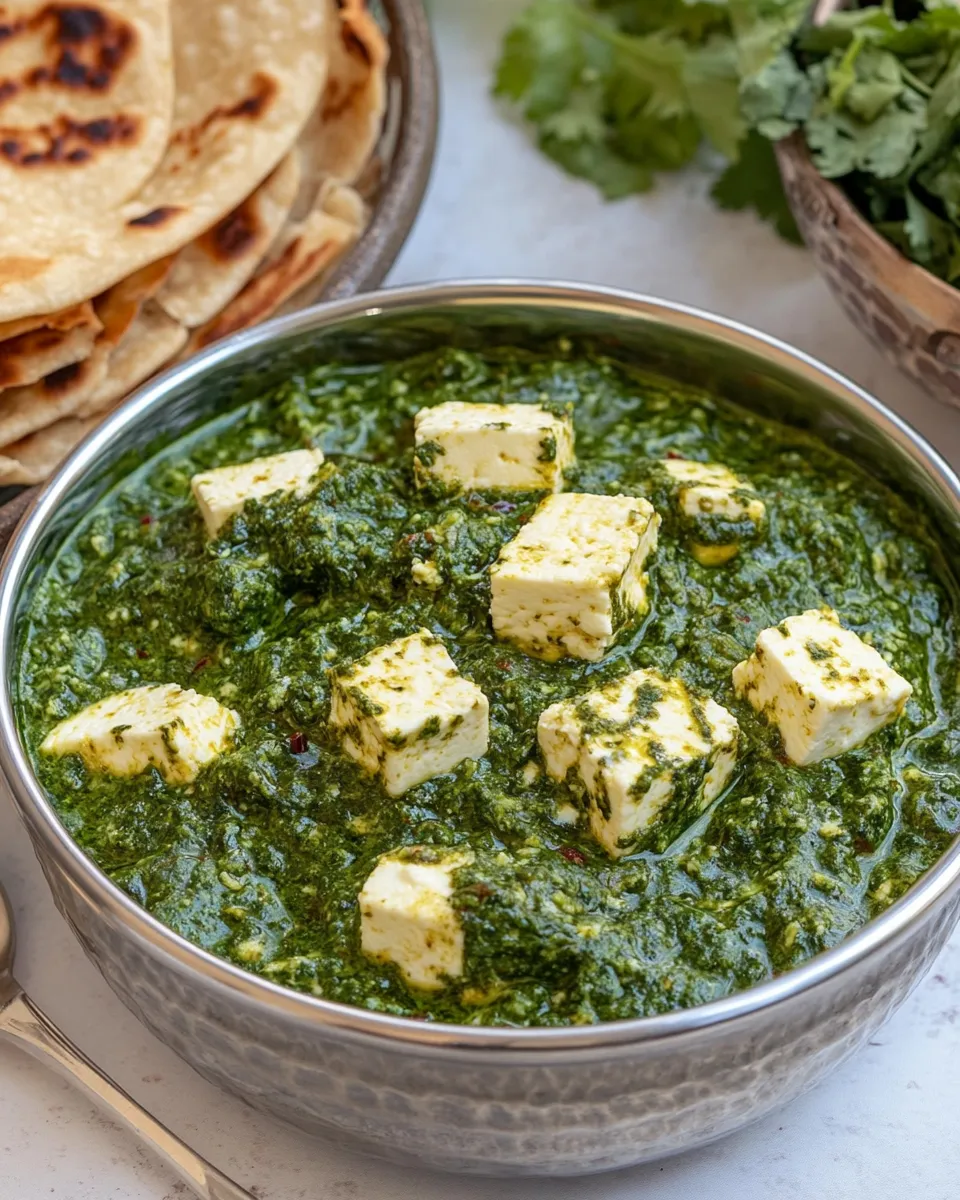
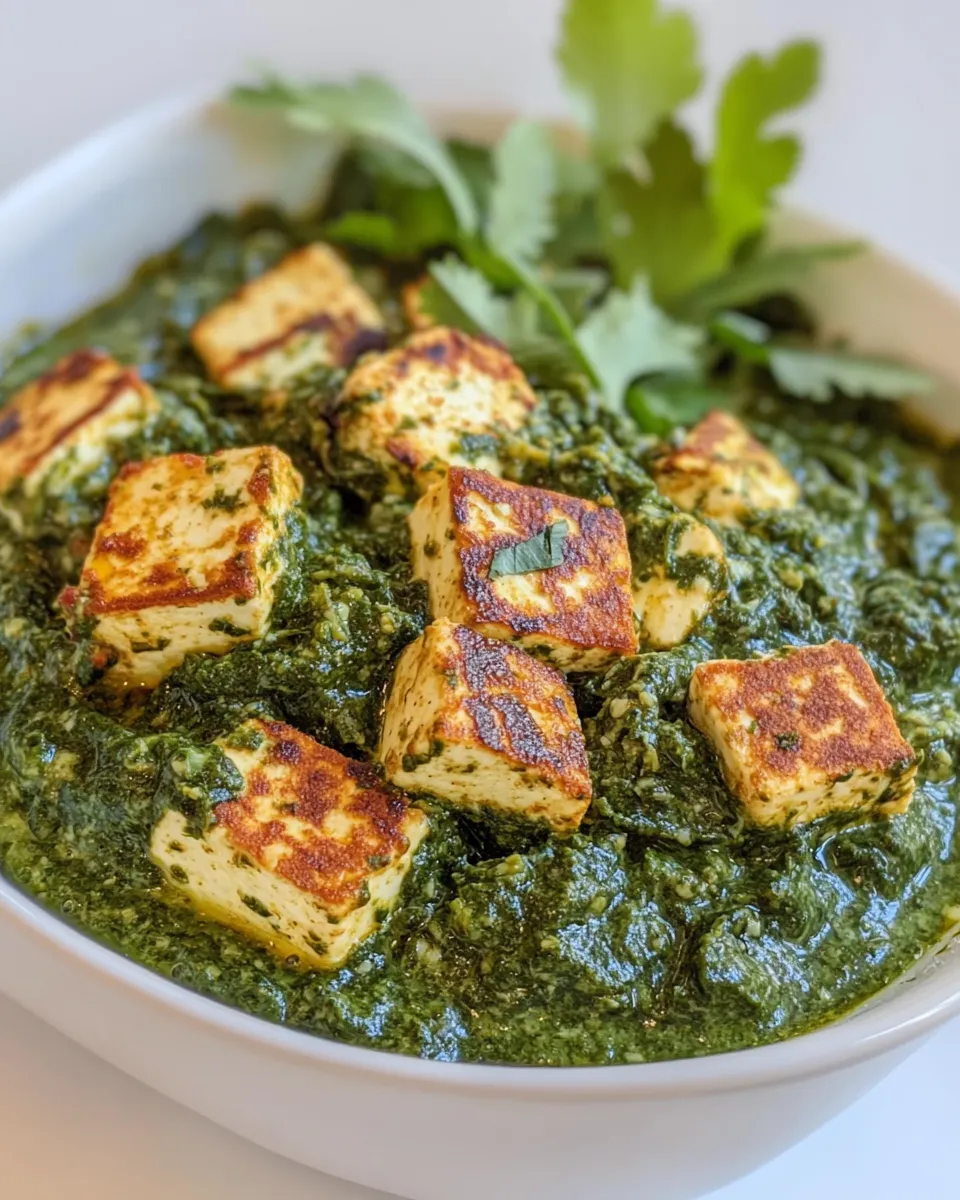
I make saag paneer all year long, and yet every time I scoop it into a bowl it feels like a small celebration. This version is straightforward: a bright, spiced spinach-collard base finished with cream and cubes of paneer. It’s reliable, comforting, and quick enough for a weeknight when you plan ahead.
You’ll get a punch of ginger and garlic up front, gentle heat from green chili and Kashmiri chile, and the warm, familiar notes of coriander and garam masala. The collard greens add a little chew and depth that plays nicely against the silky spinach. Paneer quietly anchors the dish with its mild richness.
The recipe is practical and adaptable: use avocado oil, ghee, or butter; choose heavy cream or full-fat coconut milk for a dairy-free finish; and blend the greens to the texture you like. Below I’ll walk you through ingredients, step-by-step instructions, troubleshooting, storage, and simple swaps so the dish turns out well every time.
What’s in the Bowl
Ingredients
- 2 Tbsp avocado oil — or ghee or butter; this is your cooking fat and flavor base.
- 1-inch nub ginger — peeled and finely minced; gives bright warmth and aroma.
- 2 large cloves garlic — minced; for savory depth.
- 1 green chili — finely chopped; adds fresh heat (adjust to taste).
- ¼ tsp asafetida (Hing) — a savory, onion-garlic substitute that lifts the spices.
- 1 cup yellow onion — finely chopped; provides sweetness and body when sautéed.
- 1 tsp coriander — ground; offers citrusy, nutty spice.
- 1 tsp garam masala — added with the onions to bloom and finish the dish.
- ¼ tsp ground turmeric — for color and a gentle earthy note.
- ½ tsp Kashmiri red chili powder — for color and mild heat; less aggressive than other chile powders.
- 8 ounces baby spinach — chopped; tender leaf for freshness and color.
- 8 ounces collard greens — stems removed and leaves chopped; gives structure and depth.
- ⅔ to 1 cup heavy cream — or full-fat coconut milk; used to finish and mellow the saag.
- 6 to 12 ounces paneer cheese — cut into cubes; the protein and texture contrast.
- 1 tsp sea salt — to taste; seasons the whole dish.
Mastering Saag Paneer: How-To
- Heat 2 tablespoons avocado oil (or ghee or butter) in a large, thick-bottomed pot, like a Dutch oven, over medium-high heat until shimmering.
- Add the 1-inch minced ginger, 2 large cloves minced garlic, 1 finely chopped green chili, and ¼ teaspoon asafetida. Sauté, stirring constantly, until fragrant, about 2 minutes. Watch so garlic doesn’t brown.
- Add 1 cup finely chopped yellow onion, 1 teaspoon ground coriander, 1 teaspoon garam masala, ¼ teaspoon ground turmeric, and ½ teaspoon Kashmiri red chili powder. Continue sautéing, stirring occasionally, until the onions and spices are very fragrant and the onions have softened, about 10 minutes. If the onions begin to brown, reduce the heat to medium.
- Pour in ⅔ to 1 cup heavy cream (or full-fat coconut milk) and stir to combine with the onion-spice mixture. The cream will help bring the flavors together and mellow the spices.
- Add the chopped greens in three batches: first add about one-third of the total chopped baby spinach and chopped collard greens, stir very well until the greens begin to wilt. Repeat with the second and third batches, allowing each batch to cook down a little so the pot doesn’t overflow.
- Once all the spinach and collard greens are in the pot, cover with a lid and let them steam for a few minutes to finish softening and collapse in the pot.
- After the greens have wilted, remove the pot from the heat and transfer the saag mixture to a blender or food processor, or use an immersion blender in the pot. Blend to your desired consistency—completely smooth, slightly textured, or somewhere in between.
- Return the blended saag to the pot over low to medium-low heat. Add the paneer cubes (6 to 12 ounces) and 1 teaspoon sea salt, stirring gently. Heat just a few minutes until the paneer is warmed through and the saag is hot. Taste and adjust salt or cream if needed.
- Serve hot with steamed white or brown rice and naan bread.
Why I Love This Recipe
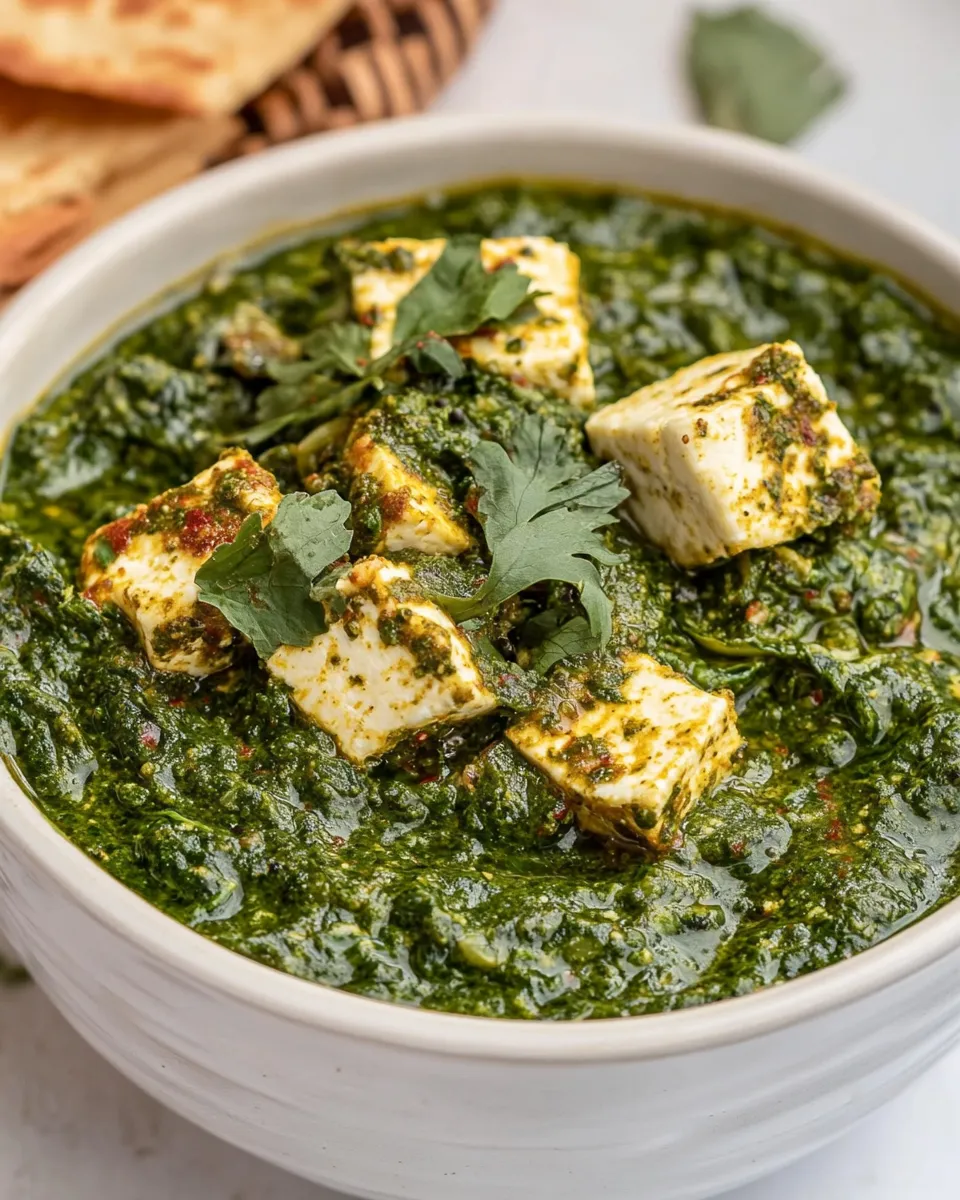
I appreciate how forgiving saag paneer is. The technique is simple: build flavor, add greens in batches, then blend. You can dial up the creaminess or reduce it for a lighter finish. Paneer is neutral but satisfying—hold it in cubes so you can get a bite of soft cheese with every spoonful of saag. This dish manages comfort and sophistication without complicated steps.
It’s also a great vehicle for pantry spices. A single teaspoon of garam masala and a half-teaspoon of Kashmiri chili deliver distinct Indian flavors without needing dozens of hard-to-find powders. Collards add a homey, leafy backbone that spinach alone doesn’t provide.
Finally, it’s flexible. Swap cream for coconut milk to make it vegan, or use ghee for a richer, traditional flavor. The method stays the same and the result is reliably delicious.
No-Store Runs Needed
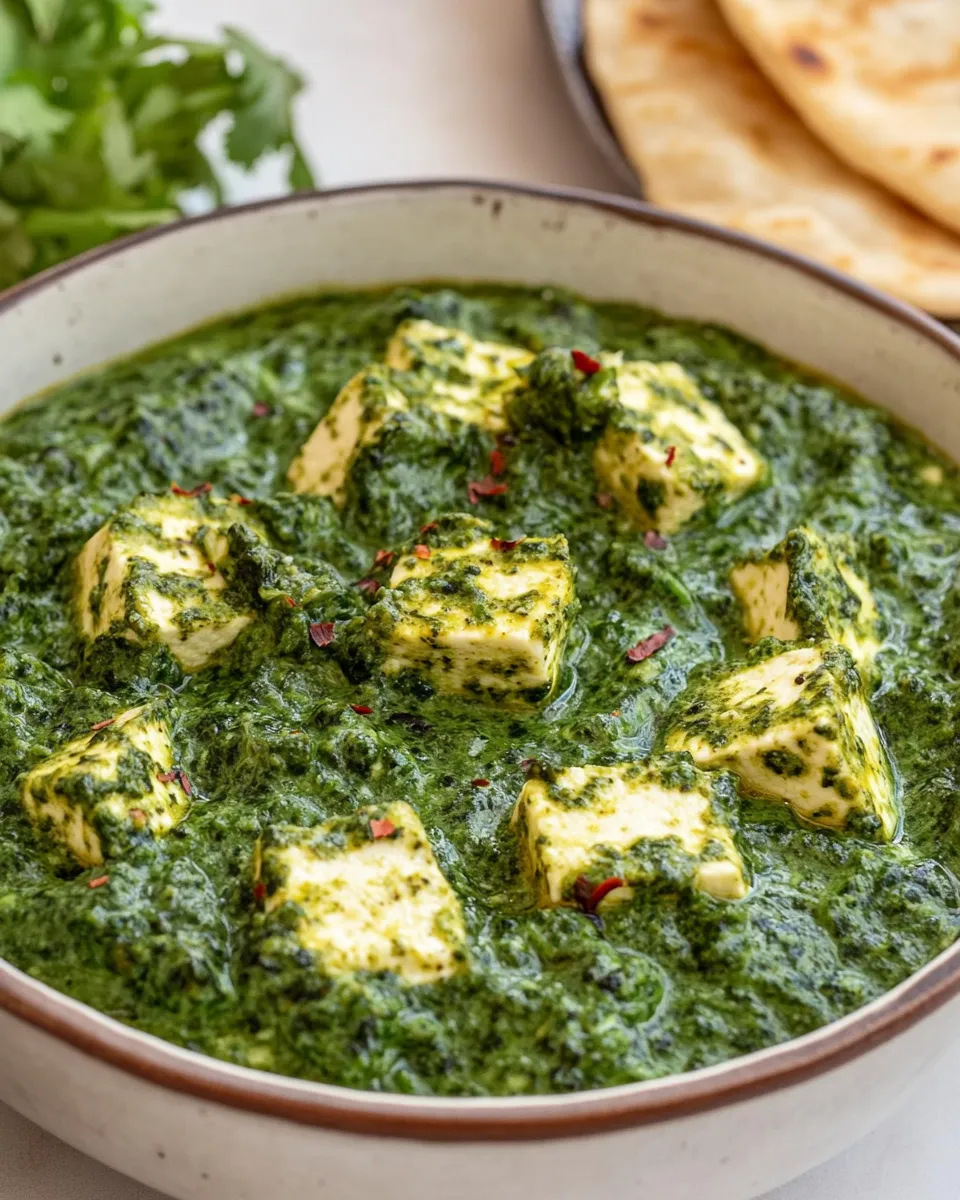
Here’s what you can use from a typical pantry to avoid an extra trip:
- Avocado oil, ghee, or butter — any neutral cooking fat works.
- Garlic and ginger — fresh is best but jarred minced can stand in if needed.
- Ground coriander, garam masala, turmeric, and Kashmiri red chili powder — these basic spices create the backbone; adjust quantities to taste.
- Frozen spinach if fresh isn’t available — thaw and squeeze excess water before adding; reduce initial cream slightly if it becomes too thin.
- Paneer can be substituted with firm tofu if you’re in a pinch (note: texture and flavor will shift).
Essential Tools for Success
- Large, thick-bottomed pot or Dutch oven — prevents scorching and gives space to cook down greens.
- Sharp knife and cutting board — for fine mincing of ginger, garlic, and chili.
- Immersion blender or countertop blender/food processor — to puree the saag to your preferred texture.
- Lid for the pot — helps steam the greens so they cook evenly.
- Slotted spoon or spatula — to gently fold in paneer cubes without breaking them.
Mistakes Even Pros Make
- Overcrowding the pot with raw greens — add them in batches so they wilt properly and don’t steam unevenly.
- Skipping the longer sauté of onions and spices — that 8–10 minutes to really bloom the spices is where depth comes from.
- Blending the saag while it’s extremely hot in a sealed blender — this can be dangerous; vent, pulse slowly, or use an immersion blender instead.
- Using too much cream up front — add the lower amount first (⅔ cup), then increase to 1 cup if you want a richer finish.
- Letting the garlic brown too much — it burns quickly and turns bitter; keep heat moderate when garlic is present.
Variations for Dietary Needs
- Vegan: Use full-fat coconut milk instead of heavy cream and replace paneer with firm tofu cubes (press and lightly pan-fry if you like chew).
- Lower-fat: Use ⅔ cup cream only and add a tablespoon of yogurt at serving to mimic tang without too much richness.
- Spice level: Omit the green chili and reduce Kashmiri red chili powder to ¼ teaspoon for a mild version.
- Extra greens: Increase collard greens for a heartier, more fibrous texture; you may need an extra splash of cream or water when blending.
Chef’s Notes
– Chop the greens uniformly so they cook at the same rate. Collards need a little more chopping than spinach.
– If you prefer a chunkier saag, pulse briefly in the blender or skip the blender and just chop the cooked greens with a knife.
– Paneer amount is flexible: 6 ounces makes it feel more like a green curry; 12 ounces gives a more substantial, cheesier bite.
– Taste for salt at the end. The cream and paneer can mute seasoning, so adjust before serving.
Storage Pro Tips
- Refrigerate: Cool to room temperature, then store in an airtight container for up to 3–4 days.
- Freeze: Saag stores well frozen for up to 3 months. Freeze in portion-sized containers, leaving some headroom for expansion.
- Reheating: Gently reheat on the stovetop over low heat. If frozen, thaw overnight in the fridge first. Add a splash of cream or water while reheating if the saag thickened too much.
- Paneer texture: Paneer will firm up when chilled. Warm gently to soften; avoid prolonged high heat to prevent rubberiness.
Saag Paneer FAQs
- Can I use only spinach? Yes. You’ll get a smoother, milder saag. Collards add body and a slightly rustic flavor, so include them if you want more texture.
- How spicy is this? Mild to medium by default—green chili and Kashmiri powder add warmth, not overpowering heat. Reduce or omit the chili for less heat.
- Can I make this ahead? Yes. The flavors meld well; reheat gently and add a splash of cream if needed.
- Where to buy paneer? Look in Indian grocers, many supermarkets, or make quick homemade paneer if you prefer.
Bring It Home
Serve Saag Paneer with steaming basmati rice or warm naan and a simple cucumber raita or pickled onions to cut through the richness. Leftovers make a great lunch—spoon over toasted bread, toss with pasta, or use as a filling for wraps. The recipe is straightforward but generous in flavor, and with the tips above you’ll get consistent results every time. Enjoy—this is one of those dishes that rewards the care you put into building the flavors at the start.
Saag Paneer
Ingredients
- 2 Tbsp avocado oil or ghee or butter
- 1 inch ginger peeled and finely minced
- 2 large garlic cloves minced
- 1 green chili finely chopped
- 1/4 tsp asafetida (hing)
- 1 cup yellow onion finely chopped
- 1 tsp ground coriander
- 1 tsp garam masala
- 1/4 tsp ground turmeric
- 1/2 tsp Kashmiri red chili powder
- 8 oz baby spinach chopped
- 8 oz collard greens stems removed and leaves chopped
- 2/3 to 1 cup heavy cream or full-fat coconut milk
- 6 to 12 oz paneer cheese cut into cubes
- 1 tsp sea salt or to taste
Instructions
- Heat the oil, ghee, or butter in a large heavy-bottomed pot or Dutch oven over medium-high heat.
- Add the minced ginger, garlic, chopped green chili, and asafetida; sauté, stirring constantly, until fragrant, about 2 minutes.
- Stir in the chopped onion, ground coriander, garam masala, turmeric, and Kashmiri red chili powder; continue to sauté, stirring occasionally, until the onion is very fragrant and softened, about 8–10 minutes. Reduce heat if the onion begins to brown.
- Pour in the cream or coconut milk and stir to combine.
- Add the chopped spinach in three batches, stirring well after each addition so the greens wilt before adding more; once all spinach is added, add the chopped collard greens and cover for a few minutes to help them soften.
- When the greens are wilted and tender, transfer the mixture to a blender, food processor, or use an immersion blender, and blend to your desired consistency.
- Return the blended saag to the pot, add the cubed paneer, and heat gently for a few minutes until the paneer is warmed through and the flavors meld; adjust salt to taste.
- Serve hot with steamed rice or naan.
Equipment
- large heavy-bottomed pot or Dutch oven
- Knife and cutting board
- spatula or wooden spoon
- blender, food processor, or immersion blender
- Measuring spoons
- measuring cups
Notes
- Use 16 ounces of baby spinach alone if you prefer not to mix greens.
- Substitute buttermilk or a mix of water and a little cream if you want less richness.
- You can use part Greek yogurt and part cream as an alternative.
- If using frozen spinach, reduce the added liquid as needed.