Please share this post with your friends 🤗
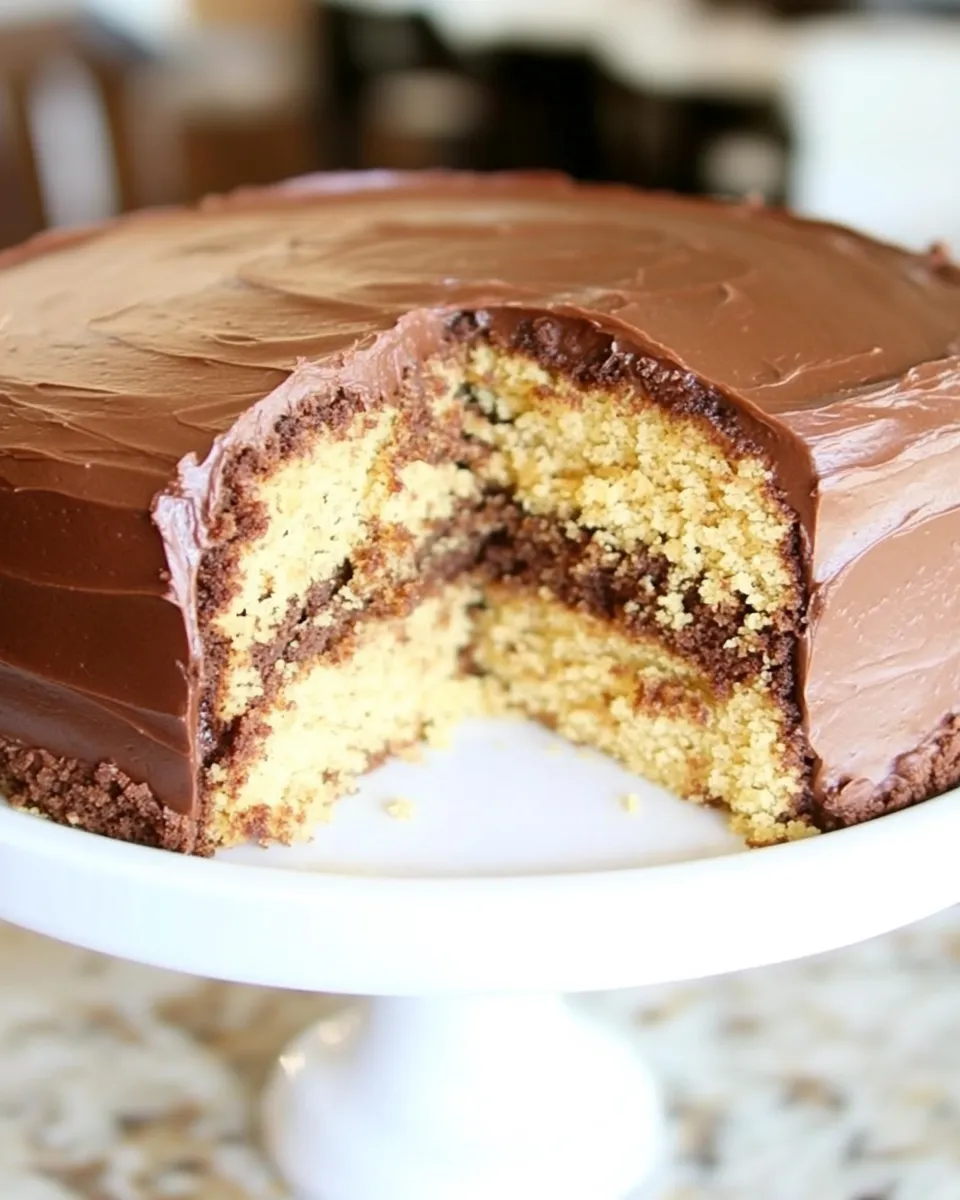
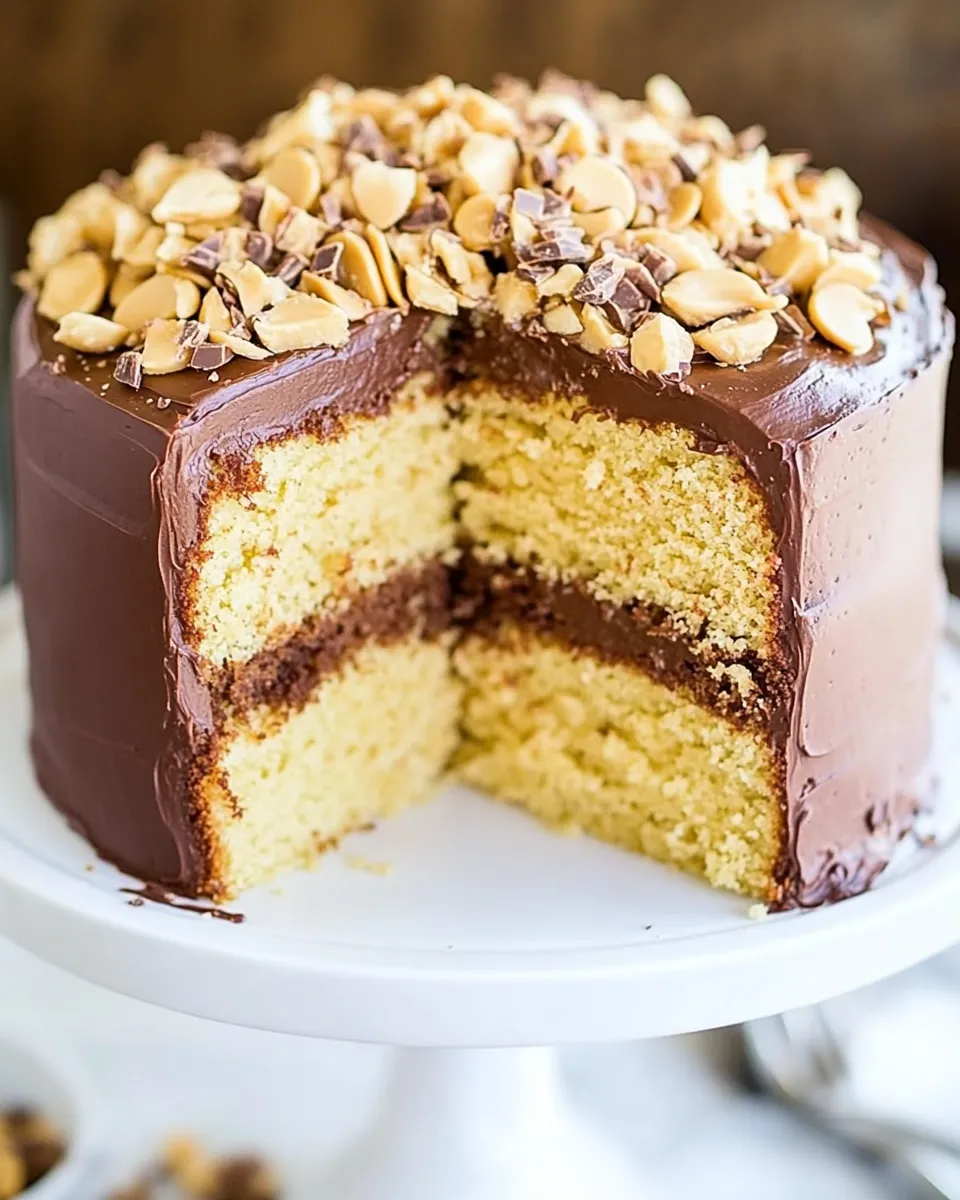
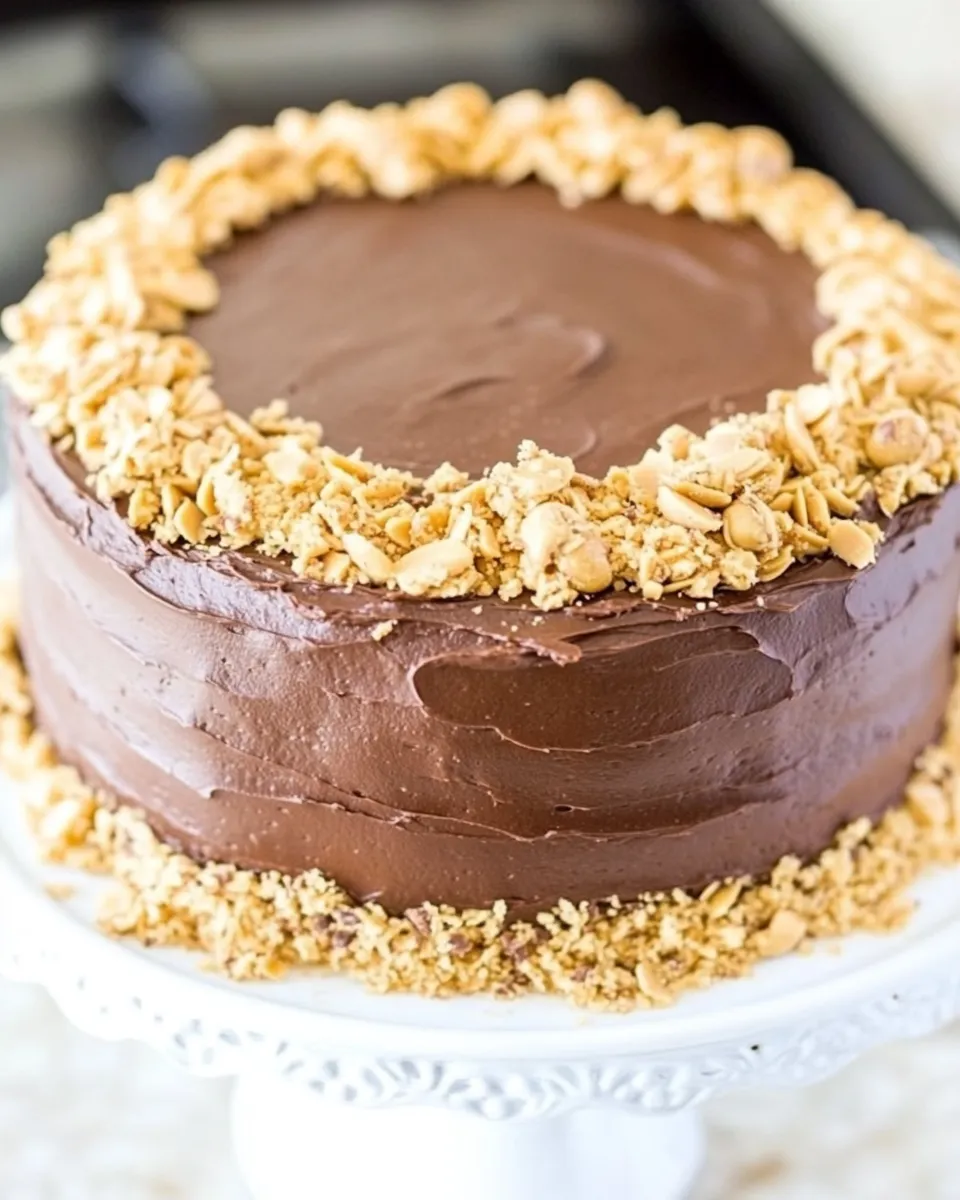
I know a good cake when I taste one, and this Peanut Butter Layer Cake with Chocolate Frosting is that kind of cake: comforting peanut butter in the crumb, a rich chocolate frosting with a malty lift from Ovaltine, and a crunchy ring of honey-roasted peanuts around the sides. It’s approachable to make at home and reads like a celebration cake without being fussy.
I’ll walk you through everything you need: a precise shopping list, step-by-step instructions that match the ingredient amounts, equipment, troubleshooting notes, and sensible storage advice. No unnecessary steps, just practical guidance so your bake comes out tender, well-crumbed, and beautifully frosted.
Shopping List
All-purpose flour (2¼ cups / 281.25g) — the structure of the cake.
Baking powder (2 teaspoons) — primary leavening for lift.
Baking soda (1 teaspoon) — balances acidity and helps rise.
Salt (½ teaspoon) — rounds flavor.
Creamy peanut butter (¾ cup / 193.5g) — the main peanut flavor and fat.
Unsalted butter, room temperature (6 tablespoons for cake + 1½ cups / 340.5g for frosting) — richness and texture (note quantities are split between cake and frosting).
Granulated sugar (½ cup / 100g) — sweetens and tenderizes the cake.
Light brown sugar (½ cup / 110g) — adds moisture and depth of flavor.
Eggs (3) — structure and richness.
Buttermilk (1 cup / 240ml + 2 tablespoons) — acid + moisture for tender crumb.
Unsweetened cocoa powder (1 cup / 86g) — primary chocolate flavor in the frosting.
Salt for frosting (¾ teaspoon) — balances the sweetness of the frosting.
Powdered sugar (4 cups / 480g) — sweetens and structures the frosting.
Vanilla extract (2 teaspoons) — flavor bridge between peanut and chocolate.
Whole milk (¼ cup / 61ml) — thins the frosting to spreadable consistency.
Heavy cream (¾ cup / 178.5ml) — whipped with Ovaltine to finish the frosting texture.
Chocolate Ovaltine (⅔ cup / 83.33g) — malty chocolate note in the frosting.
Honey roasted peanuts, chopped — garnish to press into the sides for crunch and appearance.
Peanut Butter Layer Cake with Chocolate Frosting: How It’s Done
Make the cake
Preheat your oven to 350°F (176°C). Grease and flour two 9-inch round cake pans and set them aside.
In a medium bowl, whisk together 2¼ cups (281.25g) all-purpose flour, 2 teaspoons baking powder, 1 teaspoon baking soda, and ½ teaspoon salt until evenly combined.
In the bowl of an electric mixer, combine ¾ cup (193.5g) creamy peanut butter, 6 tablespoons unsalted butter (room temperature), ½ cup (100g) granulated sugar, and ½ cup (110g) light brown sugar. Beat on medium speed for about 4 minutes until the mixture is light and fluffy, scraping down the bowl as needed.
Add the 3 eggs one at a time, beating each for 1 minute and scraping the sides of the bowl before adding the next egg so the batter stays uniform.
Reduce mixer speed to low. Add half of the dry flour mixture, then slowly pour in all of the buttermilk (1 cup / 240ml plus 2 tablespoons). When the batter begins to come together, add the remaining flour mixture and beat on low just until combined.
Use a rubber spatula to finish mixing: fold and scrape the bowl to remove any pockets of dry flour and ensure an even batter.
Divide the batter evenly between the two prepared 9-inch pans. Smooth the tops gently with an offset spatula or the back of a spoon.
Bake until a toothpick inserted into the center of each cake comes out clean, about 15 to 25 minutes (start checking at 15 minutes). Bake time varies by oven—look for lightly springy tops and edges pulling slightly from the pan.
Place the pans on a wire rack and cool for 10 minutes. Then run a knife around the edges, invert the cakes out of the pans, and allow them to cool completely on the wire rack before frosting.
Make the frosting
In the mixer with the whisk attachment, whip 1½ cups (340.5g) unsalted butter (room temperature) on medium-high speed for about 5 minutes until light and smooth.
Add 1 cup (86g) unsweetened cocoa powder and ¾ teaspoon salt. Beat at medium speed until fully creamed into the butter; the mixture will be thick.
Scrape down the sides and bottom of the bowl. Add 4 cups (480g) powdered sugar and mix on low while adding ¼ cup (61ml) whole milk and 2 teaspoons vanilla extract. Gradually increase the mixer to medium and beat for 1 minute.
In a 2-cup measuring cup or small bowl, stir together ¾ cup (178.5ml) heavy cream and ⅔ cup (83.33g) chocolate Ovaltine until evenly combined.
With the mixer running on medium speed, slowly pour half of the Ovaltine-cream mixture into the frosting in a steady stream. Once incorporated, stop and scrape down the bowl.
If the frosting is too stiff, add a little more of the Ovaltine-cream mixture a small amount at a time until you reach a spreadable consistency. For this cake, avoid adding much more than that additional half or the frosting may become too soft.
When the desired consistency is reached, turn the mixer to medium-high and whip for 30 seconds to lighten the frosting.
Assemble the cake
Place one cooled cake layer on a serving platter. Spread 2 cups of the frosting over the top, smoothing it evenly to the edges.
Set the second cake layer on top. Use the remaining frosting to cover the top and sides of the cake.
Press chopped honey-roasted peanuts into the frosting around the sides of the cake for garnish and texture.
Any leftovers should be stored in an airtight container at room temperature for up to 3 days.
Why This Recipe Works
This recipe balances fat and moisture: peanut butter plus butter keeps the crumb tender while buttermilk adds acidity and tang to cut the richness. The combination of granulated and brown sugar helps both lift and molasses-like depth. The frosting uses a lot of butter and powdered sugar for stability, while the Ovaltine-heavy cream mix gives a malty, chocolate lift that prevents the chocolate from tasting flat. Pressing peanuts into the sides adds needed texture and visual contrast.
Vegan & Vegetarian Swaps
This recipe is vegetarian as written. For vegan adaptation you’ll need several swaps:
Replace eggs with a commercial egg replacer equivalent or 3 tablespoons ground flaxseed mixed with 9 tablespoons water (refrigerate 10 minutes until gelled) — this will change structure slightly.
Use vegan butter and a plant-based milk soured with 1 tablespoon lemon juice to mimic buttermilk (measure 1 cup + 2 tablespoons plant milk and add acid).
Substitute powdered sugar only if it’s certified vegan and use a vegan malt powder for the Ovaltine swap.
Note: Frosting texture and bake times may shift; expect denser crumb and slightly different mouthfeel.
Before You Start: Equipment
Two 9-inch round cake pans, greased and floured.
Electric mixer (stand or hand) with paddle and whisk attachments.
Mixing bowls: one medium for dry ingredients and one for creaming.
Rubber spatula and offset spatula for smoothing batter and frosting.
Wire rack for cooling cakes.
2-cup measuring cup or small bowl for mixing the heavy cream and Ovaltine.
Don’t Do This
Don’t skip scraping the bowl between additions — uneven mixing yields pockets of flour or butter.
Don’t frost warm cakes. Frosting a hot cake will melt it and cause sliding layers.
Don’t add all the Ovaltine-cream mixture at once. Too much will over-soften the frosting.
Don’t overbake — 15–25 minutes is the window; check early to avoid dryness.
Make It Fit Your Plan
Make ahead: bake the layers a day in advance, wrap tightly and store at room temperature. Frost the next day.
Scale down: batter splits well between two 9-inch pans; to make a sheet cake, expect shorter bake times and measure carefully.
For less sweetness: reduce powdered sugar by ½ cup and increase cocoa by a tablespoon to maintain balance, but beware of altering frosting stability.
Little Things that Matter
Room-temperature ingredients combine more smoothly; let butter and eggs sit out for 30–60 minutes if refrigerated.
When measuring flour, spoon it into the cup then level it off. Scooping directly can pack too much flour and make a dry cake.
Let the cakes cool fully before frosting — a warm cake will melt butter in the frosting and create a greasy finish.
Chop peanuts to bite-size pieces so they press evenly into the sides without weighing the frosting down.
Store, Freeze & Reheat
Store: Keep the frosted cake in an airtight cake carrier or covered with a dome at room temperature for up to 3 days. Refrigeration will firm the frosting but can dry the cake; if refrigerated, bring to room temperature before serving for best texture.
Freeze: To freeze, wrap unfrosted cooled layers tightly in plastic wrap and foil. Freeze up to 2 months. Thaw in the refrigerator overnight, then bring to room temperature before frosting.
Reheat: This cake is best served at room temperature. If you prefer a slightly warm slice, microwave a single piece for 8–12 seconds — watch closely to avoid softening the frosting too much.
Common Questions
Q: Can I use crunchy peanut butter? — A: Crunchy will add texture but may change batter mouthfeel; creamy yields a smoother crumb.
Q: My frosting is grainy after adding powdered sugar. Why? — A: Make sure the butter is well-whipped and at room temperature before adding sugar. Sift powdered sugar if humidity is high.
Q: Cake collapsed in the middle. What happened? — A: Underbaking or opening the oven door too early can cause collapse. Also check that your leavening is fresh.
Q: Can I omit the Ovaltine? — A: Yes; you can use additional cocoa in the cream or a tablespoon of instant espresso for depth. Ovaltine adds a distinct malt-chocolate flavor that’s worth keeping if possible.
Serve & Enjoy
Bring the cake to room temperature before serving so the frosting is soft but not melty and the crumb feels tender. Slice with a sharp knife warmed briefly under hot water and dried — wipe between cuts for clean slices. Serve with espresso or cold milk to complement the peanut-chocolate combo. Leftovers make fantastic midday treats or dessert with a scoop of vanilla ice cream. Enjoy — this one’s built for sharing.
Peanut Butter Layer Cake with Chocolate Frosting
A rich peanut butter layer cake filled and covered with a chocolate Ovaltine buttercream and finished with chopped honey roasted peanuts.
Prep Time30 minutes mins
Cook Time20 minutes mins
Total Time50 minutes mins
Servings: 10 servings
- 2 1/4 cups all-purpose flour 281.25 g
- 2 teaspoons baking powder
- 1 teaspoon baking soda
- 1/2 teaspoon salt 0.5 teaspoon
- 3/4 cup creamy peanut butter 193.5 g
- 6 tablespoons unsalted butter at room temperature
- 1/2 cup granulated sugar 100 g
- 1/2 cup light brown sugar 110 g
- 3 eggs
- 1 cup buttermilk plus 2 tablespoons (240 ml + 2 tbsp)
- 1 1/2 cups unsalted butter 340.5 g, at room temperature (for frosting)
- 1 cup unsweetened cocoa powder 86 g
- 3/4 teaspoon salt 0.75 teaspoon (for frosting)
- 4 cups powdered sugar 480 g
- 2 teaspoons vanilla extract
- 1/4 cup whole milk 61 ml
- 3/4 cup heavy cream 178.5 ml
- 2/3 cup chocolate Ovaltine 83.33 g
- honey roasted peanuts chopped, to garnish
Preheat the oven to 350°F (175°C). Grease and flour two 9-inch round cake pans and set aside.
In a medium bowl, whisk together the all-purpose flour, baking powder, baking soda, and 1/2 teaspoon salt until combined.
In the bowl of an electric mixer, beat 3/4 cup creamy peanut butter, 6 tablespoons unsalted butter, 1/2 cup granulated sugar, and 1/2 cup light brown sugar on medium speed until light and fluffy, about 4 minutes, scraping the bowl as needed.
Add the eggs one at a time, beating for 1 minute after each addition and scraping down the sides before the next egg.
Reduce mixer speed to low and add half of the flour mixture. Slowly pour in all of the buttermilk (1 cup plus 2 tablespoons). When the batter begins to come together, add the remaining flour mixture and mix on low just until combined. Finish folding with a rubber spatula to remove any pockets of flour.
Divide the batter evenly between the prepared pans and bake until a toothpick inserted in the center comes out clean, about 15 to 25 minutes. Cool in the pans on a wire rack for 10 minutes, then turn out onto the rack and cool completely before frosting.
To make the frosting, beat 1 1/2 cups (340.5 g) unsalted butter in the mixer with the whisk attachment on medium-high for 5 minutes until light and smooth. Add 1 cup unsweetened cocoa powder and 3/4 teaspoon salt and beat on medium until well combined and thick.
Add the 4 cups powdered sugar while mixing on low, and add 1/4 cup whole milk and 2 teaspoons vanilla extract. Increase speed to medium and beat for 1 minute.
Stir together 3/4 cup heavy cream and 2/3 cup chocolate Ovaltine in a measuring cup or small bowl. With the mixer on medium, slowly pour about half of this mixture into the frosting in a steady stream. If the frosting is still too stiff, add additional Ovaltine-cream a little at a time until you reach the desired consistency—do not add much more than half for stability.
Once the frosting is at the desired consistency, increase the mixer to medium-high and whip for 30 seconds.
Assemble the cake by placing one cake layer on a serving platter and spreading with 2 cups of frosting. Top with the second layer and use the remaining frosting to cover the top and sides. Press chopped honey roasted peanuts into the sides of the frosted cake as garnish.
Two 9-inch round cake pans
Electric Mixer
Mixing bowls
rubber spatula
Wire Rack
2-cup measuring cup or small bowl
Measuring cups and spoons
- Nutritional values are based on one serving.
Please share this post with your friends 🤗