Please share this post with your friends 🤗
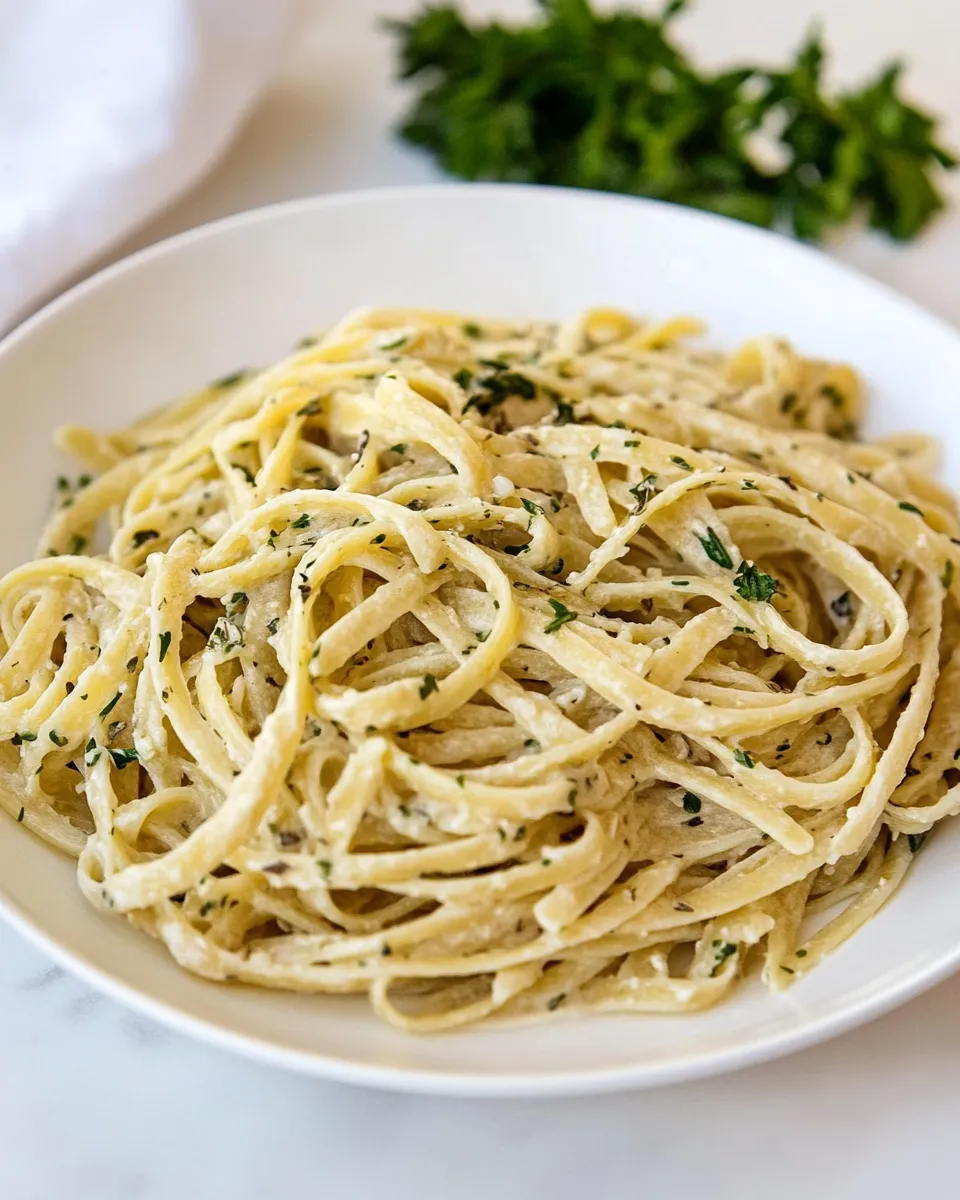
I love recipes that feel indulgent but are deceptively simple. This No Cream Italian Herb Pasta delivers that comfort without heavy dairy—just good pasta, fragrant herb oil, and a clever boost from vegetable stock. It’s the kind of dish I make on weeknights when I want something fast, flavorful, and forgiving.
You’ll lean on pantry staples and a little technique: reserve starchy pasta water, bloom herbs in oil, and let the stock cubes melt into the sauce for body and savory depth. The result is a silky, herb-forward coating that clings to the pasta without any cream at all.
This post gives you a clear shopping list, step-by-step instructions, gear notes, and tips to avoid common mistakes. Read through the whole piece once, then cook—this one moves quickly but rewards attention.
Shopping List
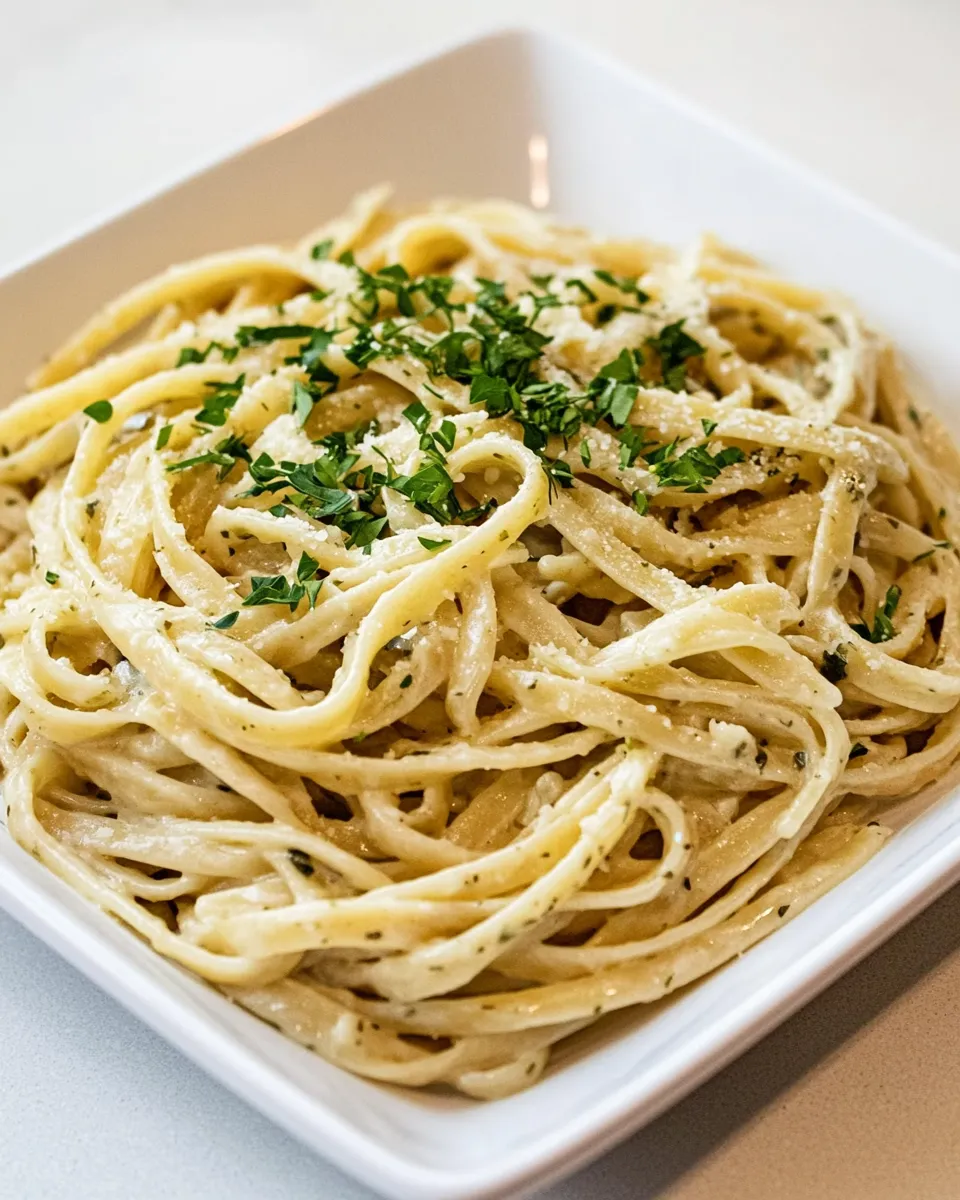
12 oz long pasta — choose spaghetti, linguine, or bucatini; long shapes hold the herb oil well.
salt — for heavily salting the pasta water; it’s your primary seasoning.
3 tablespoons olive oil — good-quality extra-virgin for flavor; this is the base of the sauce.
2 tablespoons dried Italian herbs — oregano/basil/thyme blend; infuses the oil with classic Italian aroma.
2 vegetable stock cubes — dissolved into the hot herb oil to add savory body without cream.
No Cream Italian Herb Pasta: Step-by-Step Guide
1. Bring water to a rapid boil. Use a large pot so the pasta moves freely. Fill it with plenty of water and heat until rolling boil.
2. Salt generously, then add the pasta. Add a good handful of salt to the boiling water, then add 12 oz long pasta. Stir immediately to prevent sticking.
3. Start timing the cook. Stir and set your timer for 2 minutes less than the package’s suggested time (to finish the pasta in the sauce).
4. Warm the oil and herbs. While the pasta cooks, pour 3 tablespoons olive oil and 2 tablespoons dried Italian herbs into a small pan. Place over low heat.
5. Heat gently until the oil shimmers. Watch for the oil to become fragrant and slightly shimmering—don’t let it smoke. Then turn off the heat.
6. Crumble in the stock cubes. Add 2 vegetable stock cubes to the warm herb oil and stir until they dissolve into a concentrated, aromatic mixture. Leave the pan off the heat while the pasta finishes.
7. Reserve pasta cooking water. Before draining, use a large measuring cup or jug to scoop out 2 cups of the starchy pasta water and set aside.
8. Drain the pasta. Drain the pasta in a colander and return it to the empty cooking pot (off the heat).
9. Combine pasta and herb oil. Tip the prepared olive oil and herb-stock mixture over the hot pasta in the pot.
10. Rinse the oil pan into the pasta. Pour 1 cup of the reserved pasta water into the small pan you used for the oil to rinse out any remaining herbs and stock; then add that liquid to the pasta.
11. Heat and finish the sauce. Place the pot over medium heat and stir gently to emulsify the oil and water with the pasta. If the sauce seems dry, add an additional 1/4 to 1/2 cup of the reserved pasta water as needed. The goal is a thin, glossy coating that clings to each strand.
12. Taste and season. Once the water is absorbed and the pasta is evenly coated, check for seasoning and add salt if needed. Serve immediately.
Why This Recipe is a Keeper
This dish proves you don’t need cream or cheese to make a silky, satisfying pasta. The olive oil and starchy water create an emulsion that coats the pasta beautifully, while the dissolved vegetable stock gives savory depth. It’s fast, pantry-friendly, and flexible enough to dress up with whatever you have on hand.
It’s also beginner-proof. Timing is forgiving—you pull the pasta a touch early and finish it in the sauce—so you’ll avoid overcooking. The technique of reserving pasta water and emulsifying oil into it is a small step with a big payoff.
Ingredient Flex Options
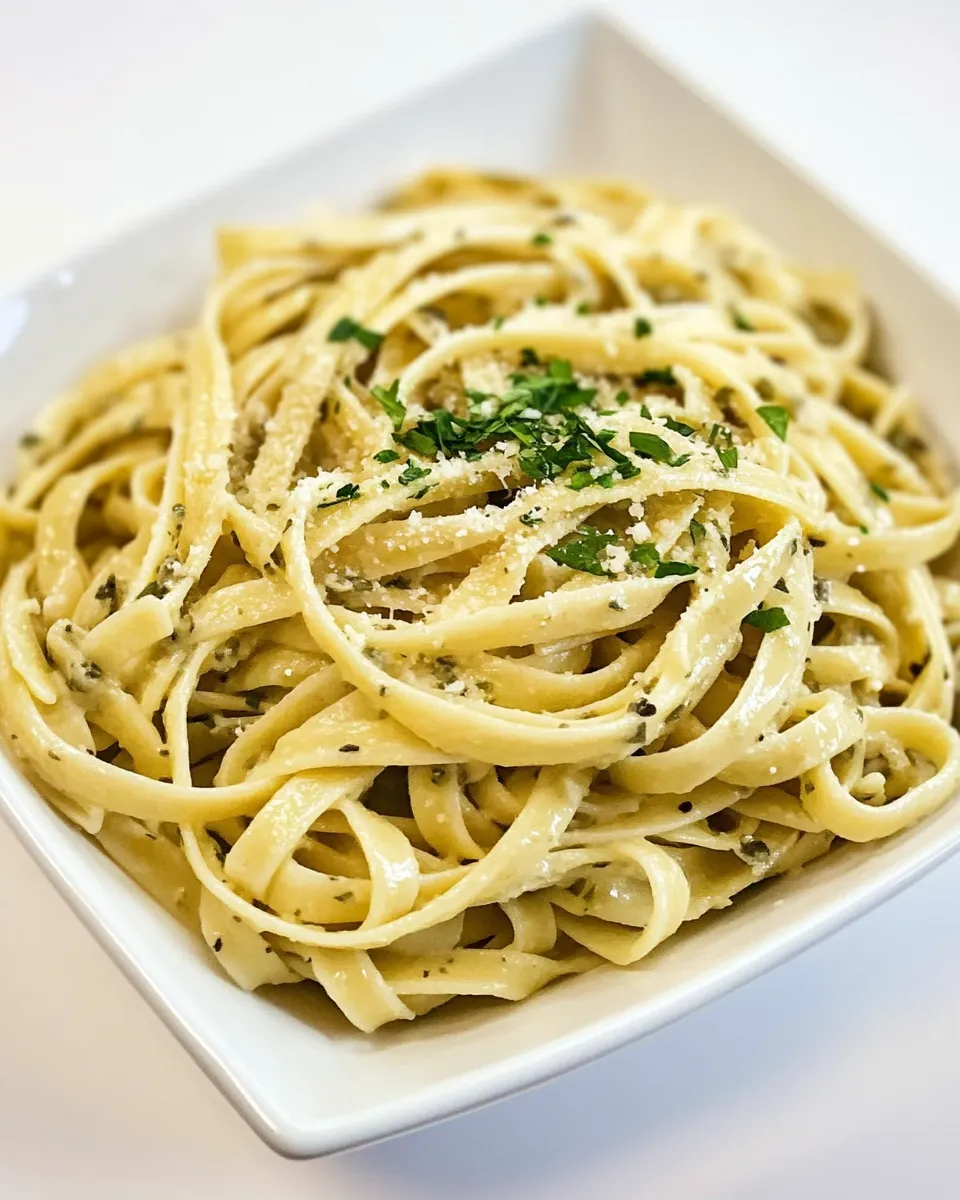
Protein additions
Cooked chicken or sautéed shrimp — toss in at the end to warm through.
White beans (cannellini) — add for vegetarian protein and creaminess.
Veggie add-ins
Sautéed mushrooms or cherry tomatoes — cook separately and fold in just before serving.
Greens (spinach or arugula) — stir in at the final heat to wilt gently.
Herb & flavor swaps
Fresh herbs — if using fresh basil/oregano, add most at the end to preserve brightness.
Lemon zest or chili flakes — a splash of lemon or a pinch of heat brightens the dish.
What’s in the Gear List
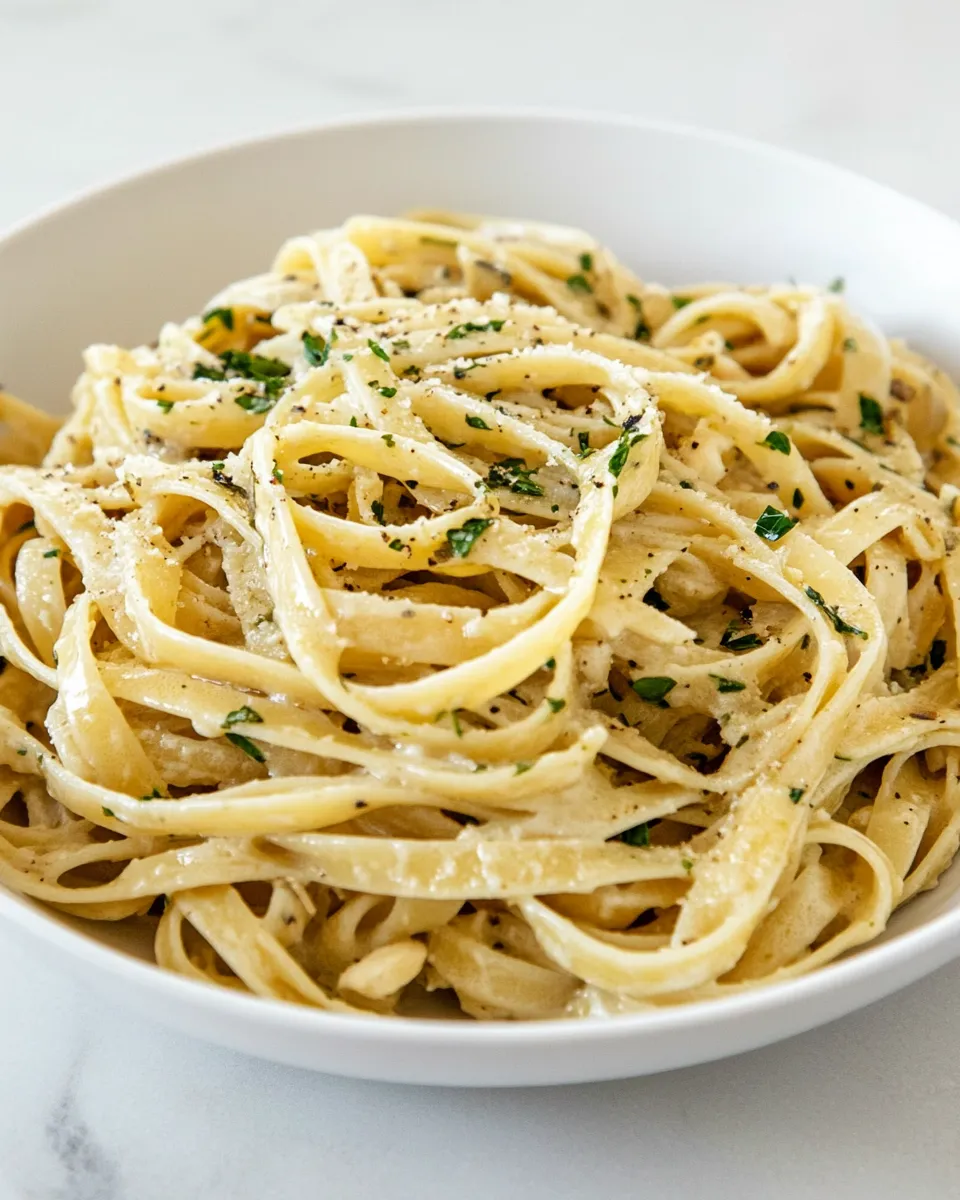
Large pot — for boiling the pasta with room to move.
Small sauté pan — to infuse the olive oil with dried herbs and dissolve the stock cubes.
Measuring cup or jug — to reserve exactly 2 cups of pasta water.
Colander — to drain the pasta safely.
Wooden spoon or heatproof spatula — for gentle stirring and emulsifying.
Avoid These Traps
Under-salting the water — bland pasta is common when cooks skimp on salt. Salt the water well; it’s your main seasoning.
Skipping the reserved pasta water — the starchy water is essential for a silky sauce. Don’t pour it down the sink.
Overheating the oil — if the oil smokes you’ll lose the herb flavors; low heat is enough to bloom dried herbs.
Adding too much water at once — add the extra 1/4–1/2 cup gradually to avoid a watery sauce; you want a glossy coating, not soup.
Season-by-Season Upgrades
Spring — toss in blanched peas and fresh basil for brightness.
Summer — fold in halved cherry tomatoes and torn fresh mozzarella (if you have it) for a light, vibrant plate.
Autumn — sauté sliced mushrooms with a splash of balsamic and mix through for earthiness.
Winter — add roasted butternut squash cubes and a sprinkle of toasted walnuts for warmth and texture.
Chef’s Rationale
I built this recipe around three principles: simplicity, technique, and depth. Simplicity keeps it weeknight-friendly—few ingredients, quick execution. Technique (reserving water, emulsifying oil and water) transforms humble components into a silky sauce. Depth comes from dissolving vegetable stock cubes in the herb oil; that step adds savory concentration so the dish feels complete without cream or cheese.
The ingredient proportions are deliberate: 3 tablespoons of oil gives enough fat to create a glossy coating for 12 oz pasta, while 2 tablespoons of dried herbs provide bold flavor without overpowering. Two stock cubes bring body; using them in the warm oil helps them dissolve and distribute evenly rather than clumping.
Make-Ahead & Storage
Make-ahead — you can cook the pasta slightly underdone, toss with the oil-herb mixture, cool, and refrigerate for up to 24 hours. Reheat gently in a pan with a splash of water to loosen the sauce.
Storage — keep leftovers in an airtight container in the fridge for up to 3 days. Add a little hot water when reheating to restore the sauce’s silkiness.
Questions People Ask
Can I use fresh herbs instead of dried? — Yes. If you substitute fresh herbs, use roughly three times the amount, but add most at the end to preserve brightness.
Do I need to use stock cubes? — They provide savory depth. If you prefer, dissolve 1 cup of strong vegetable stock instead, but don’t omit the salt adjustment.
What pasta shapes work best? — Long pasta like spaghetti, linguine, or bucatini is ideal because the sauce clings to the strands, but short shapes will work too.
Is this dish suitable for vegans? — Yes. The recipe contains no animal products as written.
Wrap-Up
No Cream Italian Herb Pasta is a simple, reliable weeknight recipe that proves flavors come from technique as much as ingredients. Salted pasta water, herb-infused oil, and vegetable stock work together to make a silky, satisfying sauce without dairy. Follow the steps, reserve the water, and taste before serving—you’ll have a dish that’s both humble and impressive in under 30 minutes. Enjoy.
No Cream Italian Herb Pasta
A simple, creamy-feeling pasta made without cream using olive oil, dried Italian herbs, and vegetable stock for a silky sauce.
Prep Time15 minutes mins
Cook Time20 minutes mins
Total Time35 minutes mins
Servings: 4 servings
- 12 oz long pasta
- salt for pasta water and to taste
- 3 tablespoons olive oil
- 2 tablespoons dried Italian herbs
- 2 cubes vegetable stock cubes
Fill a large pot with water, bring to a rolling boil, and generously salt the water.
Add 12 oz long pasta to the boiling water, stir, and cook until 2 minutes less than the package's suggested time.
While the pasta cooks, heat 3 tablespoons olive oil and 2 tablespoons dried Italian herbs in a small saucepan over low heat until the oil shimmers; do not let it smoke.
Remove the pan from the heat and crumble in 2 vegetable stock cubes, stirring until dissolved to create the flavored oil mixture.
Use a measuring cup or jug to reserve 2 cups of pasta cooking water, then drain the pasta in a colander and return the pasta to the pot.
Pour the olive oil and stock mixture over the pasta. Rinse the small pan with 1 cup of the reserved pasta water and add that to the pasta.
Place the pot over medium heat and stir gently, adding an additional 1/4 to 1/2 cup of the reserved pasta water as needed until the pasta is lightly coated and the liquid is absorbed.
Taste and adjust seasoning with salt if needed, then serve immediately.
Large Pot
Small Saucepan
Colander
measuring cup or jug
wooden spoon or tongs
- Reserve pasta water to adjust sauce consistency.
- Do not overheat the oil to avoid burning the herbs.
- Use 2 minutes less than package time for firmer pasta to finish in the sauce.
Please share this post with your friends 🤗