Mongolian Beef Recipe
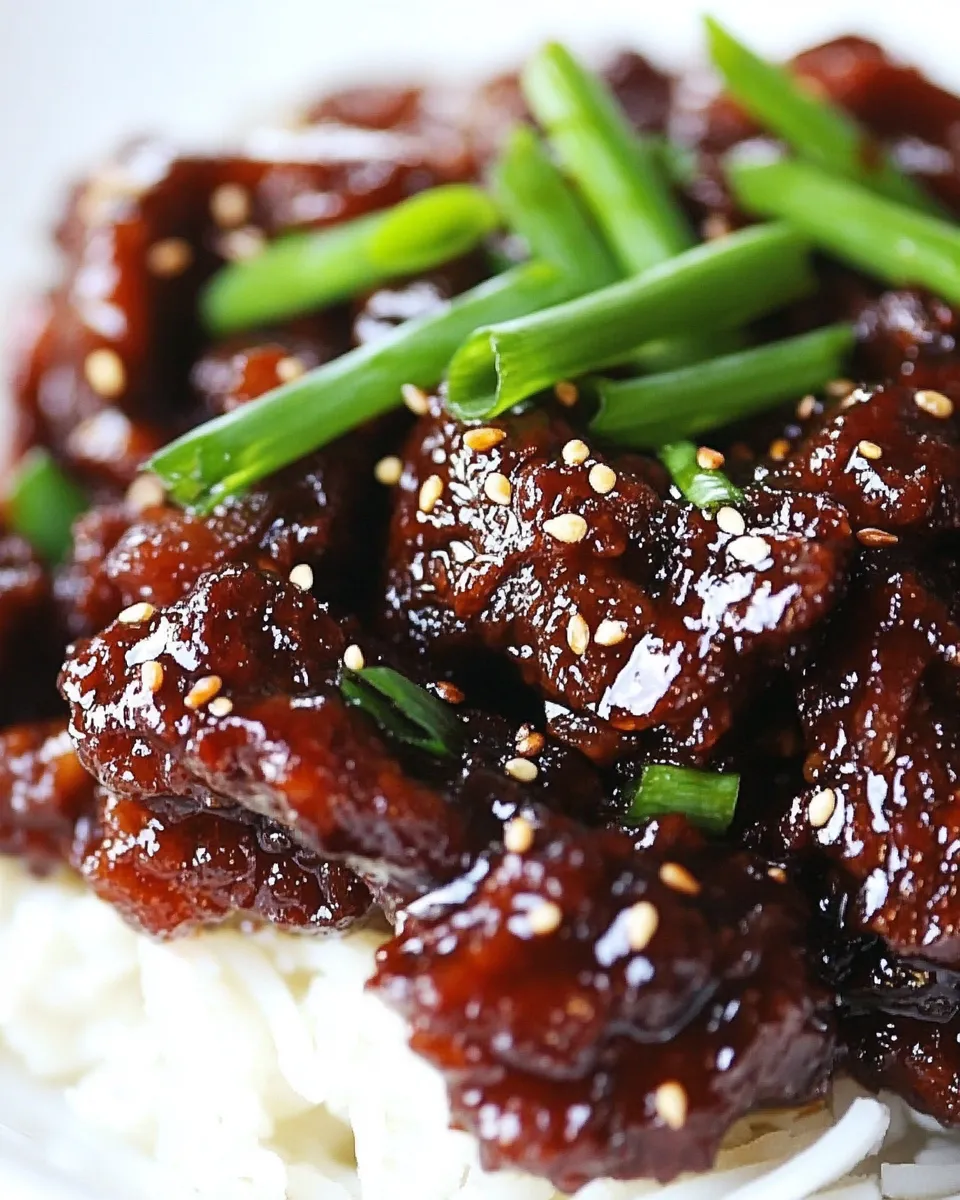
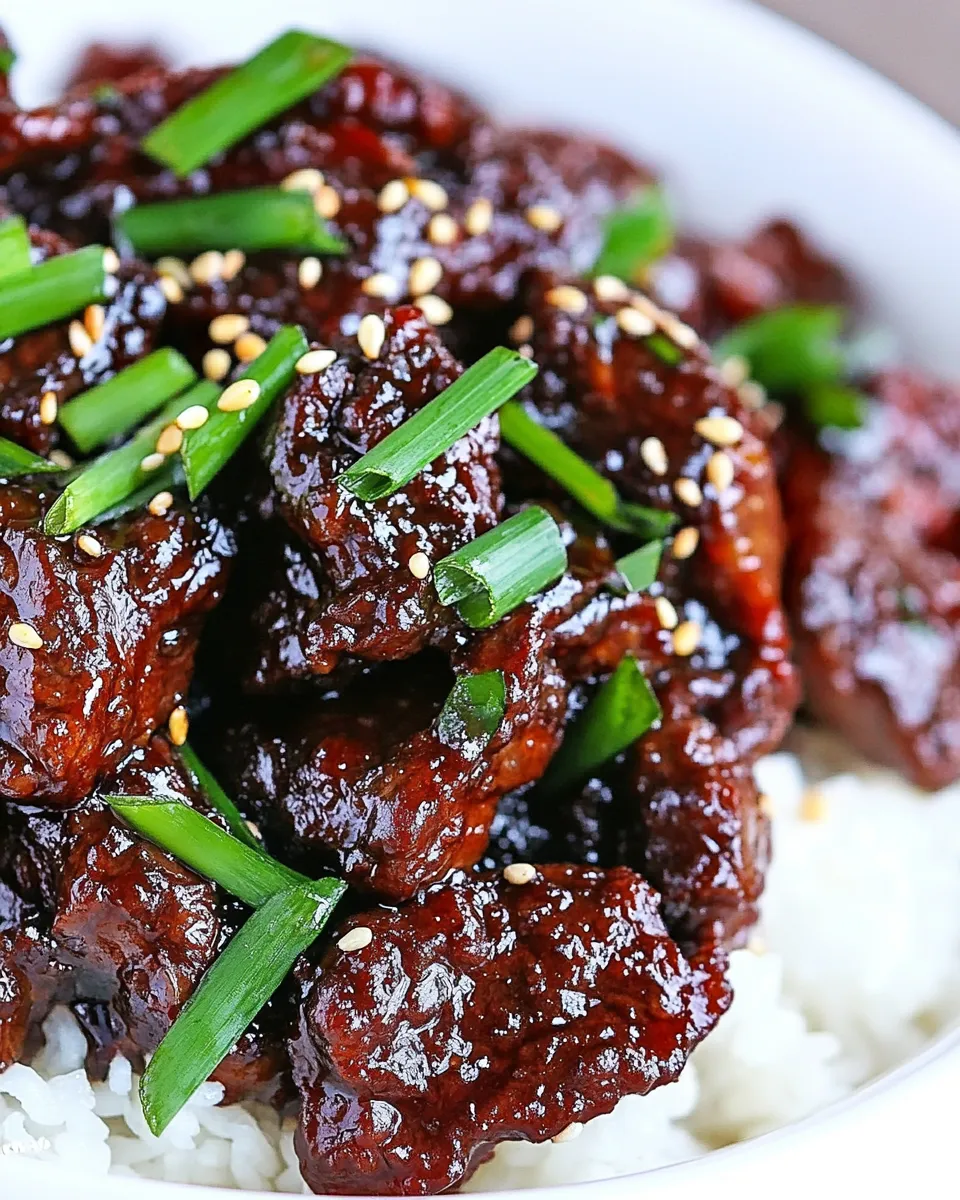
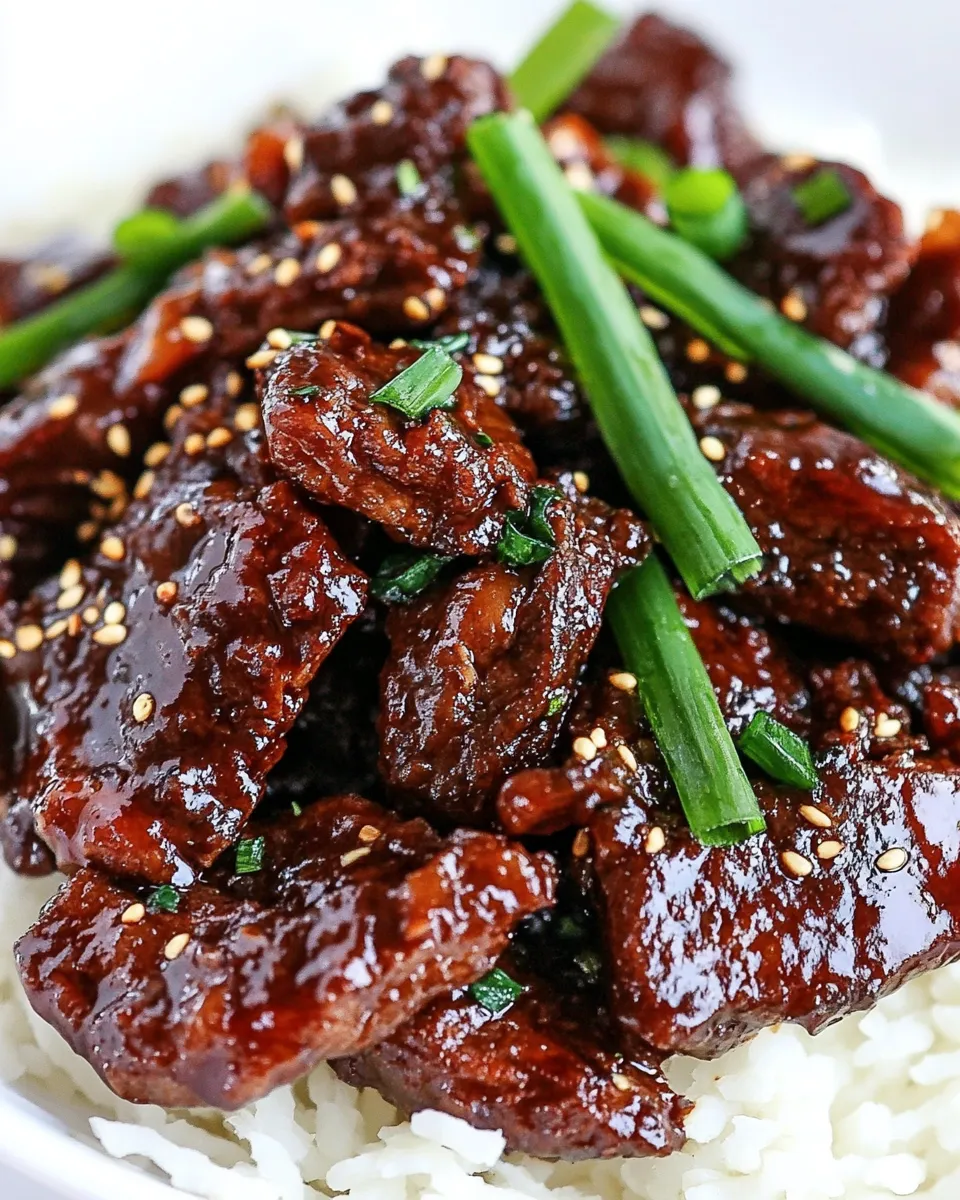
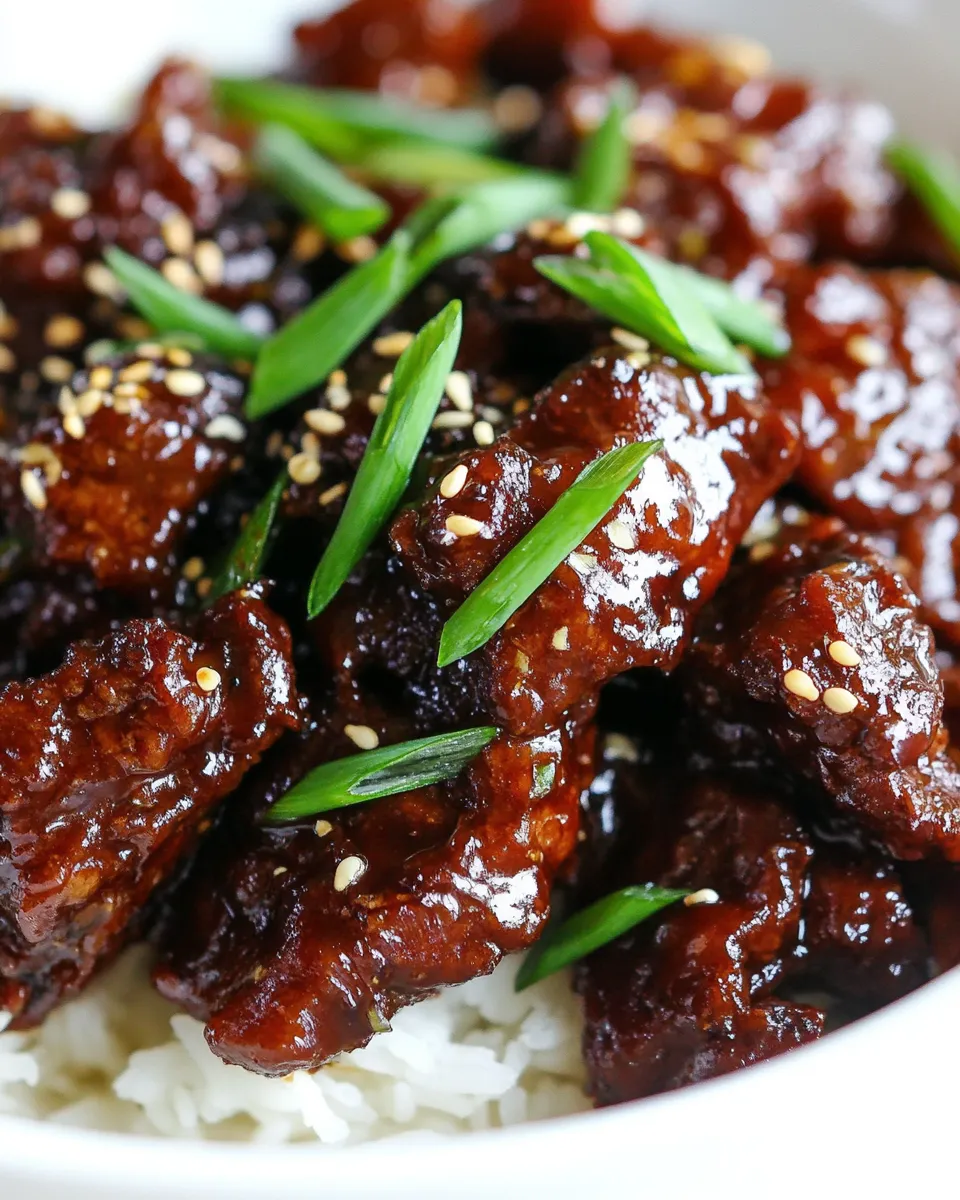
There’s something deeply comforting about tender strips of beef glazed in a glossy, sweet-savory sauce—this Mongolian Beef delivers that, every time. It balances rich brown sugar and salty soy with a punch of garlic and ginger. The texture contrast between the crisp-edged beef and the sticky sauce is what keeps me coming back.
This version is straightforward: simple ingredients, clear steps, and home-kitchen techniques that anyone can follow. The sauce is made on the stove in one pan, and the beef is quickly fried so it stays tender inside while getting a slight crust. Serve it over steamed rice and you have a weeknight winner.
I’ll walk you through the shopping notes, exact steps using the provided ingredient list, troubleshooting, swaps, storage tips, and a few holiday-friendly twists. Follow the instructions closely and you’ll get restaurant-style results without the extra fuss.
Your Shopping Guide
- 1 pound flank steak — Look for a relatively even slab; ask the butcher to slice thin against the grain if you can for maximum tenderness.
- 1/4 cup cornstarch — Coats the beef so it crisps and helps thicken the sauce.
- 1 cup vegetable oil — For frying the beef; choose a neutral oil with a high smoke point.
- 2 green onions — Slice on the diagonal into 1-inch pieces for a bright, mild onion flavor and nice visual contrast.
- 1/2 cup soy sauce — Provides the salty backbone; use regular soy sauce per the original recipe.
- 1/2 cup dark brown sugar — Gives the sauce its deep molasses sweetness and glossy finish.
- 1/2 cup water — Dilutes and balances the sauce while helping it reduce to the right consistency.
- 1 tablespoon minced garlic — Fresh garlic adds aroma and punch; use pre-minced only if necessary.
- 1 tablespoon fresh ginger, minced — Fresh ginger is recommended for floral warmth and sharpness.
- 2 teaspoons sesame oil or vegetable oil — A small amount of sesame oil adds toasty flavor; if using vegetable oil, the taste will be more neutral.
- 1 teaspoon sesame seeds — Optional garnish for nutty flavor and visual finish.
Cook Mongolian Beef Recipe Like This
Preparation and frying
- Slice the flank steak thinly across the grain into bite-sized strips if not pre-sliced. Place the sliced beef in a large bowl.
- Add 1/4 cup cornstarch to the bowl with the beef. Toss or mix until the cornstarch is evenly distributed and each strip has a light coating.
- Pour 1 cup vegetable oil into a large saucepan and heat over medium-high until shimmering. The oil should be hot but not smoking.
- Working carefully, add the cornstarch-coated beef in a single layer as much as the pan will allow. Fry the beef, stirring occasionally, until browned and cooked through, about 1–2 minutes. Do this in batches if needed to avoid crowding.
- Use a slotted spoon to transfer the cooked beef to a paper towel–lined plate to drain. Once done frying all the beef, discard the cooking oil from the skillet and wipe it clean.
Make the sauce
- Return the clean skillet (or a medium saucepan) to the stove over low–medium heat and add 2 teaspoons sesame oil or vegetable oil.
- Add 1 tablespoon minced garlic and 1 tablespoon minced fresh ginger to the warm oil. Cook and stir for about 30 seconds, just until fragrant—do not let them brown.
- Whisk in 1/2 cup dark brown sugar, 1/2 cup soy sauce, and 1/2 cup water. Increase the heat slightly so the mixture comes to a gentle simmer.
- Cook and stir the sauce until it reduces and thickens slightly, about 5–10 minutes. You want a glossy, pourable glaze rather than a watery sauce.
Finish the dish
- Add the fried beef back to the skillet with the sauce. Cook over medium heat, stirring, until the sauce clings to the beef and further thickens, about 2–3 minutes.
- Stir in the 2 green onions (thinly sliced on the diagonal into 1-inch pieces) so they warm through but retain color and some crunch.
- Optional: Sprinkle 1 teaspoon sesame seeds over the finished dish for garnish.
- Serve the Mongolian Beef immediately over steamed rice.
Top Reasons to Make Mongolian Beef Recipe
- Fast cooking: Most of the time is hands-off; active cooking is rapid, so dinner comes together quickly.
- Restaurant-style flavor at home: Deep, caramel-like sweetness balanced with savory soy and aromatics.
- Easy to scale: Multiply ingredients for a crowd or halve them for two people without changing technique.
- Make-ahead friendly: Components can be prepped ahead (slice beef, mince aromatics) to speed weeknight cooking.
- Kid-friendly and crowd-pleasing: Sweet-savory profile appeals to many palates.
Easy Ingredient Swaps
- If you don’t have flank steak, try skirt steak or sirloin thinly sliced — same technique applies.
- Replace dark brown sugar with light brown sugar if that’s what you have; flavor will be slightly lighter.
- If you prefer a lower-sodium dish, use a low-sodium soy sauce but taste the sauce as it reduces and adjust sparingly.
- Vegetable oil for frying can be swapped with canola or peanut oil for equivalent performance.
- If you don’t have sesame oil, use the listed vegetable oil option; add a few drops of toasted sesame seeds as garnish for a similar note.
Tools & Equipment Needed
- Large bowl — for tossing beef with cornstarch.
- Sharp knife and cutting board — for slicing meat and green onions.
- Large saucepan or deep skillet — for frying the beef safely.
- Medium saucepan or the same large skillet wiped clean — for making the sauce.
- Slotted spoon — for transferring fried beef to drain.
- Paper towels — to absorb excess oil from fried beef.
- Measuring cups and spoons — to keep ingredient amounts accurate.
Problems & Prevention
- Gummy beef coating — If the cornstarch clumps, toss the beef thoroughly so each piece is lightly coated. Fry in small batches to keep coating crisp.
- Sauce too thin — Simmer sauce 5–10 minutes until it thickens. If it’s still thin after adding beef, raise heat slightly and stir until it reduces to the correct glossiness.
- Sauce too salty — Taste as the sauce reduces; if too salty, add a splash more water and a small pinch of sugar to rebalance.
- Beef tough — Always slice across the grain and don’t overcook. Quick frying for 1–2 minutes per batch keeps it tender.
- Greasy result — Don’t overcrowd the pan when frying; drain beef on paper towels and discard used oil before finishing the sauce in the same pan.
Holiday-Friendly Variations
- Add a splash of hoisin (not in the original recipe) sparingly if you want a deeper, more complex sweetness for holiday feasts.
- Increase green onions and finish with toasted sesame seeds and thinly sliced red chilies for color and a mild heat on celebratory plates.
- Serve Mongolian Beef on a platter with steamed broccoli and snow peas on the side to make it a more festive, vegetable-forward spread.
If You’re Curious
- Why cornstarch? It creates a light crust on the beef and helps thicken the sauce for that signature cling.
- Why brown sugar? Dark brown sugar contributes molasses notes that pair beautifully with soy and ginger for an authentic caramelized flavor.
- Can I make it ahead? Fry the beef and store it separately from the sauce. Reheat them together briefly right before serving so the coating stays crisp.
Save for Later: Storage Tips
- Refrigerate: Store leftovers in an airtight container for up to 3 days. Keep sauce and beef together or separate if you prefer a crisper fry on reheating.
- Freeze: Not ideal because of texture changes, but you can freeze for up to 1 month. Thaw overnight in the fridge before reheating.
- Reheat: Warm gently in a skillet over medium heat until heated through, adding a teaspoon of water if the sauce is too thick. Microwave on medium power in short bursts if needed.
Popular Questions
- Can I skip frying and stir-fry instead? Frying gives a crisper exterior; stir-frying is possible but expect a softer coating.
- Is this spicy? No—this version is sweet-savory. Add red pepper flakes or sliced chilies for heat.
- How do I get glossy sauce? Slow simmering and the cornstarch-coated beef reintroduced to the sauce help achieve a glossy finish.
That’s a Wrap
This Mongolian Beef recipe is intentionally simple and faithful to the ingredient list and directions provided. Follow the step-by-step method—coat the beef in cornstarch, fry until just browned, make a reduced brown sugar and soy sauce glaze with garlic and ginger, then toss everything together with green onions—and you’ll have a sticky, savory-sweet main that shines over steamed rice. Keep the frying batches small, taste the sauce as it reduces, and finish with sesame seeds for a bit of texture. Enjoy the results, and tweak small elements (heat, garnish, sides) to make it your own.
Mongolian Beef Recipe
Ingredients
- 1 pound flank steak thinly sliced across the grain
- 1/4 cup cornstarch
- 1 cup vegetable oil for frying
- 2 green onions thinly sliced on the diagonal into 1-inch pieces
- 1/2 cup soy sauce
- 1/2 cup dark brown sugar
- 1/2 cup water
- 1 tablespoon garlic minced
- 1 tablespoon fresh ginger minced
- 2 teaspoons sesame oil or vegetable oil
- 1 teaspoon sesame seeds
Instructions
- Place the thinly sliced flank steak in a large bowl and toss with the cornstarch until the slices are evenly coated.
- Heat 1 cup vegetable oil in a large skillet or wok over medium-high heat until hot but not smoking.
- Working in batches if needed, fry the coated beef slices 1–2 minutes until browned and cooked through, stirring to cook evenly; transfer to a paper towel-lined plate and discard the frying oil.
- In a medium saucepan over low–medium heat, add 2 teaspoons sesame oil (or vegetable oil), then add the minced garlic and minced ginger and cook, stirring, for about 30 seconds.
- Add the dark brown sugar, soy sauce, and water to the saucepan and whisk to combine; simmer until slightly thickened, about 5–10 minutes.
- Add the cooked beef back to the skillet, pour in the sauce, and cook over medium heat 2–3 minutes until the sauce thickens and coats the beef.
- Stir in the green onions, sprinkle with sesame seeds, and serve immediately over rice if desired.
Equipment
- Large Bowl
- Large Skillet or Wok
- Paper Towels
- Medium Saucepan
- Whisk
Notes
- Partially freezing the steak for 15–20 minutes makes it easier to slice thinly.
- Do not substitute flour for cornstarch because it won't tenderize the meat the same way.
- Serve immediately after tossing with the sauce to avoid sogginess.
- Add the green onions and sesame seeds at the end so they remain crisp.
- Use fresh ginger and garlic for the best flavor.
- The sauce can be made ahead and stored.