Lavash Crackers
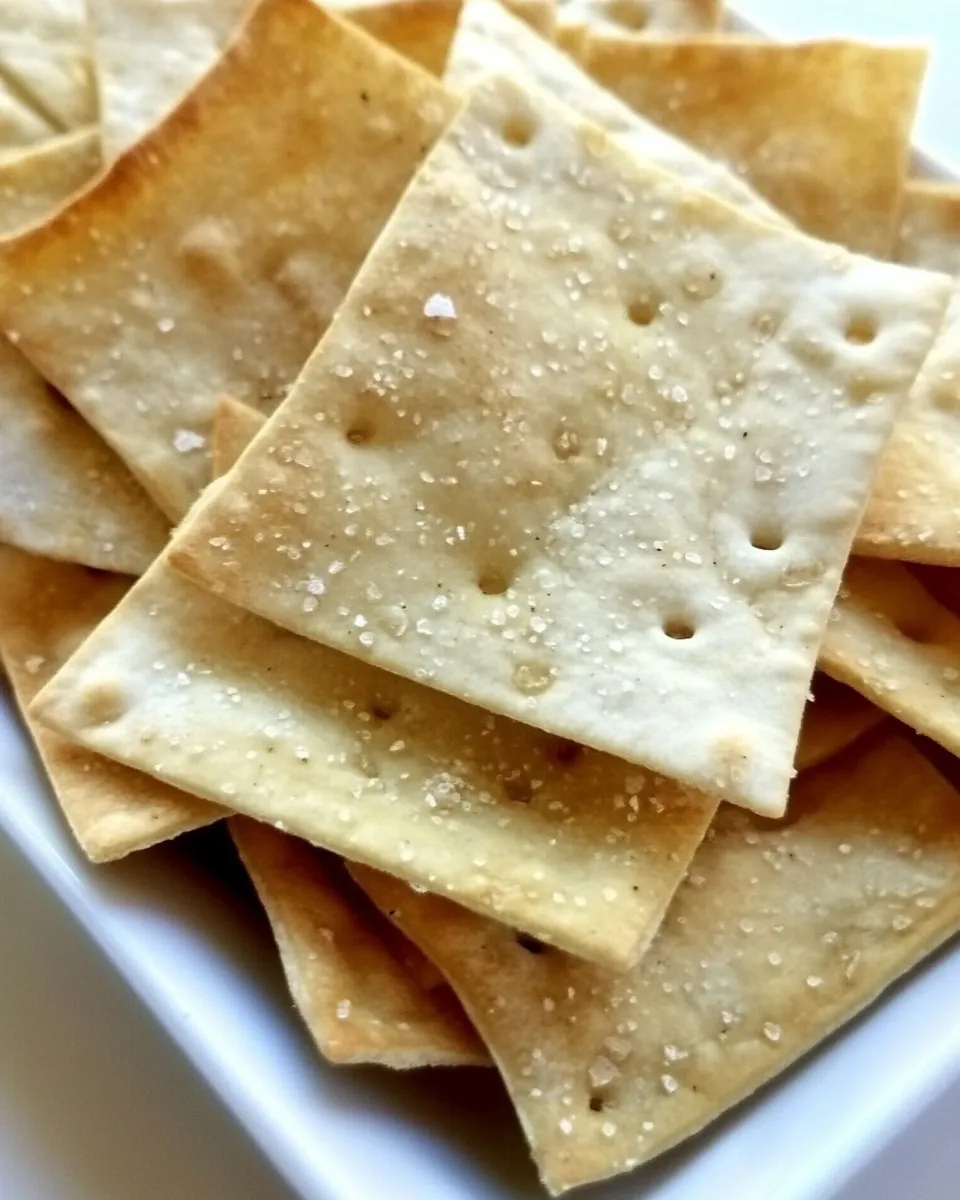
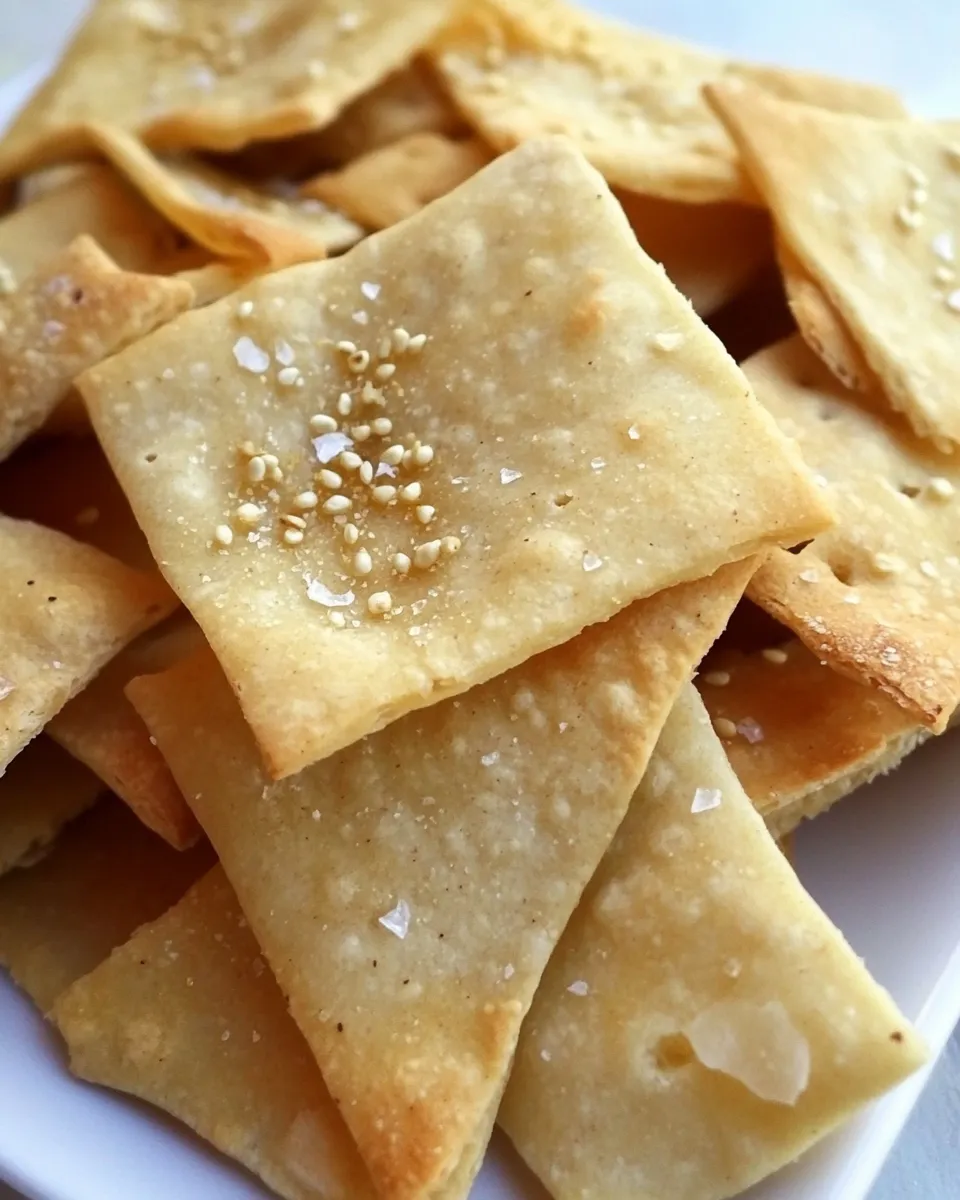
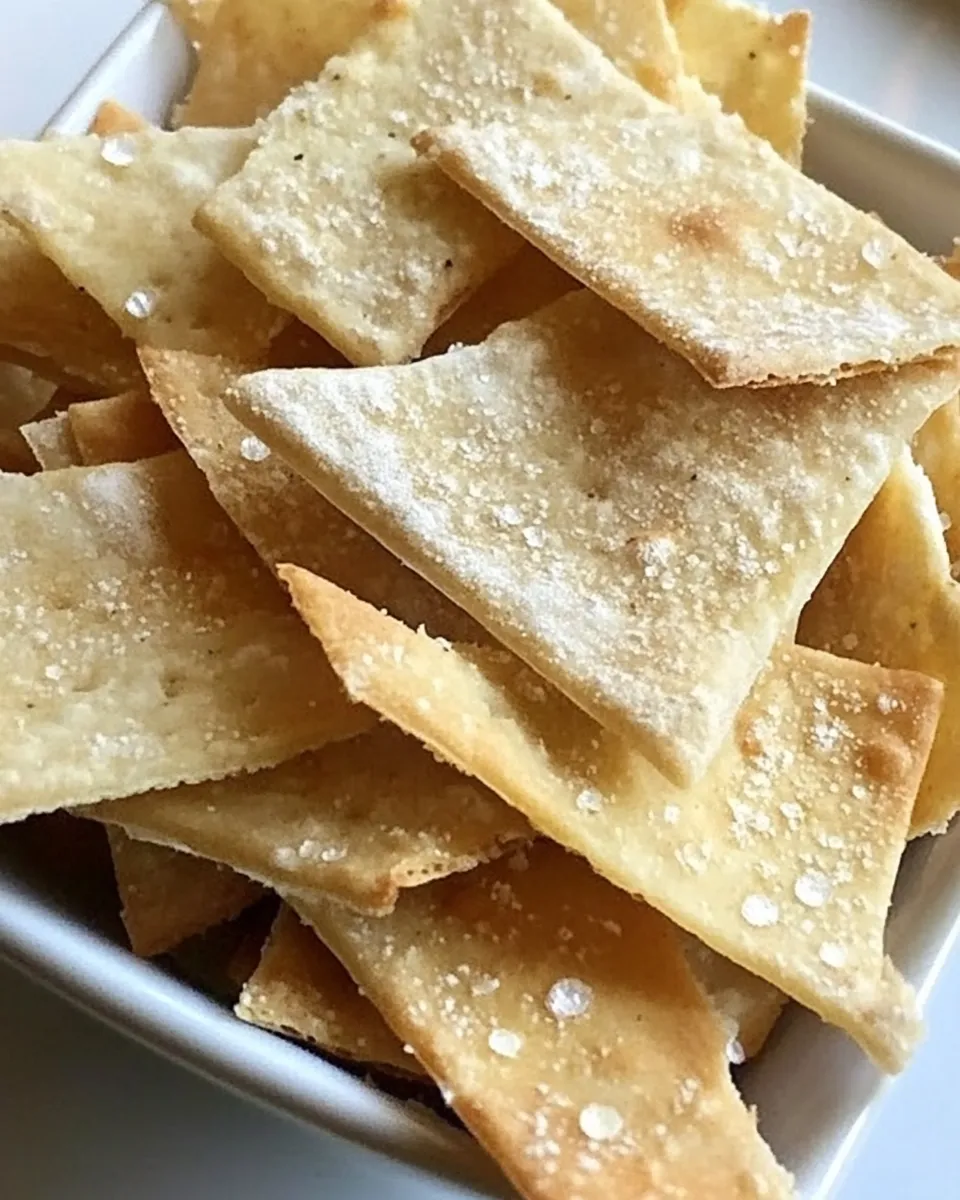
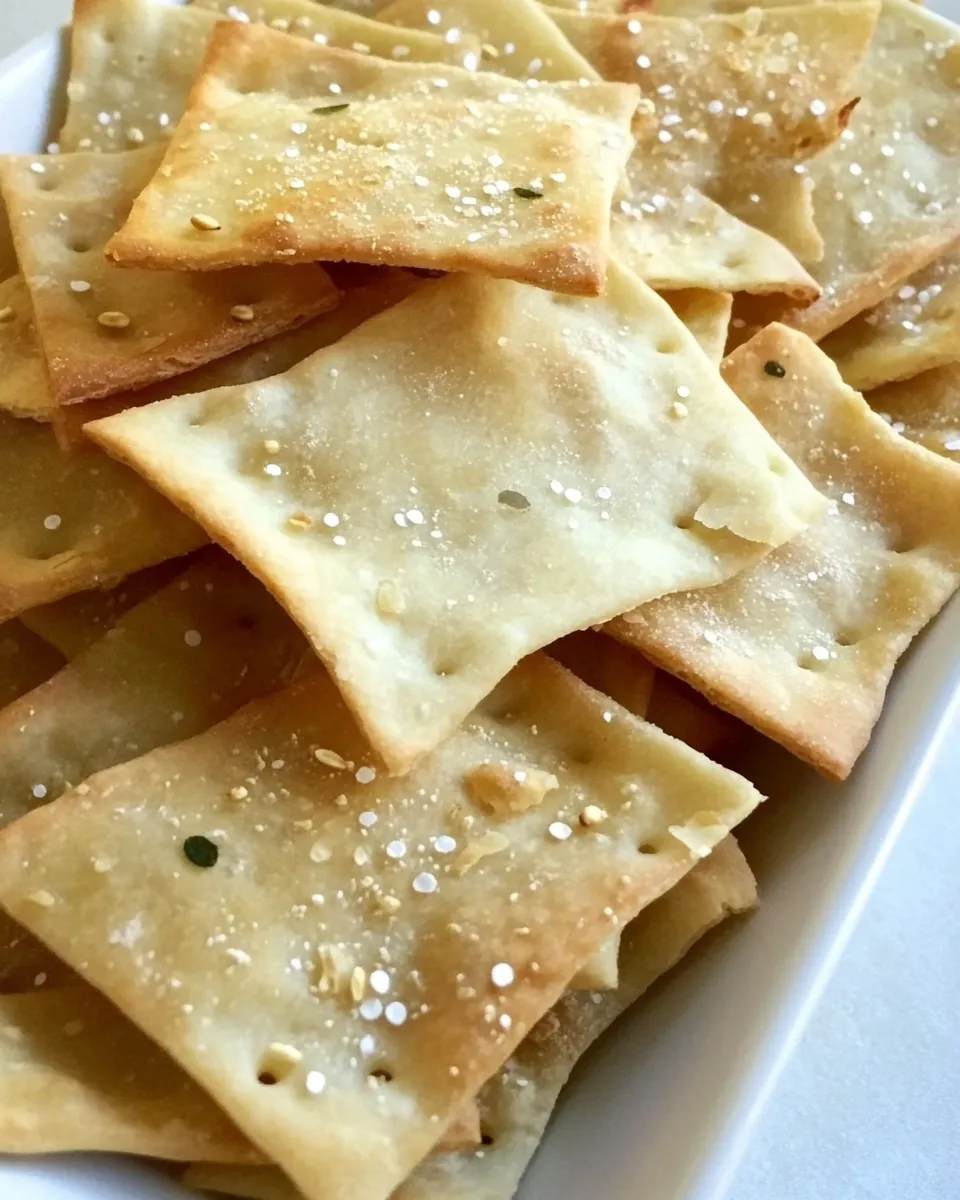
Thin, crisp, and endlessly customizable, lavash crackers are the sort of thing I keep making on repeat. They require surprisingly little hands-on time but give you beautiful results: paper-thin crackers that snap with a clean bite and carry seeds, spices, or flaky salt beautifully. Make a single sheet, break it into shards for a cheese board, or pre-cut diamonds for easy serving.
This recipe uses basic pantry staples and a short fermentation to build flavor and texture. The dough is more substantial than a typical French bread dough, but it rolls out paper-thin and bakes quickly. The topping step is where you can have fun—alternate rows of seeds, a dusting of paprika, or a scatter of coarse salt.
Below you’ll find the ingredient notes, a careful step-by-step version of the directions, troubleshooting tips, and storage advice so your crackers stay crisp. Read through once, then you’ll be ready to roll.
What’s in the Bowl
- 1½ cups (187.5g) unbleached bread flour — provides structure and chew; higher protein helps you roll very thin without tearing.
- ½ teaspoon salt — balances flavor; don’t skip it.
- ½ teaspoon instant yeast — gives a light lift and subtle fermentation flavor.
- 1 tablespoon honey — feeds the yeast and adds a touch of sweetness to balance savory toppings.
- 1 tablespoon vegetable oil — keeps the dough supple and helps with rolling and handling.
- ⅓ to ½ cup (88 to 118 ml) water, at room temperature — brings the dough together; start with less and add up to ½ cup as needed.
- Poppy seeds, sesame seeds, paprika, cumin seeds, caraway seeds, or kosher salt for topping — choose one or several for contrast and texture; a little goes a long way.
Lavash Crackers in Steps
- 1. In a mixing bowl, combine the flour, salt, and instant yeast. Add the honey and vegetable oil. Pour in ⅓ cup of the room-temperature water and stir. Add more water, up to the full ½ cup, only if the dough needs it to come together into a cohesive ball.
- 2. Lightly flour your counter and transfer the dough to it. Knead for about 10 minutes until smooth and even. The dough should pass a windowpane test and register about 77°F to 81°F. It will be firmer than French bread dough but not as firm as bagel dough—satiny, not tacky, and stretchable.
- 3. Lightly oil a clean bowl and roll the dough in the oil so it is lightly coated. Cover the bowl with plastic wrap and let the dough ferment at room temperature for 90 minutes, or until doubled in size. (If you prefer, you can place the dough directly in the refrigerator after kneading and retard it overnight instead.)
- 4. When the dough has doubled, mist the counter with a little spray oil and transfer the dough onto it. Press the dough into a square with your hand and dust the top lightly with flour. Using a rolling pin, roll the dough out into a paper-thin sheet about 15 by 12 inches. Stop occasionally to let the gluten relax: lift the dough, wave it gently to allow stretching, then lay it back down. If it resists, cover and let it rest until it relaxes. Once it reaches the desired thinness, allow it to rest uncovered for 5 minutes.
- 5. Line a sheet pan with baking parchment. Carefully lift the thin sheet of dough and lay it onto the parchment; trim any overhanging edges with scissors so it fits the pan.
- 6. Preheat the oven to 350°F with the rack in the middle position. Lightly mist the top of the dough with water so toppings will stick. Sprinkle seeds or spices in rows or an even scatter—options include poppy seeds, sesame seeds, paprika, cumin seeds, caraway seeds, or coarse kosher salt. Use spices sparingly; they can be potent.
- 7. If you want precut crackers, use a pizza cutter to score diamonds or rectangles now. You do not need to separate pieces; they will snap apart after baking. If you prefer shards, leave the sheet uncut.
- 8. Bake for 15 to 20 minutes, watching for even browning across the top. Baking time depends on how thin and even your sheet is—thinner sections will finish sooner.
- 9. Remove the pan from the oven and let the crackers cool in the pan for about 10 minutes. Once cool enough to handle, snap them apart along the score lines or break off rustic shards. Serve or cool completely before storing.
Why It’s My Go-To
Lavash crackers are fast, flexible, and scale easily. The recipe gives you crisp crackers with a clean snap and an airy lift from a short fermentation. They’re a no-fuss base for every grazing board—delicate enough for soft cheeses and sturdy enough for hummus.
Because the dough is simple and forgiving, you can adapt timing to your schedule: make and bake the same day, or retard the dough overnight if you want to prep ahead. The toppings are where home cooks can express themselves—try seeds for nuttiness, cumin for warmth, or smoked paprika for depth.
Substitutions by Category
- Flour: Use unbleached bread flour as written for best rolling strength. If you must, all-purpose flour will work but expect slightly less chew and more fragility.
- Sweetener: Honey is called for; maple syrup can replace it 1:1 but will change flavor slightly.
- Fat: Vegetable oil is neutral; use light olive oil for a subtle fruitiness but avoid strong-flavored oils.
- Yeast: Instant yeast is used; if you only have active dry yeast, proof it in a tablespoon of the warm water first and then incorporate (quantity remains similar, but allow for a slightly longer rise).
- Toppings: Seeds, spices, or coarse salt are all fine. Mix and match small quantities—these are surface accents, not bulk ingredients.
Equipment Breakdown
- Mixing bowl — for combining ingredients and first fermentation.
- Measuring cups and a kitchen scale — weights give the most consistent result, especially for the flour.
- Rolling pin — essential to get the dough paper-thin and even.
- Sheet pan and parchment paper — for an even bake and easy transfer.
- Spray oil or brush — to mist the counter and prevent sticking while rolling.
- Pizza cutter or bench scraper — optional for scoring pre-cut crackers.
- Instant-read thermometer — helpful to check the dough temperature during kneading (77°–81°F target).
Avoid These Mistakes
- Over-hydrating at the start: Add water slowly. The dough should come together without becoming sticky.
- Skipping the rest while rolling: If the gluten pulls back, stop and let it relax. Forcing it will tear the sheet.
- Uneven rolling: Thick spots bake slower and can stay soft. Aim for an even 15 × 12-inch sheet.
- Overloading toppings: Too many seeds or too much salt can make crackers heavy or overly salty. Keep toppings light and even.
- Baking without watching: Thin crackers can go from golden to burnt quickly; start checking at 12 minutes if your sheet is very thin.
Make It Your Way
Topping ideas
- Classic sesame and poppy seed rows—visual and textural contrast.
- Coarse kosher salt and cracked black pepper—simple and elegant.
- Smoked paprika with a sprinkle of sesame for a smoky-sweet twist.
- Cumin and caraway seeds for a warm, slightly anise-like note that pairs with cheeses.
Serving ideas
- Break into shards and serve with creamy dips like labneh or whipped feta.
- Pre-cut diamonds are perfect for hors d’oeuvres topped with pâté, tapenade, or soft cheeses.
- Toast slightly before serving to refresh stored crackers for extra snap.
Chef’s Rationale
This formula leans on bread flour for strength so you can roll the dough paper-thin without tearing. A small amount of yeast and a short ferment develop flavor without a long schedule. Honey and oil make the dough a bit more tender and easier to stretch. Water range (⅓ to ½ cup) gives you control—start lean, add only as needed to form a ball. The 350°F bake is gentle enough to dry the sheet through without blistering or burning the edges.
Cooling, Storing & Rewarming
- Cooling: Let crackers cool in the pan for about 10 minutes, then transfer to a rack or break into pieces and cool completely before storing. Storing warm traps steam and causes sogginess.
- Short-term storage: Store fully cooled crackers in an airtight container at room temperature for up to 5 days. Use a paper towel inside the container to absorb any residual moisture.
- Long-term storage: For longer keeping, freeze in a zip-top bag with parchment between layers for up to 1 month. Thaw at room temperature; refresh in a 300°F oven for 5–7 minutes if they need crisping.
- Rewarming: If crackers soften, bake them on a sheet at 300°F for 5–8 minutes until crisp again; watch closely to avoid browning too much.
Frequently Asked Questions
- Can I make the dough ahead? Yes. After kneading, you can retard the dough in the refrigerator overnight and bake the next day. Bring it back to room temperature before rolling for easier handling.
- Why didn’t my dough pass the windowpane test? Either it needs more kneading to develop gluten or the flour is low-protein. Continue kneading in short bursts and rest the dough if it resists.
- My crackers are chewy in places—what went wrong? Likely uneven rolling or too-thick spots. Roll as evenly as possible and allow rests so the gluten relaxes and you can reach paper-thin thickness.
- Can I use whole-wheat flour? You can substitute part of the bread flour with whole wheat, but expect a denser, more fragile cracker. Increase water slightly if dough feels dry.
See You at the Table
Lavash crackers are a small project with big payoff—crisp shards that elevate simple spreads and make every snack feel intentional. Once you get the rhythm of kneading, rolling, and topping, they become one of those quiet kitchen triumphs you return to again and again.
Make a batch, try two different toppings on the same sheet, and see which disappears first. If you have questions about timing, rolling, or topping combinations, leave a note—I’ll help you troubleshoot.
Lavash Crackers
Ingredients
- 1.5 cups unbleached bread flour (187.5 g)
- 1/2 teaspoon salt (0.5 tsp)
- 1/2 teaspoon instant yeast (0.5 tsp)
- 1 tablespoon honey
- 1 tablespoon vegetable oil
- 1/3 to 1/2 cup water at room temperature, 88 to 118 ml; use just enough to bring dough together
- toppings poppy seeds, sesame seeds, paprika, cumin seeds, caraway seeds, or kosher salt
Instructions
- In a mixing bowl, combine the flour, salt, instant yeast, honey, and vegetable oil. Add 1/3 cup water and stir; add more water as needed (up to 1/2 cup) until the dough just comes together into a shaggy ball.
- Turn the dough onto a lightly floured surface and knead about 10 minutes until smooth, satiny, and elastic; it should pass the windowpane test and register about 77–81°F if using a thermometer.
- Lightly oil a bowl, place the dough inside, and roll to coat. Cover with plastic wrap and ferment at room temperature until doubled, about 90 minutes (or refrigerate overnight if you prefer a retarded ferment).
- When the dough has doubled, lightly mist or oil the counter and press the dough into a rough square. Dust lightly with flour and roll with a rolling pin into a paper-thin sheet about 15 by 12 inches, allowing the dough to rest as needed to relax the gluten.
- Line a sheet pan with parchment. Carefully transfer the rolled sheet of dough to the pan and trim any excess with scissors so it fits the pan.
- Preheat the oven to 350°F with the rack in the middle position. Mist the dough lightly with water and sprinkle your chosen seeds or spices evenly over the top. If desired, cut the dough into diamonds or rectangles with a pizza cutter; do not separate pieces.
- Bake for 15–20 minutes, until the crackers brown evenly across the top and are crisp; baking time depends on how thin and even the dough is rolled.
- Remove the pan from the oven and cool in the pan about 10 minutes, then snap into pieces or break into shards as desired.
Equipment
- Mixing Bowl
- Rolling Pin
- sheet pan
- Parchment Paper
- plastic wrap or towel
- Measuring cups and spoons
- scissors or pizza cutter
- kitchen thermometer (optional)
Notes
- Use just enough water to bring the dough together; it may not need the full amount.
- Allow the dough to rest while rolling to avoid shrinking.
- Thin, even rolling yields the crispiest crackers.
- Cut before baking if you want uniform crackers; leave whole for shards.
- Be sparing with strong spices; a little goes a long way.