Keto Sushi
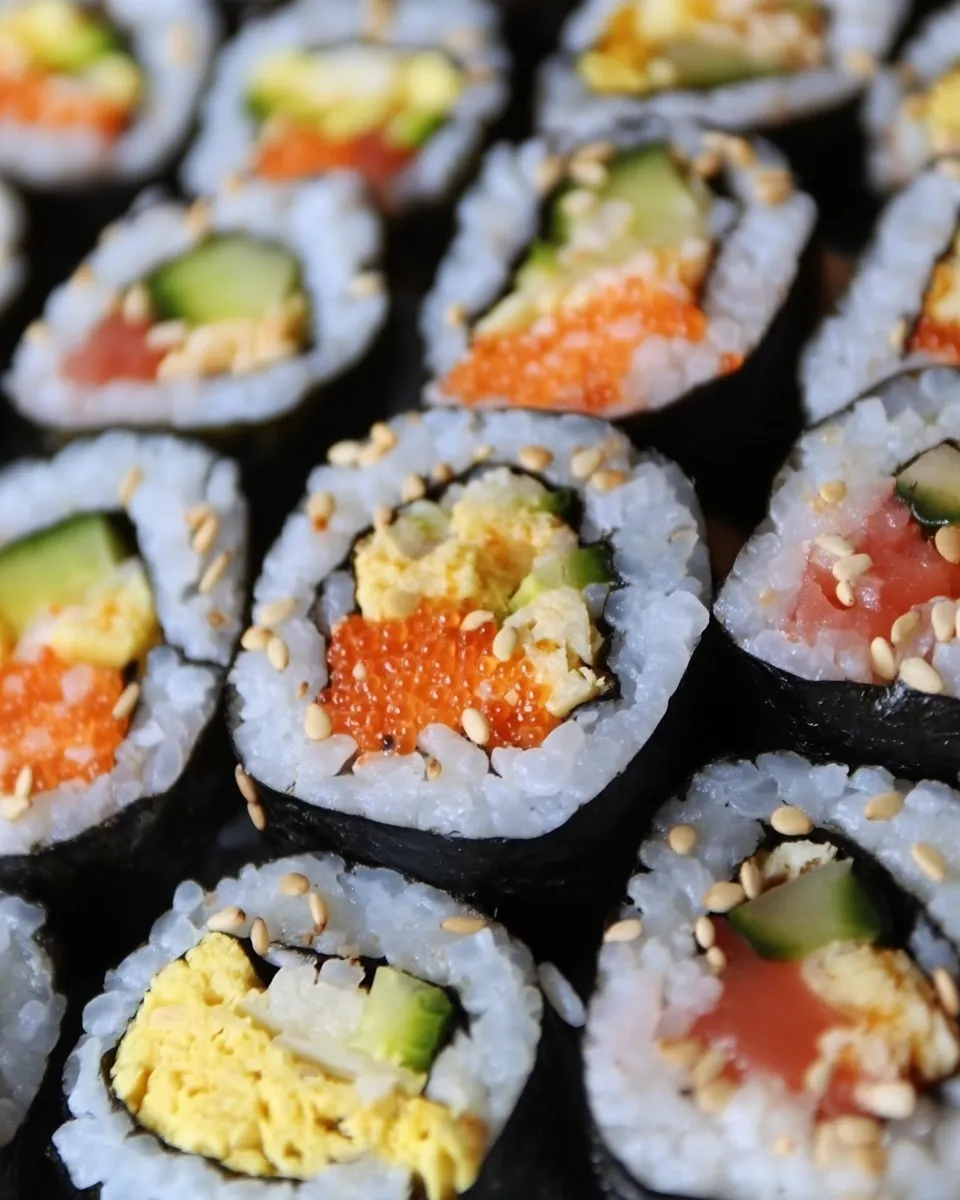
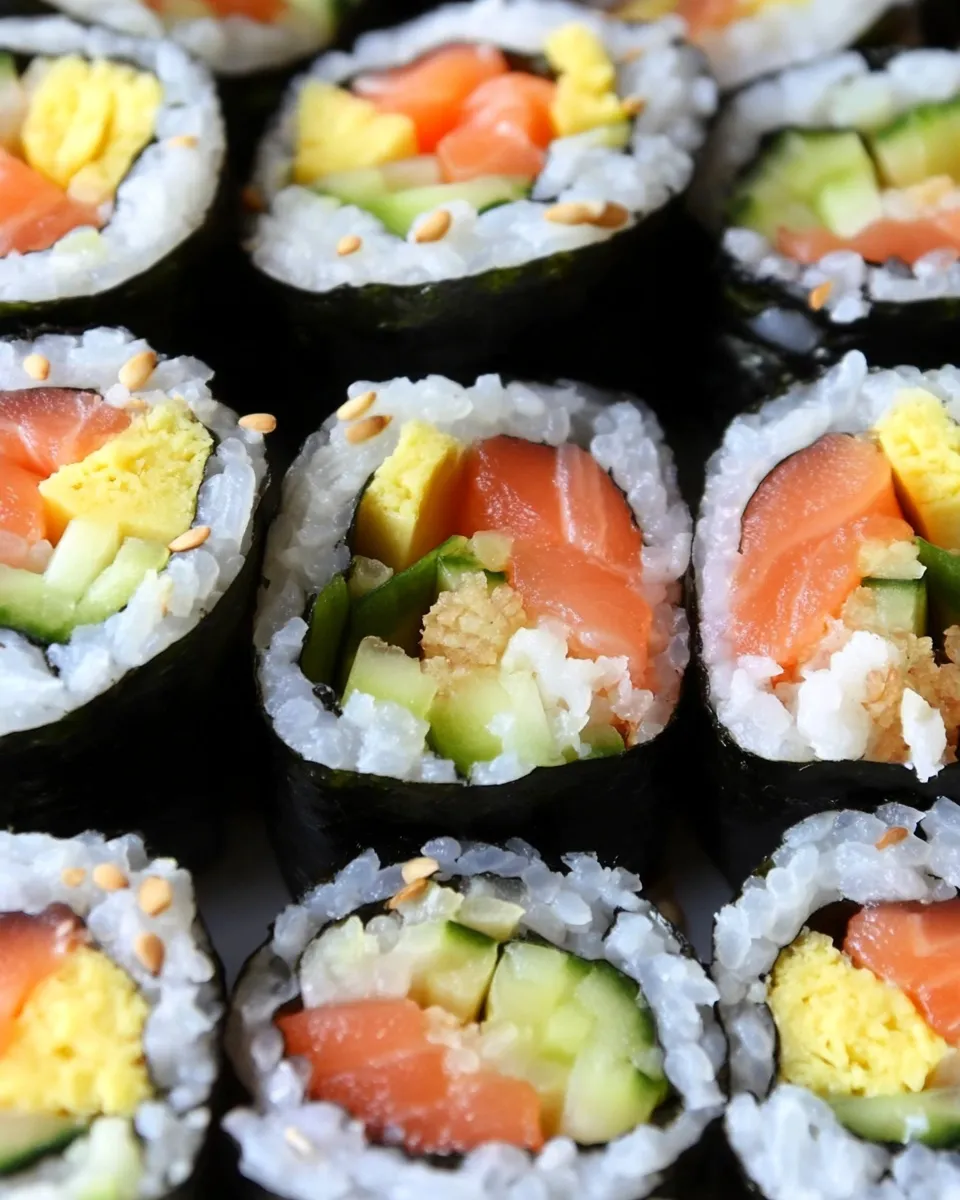
I love sushi, but I also love keeping carbs low. This Keto Sushi recipe gives you the rolling pleasure and flavor of classic sushi without rice. It uses riced cauliflower as the base, sushi-grade salmon (or any protein you prefer), crisp cucumber, a smear of mayo for richness, and nori to hold everything together. The result is clean, fresh, and surprisingly satisfying.
This post walks you through every part: what goes in, a clear step-by-step build, smart substitutions for texture, gear you actually need, storage tips, and a few things to avoid so your rolls don’t fall apart. No fuss, just practical guidance so you can make these at home with confidence.
What Goes Into Keto Sushi
Ingredients
- 4 cups cauliflower florets — chopped, about half a large cauliflower; this is pulsed into the rice substitute.
- 1/2 teaspoon salt — seasons the cauliflower “rice” and helps draw out moisture.
- 1 tablespoon white vinegar — gives the cauliflower rice a mild tang like sushi rice.
- 2 tablespoons sugar free powdered sugar — adds a touch of sweetness to mimic seasoned sushi rice without carbs.
- 2 sheets Nori — the seaweed wrappers; use full sheets for rolling.
- 2 tablespoon mayonnaise — spread on the roll for richness and to help bind fillings.
- 1/4 cup sushi grade salmon — thinly sliced; use an alternate protein if preferred.
- 1/2 small cucumber — sliced into strips to add crunch and freshness.
- 1/8 teaspoon sesame seeds — for garnish and a subtle nutty flavor.
- 1 serving wasabi — optional; a thin smear adds heat if you like it.
Build Keto Sushi Step by Step
- Prepare the cauliflower “rice”: Place the chopped cauliflower florets in a food processor and pulse until the pieces resemble rice grains. Don’t over-process into a puree; you want small, grain-like bits.
- Cook and drain: Transfer the riced cauliflower to a microwave-safe bowl, sprinkle with 1/2 teaspoon salt, and microwave on high for 4–5 minutes until soft and tender. Let it rest briefly, then press or drain excess moisture with a clean kitchen towel or fine sieve. Removing moisture prevents soggy rolls.
- Season the “rice”: Once the cauliflower is completely cool, stir in 1 tablespoon white vinegar and 2 tablespoons sugar free powdered sugar until evenly combined. Taste and adjust lightly if needed—the mix should have a subtle sweet-tang similar to sushi rice.
- Lay out nori and rice: Place a nori sheet on a flat, dry surface or bamboo mat. Divide the cauliflower “rice” between the two nori sheets, spreading it evenly while leaving a 1/4-inch perimeter around the edges clear so the sheet can seal.
- Add spreads and fillings: Spread 1 tablespoon mayonnaise over the rice on each roll (or divide 2 tablespoons across two rolls). Layer the salmon strips and cucumber strips on top of the mayo. If using wasabi, spread a thin line on the side where you’ll start rolling.
- Roll tightly: Starting from the edge with filling, roll each nori sheet up very tightly, tucking in the fillings as you go and removing any filling that escapes. A bamboo mat helps, but careful fingers work too.
- Slice: Wipe a sharp knife slightly wet, then slice each roll into pieces. Clean the knife between cuts if the cauliflower rice clings to it, to keep neat slices.
- Finish and serve: Arrange sushi pieces on a plate, sprinkle 1/8 teaspoon sesame seeds over the rolls, and serve with wasabi, soy sauce, or a keto-friendly dipping sauce.
The Upside of Keto Sushi
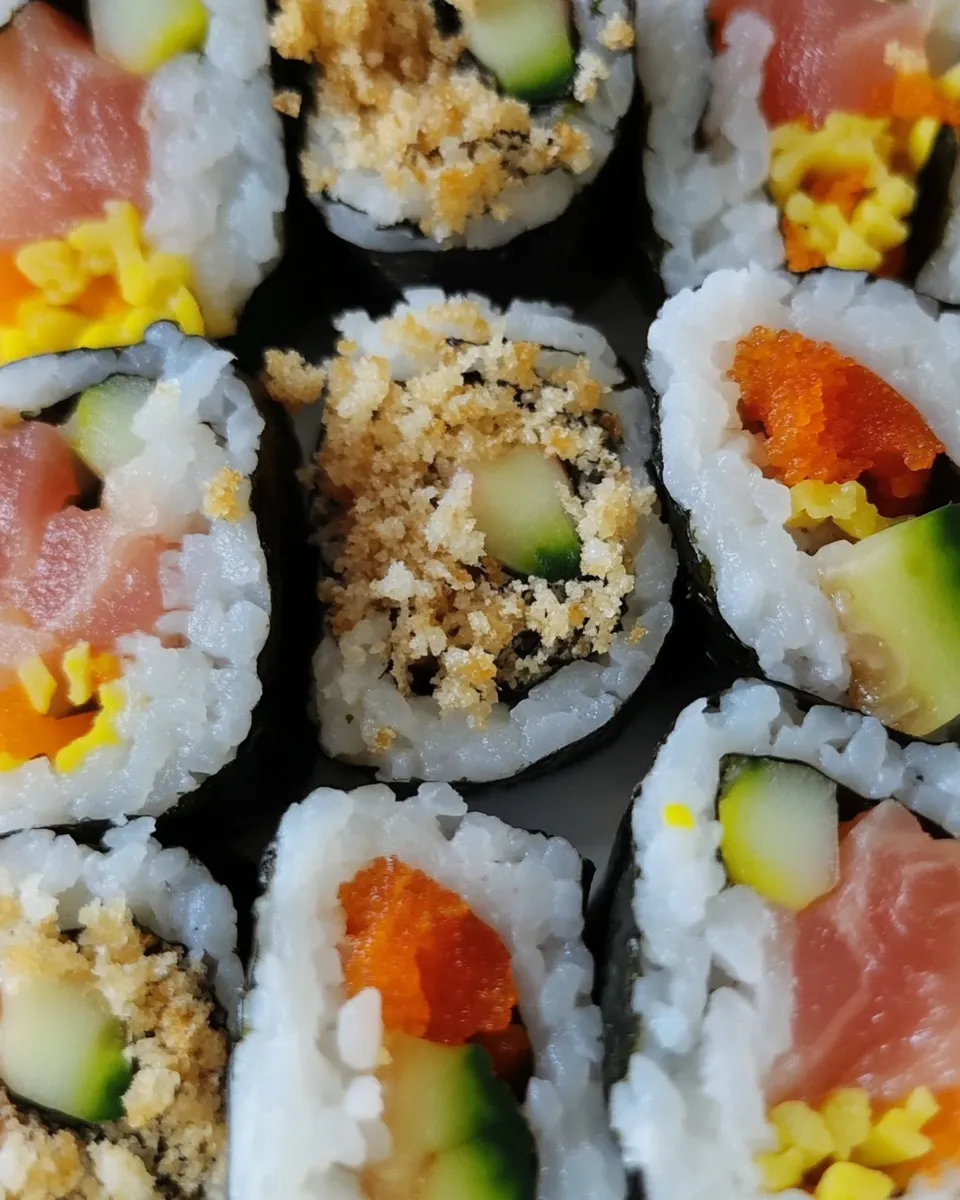
Cauliflower rice keeps this roll low in carbs while still delivering the signature sushi texture. It’s fast to prepare and cooks in minutes, so dinner comes together quickly. The recipe is flexible—swap salmon for cooked shrimp, tuna, or even smoked salmon. Mayo adds fat and mouthfeel that rice usually provides, keeping each bite satisfying. This is a good way to enjoy sushi textures without derailing a ketogenic plan.
Texture-Safe Substitutions
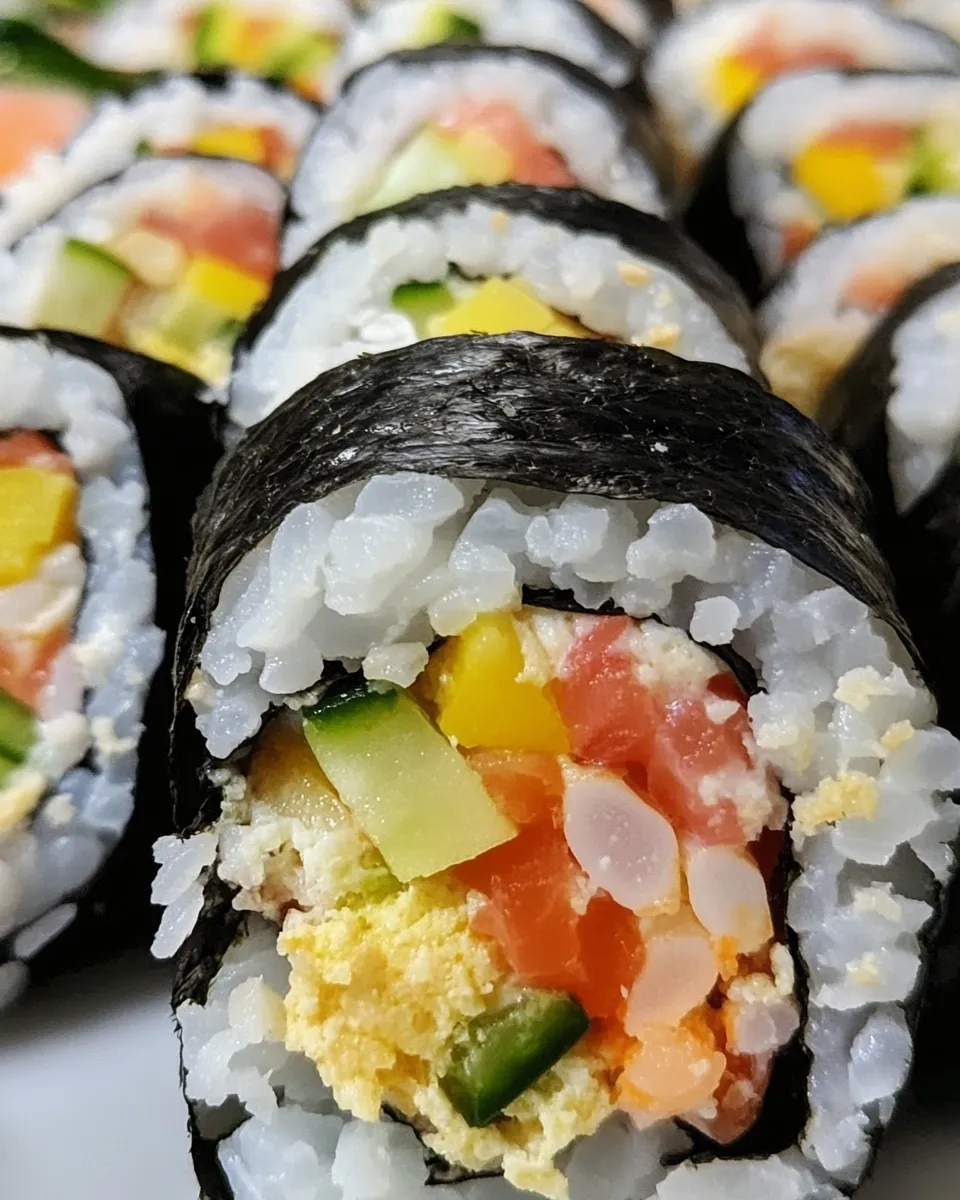
- If you don’t like cauliflower “rice” too soft — use less microwave time and press out more moisture for a firmer bite.
- For a firmer roll instead of raw salmon — use cooked shrimp or thin strips of grilled chicken; both hold structure well.
- If mayo feels too heavy — use a thin smear of mashed avocado for creaminess with a different mouthfeel.
- Don’t have nori sheets — try large lettuce leaves as a very loose wrap for a hand-roll style option.
What’s in the Gear List
- Bowl — microwave-safe for steaming the cauliflower.
- Food processor — to pulse the cauliflower to rice-like granules quickly and evenly.
- Sharp knife — essential for clean slices; keep it slightly wet when slicing rolls.
- Bamboo mat (optional) — helps create tighter, neater sushi rolls but isn’t required.
- Clean kitchen towel or fine sieve — for removing excess moisture from cauliflower rice.
Don’t Do This
- Don’t skip pressing out moisture from the cauliflower. Wet “rice” makes soggy, falling-apart rolls.
- Don’t overload the nori with rice and fillings. Too much filling prevents a tight seal and causes the roll to burst.
- Don’t slice with a dry knife. The cauliflower clings and rips the roll. Wipe the blade between cuts or keep it slightly wet.
- Don’t microwave cauliflower beyond the recommended time. Overcooking turns it mushy and less rice-like.
Make It Diet-Friendly
- Keep it keto: Use the sugar-free powdered sugar listed and avoid any sweetened sauces. Pair with tamari or coconut aminos for a low-carb dip.
- Lower fat: Reduce mayonnaise to 1 tablespoon across both rolls, or use mashed avocado instead.
- Higher protein: Increase the protein portion by adding more sushi-grade salmon if calories allow, or serve with a protein-rich side.
- Allergies: Swap sesame seeds and mayo if allergic—use toasted sunflower seeds and plain mashed avocado.
Method to the Madness
Treat the build like assembly-line work: rice first, then spread, then fillings, then roll. Work on one sheet at a time if that helps. A sharp cadence—process cauliflower, cook and drain, cool and season—keeps steps efficient and ensures temperature and moisture control. Rolling tightly is the trickiest part; practice and a bamboo mat make a big difference, but you can manage without one by pulling the nori taut as you roll.
Make-Ahead & Storage
- Cauliflower rice: Make and season the cauliflower rice up to 24 hours ahead. Store in an airtight container in the fridge. Before rolling, press out any extra moisture that accumulates.
- Assembled rolls: Best eaten immediately. If you must store finished rolls, keep them tightly wrapped in plastic and refrigerate up to 24 hours; texture will soften and nori may lose crispness.
- Leftovers: Separate fillings from nori if you want to preserve textures—store protein and rice in airtight containers up to 24 hours.
FAQ
- Q: Can I use frozen cauliflower? A: Yes. Thaw and pat dry thoroughly before processing; frozen cauliflower holds more water, so pressing is essential.
- Q: Is the sugar free powdered sugar necessary? A: It adds the sweet note that mimics sushi rice. You can omit it if you prefer a purely savory profile.
- Q: Can I make more than two rolls with these quantities? A: The recipe yields two nori rolls as written. If you want more, scale ingredients proportionally.
- Q: How do I know the salmon is safe? A: Use sushi-grade salmon from a trusted fishmonger for raw consumption. Alternatively, use fully cooked protein to eliminate raw fish concerns.
Wrap-Up
Keto Sushi is a practical, low-carb way to get your sushi fix at home. It takes standard sushi flavors—vinegar, sesame, clean fish, cucumber—and reimagines them with cauliflower rice. The steps are straightforward: rice the cauliflower, cook and dry it, season, assemble, and roll tightly. With a few practice rolls you’ll have consistent, satisfying results. Try different proteins and spreads to make this your go-to low-carb sushi option. Enjoy your rolls and the freedom to customize!
Keto Sushi
Ingredients
- 4 cups cauliflower florets chopped, approximately half a large cauliflower
- 1/2 teaspoon salt
- 1 tablespoon white vinegar
- 2 tablespoons sugar-free powdered sweetener
- 2 sheets nori
- 2 tablespoons mayonnaise
- 1/4 cup sushi-grade salmon or protein of choice
- 1/2 small cucumber sliced into strips
- 1/8 teaspoon sesame seeds
- 1 serving wasabi optional
Instructions
- Add the chopped cauliflower florets to a food processor and pulse until the texture resembles rice.
- Transfer the riced cauliflower to a microwave-safe bowl, sprinkle with the salt, and microwave on high for 4–5 minutes until tender.
- Wrap the cooked cauliflower in a clean towel or paper towels and squeeze or press to remove as much moisture as possible, then let it cool completely.
- When cool, stir in the white vinegar and sugar-free powdered sweetener until evenly combined; this is your cauliflower "sushi rice."
- Place a nori sheet on a flat surface and divide half of the cauliflower rice across the sheet, leaving about 1/4 inch (6 mm) border around the edges.
- Spread 1 tablespoon mayonnaise over the rice, arrange half of the salmon (or chosen protein) and half of the cucumber strips along the center, and sprinkle with sesame seeds; add a thin line of wasabi if using.
- Roll the nori tightly around the filling, removing any filling that escapes, then repeat the process with the second nori sheet and remaining ingredients.
- Using a sharp knife dipped in water, slice each roll into pieces and serve.
Equipment
- Food Processor
- Microwave-safe Bowl
- clean kitchen towel or paper towels
- bamboo mat or flat surface for rolling
- Sharp Knife
Notes
- Philadelphia roll: replace the mayonnaise with cream cheese and add sushi-grade salmon and cucumber.
- Cucumber roll: double the mayonnaise and cucumber.
- Spicy tuna roll: use sushi-grade tuna with mayonnaise mixed with Sriracha.
- California roll: use real crab mixed with mayonnaise instead of imitation crab.
- Shrimp roll: use broiled or boiled shrimp with tails removed, cucumber, and mayonnaise.