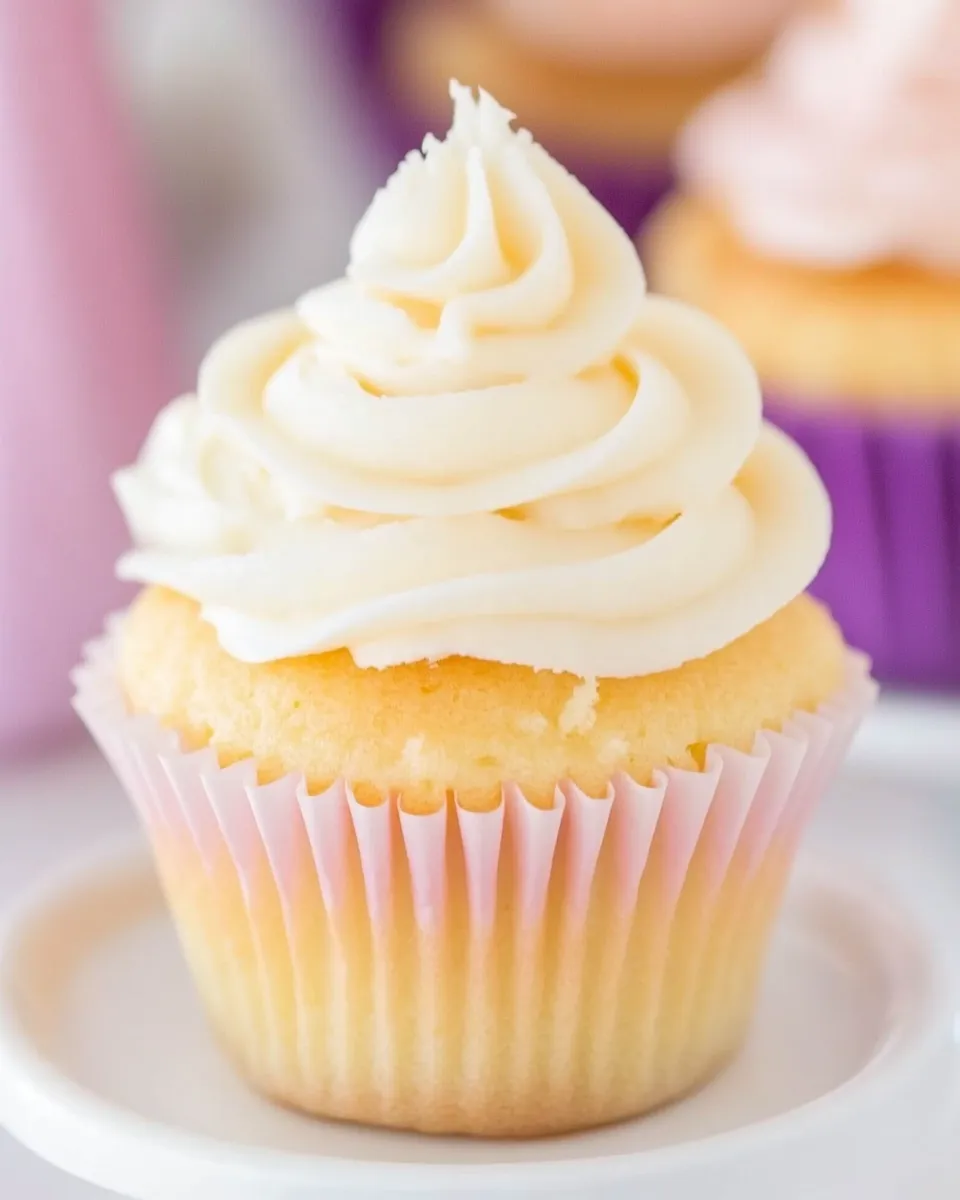
Keto Cupcakes
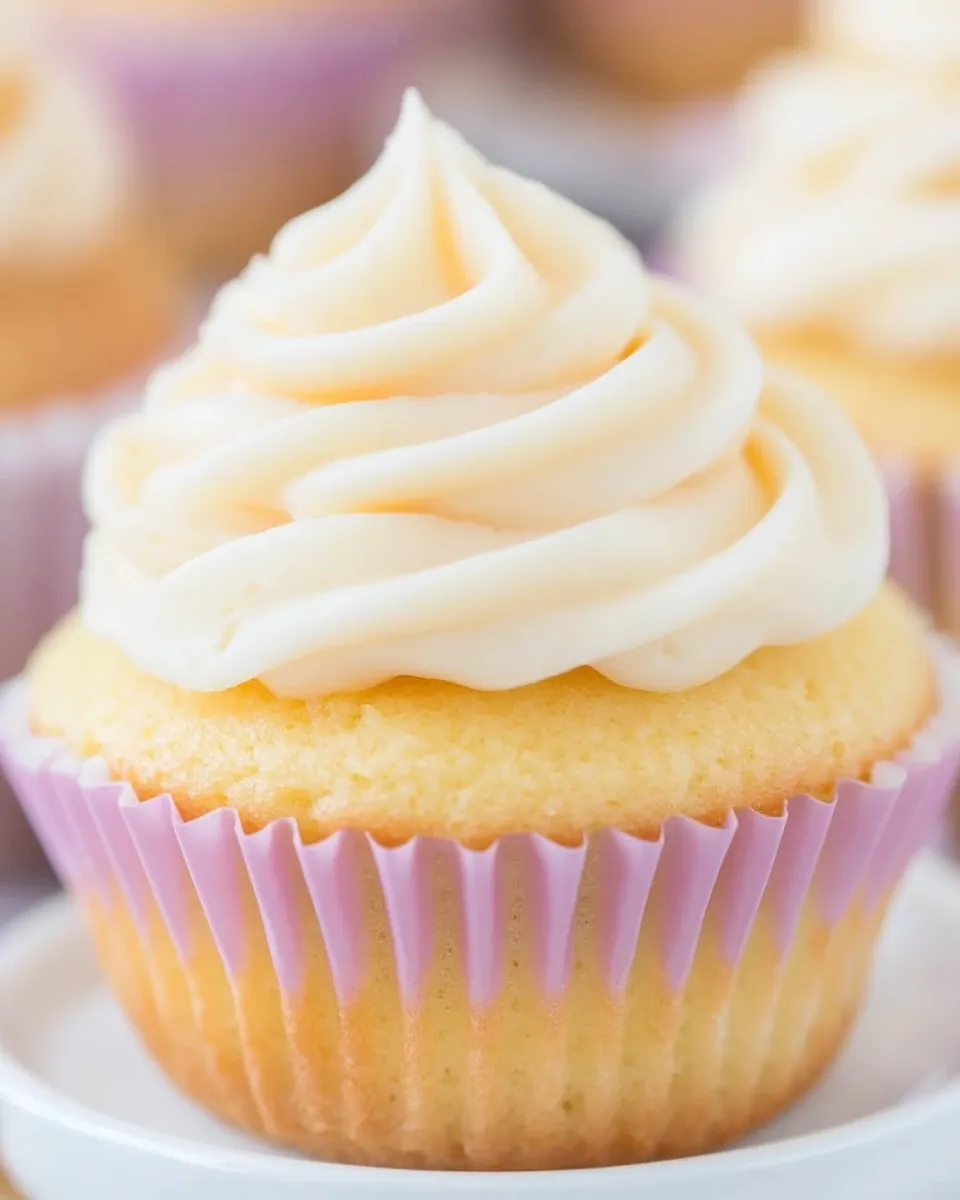
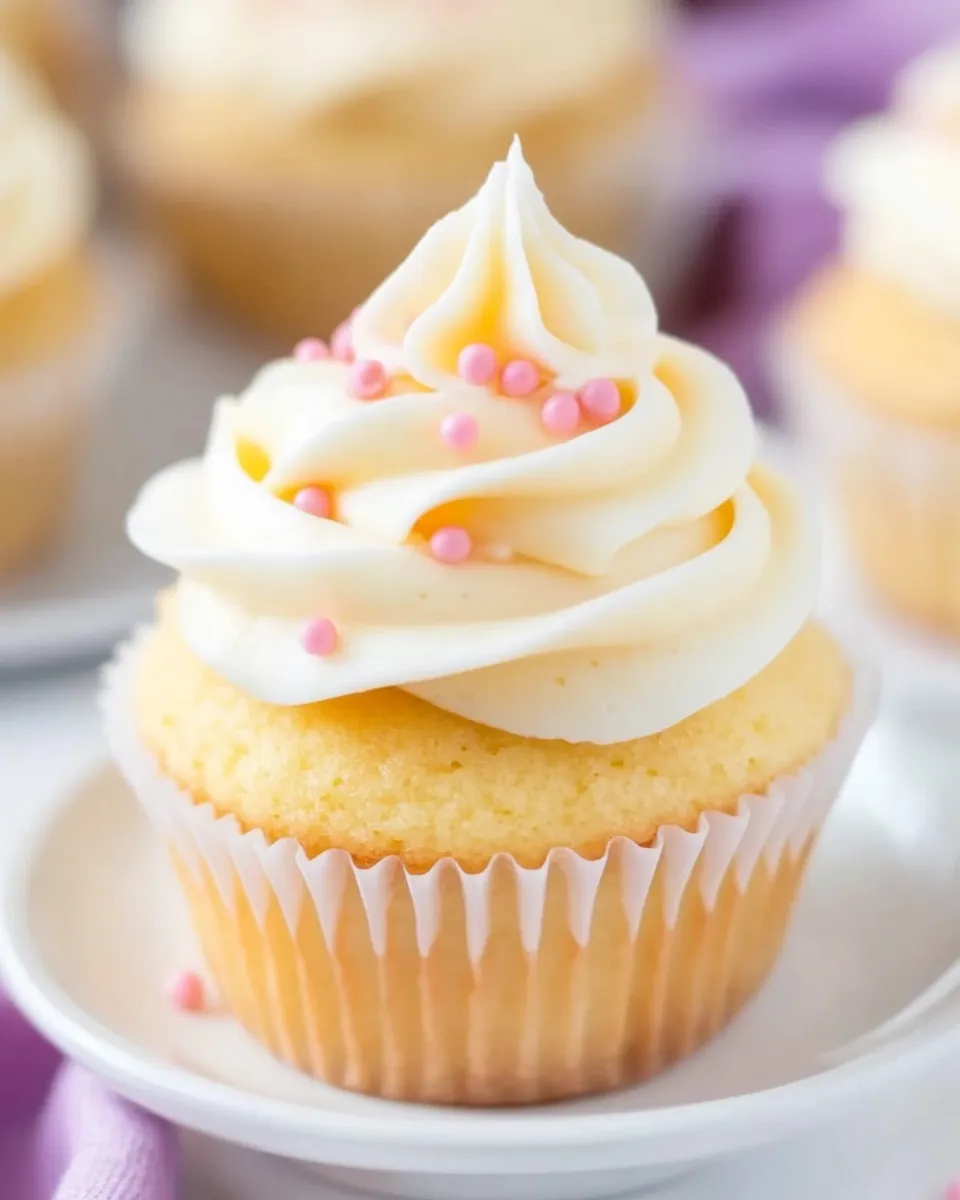
I love a reliable cupcake that fits into a low-carb lifestyle without tasting like a compromise. These Keto Cupcakes are straightforward, tender, and easy to frost—perfect for a weekday treat or a small celebration. They rely on coconut flour and allulose for sweetness, so they stay low in net carbs while offering a classic cupcake texture.
I test recipes in a busy home kitchen, and I keep notes on what works and what doesn’t. This version is designed to be practical: few ingredients, simple steps, and clear timing so you get consistent results. If you’re new to coconut flour or sugar substitutes, I explain those choices and offer swaps further down.
Scroll through for a precise ingredients list, a clean step-by-step cooking guide, troubleshooting tips, and storage advice. There’s also a short FAQ to help you adapt these cupcakes for different diets or flavor variations.
Shopping List
- Butter — salted or unsalted, used softened to make the batter smooth.
- Allulose — granulated, the primary sweetener; lighter tasting and browner than erythritol.
- Vanilla extract — for flavor lift; use pure if possible.
- Eggs — large, provide structure and moisture.
- Milk — any milk listed in the notes works; adds tenderness.
- Coconut flour — the dry base; very absorbent so keep measurements exact.
- Baking powder — gives lift; ensure it’s fresh.
- Keto vanilla frosting — prepared separately; used to top the cooled cupcakes.
Keto Cupcakes Cooking Guide
Ingredients
- 1/2 cup butter — softened; creamed with sweetener to add structure and flavor.
- 2/3 cup allulose — the sweetener; sweetens and helps with browning. See notes for alternatives.
- 2 teaspoon vanilla extract — flavor enhancer; keeps the cupcakes from tasting flat.
- 6 large eggs — room temperature if possible; they add lift and moisture.
- 2 tablespoon milk — thins the batter slightly and improves tenderness. See notes for substitutes.
- 1/2 cup coconut flour — the dry, low-carb flour; measure carefully and sift for even texture.
- 1 teaspoon baking powder — leavening agent; ensures the cupcakes rise.
- 1 batch keto vanilla frosting — for topping once cupcakes are fully cooled.
Step-by-step Instructions
- Preheat your oven to 180°C / 350°F. Line a 12-count muffin tin with liners and grease 10 of the liners lightly (leave two empty or use as spares).
- In a large mixing bowl, cream the 1/2 cup butter and 2/3 cup allulose together until smooth and slightly fluffy. This creates the base texture and helps dissolve the sweetener.
- Add 2 teaspoons vanilla extract and the 6 large eggs to the butter mixture. Beat until the mixture is uniform and glossy.
- Stir in the 2 tablespoons milk until just combined. The batter will be fairly thick because of the coconut flour.
- In a separate bowl, sift together the 1/2 cup coconut flour and 1 teaspoon baking powder. Sifting helps break up clumps and distributes the baking powder evenly.
- Fold the dry ingredients into the wet mixture. Stir until there are no visible dry streaks—don’t overmix; the batter should be smooth but thick.
- Divide the batter among the 10 prepared muffin liners, filling each about 3/4 full so there’s room to rise.
- Bake on the center oven rack for 17–20 minutes. Start checking at 17 minutes: insert a skewer into the center of a cupcake; it should come out clean or with a few moist crumbs, not wet batter.
- Remove the tray from the oven and let the cupcakes cool in the tin for 10 minutes to set. After 10 minutes, transfer them to a wire rack to cool completely.
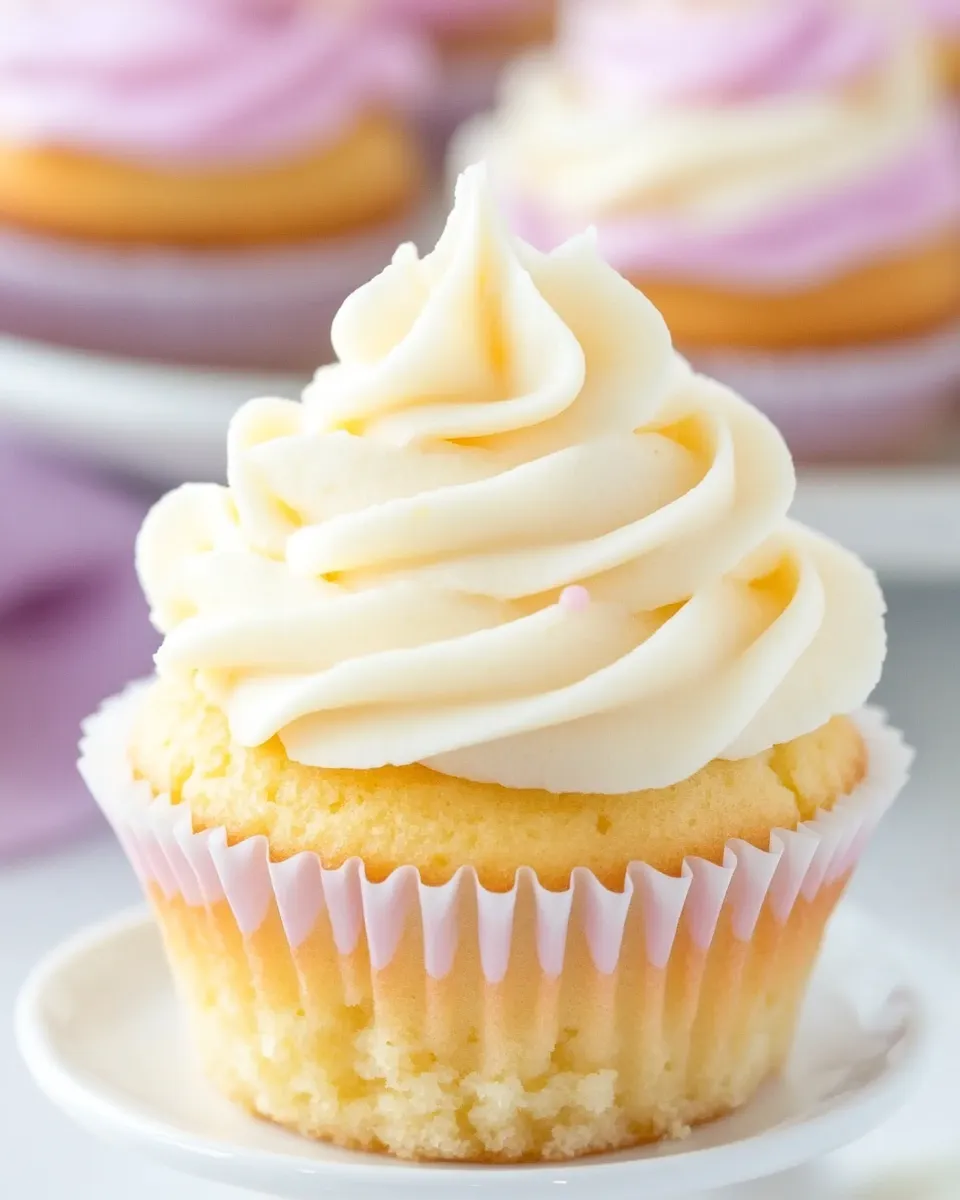
- Once fully cooled, pipe or spread 1 batch keto vanilla frosting on each cupcake. Serve or store as directed below.
Why This Recipe Belongs in Your Rotation
These cupcakes are quick to pull together and forgiving for busy cooks. They use pantry-friendly keto staples—coconut flour and allulose—which behave predictably when you follow the measurements. The texture is tender and slightly crumbly rather than dense, so they feel like a treat, not a sacrifice.
They’re versatile: switch the frosting or add a citrus zest to the batter without changing technique. Because the recipe makes 10 cupcakes, it’s an ideal amount for a small household or to share without excess waste.
Low-Carb/Keto Alternatives
- Sweetener: If you don’t have allulose, powdered erythritol or a 1:1 granular monk fruit blend can work, but expect less browning and slight cooling aftertaste with erythritol.
- Milk: Use unsweetened almond milk or heavy cream thinned with a splash of water if you prefer richer or dairy-free options.
- Flour: Do not substitute almond flour 1:1 for coconut flour—coconut flour is much more absorbent. If you must use almond flour, follow a different almond-flour cupcake recipe.
- Frosting: Use a cream cheese-based keto frosting for tanginess or a buttercream made with powdered allulose for lighter sweetness.
Equipment at a Glance
- Muffin tin (12-count) — we use liners and grease 10 compartments.
- Mixing bowls — one large for wet ingredients, one for dry.
- Hand mixer or stand mixer — speeds creaming and ensures even mixing.
- Sifter or fine-mesh sieve — for coconut flour and baking powder.
- Wire rack — for cooling cupcakes completely before frosting.
- Oven thermometer (optional) — helpful if your oven runs hot or cold.
Things That Go Wrong
- Dry, crumbly cupcakes — likely from over-measurement of coconut flour or overbaking. Measure flour by spooning it into the cup and leveling, don’t scoop from the bag.
- Dense, heavy texture — underbeaten eggs or not enough leavening. Confirm you used 6 large eggs and 1 teaspoon baking powder.
- Gummy center — underbaked. Return to the oven and check in 2-minute increments with a skewer.
- Too sweet or odd aftertaste — can be due to the sweetener. Try reducing the sweetener slightly next time or switching to a different keto sweetener per the alternatives above.
Seasonal Spins
- Spring: Add 1 teaspoon lemon zest to the batter and swap to a lemon cream cheese frosting for brightness.
- Summer: Fold 1/4 cup finely chopped fresh berries into the batter (drain excess juice) and top with a berry-infused frosting.
- Autumn: Stir in 1/2 teaspoon ground cinnamon and a pinch of nutmeg; finish with a brown-butter frosting or cinnamon cream cheese frosting.
- Winter: Add 1/4 teaspoon almond extract along with vanilla and top with a cocoa-based frosting for a chocolate-vanilla contrast.
Cook’s Commentary
Coconut flour can be intimidating the first few times you use it because it soaks up liquid. That’s why this recipe uses a good number of eggs to keep the crumb soft. I find greasing only 10 liners gives consistent baking space and prevents crowding issues in older muffin tins. The batter is thick—don’t try to thin it beyond the 2 tablespoons of milk or the cupcakes will spread oddly.
I prefer allulose because it browns better than some other keto sweeteners and creates a familiar flavor, but store labels vary. Taste the batter lightly (raw egg safety permitting) and adjust flavorings like vanilla before baking.
Keep-It-Fresh Plan
- Room temperature: Store in an airtight container for up to 2 days.
- Refrigerator: Cupcakes with cream cheese or perishable frosting will keep 4–5 days in a covered container.
- Freezer: Wrap individually in plastic and freeze up to 2 months. Thaw overnight in the fridge and bring to room temperature before frosting if needed.
Frequently Asked Questions
- Q: Can I make these dairy-free?
A: Use dairy-free butter and an unsweetened nut milk for the 2 tablespoons called for. Texture may vary slightly but should be fine. - Q: Why only 10 cupcakes in a 12-cup tin?
A: The recipe yields batter for 10 evenly-sized cupcakes; leaving two empty helps the oven circulate heat more evenly and avoids overfilling. - Q: Can I use almond flour instead?
A: No—almond flour is not a direct swap for coconut flour. Coconut flour absorbs a lot more liquid; using almond flour would require a different formula. - Q: Is allulose necessary?
A: It’s not strictly necessary, but it gives better browning and texture. If you substitute, expect minor differences in color and taste.
That’s a Wrap
These Keto Cupcakes are a dependable, low-carb treat that you can make with pantry ingredients and minimal fuss. Follow the steps for consistent texture, cool completely before frosting, and store appropriately. Try a few of the seasonal ideas to keep this recipe fresh and suited to any occasion. Enjoy—bake small, share with friends, and savor the wins.
Keto Cupcakes
Ingredients
- 1/2 cup butter softened
- 2/3 cup allulose see notes
- 2 teaspoons vanilla extract
- 6 large eggs
- 2 tablespoons milk start with 2 tbsp and add more if needed (see notes)
- 1/2 cup coconut flour
- 1 teaspoon baking powder
- 1 batch keto vanilla frosting for frosting the cooled cupcakes
Instructions
- Preheat the oven to 180°C (350°F). Line a 12-cup muffin tin with liners and grease 10 of the cups.
- In a large bowl, beat the softened butter and allulose until creamy, then add salt (if using), vanilla extract, and eggs; beat until well combined.
- Stir in the milk to the wet mixture until combined.
- In a separate bowl, sift together the coconut flour and baking powder to remove lumps.
- Fold the dry ingredients into the wet ingredients and mix until a uniform batter forms. Add a little more milk if the batter seems too thick.
- Divide the batter evenly among the 10 prepared muffin cups, filling each about three-quarters full.
- Bake on the center oven rack for 17–20 minutes, or until a skewer inserted into the center of a cupcake comes out clean.
- Let the cupcakes cool in the pan for 10 minutes, then transfer to a wire rack to cool completely before frosting.
- Frost the cooled cupcakes with the keto vanilla frosting.
Equipment
- 12-count muffin tin
- muffin liners
- large mixing bowl
- Whisk or electric mixer
- small bowl
- sifter or fine-mesh sieve
- Spatula
- Wire Rack
Notes
- You can use monk fruit sweetener instead of allulose, but it will be granulated.
- Start with 2 tablespoons of milk and add more as needed to adjust batter consistency.
- Cool cupcakes completely before frosting for best results.
- Grease only the 10 liners you plan to use to prevent sticking.
- Check doneness with a skewer inserted into the center of a cupcake.