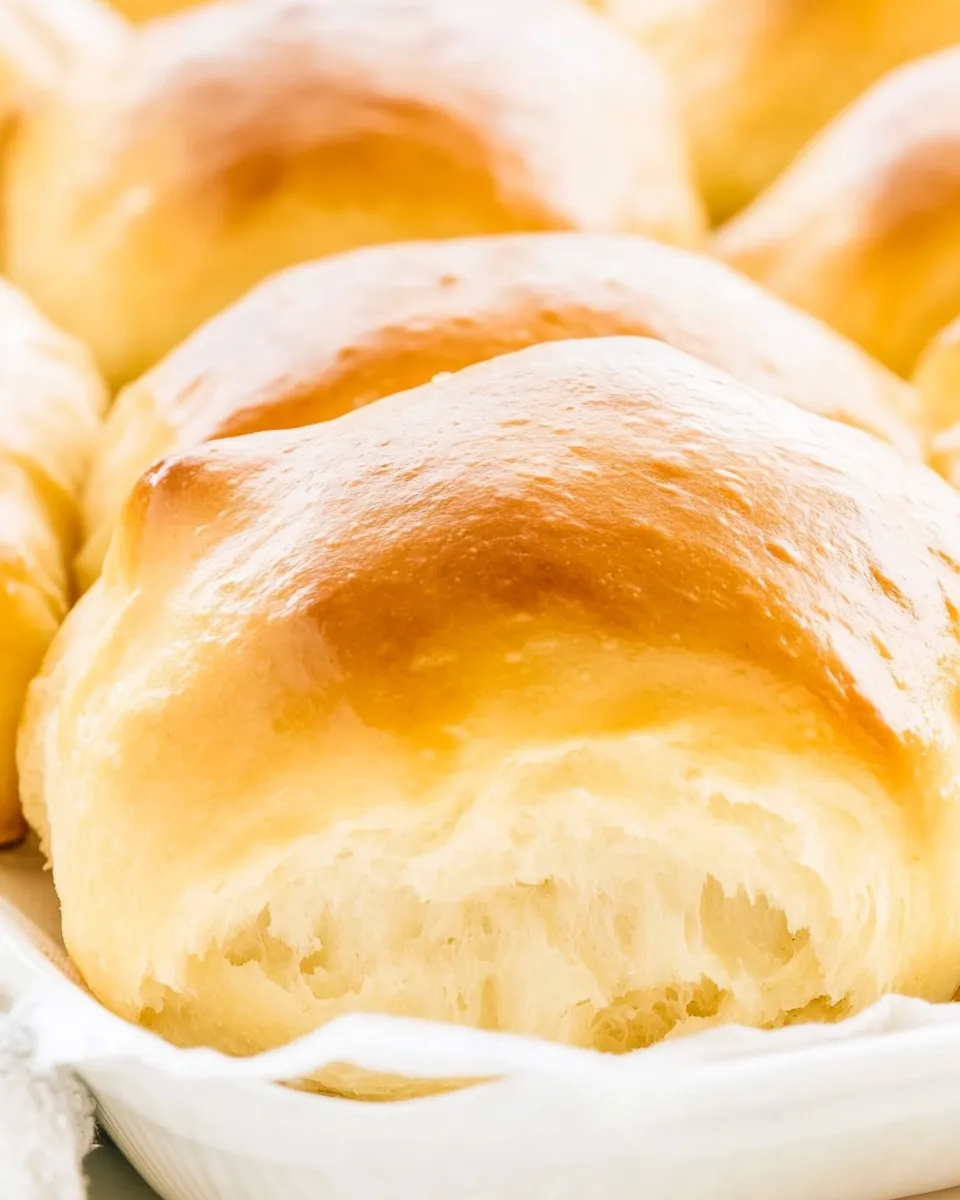
Homemade Hawaiian Dinner Rolls Recipe
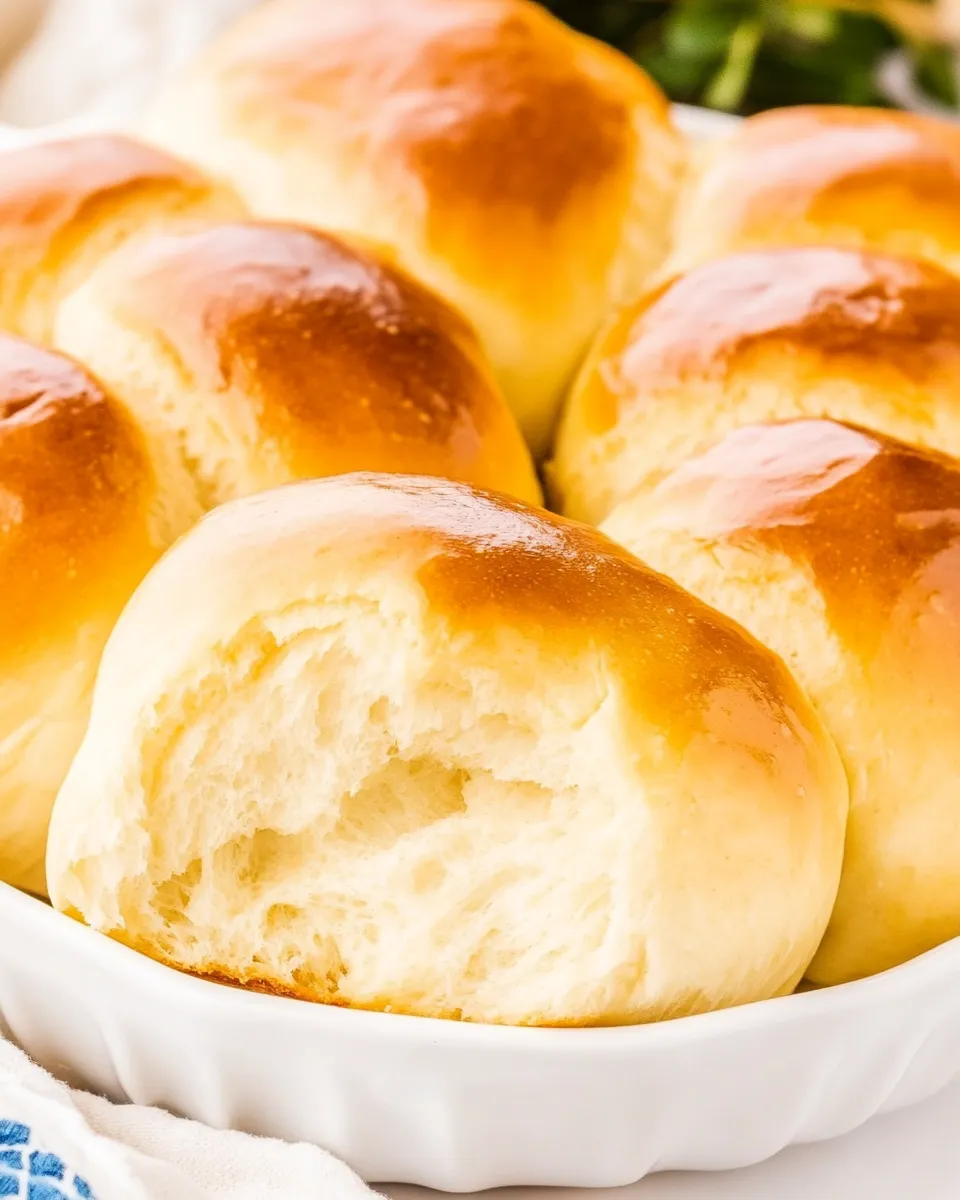
These soft, slightly sweet Hawaiian rolls are the ones I make when I want guests to say, “Did you make these?” They have that tender crumb and a hint of pineapple that keeps them subtly sweet without being dessert-like. They’re approachable—no unusual equipment, just a stand mixer or a little elbow grease—and they brighten any meal: barbecue, weeknight dinners, or holiday spreads.
I’ll walk you through everything: what to gather, step-by-step instructions, reasons behind the ingredients, helpful swaps, and how to store and reheat them so they stay tender. Follow the method exactly for consistent results; I also include small tips that make the process smoother.
What You’ll Gather
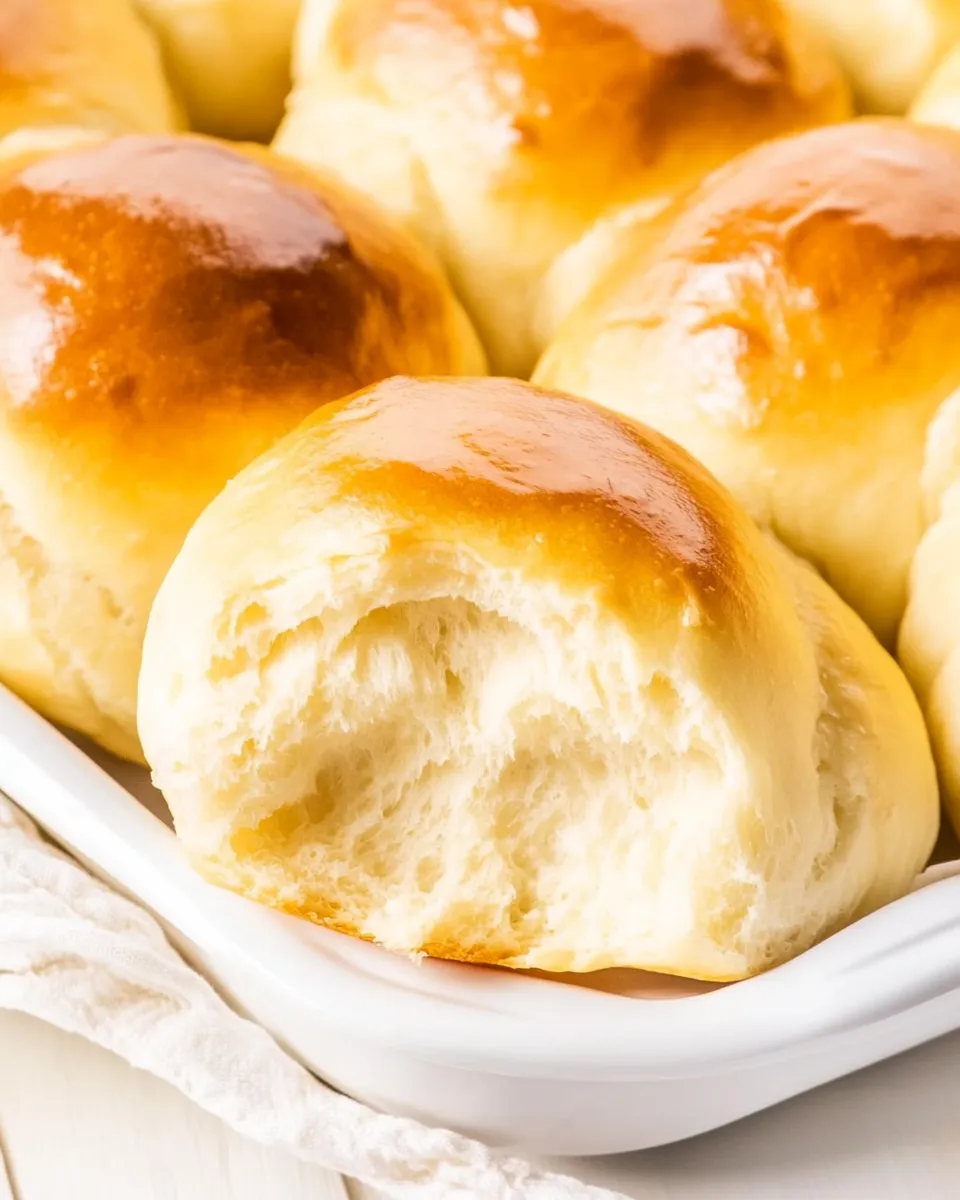
Make Homemade Hawaiian Dinner Rolls Recipe: A Simple Method
Ingredients
- ½ cup pineapple juice — at room temperature; provides sweetness, moisture, and the signature Hawaiian flavor.
- ½ cup warm milk — helps activate the yeast and adds tenderness to the crumb.
- 6 tablespoons butter — melted and cooled; fat for richness and soft texture.
- 2/3 cup granulated sugar — balances the tang and feeds the yeast slightly for a touch of sweetness.
- 2 eggs — room temperature; add structure and richness.
- 2 teaspoons vanilla extract — flavor enhancer that complements the pineapple.
- 2 ¼ teaspoons instant yeast — the leavening agent; instant yeast works straight into the liquids.
- 4–4 ½ cups bread flour — bread flour gives better gluten structure; start with 4 cups and add up to 4 ½ if needed.
- 1 ½ teaspoons salt — balances sweetness and strengthens the dough.
- 1 egg — for the egg wash.
- 2 tablespoons milk — combined with the egg for the egg wash to produce a glossy, golden top.
Make Homemade Hawaiian Dinner Rolls Recipe: A Simple Method
- Measure and bring ingredients to temperature. Put the pineapple juice at room temperature and make sure the 2 eggs are room temperature. Melt the 6 tablespoons of butter and let it cool so it won’t kill the yeast.
- Combine wet ingredients and yeast. In the bowl of a stand mixer, add ½ cup pineapple juice, ½ cup warm milk, cooled melted butter, 2/3 cup granulated sugar, 2 eggs, 2 teaspoons vanilla extract, and 2 ¼ teaspoons instant yeast. Give this mixture a quick stir with a fork to combine and dissolve the yeast slightly.
- Add initial flour and salt. Fit the mixer with the dough hook. Add 2 cups of the bread flour and 1 ½ teaspoons salt. Start the mixer on the lowest speed just until the flour is incorporated into the wet ingredients.
- Add more flour and knead. Add another 2 cups of bread flour and allow the mixer to knead until the dough comes together. If the dough pulls away from the sides and forms a rough ball, increase the mixer speed slightly to develop the dough.
- Adjust final flour for tackiness. For the remaining ½ cup of flour, add it gradually—start by adding ¼ cup at a time—until you reach a soft but slightly sticky dough. The dough should clean the sides of the bowl but may still stick a little to the bottom.
- Knead for strength. Continue kneading the dough in the mixer for 5–6 minutes total after the last flour addition. The dough should feel elastic and smooth, while still a touch tacky to the touch.
- First rise. Lightly spray the empty mixer bowl with cooking spray and transfer the dough back into it. Cover the bowl tightly with plastic wrap and place in a warm, draft-free spot to rise until doubled in size, about 90 to 120 minutes.
- Prepare the pan. When the dough is nearly doubled, grease a 9″x13″ baking dish with cooking spray and set it aside.
- Divide and shape. Gently deflate the risen dough and turn it onto a lightly floured surface. Divide the dough evenly into 15 pieces using a knife or bench scraper. Roll each piece into a smooth ball by cupping your hand and rolling until the surface is taut.
- Arrange and second rise. Place the 15 dough balls into the prepared 9″x13″ pan in 3 across and 5 down. Cover the dish loosely with plastic wrap and allow the rolls to nearly double in size again, about 60–90 minutes. They should expand until they are touching each other on all sides.
- Preheat the oven. During the last 20–30 minutes of proofing, preheat your oven to 375°F (190°C).
- Make and apply egg wash. Beat together the remaining 1 egg and 2 tablespoons milk with a small whisk or fork. Gently brush the egg wash over the tops of the risen rolls—take care not to deflate them.
- Bake. Bake the rolls in the preheated 375°F (190°C) oven for about 20–25 minutes, or until the tops are a deep golden brown.
- Finish and cool. Remove the pan from the oven and let the rolls cool in the pan on a wire rack for 10–15 minutes. If you prefer shiny, buttery tops, brush a little softened butter over the rolls while they’re still warm.
What Sets This Recipe Apart
These rolls use pineapple juice and vanilla to create a delicate balance of sweetness and fragrance without being cloying. The dough is enriched with butter and eggs, giving a tender crumb similar to bakery-style Hawaiian rolls. The method focuses on texture—keeping the dough slightly tacky, precise kneading time, and two controlled rises to ensure an even, soft structure and that signature pull-apart shape.
Ingredient Swaps & Substitutions
- Pineapple juice — swapping for another fruit juice will change the flavor; apple juice works if you want mild sweetness, but you’ll lose the Hawaiian note.
- Warm milk — you can use whole milk or 2% milk. For a dairy-free option use an unsweetened plant milk (soy or oat) warmed to the same temperature.
- Butter — can be replaced with melted margarine or a neutral oil for a dairy-free roll; flavor and crumb will differ slightly.
- Bread flour — all-purpose flour can work, but expect slightly softer, less chewy rolls. If using AP flour, use the full 4 ½ cups only if the dough remains sticky.
- Instant yeast — active dry yeast may be used but proof it first in the warm milk (5–10 minutes) before mixing with the other ingredients; reduce proofing time notes accordingly.
What You’ll Need (Gear)
- Stand mixer with dough hook (or bowl and a lot of elbow grease).
- 9″x13″ baking dish.
- Plastic wrap and cooking spray.
- Bench scraper or sharp knife for dividing dough.
- Wire cooling rack.
What Not to Do
- Do not use cold pineapple juice or cold eggs—cold liquids slow yeast activity and extend proofing unpredictably.
- Don’t add all the flour at once; the dough should be slightly tacky. Over-flouring gives dry, dense rolls.
- Avoid rushing the rises. Underproofed rolls will be tight and heavy; overproofed rolls can collapse in the oven.
- Don’t skip the egg wash if you want that shiny, golden top—plain milk won’t give the same sheen.
Seasonal Adaptations
- Summer: Serve warm with grilled meats and a fresh mango salsa to echo the tropical notes.
- Fall/Winter: These rolls pair beautifully with roasted turkey or ham and can be served as part of a holiday spread.
- Spring: Add a light citrus glaze after baking for brunch or shower menus to brighten the flavor.
Behind the Recipe
Hawaiian rolls are an enriched dough tradition influenced by both Asian and American baking techniques; the use of pineapple juice ties into tropical flavoring common in Hawaiian-inspired cooking. Enrichment (butter, eggs, milk) produces a soft crumb and longer shelf life. The two-stage rise creates the characteristic soft interior and tight, even crumb, while arranging rolls in a pan ensures they bake into pillowy, pull-apart pieces.
How to Store & Reheat
- Short-term: Keep rolls covered at room temperature for up to 2 days in a bread box or tightly wrapped to prevent drying.
- Longer storage: Freeze cooled rolls in a zip-top bag for up to 3 months. Thaw at room temperature, then warm briefly.
- Reheating: To refresh, wrap in foil and heat at 300°F (150°C) for 10–15 minutes, or microwave a roll for 10–15 seconds and then brush with butter for softness.
Your Questions, Answered
- Can I make these by hand? Yes. Mix the wet and dry ingredients in a bowl, then turn the dough out and knead on a floured surface for 10–12 minutes until elastic and slightly tacky.
- Why does the recipe use both pineapple juice and vanilla? Pineapple juice gives the characteristic fruit note and moisture; vanilla rounds and enhances that flavor so the sweetness feels balanced.
- What if my dough is too sticky to handle? Lightly dust your hands and work surface with flour, but add extra flour sparingly—up to the 4 ½ cup total—to avoid drying the dough.
- Can I make smaller or larger rolls? Yes. Adjust baking time: smaller rolls will bake faster (watch after 12–15 minutes); larger ones need a few extra minutes and may brown more quickly on top, so tent with foil if necessary.
Final Thoughts
These Hawaiian dinner rolls are an easy way to add something special to dinner without fuss. The dough is forgiving if you follow the rise guidance and keep it slightly tacky. Once you make them a couple of times you’ll instinctively know the feel of the dough and the look of a properly proofed roll. Serve warm with butter and watch them disappear. Enjoy baking—and tasting—these soft, sweet rolls.
Homemade Hawaiian Dinner Rolls Recipe
Ingredients
- 1/2 cup pineapple juice at room temperature, not cold
- 1/2 cup milk warm
- 6 tablespoons butter melted and cooled
- 2/3 cup granulated sugar
- 2 eggs room temperature
- 2 teaspoons vanilla extract
- 2 1/4 teaspoons instant yeast *see note
- 4 to 4 1/2 cups bread flour *see note about adding final 1/2 cup gradually
- 1 1/2 teaspoons salt
- 1 egg egg wash for brushing
- 2 tablespoons milk for egg wash
Instructions
- In the stand mixer bowl combine the pineapple juice (room temperature), warm 1/2 cup milk, melted cooled butter, 2/3 cup sugar, 2 room-temperature eggs, vanilla, and instant yeast; stir briefly with a fork to combine.
- Fit the mixer with the dough hook and add 2 cups of the bread flour and the salt. Mix on the lowest speed until the flour is incorporated.
- Add 2 more cups of bread flour and continue kneading, increasing the mixer speed after the flour is incorporated.
- For the remaining flour, add up to 1/2 cup more 1/4 cup at a time until the dough is soft and slightly sticky. Knead the dough for 5–6 minutes more; it should clear the sides of the bowl but may cling slightly to the bottom.
- Turn the dough onto your hands or a clean surface briefly, spray the mixer bowl with cooking spray, return the dough to the bowl, cover with plastic wrap, and let rise in a warm place until doubled, about 90–120 minutes.
- Grease a 9x13-inch baking dish with cooking spray.
- Punch down the risen dough lightly, turn it onto a clean counter, and divide into 15 equal pieces using a bench scraper or knife. Roll each piece into a smooth ball.
- Place the rolls in the prepared baking dish in 3 rows of 5 so they touch each other. Cover with plastic wrap and let rise until nearly doubled, about 60–90 minutes.
- About 20–30 minutes before the end of proofing, preheat the oven to 375°F (190°C).
- Whisk together 1 egg and 2 tablespoons milk to make an egg wash. Gently brush the tops of the rolls with the egg wash.
- Bake the rolls in the preheated oven for 18 minutes, or until the tops are golden brown.
- Remove the pan from the oven and cool the rolls in the pan on a wire rack for 10–15 minutes before serving; optionally brush with butter while still hot for extra shine.
Equipment
- stand mixer with dough hook (or hand mixer with dough hook)
- 9x13 inch Baking Dish
- pastry brush
- wire cooling rack
- Plastic Wrap
- Measuring cups and spoons
- bench scraper or sharp knife
Notes
- If using active dry yeast, proof it in the milk for 5–10 minutes first.
- Add the final flour gradually until dough is soft and slightly sticky.
- Rising times vary with temperature and humidity.
- Enriched doughs take longer to rise than lean breads.
- If the dough doesn't double in the first rise, the rolls will be dense.