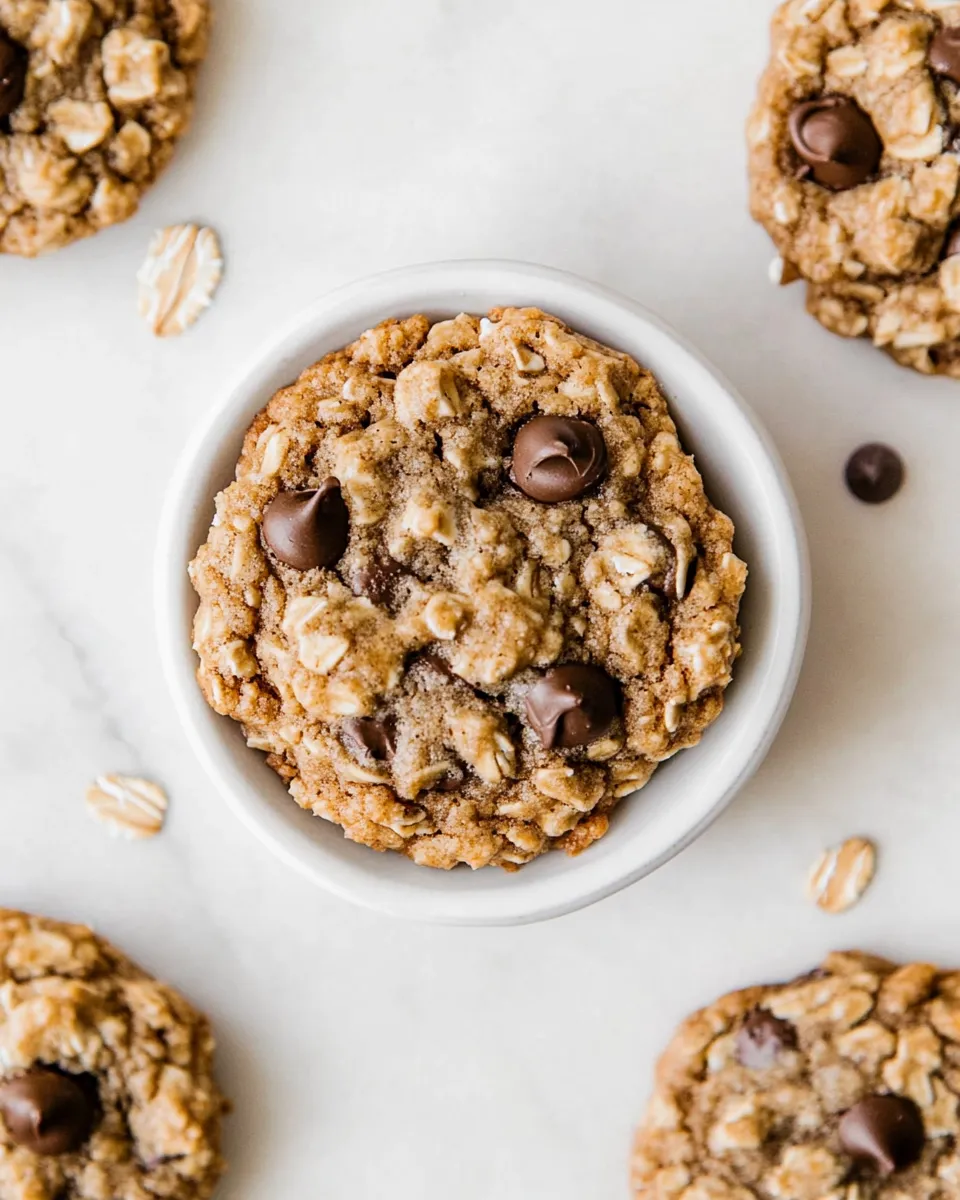
Coconut Oil Oatmeal Cookies
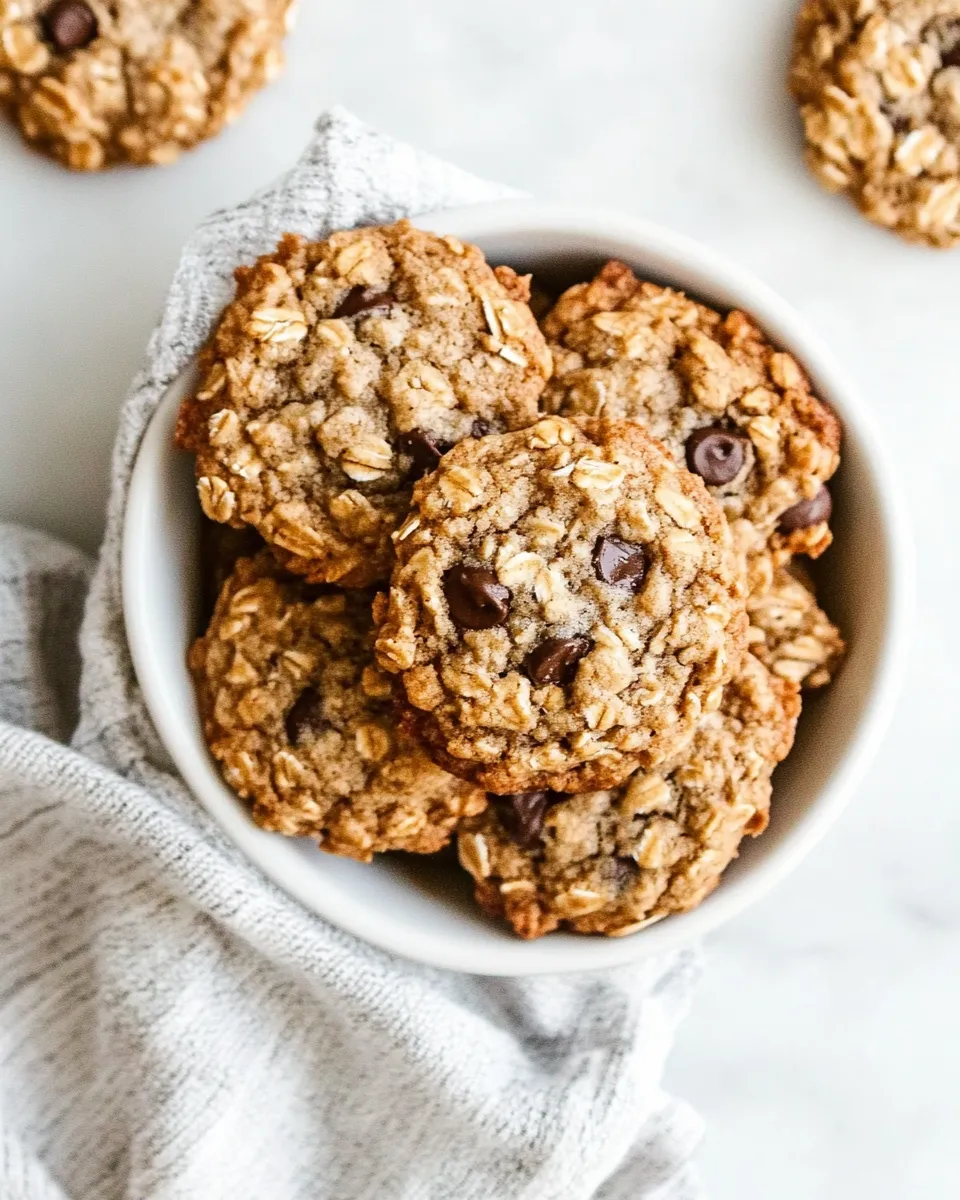
These coconut oil oatmeal cookies are a reliable, everyday cookie that balances soft, chewy centers with slightly crisped edges. They use a mix of coconut oil and butter for flavor and texture, oats for structure, and plenty of chocolate chips for comfort. The dough benefits from a short chill so the cookies spread less and develop better texture in the oven.
I test straightforward, practical recipes that are easy to reproduce in a typical home kitchen. This one scales well, keeps in the freezer, and offers simple swaps if you prefer different chocolate or want to skip the cinnamon. Below you’ll find a precise shopping list, clear step-by-step instructions, troubleshooting notes, storage tips, and suggestions for serving.
Your Shopping Guide
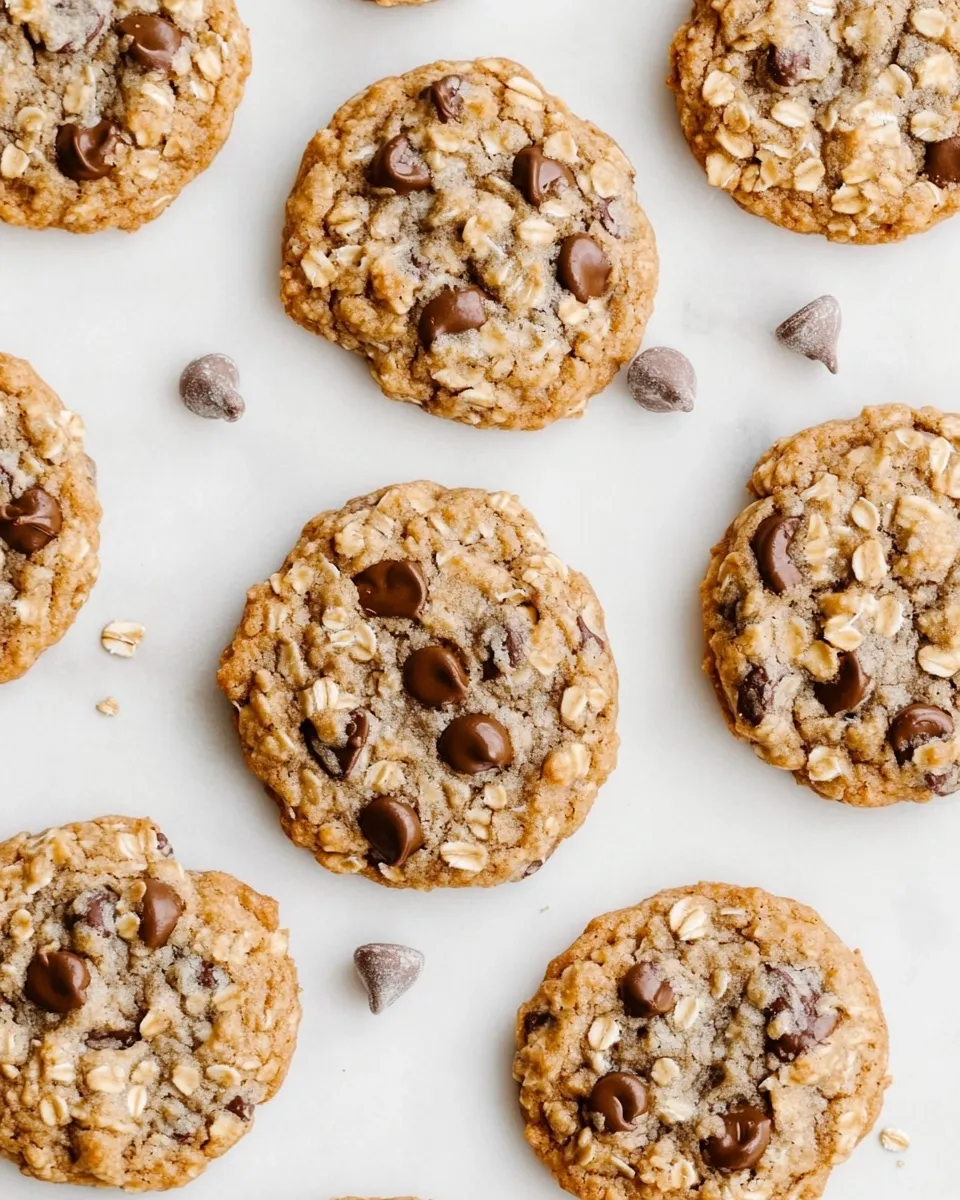
Focus on quality where it matters: full-flavored brown sugar, good chocolate chips, and old-fashioned oats. The coconut oil should be solid at room temperature — that matters for creaming. Pick unsalted butter so you can control the salt level. If you prefer a nuttier profile, use dark brown sugar; light brown is perfectly fine for a milder taste.
- 1/2 cup coconut oil (don’t melt!) — Use solid coconut oil at room temperature so it creams properly with the butter.
- 1/2 cup unsalted butter (at room temperature) — Soft but not greasy; helps with structure and flavor.
- 1 packed cup brown sugar (light or dark) — Provides moisture and a caramel note; dark is richer.
- 1/2 cup granulated sugar — Adds lift and crispness to the edges.
- 2 large eggs (at room temperature) — Bind and add tenderness; room temperature eggs mix more evenly.
- 1-1/2 teaspoons vanilla extract — Rounded flavor; use pure vanilla if you have it.
- 1 teaspoon baking soda — Leavening; gives a gentle rise and spread.
- 1 teaspoon salt — Balances sweetness; adjust if using salted butter.
- 3/4 teaspoon ground cinnamon (optional) — Warm background spice; omit if you prefer no spice.
- 3 cups old-fashioned oats — Use rolled oats for chew and structure; not quick oats.
- 1-1/2 cups all-purpose flour — Provides body; measure by spooning into the cup and leveling (or weigh).
- 2 cups milk chocolate chips (divided) — 1-3/4 cups mixed into the dough and 1/4 cup reserved for pressing on top; can swap semi-sweet or dark.
Coconut Oil Oatmeal Cookies Cooking Guide
Step-by-step instructions
- Prep: If you can, use a kitchen scale for accuracy. Pre-measure all ingredients and set eggs and butter out so they reach room temperature. Leave the coconut oil solid at room temperature — do not melt it.
- Cream fats and sugars: In a stand mixer fitted with the whisk attachment (or with a hand mixer), combine the solid coconut oil, room-temperature butter, packed brown sugar, and granulated sugar. Whip until the mixture is creamy and well combined, scraping the bowl once or twice.
- Add eggs and vanilla: Beat in the 2 large eggs, one at a time if you prefer, then mix in 1-1/2 teaspoons vanilla extract until the batter is smooth.
- Incorporate dry quick additions: Add 1 teaspoon baking soda, 1 teaspoon salt, and 3/4 teaspoon ground cinnamon (if using) directly to the wet mixture. Stir briefly to distribute.
- Add oats and combine: Pour in 3 cups old-fashioned oats and beat just until incorporated so the oats are evenly distributed.
- Mix in flour: Gently mix in 1-1/2 cups all-purpose flour until no dry streaks remain. Don’t overmix — stop as soon as the dough looks uniform.
- Fold in most of the chocolate: Stir in 1-3/4 cups of the 2 cups milk chocolate chips by hand or on low speed so they’re evenly folded through the dough.
- Chill the dough: Cover the bowl tightly with plastic wrap and refrigerate for at least 1 hour, but no longer than 3–4 hours to avoid drying the dough.
- Portion cookies: After chilling, scoop 3 leveled tablespoons (about 70 g) of dough per cookie and roll into balls. This recipe yields approximately 20 cookies.
- Preheat oven and firm dough balls: Preheat the oven to 350°F (175°C). Place the rolled dough balls back in the fridge for 5–10 minutes to firm up before baking.
- Bake in batches: Line a sheet pan with a silicone mat or parchment. Place up to 6 chilled dough balls per sheet, spacing them at least 3 inches apart. Bake for 13–15 minutes. The cookies are done when the tops lose their gloss; they will look slightly underbaked for soft centers.
- Add finishing chips and cool: Immediately after removing the cookies from the oven, press the reserved 1/4 cup chocolate chips onto the tops and tidy any ragged edges with a metal spatula. Let the cookies rest on the pan for 3–4 minutes, then transfer to a cooling rack to finish cooling.
Why It Works Every Time
Creaming solid coconut oil with butter traps air and creates lift while contributing coconut flavor and a tender crumb. The brown sugar holds moisture for chewiness; granulated sugar helps the edges caramelize. Old-fashioned oats give chew and structure where quick oats would break down. Chilling the dough firms the fats so the cookies spread less and maintain a thicker, chewier center. Pressing on extra chips right out of the oven adds glossy, melt-in-your-mouth pockets of chocolate.
What to Use Instead
- Coconut oil — Swap with more unsalted butter (equal amount) for a less coconut-forward flavor; note the texture will be slightly different.
- Milk chocolate chips — Use semi-sweet or dark chocolate if you prefer less sweetness or a richer chocolate flavor. You can also mix chip types.
- Old-fashioned oats — Do not use instant oats; quick oats will make the cookies cakeier and less chewy.
- Brown sugar — If you only have granulated sugar, the cookies will be less moist and chewy; you can add 2 tablespoons molasses per cup of brown sugar as a substitute.
Equipment at a Glance
- Stand mixer with whisk attachment or hand mixer — makes creaming easier.
- Kitchen scale — optional but recommended for consistency (70 g scoops).
- Scoop or tablespoon measure — for portioning if you don’t use a scale.
- Sheet pans and silicone mats or parchment paper — for even baking and easy cleanup.
- Plastic wrap and a refrigerator — for chilling the dough.
- Cooling rack — to prevent bottoms from steaming and getting soggy.
What Not to Do
- Don’t melt the coconut oil — melted coconut oil will change how the dough creams and cause excessive spread.
- Don’t skip chilling — unchilled dough spreads too much and yields thin, flat cookies.
- Don’t overbake — the cookies continue to set after they leave the oven; remove them when the tops lose glossiness.
- Don’t use quick-cooking oats — they alter texture and make the cookie less chewy.
Seasonal Adaptations
These cookies adapt well across seasons. In fall, add 1/4 teaspoon ground nutmeg and swap half the chocolate chips for chopped toasted pecans. For winter, add 1/2 cup dried cranberries and use dark chocolate chips. Spring and summer calls for brightness—stir in 1/2 cup shredded coconut and swap milk chocolate for white chocolate chips, or fold in chopped macadamias for a tropical twist.
Recipe Notes & Chef’s Commentary
Room-temperature eggs and butter help the wet ingredients blend smoothly. Measuring flour by weight avoids overpacking; if using cups, spoon the flour into the cup and level. If your coconut oil is very firm, let it soften slightly so it can cream without melting. The dough can be portioned and frozen before the initial chill — freeze scooped dough balls on a tray, then transfer to a bag; bake from frozen with an extra 2–3 minutes of baking time.
Refrigerate, Freeze, Reheat
Refrigerate: Store baked cookies in an airtight container at room temperature for up to 4 days; you can refrigerate for up to 7 days but bring to room temperature before serving for best texture.
Freeze: Baked cookies freeze well for up to 3 months. For dough, freeze scooped (70 g) dough balls on a tray until solid, then bag for up to 3 months.
Reheat: Warm frozen or refrigerated cookies in a 300°F (150°C) oven for 5–8 minutes to bring back freshness, or microwave for 10–12 seconds for a soft, slightly melty center.
Reader Questions
Can I make these dairy-free?
Yes—substitute the butter with an equal amount of a dairy-free buttery spread that’s solid at room temperature. Make sure the chocolate chips are dairy-free as well.
Why does my dough dry out if I chill it longer than 3–4 hours?
The mix of oat and sugar can draw moisture out when tightly refrigerated for long periods. The recipe recommends no more than 3–4 hours to keep the dough pliable; if you need longer storage, freeze the portioned dough balls instead.
Can I reduce the sugar?
You can trim the granulated sugar slightly, but reducing sugars changes spread, color, and texture. If you cut more than 20% total sugar, expect denser cookies.
Bring It to the Table
Serve these cookies slightly warm with a glass of milk or a cup of coffee. For a dessert plate, stack two cookies with a scoop of vanilla ice cream between them for an easy sandwich. They also travel well in a tin for potlucks or packed lunches. If you make a batch, reserve a few for tasting straight from the oven and stash the rest in the freezer so you’ll always have a cookie ready when cravings hit.
Coconut Oil Oatmeal Cookies
Ingredients
- 1/2 cup coconut oil (solid, do not melt) see note about measuring solid coconut oil
- 1/2 cup unsalted butter room temperature
- 1 packed cup brown sugar light or dark
- 1/2 cup granulated sugar
- 2 large eggs room temperature
- 1 1/2 teaspoons vanilla extract
- 1 teaspoon baking soda
- 1 teaspoon salt
- 3/4 teaspoon ground cinnamon optional
- 3 cups old-fashioned oats
- 1 1/2 cups all-purpose flour
- 2 cups milk chocolate chips divided (use semi-sweet/dark or a combo if desired); 1 3/4 cups stirred in, 1/4 cup reserved for topping
Instructions
- If using metric, weigh ingredients for best accuracy.
- In a stand mixer fitted with the whisk attachment or in a large bowl with a hand mixer, cream the solid coconut oil, room-temperature butter, packed brown sugar, and granulated sugar until smooth and well combined.
- Beat in the eggs one at a time, then add the vanilla extract and mix until smooth.
- Add the baking soda, salt, and cinnamon (if using), then add the old-fashioned oats and beat until just incorporated.
- Gently fold in the all-purpose flour until no dry streaks remain, then stir in 1 3/4 cups of the chocolate chips.
- Cover the bowl tightly with plastic wrap and refrigerate the dough for at least 1 hour and up to 3–4 hours.
- Portion the chilled dough using 3 leveled tablespoons (about 70 g) per cookie and roll into balls; you should have approximately 20 cookies.
- Preheat the oven to 350°F (175°C). Chill the rolled dough balls in the fridge for 5–10 minutes to firm them up.
- Arrange up to 6 dough balls on a sheet pan lined with a silicone baking mat or parchment paper, spacing them about 3 inches apart.
- Bake for 13–15 minutes, until the tops lose their gloss but centers are still slightly soft; this yields soft centers and crispy edges.
- Immediately after removing the cookies from the oven, press the reserved 1/4 cup of chocolate chips onto the tops and tidy any edges with a metal spatula as needed.
- Let the cookies rest on the sheet pan for 3–4 minutes, then transfer them to a cooling rack to finish cooling.
Equipment
- stand mixer or hand mixer
- Mixing Bowl
- Measuring cups and spoons
- sheet pan
- silicone baking mat or parchment paper
- Plastic Wrap
- cooling rack
- spatula or cookie scoop
Notes
- Pack solid coconut oil into the measuring cup and level it off to measure 1/2 cup.
- Chill dough at least 1 hour but no longer than 3–4 hours to avoid drying.
- Reserve 1/4 cup chocolate chips to press on top after baking.
- Use a 3 Tbsp scoop (≈70 g) for consistent cookie size.
- Bake until tops are no longer glossy for soft centers and crisp edges.