Please share this post with your friends 🤗
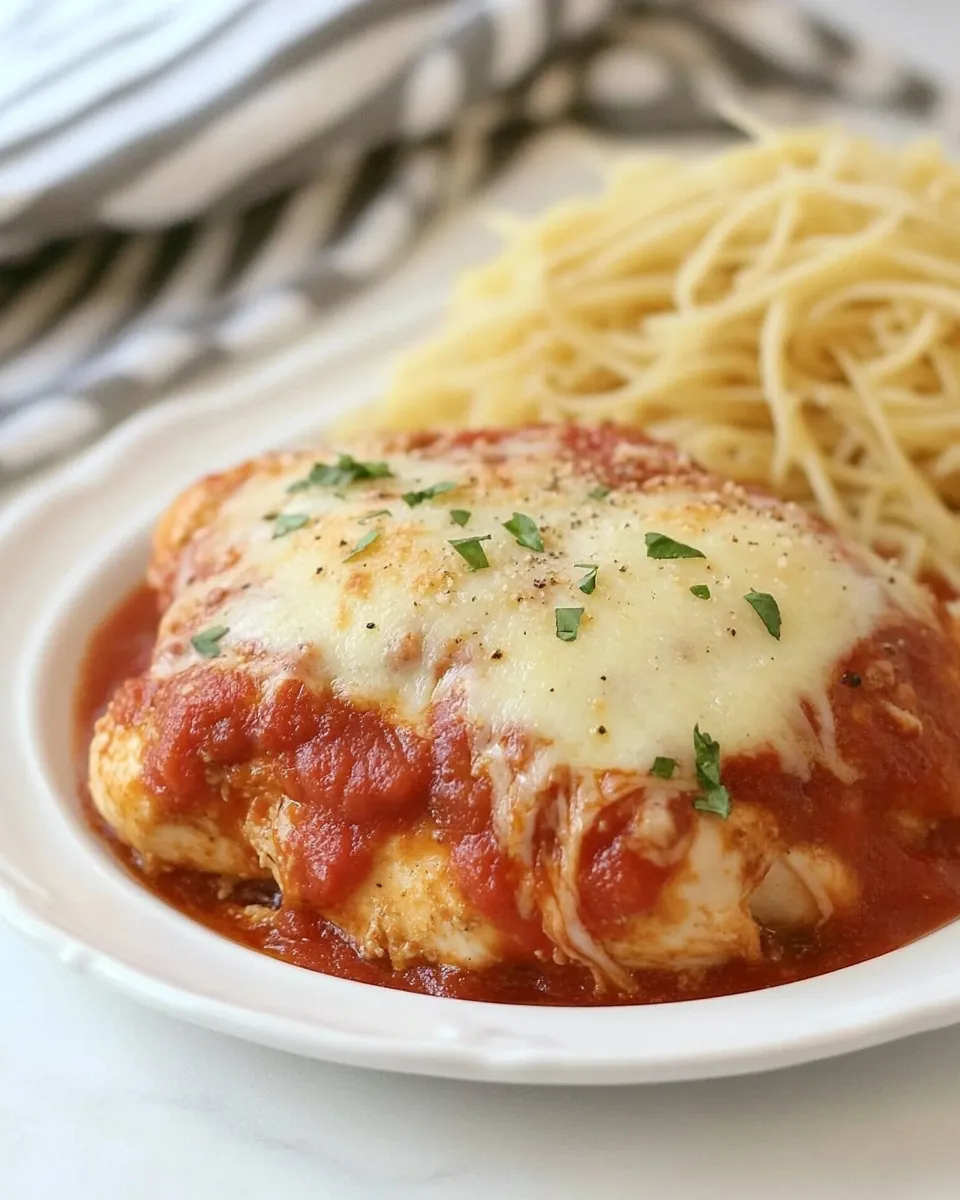
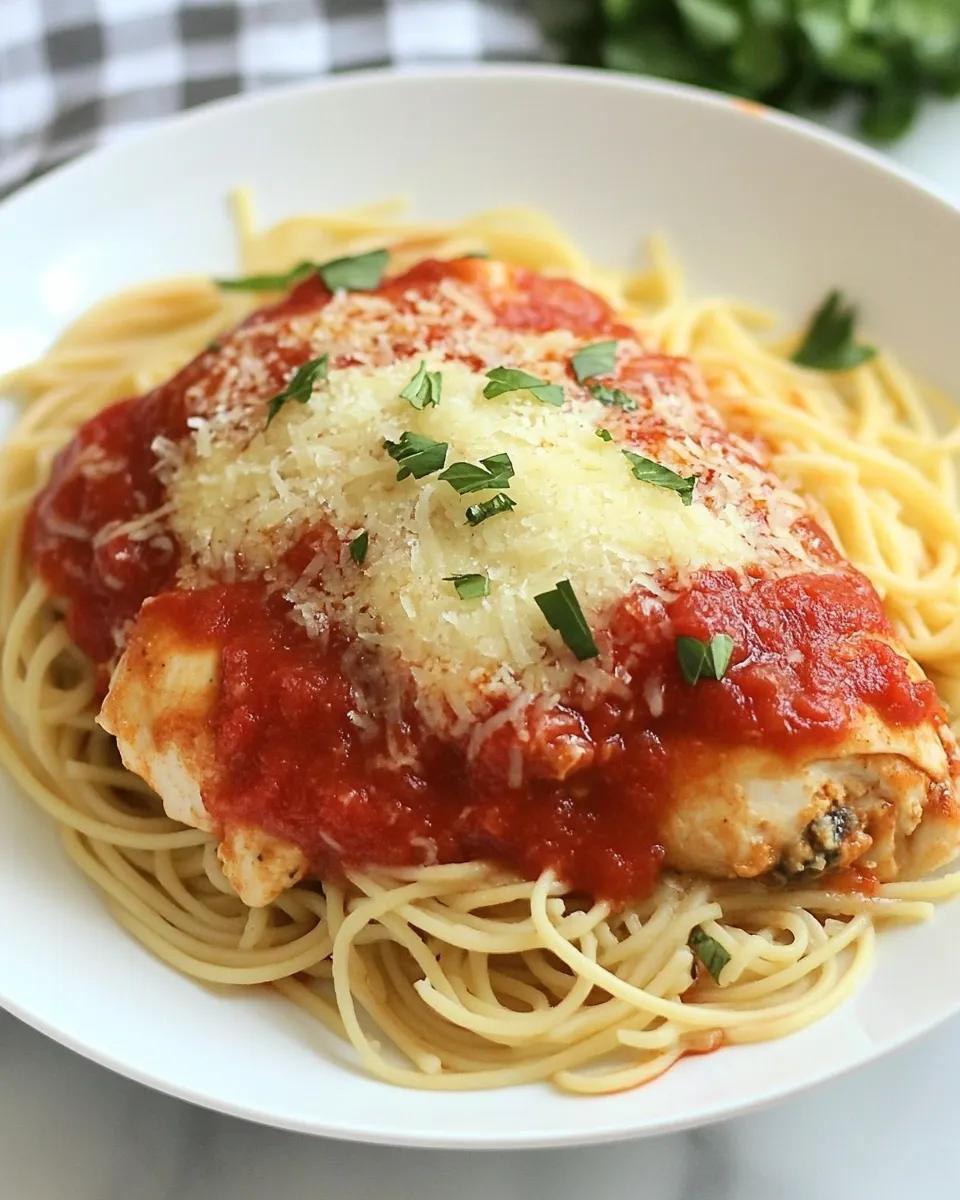
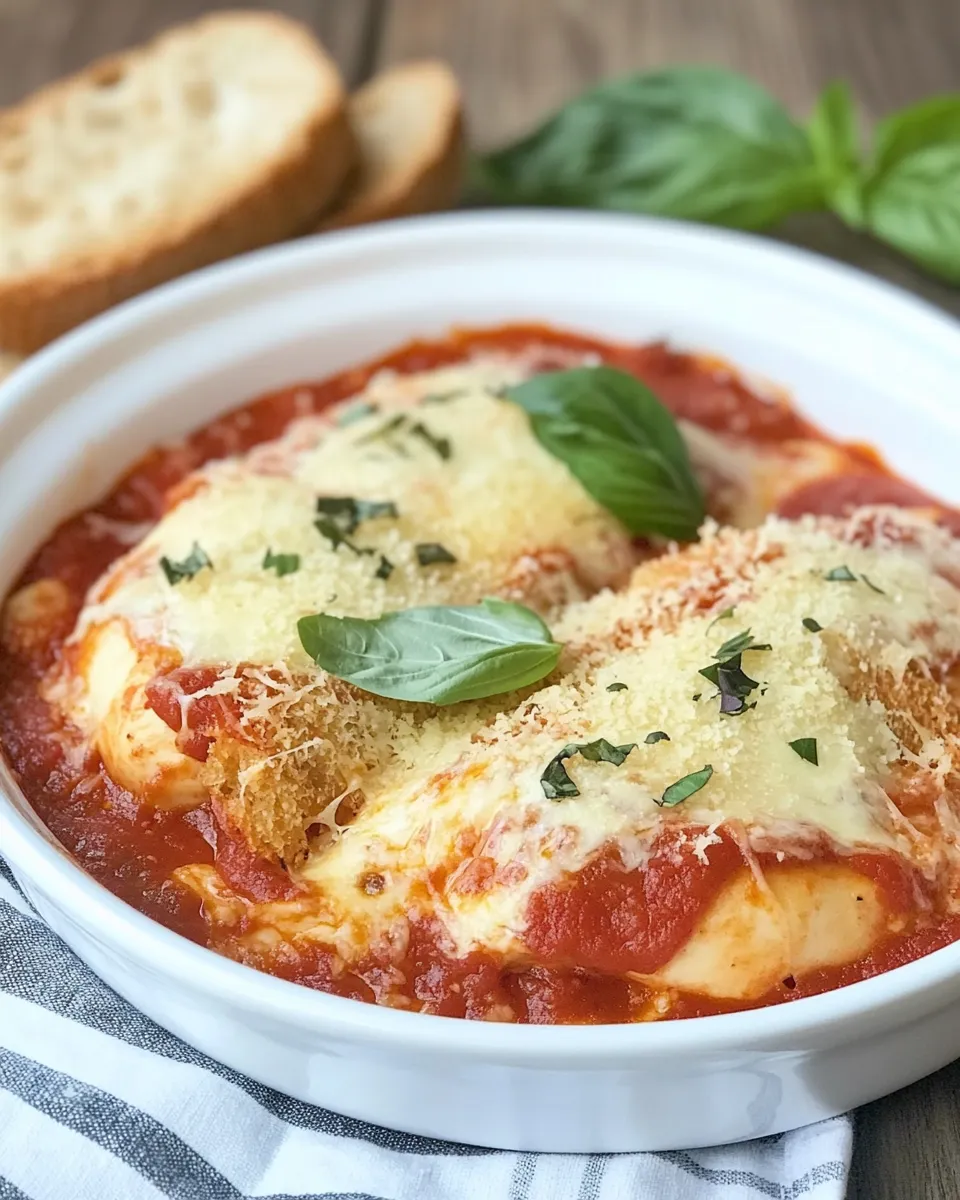
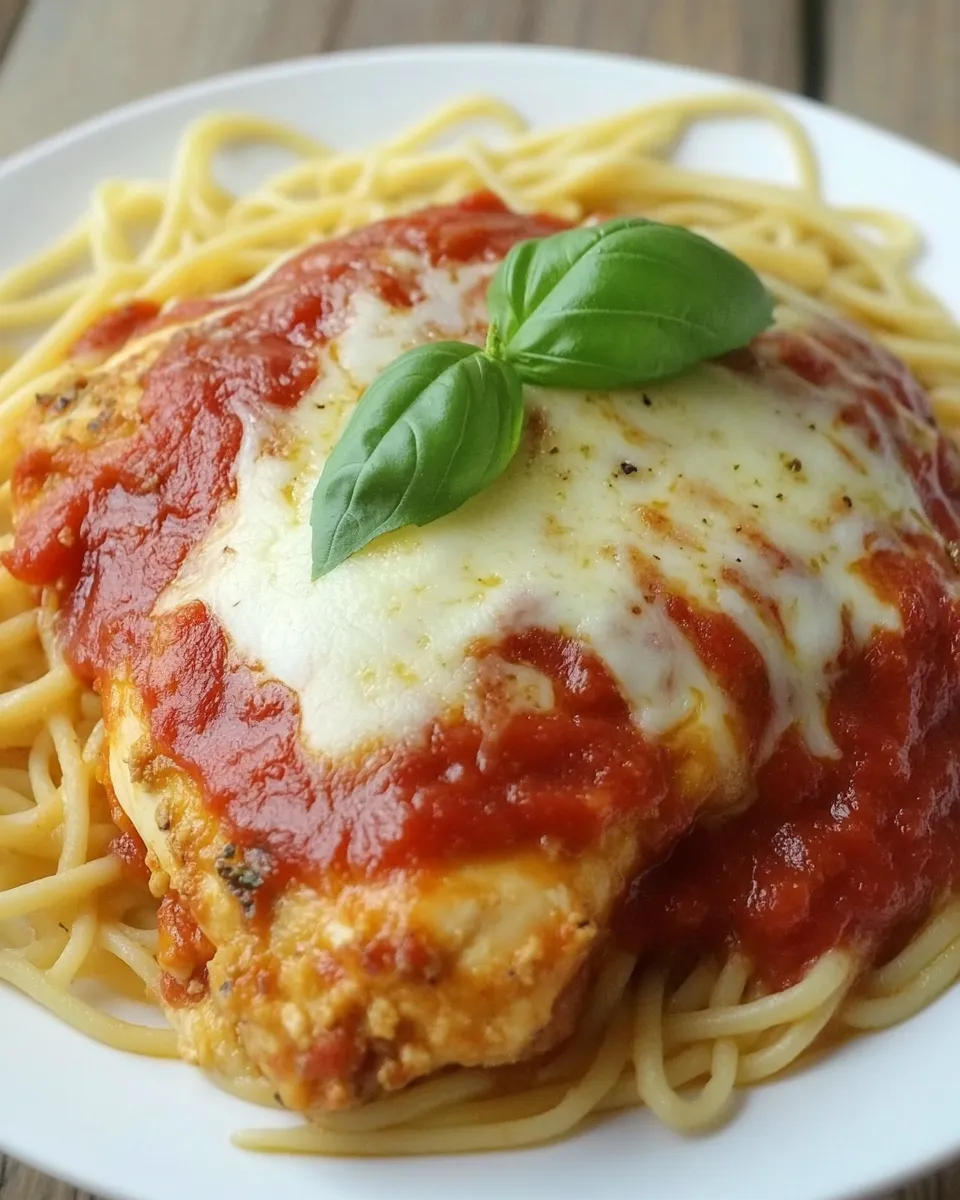
Chicken Parmigiana is one of those reliable weeknight heroes: comforting, saucy, and straightforward. This version keeps things practical — a lightly floured chicken cutlet, a simple tomato sauce simmered until it tastes round and bright, and a generous dusting of Parmesan that melts into a glossy finish. No breadcrumbs, no frying marathon, just good technique and honest ingredients.
I’ll walk you through a step-by-step approach that respects the ingredients and keeps timing sensible. Expect clear, actionable directions you can follow without fuss. I also include shopping notes, swap ideas, appliances that make the job easier, and troubleshooting for common hiccups.
Whether you’re feeding family or planning leftovers for lunch, this recipe scales and adapts well. Read the shopping guide, gather your mise en place, and you’ll have a satisfying Chicken Parmigiana on the table in under an hour.
Your Shopping Guide
1/2 cup all-purpose flour — Coats the chicken for a light crust and helps sauce cling.
salt and pepper to taste — Basic seasoning; use kosher salt if you have it for more consistent seasoning.
8 chicken breasts, trimmed and pounded flat — Pound to even thickness so they cook quickly and evenly; aim for about 1/2-inch thickness.
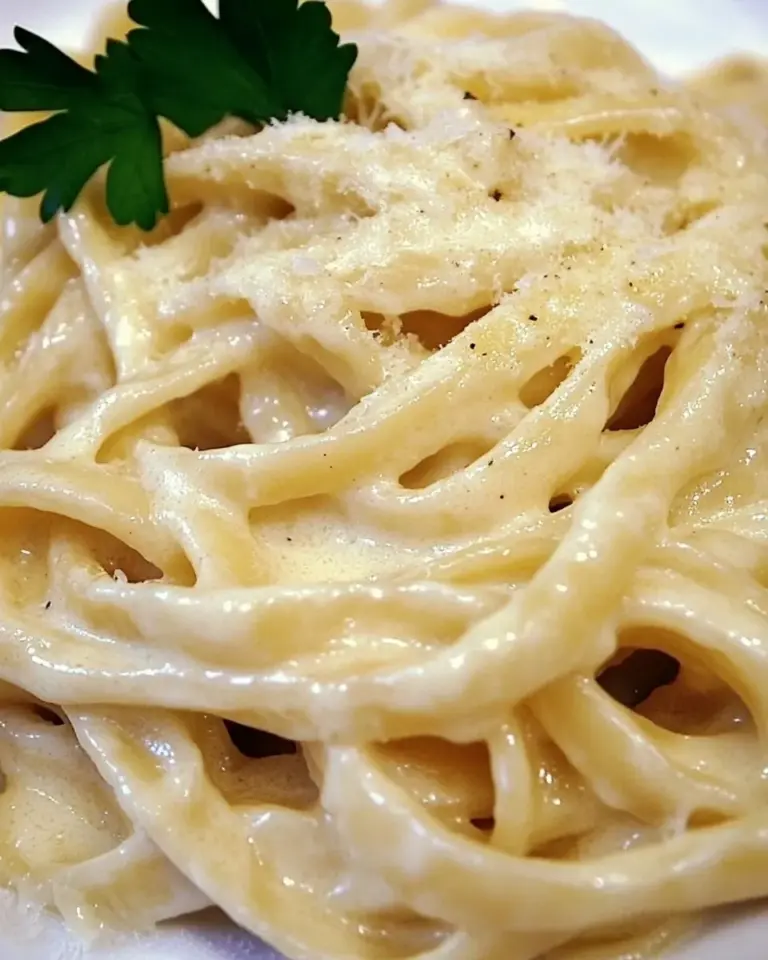
1 lb thin linguine — Serves as the pasta base; thin linguine cooks fast and pairs well with the sauce.
1/2 cup olive oil — For pan cooking; choose extra-virgin for flavor if you like.
2 tbsp butter — Adds richness to the pan and helps brown the chicken.
4 tsp minced garlic, minced — Fresh or jarred is fine; garlic builds aromatic depth in the sauce.
1 tsp onion powder — Gives an onion background flavor without extra chopping.
3/4 cup chicken stock — Deglazes the pan and adds savory depth to the sauce; low-sodium is easiest to control.
43.5 oz crushed tomatoes — The bulk of the sauce; use good-quality canned tomatoes for best flavor.
1 tbsp sugar — Balances the tomatoes’ acidity; adjust to taste if your tomatoes are very sweet or tangy.
1/4 cup parsley, freshly chopped, plus more for serving — Brightens the sauce; reserve some for garnish.
1 1/2 cups Parmesan cheese, grated — Melts and gives salty, nutty finish; grate fresh for best melting and flavor.
Cook Chicken Parmigiana Like This
Combine the coating: On a shallow plate, whisk together 1/2 cup all-purpose flour with salt and pepper to taste. This is your dredge for the chicken.
Dredge the chicken: Pat each of the 8 trimmed, pounded chicken breasts dry. Press both sides into the flour mixture until lightly coated; shake off excess. Set the coated breasts aside on a plate while you heat the pan.
Cook the pasta: Bring a large pot of salted water to a boil and cook 1 lb thin linguine according to the package instructions for al dente. Reserve about 1/2 cup pasta water before draining, then drain and set aside.
Heat the skillet: In a large skillet set over medium heat, add 1/2 cup olive oil and 2 tbsp butter. Swirl until the butter melts and the fat is shimmering but not smoking.
Pan-sear the chicken: Working in batches if necessary to avoid crowding, fry the floured chicken breasts 3–4 minutes per side, until nicely browned. They will finish cooking in the sauce, so you’re aiming for a golden crust, not done-through. Remove the seared breasts to a plate and set aside.
Build flavor in the pan: Lower the heat to medium-low and add 4 tsp minced garlic and 1 tsp onion powder to the remaining oil-butter mixture. Sauté briefly, about 20–30 seconds, until fragrant but not browned.
Deglaze and simmer: Pour in 3/4 cup chicken stock to deglaze the skillet, scraping up any browned bits from the bottom. Let the stock reduce for 2–3 minutes to concentrate the flavor.
Add tomatoes and sweeten: Stir in the entire 43.5 oz crushed tomatoes and 1 tbsp sugar. Season with salt and pepper to taste. Bring the sauce to a gentle simmer, then reduce heat to low. Let the sauce cook, uncovered, for 25–30 minutes, stirring occasionally so it thickens and the flavors meld.
Finish the sauce: With about 5 minutes left in the simmer, stir in 1/4 cup freshly chopped parsley. Taste and adjust seasoning.
Melt the cheese over the chicken: Nestle the seared chicken breasts into the sauce. Sprinkle the tops evenly with 1 1/2 cups grated Parmesan cheese. Cover the skillet with a lid and cook just until the cheese begins to bubble and melt and the chicken reaches an internal temperature of 165°F (about 5–8 minutes depending on thickness).
Plate and serve: Divide the drained linguine among plates. Spoon sauce over the noodles, then place a cheese-topped chicken breast on each serving. Garnish with extra parsley and additional Parmesan if desired. Serve immediately.
The Upside of Chicken Parmigiana
This version is efficient: relatively quick pan searing and one-skillet sauce make cleanup easier. The flour coating gives you a light crust that helps the chicken hold its juices and allows the sauce to cling. Using crushed tomatoes and a short simmer builds a fresh, balanced sauce without a long tomato cook time. Parmesan melts into a creamy, savory layer that makes each bite feel indulgent even when the technique is simple.
Smart Substitutions
Chicken breasts — Use boneless skinless thighs if you prefer richer, more forgiving meat; adjust cooking time slightly.
Thin linguine — Swap for spaghetti, fettuccine, or any pasta you have; shorter shapes like penne also work.
Olive oil & butter — Use all olive oil for a lighter flavor, or all butter for a richer finish.
Chicken stock — Vegetable stock or a splash of dry white wine can replace stock for a different flavor profile.
Parmesan cheese — Pecorino Romano will give a sharper, saltier finish; reduce added salt if using it.
Appliances & Accessories
Large skillet with a lid — Essential for searing chicken and finishing it in the sauce while melting the cheese.
Heavy-bottomed saucepan or stock pot — For boiling pasta; a pot large enough to hold 1 lb linguine comfortably.
Instant-read thermometer — Helpful to check chicken reaches 165°F without overcooking.
Flat meat mallet and plastic wrap — For pounding chicken to an even thickness quickly and cleanly.
Don’t Do This
Do not skip pounding the chicken. Uneven pieces will overcook at the edges while staying underdone in the center.
Don’t crowd the skillet when searing. Crowding drops the pan temperature and prevents a golden crust.
Avoid adding the cheese too early. If you place the Parmesan on the chicken before the sauce is bubbling and hot, the cheese may not melt properly.
Don’t rely on visual cues alone for doneness. Use an instant-read thermometer or cut into one piece to ensure chicken reaches 165°F.
Smart Substitutions
Sugar in the sauce — If you prefer not to use sugar, a small grated carrot or a splash of balsamic vinegar can help balance acidity.
Garlic — Use 1 tsp garlic powder if you don’t have fresh or jarred minced garlic; add it with the onion powder.
Fresh herbs — Substitute basil for parsley for a sweeter herb note; add it at the end to preserve aroma.
Chef’s Notes
Pounding the chicken to an even thickness is the single best trick for consistent results. Aim for uniform pieces so the 3–4 minute per side sear works as intended. The sauce benefits from a gentle simmer — too vigorous and it can taste sharp; too low and the flavors won’t concentrate.
When you add the chicken back to the sauce and top with Parmesan, cover the pan to trap heat. That helps the cheese melt quickly without overcooking the chicken. If your Parmesan is very dry or finely grated, it will melt faster; if it’s coarser, allow a minute or two more under the lid.
Keep It Fresh: Storage Guide
Refrigerate leftovers in an airtight container for up to 3 days. Keep pasta and chicken together if you plan to reheat gently; the sauce helps prevent drying.
To reheat, warm portions in a covered skillet over low heat until just heated through, or use a 350°F oven for 10–15 minutes. Add a splash of water or chicken stock if the sauce is too thick.
Freeze for up to 2 months in a freezer-safe container. Thaw overnight in the refrigerator before reheating. Note: pasta texture changes after freezing; consider reheating chicken and sauce separately and serving over freshly cooked pasta.
Troubleshooting Q&A
My chicken is dry — what happened? Overcooking is the most common cause. Sear only until golden and finish in the sauce until the internal temperature reaches 165°F, then remove promptly.
The sauce tastes flat — how can I fix it? Finish with a pinch more salt, a squeeze of lemon, or a small splash of vinegar to brighten it. A little extra chopped parsley or a grating of fresh Parmesan can also lift flavors.
The cheese didn’t melt smoothly — why? If the cheese was very cold or overly dry, it may take longer to melt. Cover the pan to trap steam and heat, or sprinkle a thin layer of finely grated cheese so it melts faster.
Pasta and sauce seem disconnected — any tips? Reserve a little pasta water when draining and toss it with the pasta and sauce to help them bind. The starch in the water helps create a cohesive finish.
Final Bite
This Chicken Parmigiana balances simplicity with satisfying flavor. The method keeps the chicken juicy, the sauce bright, and the Parmesan reliably comforting. It’s a weekday winner and a weekend crowd-pleaser — practical, forgiving, and genuinely tasty. Now get that skillet hot, and enjoy.
Chicken Parmigiana
A classic chicken parmigiana with a simple tomato sauce served over linguine and topped with grated Parmesan.
Prep Time10 minutes mins
Cook Time27 minutes mins
Total Time37 minutes mins
Servings: 8 servings
- 1/2 cup all-purpose flour
- salt and pepper to taste
- 8 chicken breasts trimmed and pounded flat
- 1 lb thin linguine
- 1/2 cup olive oil
- 2 tbsp butter
- 4 tsp garlic minced
- 1 tsp onion powder
- 3/4 cup chicken stock
- 43.5 oz crushed tomatoes
- 1 tbsp sugar
- 1/4 cup parsley freshly chopped, plus more for serving
- 1 1/2 cups Parmesan cheese grated, plus extra for serving
On a plate, combine the flour with salt and pepper.
Dredge each chicken breast in the flour mixture, coating both sides, then set aside.
Bring a large pot of salted water to a boil and cook the linguine according to the package instructions; drain and keep warm.
Heat the olive oil and butter in a large skillet over medium heat until the butter is melted and sizzling.
Fry the dredged chicken breasts for about 3–4 minutes per side, until golden; remove from the skillet and set aside.
Add the minced garlic and onion powder to the skillet and cook briefly until fragrant, about 30 seconds.
Pour in the chicken stock and simmer for 2–3 minutes, scraping up any browned bits from the pan.
Add the crushed tomatoes and sugar, season with salt and pepper to taste, then reduce heat to low and simmer the sauce for 25–30 minutes.
With about 5 minutes remaining in the sauce's simmer time, stir in the chopped parsley.
Return the fried chicken breasts to the skillet, top each with grated Parmesan, cover, and cook until the cheese is bubbling and the chicken is cooked through, about 3–5 minutes.
Serve by placing linguine on plates, spooning sauce over the noodles, and topping each with a chicken breast; garnish with additional parsley and Parmesan if desired.
Large Skillet
Large Pot
plate
tongs or spatula
Grater
- Use freshly grated Parmesan for best flavor.
- Pound the chicken to an even thickness for uniform cooking.
- Adjust sauce seasoning to taste during simmering.
- Reserve some pasta cooking water if you want to loosen the sauce.
Please share this post with your friends 🤗