Cheesy Scrambled Eggs
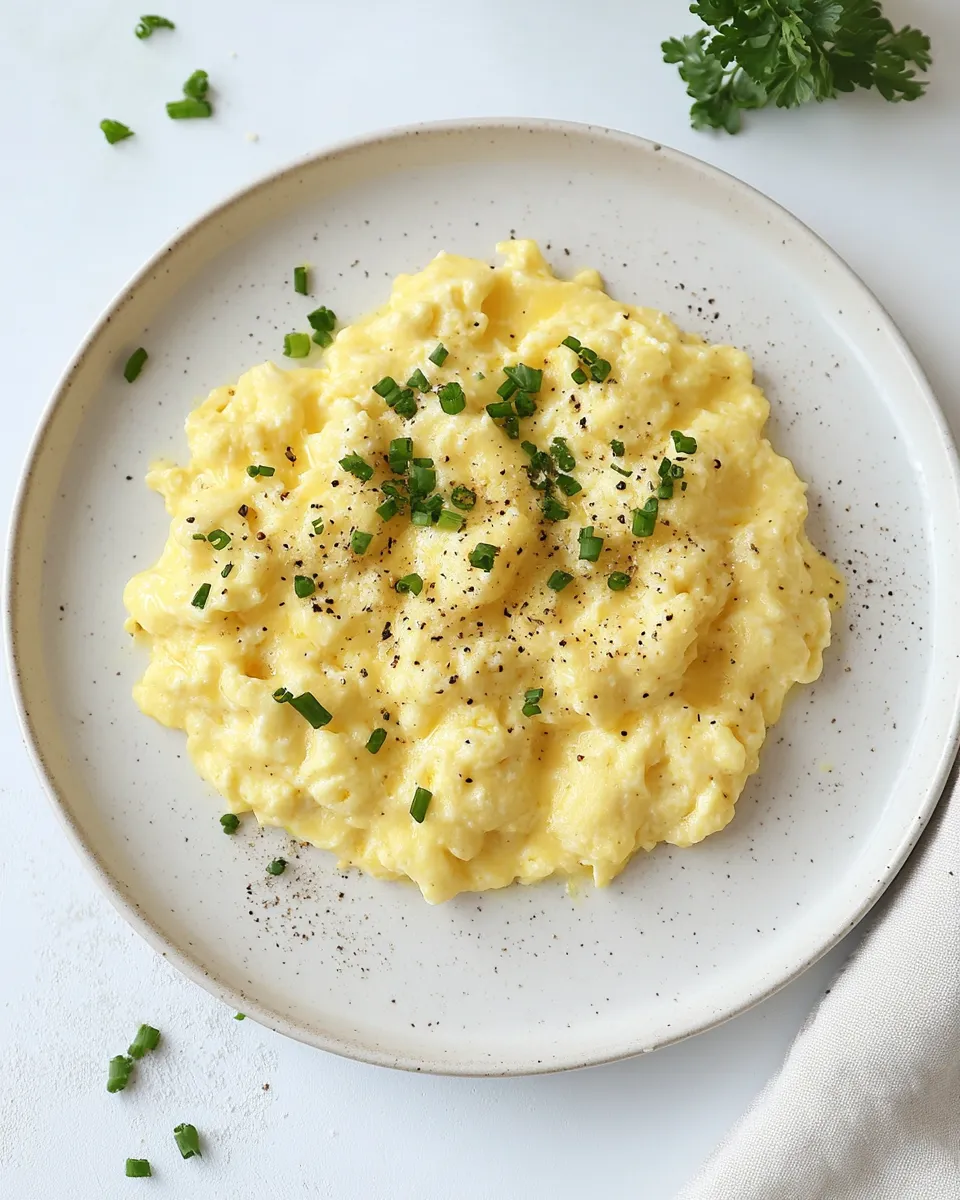
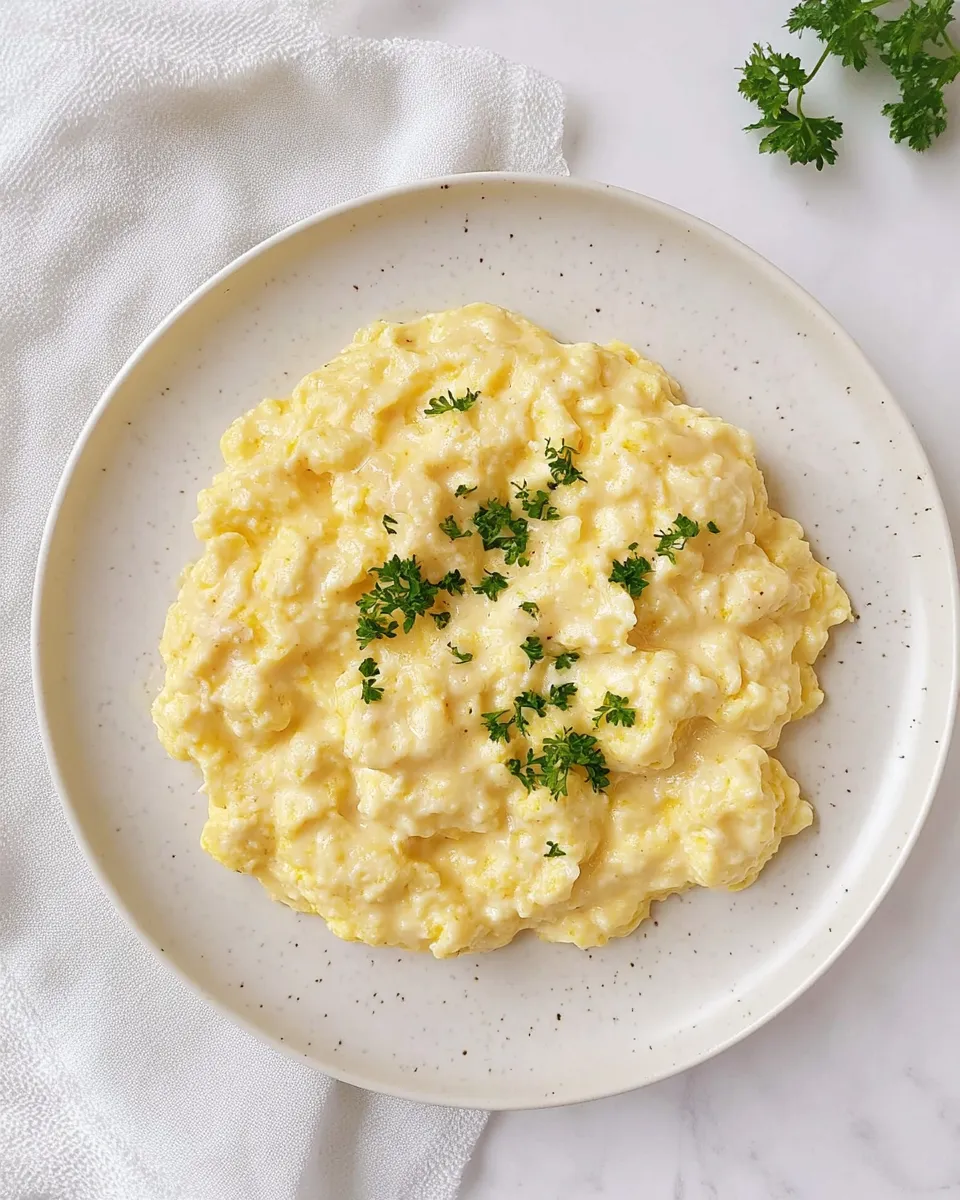
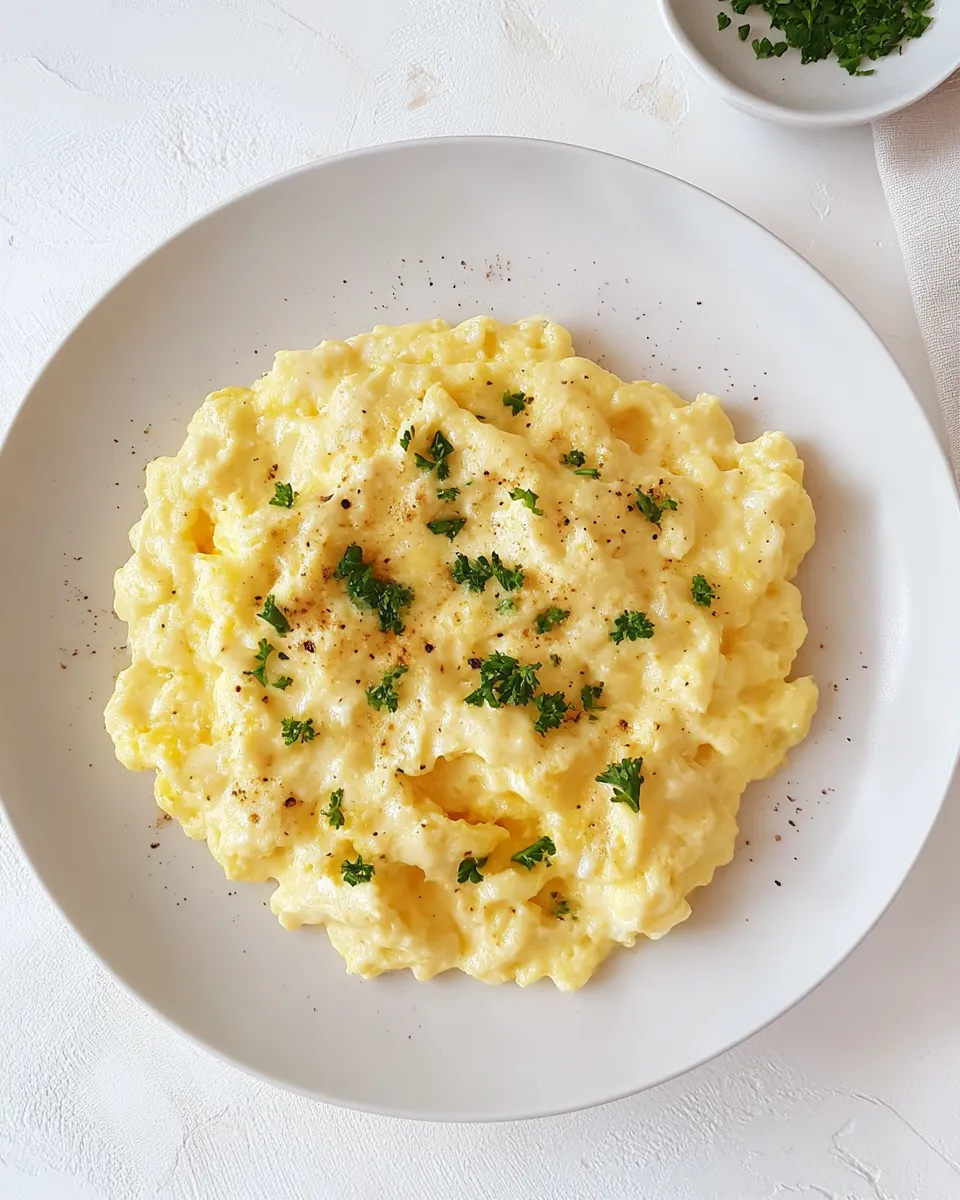
I make scrambled eggs a lot. Not the hurried, forgettable kind — the kind that feels like breakfast should feel: warm, comforting, and a little bit indulgent. This Cheesy Scrambled Eggs recipe is my go-to when I want something fast that still tastes like effort was involved. It uses just a handful of ingredients and gives reliably soft, custardy eggs with little pockets of melted cheddar.
There’s no need for elaborate technique to get great results. A gentle heat, constant stirring, and the right moment to add cheese are the small, repeatable steps that turn ordinary eggs into something worth photographing and eating slowly. Below you’ll find precise, practical instructions, sensible equipment notes, troubleshooting, and simple swaps so you can make this every week without worry.
I’ll be direct: this is not about tricks or fancy gadgets. It’s about timing, temperature, and treating these four eggs kindly. Follow the steps, keep your pan nonstick and your heat moderate, and you’ll have perfectly gooey, cheesy scrambled eggs in under ten minutes.
Ingredients at a Glance
- 4 large eggs — the base; using large eggs gives a reliable volume and texture.
- Splash of milk — adds a touch of creaminess and loosens the eggs for silkier curds.
- Kosher salt to taste — seasons the eggs; kosher salt is easy to control for even seasoning.
- Freshly ground black pepper to taste — fresh grind for bright pepper flavor.
- 1 tablespoon unsalted butter — used to cook the eggs and adds richness without extra salt.
- 1/4 cup cheddar cheese, shredded — melts into small pockets of sharp, creamy flavor.
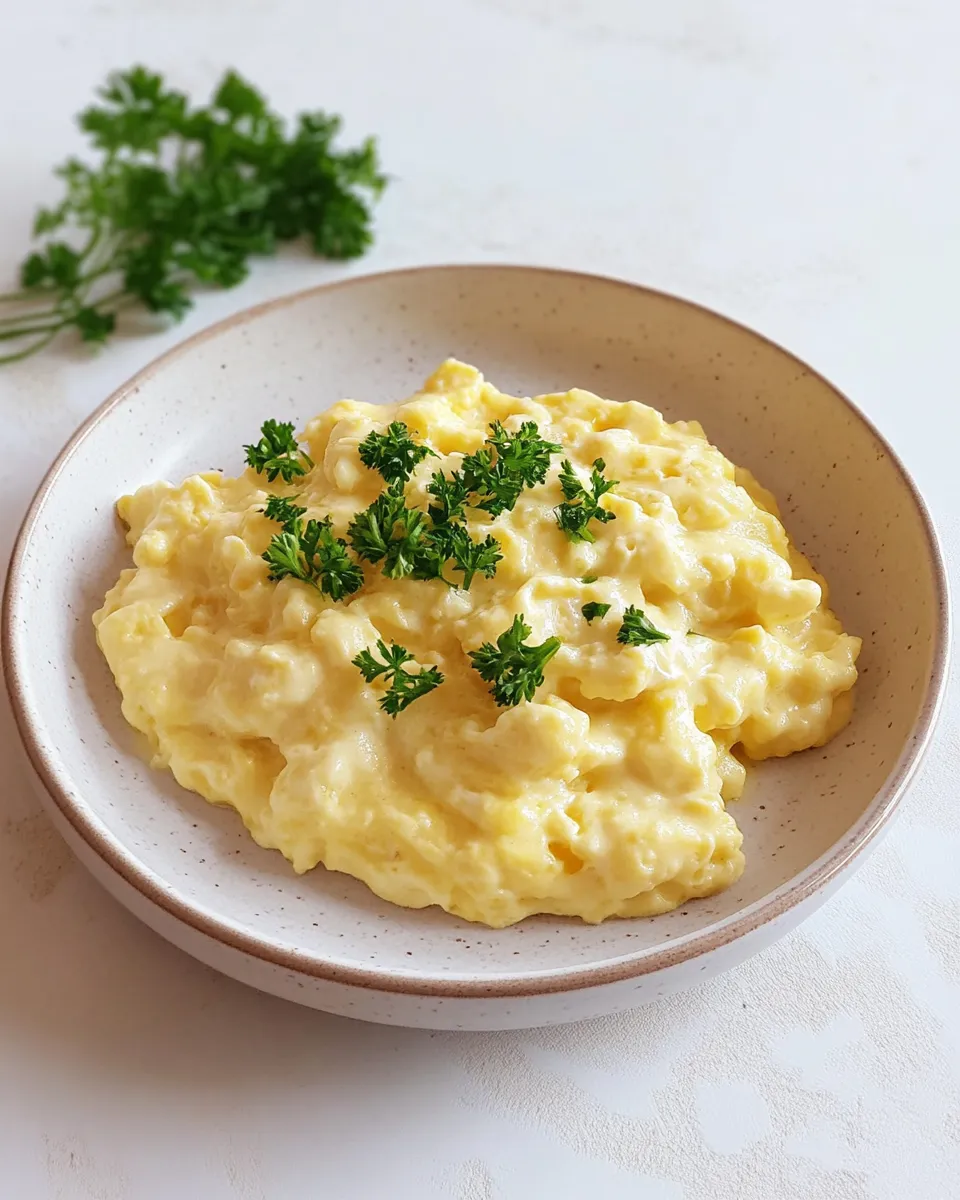
- Freshly chopped parsley for garnish — optional freshness and color to finish.
Method: Cheesy Scrambled Eggs
- Crack the eggs into a medium bowl. Add a splash of milk, a pinch of kosher salt, and a few twists of freshly ground black pepper. Whisk until the yolks and whites are fully combined and the mixture looks slightly frothy—this helps create tender curds.
- Heat a nonstick skillet over medium-low heat. Add 1 tablespoon unsalted butter and let it melt completely, swirling the pan so the butter coats the surface but does not brown.
- Pour the egg mixture into the skillet. Let it sit undisturbed for about 5–10 seconds so the edges begin to set.
- Using a silicone spatula, stir gently and continuously. Push the eggs from the outer edge toward the center, then let them rest briefly; repeat. Keep the heat at medium-low so the eggs cook slowly—this is the key to soft texture.
- After about 2–3 minutes of cooking and stirring, the eggs will be mostly set but still moist. Sprinkle 1/4 cup shredded cheddar cheese evenly over the top.
- Continue stirring for another 60 seconds, incorporating the melting cheese into the curds. Stop cooking while the eggs are soft and slightly glossy; the residual heat will finish them off.
- Remove the skillet from the heat immediately. Taste and adjust seasoning with more kosher salt and black pepper if needed.
- Transfer the eggs to plates, garnish with a sprinkle of freshly chopped parsley, and serve warm. Enjoy right away for the best texture.
Why This Recipe Is Reliable
This method focuses on gentle, even heat and constant, patient stirring. Those two things prevent the eggs from turning rubbery and ensure small, tender curds. The milk splash loosens the mixture so curds form slowly instead of seizing up, and the cheddar added toward the end melts into the eggs instead of separating into greasy pockets. The quantities are modest but balanced: four large eggs provide a substantial portion, and a quarter cup of cheese gives clear cheddar flavor without overwhelming the eggs.
Because the directions rely on timing and sensory cues (moist, glossy eggs; melted cheese), you can adapt the recipe to different stovetops and pans while keeping the core results the same. The recipe’s simplicity is its strength: fewer moving parts mean fewer things that can go wrong. If you stick to the low heat and remove the pan just shy of fully set, you’ll consistently get soft, creamy eggs.
If You’re Out Of…
- Milk — use water instead (a splash) for similar steam-assisted tenderness; or omit it entirely for a slightly denser texture.
- Unsalted butter — use 1 tablespoon olive oil or salted butter; if using salted, reduce additional salt.
- Cheddar cheese — swap with any melting cheese you have: Monterey Jack, Gruyère, Colby, or a small handful of mozzarella for pulliness.
- Parsley — try chives, scallion greens, or a tiny pinch of dried herbs for a fresh finish.
Before You Start: Equipment
- Nonstick skillet, roughly 8–10 inches — essential for easy stirring and clean release.
- Silicone or rubber spatula — flexible enough to scrape the pan and fold eggs gently.
- Medium mixing bowl and whisk or fork — for beating the eggs thoroughly.
- Measuring spoons/cup for butter and cheese — helps keep proportions consistent.
Mistakes That Ruin Cheesy Scrambled Eggs
- Cooking on high heat — leads to large, dry curds and quick overcooking. Keep it medium-low.
- Adding cheese too early — the cheese can separate and become greasy instead of melting into the eggs. Wait until the eggs are nearly set.
- Walking away while the eggs cook — constant attention prevents overcooking and produces creamier texture.
- Using a metal spatula in a nonstick pan — can damage the pan; use silicone or wood.
- Salting too early before cooking (optional note) — while pre-salting is common, some cooks find it breaks down egg proteins and leads to softer curds; seasoning as you go and finishing at the end ensures better control.
Better Choices & Swaps
Butter vs. Oil
Butter adds flavor and a silky finish. Olive oil works in a pinch and gives a slightly different mouthfeel. For the creamiest texture, stick with unsalted butter.
Cheese Options
Sharp cheddar gives bright, tangy notes. Milder cheeses (Monterey Jack, Colby) melt even more smoothly. For a richer, nutty profile, use Gruyère.
Milk Alternatives
A splash of whole milk is ideal. If you want fewer dairy components, use water or a tablespoon of cream for extra richness. Non-dairy milks will work but may slightly change texture.
Testing Timeline
- 0:00–0:45 — Whisk eggs, milk, salt, and pepper until uniform and lightly frothy.
- 0:45–1:30 — Melt butter in pan over medium-low heat and pour in the eggs.
- 1:30–4:30 — Stir gently and continuously; watch eggs form soft curds.
- 4:30–5:30 — When eggs are mostly set but still glossy, sprinkle cheese and stir for about 1 minute until incorporated.
- 5:30 — Remove from heat and serve immediately for best texture.
Cooling, Storing & Rewarming
Cheesy scrambled eggs are best eaten immediately. If you must store leftovers, cool them quickly and transfer to an airtight container. Refrigerate and use within 24 hours for best texture and flavor. When reheating, do it gently: place eggs in a nonstick skillet over low heat and stir slowly, or microwave in short 15–20 second bursts, stirring between bursts to prevent rubberiness. Add a tiny knob of butter or a splash of milk while reheating to help restore creaminess.
Common Qs About Cheesy Scrambled Eggs
- Can I make this for one? Yes — use two eggs and half the other ingredients (about 2 tablespoons cheddar).
- How do I get very soft curds? Keep the heat low and stir gently but frequently. Remove the pan when the eggs are still slightly glossy.
- Why did my cheese separate? Cheese can separate if added too early or if the pan is too hot. Add cheese when eggs are nearly set and keep the heat low.
- Can I add milk after whisking? It’s best to add milk before whisking so it incorporates evenly; a splash added later won’t emulsify as well.
- Are these safe to eat slightly underdone? If you prefer very soft eggs, remove them from heat with a little residual doneness; the residual heat will carry them to a safe, finished state. Use fresh eggs and good hygiene.
Make It Tonight
Set a timer for ten minutes and make this the night’s quick dinner or a relaxed weekend breakfast. Use good cheddar, make sure your pan is the right temperature, and treat the eggs gently. Plate with buttered toast, roasted tomatoes, or a handful of baby greens. The steps are short, and the payoff is immediate: warm, cheesy, comforting scrambled eggs made in your kitchen, every time.
Cheesy Scrambled Eggs
Ingredients
- 4 large eggs
- 1 splash milk
- kosher salt to taste
- freshly ground black pepper to taste
- 1 tablespoon unsalted butter
- 1/4 cup cheddar cheese shredded
- fresh parsley chopped, for garnish
Instructions
- Crack the eggs into a medium bowl, add a splash of milk, and season with kosher salt and freshly ground black pepper; whisk until blended.
- Heat a nonstick skillet over medium-low and melt the unsalted butter until it coats the pan.
- Pour the egg mixture into the skillet and stir gently and continuously with a spatula, cooking for about 2–3 minutes until mostly set but still soft.
- Sprinkle the shredded cheddar over the eggs and continue stirring for about 1 minute more, until the cheese melts and the eggs are fluffy; then remove from the heat.
- Transfer to a plate, top with chopped fresh parsley, and serve warm.
Equipment
- medium bowl
- nonstick skillet
- whisk or fork
- Spatula
Notes
- Use medium-low heat to keep eggs tender.
- Whisking well adds air for fluffier eggs.
- Adjust milk amount for creaminess.
- Grate cheese fresh for best melt and flavor.