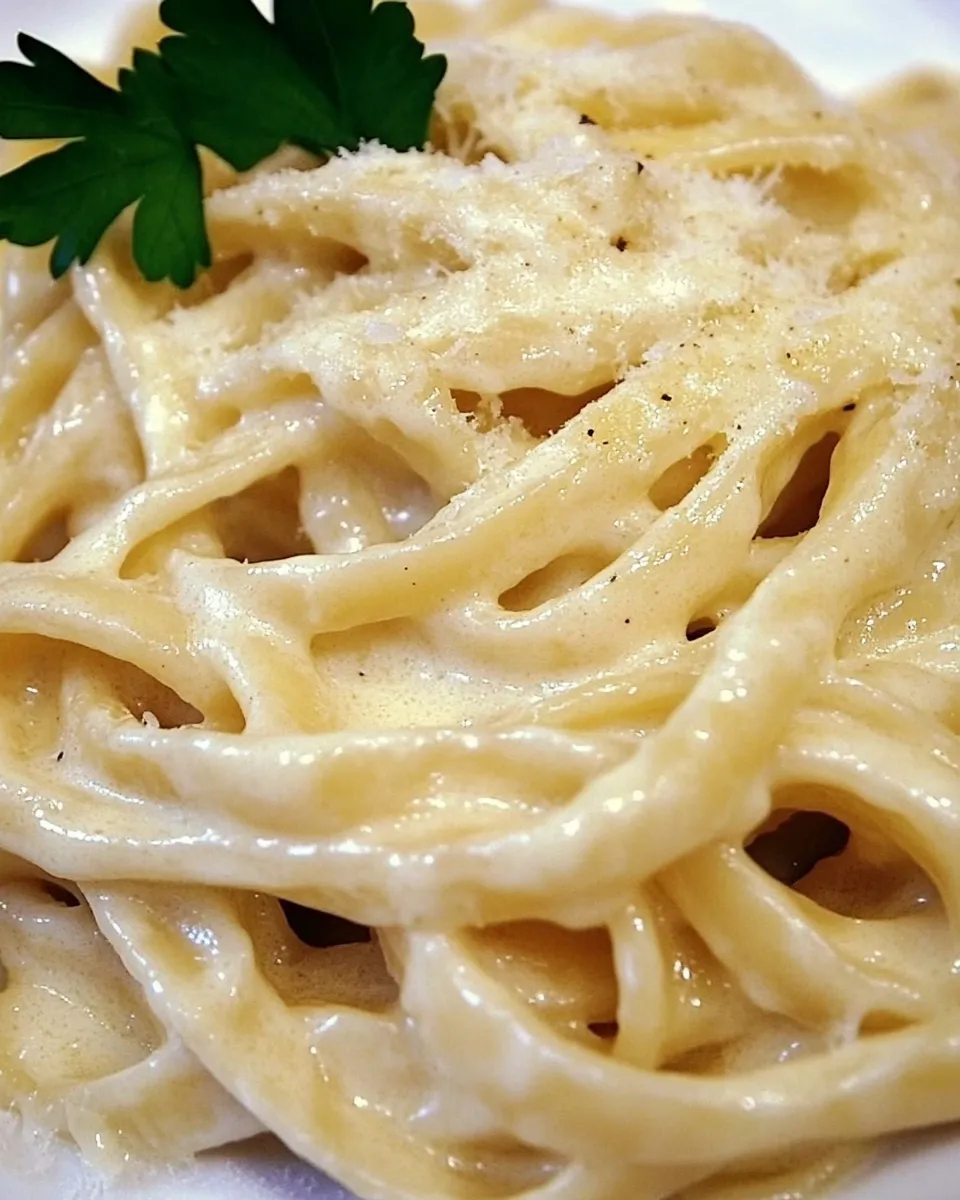
Best Fettuccine Alfredo
There’s a reason Fettuccine Alfredo feels like comfort and celebration at once: it’s rich, simple, and intensely satisfying. This version leans into that classic Italian-American creaminess without overcomplicating things. If you want quick, dependable, and indulgent pasta for weeknight company or a solo cozy dinner, you’re in the right place.
I test a lot of pasta recipes on the blog, and the best ones are the ones that treat technique like a small kindness rather than a gatekeeper. Here you’ll find clear, practical steps and straightforward tips so you can get creamy, silky sauce every time. No mystery ingredients, no long lists—just great butter, Parmesan, and properly handled pasta.
What Goes In
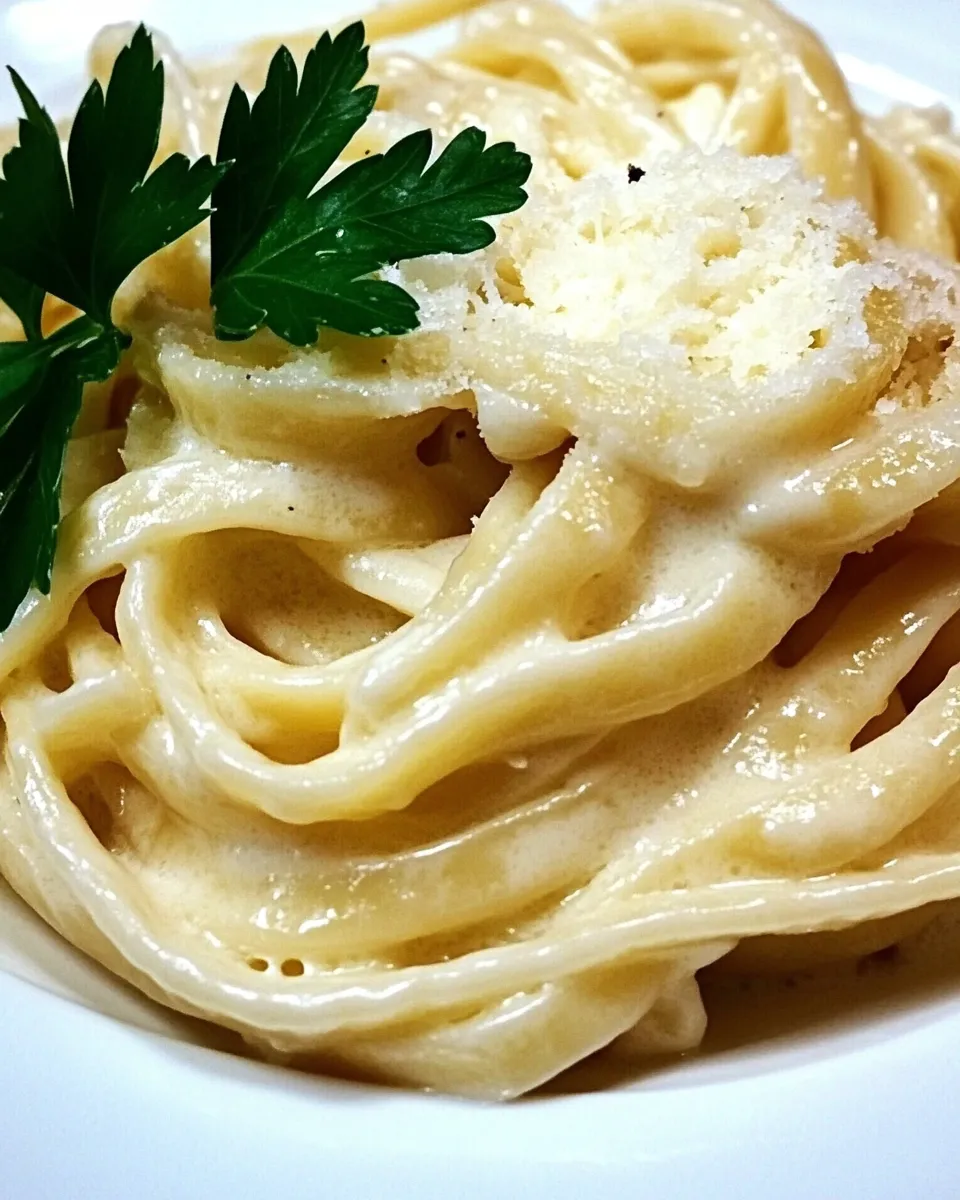
- 2 sticks butter, softened — the backbone of the sauce; softened butter incorporates smoothly for a silky texture.
- ½ lb grated Parmesan cheese, plus more for serving — provides the salty, nutty flavor and helps thicken the sauce; use freshly grated for best melting and flavor.
- 1 tsp garlic powder — an easy way to add gentle garlic flavor without fresh cloves; balances the richness.
- salt, to taste — seasons the pasta and the final dish; remember pasta water is salted too, so taste as you go.
- 1 lb fettuccine — the flat noodles that hold the sauce; cook until al dente so the sauce clings without becoming gluey.
Fettuccine Alfredo: From Prep to Plate
Here’s a clean, practical step-by-step version of the original directions, rewritten for clarity while keeping every ingredient amount the same.
1. Bring a large pot of water to a rolling boil and salt it generously. Use enough salt that the water tastes noticeably salty—this seasons the pasta from the inside out.
2. While the water heats, combine the softened butter, 1 teaspoon garlic powder, and the ½ pound (8 ounces) grated Parmesan in a mixing bowl. Use an electric mixer and beat until the mixture is creamy and smooth. Scrape the sides once or twice so everything is evenly incorporated. The mixture should be spreadable; the cheese will not fully dissolve but will blend into a cohesive cheesy butter paste.
3. Add the 1 pound of fettuccine to the boiling, salted water and cook according to the package instructions until al dente—about 12 minutes is typical for many brands. Stir occasionally to prevent sticking.
4. Before you drain the pasta, reserve about ½ cup of the starchy cooking water. This liquid is crucial for loosening the sauce and creating a glossy finish.
5. Drain the pasta well and return it immediately to the warm pot (off the heat). While the pasta is still hot, add ½ teaspoon salt and the cheese-butter mixture to the fettuccine. Pour in ¼ cup of the reserved pasta water. Toss everything together thoroughly—use tongs or two forks to lift and fold the noodles so the sauce coats each strand.
6. If the sauce seems too thick or clings without spreading, add more of the reserved pasta water a tablespoon at a time until you reach a silky, loose consistency that still clings to the noodles. You may not need the full ½ cup.
7. Taste and adjust: if it needs more salt, add a small pinch; if you want extra cheese, grate more Parmesan over each serving. Serve immediately while hot and glossy.
Notes on timing: make the cheese-butter mixture while the water is heating so everything comes together quickly once the pasta is cooked. Work quickly when combining pasta and sauce—the residual heat helps the sauce loosen and coat evenly.
What Makes This Recipe Special
This Fettuccine Alfredo is special for three reasons: restraint, technique, and quality ingredients. The recipe doesn’t pile on creams, thickeners, or extra fats; it relies on butter and Parmesan to create the classic flavor and mouthfeel. The technique—reserving pasta water, using softened butter, and tossing off-heat—turns simple components into a silky sauce rather than a greasy mess. Finally, using freshly grated Parmesan and properly salted cooking water makes a dramatic difference. The dish is straightforward, but each small choice elevates the final plate.
Ingredient Swaps & Substitutions
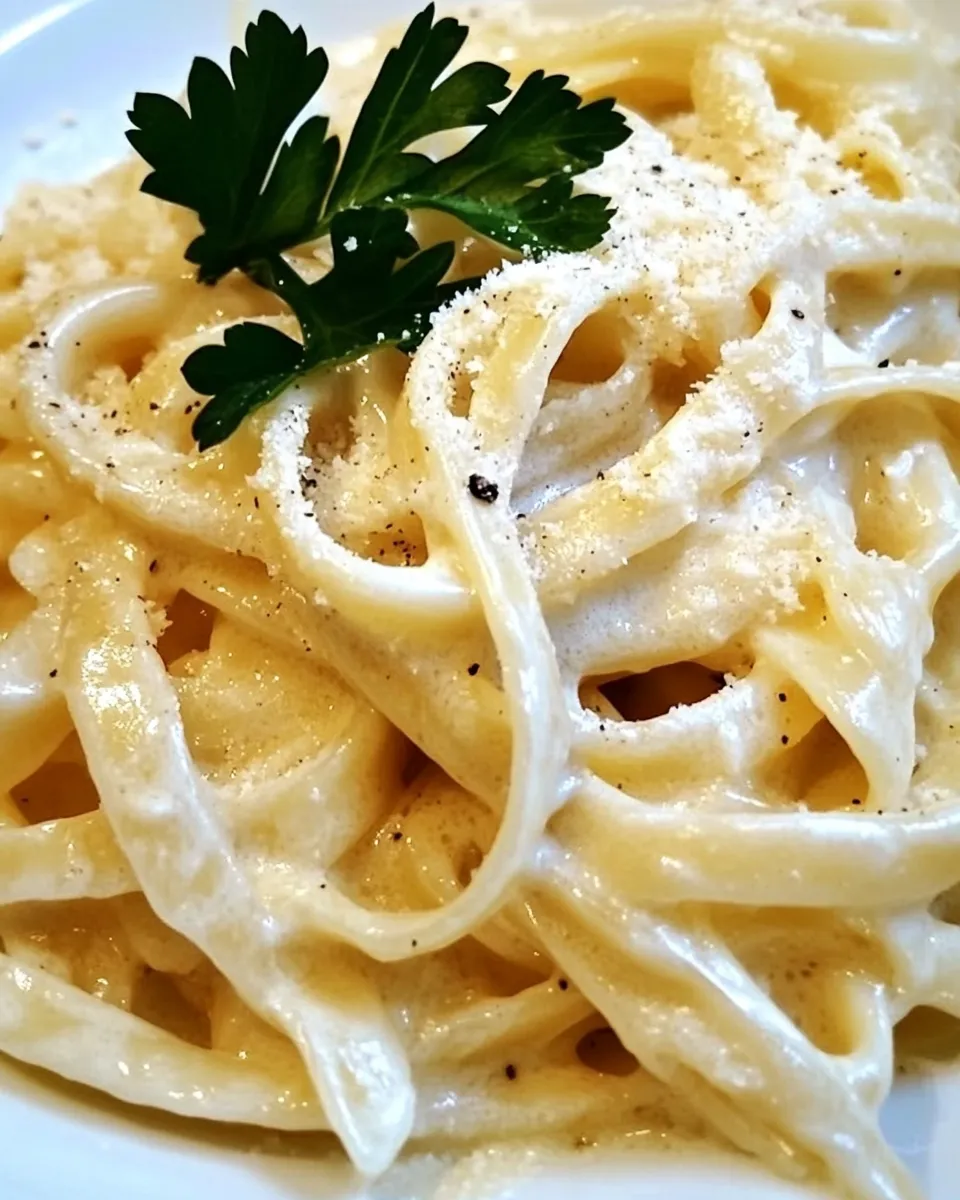
- Butter — You can use unsalted or salted butter; if using salted, reduce or omit the added salt when tossing with pasta.
- Parmesan cheese — If you need a substitute, grated Pecorino Romano adds a sharper, saltier profile. Don’t use pre-shredded bagged cheese if you can avoid it; it contains anti-caking agents that alter melting.
- Garlic powder — Swap for 1–2 small cloves of finely minced garlic sautéed briefly in the butter before combining with cheese. Cool slightly before mixing so the cheese doesn’t clump.
- Fettuccine — Any long, flat pasta like tagliatelle works. Thinner pastas will need shorter cooking times and will coat differently.
Gear Up: What to Grab
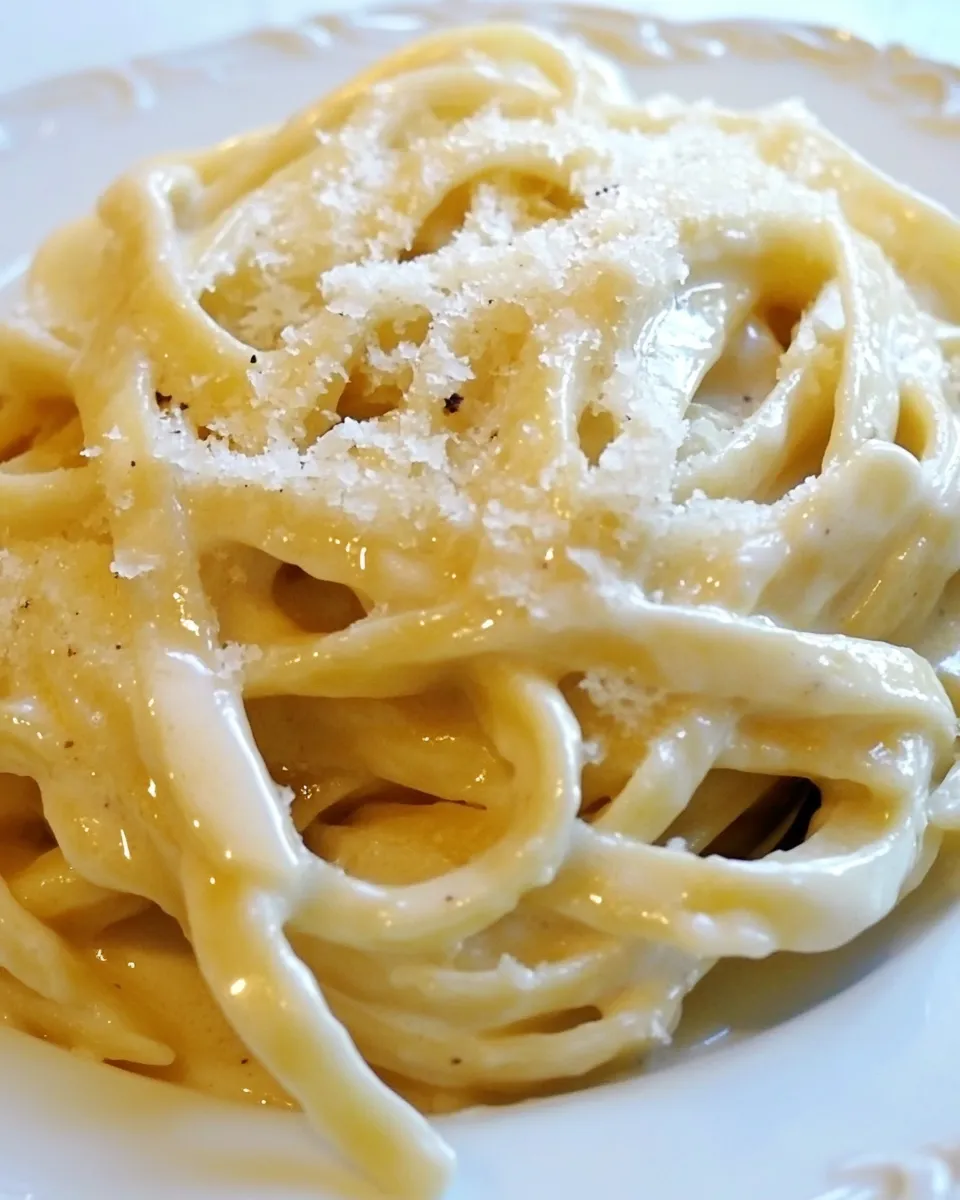
- Large pot — for boiling the pasta with room to stir without cooling the water.
- Colander — to drain the pasta; reserve a measuring cup nearby for pasta water.
- Mixing bowl & electric mixer — the mixer speeds up creaming the butter and cheese into a smooth mixture.
- Tongs — for tossing the pasta with the sauce so you coat strands evenly.
- Microplane or fine grater — for freshly grating Parmesan if you have a block; it melts better than pre-grated.
Troubles You Can Avoid
- Grainy sauce — avoid adding cold butter or cheese straight from the fridge; soften butter and let cheese come to room temperature or grate it finely so it melts quickly.
- Clumpy or separated sauce — always add reserved pasta water gradually and toss; the starch in the water is the binder that smooths the sauce.
- Over-salted final dish — salt the cooking water well, but add additional table salt sparingly at the end. Taste before finishing.
- Stiff sauce from overcooking — don’t boil the pasta past al dente; carryover heat from the pot helps create the sauce without drying it out.
How to Make It Lighter
If you want a lighter take without losing the essential creaminess, try one of these options:
- Reduce butter — use 1½ sticks instead of 2 sticks and add more reserved pasta water to compensate; the texture will be lighter but still saucy.
- Add vegetables — toss in steamed broccoli or sautéed mushrooms to stretch the dish and add fiber.
- Use part-skim Parmesan — it reduces calories slightly; melt behavior changes marginally, so grate finely and add a splash more pasta water.
What Could Go Wrong
A few common missteps and how to fix them quickly:
- Sauce is too thick and clumpy — fix by adding more reserved pasta water a tablespoon at a time, tossing until smooth.
- Pasta becomes gummy — it was likely overcooked or rinsed after draining; avoid rinsing and cook to firm al dente.
- Cheese doesn’t blend well — ensure the cheese is freshly grated and the butter is softened; use the mixer longer if needed to form a cohesive paste.
- Pasta is under-seasoned — add a small extra pinch of salt to the finished dish or more grated Parmesan at the table.
How to Store & Reheat
Leftovers are common with Alfredo, and they reheat well if you handle them gently.
- Store — cool the pasta to room temperature within an hour, then transfer to an airtight container and refrigerate up to 3 days.
- Reheat on the stove — place pasta in a skillet over low heat with 1–3 tablespoons of milk or reserved pasta water, tossing until warmed through and loosened. Heat gently to avoid separating the fats.
- Reheat in the microwave — add a splash of milk or water, cover loosely, and heat in 30-second bursts, stirring in between until hot.
- Freeze? — not recommended. The sauce’s texture changes with freezing and reheating; for best results eat within a few days.
Helpful Q&A
- Q: Can I use fresh pasta? A: Yes. Fresh fettuccine cooks much faster—watch it closely and reduce the cooking time to avoid overcooking. You’ll likely need less pasta water because fresh pasta releases less starch.
- Q: Why do I need to reserve pasta water? A: The starchy water acts as an emulsifier. It helps bind the butter and cheese to the pasta into a silky sauce rather than a greasy coating.
- Q: Can I make the cheese-butter mixture ahead? A: You can prepare it a few hours in advance and keep it chilled. Bring it to room temperature before using, or briefly re-whip so it’s smooth again.
- Q: What if my sauce separates? A: Remove the pot from direct heat and whisk in small amounts of warm pasta water until it smooths out. Gentle heat and slow incorporation are key.
The Last Word
This Fettuccine Alfredo is a reminder that simple ingredients treated with attention produce remarkable results. Stick to softened butter, fresh grated Parmesan, salted pasta water, and the small but essential step of reserving cooking water. Follow the clear order of steps—mix the cheese and butter first, cook the pasta to al dente, and finish by tossing pasta and sauce with measured pasta water—and you’ll have a reliably glossy, comforting plate every time. Serve immediately, add a little extra Parmesan at the table, and enjoy the kind of meal that feels indulgent without being complicated.

Best Fettuccine Alfredo
Ingredients
- 2 sticks butter softened
- 1/2 lb Parmesan cheese grated, plus more for serving
- 1 tsp garlic powder
- salt to taste
- 1 lb fettuccine
Instructions
- In a bowl, beat the softened butter, grated Parmesan, and garlic powder with a hand mixer until smooth and creamy.
- Bring a large pot of salted water to a boil and cook the fettuccine according to package directions until al dente, about 12 minutes.
- Reserve 1/2 cup of the pasta cooking water, then drain the pasta in a colander.
- Return the hot pasta to the warm pot. Add 1/2 teaspoon salt, the cheese-butter mixture, and 1/4 cup of the reserved pasta water.
- Toss the pasta vigorously, adding more reserved pasta water as needed to create a smooth, silky sauce that coats the noodles.
- Serve immediately with additional grated Parmesan if desired.
Equipment
- Hand Mixer
- Large Pot
- Colander
- measuring cups
Notes
- Use freshly grated Parmesan for best flavor.
- Reserve pasta water to help emulsify the sauce.
- Adjust salt to taste, keeping in mind Parmesan is salty.