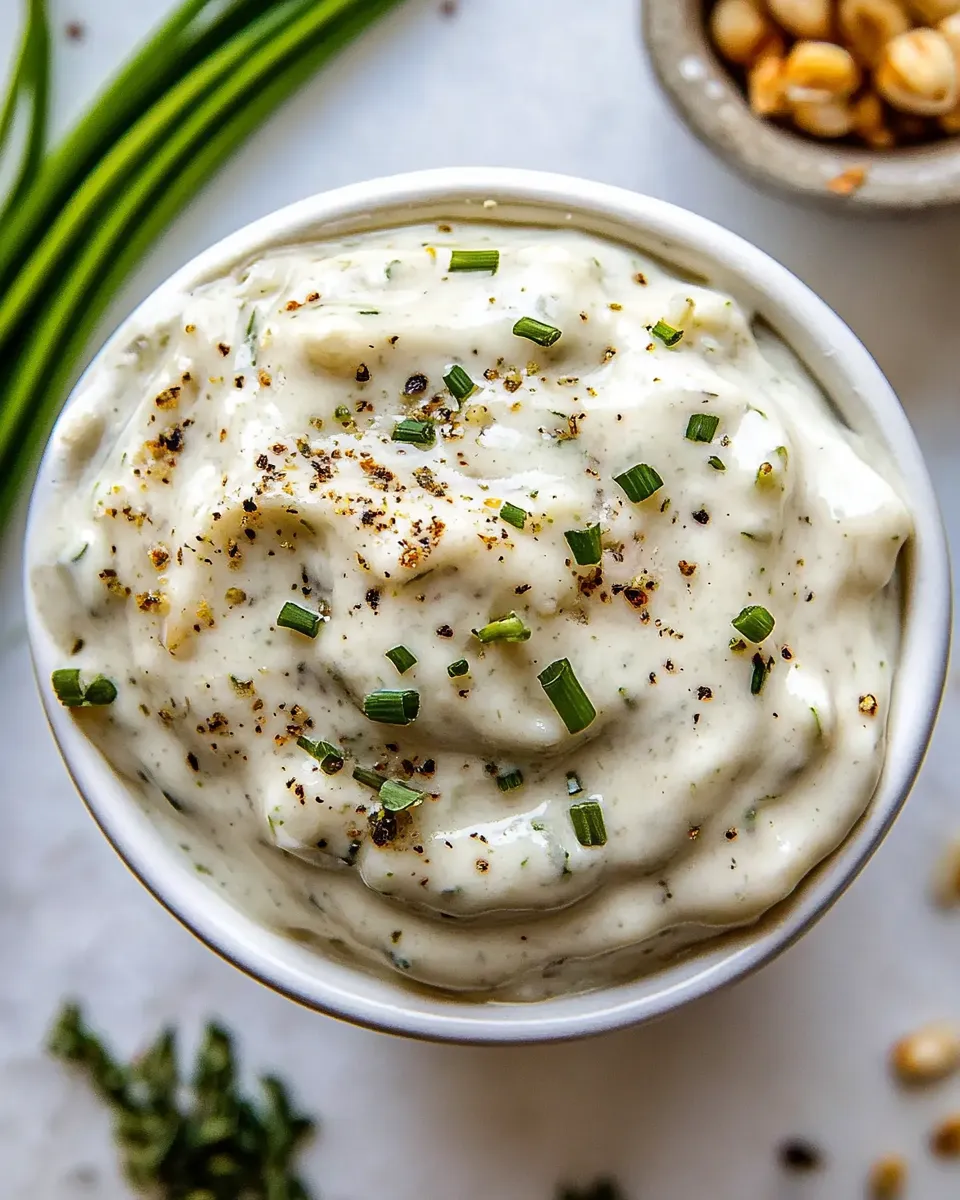
Creamy Horseradish Sauce Recipe
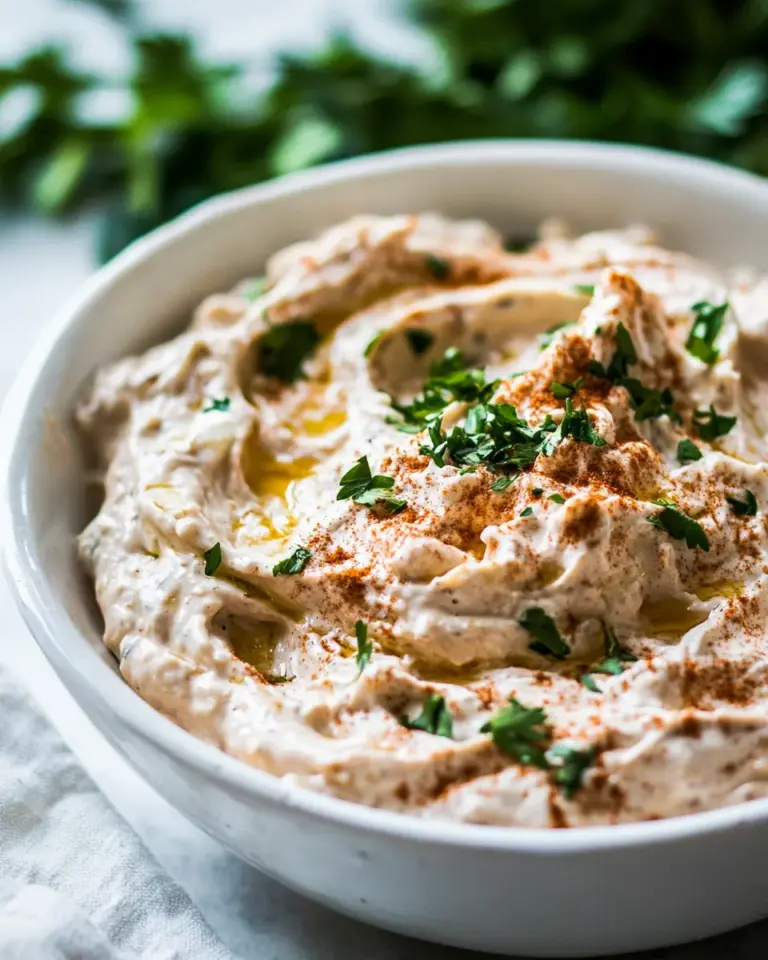
I love a simple sauce that lifts whatever it touches — roasted beef, smoked salmon, steamed veggies, or even a plain baked potato. This Creamy Horseradish Sauce is bright, tangy, and easy to pull together in five minutes. It keeps well in the fridge, so you can make it ahead and have a flavorful condiment on hand.
The heat from fresh horseradish is tempered by sour cream and mayonnaise, while Dijon and a pinch of black pepper round out the flavor. Fresh parsley or chives finish it with a clean herbal note. It’s a small recipe that makes a big difference at the table.
Ingredient List
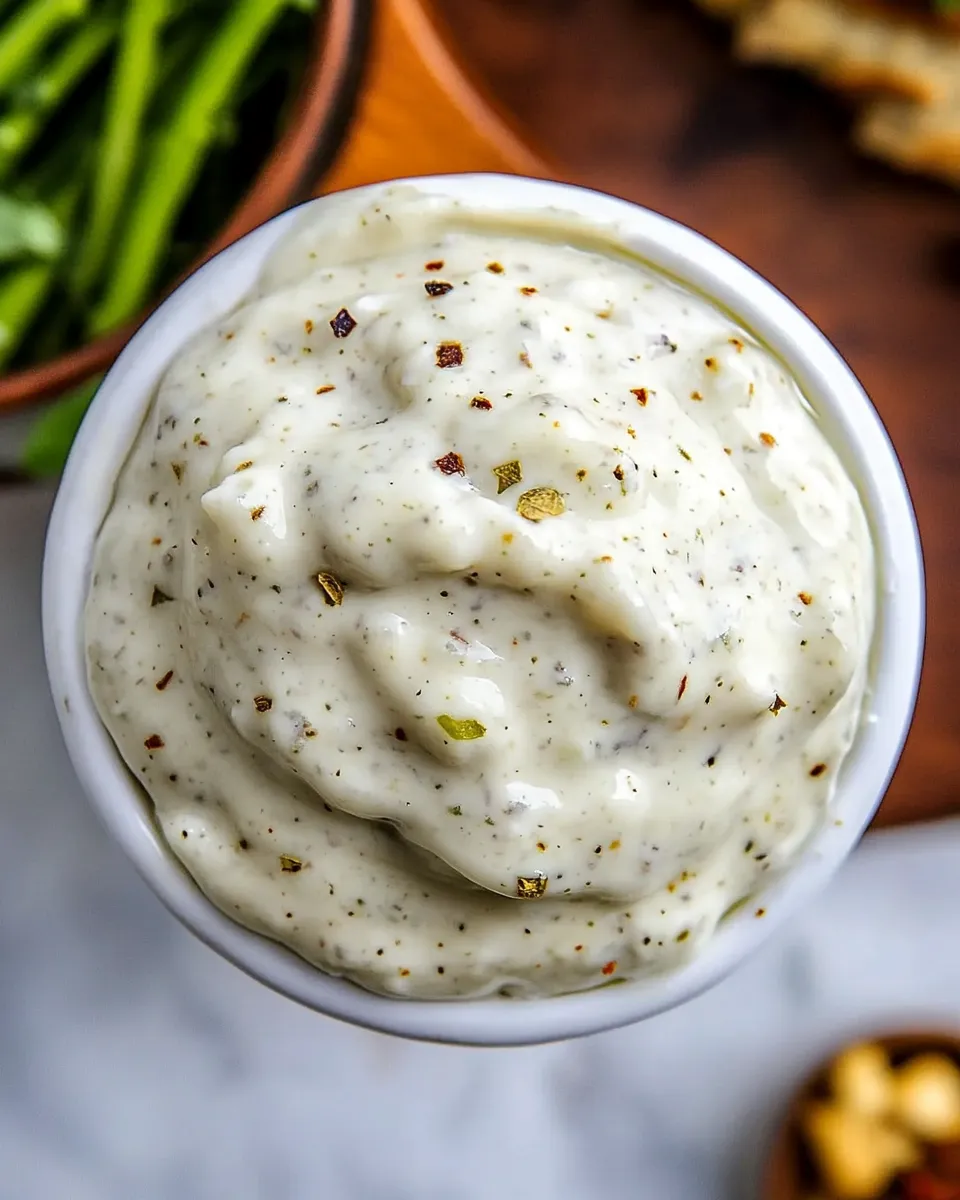
- 1/2 cup sour cream — provides the creamy base and tang that softens the horseradish heat.
- 2 tbsp prepared horseradish — the star flavor: sharp, spicy, and aromatic. Use more or less to taste but do not change the recipe amount here.
- 2 tbsp mayo — adds silkiness and helps the sauce cling to food.
- 1 tsp Dijon mustard — brings subtle sharpness and helps emulsify the sauce.
- 1/4 tsp salt — balances and enhances the flavors.
- 1/8 tsp black pepper — a gentle background spice; freshly ground is best.
- 1 tbsp parsley or chives, freshly chopped — bright herbiness and color; choose parsley for freshness or chives for a mild onion note.
Creamy Horseradish Sauce Recipe Cooking Guide
Follow these steps exactly as the ingredient list specifies. The method is very quick and straightforward.
- Measure all ingredients so everything is ready at the counter.
- In a medium bowl combine 1/2 cup sour cream, 2 tbsp prepared horseradish, 2 tbsp mayo, and 1 tsp Dijon mustard.
- Add 1/4 tsp salt and 1/8 tsp black pepper to the bowl.
- Stir the mixture until smooth and uniformly combined. Scrape the sides of the bowl with a spoon to incorporate every bit.
- Fold in 1 tbsp freshly chopped parsley or chives so the herbs are evenly distributed but not bruised.
- Cover the bowl and refrigerate. Keep the sauce chilled until ready to serve; chilling lets the flavors meld and the horseradish mellow slightly.
Why It Deserves a Spot
This sauce is one of those pantry-to-plate wins: minimal ingredients, quick assembly, and maximum impact. The acid and spice cut through rich proteins while the creamy base adds balance. It brightens otherwise ordinary dishes and can turn leftovers into a compelling meal.
Because it’s adaptable and pairs with beef, seafood, roasted root vegetables, and sandwiches, it becomes a go-to condiment. It’s also an easy way to introduce guests to horseradish without overwhelming them.
Allergy-Friendly Substitutes
- Dairy-free option: Replace sour cream with full-fat coconut yogurt (unsweetened) or a thick soy yogurt; note flavor will shift slightly.
- Egg-free mayo: Use an eggless mayonnaise alternative or an avocado mash for binding if avoiding eggs.
- Mustard-free: Omit the Dijon, increase horseradish by 1/2 tsp for brightness, or add a splash of white wine vinegar for acidity.
- Herb swap: If allergic to parsley or chives, use finely chopped dill or basil in small amounts to avoid overpowering the horseradish.
Prep & Cook Tools
- Medium mixing bowl — for combining ingredients.
- Spoon or small whisk — to achieve a smooth texture.
- Measuring spoons and cup — accuracy matters with strong flavors like horseradish and salt.
- Cutting board and small knife — for chopping parsley or chives.
- Plastic wrap or airtight container — to refrigerate and store the sauce.
Errors to Dodge
- Overdoing the horseradish: Prepared horseradish varies in potency. Stick to 2 tbsp as written; you can add more after chilling if needed.
- Skipping refrigeration: Serving immediately is fine, but resting in the fridge for at least 20–30 minutes mellows the bite and improves cohesion.
- Undermixing: If not fully combined, pockets of mustard or horseradish can be overpowering. Stir until uniform.
- Using watery sour cream: Thin or runny starters dilute the sauce. Use full-fat sour cream for proper texture.
In-Season Flavor Ideas
- Spring: Fresh chives and a squeeze of lemon brighten the sauce for asparagus and new potatoes.
- Summer: Add finely diced cucumber or dill for a chilled seafood plate.
- Fall: Stir in a touch of grainy mustard and serve with roasted root vegetables or pork.
- Winter: Pair with hearty roast beef or prime rib; the sauce cuts richness and refreshes the palate.
Chef’s Notes
Measure the horseradish carefully — its kick is the sauce’s personality. If you prefer a milder sauce, start with 1 tablespoon and increase after tasting post-chill. For a thinner sauce, add a teaspoon of milk or buttermilk, but keep additions minimal to preserve the balance.
If you plan to serve this with delicate fish, use chives instead of parsley; they complement seafood without competing. For a smokier profile, stir in a small pinch of smoked paprika, but add sparingly so you don’t mask the horseradish.
Shelf Life & Storage
Store the sauce in an airtight container in the refrigerator. It will keep best for up to 4–5 days. Give it a quick stir before serving if the herbs settle. Discard if you notice off smells, separation that won’t re-emulsify, or visible mold.
Troubleshooting Q&A
- Q: My sauce tastes too sharp — what can I do?
A: Chill it for at least 30 minutes; cold temp tames the intensity. If still too sharp, fold in an extra tablespoon of sour cream or mayo to soften the bite. - Q: The texture looks grainy after mixing — is it ruined?
A: Slight graininess can come from the prepared horseradish or Dijon seeds. A short rest in the fridge smooths it out. If it’s excessively grainy, whisk vigorously or use a small immersion blender for a few seconds. - Q: Can I freeze this sauce?
A: Freezing is not recommended; dairy textures change and separate when frozen and thawed. - Q: How do I make it spicier?
A: Add horseradish in 1/2-teaspoon increments after tasting. Freshly grated horseradish (if using) is hotter than prepared and would require adjustment.
Before You Go
Keep this recipe bookmarked — it’s one of the easiest ways to add professional-level flavor to simple meals. Make a batch when you have a spare five minutes and use it all week: on sandwiches, with grilled meats, or as a dipping sauce for crudités. If you try any variations, note the amount you used so you can reproduce the result next time.
Happy cooking — simple sauces like this are kitchen multipliers. They make good food feel thoughtful without a lot of fuss.