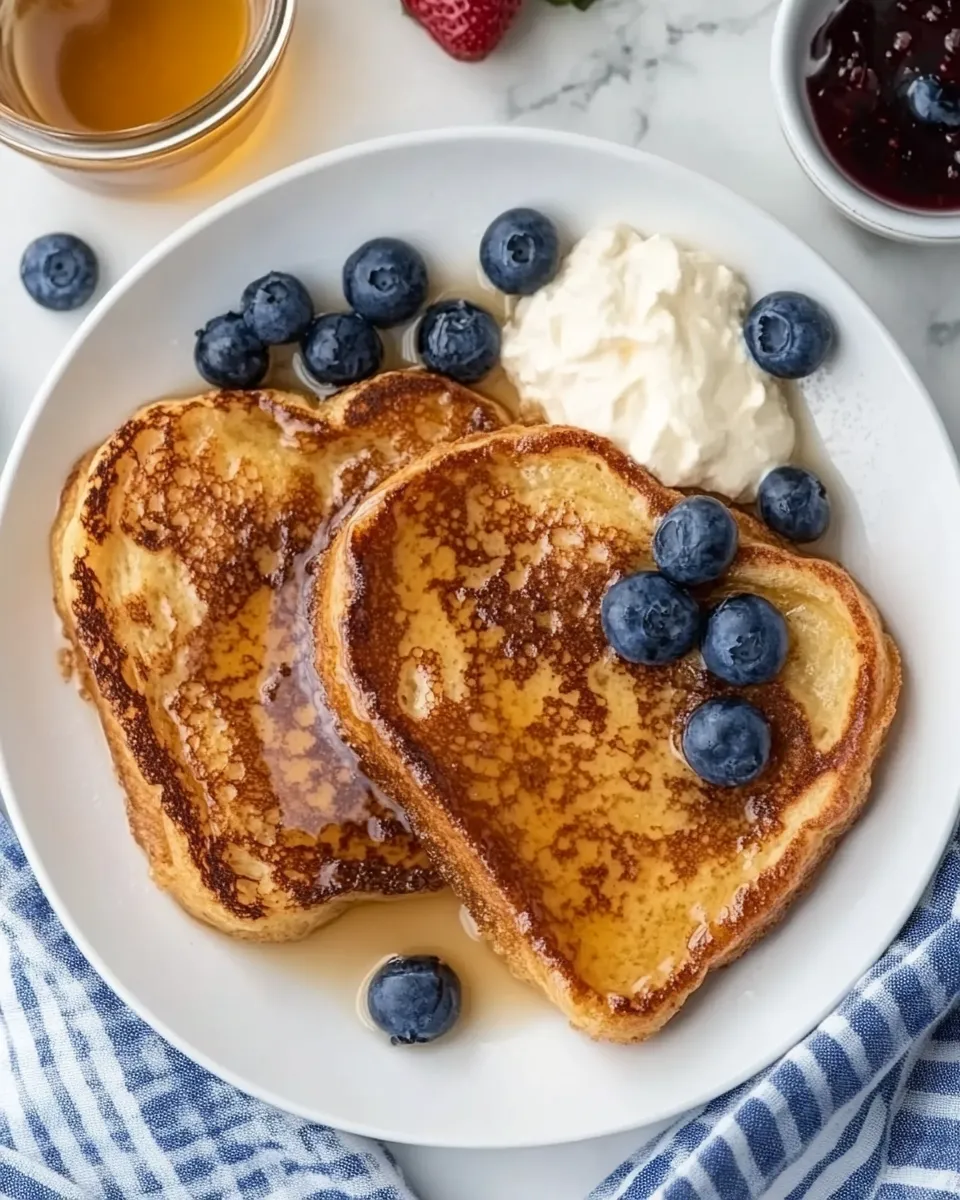
Easy French Toast Recipe
French toast is one of those breakfasts that feels special without asking for much effort. This version uses a simple, custardy batter and a quick pan-then-oven method so the centers cook through without burning the outside. It’s forgiving, fast, and excellent for turning slightly stale bread into something irresistible.
I use half-and-half for a richer custard, but milk or cream work too—swap as you prefer. The maple syrup in the batter adds a gentle sweetness and a hint of caramelized flavor when the toast hits the pan. Serve with extra syrup, butter, and fresh berries for a classic finish.
This post walks you through exact ingredients, step-by-step instructions, helpful tools, and common mistakes so your French toast comes out perfectly every time. No fluff—just practical tips and a reliable recipe you’ll make again and again.
What You’ll Need
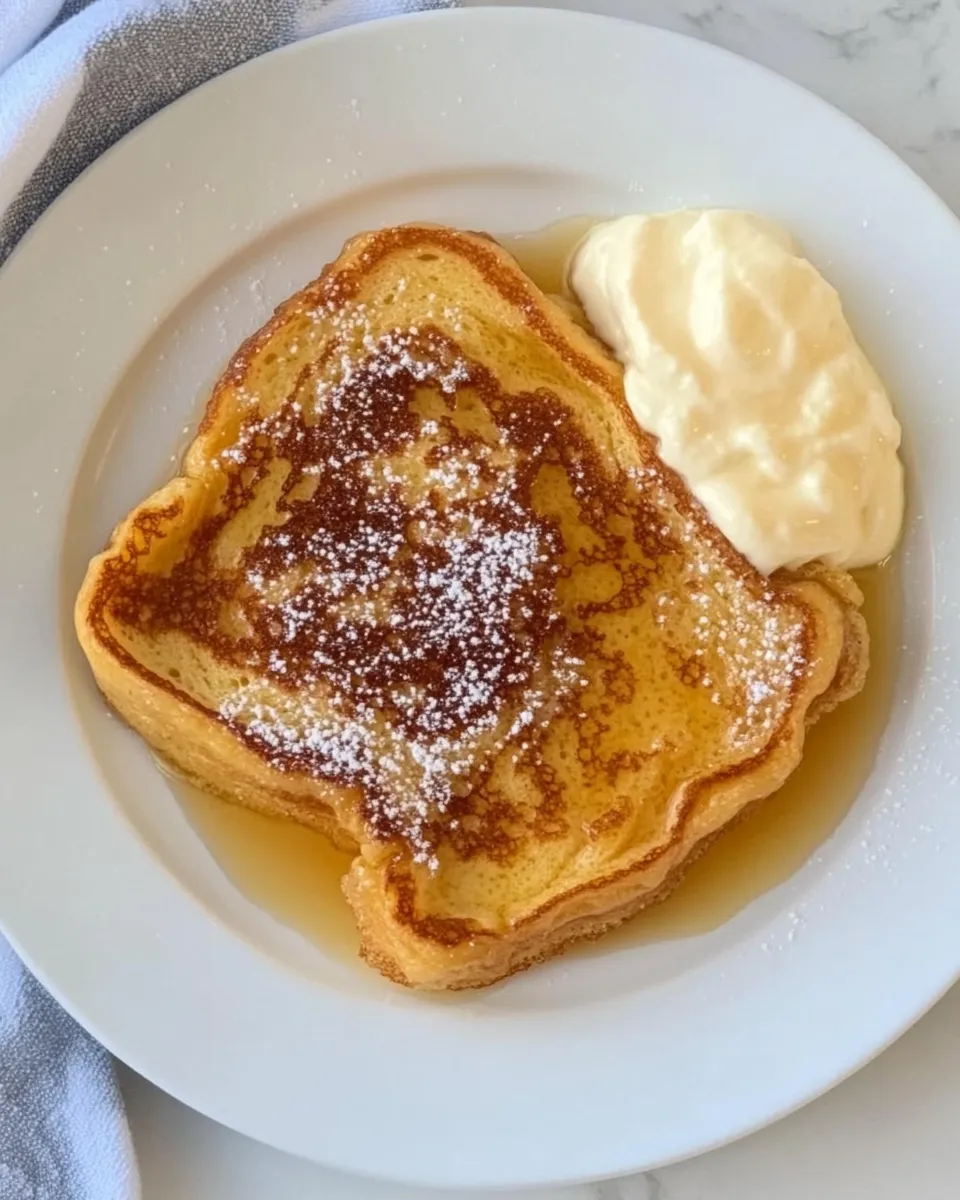
- 6 large eggs — the base of the custard; provides structure and richness.
- ½ cup half and half — adds creaminess; you can substitute whole milk or cream if needed.
- ¼ cup pure maple syrup — sweetens the custard and adds depth of flavor.
- 1 teaspoon ground cinnamon — warm spice that complements the maple.
- 1 teaspoon pure vanilla extract — lifts the custard with aromatics.
- dash salt — balances sweetness and enhances flavor.
- 8 slices dried-out bread, 1-inch thick — slightly stale bread soaks custard without falling apart; brioche, challah, or thick sandwich bread work well.
- 1 tablespoons unsalted butter — for frying; have more on hand to add as you cook.
French Toast Recipe: Step-by-Step Guide
- Preheat your oven to 300°F (150°C). Line a baking sheet or place a wire rack on a sheet to hold cooked slices while finishing in the oven.
- In a shallow dish large enough to hold a slice of bread flat, whisk together 6 large eggs, ½ cup half and half, ¼ cup pure maple syrup, 1 teaspoon ground cinnamon, 1 teaspoon pure vanilla extract, and a dash of salt until fully combined and slightly frothy.
- Heat a large non-stick skillet over medium heat. Add 1 tablespoons unsalted butter and let it melt, swirling to coat the skillet surface.
- Working one slice at a time, dip a slice of the 8 slices dried-out bread (1-inch thick) into the egg custard. Flip to coat both sides evenly, allowing excess to drip off—don’t let it sit so long the bread falls apart.
- Place the coated bread in the hot skillet and pan-fry over medium heat until the bottom is golden brown, about 3 minutes. Flip and cook the opposite side for 2–3 minutes until browned.
- Transfer the browned slice to the prepared baking sheet in a single layer. Repeat dipping and pan-frying with the remaining slices, adding additional butter to the skillet as needed to prevent sticking and encourage browning.
- When all slices are browned and on the baking sheet, place the sheet in the preheated oven and bake for 10 minutes to finish cooking through and ensure the centers are set.
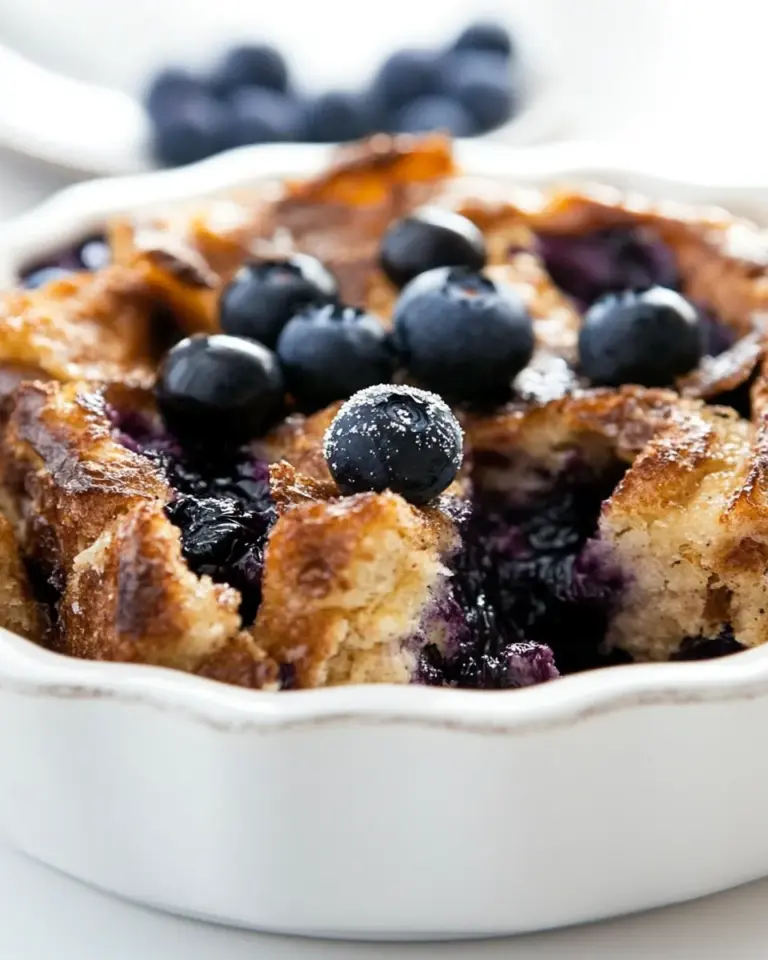
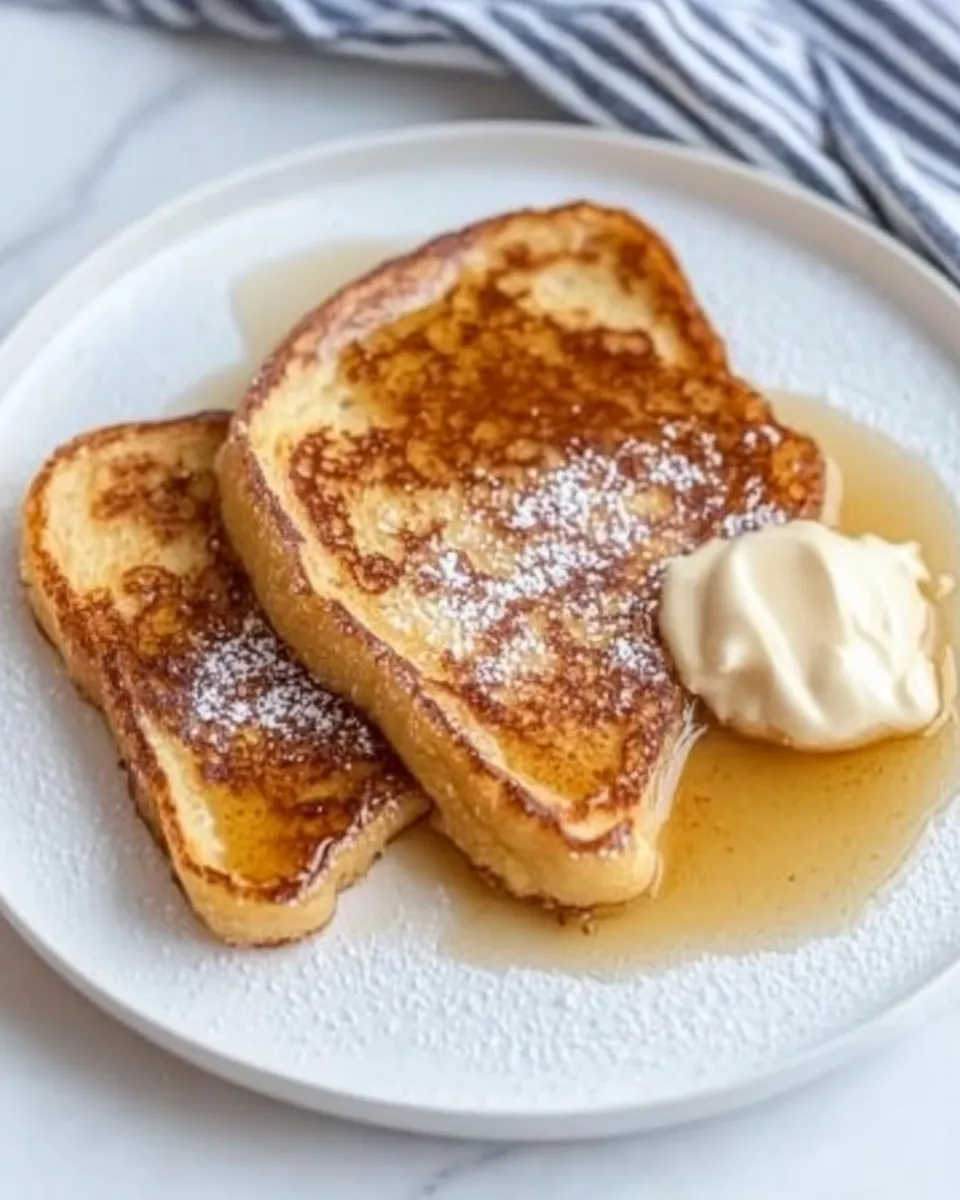
- Remove from the oven and serve immediately with additional maple syrup, butter, and berries as desired.
Why This Recipe Belongs in Your Rotation
This French Toast recipe balances convenience and flavor. The pan-first method builds color and caramelization; the short oven finish guarantees a fully cooked interior without over-browning. It’s quick enough for a weekend morning and reliable when you need to feed a small crowd.
The ingredient list is short and pantry-friendly. You can scale it up, swap dairy, or use whatever bread you have on hand, so it’s flexible. And because the custard contains maple syrup and vanilla, you get great flavor with minimal add-ins.
Allergy-Friendly Substitutes
If you have common allergies, here are direct swaps to keep the texture and flavor similar:
- Egg-free: Use a commercial egg replacer formulated for baking (follow package directions) or a chickpea flour custard—note texture will differ from the original.
- Dairy-free: Replace half and half with unsweetened almond, oat, or soy milk. For extra richness, use a full-fat canned coconut milk mixed with a little water.
- Maple-free: Swap the ¼ cup pure maple syrup for 3 tablespoons honey or agave syrup; flavor will shift but sweetness level stays similar.
- Gluten-free: Use thick-sliced gluten-free bread that’s a bit stale so it soaks without falling apart.
Tools & Equipment Needed
- Large non-stick skillet — ensures even browning and easy flipping.
- Shallow dish or pie plate — for whisking and dipping the custard.
- Whisk or fork — to beat the eggs and combine ingredients smoothly.
- Baking sheet (with or without a wire rack) — holds finished slices and allows oven finishing.
- Spatula — for flipping without tearing the bread.
Mistakes Even Pros Make
- Soaking bread too long — makes slices soggy and fragile; dip briefly and let excess drip off.
- Using bread that’s too fresh — it may collapse or become gummy; slightly dried bread is ideal.
- Pan too hot — you’ll get dark exterior and undercooked center; aim for medium heat and watch browning time.
- Skipping the oven finish — the centers can remain custardy and undercooked; the 10-minute bake sets everything through.
- Overcrowding the pan — reduces browning; cook in batches so each slice has contact with the skillet surface.
Dietary Swaps & Alternatives
Want to change texture or flavor? Try these simple alternatives without altering the method:
- Use challah or brioche for a richer, softer result; sourdough adds a tangy contrast.
- Replace cinnamon with a pinch of nutmeg or cardamom for a different warm spice profile.
- Stir in a tablespoon of orange zest to the custard for a bright, citrus lift.
- For extra indulgence, brush finished slices with melted butter and quick-toast under a broiler for 30–60 seconds—watch carefully.
If You’re Curious
Why a pan then oven? The skillet creates Maillard browning and caramelization from the maple in the custard, while the oven ensures the custard cooks through gently. The result is crisp edges, plush centers, and consistent texture across every slice.
Using half-and-half strikes a happy medium between richness and ease; it’s creamier than milk but not as heavy as cream, giving great flavor without overwhelming the bread.
Freezer-Friendly Notes
French toast freezes well. Cool completely, then layer slices with parchment between them in a freezer-safe container. Freeze up to 2 months. To reheat, toast frozen slices or bake at 350°F (175°C) until heated through—around 10–15 minutes depending on thickness. Finish briefly under the broiler or in a skillet if you want to re-crisp the exterior.
Popular Questions
- Can I use milk instead of half and half? Yes. Whole milk works fine; the custard will be slightly less rich.
- Can I make this ahead? You can prepare the custard and dip the bread, then cover and refrigerate for a few hours. For best results, cook right before serving.
- How thick should the bread be? The recipe calls for 1-inch-thick slices. Thinner slices cook faster but may be less custardy.
- Do I need to flip the slices in the oven? No. The stovetop browning on both sides plus the oven finish is sufficient; flipping in the oven isn’t necessary.
- Why use dried-out bread? Slightly stale bread absorbs custard without falling apart, giving a custard-rich interior and a sturdy slice for frying.
Final Bite
This Easy French Toast recipe is straightforward, dependable, and delicious. A quick pan-sear to build color and a short oven finish for even cooking make it a go-to for breakfasts where texture and flavor matter. Keep your bread slightly stale, whisk a flavorful custard, and follow the pan-then-oven method for consistent results. Serve with warm maple syrup, a pat of butter, and fresh berries, and you’ll have a breakfast that feels like a treat with minimal effort.

Easy French Toast Recipe
Ingredients
- 6 large eggs
- 1/2 cup half-and-half or cream or whole milk
- 1/4 cup pure maple syrup plus more for serving
- 1 teaspoon ground cinnamon
- 1 teaspoon pure vanilla extract
- dash salt
- 8 slices dried-out bread about 1-inch thick slices
- 1 tablespoon unsalted butter plus more as needed for frying
Instructions
- Preheat the oven to 300°F (150°C) and place a baking sheet inside to keep cooked French toast warm.
- In a shallow dish, whisk together 6 large eggs, 1/2 cup half-and-half (or cream or whole milk), 1/4 cup pure maple syrup, 1 teaspoon ground cinnamon, 1 teaspoon vanilla extract, and a dash of salt until well combined.
- Heat a large non-stick skillet over medium heat and add 1 tablespoon unsalted butter; let it melt and coat the pan.
- Working one slice at a time, dip a slice of bread into the egg custard, coating both sides and letting excess drip off.
- Place the coated bread in the hot skillet and cook until browned, about 2–3 minutes per side, adding more butter to the pan as needed.
- Transfer cooked slices in a single layer to the preheated baking sheet to keep warm and finish cooking the remaining slices the same way.
- Once all slices are pan-fried, bake them on the baking sheet in the oven for 10 minutes to finish cooking through.
- Serve warm with additional maple syrup, butter, or berries as desired.
Equipment
- large non-stick skillet
- shallow dish or bowl
- whisk or fork
- Baking Sheet
- Spatula
- Oven
Notes
- Use stale or slightly dried bread for best texture.
- If bread is fresh, dry slices overnight on a baking sheet or in a 200°F oven for 10–20 minutes.
- Choose brioche, French, Italian, cinnamon raisin, or gluten-free bread as preferred.
- Arrange fresh bread in a single layer when drying so slices crisp evenly.
- Flash-freeze cooled French toast on a baking sheet before transferring to a freezer-safe container if freezing.