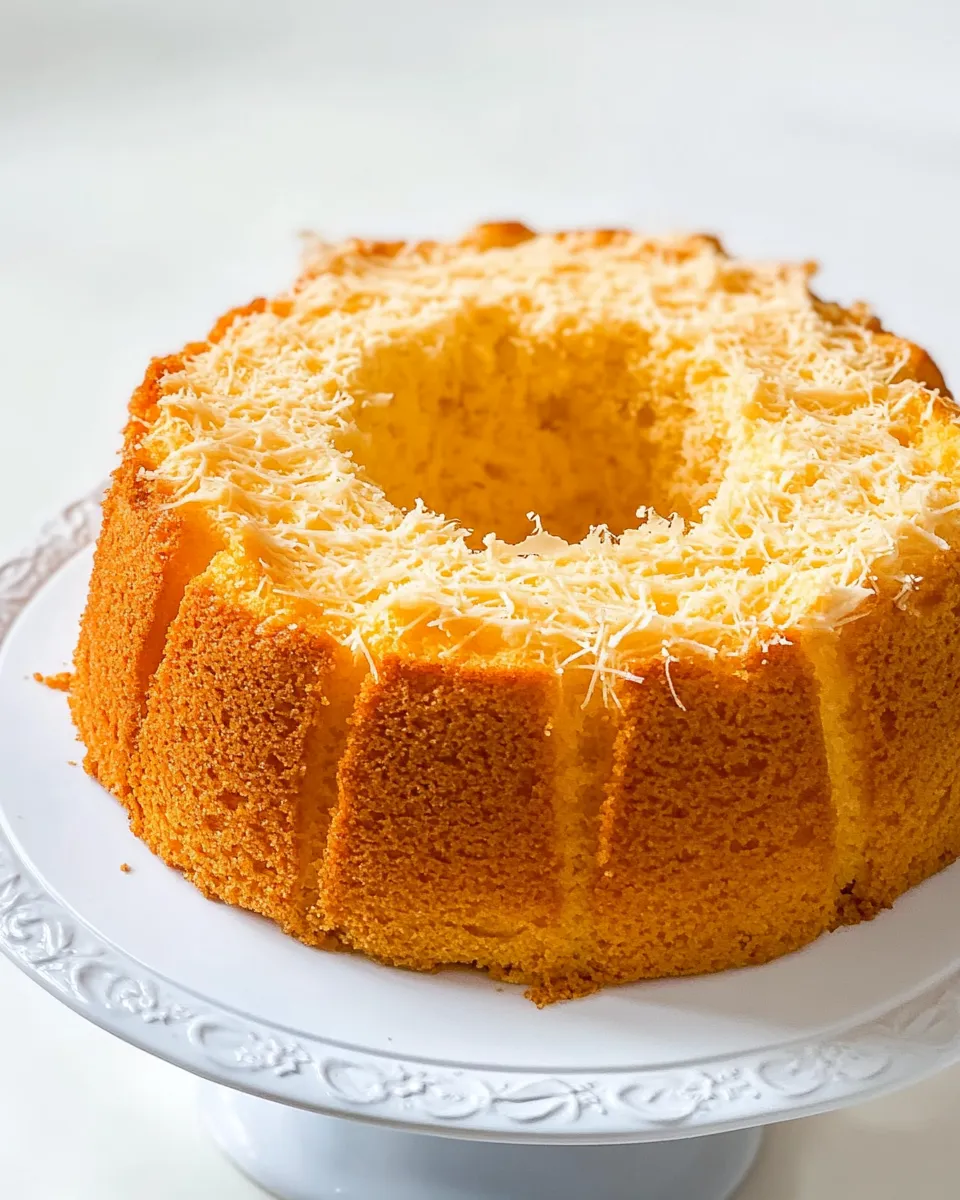
Parmesan Chiffon Cake
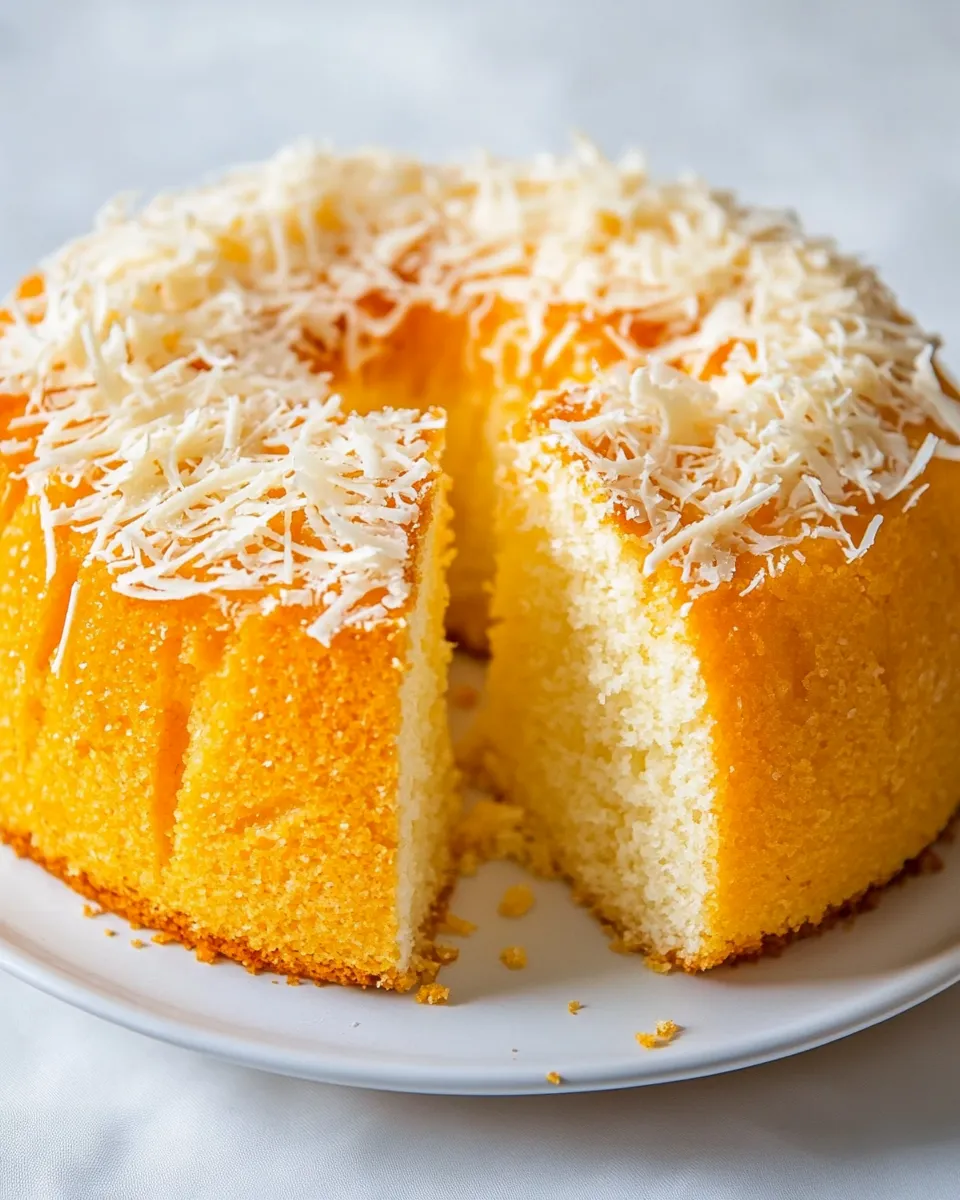
This Parmesan Chiffon Cake is light, tender, and savory-sweet—an answer when you want something cake-like but not overly sweet. It uses whipped egg whites for lift and finely grated parmesan for a distinctive savory note that plays nicely with a touch of cream or buttercream on top. The crumb is moist from corn oil and milk, and the texture is airy thanks to proper folding techniques.
There are a few simple techniques that make this come together reliably: separate the eggs while they’re cold, bring the whites closer to room temperature before whipping, and be gentle when folding. The recipe below is streamlined so you can follow it without guesswork.
What You’ll Need
- 4 egg yolks — provides richness and structure to the batter.
- 1/2 cup sugar, separated — split into 2 tablespoons for the yolks and the rest for the whites; sweetens and stabilizes.
- 1/4 cup corn oil — keeps the cake moist without weighing it down.
- 1/3 cup milk — adds liquid and tenderness to the crumb.
- 1/2 cup self-raising flour — provides the base and leavening; sift if lumpy.
- 3/4 cup parmesan cheese powder (or grated cheese) — primary savory flavor; use finely grated for best texture.
- 4 egg whites — whipped to create the cake’s lift and airy texture.
- 1 tablespoon corn flour — folded into the whites to stabilize the meringue and improve texture.
- Whipped cream or buttercream — optional topping for serving.
- Parmesan and cheddar cheese, shredded — optional garnish; adds texture and savory contrast.
Parmesan Chiffon Cake in Steps
Prepare the yolk base
- Preheat the oven to 160°C (320°F). Prepare a baking pan—a tube pan or a loose-bottom round pan both work; lightly grease if it’s not a nonstick chiffon pan.
- Separate 4 eggs while they are cold. Place the 4 egg yolks in a mixing bowl and reserve the whites in a clean, dry bowl for later.
- Add 2 tablespoons of the 1/2 cup sugar to the yolks. Whisk by hand until the yolks lighten in color and the sugar has mostly dissolved—this takes a couple of minutes and helps create a smoother batter.
- Pour in 1/4 cup corn oil and 1/3 cup milk. Whisk until fully combined and smooth.
- Sift or add 1/2 cup self-raising flour to the yolk mixture, then fold or whisk until no streaks remain. Stir in 3/4 cup parmesan cheese powder (or grated cheese) until evenly distributed. Set this yolk mixture aside.
Make the meringue
- Bring the 4 egg whites to room temperature for best volume (about 10–15 minutes if they were refrigerated). Begin beating them on high speed until foamy.
- Slowly add the remaining sugar from the 1/2 cup while continuing to beat. Continue until soft peaks form—peaks should lift and curl but the texture should still be slightly glossy.
- Sprinkle in 1 tablespoon corn flour and briefly beat just to incorporate. The corn flour helps stabilize the meringue without deflating it.
Combine and bake
- Take about one-third of the whipped egg white mixture and gently whisk it into the yolk-cheese batter using a hand whisk. This lightens the base and makes folding easier.
- Fold in the remaining egg white mixture carefully: use a large spatula, cut through the center, scoop around the bowl, and fold over. Rotate the bowl as you fold to keep movement even. Stop folding as soon as there are no major streaks of white—don’t overmix.
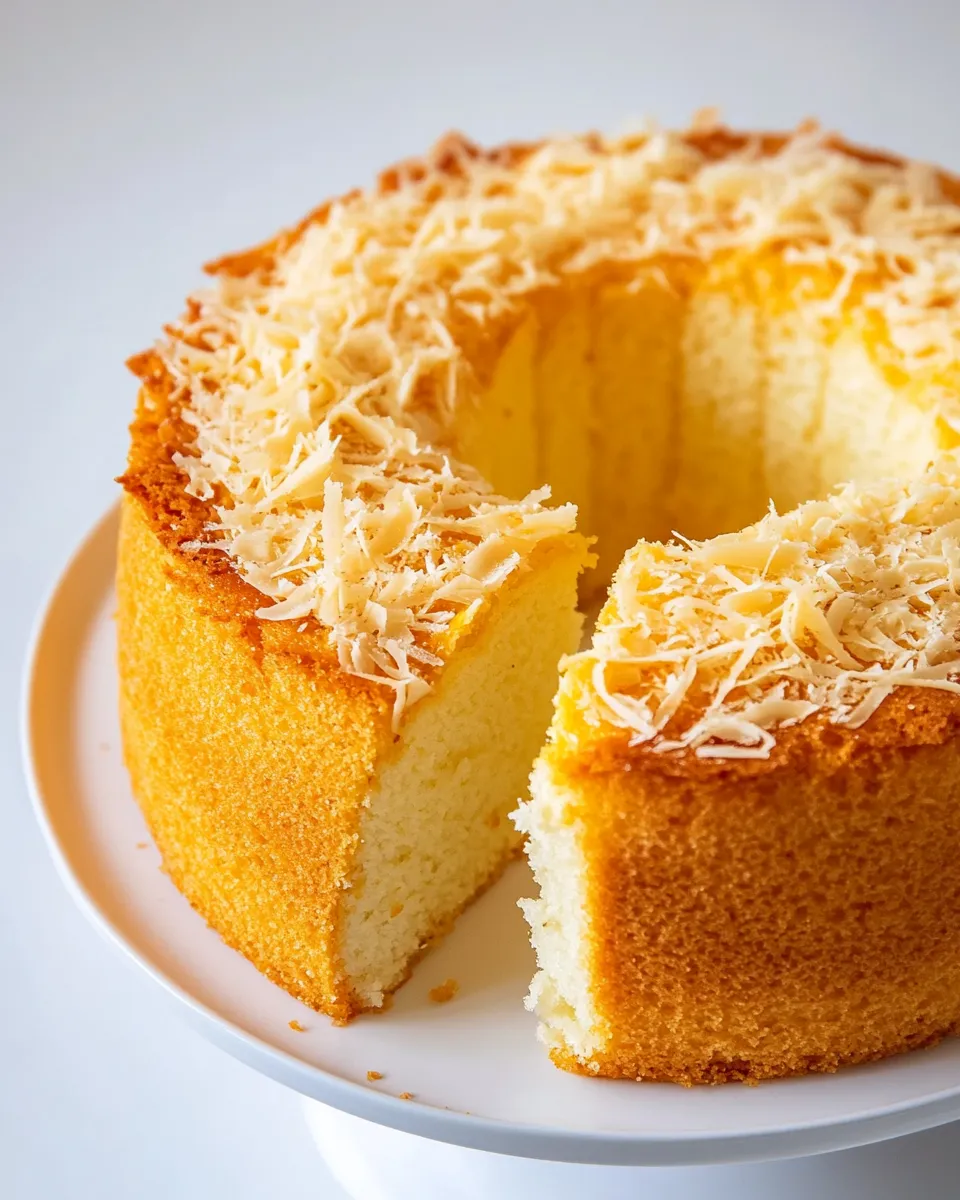
- Pour the combined batter into your prepared pan and smooth the top gently. If using shredded parmesan and cheddar as a garnish, sprinkle lightly on top.
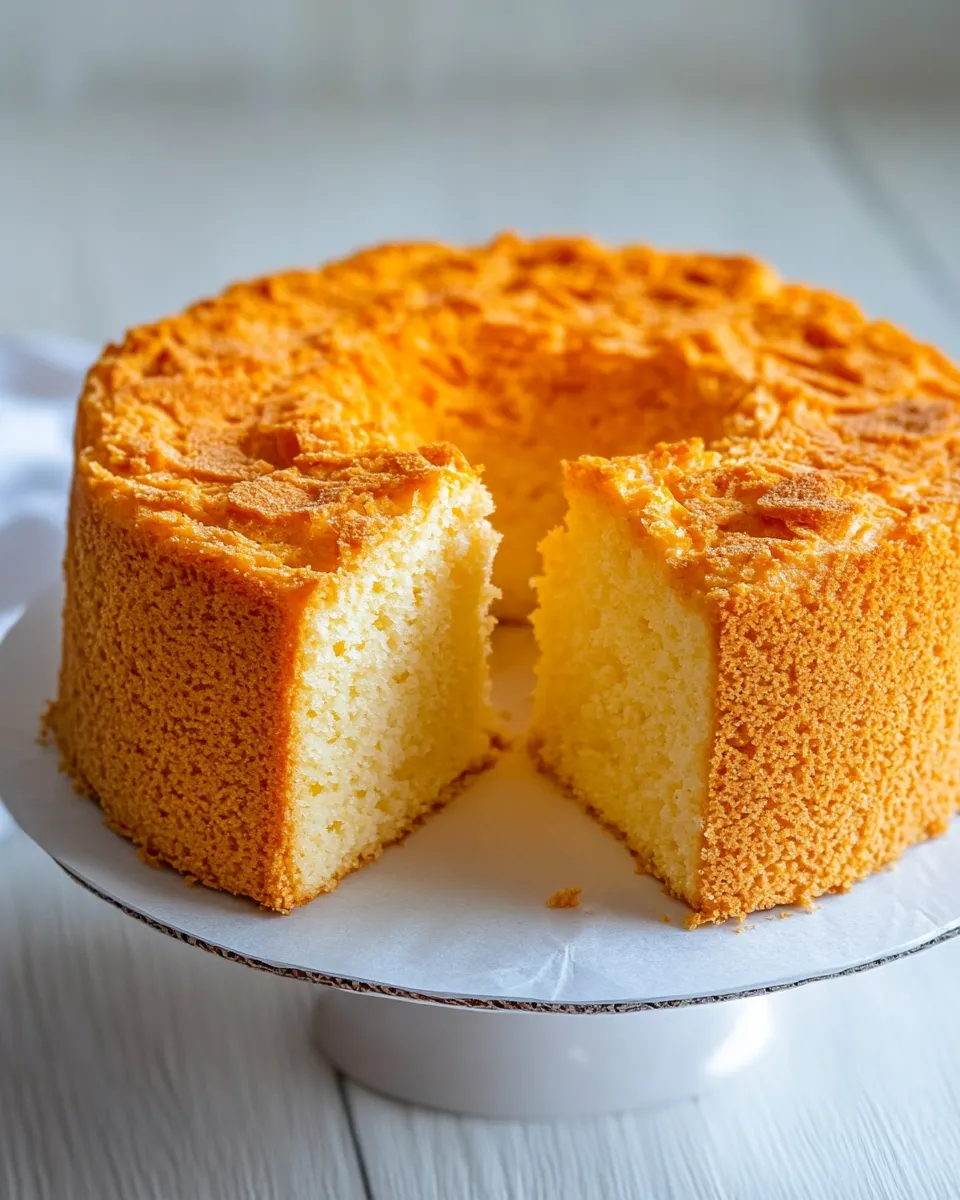
- Bake in the preheated oven at 160°C (320°F) for 40 minutes. The cake should be set and lightly golden; a skewer inserted into the center should come out clean or with a few moist crumbs.
- Remove from oven and cool according to the Cooling section below before removing from the pan and serving with whipped cream or buttercream if desired.
Why This Recipe Is Reliable
This recipe relies on two solid principles: meringue-based lift and a rich yolk batter for flavor. The split-sugar approach stabilizes both the yolk mixture and the whites. Using corn oil keeps the crumbs tender without the firmness that butter can add. The oven temperature is modest (160°C/320°F) to ensure even baking—high heat can brown the outside before the interior sets. The method tolerates small timing variations: as long as the whites are whipped properly and folding is gentle, the cake will be airy and tender.
No-Store Runs Needed
Most of these ingredients are pantry staples: eggs, sugar, flour, oil, and cheese powder or grated parmesan. If you don’t have parmesan powder, finely grate what you do have—coarser pieces will still work but will create little pockets of cheese. Corn flour (cornstarch) can be substituted with a tiny amount of sifted flour if necessary, but try to use corn flour for the lightest texture. The rest—milk and basic garnishes—are commonly on hand.
Before You Start: Equipment
- Mixing bowls (one clean, dry for egg whites).
- Whisk and electric mixer (or stand mixer) for egg whites.
- Spatula for folding.
- Measuring cups and spoons.
- Tube pan or 8–9 inch round pan—nonstick or lightly greased.
- Oven preheated to 160°C (320°F).
Mistakes Even Pros Make
- Overbeating egg whites until dry—results in a fragile meringue that deflates during folding.
- Rushing folding—vigorous stirring knocks out air and produces a dense cake.
- Adding cold whites to warm yolks—chill differences make gentle incorporation harder; let whites sit at room temperature briefly for best volume.
- Using too-high oven temperature—outer crust will form before the interior sets, causing a collapse.
- Grinding cheese too coarsely—large shreds can sink or create uneven texture; use grated or powdered parmesan for even distribution.
Dietary Customizations
- Vegetarian (lacto-ovo): This recipe is already suitable, assuming rennet-free parmesan if you avoid animal rennet.
- Lower-sugar: The sugar is already moderate; reducing it further will affect egg white stability, so do so cautiously (reduce by no more than 10–15%).
- Dairy-free: Not recommended without significant changes—parmesan and milk are integral to flavor and texture.
- Gluten-free: Swap the 1/2 cup self-raising flour for a gluten-free self-raising blend with similar weight; results may vary, and you’ll want to verify rising agents.
Notes on Ingredients
Eggs: Use fresh eggs for the best volume in the whites. Separate while cold; whites whip better if brought to room temperature before whipping.
Parmesan: Powdered or finely grated parmesan blends into the batter. If using pre-grated cheese, check for anti-caking agents—finely grate a block if possible for best melt and flavor.
Corn oil: Neutral flavor keeps the Parmesan forward without adding butteriness. You can substitute a neutral vegetable oil in equal measure if needed.
Self-raising flour: Provides the bulk and a touch of chemical leavening; do not switch to plain flour without adding a leavening agent.
Cooling, Storing & Rewarming
Cool the cake in the pan for about 10–15 minutes on a wire rack to let it settle, then invert if using a tube pan to cool completely—this prevents the cake from collapsing. If you used a greased pan, run a thin knife around the edge once the cake is lukewarm and then remove it to finish cooling on the rack.
Store wrapped tightly at room temperature for up to 2 days, or refrigerate up to 5 days if topped with cream-based frosting. Bring chilled cake to room temperature before serving for the best mouthfeel. To revive a slightly dry slice, warm it briefly in a 150°C (300°F) oven for 5–7 minutes or microwave a single slice for 10–15 seconds; top with a little whipped cream to add moisture.
Handy Q&A
Q: Can I use butter instead of corn oil? A: Butter will add flavor but can make the crumb slightly denser. If you swap, melt and cool it before adding in the same 1/4 cup amount.
Q: What if my whites won’t reach soft peaks? A: Ensure no yolk is in the whites, the bowl and whisk are grease-free, and the whites are at room temperature. Increase mixing time gradually.
Q: Can I double the recipe? A: Yes, but use two pans rather than a larger single pan to maintain baking time and evenness.
Q: My cake sank in the center—why? A: Overfolding, underwhipping, or opening the oven door during baking can cause collapse. Check those steps first.
Save & Share
If you try this Parmesan Chiffon Cake, save the post and pin the recipe for later. Share photos and tips—did you add extra shredded cheddar on top or a dollop of whipped cream? I love seeing your tweaks and serving ideas. Tag the blog on social media or drop a comment with your questions so the next bake is even better.
Parmesan Chiffon Cake
Ingredients
- 4 large egg yolks
- 1/2 cup sugar separated (2 tablespoons for yolk mixture, remaining for egg whites)
- 1/4 cup corn oil
- 1/3 cup milk
- 1/2 cup self-raising flour
- 3/4 cup Parmesan cheese (powdered or grated) use grated if preferred
- 4 large egg whites
- 1 tablespoon corn flour (cornstarch)
- whipped cream or buttercream (for serving or filling)
- Parmesan and cheddar cheese, shredded (for topping or serving)
Instructions
- Preheat the oven to 160°C (320°F). Prepare a tube pan or cake pan; do not grease if using a tube pan (the cake benefits from sticking to the sides while rising).
- In a mixing bowl, whisk together the 4 egg yolks and 2 tablespoons of the sugar until the mixture is pale and slightly increased in volume.
- Whisk the corn oil and milk into the egg yolk mixture until combined.
- Sift (or add) the self-raising flour and Parmesan cheese into the yolk mixture and stir gently until a smooth batter forms; set aside.
- In a clean bowl, beat the 4 egg whites on high speed until foamy. Gradually add the remaining sugar (from the 1/2 cup) while beating and continue until soft peaks form.
- Sprinkle in the tablespoon of corn flour (cornstarch) and beat briefly to combine without deflating the whites.
- Fold one-third of the beaten egg whites into the yolk batter using a hand whisk to loosen it, then gently fold in the remaining egg whites with a spatula until just combined and no large streaks remain.
- Pour the batter into the prepared pan and smooth the top. Bake at 160°C (320°F) for about 40 minutes, or until a skewer inserted near the center comes out clean.
- Immediately invert the pan and let the cake cool completely while upside down to preserve its height, then remove from the pan and serve with whipped cream or buttercream and extra shredded Parmesan and cheddar if desired.
Equipment
- mixing bowls (2)
- hand whisk or electric mixer
- Measuring cups and spoons
- Spatula
- sieve (optional)
- tube pan or cake pan
- Oven
Notes
- Do not grease a tube pan; letting the cake cling helps it rise.
- Stop beating egg whites at soft peaks to keep the cake moist.
- Fold egg whites gently to preserve airiness.
- Avoid overmixing the batter to prevent a dense cake.
- Cool the cake upside down in the pan to maintain height.