Please share this post with your friends 🤗
I make pancakes on the quiet mornings when I want a fresh, hot stack without wasting half a dozen on my own. This small-batch recipe scales perfectly for one or two people and uses ordinary pantry staples. It’s fast, forgiving, and designed so the batter won’t sit and go thick before your pan is ready.
You’ll find straightforward instructions, the exact tiny ingredient sets, and practical tips that actually matter: how to judge batter thickness, how to keep a griddle at the right temperature, and how to rescue batter that’s gone too thick. No gimmicks—just reliable pancakes that brown evenly and taste like breakfast should.
Shopping List
All-purpose flour — two small options included for 2 or 4 pancakes; buy a standard 5 lb bag to last through many batches.
Granulated sugar — a little for balance; keep a standard container for baking and coffee.
Baking powder — the lift agent; replace every 6–12 months for best rise.
Salt — a pinch brightens flavor; use fine table salt for accurate measuring.
Vegetable oil or melted butter — for moisture and browning; choose melted butter for nuttier flavor.
Milk — whole or 2% gives best texture; non-dairy can be used (see swaps).
Make Small Batch Pancakes: A Simple Method
Yield options
2 pancakes: 1/4 cup (31 g) all-purpose flour; 1 teaspoon (4 g) granulated sugar; 1/4 teaspoon baking powder; 1/8 teaspoon salt; 1/2 tablespoon vegetable oil or melted butter; 1/4–1/3 cup milk.
4 pancakes: 1/2 cup (62 g) all-purpose flour; 2 teaspoons (8 g) granulated sugar; 1/2 teaspoon baking powder; 1/4 teaspoon salt; 1 tablespoon vegetable oil or melted butter; 1/2–2/3 cup milk.
Step-by-step directions:
1. Preheat your cooking surface. Heat a well-seasoned griddle to 350°F or place a skillet over medium heat until it’s hot but not smoking. If you don’t have an oven thermometer, heat for 3–5 minutes over medium and test with a drop of water—if it sizzles and dances, you’re ready.
2. Dry ingredients. In a small bowl, whisk together the flour, granulated sugar, baking powder, and salt until evenly combined and aerated. This ensures even rise and prevents clumps.
3. Add oil and the minimum milk. Pour in the vegetable oil or melted butter and then add the smallest amount of milk specified (for 2 pancakes add 1/4 cup; for 4 pancakes add 1/2 cup). Whisk until the mixture is smooth.
4. Adjust to the right consistency. Gradually add more milk, a tablespoon at a time if needed, until the batter flows easily off the whisk back into the bowl. The ideal texture is pourable but not watery—think slightly thick cream that runs in a continuous ribbon.
5. Note about resting. If the batter sits while the pan heats, it will thicken. If this happens, whisk in a splash more milk until it loosens back to the right consistency before cooking.
6. Cook the pancakes. Ladle batter onto the preheated griddle or skillet—use roughly 1/4 cup batter per pancake for even sizing. Cook until bubbles form across the surface and begin to pop, and the edges look set. The bottom should be golden brown; then flip carefully with a spatula.
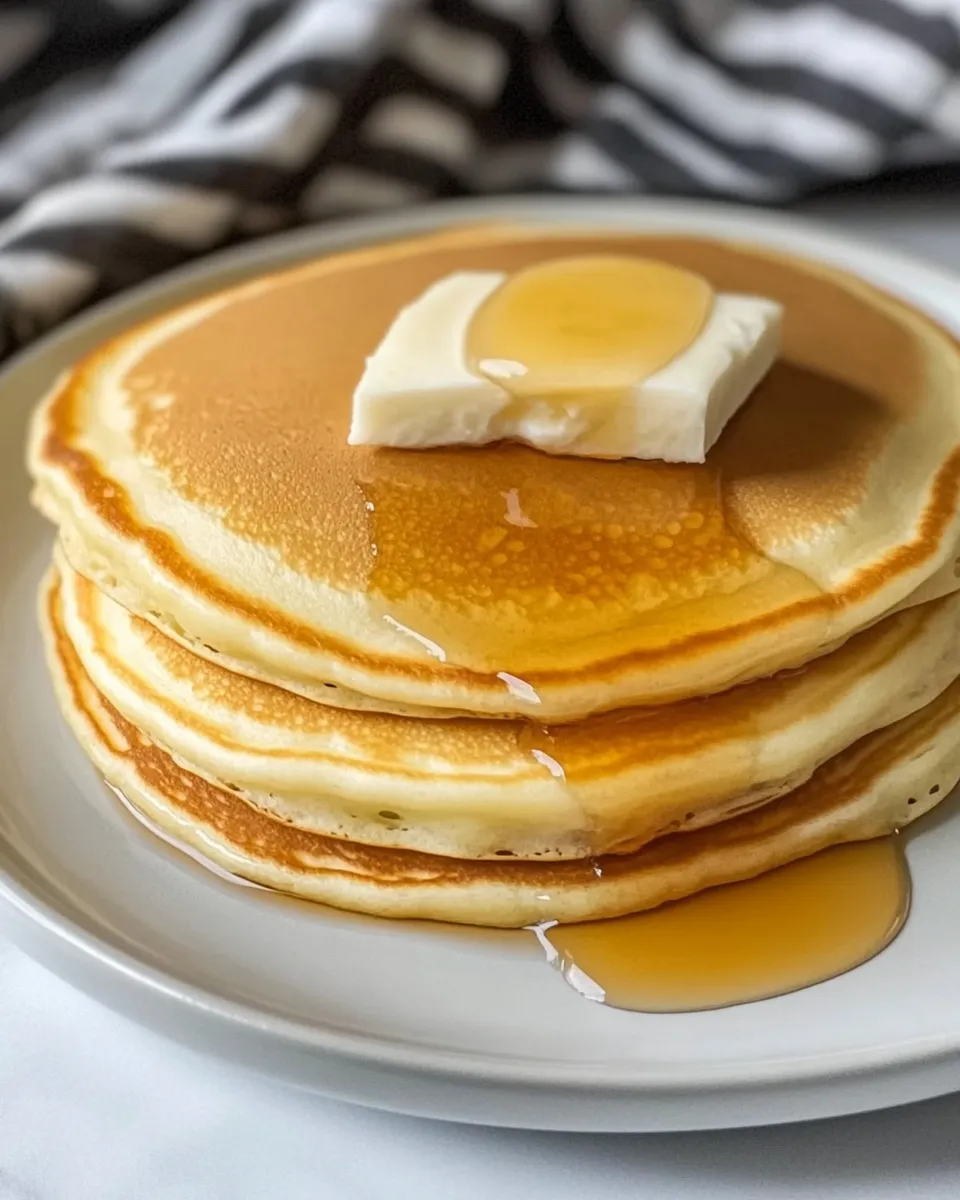
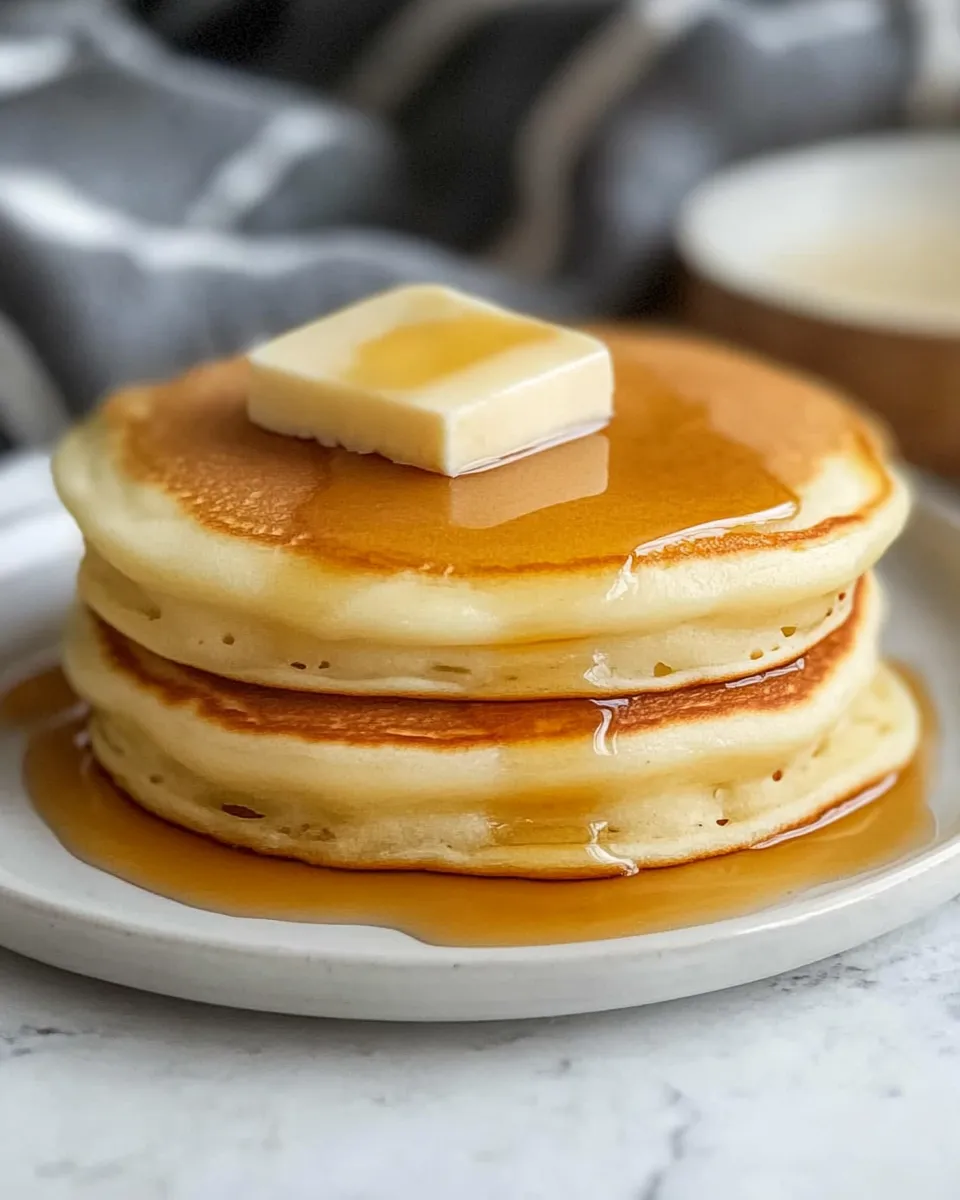
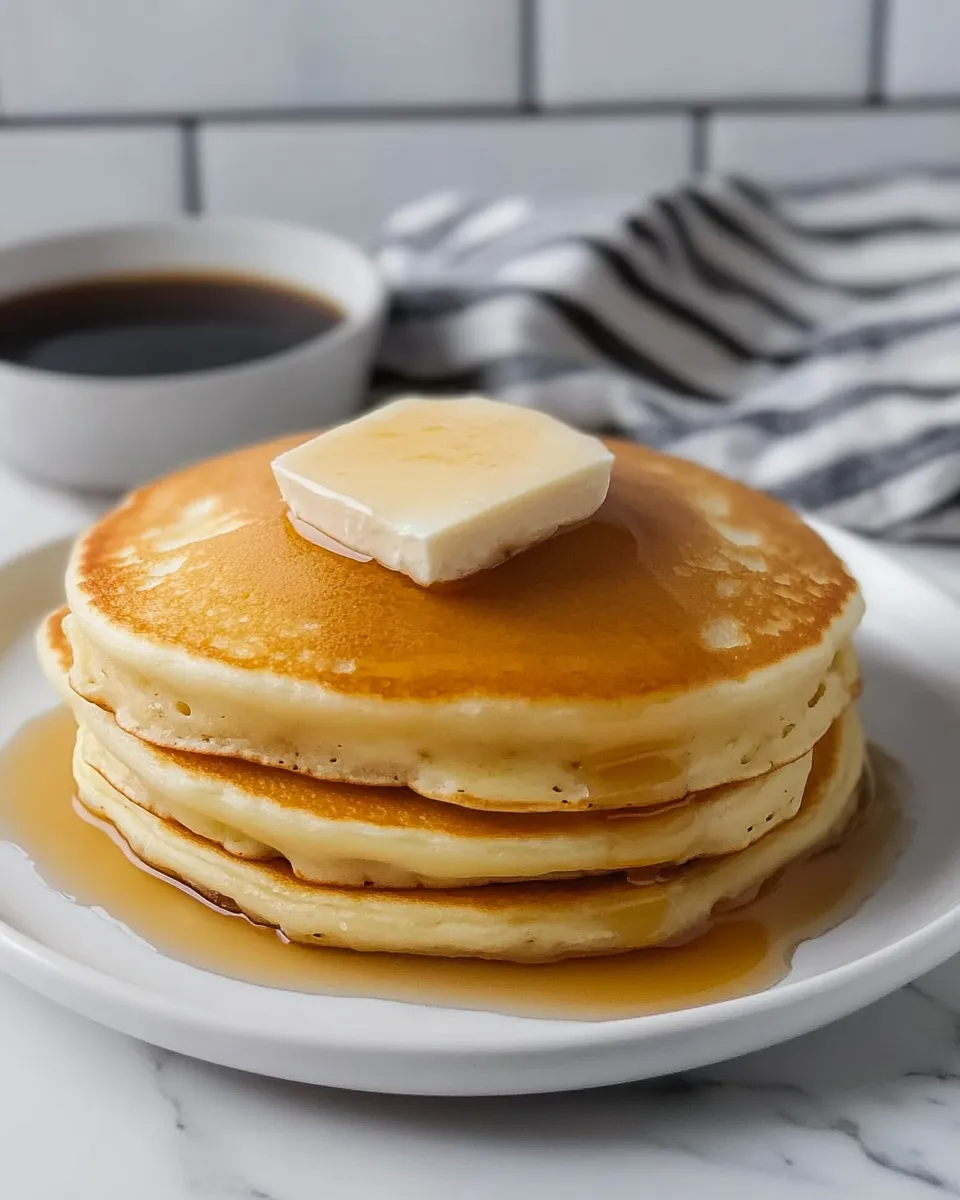
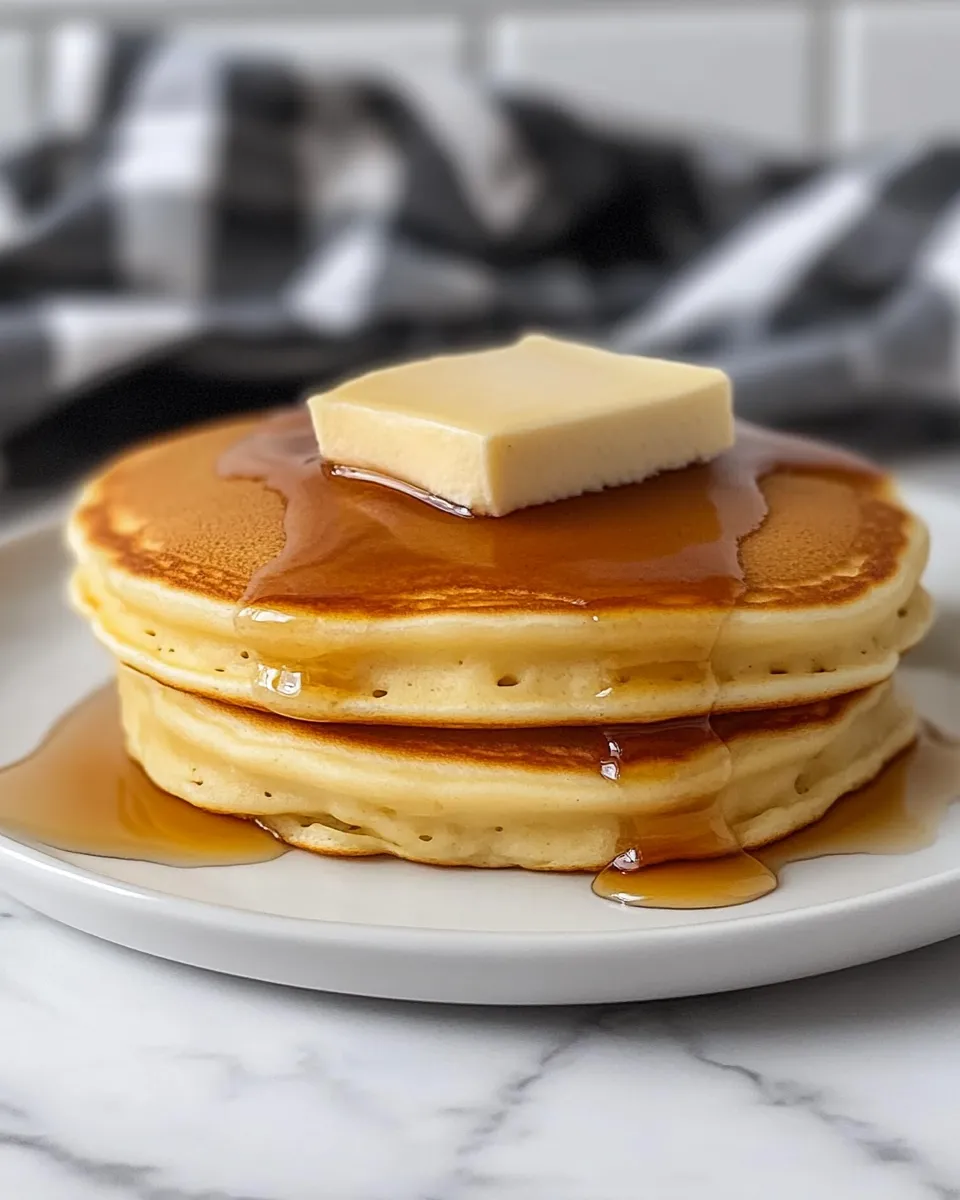
7. Finish and serve. Cook the second side until golden and cooked through, about 30–60 seconds more. Serve immediately with butter and syrup or your favorite toppings while hot.
What You’ll Love About This Recipe
Minimal waste: Makes just enough for one to two people—no stale pancakes in the fridge.
Fast to mix: No resting time needed beyond a quick preheat—ready from bowl to plate in under 15 minutes.
Flexible texture: Milk range lets you control thickness; thicker batter yields fluffier pancakes, thinner makes lighter ones.
Pantry-friendly: Uses basic ingredients you likely already have, so impromptu breakfast is easy.
Flavor-Forward Alternatives
Buttermilk-style: Replace the milk with a mix of milk plus 1 teaspoon lemon juice or vinegar and let sit 5 minutes for tang and extra lift.
Vanilla touch: Add 1/4 teaspoon pure vanilla extract to the batter for a warm, aromatic note.
Spiced pancakes: Stir in 1/4 teaspoon ground cinnamon or a pinch of nutmeg for cozy flavor without changing batter volume.
Blueberry or chocolate chip: Fold 2–3 tablespoons of fresh blueberries or chocolate chips into the batter after reaching desired thickness to avoid overworking it.
Equipment Breakdown
Small mixing bowl: Big enough to whisk ingredients without spilling—use a 1–2 cup bowl for 2 pancakes and a 2–3 cup bowl for 4 pancakes.
Whisk: For even mixing and breaking up lumps in the dry mix.
Ladle or 1/4-cup measure: Helps portion batter evenly so pancakes cook at the same rate.
Skillet or griddle: Nonstick or cast-iron both work. Cast-iron gives better browning once properly preheated.
Spatula: Thin, sturdy turner for clean flips without tearing the pancake.
Things That Go Wrong
Pancakes turn out rubbery: Usually from over-mixing—whisk just until ingredients are combined; a few small lumps are fine.
Pancakes burn before cooking through: Pan too hot. Lower the heat and allow the surface to stabilize. Test with a small pancake first.
Batter too thick after resting: Add a spoonful of milk and whisk to loosen. Small-batch batter thickens faster, so be prepared to adjust.
Pancakes don’t rise: Old baking powder may be the culprit—replace if older than a year or test by dropping 1/4 teaspoon into hot water; it should bubble actively.
Dietary Swaps & Alternatives
Dairy-free: Use soy, oat, or almond milk in the same volume. Texture will vary slightly; oat milk gives closer mouthfeel to dairy.
Lower-fat: Substitute oil with equal melted light butter or use reduced-fat milk; expect a slight change in browning and mouthfeel.
Gluten-free: Substitute a 1:1 gluten-free flour blend for the all-purpose flour and watch consistency—some blends absorb more liquid, so add milk to adjust.
Sweetener swaps: Replace granulated sugar with coconut sugar in the same amount for a different caramel note.
Pro Tips & Notes
Measure by weight when possible: The recipe lists grams for flour to reduce variability—31 g for the smaller batch, 62 g for the larger.
Temperature control: Aim for a griddle around 350°F. Too cool and pancakes will be pale and tough; too hot and they’ll burn outside before cooking inside.
Oil vs. butter: Vegetable oil keeps batter neutral and is less likely to burn; melted butter adds flavor but watch the pan temperature.
Batch timing: Cook pancakes one at a time or two at once depending on pan size. Keep finished pancakes warm on a rack in a 200°F oven for up to 10–15 minutes without sogginess.
Thickness cue: Batter should fall from the whisk in a continuous ribbon; if it piles and holds shape, add a tablespoon of milk and whisk again.
Keep-It-Fresh Plan
Leftovers: Store cooled pancakes in an airtight container in the refrigerator for up to 3 days.
Freezing: Layer cooled pancakes between parchment and freeze in a zip bag for up to 2 months. Reheat in a toaster or 350°F oven until warmed through.
Reheating tips: For the best texture, reheat directly on a skillet over low heat with a brief cover to restore warmth without drying.
Questions People Ask
Can I make the batter ahead? You can mix the dry ingredients ahead and add wet ingredients when ready. Fully mixed batter is best used immediately; it thickens with time and may need milk to loosen.
Why does the recipe give a milk range? The stated range (¼–⅓ cup for 2 pancakes, ½–⅔ cup for 4) lets you dial batter thickness for your preference and accounts for slight differences in flour measuring.
Can I scale this up? Yes. Double or triple the ingredients for larger batches, but cook in smaller batches to keep pancakes fresh and hot.
What’s the easiest test for doneness? Look for bubbles forming and popping on the surface and a golden-brown bottom before flipping; the second side cooks quickly.
Before You Go
Small-batch pancakes are a little act of kindness you can do for yourself any morning. This recipe strips the process down to what matters: correct batter consistency, steady heat, and quick timing. With a few small adjustments you’ll get consistent results—fluffy, evenly browned pancakes every time.
If you try the simple swaps or a blueberry version, tell me which combo won your morning. I’m always curious which small changes make a big difference at the breakfast table.
Small Batch Pancakes
Easy small-batch pancakes made with pantry staples for 2 to 4 servings.
Prep Time5 minutes mins
Cook Time5 minutes mins
Total Time10 minutes mins
Servings: 2 servings
- 1/4 cup all-purpose flour (31 g)
- 1 teaspoon granulated sugar (4 g)
- 1/4 teaspoon baking powder
- 1/8 teaspoon salt
- 1/2 tablespoon vegetable oil or melted butter
- 1/4-1/3 cup milk
- 1/2 cup all-purpose flour (62 g)
- 2 teaspoons granulated sugar (8 g)
- 1/2 teaspoon baking powder
- 1/4 teaspoon salt
- 1 tablespoon vegetable oil or melted butter
- 1/2-2/3 cup milk
Heat a griddle to 350°F or warm a skillet over medium heat.
Whisk the flour, sugar, baking powder, and salt in a small mixing bowl.
Add the oil (or melted butter) and the smaller amount of milk for the batch size (use 1/4 cup milk for the smaller flour/sugar set or 1/2 cup for the larger set) and whisk until combined.
Gradually add more milk as needed to reach a batter that easily runs off the whisk back into the bowl; it should be pourable but not watery.
If the batter sits while the pan heats it may thicken; thin with a little more milk if needed.
Ladle or spoon batter onto the preheated griddle or skillet to form pancakes.
Cook until bubbles form on the surface and begin to pop and the bottoms are golden, then flip and cook until the second side is golden and cooked through.
Serve hot with syrup or toppings of choice.
- Any milk (dairy or nondairy) can be used.
- Lower-fat milk may require less added amount.
- If batter thickens while waiting, thin with a splash of milk.
- Test pan temperature by flicking water—if it dances the pan is ready.
Please share this post with your friends 🤗