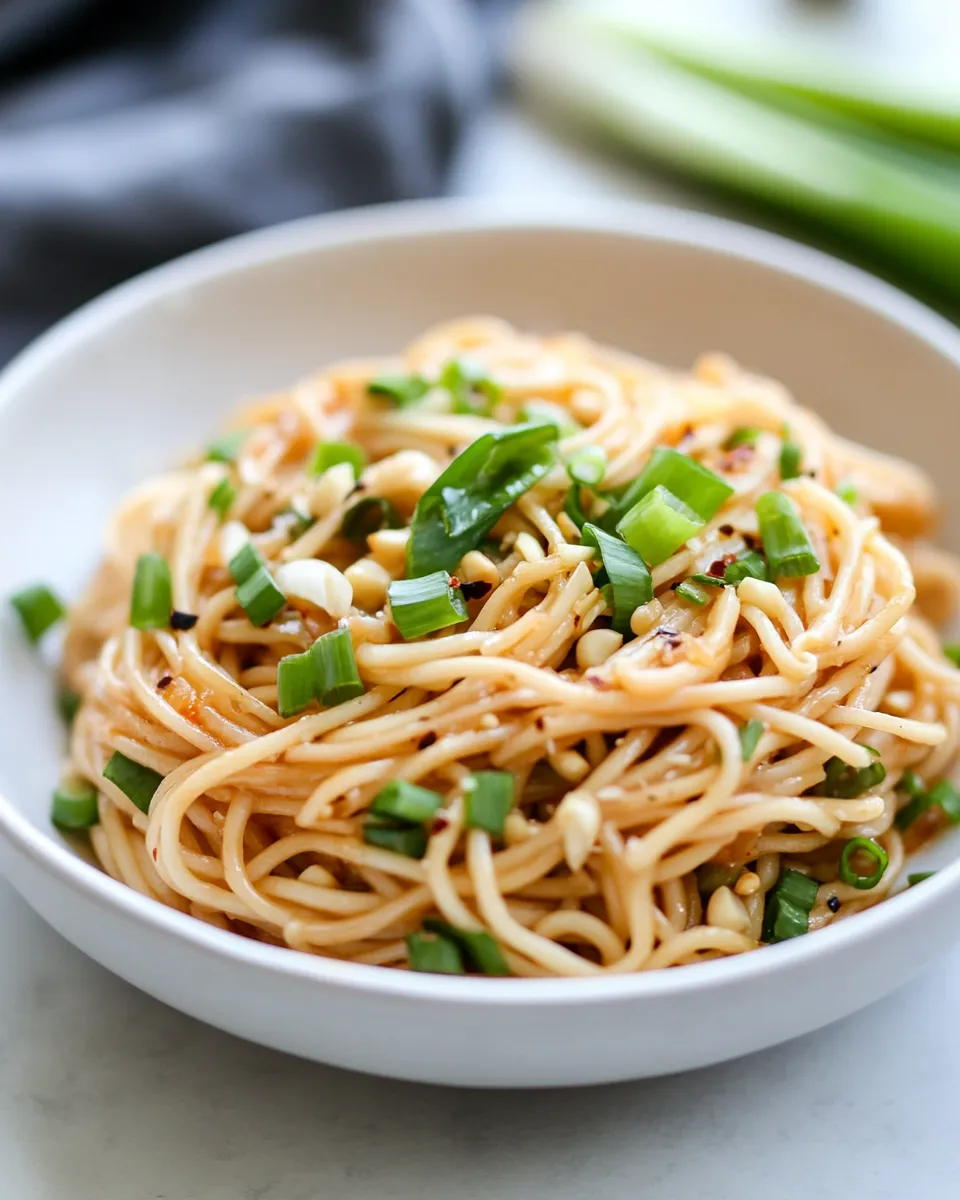
Saucy Garlic Noodles
I love a noodle that feels indulgent but comes together in minutes. These saucy garlic noodles hit savory, sweet, and slightly tangy notes with a silky, buttery coating that clings to every strand. They’re perfect for weeknights, for feeding a small crowd, or when you want something more interesting than plain pasta.
This version is plant-forward, using vegan oyster sauce and vegan butter, but the technique works with any noodle you prefer—spaghetti, ramen, rice noodles, soba. The sauce is made ahead in a small bowl so assembly at the wok is fast and focused. Little touches—saving pasta water, reserving half the green onion greens—make a big difference in the finished texture and brightness.
I’ll walk you through exactly what goes in the bowl, how to cook and finish the noodles step by step, and tips for swaps, storage, and common mistakes to avoid. No fluff—just a practical, tested recipe you can rely on.
What’s in the Bowl
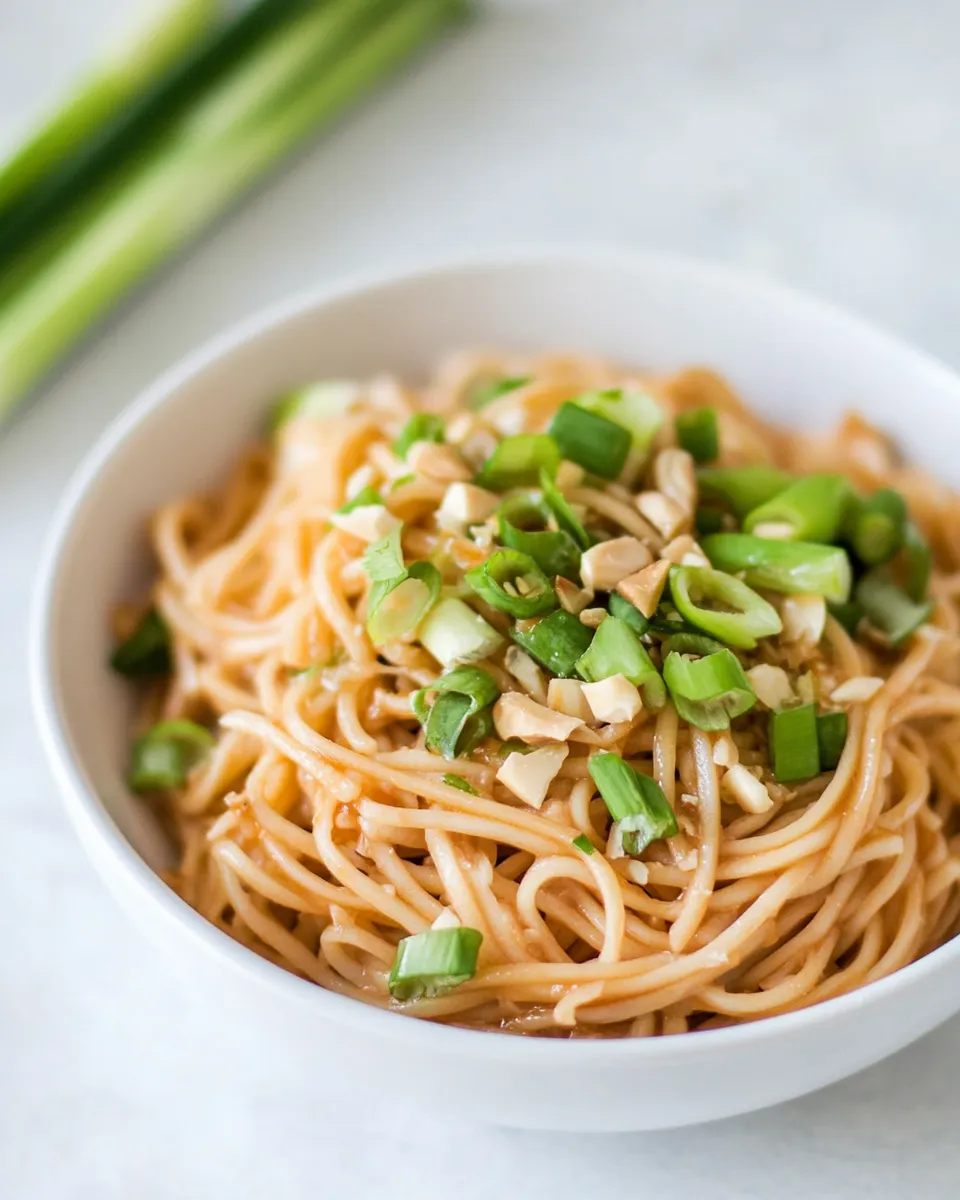
Ingredients
- 8 oz noodles or pasta of choice — the base; use spaghetti, ramen, rice noodles, soba, or your preferred shape/thickness.
- 1 tbsp kosher salt — seasons the boiling water so the noodles themselves hold flavor.
- 3 tbsp vegan oyster sauce — the primary umami backbone and savory depth.
- 2 tbsp cane sugar — balances the savory and adds a glossy finish.
- 1 tbsp tamari sauce, or low-sodium soy sauce — saltiness and savory complexity; tamari is gluten-free.
- 2 tsp rice vinegar — brightens the sauce and cuts through richness.
- 1 tsp sesame oil — toasted aroma; added to the sauce for fragrance.
- 2 tbsp vegan butter — gives richness and helps the sauce coat the noodles.
- 5 cloves garlic, minced — aromatic, pungent flavor; the star of the dish.
- 1 bundle of green onions, about 6 onions, chopped (½ of the greens separated) — savory freshness and garnish; reserve half the green tops for finishing.
Saucy Garlic Noodles: Step-by-Step Guide
Follow these steps in order. Quantities match the ingredient list above.
- Fill a large pot with 2 quarts of water and stir in 1 tablespoon kosher salt. Bring to a rolling boil over high heat.
- Add 8 ounces of your chosen noodles and cook them according to the package directions until al dente. Timing will vary by noodle type—check a minute or two before the package time to avoid overcooking.
- Before draining, reserve at least 1/4 cup of the pasta cooking water (ideally 1/2 cup will be available later). Drain the noodles and set them aside.
- While the noodles cook, make the sauce: in a small bowl combine 3 tablespoons vegan oyster sauce, 2 tablespoons cane sugar, 1 tablespoon tamari (or low-sodium soy sauce), 2 teaspoons rice vinegar, and 1 teaspoon sesame oil. Stir until the sugar dissolves and the mixture is smooth.
- Heat a wok or large skillet over medium-high. Add 2 tablespoons vegan butter and let it melt; when it starts to sizzle, reduce the heat to medium.
- Add the minced garlic and the chopped green onions, reserving half of the chopped green parts to use as a raw garnish later. Sauté, stirring frequently, until the garlic becomes fragrant and the green onions are tender—watch carefully so the garlic doesn’t brown or burn.
- Pour the prepared sauce into the wok and add 1/2 cup of the reserved noodle cooking water. Stir to combine and bring the mixture to a gentle simmer over medium heat. Let it simmer for 3 minutes to meld flavors and slightly thicken.
- Remove the pan from the heat. Add the drained noodles to the sauce and toss thoroughly so every strand is coated. If the sauce seems too thick, add small splashes of the reserved noodle water until you reach a glossy, clingy consistency.
- Transfer the sauced noodles to a serving dish or individual plates. Top with the remaining reserved chopped green onions and serve immediately while hot.
Why It’s My Go-To
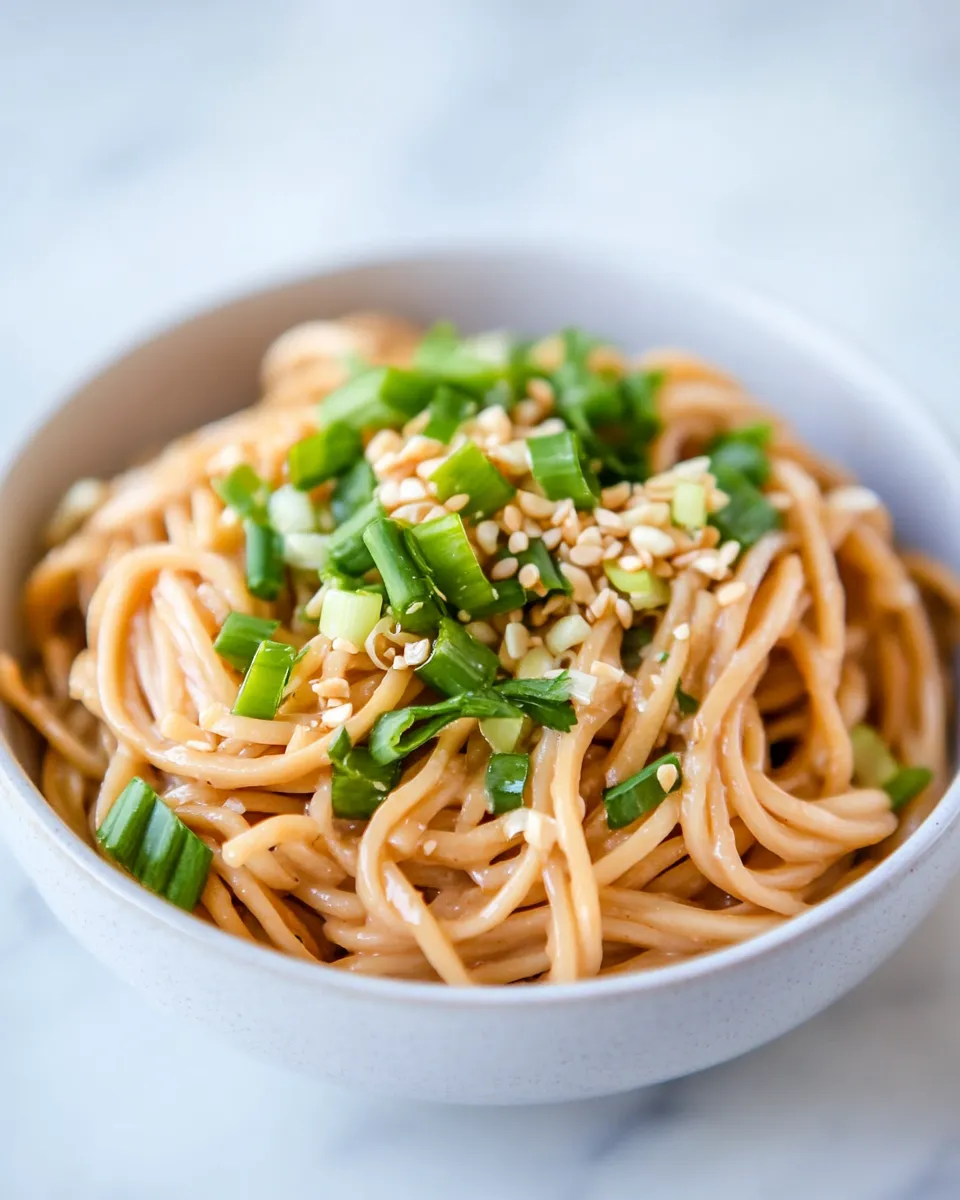
This recipe is fast and forgiving. The sauce is simple but layered: vegan oyster sauce provides deep umami, tamari adds savory salt, sugar balances, and rice vinegar brightens. The technique—making the sauce separately, using pasta water, and finishing off heat—keeps textures glossy and sauce clingy. It’s one of those dishes that feels restaurant-level with minimal effort.
It’s also endlessly adaptable. Swap the noodle type for what you have on hand, add protein or vegetables if you want, or keep it as a comforting, minimalist main. The flavors hold up well to additions, and the entire meal can be on the table in 20–25 minutes.
Substitutions by Category
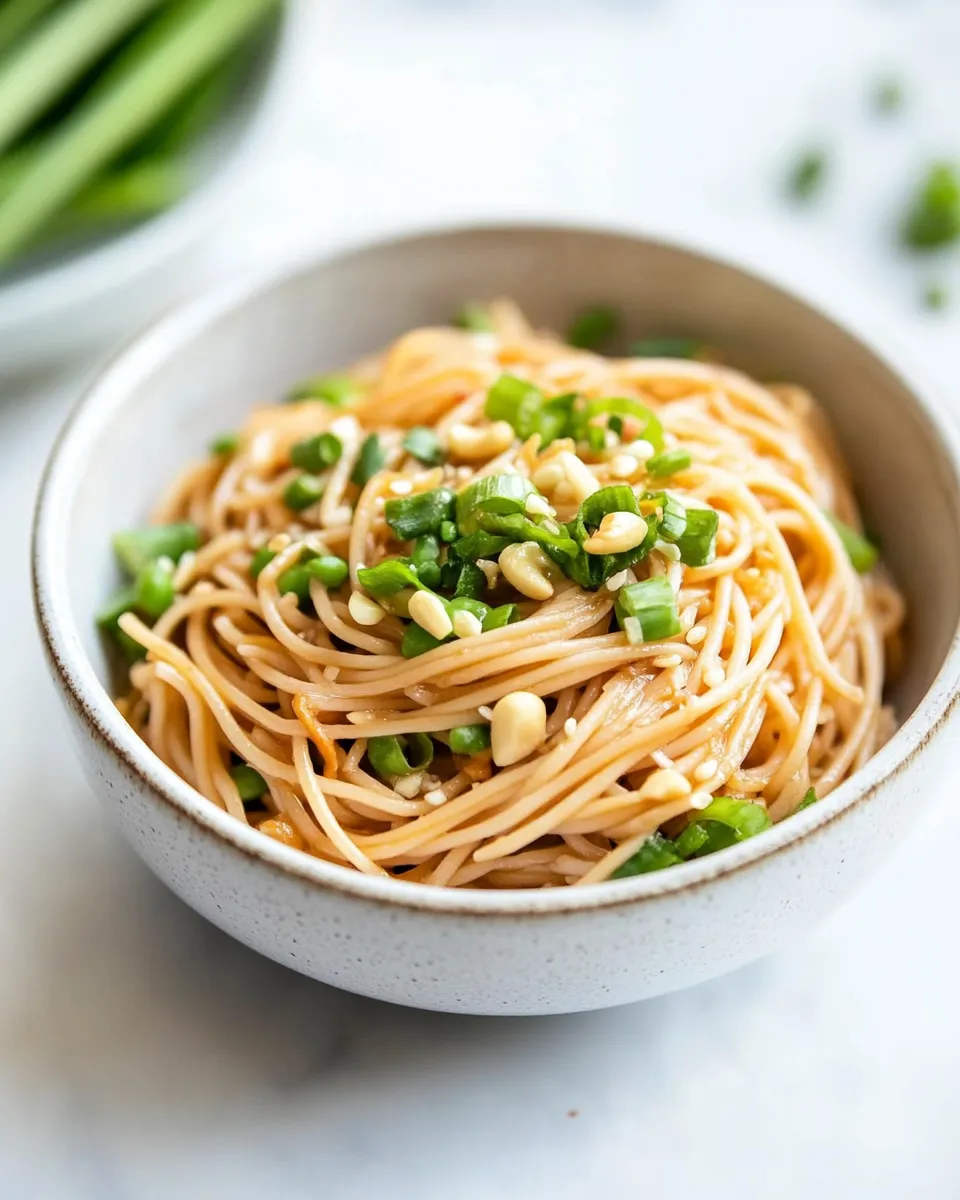
- Noodles: Any long noodle works—spaghetti, linguine, ramen, soba, or rice noodles. Adjust cook time to package directions.
- Umami: If you don’t have vegan oyster sauce, try a mix of hoisin and mushroom soy or a tablespoon of miso thinned with a bit of water.
- Salt: Tamari can be swapped for low-sodium soy sauce; taste before adding extra salt elsewhere.
- Fat: Replace vegan butter with neutral oil plus a small knob of regular butter if not keeping it vegan.
- Sweetener: Cane sugar may be swapped with brown sugar or maple syrup for a deeper note—use the same quantity but expect a slight flavor shift.
- Acid: Rice vinegar can be swapped with light white wine vinegar or a squeeze of lime in a pinch.
Hardware & Gadgets
- Large pot: For boiling noodles with plenty of room so they cook evenly.
- Wok or large skillet: Wide surface is best for tossing noodles and evaporating excess liquid.
- Colander: For draining noodles while reserving cooking water.
- Measuring spoons and a small bowl: For combining the sauce ingredients quickly.
- Tongs or pasta fork: For tossing noodles in the sauce without breaking them.
Mistakes Even Pros Make
- Not salting the boiling water: Noodles will taste flat. Use the 1 tablespoon kosher salt as directed.
- Dumping all pasta water in at once: Too much water dilutes the sauce. Add the reserved water gradually—start with 1/2 cup as instructed and add more only if needed.
- Burning the garlic: Garlic cooks fast—reduce heat after the butter sizzles and watch it closely. Burnt garlic becomes bitter.
- Overcooking the noodles: Soft noodles won’t hold sauce well. Aim for al dente and finish in the sauce off heat if needed.
- Skipping the reserved green onion tops: Fresh greens added at the end give brightness and color—don’t forget to reserve half for garnish.
Fresh Seasonal Changes
Spring
- Add blanched sugar snap peas or thin asparagus ribbons tossed in at the end for crunch and color.
Summer
- Fold in charred corn kernels and a handful of fresh basil for a brighter, sweeter profile.
Fall
- Toss in sautéed shiitake mushrooms or shredded roasted squash for earthiness and heartiness.
Winter
- Stir in wilted greens like spinach or Swiss chard and top with toasted sesame seeds for a cozy finish.
What I Learned Testing
Three things made the biggest difference: using pasta water, keeping the garlic from burning, and finishing the noodles off the heat. The starchy pasta water binds the sauce and gives it that restaurant sheen. Slightly undercooking noodles before tossing keeps them springy. Finally, simmering the sauce briefly with the reserved water tames sharp flavors and balances sweetness and acidity.
I also learned that resting the sauce ingredients in a small bowl while the noodles cook saves time and helps you control heat at the pan—no fumbling with measuring while things are sizzling.
Storing, Freezing & Reheating
- Refrigerate: Store leftovers in an airtight container for up to 3 days. The sauce will continue to thicken as it cools.
- Freeze: Not ideal. Noodles can become mushy after freezing and thawing. If you must, freeze components separately (sauce only) and use within 1 month.
- Reheat: Gently reheat in a skillet over low-medium heat with a splash of water or broth to loosen the sauce. Microwave in short bursts, stirring and adding a little liquid as needed.
Ask & Learn
If you’d like this made saucier, add small increments of reserved noodle water and taste as you go—sauce should cling but not puddle. Want protein? Toss in seared tofu, shrimp, or shredded rotisserie chicken just before serving. Curious how to deepen flavor without more sodium? A teaspoon of mushroom powder or a bit of miso dissolved in warm water adds umami without extra salt.
Ask me which noodle will work best for your pantry or tell me what you want to add, and I’ll suggest timing and adjustments.
Let’s Eat
Serve these saucy garlic noodles hot, garnished with the reserved green onion greens and an optional sprinkle of sesame seeds or chili flakes for heat. They pair well with a simple cucumber salad or quick sautéed greens. Enjoy—they come together fast, taste rich, and are forgiving enough for a busy weeknight.
Saucy Garlic Noodles
Ingredients
- 8 oz noodles or pasta of choice spaghetti, ramen, rice noodles, soba, etc.
- 1 tbsp kosher salt for boiling pasta
- 3 tbsp vegan oyster sauce
- 2 tbsp cane sugar
- 1 tbsp tamari or low-sodium soy sauce
- 2 tsp rice vinegar
- 1 tsp sesame oil
- 2 tbsp vegan butter
- 5 cloves garlic minced
- 1 bundle green onions about 6 onions, chopped; reserve half of the green tops for garnish
Instructions
- Bring 2 quarts of water and 1 tablespoon kosher salt to a boil in a large pot; add the noodles and cook according to package directions until al dente.
- Reserve at least 1/4 cup of the pasta cooking water, then drain the noodles and set aside.
- In a small bowl, whisk together 3 tablespoons vegan oyster sauce, 2 tablespoons cane sugar, 1 tablespoon tamari, 2 teaspoons rice vinegar, and 1 teaspoon sesame oil until smooth.
- Heat 2 tablespoons vegan butter in a wok or large skillet over medium-high heat until it sizzles, then reduce to medium.
- Add the minced garlic and chopped green onions (reserve half of the green parts for topping) and sauté until the garlic is fragrant and the onions are tender, about 1–2 minutes; avoid browning the garlic.
- Pour the sauce mixture into the pan along with 1/2 cup of the reserved noodle water and stir to combine; bring to a simmer and cook for 3 minutes.
- Remove the pan from the heat, add the cooked noodles to the sauce, and toss thoroughly to coat, adding more reserved pasta water as needed to reach a silky consistency.
- Transfer to serving bowls, top with the reserved chopped green onion greens, and serve hot.
Equipment
- Large Pot
- Colander
- small bowl
- wok or large skillet
- Measuring spoons
- Knife
- Cutting Board
Notes
- Refrigerating: Leftovers keep covered in the refrigerator for up to 5 days.
- Freezing: Once cooled, freeze in a freezer-safe container for up to 3 months and defrost overnight.
- Reheating: Warm gently in the microwave or in a skillet with a splash of vegetable stock.
- Salt the pasta water: Use 1 tablespoon kosher or coarse sea salt per 2 quarts of water.
- Reserve pasta water: Save at least 1/4 cup to help thicken and loosen the sauce.
- Don’t burn the garlic: Cook until fragrant and golden to avoid bitterness.