Southern Buttermilk Biscuits Recipe
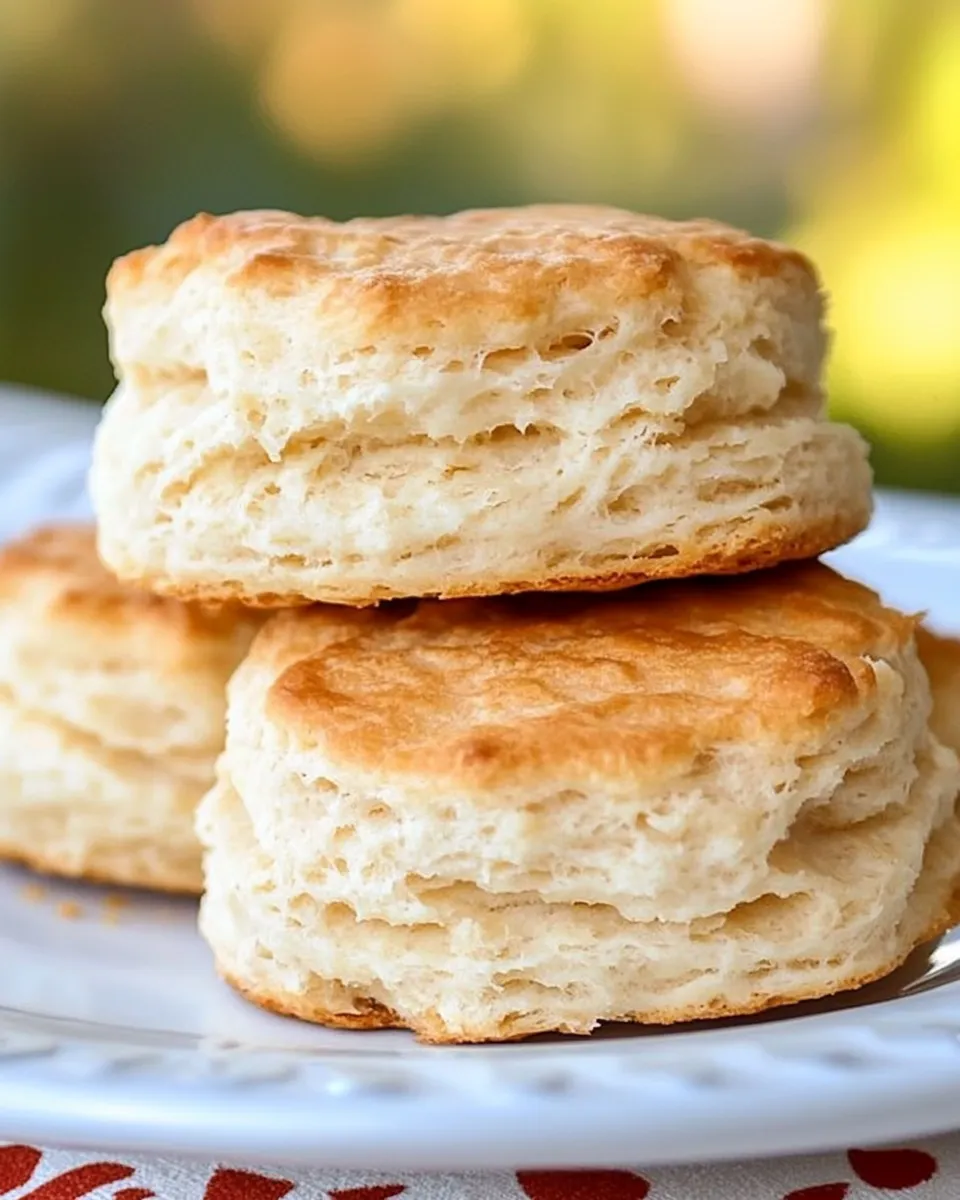
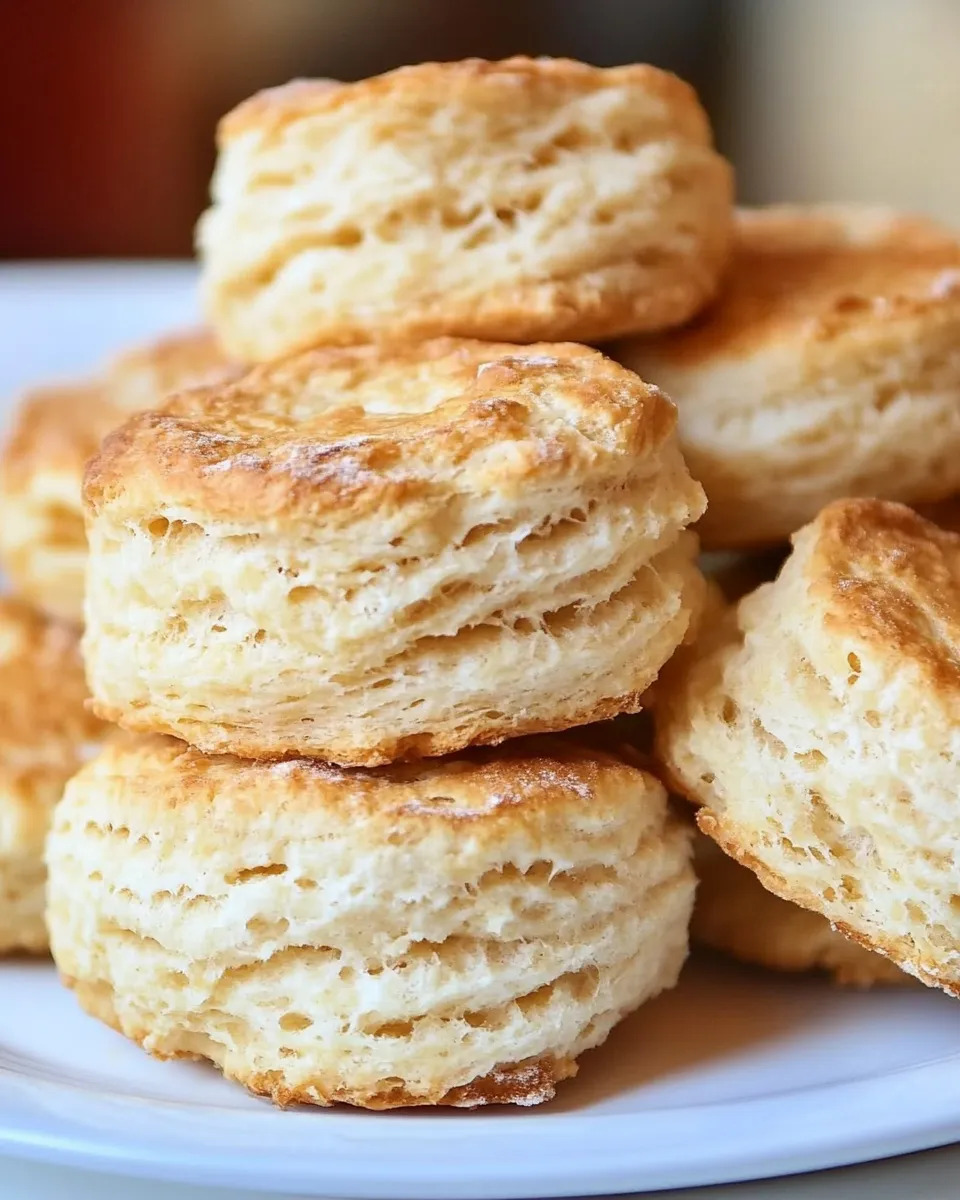
I grew up eating biscuits that were tender inside, flaky on the outside, and still warm enough to melt butter into the crumb. This Southern buttermilk biscuit recipe is faithful to that tradition without being fussy. It relies on simple techniques and a short ingredient list to deliver consistent, bakery-style results at home.
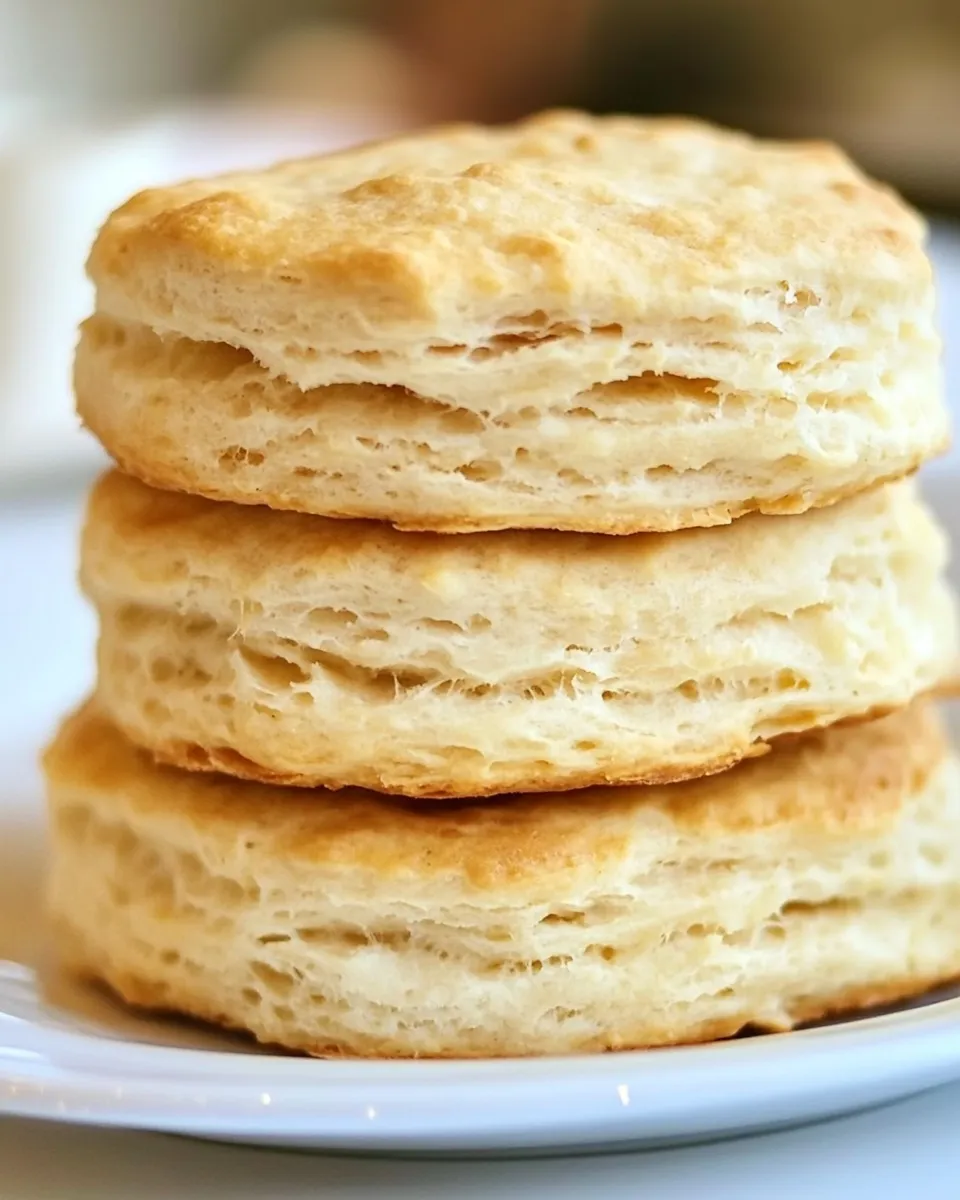
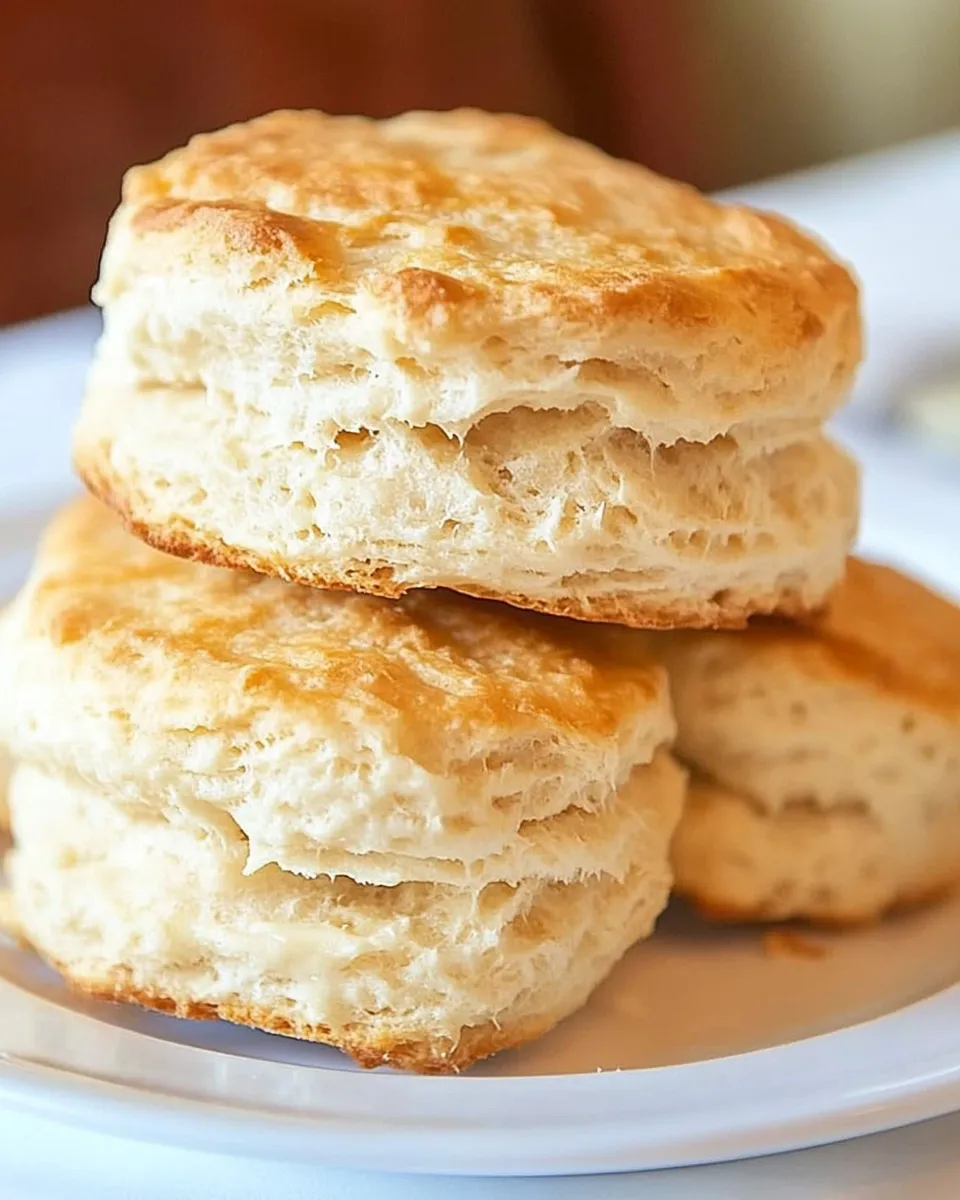
These biscuits bake up tall with a soft, layered interior because of cold butter and shortening, quick handling, and a hot oven. I’ll walk you through exactly what to buy, how to work the dough, and the small tricks that make a big difference so you can make these any weekend morning or weeknight dinner.
What to Buy
- Self-rising flour — contains flour, baking powder, and salt for lift; saves a step.
- Kosher salt — a couple pinches balance flavor; use measured pinches to avoid oversalting.
- Shortening — adds tenderness and height; keep it cold for best layering.
- Butter (very cold) — 1 tablespoon cut into pieces for flaky pockets.
- Buttermilk — provides tang and acidity to react with the rising agents; measure at 1 cup.
- Butter (melted, optional) — for brushing the tops after baking to add shine and flavor.
Make Southern Buttermilk Biscuits Recipe: A Simple Method
Yield and oven
Preheat the oven to 475°F. This high initial heat gives the biscuits a quick rise and a golden top.
Step-by-step instructions
- Measure and sift the dry ingredients: Put 2 cups (226 g) self-rising flour and 2 pinches (about 1 g) kosher salt into a large mixing bowl. Whisk briefly to combine so the rising agents are evenly distributed.
- Cut in the fats: Add 3 tablespoons (35 g) shortening and 1 tablespoon (14 g) very cold butter, cut into small cubes. Use a pastry cutter, two knives, or your fingertips to work the fats into the flour until the mixture resembles coarse meal with some pea-sized pieces of fat remaining. Keep the butter and shortening cold to preserve flaky layers.
- Add the buttermilk: Slowly pour in 1 cup (245 g) buttermilk while stirring gently with a fork or spatula. Stop as soon as the dough comes together in a shaggy mass—do not overwork. The dough should be slightly sticky but manageable.
- Cut the biscuits: Use a sharp metal or glass cutter (do not twist) to cut biscuits from the disc. Press straight down and lift; re-roll scraps only once if needed to avoid overworking the dough.
- Arrange for baking: Place the cut biscuits in a well-greased baking dish or a cast-iron skillet so the sides touch slightly if you want them to rise taller, or spaced apart for crispier edges.
- Brush and bake: Lightly brush the tops with the optional melted butter (1 tablespoon/14 g) if you want extra flavor and sheen. Transfer to the preheated oven and bake for 10–12 minutes, until the tops are golden brown and a tester comes out clean.
- Finish: Remove from oven and, if you didn’t brush before baking, you can brush the tops with the melted butter now. Let the biscuits rest a couple of minutes before serving so the crumb sets slightly.
Why You’ll Keep Making It
These biscuits are fast, forgiving, and versatile. They take under 30 minutes from oven to table and use pantry-friendly ingredients. The method yields consistent height and a tender interior—traits that make them perfect for everything from sausage gravy to jam and morning coffee.
Because the recipe is so straightforward, you’ll find small tweaks (a different fat ratio, a change in pan) can be tested without risking a complete flop. Once you master the rhythm—measure, keep fats cold, minimal handling—you’ll turn to this recipe again and again.
Ingredient Flex Options
- Self-rising flour — If you only have all-purpose, make 2 cups all-purpose plus 3 teaspoons baking powder and 1/2 teaspoon salt (but the recipe here assumes self-rising).
- Shortening — Can be swapped for equal cold butter for richer flavor, but biscuits may spread a bit more.
- Very cold butter — Use frozen then grated butter to keep pieces small and cold if you don’t want to cube it.
- Buttermilk — Low-fat or full-fat both work; you can make a quick substitute by adding 1 tablespoon lemon juice or vinegar to 1 cup milk and letting it sit 5 minutes, though real buttermilk is best.
- Melted butter — Optional finish; olive oil or cream can be brushed for a different finish.
Prep & Cook Tools
- Large mixing bowl — room to toss the ingredients without spilling.
- Pastry cutter or two knives — for cutting fats into flour.
- Measuring cups and kitchen scale — weigh flour for best consistency (226 g = 2 cups).
- Sharp metal or glass biscuit cutter — for clean edges and good rise.
- Well-greased baking dish or cast-iron skillet — retains heat and creates a good bottom crust.
- Pastry brush — for melted butter finish (optional).
Mistakes That Ruin Southern Buttermilk Biscuits Recipe
- Overworking the dough — crushes the air pockets; biscuits become dense and tough.
- Fats not cold — warm butter or shortening won’t create layers; biscuits will be flat and greasy.
- Using a dull cutter or twisting — seals edges and prevents proper rise. Press straight down and lift.
- Underheating the oven — a low oven prevents that quick rise; biscuits will be heavy and pale.
- Too much flour when shaping — adding extra flour while patting the dough drys it out and reduces tenderness.
Season-by-Season Upgrades
- Spring — fold in a tablespoon of chopped chives or tarragon for a bright, savory lift to serve with spring vegetables.
- Summer — fold in 1/3 cup fresh corn kernels or top with a sprinkle of coarse ground cornmeal for a summer feel.
- Autumn — add 1/4 teaspoon ground nutmeg and a tablespoon of honey to the dough for a warm, slightly sweet biscuit to pair with roasted squash.
- Winter — fold in 1/4 cup grated sharp cheddar and a pinch of cayenne for savory biscuits that stand up to hearty stews.
Insider Tips
- Keep everything cold: Chill your butter and shortening right up until the moment you cut them into the flour. Cold fats create steam pockets for flakiness.
- Minimal mixing: Stir until the dough just comes together—overmixing develops gluten and toughens the biscuit.
- Use a metal or glass cutter: These give a clean edge and better rise than a flimsy plastic cutter.
- Work quickly: The less time the dough spends warm, the taller and flakier the biscuits will be.
- Bake in a preheated hot oven: 475°F gives the rapid oven spring that separates a good biscuit from a great one.
Storage Pro Tips
- Room temperature (short term): Store cooled biscuits in a covered container for up to 2 days; reheat in a 350°F oven for 5–8 minutes to refresh.
- Freezing: Freeze cooled biscuits in a single layer on a tray, then transfer to a zip-top bag for up to 3 months. Reheat directly from frozen at 350°F for 12–15 minutes.
- Reviving: For stale biscuits, sprinkle with a few drops of water and warm in a 300°F oven wrapped in foil for 8–10 minutes to restore moisture.
Frequently Asked Questions
- Can I use butter instead of shortening? Yes. Use equal amounts of cold butter, but expect slightly denser biscuits and potentially more spreading.
- Why did my biscuits not rise? Likely causes: overworked dough, warm fats, or an oven that wasn’t hot enough. Check your oven temperature with a thermometer.
- Can I make smaller or larger biscuits? Yes. Adjust the cutter size and baking time: smaller biscuits will need less time, larger ones a bit more—watch the color.
- Do I have to brush with melted butter? No. It’s optional for flavor and shine. You can skip it or brush after baking for a softer top.
Time to Try It
Preheat your oven to 475°F and gather the ingredients: 2 cups (226 g) self-rising flour, 2 pinches (1 g) kosher salt, 3 tablespoons (35 g) shortening, 1 tablespoon (14 g) very cold butter, 1 cup (245 g) buttermilk, and 1 tablespoon (14 g) melted butter (optional). Follow the step-by-step method above and focus on keeping the fats cold and handling the dough as little as possible.
Serve these warm with butter, honey, sausage gravy, or your favorite jam. Once you practice the quick, gentle method, these biscuits will be a repeat on your table—reliable, comforting, and ready to impress.
Southern Buttermilk Biscuits Recipe
Ingredients
- 2 cups self-rising flour (226 g)
- 2 pinches kosher salt (approx. 1 g)
- 3 tablespoons shortening (35 g)
- 1 tablespoon butter very cold (14 g), cut into pieces
- 1 cup buttermilk (245 g)
- 1 tablespoon butter melted (optional, for brushing) (14 g)
Instructions
- Preheat the oven to 475°F (245°C) and grease a baking sheet or cast-iron skillet.
- In a large mixing bowl, whisk together the self-rising flour and kosher salt until evenly combined.
- Cut the shortening and the very cold butter into the flour mixture using a pastry cutter or fork until the mixture resembles coarse crumbs with pea-sized pieces of fat.
- Slowly pour the buttermilk into the dry ingredients and gently stir until a shaggy dough forms; do not overmix.
- Turn the dough onto a lightly floured surface and gently pat or roll it into a 1/2-inch thick round, folding once or twice if needed to create layers.
- Use a sharp metal or glass biscuit cutter to cut rounds, pressing straight down without twisting, and place them on the prepared baking sheet or in the skillet so sides touch for taller biscuits.
- Brush the tops lightly with melted butter, if using.
- Bake in the preheated oven for 10–12 minutes, until the tops are golden brown.
- Remove from the oven and serve warm.
Equipment
- Mixing Bowl
- pastry cutter or fork
- Measuring cups and spoons
- rolling pin or hands
- round biscuit cutter
- baking sheet or skillet
- pastry brush
Notes
- Use very cold butter for flakier biscuits.
- Do not overwork the dough to keep biscuits tender.
- Press straight down with the cutter for even rise.
- Baking in a hot oven gives the best oven spring.