How to Cook Shrimp for Alfredo
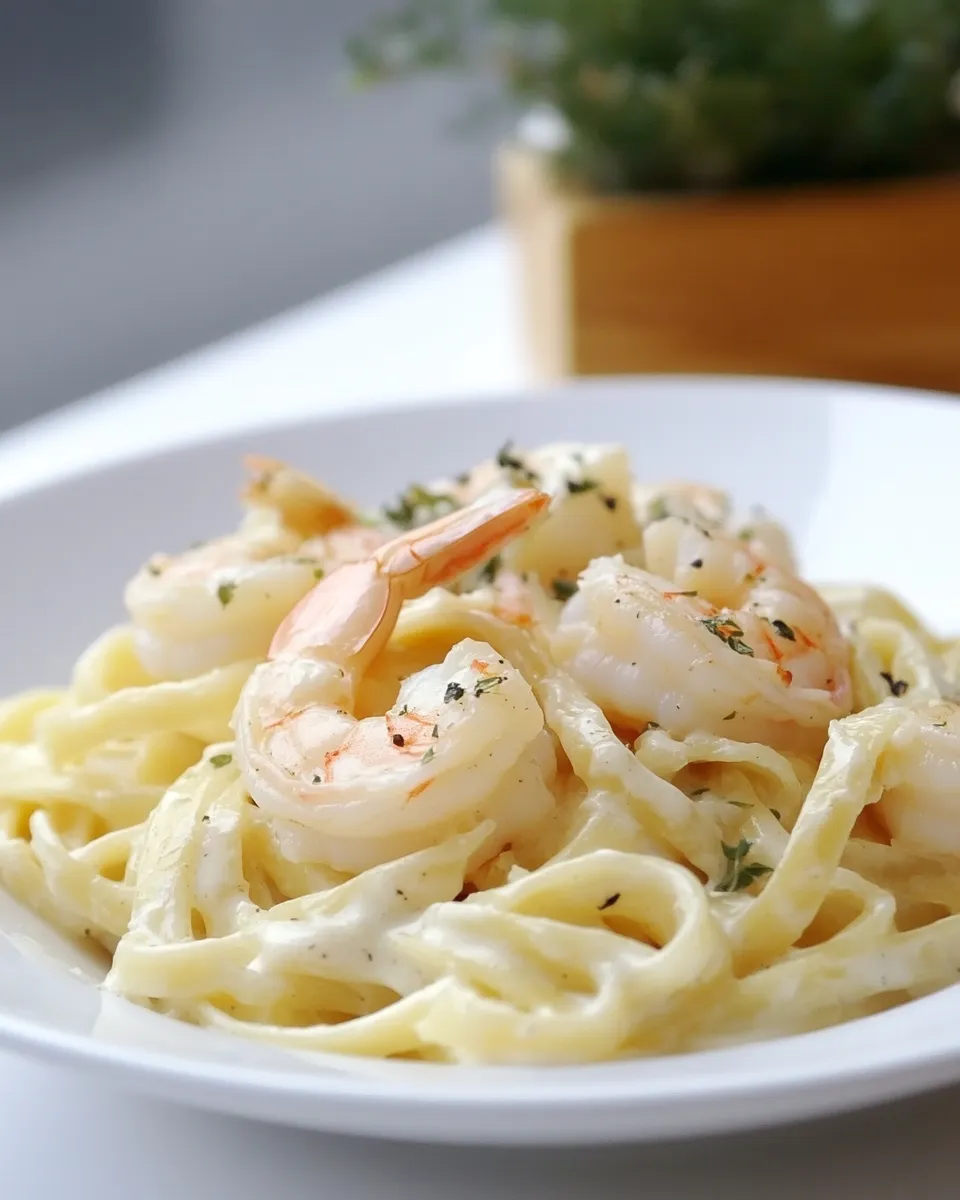
Shrimp and Alfredo feel like a restaurant pairing, but it’s perfectly doable at home without drama. This recipe focuses on cooking the shrimp so they stay tender, seasoned, and bright—exactly what you want sitting atop a silky cream sauce and fettuccine. I’ll walk you through each step so the timing lines up and nothing gets rubbery or bland.
You’ll find clear ingredient notes and a practical, stepwise method based on a reliable set of directions. I keep the steps intentional: thaw ahead, preheat the pan, season simply, and finish with lemon to lift the richness. Read the ingredient notes and tools list first so you’re not hunting for things mid-cook.
Once you get comfortable with the rhythm—pasta boiling while shrimp sizzle—you can have a weeknight dinner that tastes special. The sauce is comforting and straightforward; the shrimp are the star when cooked properly. I include troubleshooting, storage tips, and simple swaps so this becomes a go-to in your rotation.
What You’ll Gather
Ingredients
- 1lb shrimp — peeled and deveined is easiest; shrimp provide the primary protein and delicate texture.
- 4 Tbs Butter — used to pan-cook and flavor the shrimp; adds richness and helps carry seasonings.
- 1 tsp garlic powder — quick garlic flavor that browns gently without burning.
- 1 teaspoon onion powder — rounds out savory notes and pairs well with garlic powder.
- ¼ tsp cayenne — a touch of heat; adjust if you prefer more or less kick.
- 1 teaspoon Old Bay Seasoning — classic seafood seasoning for depth and brightness.
- ½ teaspoon salt — for the shrimp; don’t over-salt because sauce and pasta will add seasoning later.
- ½ tsp pepper — freshly ground if possible for a little bite.
- 1 lemon for squeezing juice — acid to finish the shrimp and cut richness.
- 1 lb fettuccine noodles — the pasta base; fettuccine holds Alfredo sauce well.
- 6 cups water — for boiling the pasta; enough to allow the noodles to move freely.
- 1 teaspoon salt — for the pasta water to season the noodles as they cook.
- 8 tablespoon butter — for the Alfredo sauce; contributes to a glossy, rich finish.
- 8 oz cream cheese — provides body and a creamy, stable base for the sauce.
- 1 cup heavy cream — thins and enriches the sauce for the right consistency.
- 1 cup parmesan cheese — salty, nutty finishing cheese; stir in off heat if you want to preserve texture.
Stepwise Method: Shrimp for Alfredo
Follow these steps in order. Quantities match the ingredient list above. Timings are approximate; watch the shrimp and pasta rather than the clock.
- Thaw the shrimp: Place the frozen shrimp in the refrigerator the day before you plan to cook. Cold, slow thawing preserves texture.
- Start the pasta water: Put 6 cups water and 1 teaspoon salt into a saucepan and bring to a rolling boil over high heat while you prep the shrimp and sauce ingredients.
- Preheat the skillet: Set a cast iron skillet or another heavy-bottomed pan over medium heat to warm while you measure seasonings and butter for the shrimp.
- Season and melt for shrimp: Once the pan is preheated, add 4 tablespoons butter, 1 teaspoon garlic powder, 1 teaspoon onion powder, 1/4 teaspoon cayenne, 1 teaspoon Old Bay, 1/2 teaspoon salt, and 1/2 teaspoon pepper to the skillet. Heat just until the butter is melted and the spices bloom—do not let the butter brown excessively.
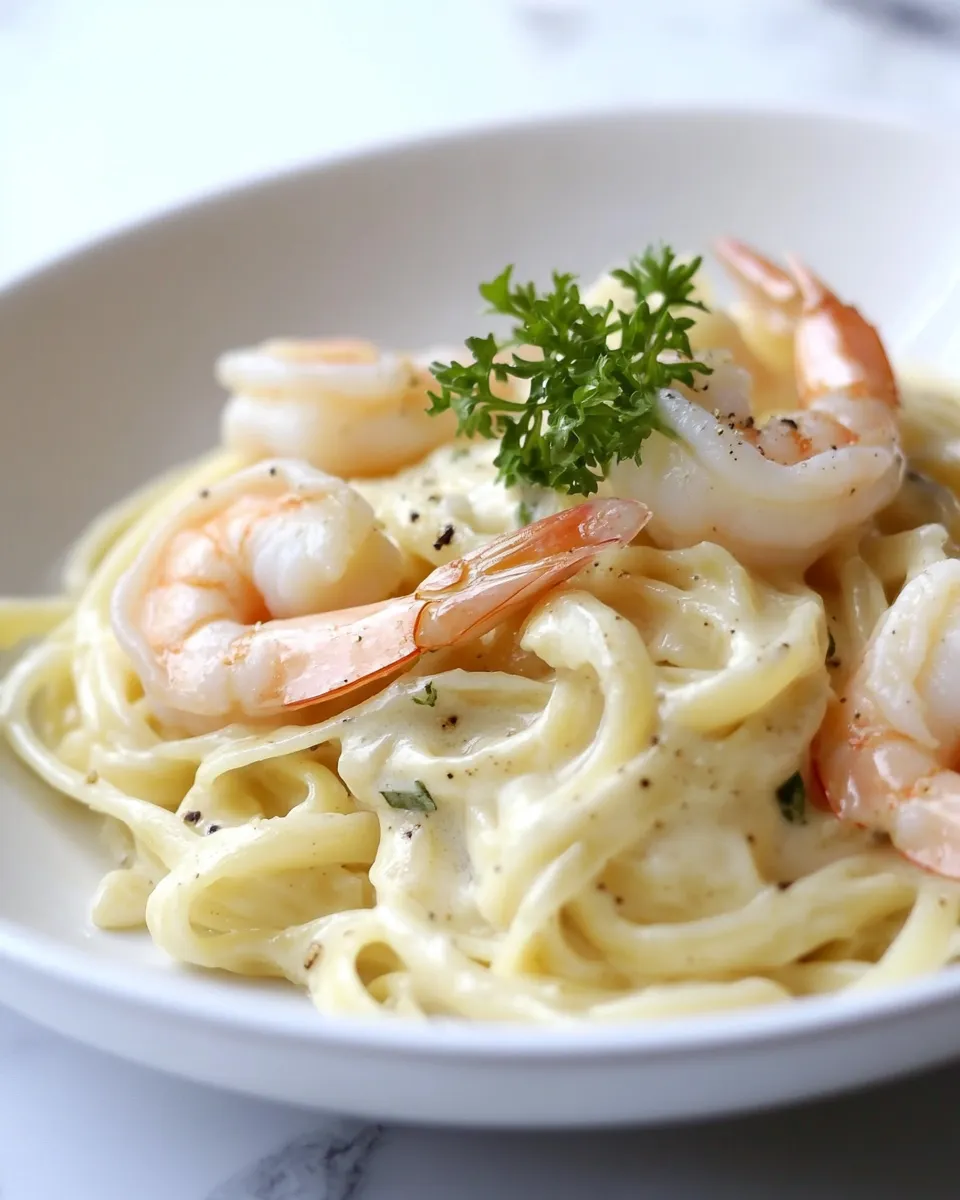
- Cook the shrimp: Add the thawed shrimp to the skillet all at once, leaving behind any liquid from the thawing container. Stir the shrimp continuously so they cook evenly. You’ll know they’re done when the flesh turns opaque, the shrimp become bright pink, and the tails begin to curl. This usually takes only a few minutes depending on shrimp size—avoid overcooking.
- Finish the shrimp: Remove the pan from the heat, squeeze the juice of the lemon over the shrimp, and reserve the lemon halves for the table. Set the cooked shrimp aside while you finish the sauce and pasta.
- Cook the pasta: When the water is boiling, add the 1 lb fettuccine noodles and push them down so they are fully submerged. Cook for about 9 minutes or follow the box instructions to reach “al dente.” Timing can vary by brand; start checking a minute or two before the listed time.
- Drain the pasta: When al dente, drain the noodles in a colander and give them a quick shake to remove excess water.
- Make the sauce: In a saucepan set over medium heat, add 8 tablespoons butter, 8 oz cream cheese, 1 cup heavy cream, and 1 cup parmesan cheese. Stir frequently. You may need to break up the cream cheese with a whisk or spatula so it melts smoothly into the sauce.
- Finish the sauce gently: Once all the ingredients have melted and combined, reduce the heat to the lowest setting and continue stirring frequently to keep the sauce silky and prevent sticking. Taste and adjust seasoning if you think it needs a little more salt or pepper.
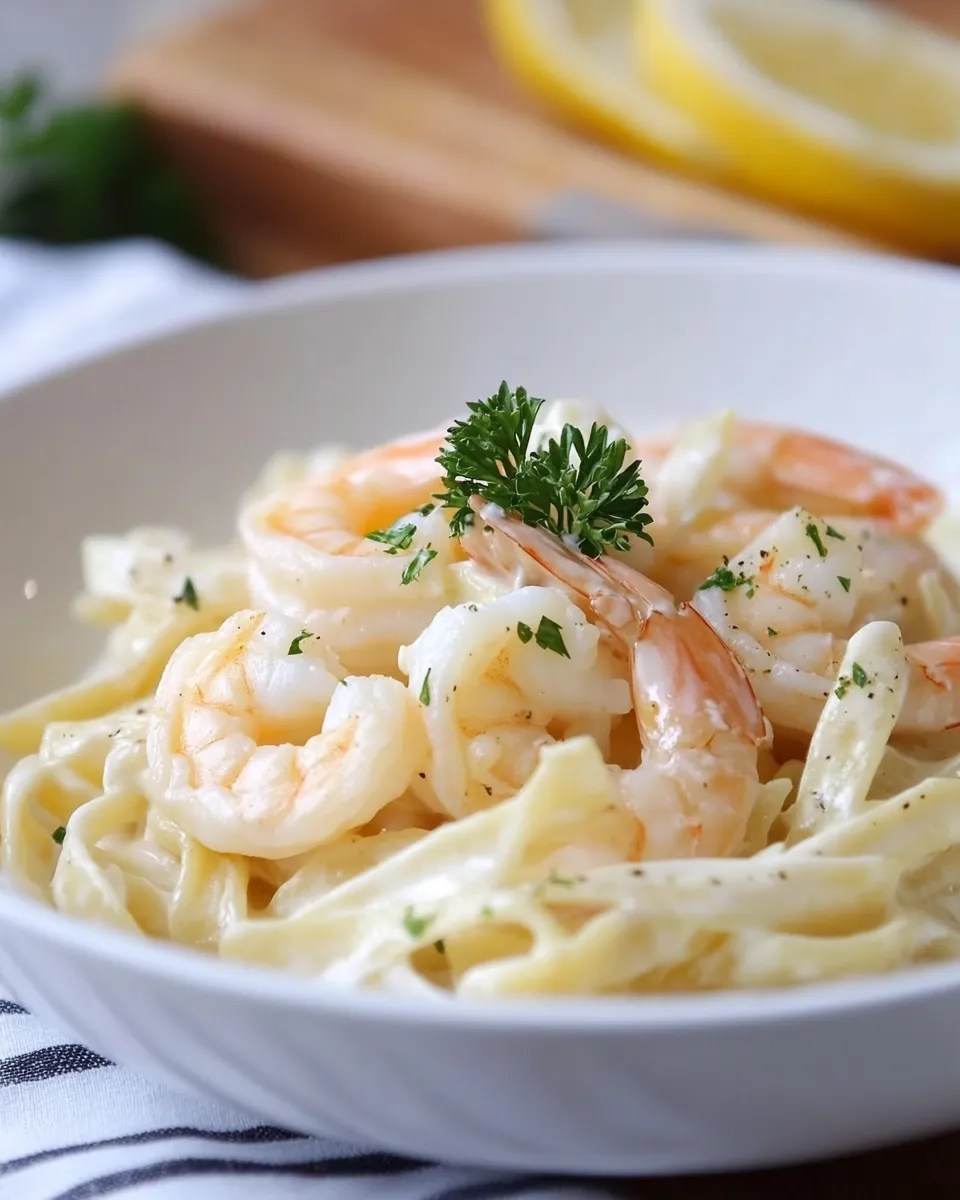
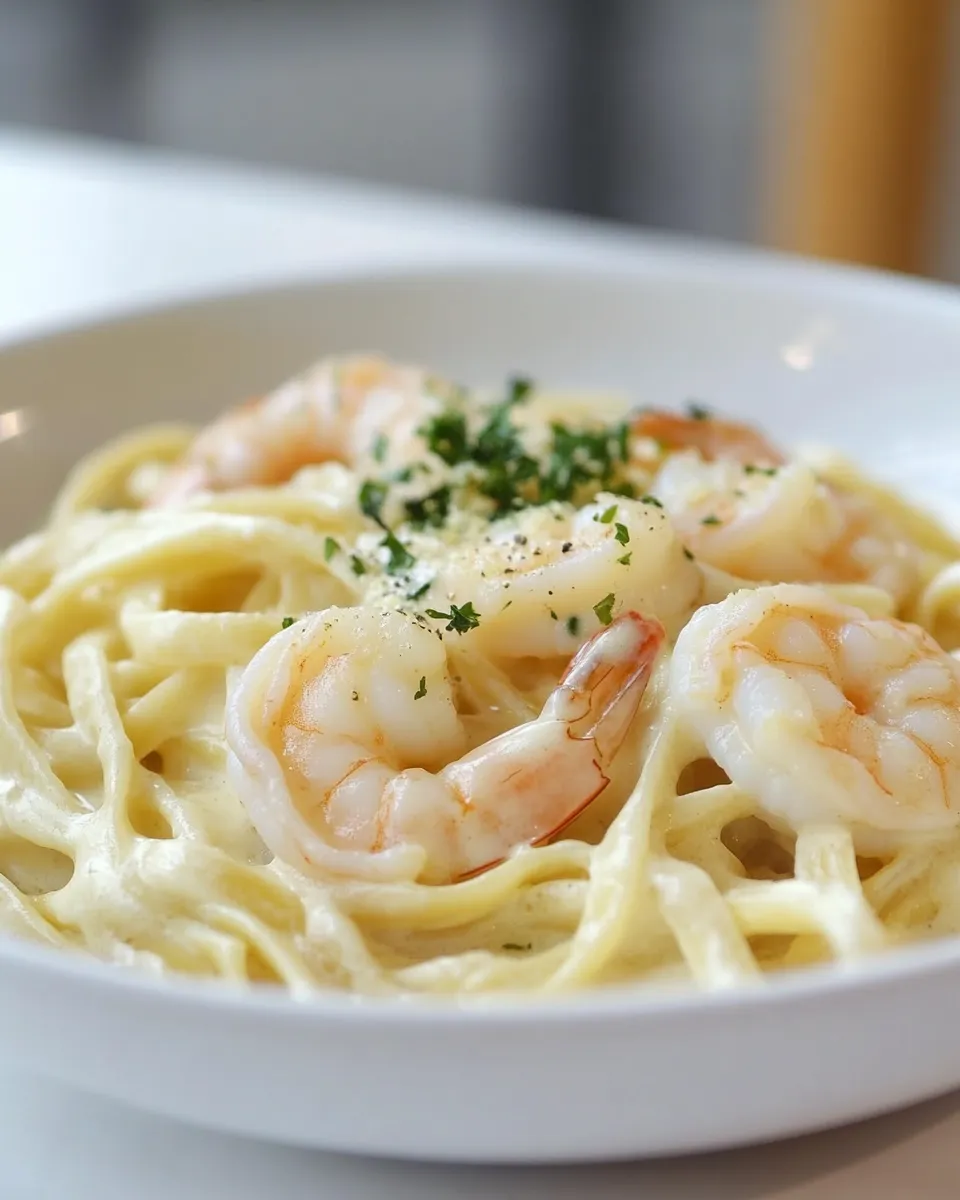
- Assemble and serve: Place the drained noodles on a large platter, pour the hot Alfredo sauce over them, and top with the cooked shrimp. Serve immediately so the shrimp remain tender and the sauce retains its creaminess.
Why Cooks Rave About It
This version keeps the shrimp simple and well-seasoned so they sing against a rich, creamy sauce. Using cream cheese stabilizes the sauce so it doesn’t separate easily, which is reassuring for home cooks. Quick high-heat cooking preserves shrimp texture while a final squeeze of lemon brightens every bite.
Another reason cooks like it: timing aligns. Pasta and shrimp finish around the same time if you prep correctly, meaning minimal waiting and a hot plate straight to the table. The seasoning blend (Old Bay + garlic + onion + cayenne) is small but effective—it’s seafood-friendly and forgiving.
Budget & Availability Swaps
- Shrimp: If fresh shrimp are pricey or unavailable, use frozen shrimp thawed in the fridge as instructed; they perform nearly identical when cooked properly.
- Parmesan: Pre-grated parmesan works if that’s what you have; expect a slightly less smooth melt than freshly grated but still tasty.
- Fettuccine: Swap for tagliatelle, linguine, or even pappardelle depending on what you have—wider noodles hold the sauce best.
- Heavy cream: If heavy cream is scarce, full-fat half-and-half can work but expect a thinner sauce; you may need a little extra cream cheese to thicken.
Tools & Equipment Needed
- Cast iron skillet or heavy-bottomed pan — for even heat and good sear on shrimp.
- Medium saucepan — to boil the pasta (6 cups water) and a separate saucepan for the sauce.
- Whisk or sturdy spatula — helpful for smoothing cream cheese into the sauce.
- Colander — to drain the fettuccine quickly.
- Tongs or long-handled spoon — to handle and plate the pasta and shrimp.
Don’t Do This
- Don’t overcrowd the pan with shrimp — it lowers the pan temperature and causes steaming, which yields rubbery texture.
- Don’t add thawing liquid from the shrimp to the pan — extra water will cool the pan and dilute the seasonings.
- Don’t walk away while the shrimp cook — they overcook very fast and go from tender to rubbery in minutes.
- Don’t pour the sauce over cold pasta or under-season the pasta water — properly salted boiling water seasons the noodles from the inside out.
How to Make It Lighter
- Reduce butter in the sauce slightly and swap half the heavy cream for evaporated milk or part-skim milk; add a touch more cream cheese to retain body.
- Use 50/50 regular shrimp and peeled, thinly sliced mushrooms to stretch protein and add volume with fewer calories.
- Serve over whole-wheat fettuccine or a vegetable spiral option to cut refined carbs.
Flavor Logic
The flavor profile here balances richness and brightness. Butter, cream cheese, and heavy cream form the fat base that carries flavor and mouthfeel. Parmesan brings salt and umami; it also helps thicken slightly. The shrimp seasoning (garlic powder, onion powder, cayenne, Old Bay) is compact but layered—garlic and onion add aromatics, Old Bay contributes savory seafood notes, and cayenne gives a controlled back-end warmth. Lemon at the end lifts everything and prevents the dish from feeling too heavy.
Save for Later: Storage Tips
- Refrigerate leftovers in an airtight container within two hours of serving. Consume within 2 days for best texture; shrimp become rubbery the longer they sit.
- To reheat, gently warm the sauce and shrimp together in a saucepan over low heat with a splash of cream or milk to loosen the sauce. Avoid high heat which tightens proteins in shrimp.
- Do not freeze the assembled dish—cream-based sauces change texture when frozen. You can freeze just-cooked shrimp for future use, but thaw and reheat gently.
Troubleshooting Q&A
Shrimp turned rubbery — what happened?
They were likely overcooked. Shrimp cook very quickly; watch for opaque flesh and curled tails. Pull them off the heat immediately and finish with lemon off-heat.
Sauce is too thin — how to thicken it?
Keep the heat low and simmer gently to reduce slightly. You can whisk in a bit more grated parmesan or a small amount of cream cheese while stirring to thicken without changing flavor drastically.
Sauce is grainy — why and how to fix?
Graininess can come from overheating dairy or adding cold cheese to hot liquid. Lower heat, whisk constantly, and break up cream cheese well before it fully melts. If grainy, remove from heat and stir in a splash of warm cream slowly until smooth.
Bring It Home
This shrimp-topped Alfredo is simple but relies on timing and small details: thaw properly, preheat the pan, keep a close eye on shrimp, and finish with lemon. Follow the stepwise method and the dish will reward you with tender shrimp and a silky sauce. It’s straightforward enough for a weeknight but elegant enough to serve guests.
Make sure your mise en place—shrimp thawed, sauce ingredients measured, pasta water boiling—so everything moves fast and clean at the end. Serve immediately and enjoy: bright shrimp, creamy sauce, and that satisfying bite of fettuccine. Happy cooking!
How to Cook Shrimp for Alfredo
Ingredients
- 1 lb shrimp
- 4 tbsp butter
- 1 tsp garlic powder
- 1 tsp onion powder
- 1/4 tsp cayenne pepper
- 1 tsp Old Bay seasoning
- 1/2 tsp salt for shrimp
- 1/2 tsp black pepper
- 1 lemon for squeezing juice
- 1 lb fettuccine noodles
- 6 cups water for boiling pasta
- 1 tsp salt for pasta water
- 8 tbsp butter for sauce
- 8 oz cream cheese
- 1 cup heavy cream
- 1 cup parmesan cheese
Instructions
- If using frozen shrimp, thaw in the refrigerator overnight or submerge sealed bag in cool water, changing it every 20 minutes until thawed; drain any juices.
- Bring 6 cups of water and 1 teaspoon salt to a rolling boil in a large pot, add 1 lb fettuccine and cook according to package for al dente (about 9 minutes); drain in a colander.
- Heat a large skillet over medium; add 4 tablespoons butter and let it just melt.
- Stir in 1 teaspoon garlic powder, 1 teaspoon onion powder, 1/4 teaspoon cayenne, 1 teaspoon Old Bay, 1/2 teaspoon salt, and 1/2 teaspoon black pepper into the melted butter and warm briefly.
- Add the drained shrimp all at once to the skillet and stir continuously until the flesh is opaque, pink, and the tails curl; this should take only a few minutes.
- Remove the skillet from heat and squeeze the juice of 1 lemon over the shrimp; reserve extra lemon for serving.
- In a saucepan over medium heat combine 8 tablespoons butter, 8 ounces cream cheese, 1 cup heavy cream, and 1 cup parmesan; whisk and break up the cream cheese until melted and smooth.
- When the sauce is fully combined and smooth, reduce heat to lowest setting and stir frequently to keep warm.
- To serve, place drained fettuccine on a large platter, pour the Alfredo sauce over the noodles, and top with the cooked shrimp; serve immediately.
Equipment
- large skillet or cast iron pan
- Large Pot
- Saucepan
- Colander
- Whisk
- tongs or spoon
Notes
- Heat butter and seasonings in the pan before adding shrimp to prevent cold shrimp from solidifying the butter.
- Shrimp is done when the meat is opaque and the shell (if present) turns bright pink and curls.
- Remove shrimp from heat immediately once cooked to avoid overcooking.
- For precooked shrimp, warm slowly over low heat instead of cooking.
- If thawing in its original bag, drain shrimp well before cooking to avoid adding excess liquid to the pan.
- Quick-thaw by placing sealed bag in cool water and changing the water every 20 minutes.