Microwave Scrambled Eggs
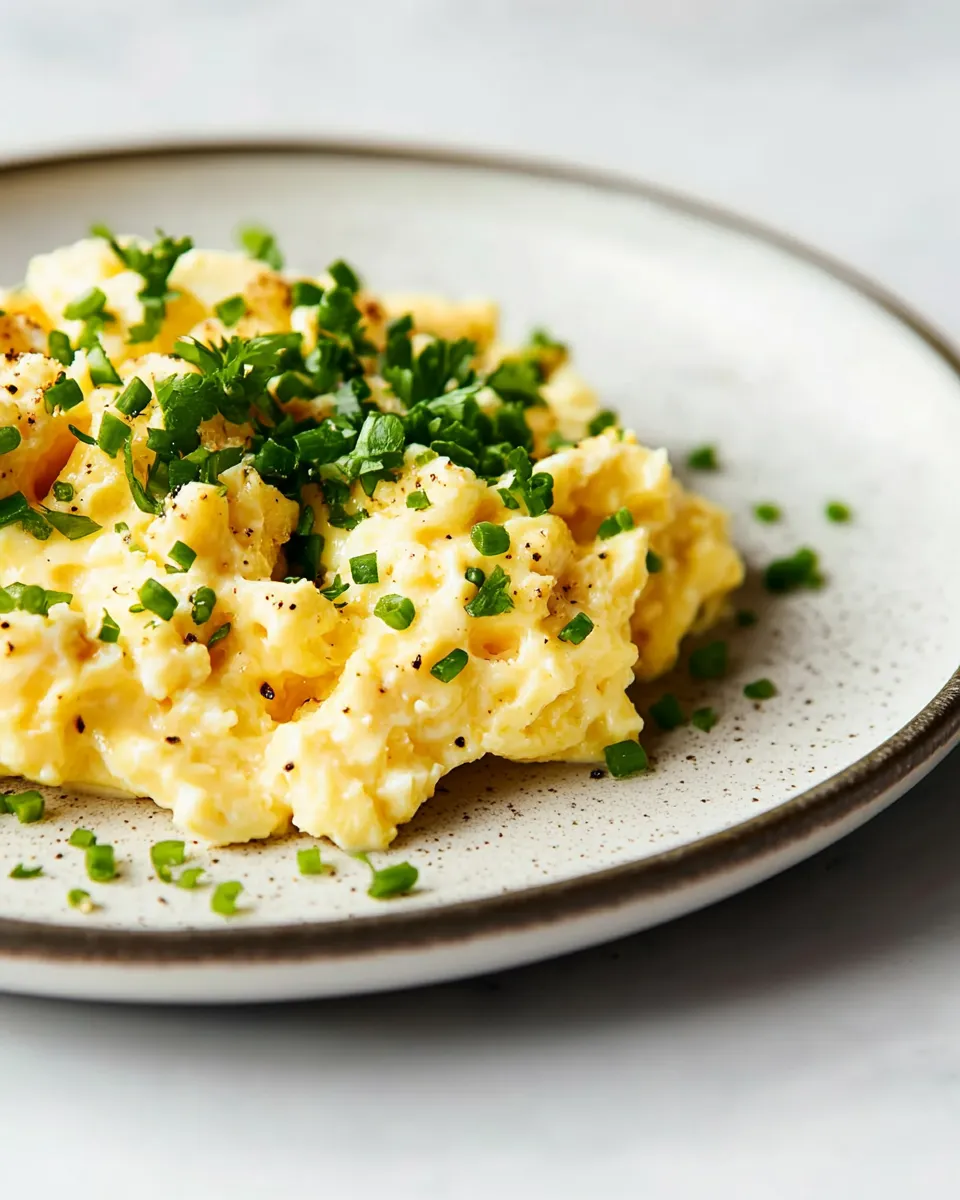
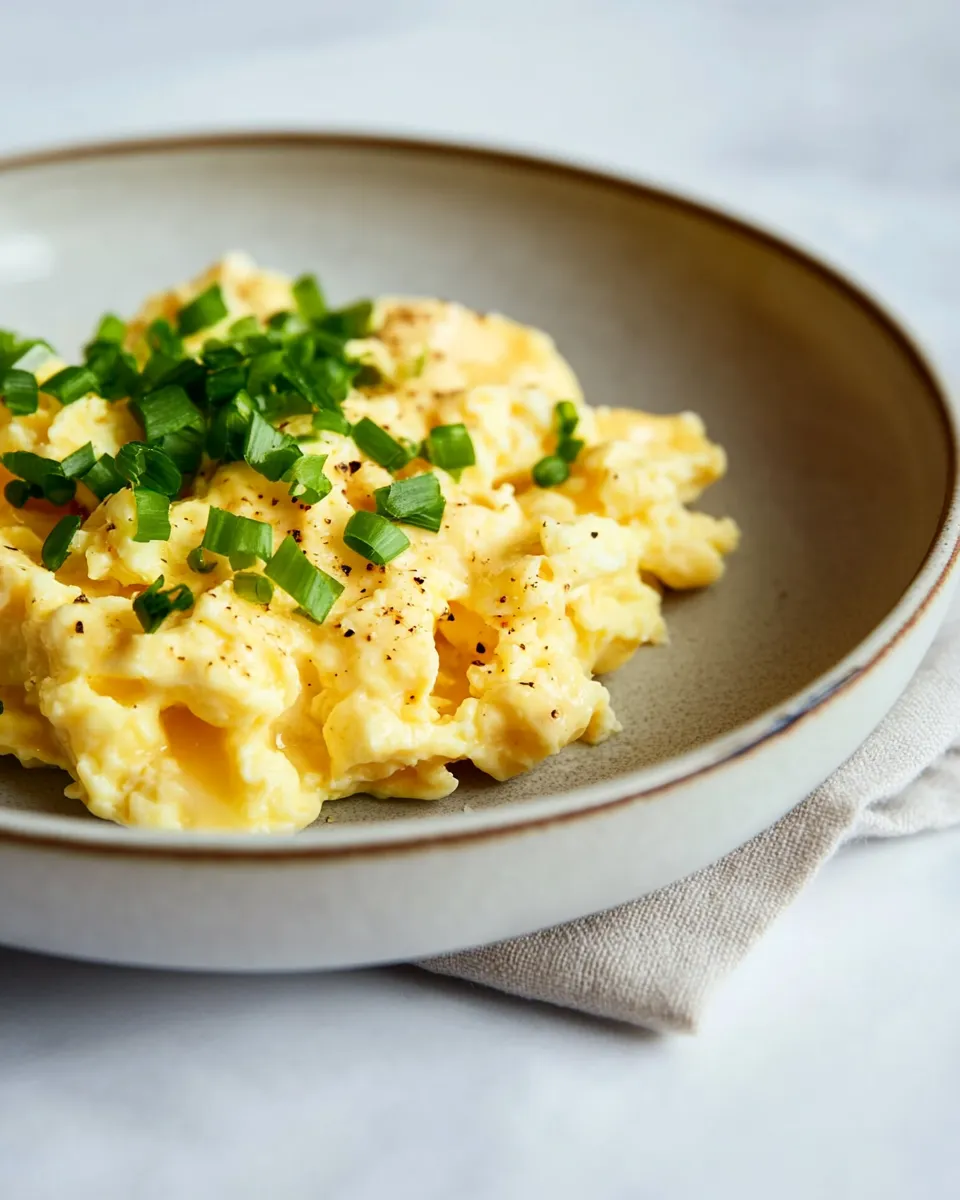
Busy mornings deserve food that’s fast, comforting, and actually tasty. Microwave scrambled eggs are a tiny miracle when you need protein pronto—no frying pans, no babysitting, and only a few minutes from start to finish. I keep this method in my regular rotation for weekday breakfasts, late-night snacks, and when I’m making something quick for guests who’ve overslept.
This recipe is built to be forgiving: a few simple ingredients, a microwave-safe bowl, and attention to timing. I’ll walk you through exact proportions and timing so your eggs come out fluffy, not rubbery, and show a few optional tweaks if you want add-ins like cheese. It’s straightforward, practical, and great for anyone who wants breakfast without fuss.
Shopping List

- Butter — 1 teaspoon; for greasing the bowl so eggs don’t stick and to add a touch of richness.
- Large eggs — 4; the main protein and structure for the scramble.
- Whole milk or heavy cream — 2 tablespoons; keeps the eggs tender and creamy.
- Salt & pepper — a pinch each; simple seasoning to bring out the egg flavor.
- Shredded cheddar cheese (optional) — 1/4 cup; adds gooeyness and a savory finish if you like cheesy eggs.
Microwave Scrambled Eggs: How It’s Done
Follow these steps in order. I’ve preserved the ingredient amounts exactly as listed, and clarified each action so there’s no guesswork.
- Place a small microwave-safe bowl on the counter. Add 1 teaspoon butter to the bowl.
- Microwave the butter until it is just melted, about 10 to 15 seconds depending on your microwave. Swirl the bowl so the melted butter coats the interior evenly, or use a small pastry brush to spread it around—this prevents sticking and adds flavor.
- Crack 4 large eggs into the buttered bowl.
- Add 2 tablespoons whole milk or heavy cream to the eggs, then season with a generous pinch of salt and a pinch of black pepper.
- Whisk the eggs, milk, and seasonings together until the mixture is uniform and slightly frothy. This helps create a tender texture.
- Microwave the bowl, uncovered, on high for 30 seconds.
- Remove the bowl carefully (it may be warm). Use a fork to gently stir and scrape the cooked edges toward the center so the uncooked egg can flow out; the goal is to redistribute, not to fully finish cooking yet.
- If you want cheese, add a small handful (1/4 cup shredded cheddar cheese, optional) now and gently fold it into the partially set eggs.
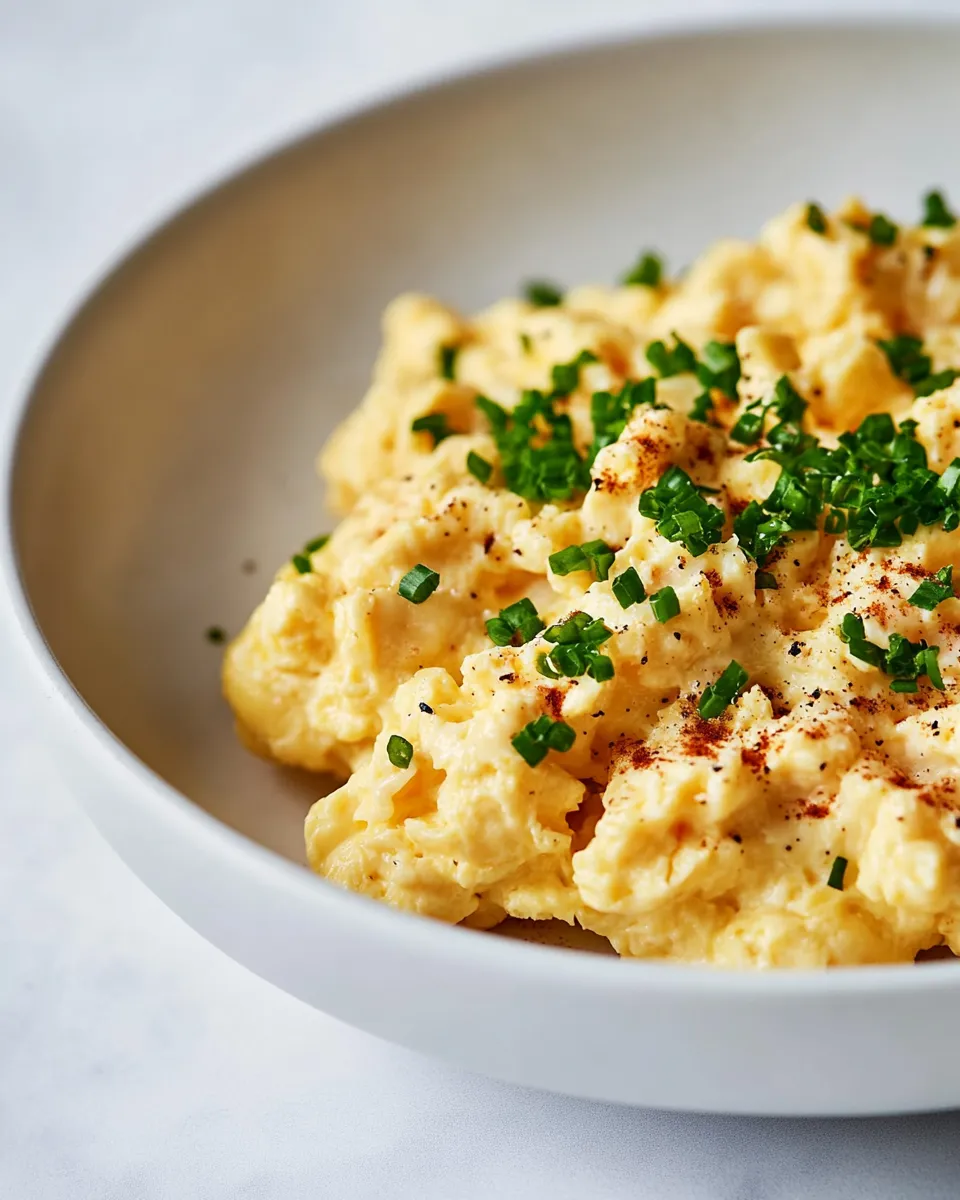
- Return the bowl to the microwave and cook on high for an additional 45 seconds. Check the eggs: they should be fluffy and almost set. If any liquid egg remains, let them rest for 10–20 seconds—the residual heat will finish them.
- Serve immediately while warm.
Why I Love This Recipe
It’s fast without sacrificing texture. The microwave gives a gentle, even heat that, with a little stirring, produces soft, fluffy curds. No pan, no oil spatters, no precise temperature to manage—just straightforward steps that work every time.
It’s also versatile. The basic formula—eggs, a splash of cream or milk, and seasoning—accepts additions easily: herbs, diced veggies, or cheese. For single servings or feeding a small crowd, it’s simple to scale and clean up is minimal.
Budget & Availability Swaps
- Butter — Swap for a neutral oil (1/2 teaspoon) if you’re out of butter; you’ll lose some flavor but still prevent sticking.
- Whole milk or heavy cream — Use any milk you have (skim, 2%, plant-based) in the same 2-tablespoon amount. The eggs will be slightly less rich with low-fat milk.
- Cheddar cheese — Any shredded cheese works: Monterey Jack, Colby, or a pre-shredded blend. Use the same 1/4 cup.
Kitchen Gear Checklist
- Microwave-safe bowl — small to medium size; fits comfortably in your microwave and allows room for stirring.
- Fork or small whisk — for beating the eggs and for stirring partway through cooking.
- Measuring spoons — to portion butter and milk accurately.
- Oven mitt or towel — to handle the warm bowl safely after microwaving.
Easy-to-Miss Gotchas
- Overcooking — Microwaves vary. Follow the exact times, but if your microwave runs hot, reduce the second cook by 10–15 seconds. Overcooked eggs become rubbery.
- Undercooking — Eggs can look slightly wet when you stop cooking; they’ll finish from residual heat. Let them sit 10–20 seconds before serving.
- Using the wrong bowl size — If the bowl is too large, eggs spread thin and cook faster; too small and they may puff and spill. Use a modest-sized bowl for even cooking.
- Skipping the butter — It keeps eggs from sticking and adds flavor. If you don’t have butter, oil will work, but don’t skip a coating entirely.
Smart Substitutions
- Milk alternative — Use unsweetened almond or oat milk if you prefer non-dairy; quantity stays 2 tablespoons.
- Extra protein — Fold in pre-cooked diced ham or crumbled cooked bacon after the first 30-second cook so they warm through without overcooking the eggs.
- Herbs — Stir in finely chopped chives, parsley, or dill right after the final cook for fresh flavor.
Insider Tips
Texture control
- Whisk until slightly frothy for airier eggs.
- Stir only once between cooking intervals—over-stirring breaks the curds into tiny bits and produces a denser texture.
Cheese timing
- Add cheese after the first microwave interval so it melts into warm pockets rather than getting rubbery from a long cook.
Serving ideas
- Serve over toasted bread or an English muffin for a quick sandwich.
- Spoon onto a warmed tortilla and add salsa for a fast breakfast burrito.
Save for Later: Storage Tips
- Refrigeration — Store cooled leftover scrambled eggs in an airtight container for up to 3–4 days.
- Reheating — Reheat in the microwave at 50% power for 30–60 seconds, stirring halfway through so they reheat evenly without drying out.
- Freezing — Not recommended for best texture; reheated eggs can get watery or rubbery.
Your Top Questions
- Can I make this for one? — Yes. Reduce to 1–2 eggs and adjust microwave time: about 20–25 seconds, stir, then 15–30 seconds more depending on your microwave.
- What if my eggs are rubbery? — You likely overcooked them. Reduce the final microwave time or stop when they’re slightly underdone and let residual heat finish them.
- Is it safe to cook eggs in the microwave? — Yes, when using a microwave-safe dish and following short, monitored cook intervals. Stirring once helps avoid hot spots and ensures even cooking.
Let’s Eat
These microwave scrambled eggs are a tiny, reliable breakfast win. They come together faster than you can fully wake up and deliver a warm, protein-rich start to the day. Follow the steps exactly the first few times, note how your microwave behaves, and adjust the timing to get the texture you like best.
Serve them plain, toss in that 1/4 cup shredded cheddar if you’re feeling indulgent, or fold in fresh herbs for brightness. Either way, you’ll have a simple, satisfying plate in under five minutes—no skillet required. Enjoy!

Microwave Scrambled Eggs
Ingredients
- 1 teaspoon butter
- 4 large eggs
- 2 tablespoons whole milk or heavy cream
- Pinch salt
- Pinch black pepper
- 1/4 cup shredded cheddar cheese optional
Instructions
- Place 1 teaspoon butter in a small microwave-safe bowl and microwave until just melted, about 10–15 seconds; brush the melted butter evenly over the inside of the bowl.
- Crack 4 large eggs into the bowl, add 2 tablespoons milk or heavy cream, and season with a generous pinch of salt and a pinch of black pepper. Whisk until combined.
- Microwave the eggs uncovered for 30 seconds. Remove and gently stir with a fork to break up the curds.
- If using, add about 1/4 cup shredded cheddar cheese and stir gently into the eggs.
- Return the bowl to the microwave and cook an additional 45 seconds or until the eggs are fluffy and almost set. Let stand briefly, then serve immediately.
Equipment
- Microwave-safe Bowl
- fork
- small pastry brush or spoon
Notes
- Use whole milk or cream for richer eggs.
- Stirring partway gives creamier curds.
- Cheese is optional and can be omitted or substituted.
- Adjust microwave times slightly for power differences.