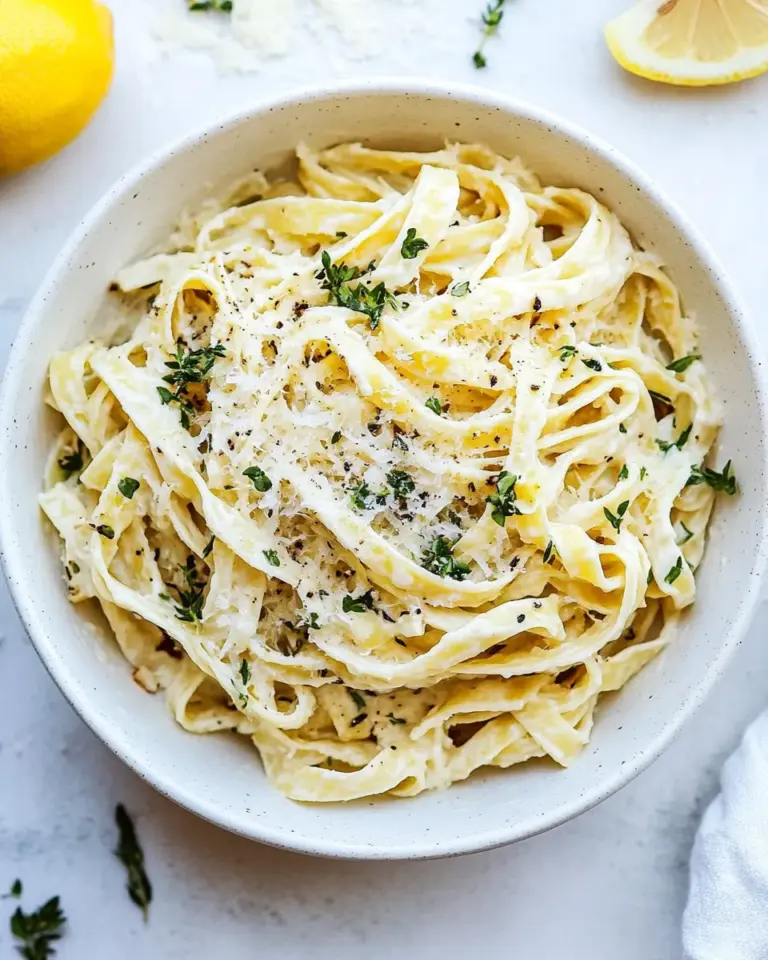
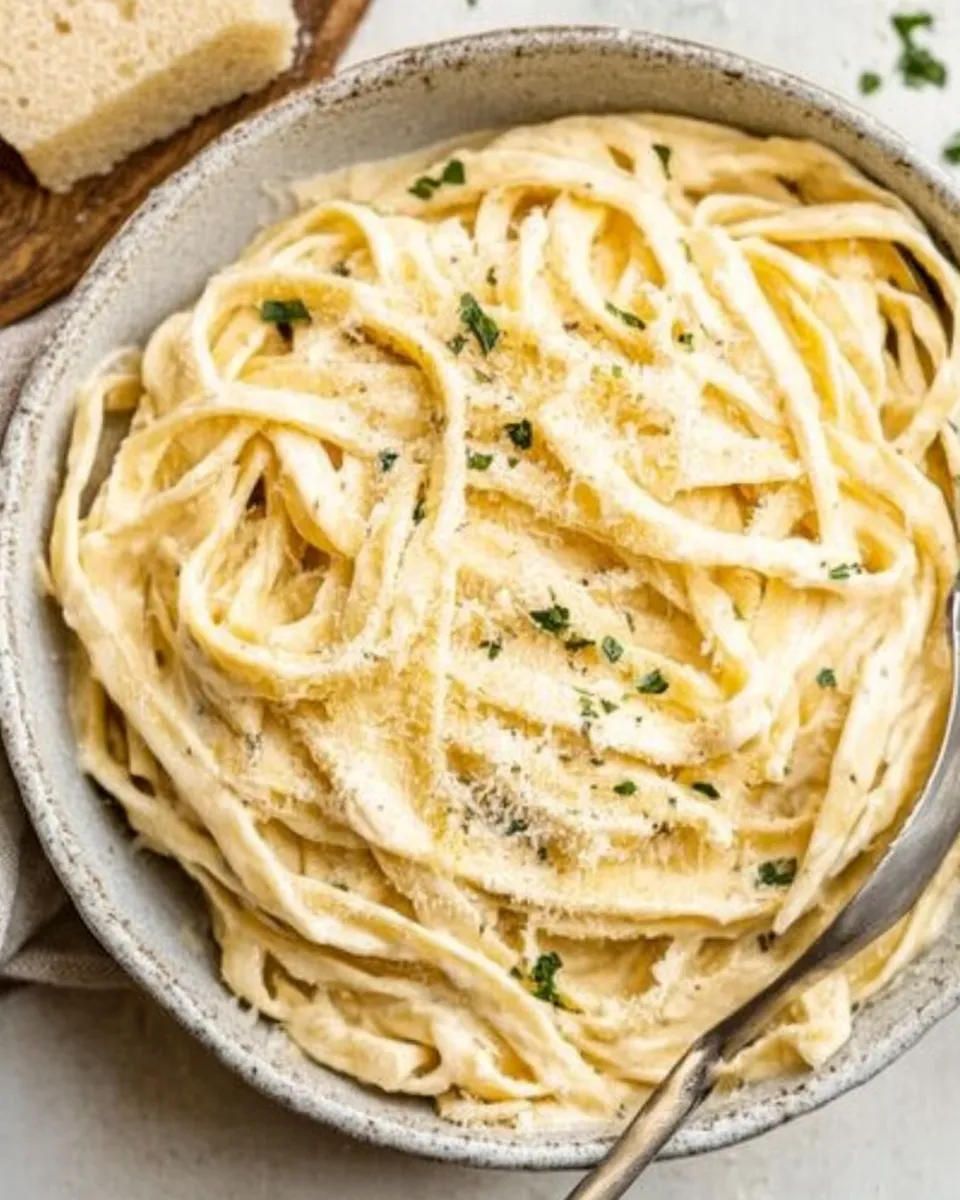
Homemade Alfredo Sauce
I make Alfredo sauce at least once a month. It’s simple comfort food—rich, silky, and fast enough for a weeknight. The trick is attention to temperature and timing: small adjustments make the difference between a grainy mess and a glossy, clingy sauce that coats pasta like a dream.
This recipe uses pantry-friendly ingredients and a short list of steps. There are no weird stabilizers or long reductions—just butter, garlic, cream, Parmesan, and a few seasonings. I’ll walk you through each step so the sauce turns out smooth, well-seasoned, and ready to pair with fettuccine, vegetables, or seared chicken.
Follow the directions exactly, but also read the notes and tool suggestions below. They save time and prevent common problems: overheating the cream, clumping cheese, or oversalting. With a little practice, you’ll have restaurant-quality Alfredo at home.
Ingredient Checklist
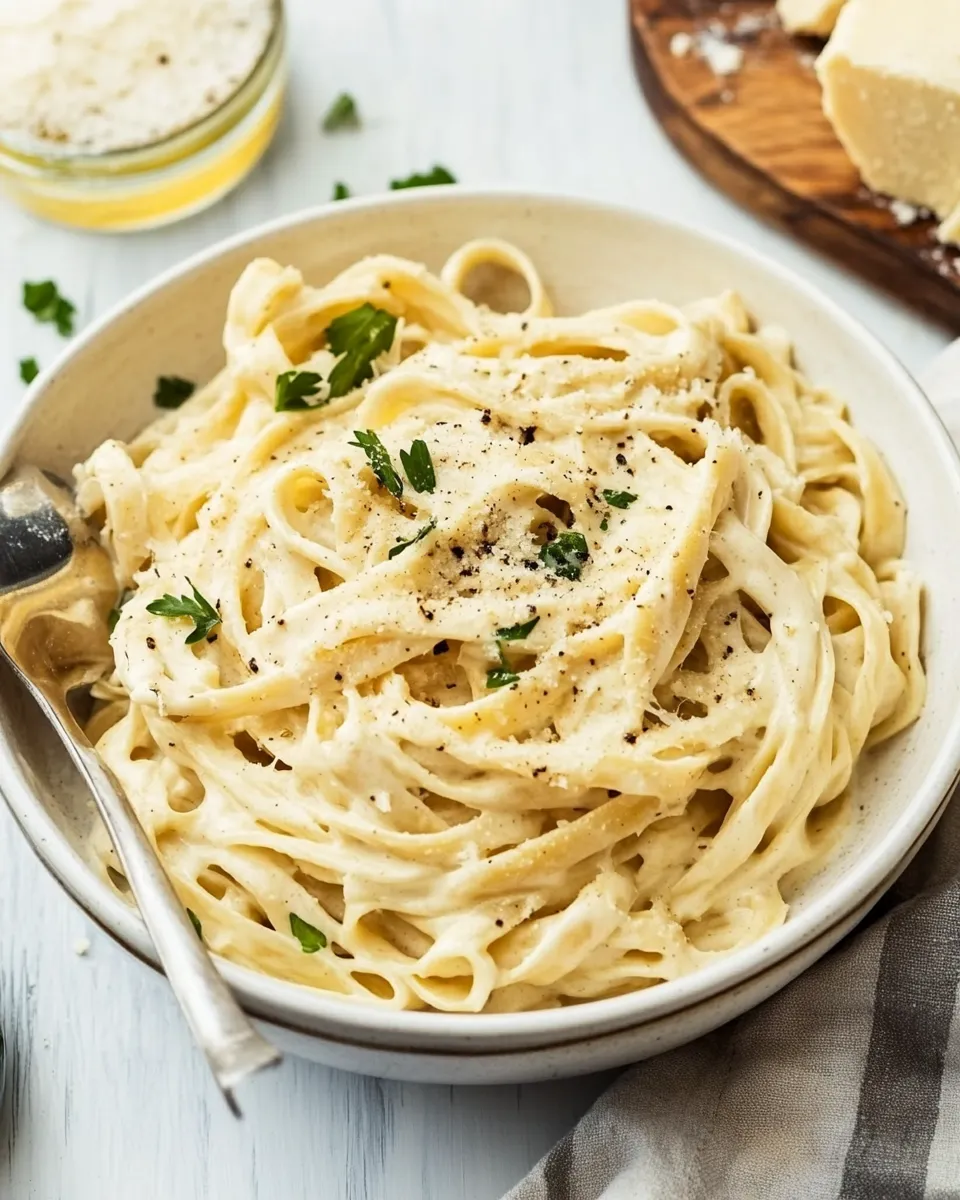
- 6 tablespoons unsalted butter (¾ stick) — provides the fat base and helps create a silky mouthfeel; use unsalted so you control the seasoning.
- 1 clove garlic, minced — gives gentle aromatic depth; mince finely so it flavors the butter quickly without large pieces.
- 1½ cups heavy cream, room temperature — the cream creates the rich body; bring to room temp so it combines smoothly with the warm butter.
- 6.4 ounces freshly grated Parmesan cheese — the primary flavor and emulsifier; freshly grate for best melting and taste (avoid pre-grated for texture).
- Kosher salt — to taste; used for both pasta water and final seasoning.
- Ground black pepper — to taste; adds bite and balances the richness.
- Minced fresh thyme — optional; brightens the sauce with a subtle herb note when used sparingly.
Build Homemade Alfredo Sauce Step by Step
- Prepare ingredients and equipment first: measure butter, grate the Parmesan, mince the garlic, and have the room-temperature heavy cream ready. Fill a large pot with water for pasta and set it on the stove to heat.
- Place a medium saucepan over medium heat and add the 6 tablespoons unsalted butter. Let the butter melt completely, swirling the pan occasionally so it heats evenly.
- Add the minced garlic to the melted butter. Cook, stirring frequently, until the garlic is lightly browned and fragrant—this typically takes 30–60 seconds depending on your stove. Watch closely so it doesn’t burn.
- Remove the saucepan from the heat and let it cool for 3–5 minutes. This short rest prevents the cream from scalding when added and keeps the garlic from becoming bitter.
- Pour in the 1½ cups room-temperature heavy cream and whisk immediately until the butter and cream are fully combined and smooth.
- Return the pan to the stove over low heat. Maintain a gentle warmth—do not let the sauce come to a boil. Keep it barely simmering so the cream heats through without breaking.
- Gradually add the 6.4 ounces freshly grated Parmesan cheese while continually whisking. Work slowly and evenly so the cheese melts into the cream and forms a smooth, cohesive sauce. Continue whisking until no visible cheese granules remain and the texture is glossy.
- Taste the sauce and season with Kosher salt, ground black pepper, and minced fresh thyme if using. Add salt sparingly at first; the Parmesan contributes saltiness too.
- While the sauce finishes, bring the large pot of water to a rolling boil and add 1 teaspoon of salt.
- Add 16 ounces of fettuccine noodles to the boiling water and cook to al dente according to package instructions. Reserve ½ cup of the pasta cooking water just before draining.
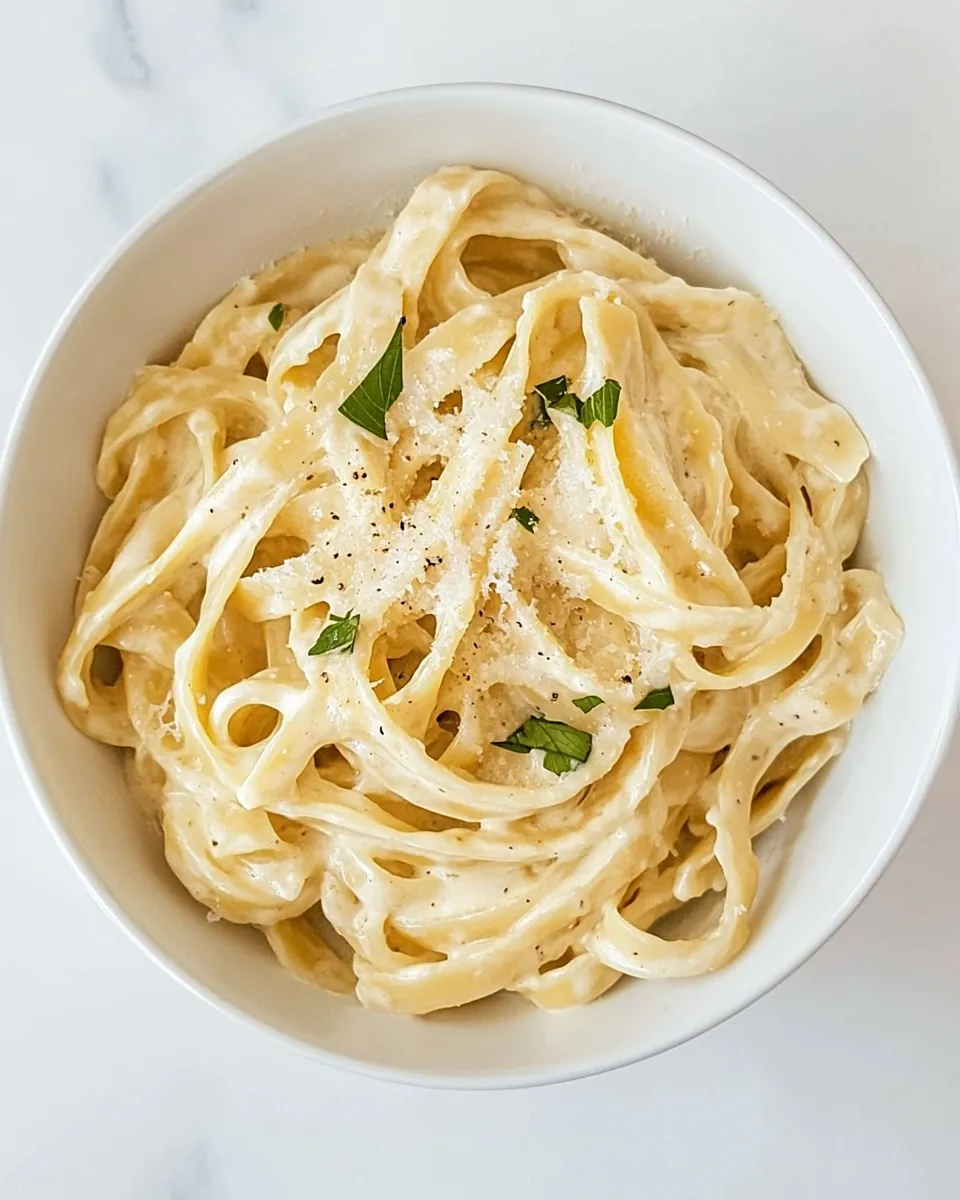
- Drain the pasta, then return it to the hot pot or a warm serving bowl. Pour the Alfredo sauce over the noodles and toss to combine. If the sauce seems too thick, add the reserved pasta cooking water a tablespoon at a time until you reach the desired consistency.
- Serve immediately, garnished with extra grated Parmesan or a drizzle of olive oil if desired.
Why It Works Every Time
This method emphasizes temperature control and gradual incorporation—two things that guarantee a smooth sauce. Melting butter first builds a warm, fatty base that helps the cream integrate without shocking it. Letting the pan cool briefly before adding room-temperature cream avoids sudden temperature swings that can cause separation.
Keeping the sauce over low heat while adding cheese is essential. Cheese melts at a lower temperature and will become grainy or stringy if exposed to high heat. Continual whisking while gradually adding grated Parmesan ensures the solids hydrate and emulsify into the cream instead of clumping.
Finally, using reserved pasta water is a classic trick: the starchy liquid loosens the sauce just enough and helps it cling to the pasta. This creates a cohesive finish without diluting flavor.
Ingredient Flex Options
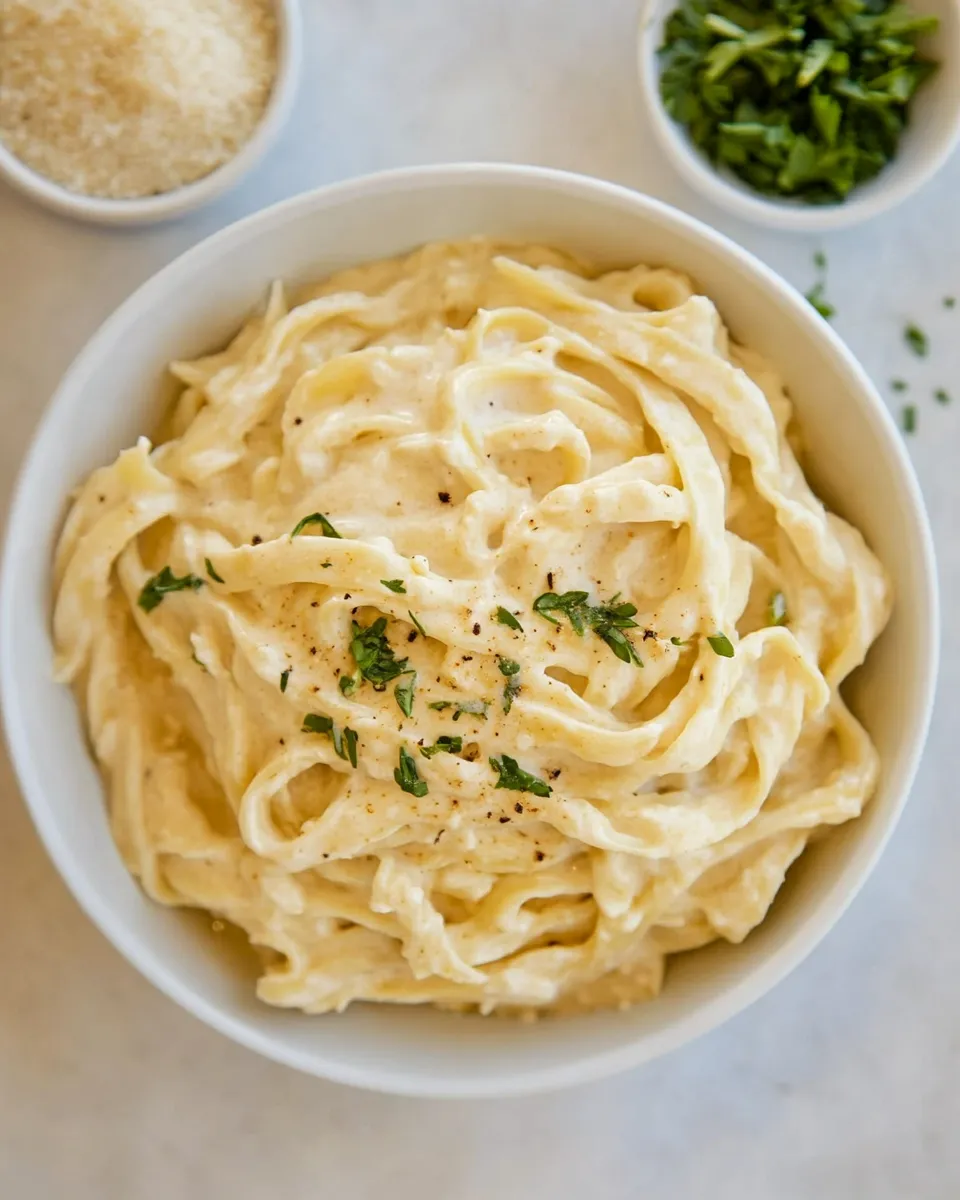
- Butter — unsalted is recommended, but salted can be used if you reduce added salt elsewhere.
- Garlic — increase to 2 cloves for a more pronounced garlic note; for a subtler flavor, use a garlic-infused butter or omit.
- Heavy cream — if you don’t have heavy cream, you can approximate by combining whole milk and additional butter, but texture will be lighter (the recipe assumes heavy cream).
- Parmesan — fresh Parmigiano-Reggiano is ideal. Avoid pre-grated blends that contain anti-caking agents—they can prevent smooth melting.
- Thyme — optional. Swap for a pinch of nutmeg for a traditional touch, or omit for a straightforward, classic Alfredo.
- Pasta — fettuccine is classic, but tagliatelle, pappardelle, or even short shapes like penne work well; adjust reserved water for consistency.
Recommended Tools
- Medium saucepan — heavy-bottomed is best for even heat and to prevent hotspots.
- Whisk — essential for keeping the sauce smooth while melting the cheese.
- Microplane or box grater — for freshly grating Parmesan; finer grating melts faster and more evenly.
- Large pot — for boiling pasta with plenty of water to prevent sticking.
- Heatproof mixing bowl or serving pot — to toss pasta with sauce without cooling it too quickly.
Don’t Do This
- Do not add cold cream straight from the fridge—this shocks the butter and can cause separation; bring cream to room temperature first.
- Do not allow the sauce to boil once the cream is added—high heat breaks emulsions and makes the cheese grainy.
- Avoid dumping all the cheese in at once. Adding it slowly while whisking prevents clumps and ensures a silky texture.
- Don’t skip reserving pasta water. Without it, the sauce may be too thick to coat noodles evenly.
- Don’t use pre-grated Parmesan if you want the best texture; anti-caking agents inhibit smooth melting.
Spring to Winter: Ideas
- Spring — toss in blanched asparagus tips and peas for brightness. Finish with a little lemon zest to lift the richness.
- Summer — add halved cherry tomatoes and torn basil for a lighter contrast; serve slightly warm rather than piping hot.
- Autumn — fold in roasted butternut squash cubes and sage; the sweet, earthy flavors pair beautifully with the creamy sauce.
- Winter — add seared mushrooms or caramelized onions for depth; finish with a grind of black pepper and extra Parmesan to stand up to heartier sides.
Recipe Notes & Chef’s Commentary
Quality of ingredients shows in this recipe. Because the ingredient list is short, each component plays a large role. Freshly grated Parmesan melts and flavors the sauce much better than pre-packaged alternatives.
Room temperature cream is a small step that makes a big difference. If you forget to take it out ahead of time, set the sealed container in a bowl of warm water for a few minutes—don’t microwave it. The goal is to avoid a large temperature gap when combining cream with hot butter.
If the sauce starts to tighten or look oily, remove it from heat and whisk in a tablespoon or two of the reserved pasta water. That usually brings it back. If separation progresses, lower the heat and whisk vigorously; adding a small splash of water or cream can help reincorporate the mixture.
Save for Later: Storage Tips
- Refrigerate — cool the sauce to room temperature, transfer to an airtight container, and refrigerate for up to 3 days.
- Reheat — rewarm gently over low heat with a splash of milk or reserved pasta water, whisking constantly. High heat will cause the sauce to split.
- Freeze — not ideal. Heavy cream-based sauces can separate when frozen and thawed; if you must freeze, expect a change in texture and plan to re-emulsify with liquid and whisking.
- Pasta + sauce — mixing pasta with sauce and then storing is fine for a day. Reheat gently and add a little water to restore texture.
Popular Questions
- Can I make this dairy-free? — This recipe relies on dairy for both flavor and texture; a true dairy-free alternative requires different ingredients (plant-based cream, vegan Parmesan), which will change the outcome.
- Why did my sauce get grainy? — Graininess usually comes from overheating the cheese or adding it too quickly. Keep the pan low and add cheese gradually while whisking.
- Is heavy cream necessary? — Heavy cream gives the characteristic richness and stability. Using whole milk can work with extra butter, but the sauce will be thinner and less luxurious.
- How do I prevent the sauce from becoming too salty? — Use unsalted butter and add Kosher salt slowly. Taste after the cheese is fully melted before adjusting.
- Can I use pre-grated Parmesan? — You can, but pre-grated cheese often contains anti-caking agents that inhibit smooth melting, making the sauce less silky.
The Takeaway
Homemade Alfredo sauce is fast, forgiving, and deeply satisfying when you follow a few rules: control temperature, add cheese slowly, and use reserved pasta water to adjust consistency. With fresh Parmesan and simple attention to technique, you’ll get a smooth, clingy sauce that elevates plain pasta into a comforting main.
Make the sauce for a quick weeknight dinner or as a base for seasonal ingredients. Once you master the basics, you can adapt the recipe to your taste—add herbs, roasted vegetables, or protein for variety. Keep the method the same, and it will work every time.

Homemade Alfredo Sauce
Ingredients
- 6 tablespoons unsalted butter ¾ stick; if using salted butter the sauce may taste saltier
- 1 clove garlic minced
- 1.5 cups heavy cream room temperature
- 6.4 ounces Parmesan cheese freshly grated
- Kosher salt to taste
- Ground black pepper to taste
- Minced fresh thyme optional
- 1 teaspoon salt for pasta water for boiling pasta
- 16 ounces fettuccine or pasta of choice, cook to al dente
Instructions
- Bring a large pot of water to a boil and add 1 teaspoon salt.
- In a medium saucepan over medium heat, melt 6 tablespoons unsalted butter.
- Add 1 clove minced garlic to the melted butter and cook until fragrant and lightly golden, about 30–60 seconds.
- Remove the pan from heat and let cool 3–5 minutes, then whisk in 1½ cups room-temperature heavy cream until combined.
- Return the pan to low heat and warm gently without boiling.
- Add 6.4 ounces freshly grated Parmesan a little at a time, whisking constantly until the cheese melts and the sauce is smooth.
- Taste and season the sauce with kosher salt, ground black pepper, and minced fresh thyme if using.
- While the sauce is finishing, cook 16 ounces fettuccine in the boiling water until al dente according to package directions; reserve ½ cup pasta cooking water before draining.
- Toss the drained pasta with the Alfredo sauce, adding reserved pasta water a little at a time to reach the desired consistency; serve immediately.
Equipment
- Medium Saucepan
- wooden spoon or silicone spatula
- Whisk
- box grater (for Parmesan) or pre-grated
- pot for cooking pasta
- Colander
Notes
- Fresh thyme is optional and adds extra flavor.
- Use freshly grated Parmesan for best flavor.
- Add red chili flakes for a touch of heat if desired.
- Nutritional info provided is for the sauce only.