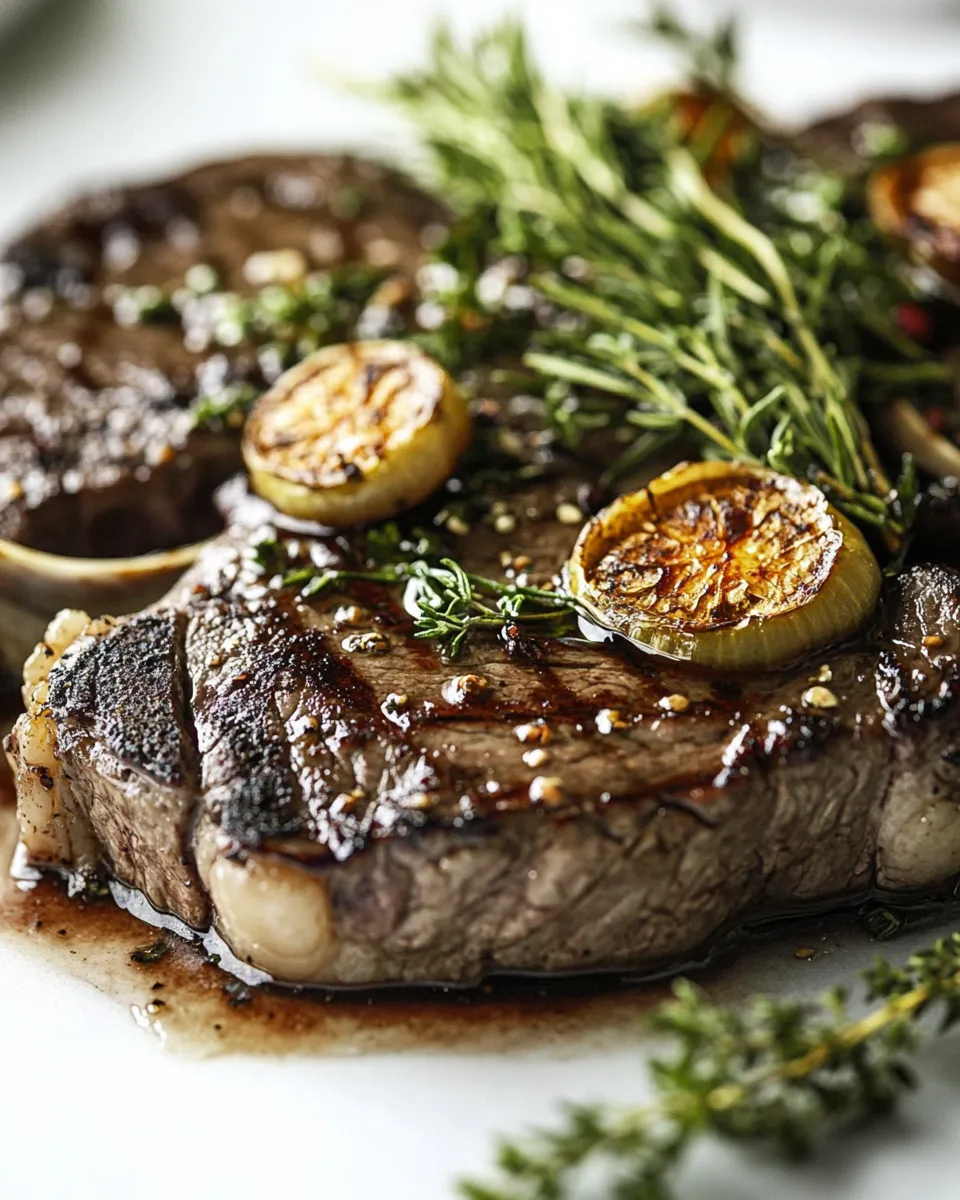
Steakhouse Steak
I love a straightforward steak that tastes like it came from a wood-paneled grill room but was made in my kitchen. This Steakhouse Steak is exactly that: bold sear, butter-basted flavor, and a short rest that keeps the juices where they belong. It’s not fussy—just good technique, a hot pan, and a few aromatic extras.
These steaks are perfect for a special weeknight dinner or an easy weekend treat. The recipe relies on timing and temperature rather than fancy ingredients, so once you practice the routine a couple of times you’ll turn out reliably excellent steaks every time.
Ingredient Checklist
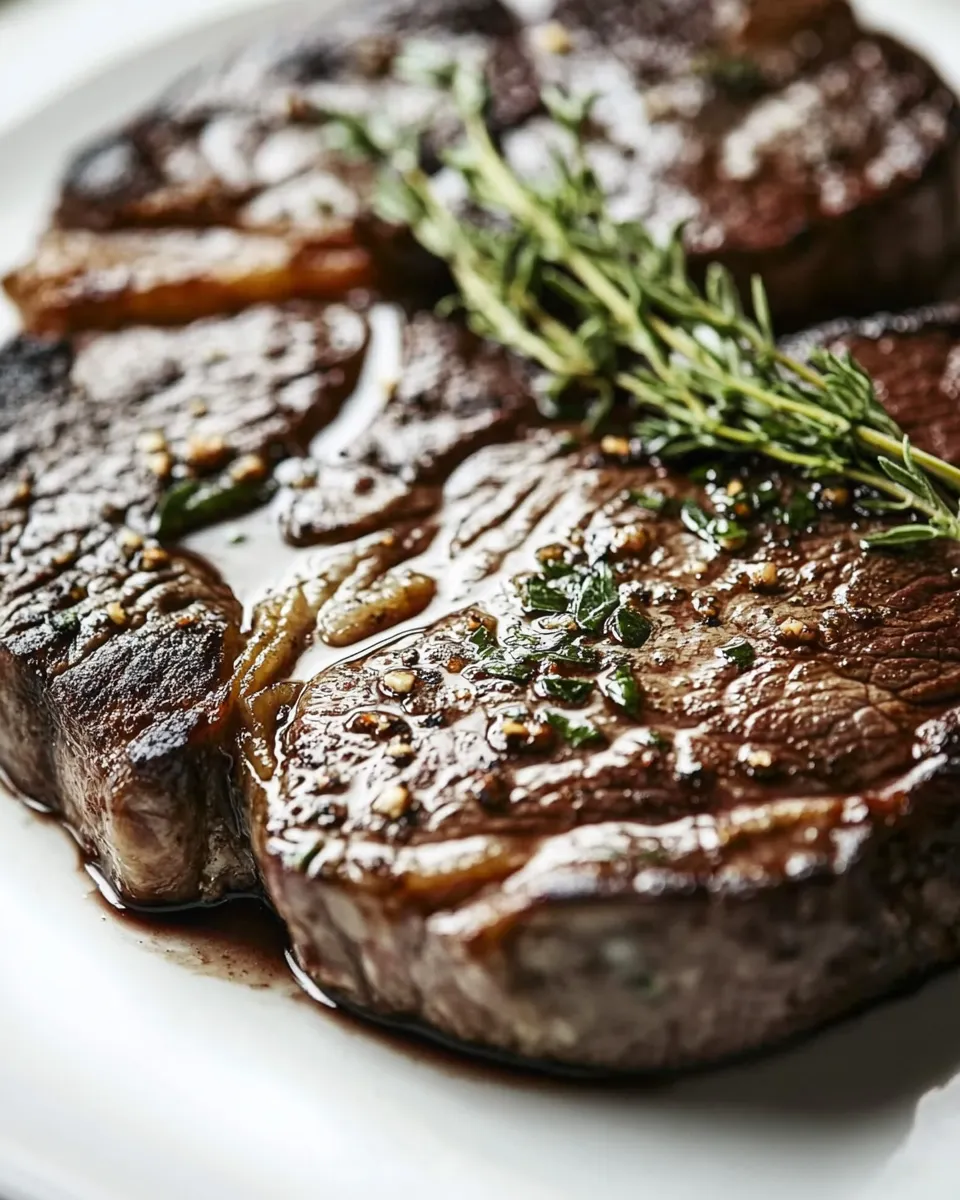
- 4 steaks (8 ounce steaks, 1 inch thick, rib-eye, scotch fillet, New York strip, porterhouse, sirloin or rump) — choose your preferred cut; all listed cuts work with this method. Aim for 1″ thickness for even cooking.
- 1 pinch salt — seasons the meat; add just before searing to encourage a good crust.
- 1 pinch pepper — freshly cracked is best; seasons surface flavor.
- 2 tablespoons olive oil (divided) — used to coat the pan and help initial sear; use a neutral or light olive oil with a higher smoke point.
- 4 tablespoons butter (divided) — for basting and finishing; adds richness and helps carry the herb and garlic flavors.
- 6 cloves garlic (lightly crushed with the back of a knife, divided) — crushed to release aroma; used in the pan to infuse butter.
- 6-8 fresh thyme sprigs or rosemary sprigs (divided) — herbs add an aromatic layer while basting; thyme gives a subtler note, rosemary is more piney.
Stepwise Method: Steakhouse Steak
- Remove the steaks from the refrigerator and let them sit at room temperature for at least 20 minutes. This evens out the temperature so they cook more evenly.
- Heat a large cast-iron skillet or heavy pan over medium-high heat until hot. Add 1 tablespoon of the olive oil and swirl to coat the pan.
- Pat the steaks dry with paper towels. Season both sides and the edges with the pinch of salt and the pinch of pepper just before placing them in the pan.
- When the pan begins to smoke lightly, lay the steaks into the pan away from you, one or two at a time depending on pan size. Press them down briefly so the surface makes good contact.
- Cook the steaks 1–2 minutes on the first side, until the bottom is crisp and nicely browned. Flip and cook another 1–2 minutes to develop an even golden color and crisp texture. If your cut has a fat edge, hold the steak with tongs and sear the sides for about 1 minute to render the fat.
- Reduce the heat to medium-low. Add the remaining 1 tablespoon of olive oil if needed, then add 2 tablespoons of butter, 3–4 sprigs of thyme or rosemary, and 3 crushed garlic cloves to the pan.
- Allow the butter to foam slightly and cook the herbs and garlic for about 1 minute to release their flavors into the butter. Watch so the garlic doesn’t burn—gentle bubbling is what you want.
- Place the cooked garlic cloves on top of each steak. Using an oven mitt, hold the pan handle and tilt the pan toward you so the butter pools at the low side. With a large spoon, baste the steaks repeatedly with the flavored butter.
- Continue basting and cooking for a further 1–2 minutes while monitoring doneness. Baste constantly to build flavor and keep the surface glossy. For well-done steaks, flip and baste a couple more times until they reach your preferred doneness.
- Remove and discard the thyme/rosemary and garlic from the pan. Transfer the steaks to a plate, pour the pan juices over them, and let them rest for 5 minutes before serving. Repeat the cooking steps with any remaining steak if you cooked in batches.
Why This Recipe Belongs in Your Rotation
This method gives the restaurant-style crust and the buttery finish without needing an outdoor grill. It’s fast—most of the time is active searing and basting—so you can have a steak dinner ready in under 30 minutes once the steaks warm up. The steps are reliable and repeatable: dry steaks, hot pan, a short sear, and a butter baste for flavor and shine.
It’s flexible with beef cuts, so you can choose what’s on sale or what you prefer. The aromatics (garlic and herbs) are simple but make a noticeable difference compared with plain pan-seared steak. Because the recipe is technique-forward, it’s a great template to learn how doneness and resting work together.
Budget & Availability Swaps
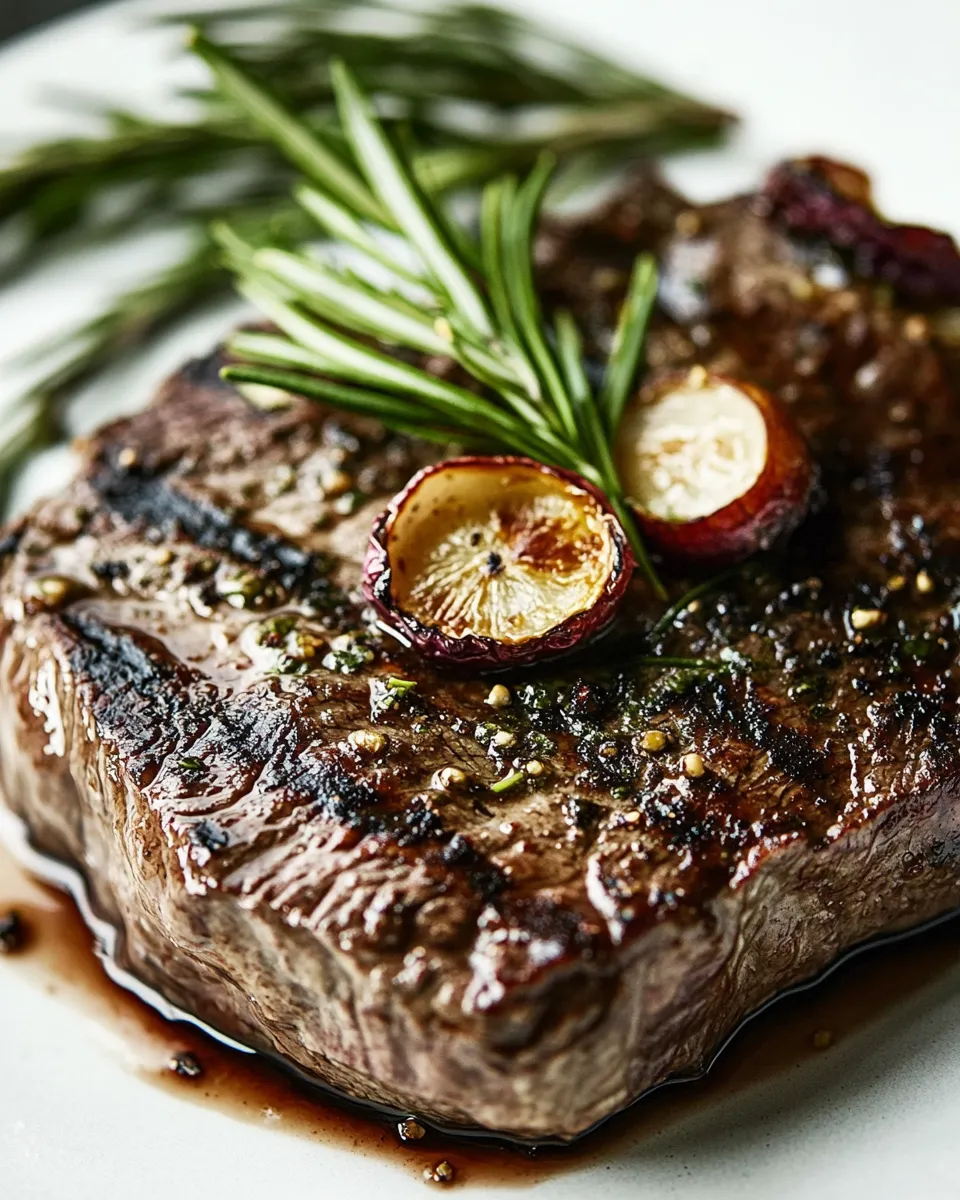
- Choose sirloin or rump when rib-eye or porterhouse is too expensive—these cuts still sear nicely and hold flavor.
- Use dried rosemary instead of fresh if that’s what you have, but add it earlier and use less so it doesn’t overpower the butter (though fresh is preferred).
- If olive oil is limited, use any neutral oil with a high smoke point (grapeseed, sunflower) for the sear and keep the butter for basting.
Prep & Cook Tools
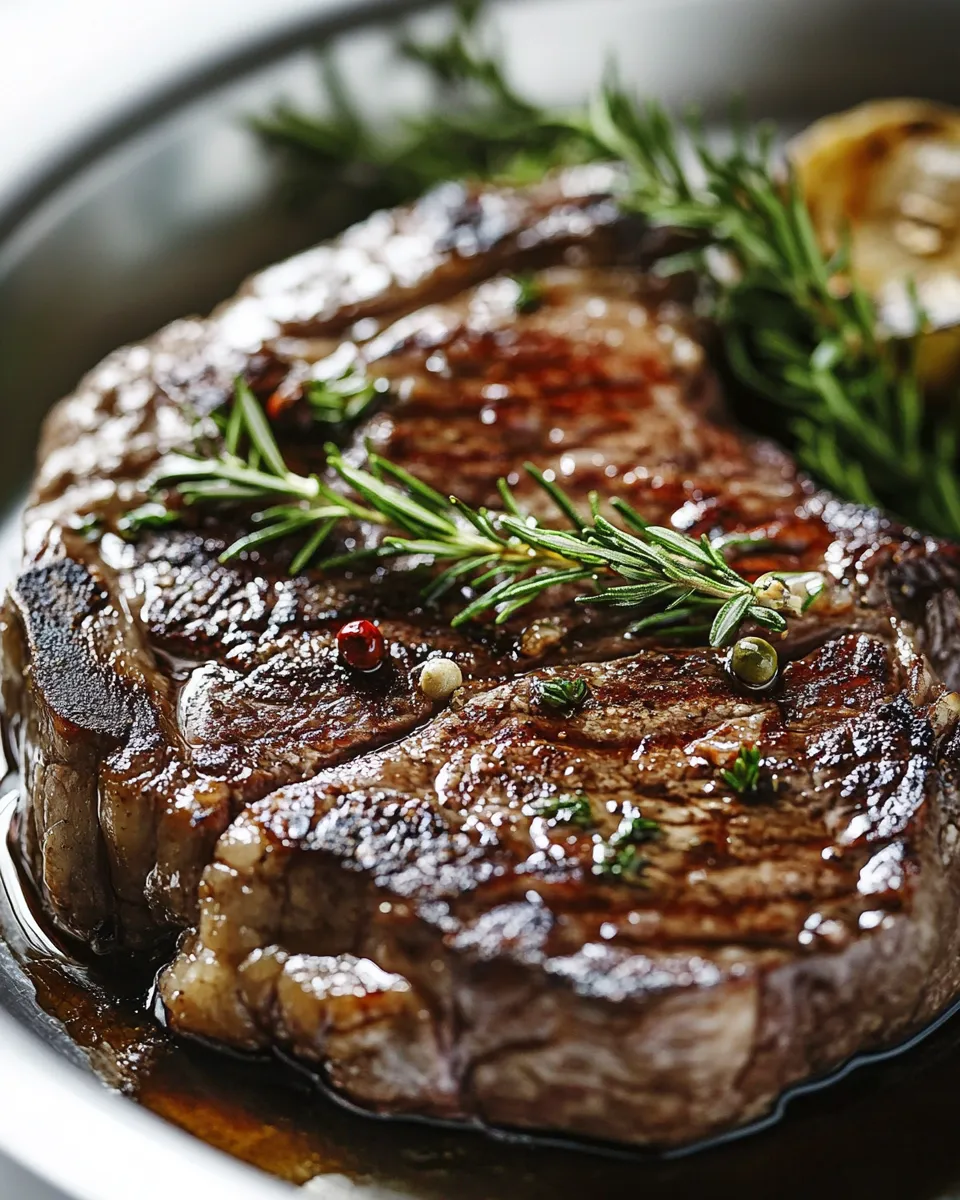
- Large cast-iron skillet or heavy-bottomed pan — provides steady, even heat and helps create a good crust.
- Tongs — for flipping and holding steaks to sear the edges.
- Large spoon — for basting the steaks with butter.
- Oven mitt or thick towel — to protect your hand when tipping the pan for basting.
- Paper towels — to pat steaks dry before seasoning.
Missteps & Fixes
- If your steak sticks or doesn’t develop a crust — the pan wasn’t hot enough. Let it heat longer and try again, using a light oil coat.
- If the garlic burns — remove the pan from heat briefly, or lower the temperature; crushed garlic needs gentle bubbling, not hard frying.
- If the steaks are unevenly cooked — ensure they come closer to room temperature before cooking and press down briefly for even contact with the pan.
- If juices run out and the steak is dry — avoid cutting into the steak right away. Rest the steak 5 minutes to let juices redistribute.
Smart Substitutions
- Butter — use unsalted or salted depending on preference; if using salted butter, reduce any added finishing salt.
- Thyme vs Rosemary — thyme is subtler and more classic; rosemary will give a stronger, slightly piney note. Both work well here.
- Olive oil — use a neutral oil with a high smoke point for the sear if you prefer; keep butter for the basting step for flavor.
Chef’s Notes
Patience with pan temperature is the single most important factor. A screaming-hot pan at the start gives you the Maillard reaction that creates flavor and texture. But once you add butter, reduce the heat to medium-low to avoid burning and to let the aromatics infuse.
When basting, keep the spoon low and steady and aim to coat the surface continually. Basting both flavors the meat and helps build a glossy, appetizing finish. Resting for 5 minutes is non-negotiable—skip it and you’ll lose juice and tenderness.
Save for Later: Storage Tips
- Refrigerate leftover cooked steak in an airtight container within two hours of cooking. Use within 3–4 days.
- For freezing, wrap steaks tightly in plastic wrap and place in a freezer bag; use within 2–3 months for best quality. Thaw in the refrigerator before reheating.
- To reheat without overcooking, warm gently in a low oven (250°F / 120°C) until just warm, then quickly sear in a hot pan for 20–30 seconds per side to refresh the crust.
Ask & Learn
Want help judging doneness by feel or temperature? I can give a quick guide for finger tests and target internal temperatures. Have a specific cut you’re using and want tailored timing? Tell me the cut and thickness and I’ll adjust the steps for you.
Next Steps
Try this Steakhouse Steak once as written, then tweak the aromatics and finish to suit your taste—add a splash of balsamic toward the end, or a pinch of smoked salt after resting. Once you’re comfortable with the technique, you can confidently scale up for dinner guests and pair the steak with simple sides: roasted potatoes, a crisp salad, or sautéed greens.
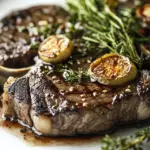
Steakhouse Steak
Ingredients
- 4 steaks (about 8 ounces each, 1 inch thick) rib-eye, scotch fillet, New York strip, porterhouse, sirloin, or rump
- 1 pinch salt to season
- 1 pinch black pepper to season
- 2 tablespoons olive oil divided
- 4 tablespoons unsalted butter divided
- 6 cloves garlic lightly crushed with the back of a knife, divided
- 6-8 sprigs fresh thyme or rosemary divided
Instructions
- Remove the steaks from the refrigerator at least 20 minutes before cooking so they come toward room temperature.
- Pat steaks dry with paper towels and season both sides with a pinch of salt and pepper just before cooking.
- Heat a large cast-iron skillet or heavy pan over medium-high heat until very hot and beginning to smoke. Add 1 tablespoon of olive oil and swirl to coat.
- Working one or two steaks at a time (do not overcrowd), place a steak in the pan away from you and sear 1–2 minutes per side until a crisp golden-brown crust forms; flip and sear an additional minute per side as needed to achieve an even color. Sear the edges for about 1 minute to render fat.
- Reduce heat to medium-low and add 2 tablespoons butter, 3–4 garlic cloves, and 3–4 thyme (or rosemary) sprigs to the pan. Let the butter foam for about 30–60 seconds to infuse with the herbs and garlic.
- Place a garlic clove on top of each steak and tilt the pan (use an oven mitt) so the butter pools; use a large spoon to baste the steaks constantly with the flavored butter for 1–2 minutes, flipping as needed until steaks reach your desired doneness.
- Discard the used thyme and garlic from the pan, transfer the steaks to a plate, and spoon any pan juices over them. Let the steaks rest for 5 minutes before serving. Repeat the searing and basting steps with remaining steaks if cooked in batches.
Equipment
- large cast-iron skillet or heavy frying pan
- Tongs
- large spoon for basting
- Knife
- plate for resting
- oven mitt or towel
Notes
- Remove steaks from the fridge 20 minutes before cooking.
- Season just before searing to avoid drawing out moisture.
- Do not overcrowd the pan to ensure a good sear.
- Baste with butter and herbs for extra flavor.
- Let steaks rest 5 minutes before serving.