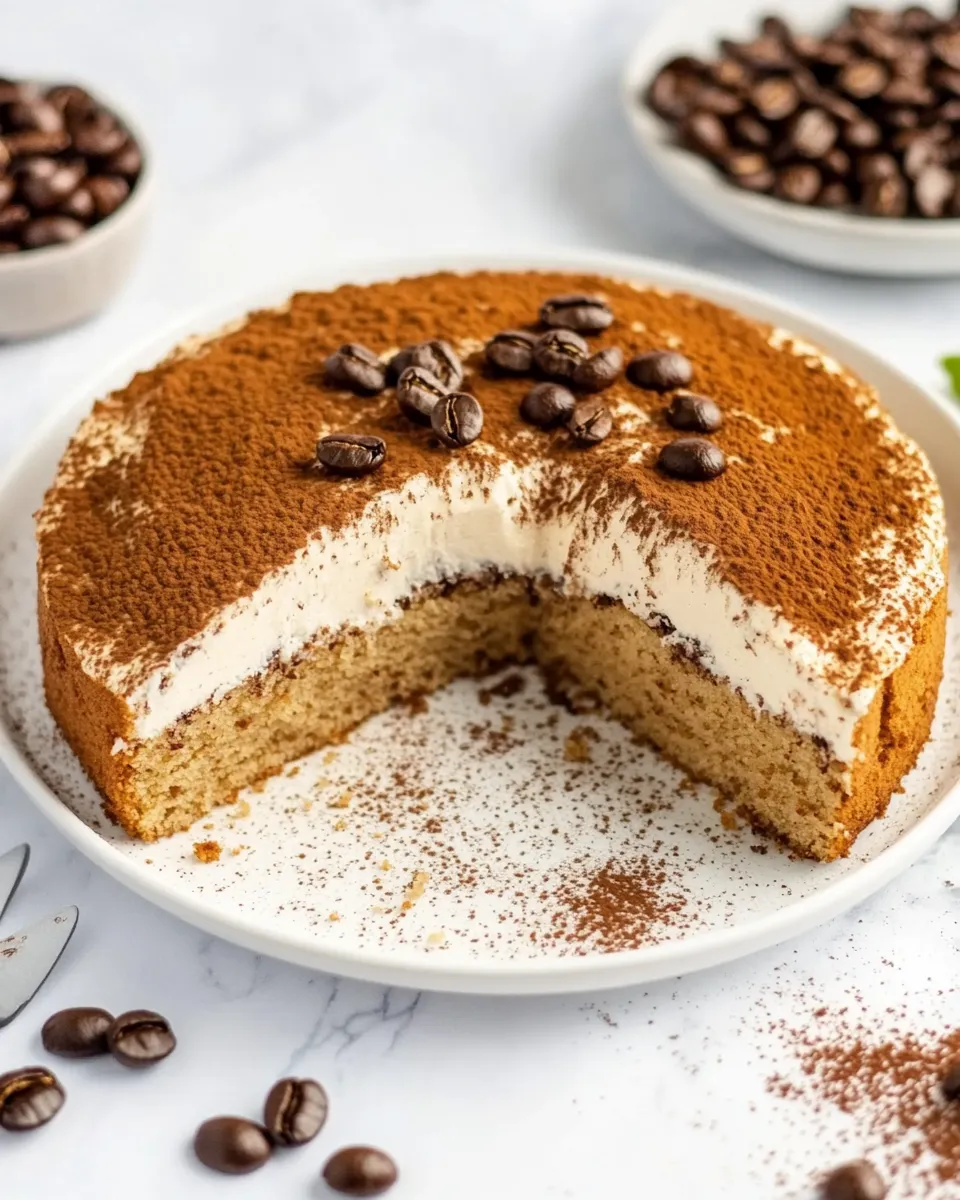
Italian Espresso Cake
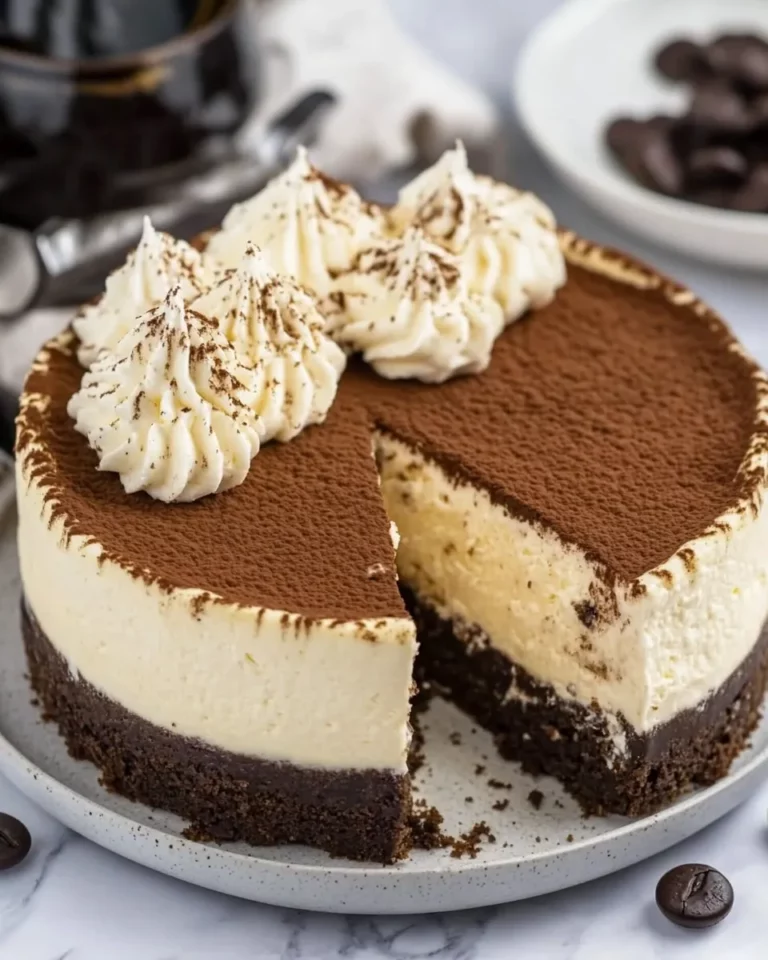
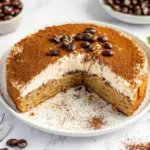
This cake is the kind I make when I want something simple, slightly sophisticated, and utterly satisfying. It’s a moist, espresso-scented sponge studded with dark chocolate chips and finished with a silky mascarpone coffee cream. No complicated techniques — just careful mixing and a watchful eye in the oven.
The texture is light from whipped eggs and rich from olive oil, while espresso gives it that unmistakable Italian profile. I love serving it with a cappuccino for brunch or as an elegant finish to a weeknight dinner. It keeps well and actually tastes better the next day once the flavors settle.
Below you’ll find a clear ingredients list (with notes), step-by-step instructions that follow the original recipe order, useful substitutions, troubleshooting tips, and storage guidance. Make sure your espresso is cooled and your eggs are at room temperature — those two small details make a big difference.
What Goes Into Italian Espresso Cake
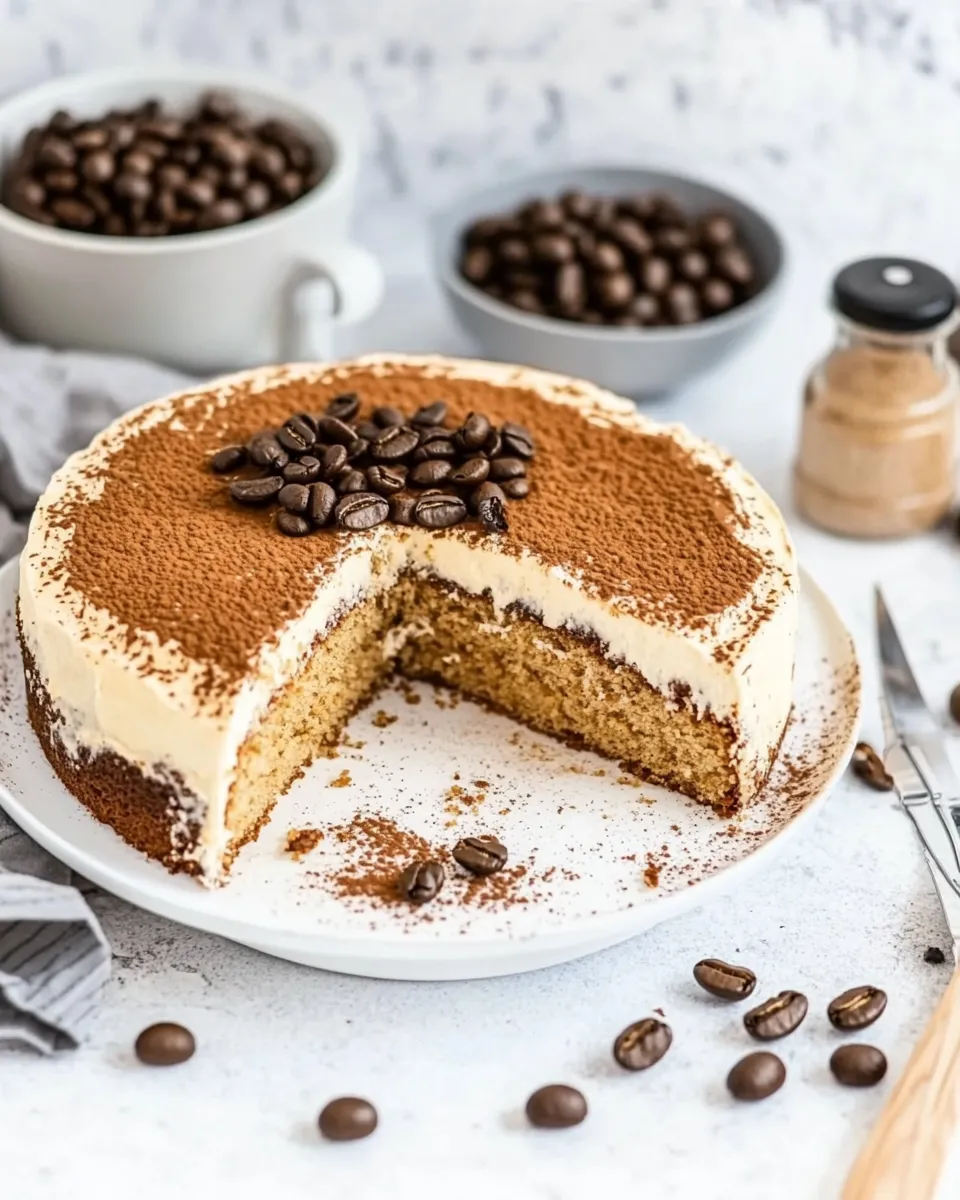
Ingredients
- 4 eggs, room temperature — provide lift and structure; room temp helps them whip lighter.
- 180 g sugar (approx ¾ cup) — sweetens and stabilizes the beaten eggs.
- 1 teaspoon vanilla extract — rounds and softens the coffee flavor.
- 155 ml light olive oil or sunflower oil (approx ⅔ cup) — keeps the cake moist; neutral oil preserves espresso flavor.
- 100 ml espresso coffee, at room temperature (approx ⅖ cup) — the cake’s signature flavor; must be cooled before adding.
- 300 g all-purpose flour — the main structure for the cake.
- 1 tablespoon baking powder — leavening to help the cake rise.
- ⅛ teaspoon sea salt — balances sweetness and enhances flavor.
- 80 g dark chocolate chips (approx ½ cup) — pockets of chocolate that complement the espresso.
- 250 g mascarpone cheese — for a rich, creamy topping.
- 3 tablespoons powdered sugar — sweetens and stabilizes the mascarpone cream.
- 30 ml espresso coffee (approx ⅛ cup) — folded into the mascarpone for a coffee cream.
Italian Espresso Cake: How It’s Done
- Preheat your oven to 180°C (360°F) and place a rack in the middle position. Grease a 9-inch (23 cm) cake pan and line the bottom with parchment paper; set it aside.
- In a large mixing bowl, combine the 4 room-temperature eggs, 180 g sugar, and 1 teaspoon vanilla extract. Using an electric mixer on high speed, beat until the mixture is pale, light, and frothy — about 3–5 minutes depending on your mixer.
- With the mixer running on low-to-medium speed, slowly drizzle in 155 ml light olive oil or sunflower oil in a steady stream so it emulsifies into the egg mixture.
- Once the oil is incorporated, whisk in the 100 ml room-temperature espresso coffee until evenly mixed.
- Place a sieve or fine strainer over the bowl. Into the sieve add 300 g all-purpose flour, 1 tablespoon baking powder, and ⅛ teaspoon sea salt. Sift them over the wet ingredients to avoid lumps.
- Add the 80 g dark chocolate chips to the batter. Gently fold everything together with a whisk or spatula until just combined; stop as soon as no streaks of flour remain to avoid overmixing.
- Pour the batter into the prepared 9-inch cake pan, smoothing the top gently with an offset spatula or the back of a spoon.
- Bake in the preheated oven for approximately 40 minutes. After 30 minutes of baking, loosely cover the top of the cake with aluminum foil for the final 10 minutes to prevent excessive browning.
- To check doneness, insert a toothpick into the center. If it comes out clean or with a few moist crumbs (but not wet batter), the cake is ready.
- Remove the cake from the oven and let it cool in the pan for about 10–15 minutes. Then carefully lift it out using the parchment paper and transfer it to a wire rack to cool completely.
- While the cake cools, make the mascarpone coffee cream: in a small bowl combine 250 g mascarpone cheese, 3 tablespoons powdered sugar, and 30 ml espresso coffee. Stir until smooth and fully combined. Refrigerate until ready to use so it firms slightly.
- When the cake has cooled to room temperature, dust with powdered sugar or spread the chilled mascarpone coffee cream over the top. Slice and serve at room temperature.
What You’ll Love About This Recipe
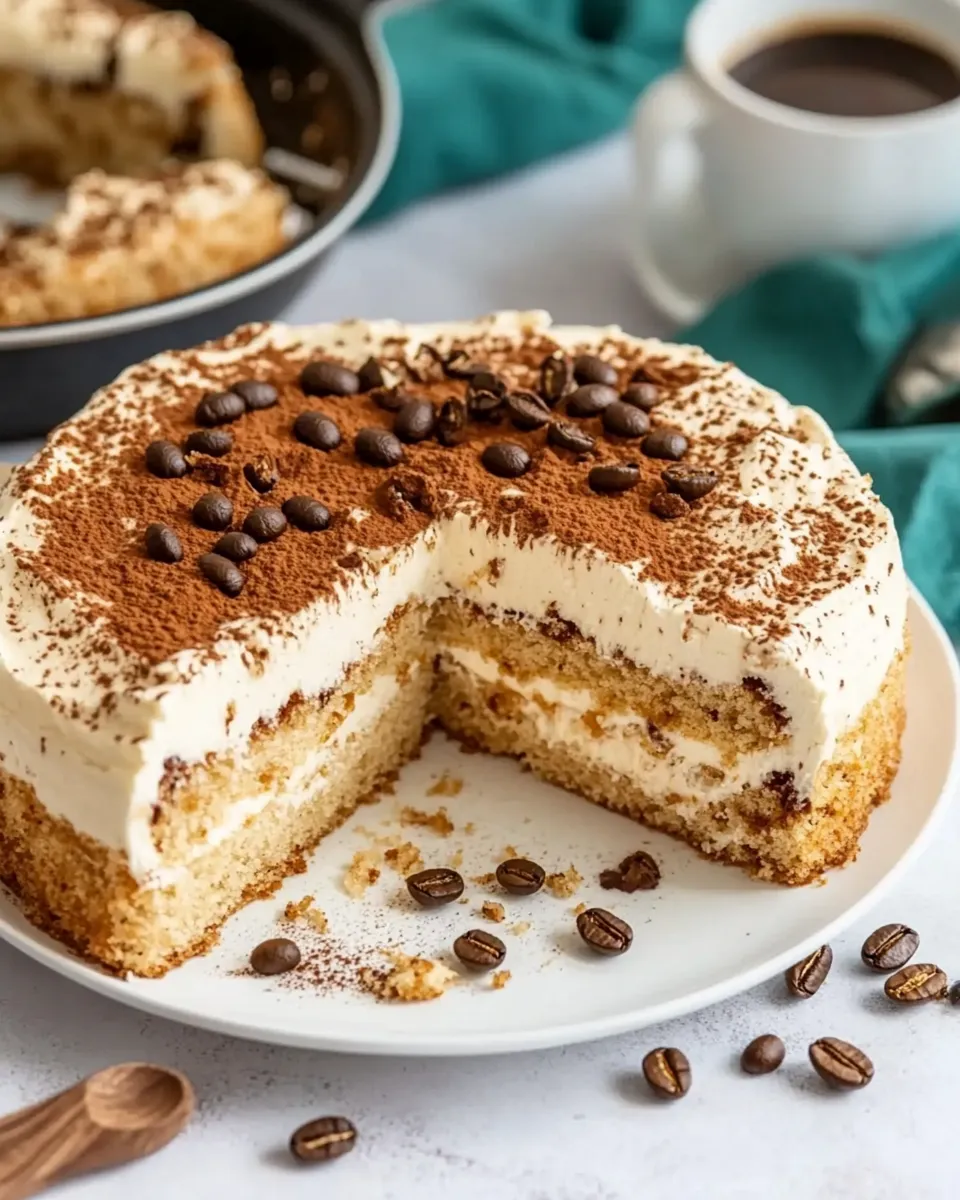
It balances espresso’s boldness with a soft, tender crumb — not too sweet, and pleasantly adult. The olive oil keeps it moist without weighing it down, and chocolate chips give little molten bites.
The mascarpone coffee cream is simple but luxurious: it turns a rustic cake into something that reads special-occasion with very little effort. It’s fast to assemble and makes a great make-ahead dessert for guests.
Smart Substitutions
- Oil: Use sunflower oil if you prefer a completely neutral taste instead of light olive oil.
- Espresso: Strong brewed coffee works in a pinch; reduce water so the coffee is concentrated.
- Flour: Stick with all-purpose. If using a different flour blend, expect texture differences; adjust nothing else.
- Chocolate chips: Roughly chopped dark chocolate can replace chips for bigger pockets of melted chocolate.
- Mascarpone cream: Substitute a lightly whipped cream sweetened with powdered sugar and a teaspoon of espresso if mascarpone is unavailable.
Must-Have Equipment
- Electric mixer — for whipping the eggs to a pale, airy stage.
- 9-inch (23 cm) cake pan — the recipe is scaled for this size.
- Parchment paper — makes unmolding the cake effortless.
- Fine-mesh sieve or strainer — to sift dry ingredients into the batter.
- Wire rack — to cool the cake evenly.
- Spatula or offset spatula — for folding and smoothing the batter.
Troubles You Can Avoid
Dense cake
Underwhipped eggs or overmixing after adding flour causes density. Beat the eggs until pale and foam-y, then fold the dry ingredients only until they disappear.
Soggy center
Too much liquid or underbaking are common causes. Follow the espresso amount exactly (100 ml) and test with a toothpick at 40 minutes; extend bake time in 3–5 minute increments if needed.
Excessive browning
The foil trick in the final 10 minutes prevents overbrowning. If your oven runs hot, tent foil earlier.
Holiday-Friendly Variations
- Festive glaze: Mix 1 cup powdered sugar with 1–2 tablespoons espresso for a shiny coffee glaze; drizzle over the cooled cake and sprinkle with cocoa powder.
- Nutty twist: Fold ¼ cup toasted chopped hazelnuts or almonds into the batter for crunch that pairs beautifully with coffee.
- Orange-espresso: Add 1 teaspoon finely grated orange zest to the batter for a bright, holiday feel.
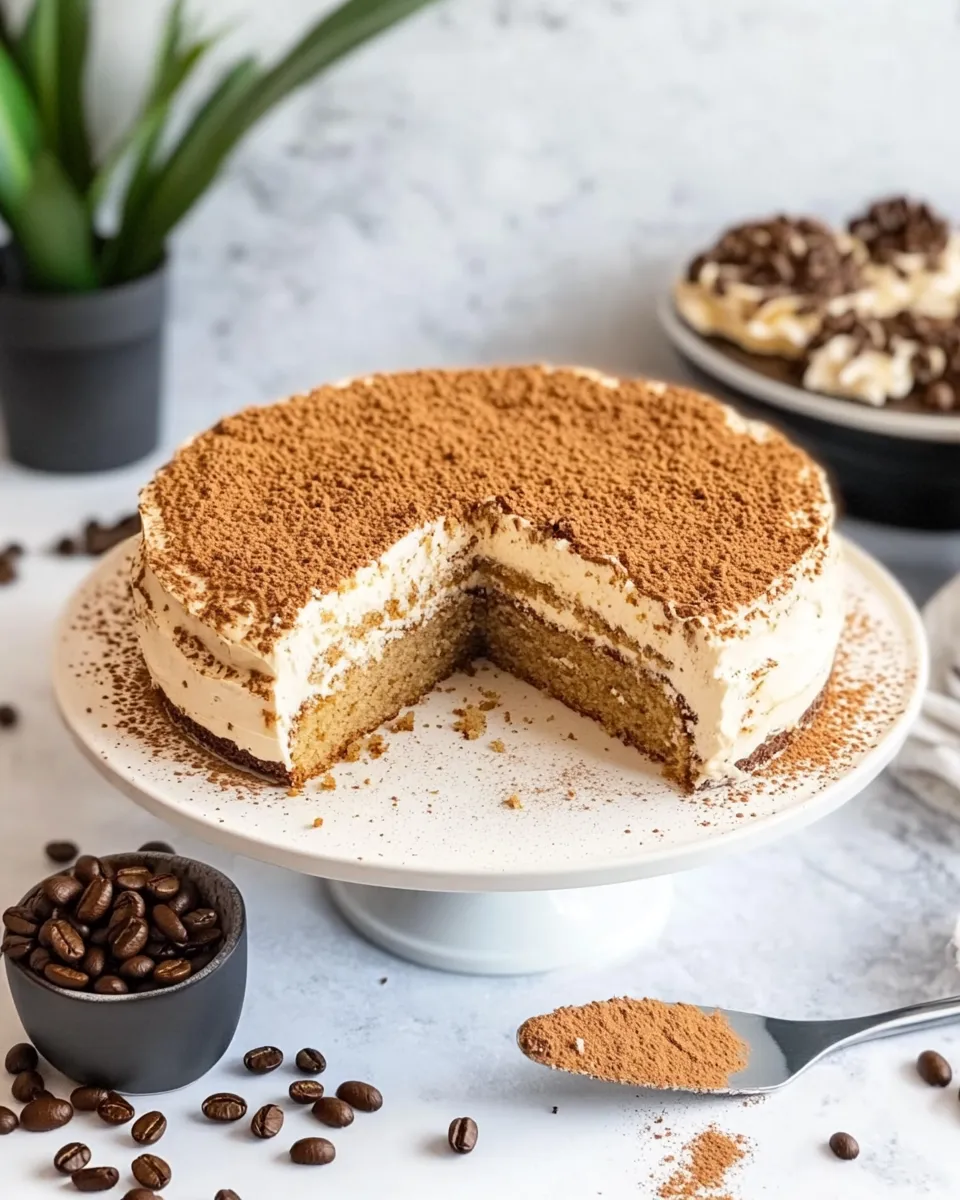
- Layered dessert: Slice the cooled cake horizontally and spread mascarpone cream between layers for a simple two-layer cake.
Behind-the-Scenes Notes
This recipe likely comes from classic Italian home baking where espresso and mascarpone are pantry basics. The use of oil instead of butter keeps the cake softer for days and makes slices less fragile. The method — whip eggs and sugar, emulsify oil, then fold in dry ingredients — is a reliable structure for light, tender cakes without creaming butter.
Chocolate chips are optional but recommended: they mirror the flavor contrast you find in many Italian desserts where bittersweet elements balance sweet and creamy components.
Storage & Reheat Guide
- Room temperature: Store covered at room temperature for 1–2 days. Keep the mascarpone separate if you want to preserve freshness.
- Refrigeration: With mascarpone applied, refrigerate in an airtight container for up to 3 days. Bring to room temperature before serving for best texture and flavor.
- Freezing: Wrap cooled, un-iced cake tightly in plastic and foil; freeze up to 1 month. Thaw overnight in the fridge and then come to room temp before serving. Do not freeze mascarpone-topped slices.
- Reheating: Warm slices briefly in a 150°C/300°F oven for 5–8 minutes to revive softness, or microwave a single slice for 10–15 seconds — be careful not to melt the mascarpone if already applied.
Italian Espresso Cake Q&A
Can I make this without an electric mixer?
Yes. Whisk the eggs and sugar vigorously by hand until noticeably lighter and frothy — it will take longer, but it’s possible. The texture may be slightly less airy.
Why does the espresso need to be room temperature?
Hot liquid can deflate whipped eggs and change batter consistency. Use cooled espresso to keep the air you incorporated in the eggs.
Can I omit the mascarpone?
Absolutely. A dusting of powdered sugar or a simple espresso glaze keeps the cake delicious and less rich.
Wrap-Up
This Italian Espresso Cake is straightforward, reliable, and full of flavor. It’s one of those recipes where a few good-quality ingredients and proper technique deliver a dessert that feels special without fuss. Follow the steps, mind the oven, and enjoy a slice with your favorite coffee. Share it, store it, tweak it — it plays well with both casual and celebratory moments.
Italian Espresso Cake
Ingredients
- 4 eggs room temperature
- 180 g sugar about 3/4 cup
- 1 teaspoon vanilla extract
- 155 ml light olive oil or sunflower oil about 2/3 cup
- 100 ml espresso coffee at room temperature, about 2/5 cup
- 300 g all-purpose flour
- 1 tablespoon baking powder
- 1/8 teaspoon sea salt
- 80 g dark chocolate chips about 1/2 cup
- 250 g mascarpone cheese for the coffee cream
- 3 tablespoons powdered sugar for the mascarpone cream
- 30 ml espresso coffee for the mascarpone cream, about 1/8 cup
Instructions
- Preheat the oven to 180°C (360°F). Grease a 9-inch cake pan and line the bottom with parchment paper; place a rack in the middle of the oven.
- In a large bowl, beat the 4 room-temperature eggs with 180 g sugar and 1 teaspoon vanilla extract on high speed until the mixture is pale, light, and frothy.
- With the mixer running, slowly drizzle in 155 ml light olive or sunflower oil in a steady stream until fully incorporated, then whisk in 100 ml room-temperature espresso.
- Sift together 300 g all-purpose flour and 1 tablespoon baking powder over the batter using a sieve; add a pinch of the 1/8 teaspoon sea salt and the 80 g dark chocolate chips, then fold gently with a whisk or spatula until just combined—do not overmix.
- Pour the batter into the prepared pan and bake for about 40 minutes. If the top is browning too quickly, loosely cover with foil for the last 10 minutes. Test doneness with a toothpick—if it comes out clean, the cake is done.
- Remove the cake from the oven and let it cool in the pan briefly, then remove from the pan and allow to cool completely on a rack.
- For the mascarpone coffee cream, beat 250 g mascarpone with 3 tablespoons powdered sugar and 30 ml espresso until smooth; chill until ready to use.
- Dust the cooled cake with powdered sugar or spread the mascarpone coffee cream on top before serving at room temperature.
Equipment
- 9-inch (23 cm) round cake pan
- Parchment Paper
- large mixing bowl
- Electric Mixer
- Whisk
- sieve or fine-mesh strainer
- Spatula
- Toothpick
Notes
- Weigh ingredients for best results; cup measures are approximate.
- Substitute instant coffee for espresso by dissolving 3–4 tbsp instant coffee in 1/2 cup hot water.
- For a stronger chocolate flavor, add 1 tablespoon cocoa powder to the batter.
- Sift flour and baking powder into the batter to keep the cake airy.
- You can use chopped dark chocolate instead of chocolate chips.
- Use room-temperature eggs for better volume.