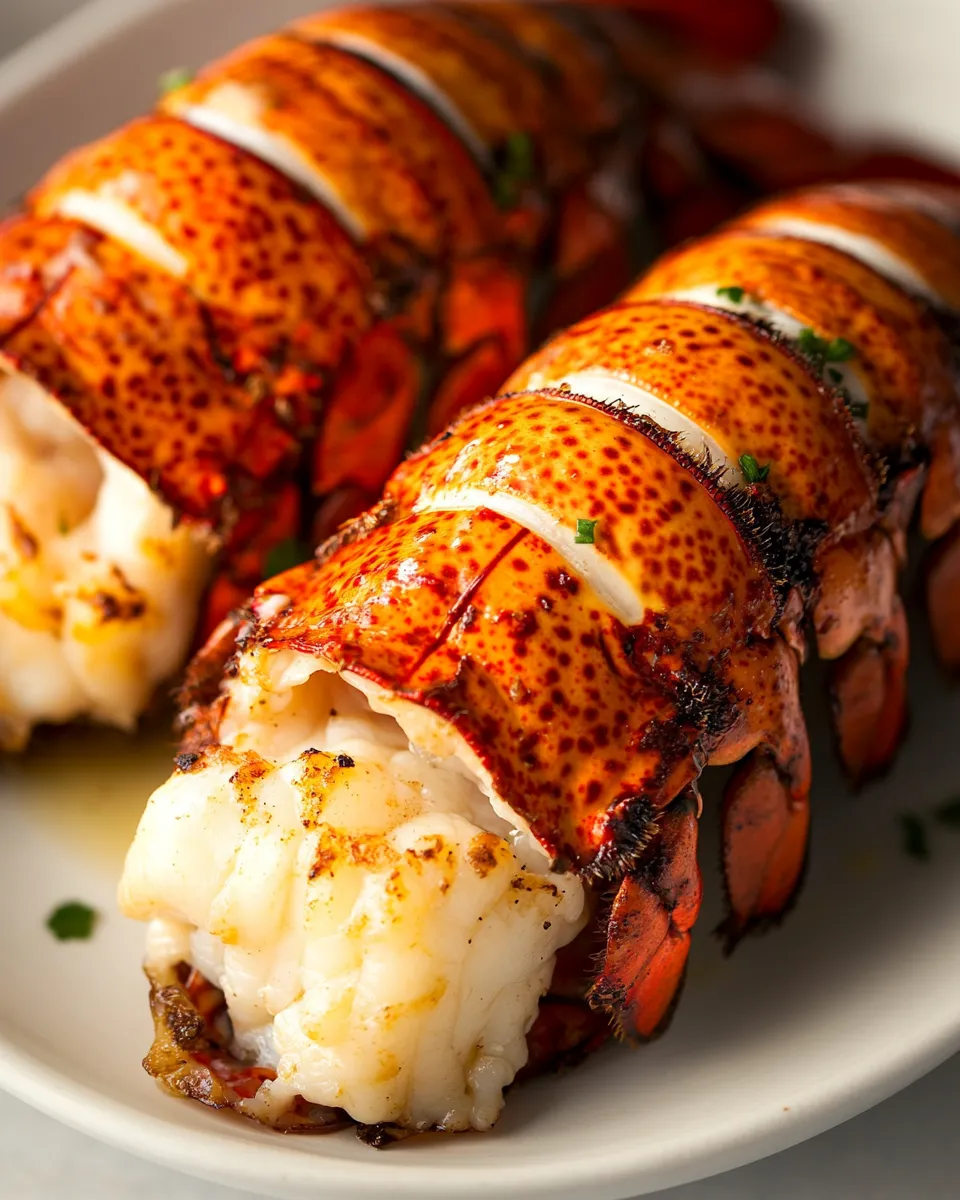
Is It Better To Boil Or Bake Lobster Tails?
I get asked all the time whether boiling or baking lobster tails yields the best results. The honest answer: it depends on what you want from the lobster — texture, flavor, convenience, and presentation all matter. Both methods have advantages and trade-offs, and I’ll walk you through how to butterfly and prepare lobster tails plus exactly what to expect from each cooking method.
Below you’ll find a practical comparison and step-by-step directions for baking, grilling, steaming, air-frying, and preparing lobster tails in the shell. I’ll also include equipment recommendations, common mistakes to avoid, and smart storage tips so your lobster tastes as good reheated as it does fresh.
No gimmicks—just straightforward techniques you can use tonight, whether you buy two fresh tails or pull a package from the freezer.
What You’ll Need
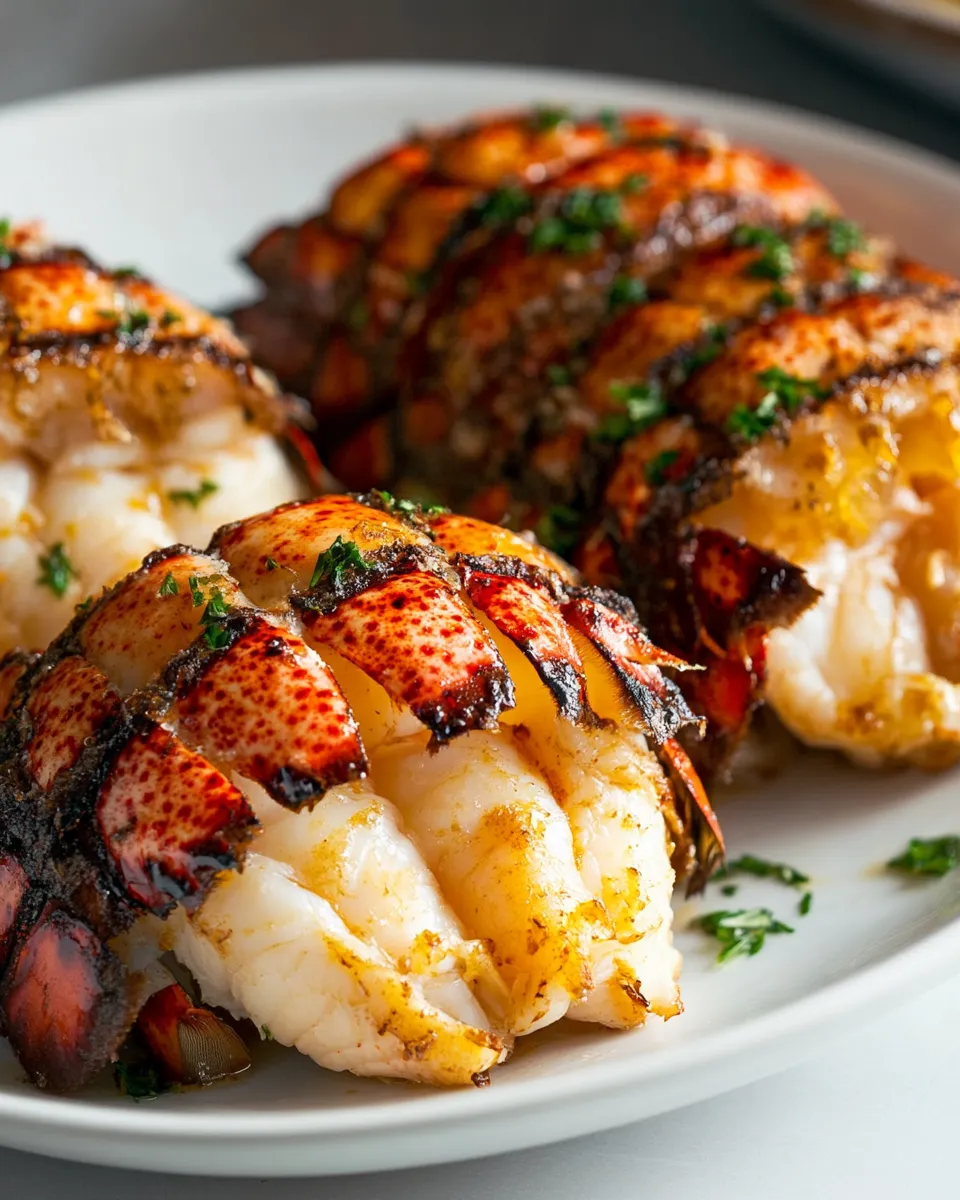
- 2 lobster tails — primary protein; size determines cook time (3–4 oz are small, 6–8 oz are large).
- 1 tablespoon butter or ghee — brush on the meat before cooking for flavor and moisture.
- Salt and pepper or Cajun seasoning — simple seasoning options; salt and pepper highlight the sweet meat, Cajun adds heat and complexity.
Directions: Is It Better To Boil Or Bake Lobster Tails?
Below are clear, step-by-step instructions for preparing and cooking lobster tails using the methods from the source directions. Follow the preparation steps first, then choose the cooking method you prefer.
Preparing (Butterflying or Opening the Shell)
- Use a sharp pair of kitchen shears to cut a seam down the top of each lobster tail toward the fin. Cut through the shell but avoid cutting the meat underneath.
- Gently pull at the seam to loosen the meat from the shell. Use your fingers to separate the tail meat from the inside of the shell, leaving the meat attached at the very base near the fin.
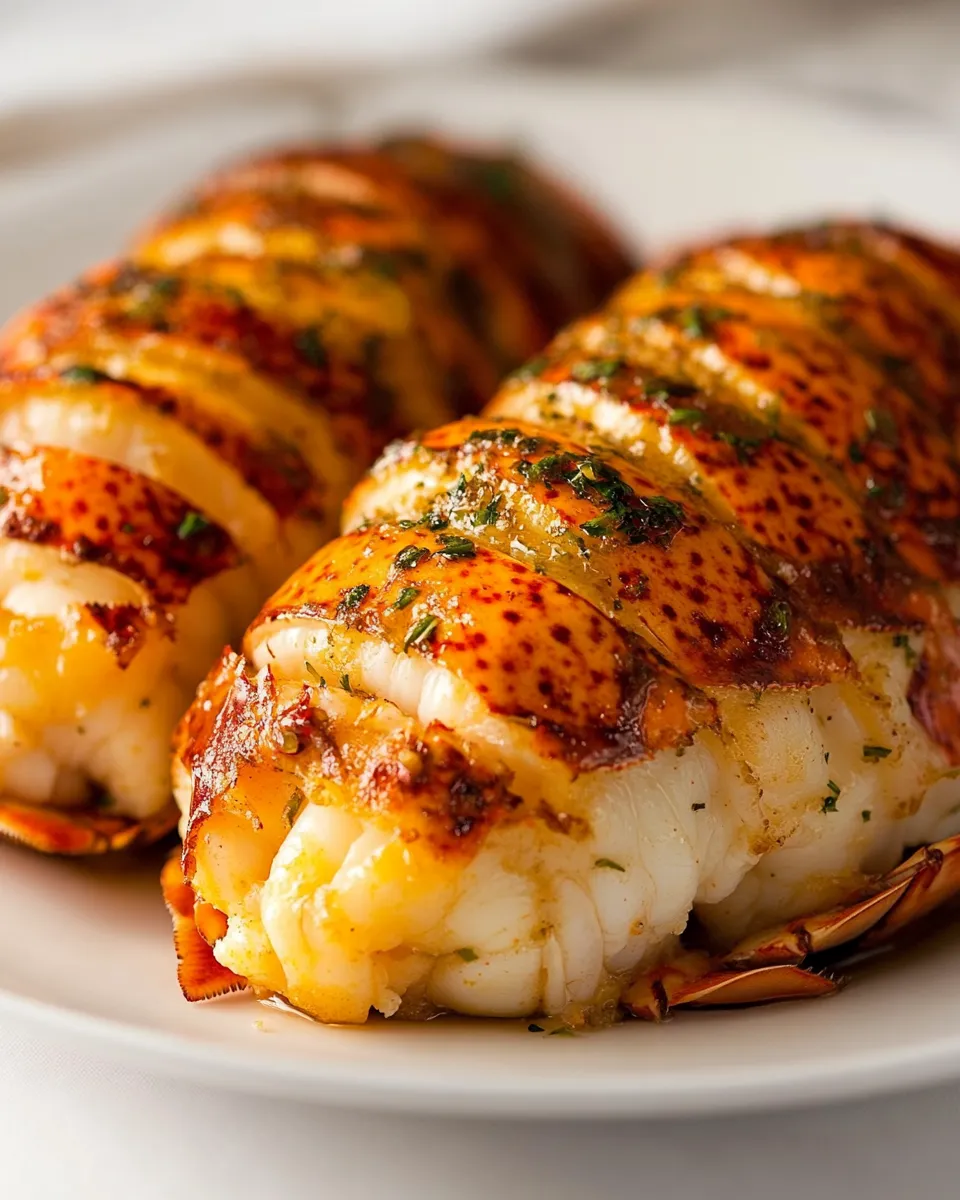
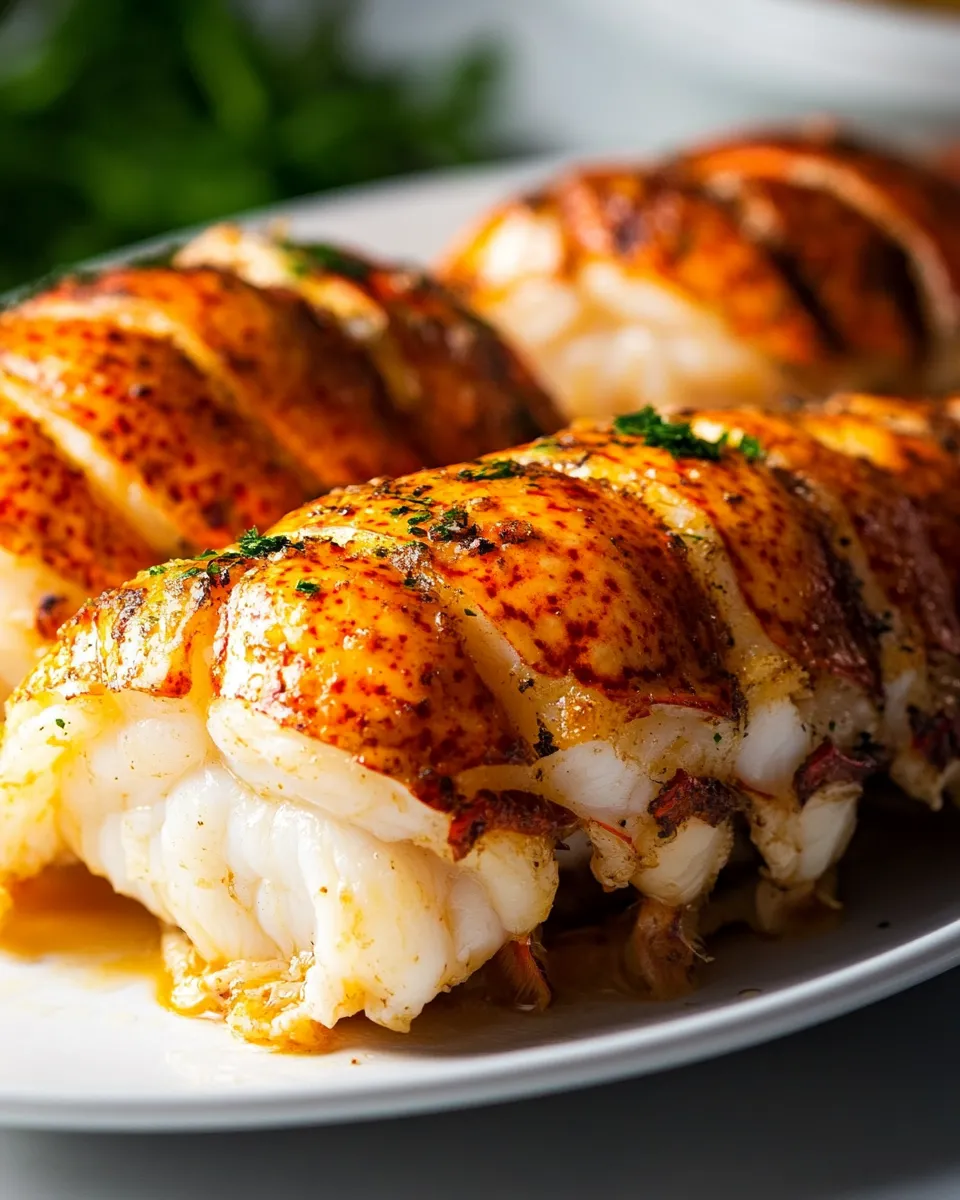
- Carefully lift the tail meat up and over the shell so the meat rests on top of the empty shell. This “butterfly” presentation keeps the meat protected while looking elegant. (If you prefer to cook in-shell without lifting the meat fully out, simply cut down the center of the shell and separate the meat from inside; that is sufficient.)
- Brush the exposed top of the lobster meat with the 1 tablespoon butter or ghee, then sprinkle with salt and pepper or Cajun seasoning to taste.
Baking
- Preheat your oven to 400°F.
- Place the prepared lobster tails on a rimmed baking sheet, meat-side up.
- When the oven is fully preheated, put the baking sheet in the oven.
- Bake small 3–4 ounce lobster tails for about 10 minutes; bake larger 6–8 ounce lobster tails for about 20 minutes. At the minimum time, check the internal temperature with a meat thermometer (target around 140–145°F) and add time in small increments as needed until done.
Grilling
- Leave the shells on when grilling to reduce flare-ups and protect the meat.
- Preheat the grill to 425°F.
- Place the lobster tails on the grill cut-side-down first. For small 3–4 ounce tails, grill cut-side-down for 3 minutes, then flip and grill an additional 1 minute. For larger 6–8 ounce tails, grill cut-side-down for 5 minutes, then flip and grill an additional 2–3 minutes.
- Remove from the grill when the meat is opaque and firm, and internal temperature reaches about 140–145°F.
Steaming (a close cousin to boiling)
- Set a large 6-quart sauce pot on the stovetop and place a steaming basket in the bottom.
- Fill the pot with about 1 inch of water, cover, and bring the water to a boil.
- Once boiling, place the prepared lobster tails in the steam basket and cover the pot.
- Steam small 3–4 ounce lobster tails for 5 to 6 minutes; steam larger 6–8 ounce tails for 8 to 9 minutes. The meat should be opaque and firm when done.
Air Frying
- Preheat the air fryer to 380°F.
- Place up to two prepared lobster tails in the air fryer basket, cut-side-up (brush with additional butter if desired before placing them in).
- Air fry small 3–4 ounce lobster tails for 3 to 5 minutes. Air fry larger 6–8 ounce tails for 5 to 7 minutes.
- Check for doneness—meat should be opaque and slightly firm.
What You’ll Love About This Recipe
- Flexibility — multiple cooking methods to suit equipment and mood: oven, grill, steam, or air fryer.
- Quick prep — butterflying and seasoning take just a few minutes.
- Clean, sweet lobster flavor highlighted by simple butter and seasoning.
- Beautiful presentation when you butterfly the tail and rest the meat over the shell.
Swap Guide
- Butter or ghee — swap one-for-one with olive oil if you prefer a lighter, Mediterranean note (use the same amount: 1 tablespoon).
- Salt and pepper — swap for a seafood seasoning blend or Old Bay for a slightly different flavor profile.
- Cooking method — if you don’t have an oven, use the grill, steam, or air fryer times listed above based on tail size.
Must-Have Equipment
- Sharp kitchen shears — essential for cleanly cutting the shell and butterflying the tail.
- Rimmed baking sheet — for neat baking and catching any butter drips.
- Meat thermometer — the most reliable way to avoid overcooking; aim for ~140–145°F.
- 6-quart pot with steaming basket — required if you choose to steam.
- Air fryer (optional) — great for fast, hands-off cooking with a slightly roasted finish.
What Not to Do
- Don’t overcook — lobster quickly turns rubbery when cooked past the right point. Check earlier rather than later.
- Don’t skip buttering — that layer adds flavor and helps the meat stay juicy under direct heat.
- Don’t grill directly over high flames without the shell — flare-ups can char delicate meat.
- Don’t assume cook times are exact — tail size varies; use a thermometer or visual cues (opaque, firm) to confirm.
Dietary Swaps & Alternatives
- Butter/ghee — substitute with a dairy-free vegan butter or extra-virgin olive oil to make the dish dairy-free.
- Seasoning — use a salt-free seasoning blend if you need to limit sodium; citrus zest can boost flavor without salt.
- Protein alternative — if you want a similar texture but not shellfish, try large shrimp or scallops with comparable timing and a bit less cook time.
Pro Tips & Notes
- Size matters — categorize tails as 3–4 oz (small) or 6–8 oz (large) and follow the timing guidelines accordingly.
- Thermometer first — target internal temperature around 140–145°F to keep lobster tender and safe.
- Rest briefly — give cooked tails 1–2 minutes before serving to let juices settle.
- Finish with acid — a squeeze of lemon brightens the rich buttered meat.
- Presentation trick — after butterflying, lay the meat over the shell and add a small parsley or chive sprinkle for color.
Storage Pro Tips
- Refrigerate leftovers within two hours in an airtight container for up to 2 days.
- To reheat, use low heat: steam gently or warm in a 275°F oven until just heated through to avoid drying out.
- Freeze cooked tails in airtight packaging for up to 3 months; thaw in the refrigerator overnight before reheating gently.
Top Questions & Answers
- Is boiling better than baking for lobster tails? Boiling (or steaming) cooks quickly and gently, producing tender meat. Baking offers a slightly roasted flavor and hands-off convenience; choose based on texture and flavor preference.
- How do I avoid rubbery lobster? Don’t overcook. Use size-based timing and a thermometer. Remove from heat once the meat is opaque and reaches ~140–145°F.
- Can I grill lobster tails directly over flame? Yes, but keep the shell on to prevent flare-up damage. Grill cut-side-down first as directed, then flip and finish briefly.
- Should I butter before or after cooking? Brush with butter before cooking to protect and flavor the meat. You can add an extra pat after cooking for richness.
- How do I butterfly a frozen tail? Thaw in the refrigerator first. Then use the same shears technique to cut the shell and lift the meat.
See You at the Table
Both boiling/steaming and baking (plus grilling and air-frying) are valid, delicious ways to cook lobster tails. Steaming gives the tenderest bite; baking adds a gentle roast; grilling gives char and smoke; air-frying is fast and convenient. Pick the method that matches your dinner plans, follow the clear timing guidelines above, and you’ll have restaurant-worthy lobster at home.
If you try this, tell me which method you went with and how it turned out—I always love hearing which technique becomes a new weeknight favorite.
Is It Better To Boil Or Bake Lobster Tails?
Ingredients
- 2 lobster tails
- 1 tablespoon butter or ghee melted
- salt and pepper or Cajun seasoning to taste
Instructions
- Prepare the lobster tails by butterflying: use kitchen shears to cut down the top center of the shell toward the fin, then gently separate the meat from the shell leaving it attached at the base.
- Lift the meat up and lay it over the shell for presentation, or leave it inside the shell if you prefer to cook that way.
- Brush the exposed lobster meat with the melted butter or ghee and season with salt and pepper or Cajun seasoning.
- To bake: preheat the oven to 400°F, place prepared tails on a rimmed baking sheet, and bake small 3–4 oz tails about 10 minutes or larger 6–8 oz tails about 20 minutes; check with a meat thermometer and add time if needed.
- To grill: preheat the grill to 425°F, grill cut-side-down until lightly charred (small tails ~3 minutes, large ~5 minutes), then flip and finish cooking (small +1 minute, large +2–3 minutes).
- To steam: add 1 inch of water to a 6-quart pot with a steaming basket, bring to a boil, place tails in the basket, cover, and steam small tails 5–6 minutes or larger tails 8–9 minutes.
- To air fry: preheat the air fryer to 380°F, place tails cut-side-up in the basket, and air fry small tails 3–5 minutes or larger tails 5–7 minutes.
- Serve immediately with extra melted butter or your preferred condiments.
Equipment
- kitchen shears
- rimmed baking sheet
- Meat Thermometer
- grill or grill pan
- 6-quart pot with steaming basket
- Air Fryer
- basting brush
Notes
- Try Old Bay seasoning for a classic flavor.
- Fresh thyme or rosemary pairs well with lobster.
- Add lemon zest and garlic to melted butter for extra brightness.
- Use cayenne and smoked paprika for a spicy smoky kick.