
Easy Crescent Rolls
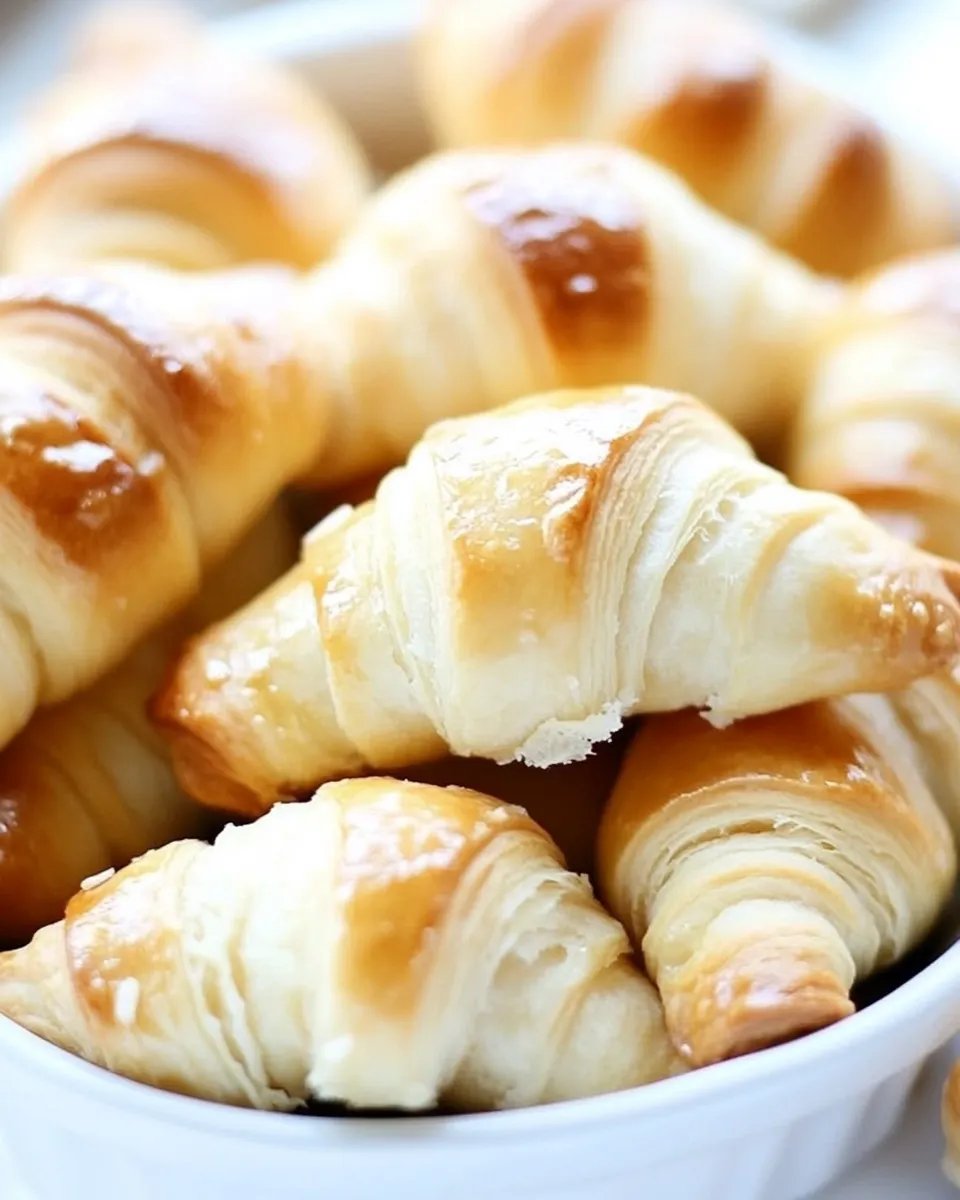
These crescent rolls are one of those recipes I keep returning to when I want warm, tender rolls without a fuss. The dough is enriched with eggs and butter, giving each roll a soft, slightly rich crumb and a beautiful golden finish. They take a bit of time to rise, but the active hands-on time is minimal, and the results are consistently comforting.
I’ve written the steps here so you can move confidently from measuring to the oven. The method follows a straightforward bread routine: mix, knead, rise, shape, a short proof, and bake. Little technique notes are woven into the directions to help you avoid common mistakes and speed bumps.
Make these for a weekend brunch, alongside soup for dinner, or any time you want fresh rolls. They store well, too, and reheat beautifully. Below you’ll find the ingredient list, practical instructions, troubleshooting tips, substitution ideas, and storage advice.
Ingredients at a Glance
- 3 1/2 cups all-purpose flour — provides structure; measure by spooning into the cup and leveling for best results.
- 25 g (1 oz) active dry yeast — gives the dough its rise; proof in warm water to activate.
- 1/3 cup water, warm — used to dissolve the yeast; should be warm, not hot (about 100–110°F / 38–43°C).
- 3/4 cup milk, warm — enriches the dough and feeds yeast; warm to match the water temperature.
- 1 1/2 tablespoons sugar — feeds the yeast and adds slight sweetness to the roll.
- 2 eggs — add richness, color, and tenderness to the crumb.
- 1 teaspoon salt — balances flavor; do not omit.
- 4 tablespoons butter, softened — incorporated into the dough for tenderness and flavor.
- 4 tablespoons butter — used to spread over the rolled discs before cutting into triangles; should be very soft.
- 1 1/2 tablespoons butter, melted — brushed on the tops before baking for color and flavor.
Directions: Crescent Rolls
- Prepare the yeast: Pour 1/3 cup warm water into a small bowl, sprinkle in the 25 g (1 oz) active dry yeast and 1/2 teaspoon of the sugar (from the 1 1/2 tablespoons). Stir gently and let sit for 5 to 10 minutes until foamy. If it doesn’t foam, the yeast may be inactive—use fresh yeast.
- Combine dry ingredients: In a large mixing bowl, whisk together 3 1/2 cups all-purpose flour, the remaining sugar (about 1 tablespoon), and 1 teaspoon salt to evenly distribute the salt.
- Add wet ingredients: Make a well in the flour mixture and add the foamy yeast mixture, 3/4 cup warm milk, and 2 eggs. Use a wooden spoon or dough hook on low speed to bring the ingredients together until a shaggy dough forms.
- Incorporate the butter: Add 4 tablespoons softened butter to the dough. If using a mixer, switch to a medium-low speed and mix until the butter is fully incorporated. If kneading by hand, turn the dough onto a lightly floured surface and knead while gradually working the butter into the dough until smooth.
- Knead until smooth and soft: Continue kneading (by hand or mixer) for about 6–8 minutes total, until the dough is smooth, slightly tacky, and elastic. Avoid adding extra flour unless the dough is unmanageably sticky.
- First rise: Lightly oil the inside of the large bowl, place the dough back inside, and cover with a clean towel. Let it rise in a warm, draft-free spot for about 1 hour, or until doubled in size.
- Punch and divide: After the dough has doubled, gently punch it down to release air. Divide the dough into 2 equal pieces and shape each into a ball.
- Roll the discs: On a lightly floured surface, roll one dough ball into a round about 16 to 17 inches (40–43 cm) in diameter. Repeat with the second ball. Keep the rounds covered while you work to prevent drying.
- Spread the butter: Using the back of a spoon or an offset spatula, spread about 2 tablespoons of very soft butter evenly over each dough round. The butter should be spread thinly but cover the surface to help separate layers when rolled.
- Cut into triangles: Using a pizza cutter or pastry wheel, cut each round into 16 equal triangles (for a total of 32 rolls). Aim for even triangles so baking time and size are consistent.
- Roll into crescents: Starting at the wide end of a triangle, roll toward the tip to form a crescent. Curve the edges slightly and tuck the tip down under the roll to prevent unrolling during baking. Place each roll on a parchment-lined baking sheet with space between them for a short rise.
- Second rise: Allow the shaped rolls to rise, uncovered, for about 20 minutes at room temperature. They should puff slightly but won’t double.
- Brush with melted butter: While the rolls are proofing, melt 1 1/2 tablespoons butter. After the 20-minute rise, brush the tops of the rolls lightly with the melted butter for a golden finish.
- Bake: Preheat the oven to 400°F (200°C). Bake the crescent rolls for 14–18 minutes, or until puffed and deep golden brown.
- Cool and serve: Remove the tray from the oven and transfer the rolls to a wire rack. Let them cool for a few minutes to set before serving warm.
What Makes This Recipe Special
This recipe balances a tender, enriched dough with a straightforward shaping method. The dough uses both eggs and a generous amount of butter incorporated into the dough and brushed on the rounds—this double butter treatment yields soft layers and a buttery flavor without the complicated laminating steps of croissant dough. The shaping into 16 triangles per disc gives small, bakery-style rolls that are great for individual servings and quick to bake.
Texture-Safe Substitutions

- All-purpose flour — For slightly chewier rolls, you can substitute up to half with bread flour; texture will be a bit denser if you use only bread flour.
- Active dry yeast — Instant yeast can be used at the same weight without proofing; mix it with the dry ingredients and add the warm liquids.
- Milk — Use a milk alternative like oat or almond milk warmed to the same temperature; flavor and tenderness will be slightly different but still pleasant.
- Butter — For dairy-free, use a block-style vegan butter in the same amounts; results are similar in texture when the vegan butter is workable.
What’s in the Gear List
- Large mixing bowl — for combining and the first rise.
- Measuring cups and spoons — accurate measurement matters for consistent results.
- Kitchen scale (optional) — I recommend weighing the yeast and flour for exactness if you have one.
- Rolling pin — to roll the dough into 16–17″ discs.
- Pizza cutter or pastry wheel — for clean, even triangle cuts.
- Baking sheet and parchment paper — prevents sticking and aids browning.
- Wire rack — for cooling the rolls so they don’t steam underneath.
- Dough scraper (optional) — helpful for dividing and handling sticky dough.
Common Errors (and Fixes)
- Problem: Dough doesn’t rise. Fix: Check the yeast—if it didn’t foam when mixed with warm water and a pinch of sugar, the yeast may be dead. Try fresh yeast and ensure liquids are warm, not hot.
- Problem: Rolls are dense. Fix: Don’t add extra flour while kneading unless necessary. Knead until elastic but still slightly tacky. Also ensure adequate first rise time; a cool room will slow fermentation.
- Problem: Tips unroll during baking. Fix: Tuck the tip under each roll firmly and press slightly. Also shape rolls with the seam side down on the tray so they stay closed.
- Problem: Over-browned tops but underbaked inside. Fix: Reduce oven rack height or cover loosely with foil halfway through baking; confirm oven temperature with an oven thermometer.
In-Season Flavor Ideas
These crescent rolls are a great canvas for seasonal flavors. In spring, fold in a little lemon zest into the softened butter before spreading. Summer berries pair well with a softened butter and honey drizzle when serving. In fall, brush rolls with a cinnamon butter (mix softened butter with a pinch of cinnamon and brown sugar) before rolling. For winter holidays, mix a teaspoon of finely grated orange zest into the dough or add a thin spread of jam to each triangle before rolling for a sweet, festive option.
Notes on Ingredients
Active dry yeast at 25 g (1 oz) is a relatively generous amount, which gives a reliable, quick rise in about an hour. If you’re using instant yeast, you can use the same weight but mix it into the dry ingredients rather than proofing. Warm liquids should be pleasantly warm to the touch — roughly 100–110°F (38–43°C). Too hot and you’ll kill the yeast; too cool and the yeast won’t activate properly.
The recipe calls for butter in three forms: softened butter folded into the dough, very soft butter spread over the rolled discs, and melted butter brushed before baking. Each application contributes to tenderness, layered texture, and a glossy, golden crust. If using salted butter, reduce added salt slightly to avoid overly salty rolls.
Save for Later: Storage Tips
- Room temperature: Store cooled rolls in an airtight container at room temperature for up to 2 days. Rewarm briefly in a 300°F (150°C) oven for 5–7 minutes.
- Refrigerator: Refrigeration will dry them out faster; only refrigerate if you’ve filled them with perishable fillings. In that case, store in an airtight container for up to 3 days.
- Freezer: Freeze cooled rolls in a single layer on a tray until firm, then transfer to a freezer bag for up to 2 months. Reheat from frozen in a 350°F (175°C) oven for 12–15 minutes, tenting with foil if they brown too quickly.
Handy Q&A
Q: Can I make the dough the night before?
A: Yes. After kneading, place the dough in a lightly greased bowl, cover tightly, and refrigerate overnight. Bring to room temperature and allow it to finish rising until doubled before proceeding to divide, roll, and shape.
Q: How can I tell when the dough has risen enough?
A: The first rise should roughly double in size and hold a slight indent when you press gently with a finger. The second, 20-minute rise is just a gentle puffing; the rolls don’t need to double again.
Q: Can I make fewer, larger rolls?
A: Yes. Divide each disc into fewer triangles for larger rolls. Baking time will increase—the rolls are done when they’re puffed and deep golden brown in the center.
Final Thoughts
These crescent rolls are straightforward, forgiving, and versatile. Once you’ve made them a couple times, you’ll get a feel for the dough’s texture and the right timing for your kitchen. The recipe produces tender, buttery rolls with a golden finish and a lovely homemade aroma that fills the house. Keep a batch-ready in the freezer for quick warm rolls any time. Happy baking—and enjoy the simple pleasure of fresh, homemade rolls.

Easy Crescent Rolls
Ingredients
- 3 1/2 cups all-purpose flour
- 25 g active dry yeast (1 oz)
- 1/3 cup water warm
- 3/4 cup milk warm
- 1 1/2 tablespoons sugar
- 2 eggs
- 1 teaspoon salt
- 4 tablespoons butter softened (for dough)
- 4 tablespoons butter very soft, for spreading on dough rounds
- 1 1/2 tablespoons butter melted, for brushing tops
Instructions
- In a large bowl, whisk together the flour, sugar, and salt.
- Dissolve the yeast in the warm water until it begins to foam, then add it to the flour mixture.
- Add the warm milk and eggs, then mix until a shaggy dough forms.
- Work in the softened butter and knead the dough by hand or with a mixer until smooth and soft, about 8–10 minutes.
- Cover the bowl with a clean towel and let the dough rise in a warm spot until doubled in size, about 1 hour.
- Punch the dough down and divide it into two equal pieces; form each piece into a ball.
- On a lightly floured surface, roll each ball into a round about 16–17 inches (40–43 cm) in diameter.
- Spread about 2 tablespoons of very soft butter over each dough round using the back of a spoon.
- Cut each round into 16 equal triangles using a pizza cutter or sharp knife.
- Roll each triangle from the wide end toward the tip to form crescents, tuck the tip under, and place on a parchment-lined baking sheet with the ends curved under.
- Let the shaped rolls rise for about 20 minutes while you preheat the oven to 400°F (200°C).
- Brush the tops of the risen rolls with the melted butter.
- Bake for 14–18 minutes, until the rolls are puffed and golden brown.
- Remove from the oven and transfer to a wire rack to cool for a few minutes before serving.
Equipment
- large mixing bowl
- Measuring cups and spoons
- Rolling Pin
- pizza cutter or sharp knife
- Baking Sheet
- Parchment Paper
- Wire Rack
Notes
- The warm liquids should be comfortable to the touch, not hot.
- Knead until the dough is smooth and elastic.
- Do not over-flour the surface when rolling.
- Tuck the tip under each roll to prevent unrolling while baking.