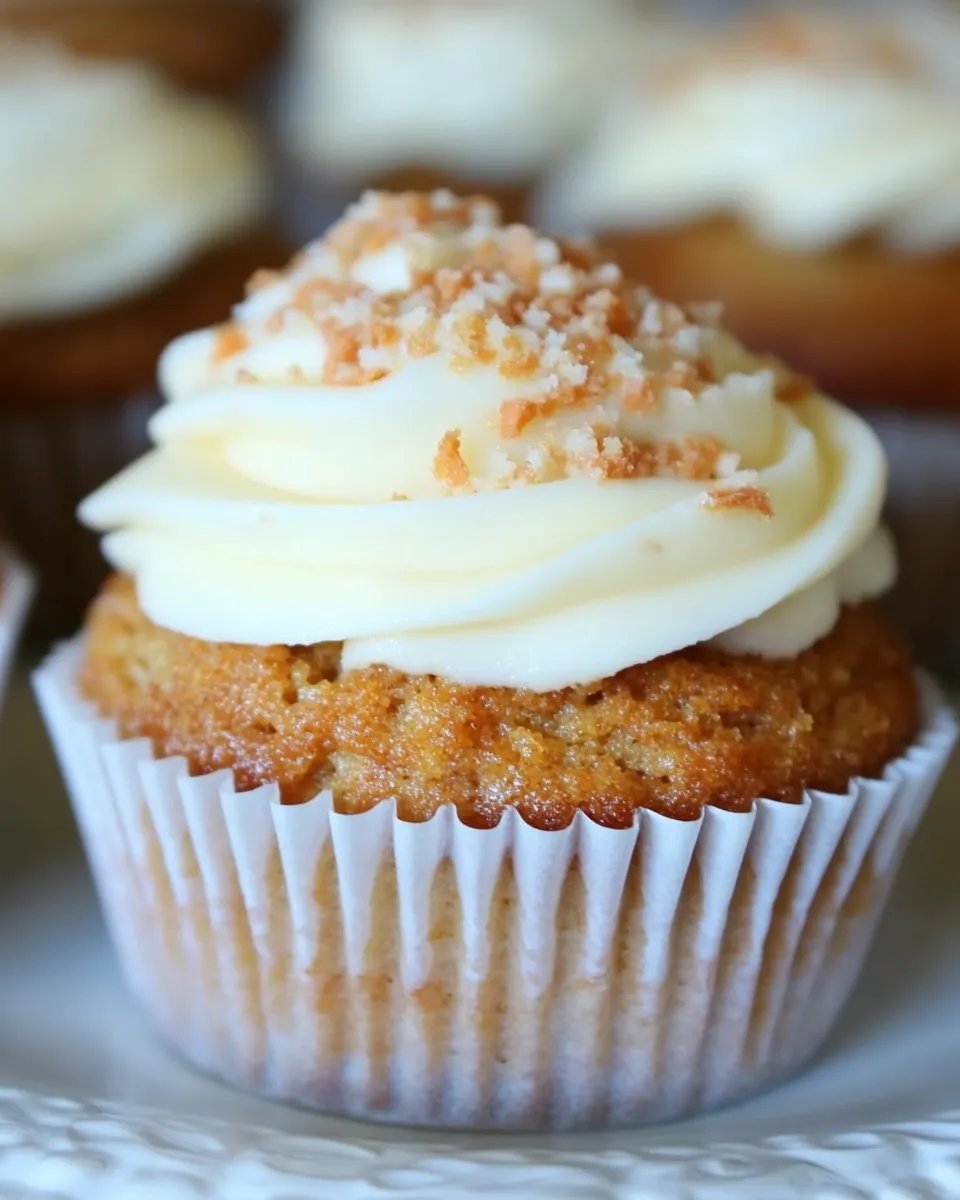
Carrot Cupcakes with Cream Cheese Frosting
These carrot cupcakes are a reliable weeknight bake that requires no heroic effort and delivers comforting results. They’re moist, mildly spiced, and built around simple pantry ingredients so you can pull them together without a special trip to the store. The cream cheese frosting balances sweetness with a bit of tang, and it’s easy to pipe or spread.
I test recipes in a busy home kitchen, so this version prioritizes clarity and small practical fixes to make success almost inevitable. The instructions keep the original quantities and order but translate them into clear, stepwise actions. Expect a dozen tender cupcakes that stay soft for several days when stored properly.
If you like, swap the oil or adjust the frosting texture (notes below). Read the gear and pitfalls sections before you start; a few small choices—how you measure flour, how long you beat the batter—change the final texture more than you might expect.
What’s in the Bowl
Ingredients
- 1 cup flour — provides structure; spoon and level for accurate measurement.
- 2 cups grated carrots — the cake’s moisture and flavor; grate finely for even texture.
- 2/3 cup oil of choice — keeps cupcakes tender; coconut oil works if you want a slightly healthier/firmer fat.
- 2/3 cup sugar — sweetens and helps with browning; granulated sugar is assumed.
- 2 eggs — binders that add lift and richness; use room temperature for best incorporation.
- 1 teaspoon powdered cinnamon — warm spice; adds classic carrot-cake flavor.
- 1 teaspoon baking soda — main leavening; ensures rise.
- 1/2 teaspoon baking powder — supplemental lift for lightness.
- 1/4 teaspoon salt — balances and enhances sweetness.
- 1/2 cup cream cheese, at room temperature — base of the frosting; soft but not melting.
- 1/4 cup butter, at room temperature — adds creaminess to frosting; use unsalted for control.
- 1 1/2 cups powdered sugar — sweetens and thickens the frosting.
- 2 tablespoons heavy cream, optional — loosens frosting if needed for piping or spreading.
- 1 teaspoon vanilla extract — flavor boost for the frosting.
Carrot Cupcakes with Cream Cheese Frosting — Do This Next
- Heat the oven to 350°F (175°C). Grease a 12-cup muffin tin or line with cupcake liners and set it aside so it’s ready when the batter is mixed.
- In a large bowl, crack and briefly beat the 2 eggs just until combined—about a few seconds. You want them mixed but not fluffy.
- Gently stir the 2 cups grated carrots and 2/3 cup oil into the beaten eggs until evenly distributed.
- Add the remaining dry ingredients to the bowl: 1 cup flour, 2/3 cup sugar, 1 teaspoon powdered cinnamon, 1 teaspoon baking soda, 1/2 teaspoon baking powder, and 1/4 teaspoon salt. Stir to combine with about 8–12 gentle strokes—enough to moisten everything but not to overmix. The batter should be cohesive and thick but pourable.
- Divide the batter into the prepared muffin tin, filling each cup to roughly two-thirds full. This gives the cupcakes room to rise without spilling over.
- Bake in the preheated 350°F oven for 18–20 minutes. Check at 18 minutes: a toothpick inserted in the center should come out clean or with a few moist crumbs, not wet batter. The tops should be lightly golden.
- Remove the cupcakes from the oven and let them cool in the pan for at least 10 minutes. Transfer them to a wire rack to finish cooling until they are cool to the touch before frosting.
- For the frosting, place 1/2 cup room-temperature cream cheese, 1/4 cup room-temperature butter, and 1 teaspoon vanilla extract in a blender or bowl. Beat until smooth and fluffy.
- Gradually add 1 1/2 cups powdered sugar to the cream cheese mixture, beating until incorporated. If the frosting is too stiff for your preferred texture, add up to 2 tablespoons heavy cream, 1 tablespoon at a time, and beat until it reaches a light, spreadable consistency.
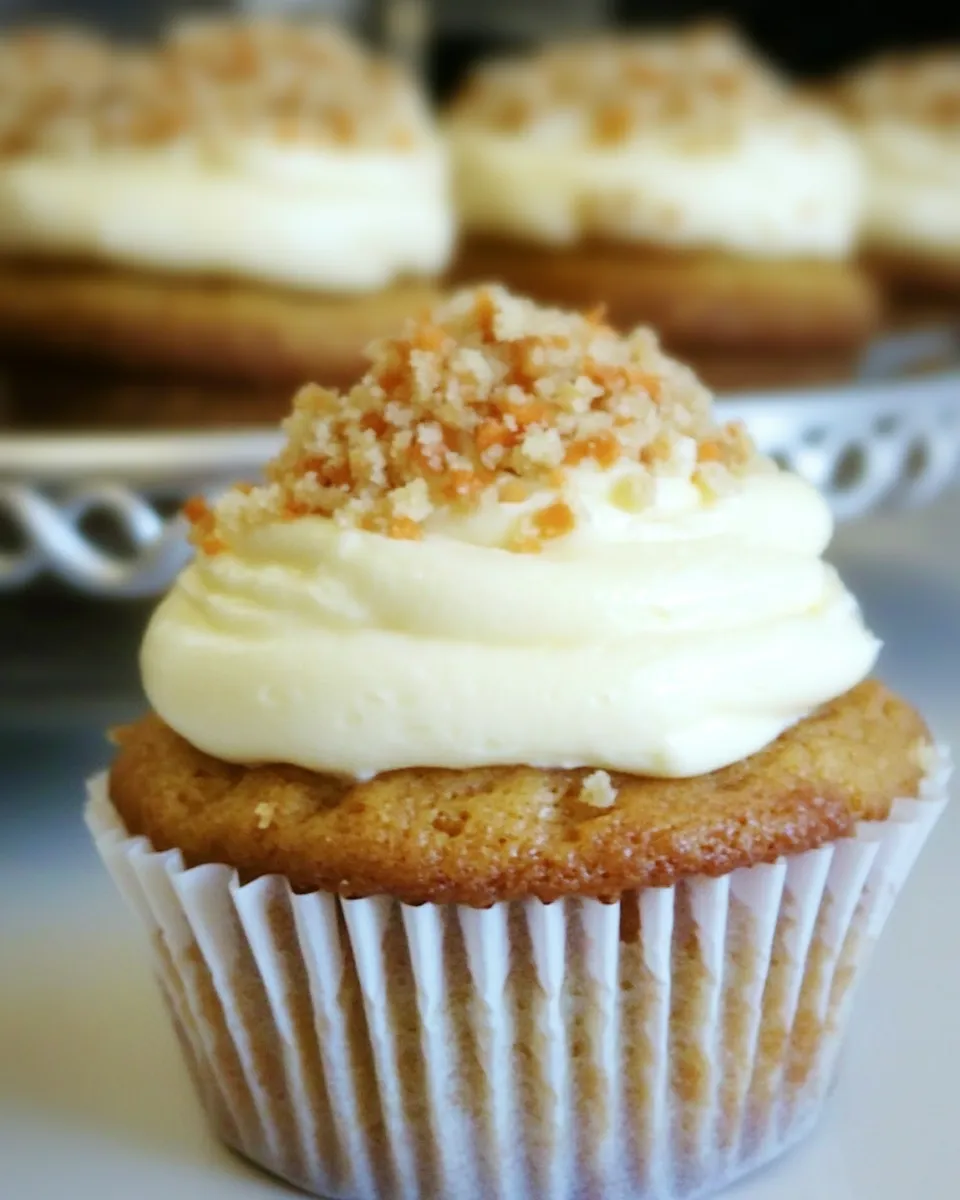
- Once cupcakes are fully cooled, frost them using a piping bag, a zip-top bag with the corner snipped, or a spoon. Store as below.
What Sets This Recipe Apart
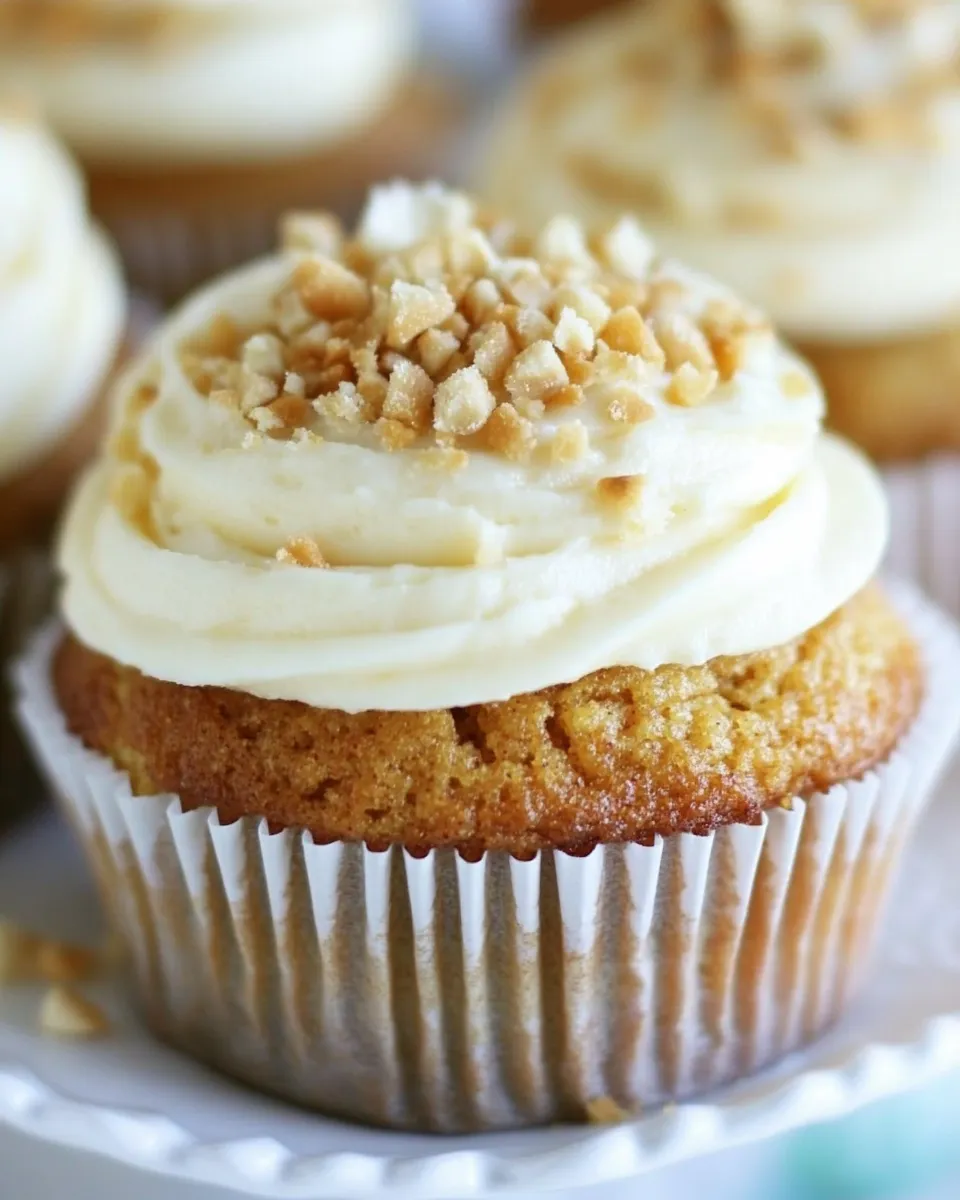
This recipe keeps things straightforward: a single-bowl batter, minimal mixing, and conventional oven timing. The carrot-to-flour ratio (2 cups carrots to 1 cup flour) makes these especially moist without relying on nuts or crushed pineapple. The frosting uses a modest amount of butter so the cream cheese flavor remains forward and pleasantly tangy.
Dairy-Free/Gluten-Free Swaps
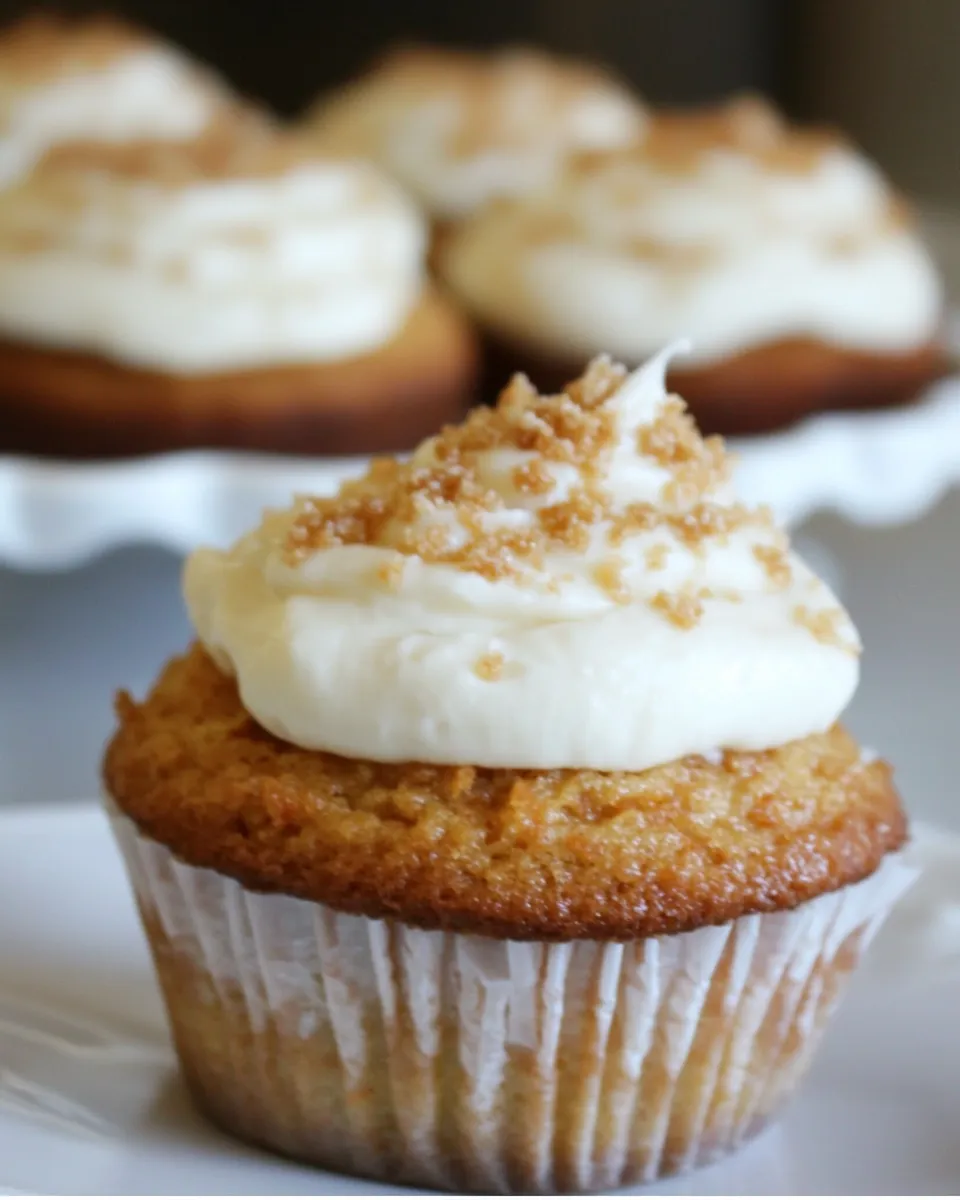
- For dairy-free frosting: replace cream cheese and butter with equal amounts of dairy-free cream cheese and vegan butter; check sweetness and texture and add plant-based milk if needed.
- For gluten-free cupcakes: use a 1:1 gluten-free flour blend that includes xanthan gum and measure by spooning into the cup to avoid dense results.
- Oil swap: the recipe already allows oil of choice—use neutral vegetable oil or light olive oil for similar results; coconut oil will add a subtle flavor.
Gear Checklist
- 12-cup muffin tin or cupcake liners — standard size.
- Mixing bowl and spoon or spatula — you’ll mix gently, so a bowl and sturdy spoon are fine.
- Grater — for finely grating the carrots.
- Hand mixer, stand mixer, or blender — for frosting; a bowl and whisk work but take more elbow grease.
- Measuring cups and spoons — accurate measuring helps the texture.
- Wire cooling rack — helps cupcakes cool quickly and evenly.
Pitfalls & How to Prevent Them
Dense or heavy cupcakes
- Don’t overmix the batter after adding flour. Mix just until combined—about 8–12 strokes. Overworking develops gluten and produces dense cupcakes.
Gummy center or underbaked
- Check at 18 minutes with a toothpick. If it comes out with wet batter, bake for one to two more minutes and check again.
Soggy or runny frosting
- Use room-temperature cream cheese and butter; if frosting is too soft, chill briefly. If too stiff, thin with the optional heavy cream 1 tablespoon at a time.
Make It Year-Round
These cupcakes travel well through seasons. In spring and summer, top with lightly sweetened whipped cream cheese and fresh citrus zest (orange or lemon) for brightness. In fall and winter, increase the cinnamon to 1 1/2 teaspoons or add a pinch of ground nutmeg and top with toasted walnuts for texture.
Insider Tips
- Grate carrots on the small side of the box grater so they distribute evenly and keep the crumb tender.
- Room-temperature eggs incorporate more easily into the batter; if you forgot to bring them to room temp, run them under warm tap water for a minute.
- When filling liners, use an ice-cream scoop or spoon to portion evenly and avoid overfilling.
- For clean piping, chill the frosting 10–15 minutes if it’s very soft; it firms slightly and holds peaks better.
Make-Ahead & Storage
- Unfrosted cupcakes: store in an airtight container at room temperature for up to 2 days, or freeze for up to 1 month. Thaw at room temperature before frosting.
- Frosted cupcakes: keep refrigerated in a single layer in an airtight container for 3–4 days because of the cream cheese in the frosting. Bring to room temperature before serving for best texture.
- Frosting: store any leftover frosting in an airtight container in the fridge for up to 5 days. Whisk briefly before using; add a splash of heavy cream if needed to loosen.
Ask the Chef
Q: Can I add nuts or raisins? A: Yes—if you want to add 1/2 cup chopped walnuts or 1/2 cup raisins, fold them in at the same step you combine the dry ingredients with the carrot mixture. Be mindful that add-ins can change texture and moisture slightly.
Q: Why both baking soda and baking powder? A: Baking soda activates with the acidic elements (if any) and gives initial lift; baking powder provides additional lift for a lighter crumb. The combined small amounts keep the cupcake rise balanced.
Make It Tonight
Ready to bake tonight? Preheat your oven to 350°F, grate two cups of carrots, and gather the measured ingredients. Mix the batter in one bowl, bake for 18–20 minutes, and while they cool, whip up the frosting. In about an hour you’ll have a dozen homey cupcakes—warm, comforting, and perfect with a cup of tea or coffee.
Carrot Cupcakes with Cream Cheese Frosting
Ingredients
- 1 cup all-purpose flour
- 2 cups grated carrots
- 2/3 cup oil (of choice) coconut oil suggested for a healthier option
- 2/3 cup granulated sugar
- 2 eggs
- 1 teaspoon ground cinnamon
- 1 teaspoon baking soda
- 1/2 teaspoon baking powder
- 1/4 teaspoon salt
- 1/2 cup cream cheese at room temperature (for frosting)
- 1/4 cup butter at room temperature (for frosting)
- 1 1/2 cups powdered sugar for frosting
- 2 tablespoons heavy cream optional, for frosting consistency
- 1 teaspoon vanilla extract
Instructions
- Preheat the oven to 350°F (175°C). Grease a 12-cup muffin pan or line with cupcake liners and set aside.
- In a large bowl, beat the eggs briefly until combined. Stir in the grated carrots and the oil until evenly mixed.
- Add the flour, granulated sugar, cinnamon, baking soda, baking powder, and salt to the carrot mixture. Stir gently until just combined; do not overmix.
- Divide the batter evenly among the prepared muffin cups, filling each about two-thirds full.
- Bake for 18–20 minutes, or until the cupcakes are golden and a toothpick inserted into the center comes out clean. Remove from oven and cool in the pan for about 10 minutes, then transfer to a wire rack to cool completely.
- To make the frosting, beat the room-temperature butter and cream cheese together until smooth and fluffy. Add the vanilla, then gradually beat in the powdered sugar. Add the heavy cream 1 tablespoon at a time if needed to reach a spreadable consistency.
- Once cupcakes are completely cool, frost them with the cream cheese frosting using a piping bag, a zip-top bag with the corner snipped, or a spoon.
Equipment
- 12-cup muffin pan or silicone muffin pan
- Cupcake liners (optional)
- Mixing bowls
- Whisk or electric mixer
- Spatula
- Measuring cups and spoons
- Piping bag or zip-top bag (optional)
Notes
- Bring cream cheese and butter to room temperature for a smooth frosting.
- Do not overmix the batter to keep cupcakes tender.
- Fill liners about two-thirds full to prevent overflow.
- Use coconut oil if you prefer a slightly healthier oil option.