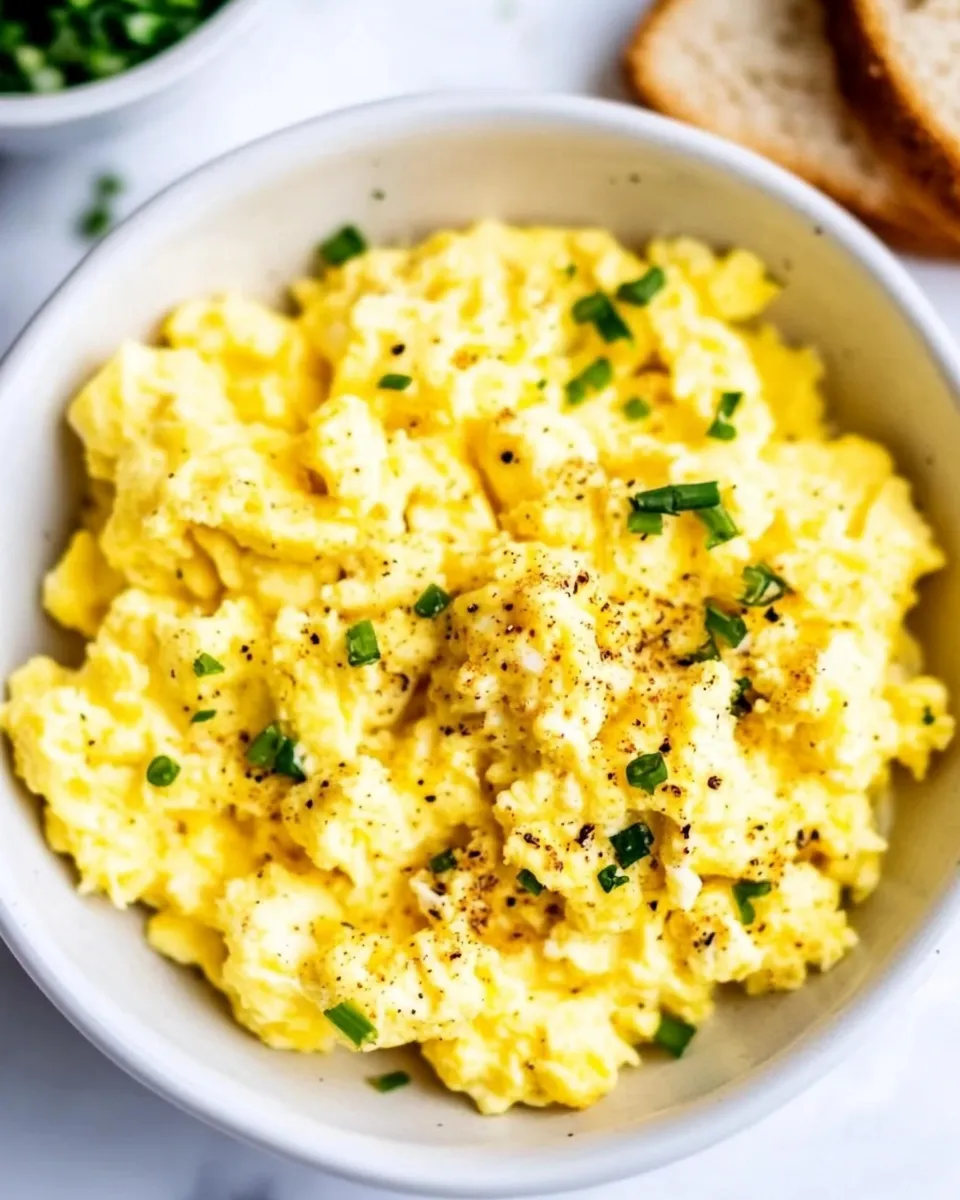
High-Protein Scrambled Eggs with Cottage Cheese
I make these scrambled eggs on mornings when I want something quick, satisfying, and higher in protein than plain eggs. They come together in minutes and have a tender, creamy texture thanks to the cottage cheese. No need for fancy techniques—just a few simple moves that reliably deliver soft, fluffy eggs.
This recipe is practical for busy weekdays or relaxed weekend breakfasts. The cottage cheese adds protein and a slight tang, and folding the curds into the eggs keeps the scramble moist without extra cream or milk. If you like a delicate, custardy scramble, this is a straightforward way to get there.
What You’ll Need
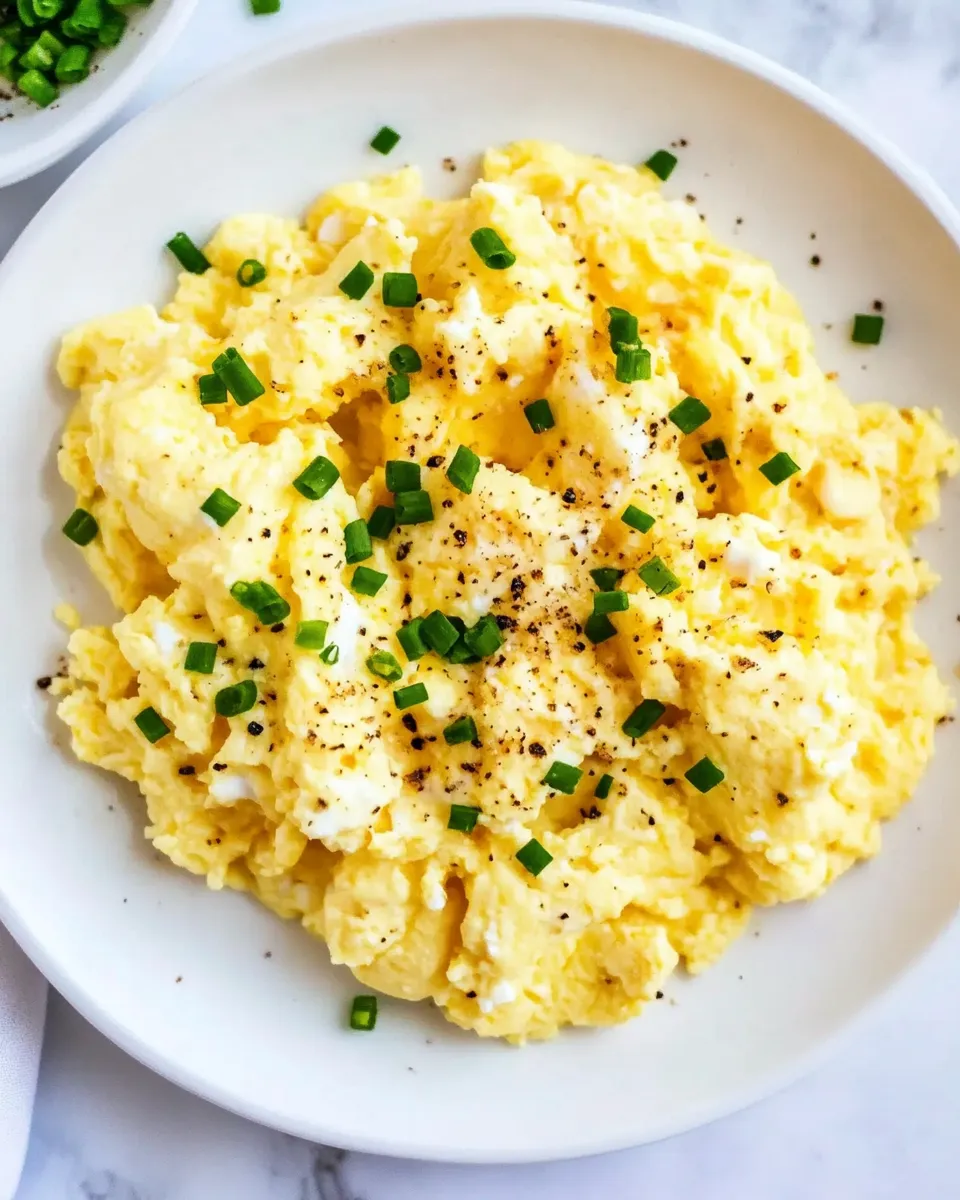
- 4 large eggs — the base; provides structure and protein.
- 1/2 cup 2% cottage cheese — adds creaminess, extra protein, and a bit of tang; I like Good Culture.
- 1/8 teaspoon kosher salt — seasons the eggs without overpowering them.
- Fresh ground black pepper — for finishing seasoning and a touch of bite.
- Olive oil spray — prevents sticking and keeps the pan light without excess oil.
Step-by-Step: High-Protein Scrambled Eggs with Cottage Cheese
Follow these steps in order. The timing is brief—most of the work is preparation.
- Crack the eggs into a medium bowl.
- Add the 1/2 cup 2% cottage cheese, 1/8 teaspoon kosher salt, and a few grinds of fresh black pepper to the bowl.
- Whisk the mixture with a fork until the yolks and whites are combined and the cottage cheese is dispersed; you should still see some curds from the cottage cheese—that’s fine and desirable for texture.
- Heat a medium nonstick skillet over medium-low heat. Spray the pan with olive oil spray so the surface is lightly coated.
- When the skillet is warm (not smoking), pour the egg-and-cottage-cheese mixture into the pan.
- Using a rubber spatula, slowly scrape sections of the eggs toward the center as the bottom begins to set. Work gently and consistently to form soft folds rather than large curds.
- Continue this folding motion for about 1 1/2 to 2 minutes total, until the eggs are just set but still glossy and moist. Remove the pan from the heat—carryover heat will finish them.
- Give a final taste and adjust with a little more fresh ground black pepper if desired, then serve immediately.
The Upside of High-Protein Scrambled Eggs with Cottage Cheese
This dish boosts protein without adding heavy dairy or long cooking times. The cottage cheese contributes casein protein, which digests more slowly than egg protein and helps keep you full. Texture-wise, the curds create tiny pockets of creaminess that make each bite interesting.
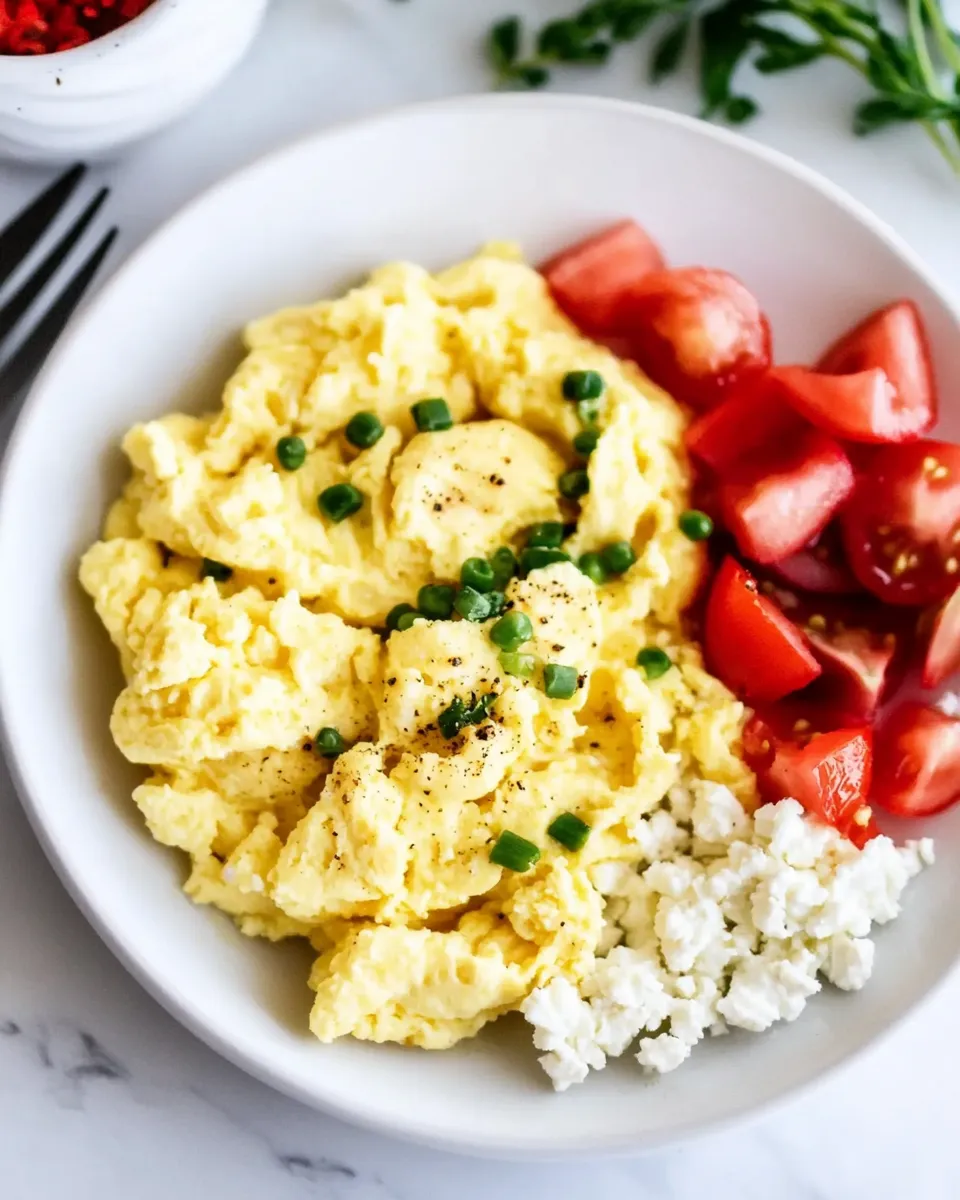
It’s pantry-friendly and adaptable: you can pair it with a slice of whole-grain toast, toss it into a breakfast bowl, or use it as a high-protein filling for a wrap. The simple seasoning keeps the eggs versatile for sweet or savory accompaniments.
No-Store Runs Needed
If you have eggs, a tub of cottage cheese, salt, pepper, and a nonstick skillet you’re already set—no extra shopping required. Olive oil spray can be swapped for a small drizzle of olive oil or a smear of butter if that’s what you have on hand.
What You’ll Need (Gear)
- Medium nonstick skillet — ensures even heat and easy turning; key for soft curds.
- Medium bowl — for whisking the eggs and cottage cheese together.
- Fork or whisk — a fork is fine and gives quick control.
- Rubber spatula — flexible edge helps form soft folds and scrape the pan clean.
- Olive oil spray — optional; any light oil or butter will work if you don’t have spray.
Common Errors (and Fixes)
- Pan too hot — eggs cook unevenly and become rubbery. Fix: lower the heat to medium-low and be patient; gentle heat yields a creamier result.
- Over-stirring — creates tiny, dry curds. Fix: scrape slowly and allow sections to set briefly before folding.
- Too much cottage cheese — can make eggs watery. Fix: stick to the 1/2 cup called for; if you prefer fewer curds, briefly drain excess liquid from the cottage cheese on a paper towel.
- Undercooking — runny eggs can be unappealing or unsafe for some eaters. Fix: remove at just-set stage and let carryover heat finish them for a minute.
Spring–Summer–Fall–Winter Ideas
Spring
- Fold in chopped fresh herbs like chives, parsley, or tarragon at the end for brightness.
- Serve with steamed asparagus or lightly dressed greens.
Summer
- Top with halved cherry tomatoes and basil; the acidity balances the creaminess.
- Serve on toasted sourdough with a drizzle of olive oil and flaky salt.
Fall
- Add a handful of sautéed spinach or mushrooms cooked separately and folded in.
- Pair with roasted autumn vegetables and a slice of grainy bread.
Winter
- Season with a pinch of smoked paprika or a few dashes of hot sauce for warmth.
- Serve alongside roasted root vegetables or a warm grain bowl for a hearty meal.
What Could Go Wrong
Overcooking is the most common problem—eggs can go from tender to dry in moments. Keep the heat gentle and remove from heat while they still look slightly glossy. Another issue is watery texture from cottage cheese with excess liquid; if that happens, drain or pat the cottage cheese before mixing. Lastly, cooking in a pan that’s not nonstick or not properly oiled can lead to sticking—use a nonstick skillet and a light spray or oil.
Save for Later: Storage Tips
Leftover scrambled eggs with cottage cheese can be refrigerated in an airtight container for up to 3 days. Reheat gently in a skillet over low heat, adding a splash of water or milk and stirring frequently to restore creaminess. Avoid reheating in the microwave at high power, which can make them rubbery—short bursts at lower power with brief stirring work better.
Quick Questions
- Can I use whole-milk cottage cheese? Yes. Texture will be slightly richer; keep the same amount.
- Can I double the recipe? Yes. Use a larger pan and cook in an even layer; you may need an extra minute on the heat but watch closely.
- Is 2% necessary? No—2% keeps a balance of creaminess and lower fat, but 1% or whole-milk cottage cheese both work.
- Can I make this ahead? You can cook and chill, but the texture is best fresh. Reheat gently as described above.
Serve & Enjoy
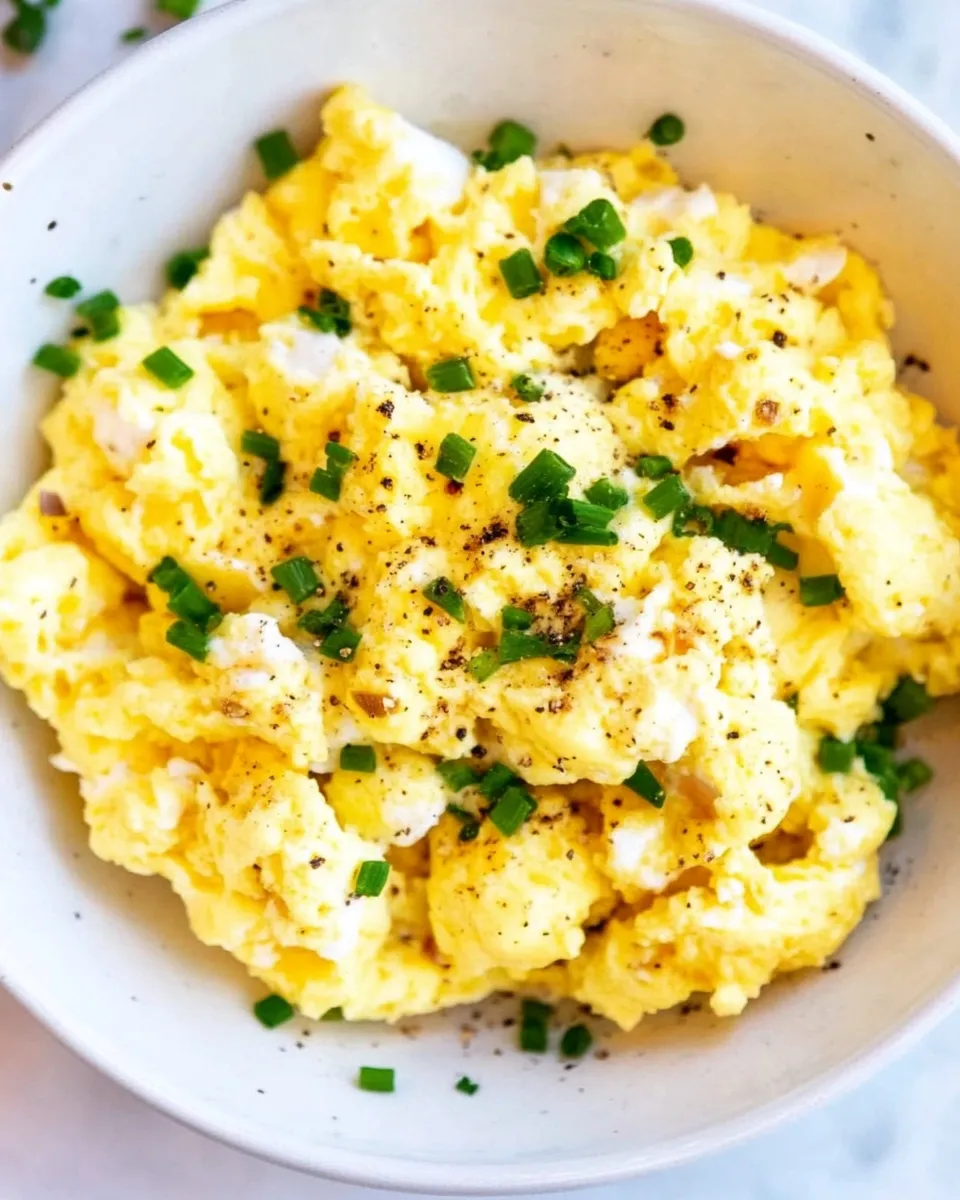
Serve these scrambled eggs hot with additional black pepper or a scattering of herbs. They pair well with whole-grain toast, sautéed vegetables, avocado slices, or a simple green salad. This is an unfussy, protein-forward breakfast that holds up whether you’re eating at the table or packing it for a quick morning on the go.

High-Protein Scrambled Eggs with Cottage Cheese
Ingredients
- 4 large eggs
- 1/2 cup 2% cottage cheese I like Good Culture
- 1/8 teaspoon kosher salt
- fresh ground black pepper to taste
- olive oil spray
Instructions
- In a medium bowl, whisk together the eggs, cottage cheese, kosher salt, and fresh ground black pepper until combined and slightly frothy.
- Heat a medium nonstick skillet over medium-low heat and lightly coat it with olive oil spray.
- When the skillet is warm, pour in the egg mixture.
- Using a rubber spatula, gently scrape sections of the eggs toward the center as the edges begin to set, forming soft folds; continue slowly for about 1½–2 minutes until the eggs are just set but still creamy.
- Remove the skillet from the heat and serve immediately.
Equipment
- medium nonstick skillet
- rubber spatula
- medium bowl
- fork
Notes
- Use low to medium-low heat to keep the eggs creamy.
- Whisking the cottage cheese into the eggs creates a smoother texture.
- Season with black pepper to taste.
- Cook until just set for the best texture.