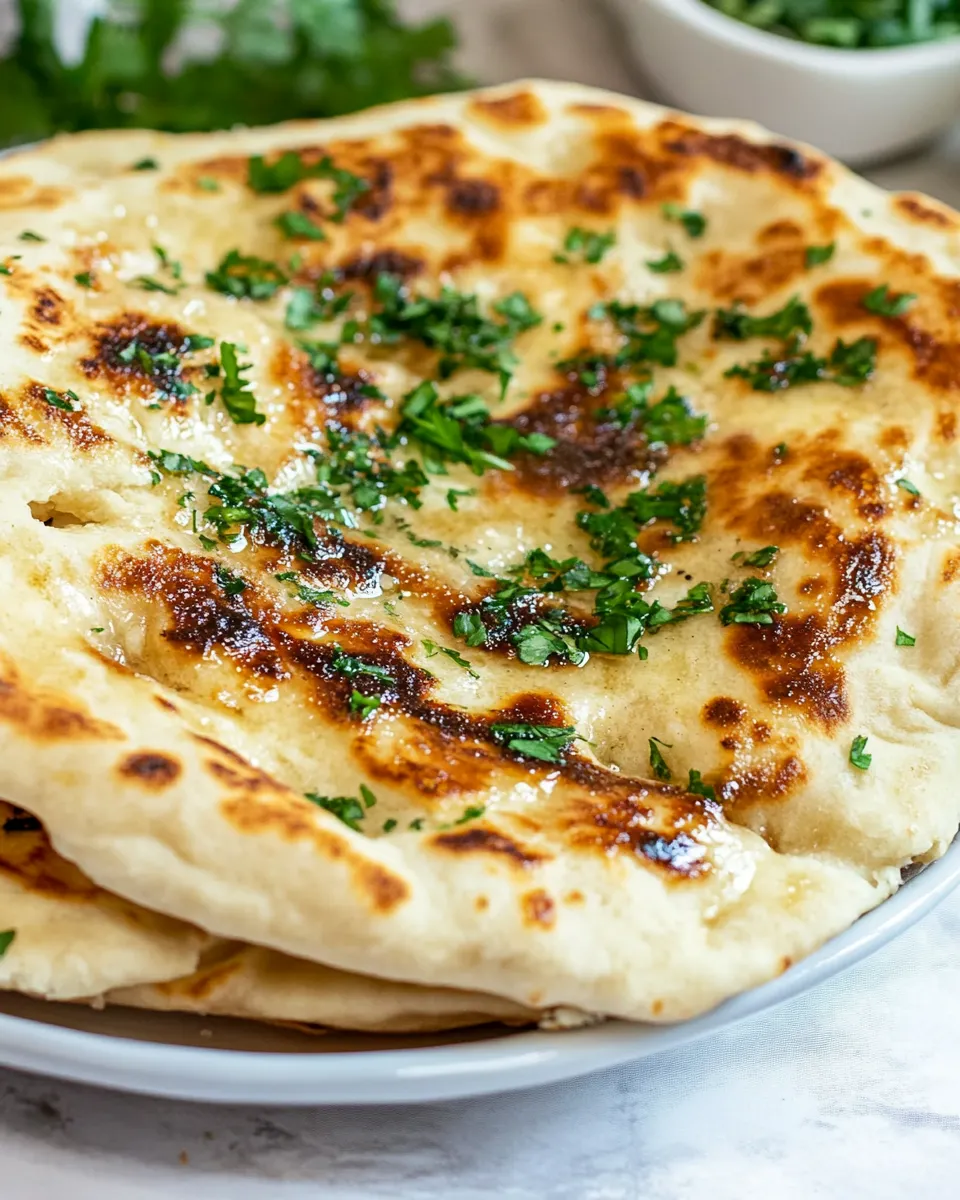
No Yeast Flatbread
Simple, quick flatbreads without yeast are one of my weekday kitchen heroes. They take pantry staples, a little warming by the stove, and about an hour from start to finish. The result is a stack of soft, flexible flatbreads that work for wraps, quick pizzas, or scooping up stews.
This recipe is forgiving. It doesn’t rely on fermentation time, so the texture depends on a brief rest and a hot pan rather than rising. That makes it perfect when you want fresh bread with minimal planning.
Below you’ll find a clear ingredients list with notes, a step-by-step method rewritten for ease, troubleshooting, and options to adapt the recipe to different diets. Follow it as written the first time, then tweak to your stove and taste.
What to Buy
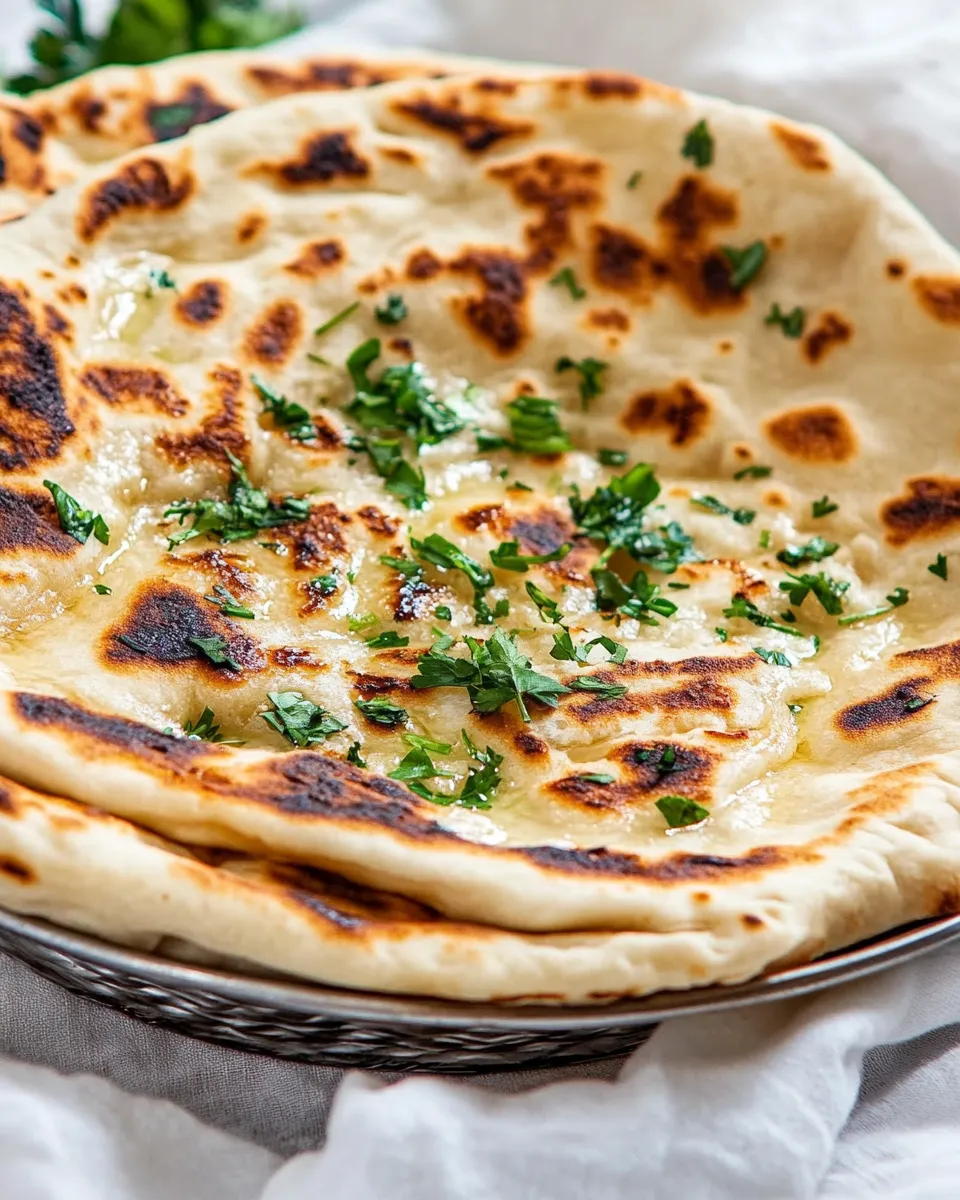
- Plain all-purpose flour, 4 cups — the structure for the dough; use measured cups, spooned into the cup and leveled.
- Salt, 1 teaspoon — balances flavor; use fine salt for even distribution.
- Baking powder, a pinch — gives a touch of lift and tenderness.
- Milk, 1½ cups — hydrates the flour and adds richness; whole milk gives the softest result.
- Butter, 7 tablespoons — melts into the dough for flavor and pliability; unsalted or salted works—adjust salt accordingly.
- Oil, 1 teaspoon — optional for cooking; helps browning and prevents sticking if your pan is not perfectly non-stick.
No Yeast Flatbread in Steps
Prep
- Measure 4 cups plain all-purpose flour, 1 teaspoon salt, and a pinch of baking powder into a large mixing bowl. Whisk briefly so the dry ingredients are evenly combined.
- In a small saucepan or microwave-safe jug combine 1½ cups milk and 7 tablespoons butter. Gently heat just until the butter has melted and the mixture is warm to the touch—do not boil.
- Pour the warm butter-milk mixture into the bowl with the dry ingredients. Stir with a wooden spoon or spatula until the mixture comes together into a shaggy dough.
Knead and Rest
- Turn the dough out onto a lightly floured surface. Dust your board with a little flour to prevent sticking, then knead the dough for 2–3 minutes. Stop when the dough feels smooth and soft; it should be tacky but not sticky. If it clings to your fingers, add a teaspoon of flour at a time until manageable.
- Shape the dough into a ball, wrap it in plastic wrap or cover with a clean towel, and let it rest at room temperature for 30–45 minutes. This relaxation step makes rolling easier and improves texture.
Shape and Cook
- After resting, cut the dough into 8 equal pieces. Roll each piece into a smooth ball.
- Lightly flour your work surface again and roll each ball into a round about 2–3 mm thick. Aim for even thickness so they puff and cook uniformly.
- Place a non-stick frying pan over high heat and let it get very hot. If you prefer, add 1 teaspoon oil to the pan and reduce heat slightly—oil helps with browning but is optional with a good non-stick pan.
- Cook one flatbread at a time: place a round into the hot pan. It should start to puff; cook for about 1 minute. Flip and cook the second side for 45 seconds to 1 minute, until golden spots appear and the bread is cooked through.
- As each flatbread finishes, stack them on a plate and wrap with a clean tea towel to keep warm and soft while you cook the rest.
Why It’s My Go-To
This flatbread is fast and reliable. No proofing means you can make fresh bread on a whim. The ingredient list is short and uses common staples, so it’s easy to throw together after work or whenever you need a soft, neutral bread for wraps, breakfasts, or dipping. Texture is tender with a little chew—perfect for holding fillings without tearing.
Healthier Substitutions
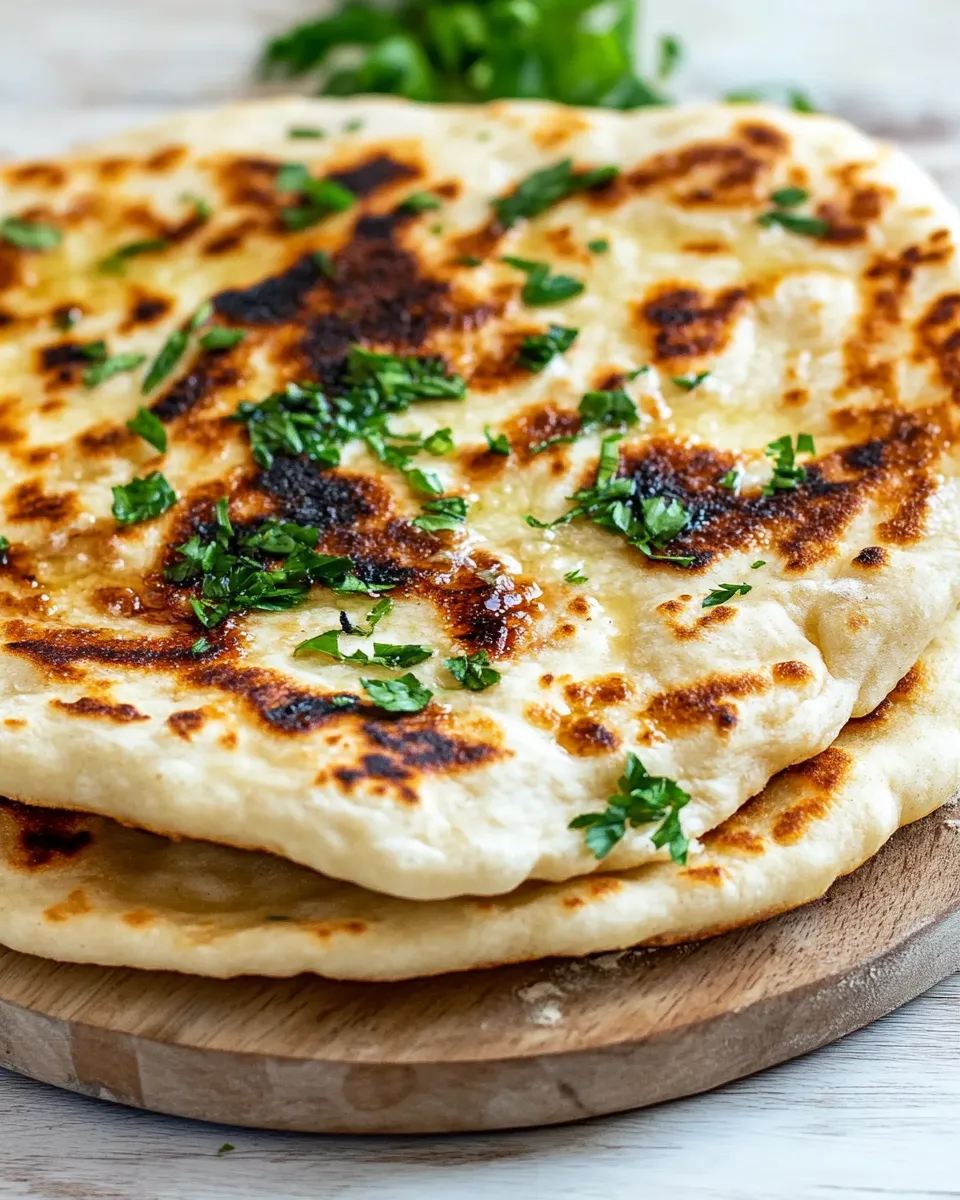
- Whole wheat flour — substitute up to half the all-purpose flour for more fiber; expect a denser crumb and slightly nuttier flavor.
- Low-fat milk or plant milk — use the same volume if you want less saturated fat; oat or almond milk work, but the texture can be slightly less rich.
- Butter alternatives — replace butter with an equal amount of olive oil for a lighter saturated fat profile; the dough will be a touch less rich but still pliable.
- Reduce salt — cut the salt to 1/2 teaspoon if you’re watching sodium, though flavor will be milder.
Kitchen Gear Checklist
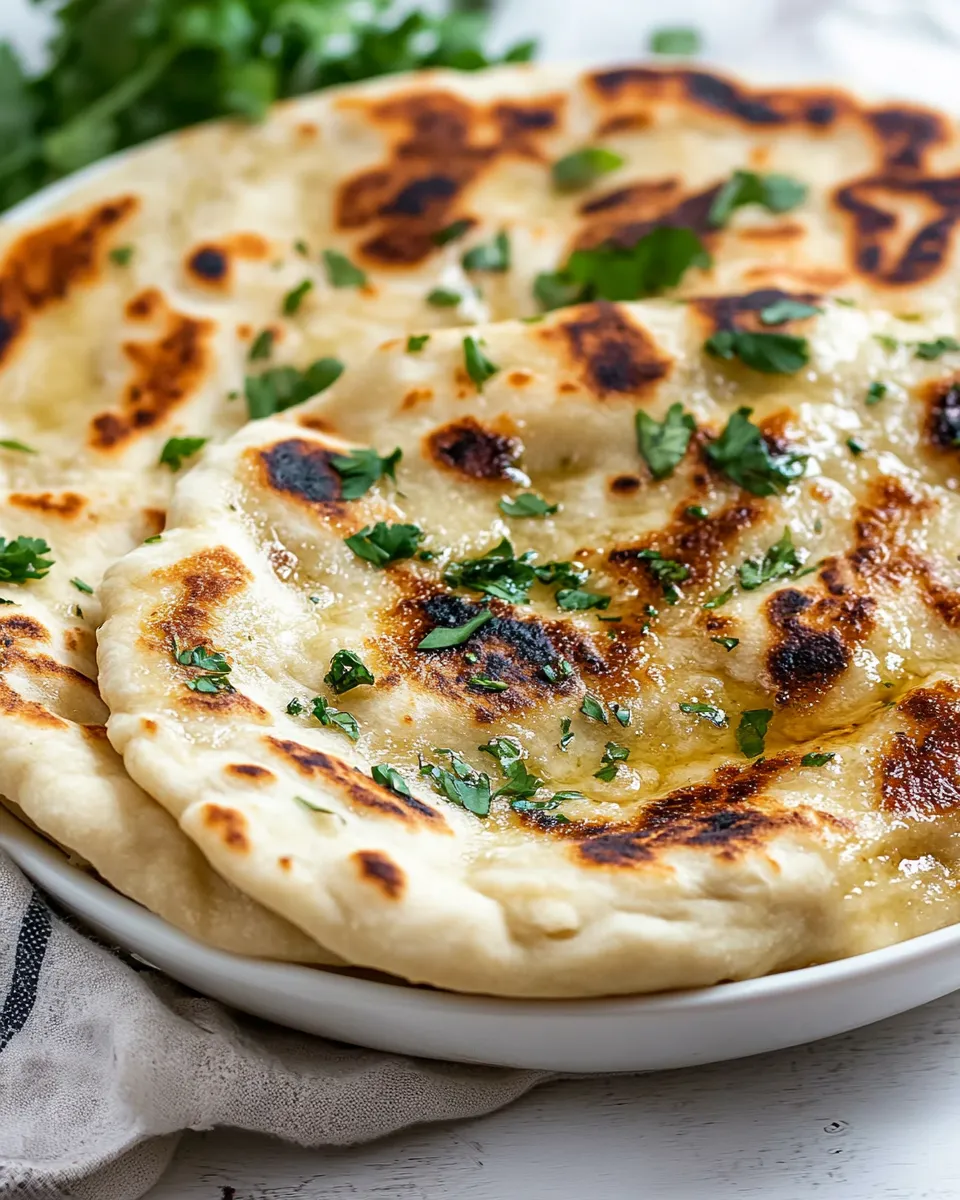
- Mixing bowl — for combining dry ingredients and dough.
- Small saucepan or microwave-safe jug — to warm milk and melt butter.
- Wooden spoon or spatula — for initial mixing.
- Measuring cups and spoons — accurate measurements matter.
- Rolling pin — for flattening dough to 2–3 mm.
- Non-stick frying pan or skillet — a hot, flat pan is essential for quick cooking.
- Clean tea towel or foil — to keep cooked flatbreads warm and soft.
Missteps & Fixes
- Dough too sticky: Add a teaspoon of flour at a time while kneading until manageable. Avoid adding too much; the dough should be soft.
- Dough too dry or crumbly: Press the dough and add a teaspoon of milk at a time until it comes together.
- Pale, undercooked flatbreads: Increase pan temperature slightly. The pan must be hot so the bread puffs and browns quickly.
- Burning before cooking through: Lower the heat a touch and give the flatbread an extra 10–20 seconds per side.
- No puffing: Check thickness—if the rounds are too thin they won’t puff. Also ensure your pan is hot enough.
Make It Diet-Friendly
For vegetarian diets, this recipe is already suitable. To make the flatbreads vegan-friendly, replace the milk with unsweetened plant milk and swap the butter for olive oil or vegan margarine, using the same total fat volume (7 tablespoons). For lower-carb options, try recipes using cauliflower or almond flour, but note those require completely different proportions and techniques.
Cook’s Commentary
I like to roll the rounds slightly thicker when I plan to fill them, because a bit more chew helps hold wet fillings. If you want crisp flatbreads, cook a few seconds longer on each side or brush with oil before cooking. For herbs and flavor, fold in a tablespoon of finely chopped rosemary or 1 teaspoon garlic powder into the dry ingredients—simple additions that transform plain bread into something bright.
Keep It Fresh: Storage Guide
- Short term: Stack cooled flatbreads, wrap in a clean towel, and keep at room temperature for up to 24 hours.
- Refrigeration: Store in an airtight container or zip-top bag for up to 3 days. Reheat in a hot skillet for best texture.
- Freezing: Cool completely, stack with parchment between each, and freeze in a sealed bag up to 1 month. Thaw at room temperature and refresh in a skillet or microwave wrapped in a damp towel.
Popular Questions
- Can I make smaller or larger flatbreads? Yes—divide the dough into more pieces for smaller rounds or fewer for larger ones. Adjust cooking time slightly.
- Can I cook these on a grill? Yes. Cook over medium-high heat directly on the grill grates or on a cast-iron griddle; watch closely as they will char faster.
- Do I have to rest the dough? The 30–45 minute rest helps relax the gluten and makes rolling easier. You can cook right away in a pinch but expect a bit more resistance when rolling and a slightly tighter crumb.
- Can I use self-rising flour? No—this recipe uses plain all-purpose flour with a pinch of baking powder and a set salt amount. Self-rising flour has different leavening and salt levels that will change the outcome.
Let’s Eat
Serve the flatbreads warm. They’re perfect rolled with hummus, piled with roasted vegetables, or used as a quick pizza base—top, then briefly return to the pan with a lid to melt cheese. For breakfast, smear with butter and jam, or fill with scrambled eggs and greens. Enjoy them fresh; the texture is best the day you make them, but reheated flatbreads remain wonderfully serviceable.
Ingredients
- 4 cups plain all-purpose flour — provides the base structure for the dough.
- 1 teaspoon salt — seasons the dough and enhances flavor.
- pinch baking powder — gives a little lift and tenderness.
- 1½ cups milk — hydrates the flour and adds richness; warm with the butter.
- 7 tablespoons butter — melted into the milk for fat and pliability in the dough.
- 1 teaspoon oil — optional for cooking to aid browning and prevent sticking.
Instructions
- Combine the dry: Measure 4 cups plain all-purpose flour, 1 teaspoon salt, and a pinch of baking powder into a large mixing bowl. Stir briefly to mix evenly.
- Warm milk and butter: In a small saucepan or microwave-safe jug, combine 1½ cups milk and 7 tablespoons butter. Heat gently until the butter is just melted and the mixture is warm—do not boil.
- Mix into dough: Pour the warm butter-milk into the dry ingredients. Stir until the mixture starts to come together into a dough with no large dry patches.
- Knead briefly: Turn the dough onto a lightly floured surface. Knead for 2–3 minutes until smooth and soft. Add a touch more flour if it feels too sticky, a teaspoon at a time.
- Rest: Shape into a ball, cover with plastic wrap or a clean towel, and let rest at room temperature for 30–45 minutes to relax the dough.
- Portion: After resting, cut the dough into 8 equal pieces. Roll each piece into a ball.
- Roll out: Lightly flour the work surface and roll each ball into a round about 2–3 mm thick, aiming for evenness.
- Preheat pan: Heat a non-stick frying pan over high heat until very hot. If using oil, add 1 teaspoon to the pan and reduce heat slightly.
- Cook: Place one dough round into the hot pan. Cook for about 1 minute until it starts to puff and shows golden spots. Flip and cook the other side for 45 seconds to 1 minute until cooked through and lightly browned.
- Keep warm: Stack finished flatbreads on a plate and wrap them in a clean tea towel to keep warm and soft while you cook the rest.

No Yeast Flatbread
Ingredients
- 4 cups plain all-purpose flour (Note 1)
- 1 teaspoon salt
- pinch baking powder
- 1.5 cups milk (Note 2)
- 7 tablespoons butter (Note 3)
- 1 teaspoon oil (Note 6)
Instructions
- In a mixing bowl, combine the flour, salt, and a pinch of baking powder and whisk briefly to distribute.
- Heat the milk and butter together in a small saucepan or microwave-safe jug until the butter just melts; do not boil.
- Pour the warm butter-milk mixture into the dry ingredients and stir until a rough dough forms.
- Turn the dough onto a lightly floured surface and knead for 2–3 minutes until smooth and soft, adding a little flour only if the dough is too sticky.
- Cover the dough with plastic wrap or a clean towel and let it rest at room temperature for 30–45 minutes to relax.
- Divide the rested dough into 8 equal pieces and roll each into a ball, then roll each ball into a round about 2–3 mm thick on a lightly floured surface.
- Heat a non-stick frying pan over high heat until very hot; if using oil, reduce the heat slightly once the oil is in the pan.
- Cook one dough round in the hot pan until it puffs and the underside has golden spots, about 1 minute, then flip and cook the other side 45 seconds to 1 minute.
- Stack finished flatbreads on a plate and wrap them in a clean tea towel to keep them soft while you cook the rest.
Equipment
- Mixing Bowl
- small saucepan or microwave-safe jug
- Measuring cups and spoons
- Rolling Pin
- non-stick frying pan or skillet
- kitchen towel or plastic wrap
Notes
- Regular all-purpose flour works fine; bread flour is not necessary.
- Use any milk you have; full-fat gives a richer result.
- Salted or unsalted butter both work, or substitute olive oil if preferred.
- Add flour only as needed; too much makes the flatbreads tough.
- Thicker rounds take longer to cook and are better for dipping.
- Do not overcook, as this can make the flatbreads tough and prone to cracking.