
Sofrito Recipe
There are pantry shortcuts and then there’s sofrito — the bright, aromatic foundation that can lift weeknight dinners and weekend feasts alike. This version is straightforward, bold, and true to the classic blend of onion, peppers, garlic, cilantro and olive oil. Make a batch and you’ll use it in beans, soups, rice, stews, and even scrambled eggs.
I keep a jar in the fridge all week. It speeds up dinner and gives food a fresh, layered flavor without standing over a stove. The recipe below is deliberately simple: no browning, no long sautéing, just raw blending so the herbs and peppers sing through.
If you’ve never made sofrito at home, you’ll find it both forgiving and transformational. The steps are quick, the equipment basic, and the results immediate. Read on for exact ingredients, a clear step-by-step, storage tips, and troubleshooting so your sofrito comes out great every time.
What’s in the Bowl
Ingredients
- 1 large yellow onion, chopped — provides sweetness, body, and the aromatic base.
- 1 green bell pepper, seeded and chopped — adds a slightly bitter, vegetal note and green color.
- 1 red bell pepper, seeded and chopped — brings sweetness and red color for balance.
- 6 cloves garlic, peeled and chopped — gives pungent depth and savory lift.
- 1 bunch cilantro, roughly chopped — delivers the fresh, herbal brightness central to sofrito.
- 1/4 cup olive oil — binds the mixture, carries flavor, and helps preserve texture.
Cook Sofrito Recipe Like This
Step-by-step
- Prepare produce: Peel and roughly chop the large yellow onion. Core, seed, and roughly chop the green and red bell peppers so they’re easy for the food processor to handle. Peel and roughly chop the garlic cloves. Roughly chop the cilantro, including some of the stems for flavor if they’re tender.
- Load the food processor: Add the chopped onion, green bell pepper, red bell pepper, garlic, cilantro, and the 1/4 cup olive oil to the bowl of a food processor.
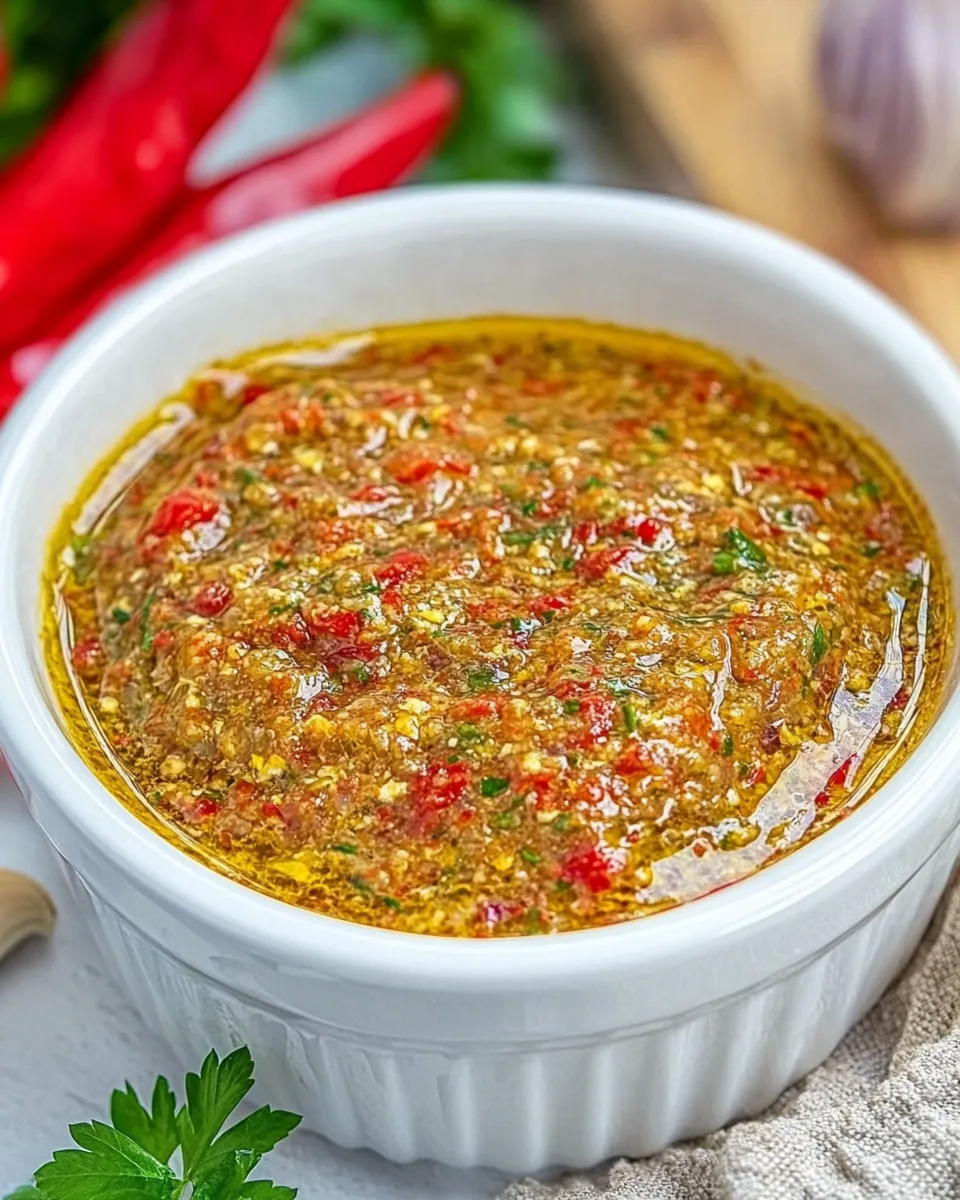
- Pulse to texture: Pulse the mixture in short bursts until it becomes finely chopped but not pureed — you want small, discernible pieces so the sofrito keeps texture. Stop periodically to scrape down the sides with a spatula to ensure even chopping.
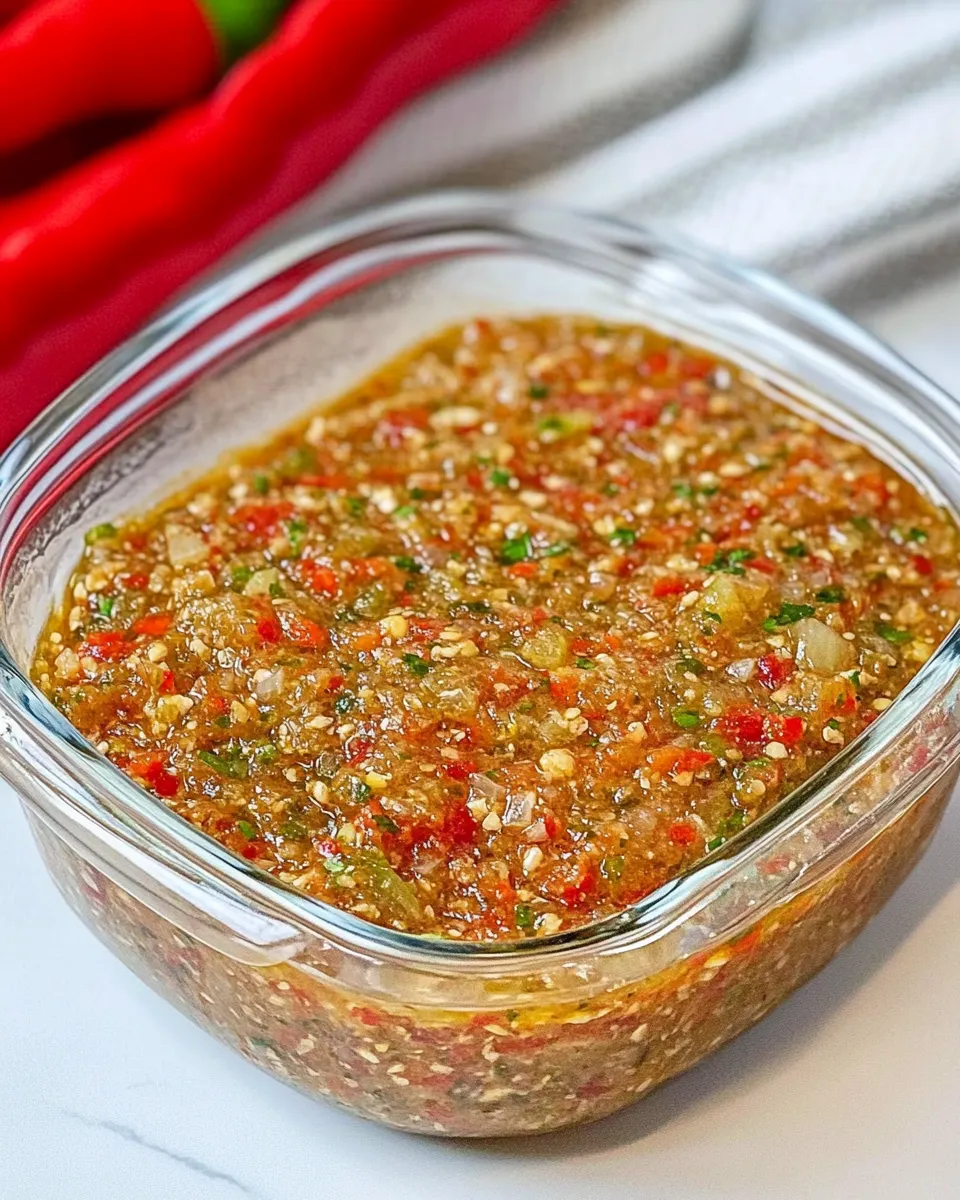
- Check consistency and adjust: When most pieces are uniform and small (think coarse salsa rather than a smooth paste), stop processing. If you prefer a slightly looser mixture, pulse a few more times; if you want chunkier bits, pulse less.
- Transfer and store: Transfer the sofrito to an airtight container. Use within one week refrigerated, or freeze in portions for longer storage (see storage section below).
Why This Recipe Belongs in Your Rotation
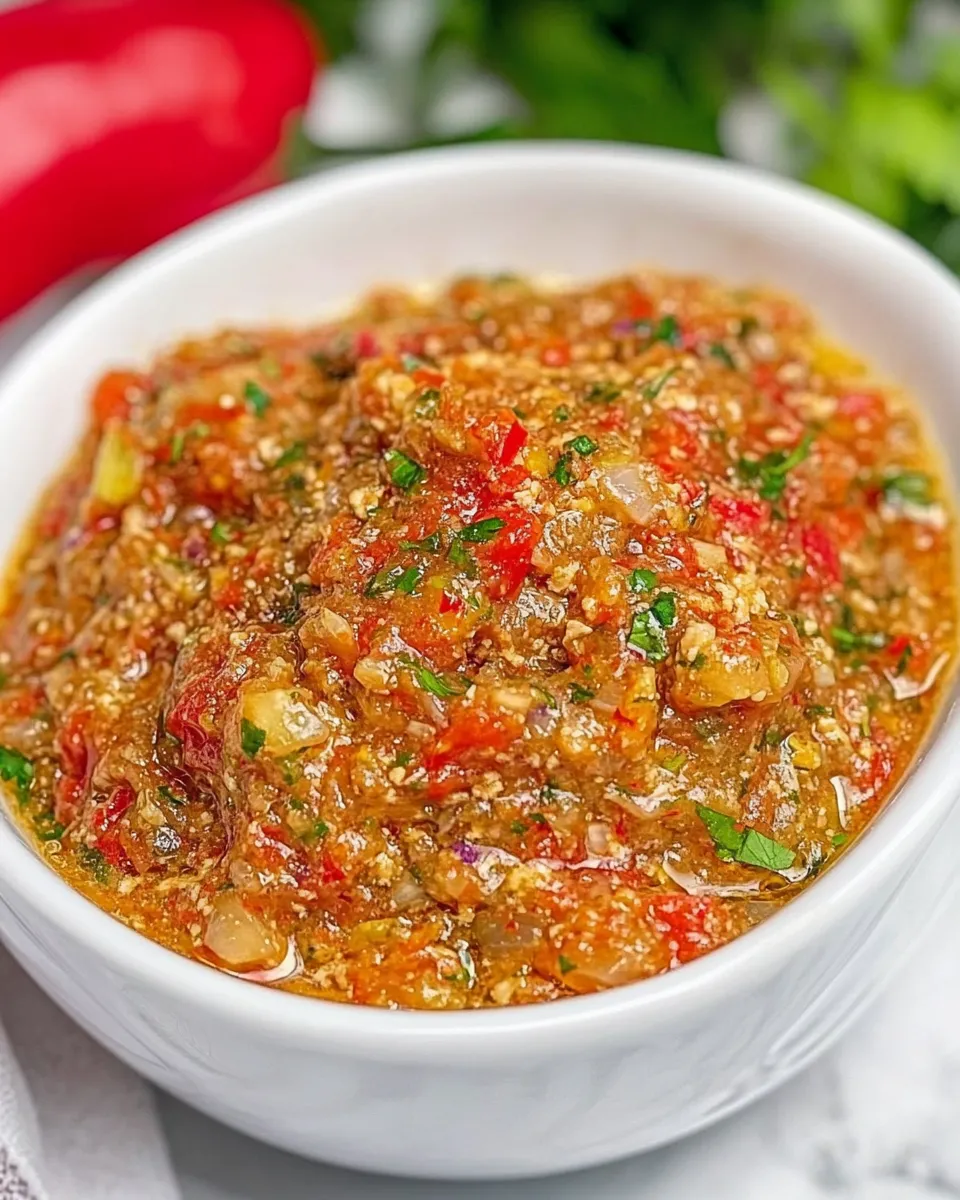
Sofrito is a multipurpose flavor base that saves time and consistently improves whatever you’re cooking. That one jar replaces a dozen individual steps: sautéing aromatics, layering flavors, and guessing seasoning. Keep it on hand, and you’ll find your soups and beans taste fresher and more complex with almost no extra work.
This raw, blended approach preserves bright, fresh herb notes and the vibrancy of the peppers. It’s fast to make and easy to adapt, which makes it perfect for busy cooks who still want bold home-cooked flavor.
Budget & Availability Swaps
- Onion — Yellow onions are inexpensive and broadly available; substitute a white onion if that’s what you have.
- Bell peppers — If one color is cheaper or out of season, use two of the same color (two green or two red). They’re interchangeable for texture and bulk.
- Cilantro — If cilantro is expensive or unavailable, fresh parsley can work in a pinch, though flavor will shift.
- Olive oil — Use a neutral vegetable oil if you prefer a less pronounced oil flavor; keep the same amount.
Equipment Breakdown
- Food processor — Best for consistent texture and quick processing. A small or medium bowl works fine.
- Knife and cutting board — For rough chopping before processing; sharp knife speeds prep and keeps pieces even.
- Spatula — To scrape down the sides of the processor bowl for even chopping.
- Airtight container or ice cube tray — For storing in the fridge or freezing in usable portions.
Troubles You Can Avoid
- Over-pureeing — Pulse in short bursts. If it turns to a paste, you lose texture and it can taste muddled.
- Watery peppers — Very large bell peppers can release water. Pat them dry if they seem wet before pulsing.
- Bitterness from stems — Use tender cilantro stems; woody stems can add bitter notes. Rough chop large stems if needed.
- Storage mishaps — Cool to room temperature before sealing and refrigerating to avoid condensation and quicker spoilage.
Better Choices & Swaps
Flavor variations
- Add a small jalapeño or other mild chili if you want heat — remove seeds for less spice.
- Include a splash of lime juice when using sofrito in finished dishes to brighten flavors (don’t add lime to raw stored sofrito; it shortens fridge life).
- Use more cilantro for a herbier profile or reduce it if you prefer the peppers and onion to shine.
Behind-the-Scenes Notes
The goal with this sofrito is freshness and versatility. Traditional sofritos vary widely across regions — some cook down onions and peppers, others add tomatoes, culantro, or different herbs. This raw, blended approach preserves the herbaceous top notes and keeps prep minimal.
I use about a quarter cup of olive oil to bind the mixture and help it keep in the fridge. The oil also makes the texture silkier when you spoon it into beans or rice. If you freeze portions, the oil prevents ice crystals from robbing texture.
Store, Freeze & Reheat
- Refrigerator — Store in an airtight container for up to 1 week. Keep the lid tight to maintain brightness.
- Freezer — Freeze in ice cube trays or small containers for up to 3 months. Pop a cube directly into soups, stews, or rice while cooking.
- Reheating — Sofrito is generally added to hot oil or liquid and cooked briefly. There’s no need to fully “reheat” it; just add it to your pan and cook until fragrant (1–3 minutes) before adding other ingredients.
Sofrito Recipe Q&A
Q: Can I use dried herbs instead of fresh cilantro?
A: No—dried herbs won’t replicate the bright, citrusy character of fresh cilantro. If fresh cilantro isn’t available, parsley is the closest fresh substitute.
Q: How much sofrito should I add to a pot of beans?
A: Start with 2–4 tablespoons per 2 cups of dried beans (soaked and cooked) and adjust to taste. Sofrito is concentrated; add gradually and taste as you go.
Q: Is it safe to eat raw sofrito?
A: Yes. The ingredients are raw and commonly eaten uncooked (like in salsas). If you store it properly in the refrigerator and use within a week, it’s safe to consume raw.
Before You Go
Make a double batch next time and freeze portions — it’s the easiest shortcut you’ll keep reaching for. Spoon a cube into a hot pan with a bit of oil, cook until fragrant, and everything you add after will taste like you spent an hour building layers of flavor. Minimal prep, maximum payoff.
Enjoy your sofrito. Once you start using it, you’ll wonder how you cooked without it.

Sofrito Recipe
Ingredients
- 1 large yellow onion chopped
- 1 green bell pepper seeded and chopped
- 1 red bell pepper seeded and chopped
- 6 cloves garlic peeled and chopped
- 1 bunch cilantro roughly chopped
- 1/4 cup olive oil
Instructions
- Roughly chop the onion, green pepper, red pepper, garlic, and cilantro so they process evenly.
- Add the chopped onion, both peppers, garlic, cilantro, and the olive oil to a food processor.
- Pulse the mixture until it is finely chopped but not pureed, stopping to scrape down the sides as needed for even texture.
- Transfer the sofrito to an airtight container and refrigerate for up to one week or freeze for up to three months.
Equipment
- Food Processor
- Knife
- Cutting Board
- Measuring spoons
- Airtight Container
Notes
- Use a food processor for a consistent texture.
- Do not over-process; aim for a coarse, not smooth, puree.
- Adjust olive oil amount slightly if needed for easier processing.
- Seed the peppers to avoid bitterness.