Donut Holes
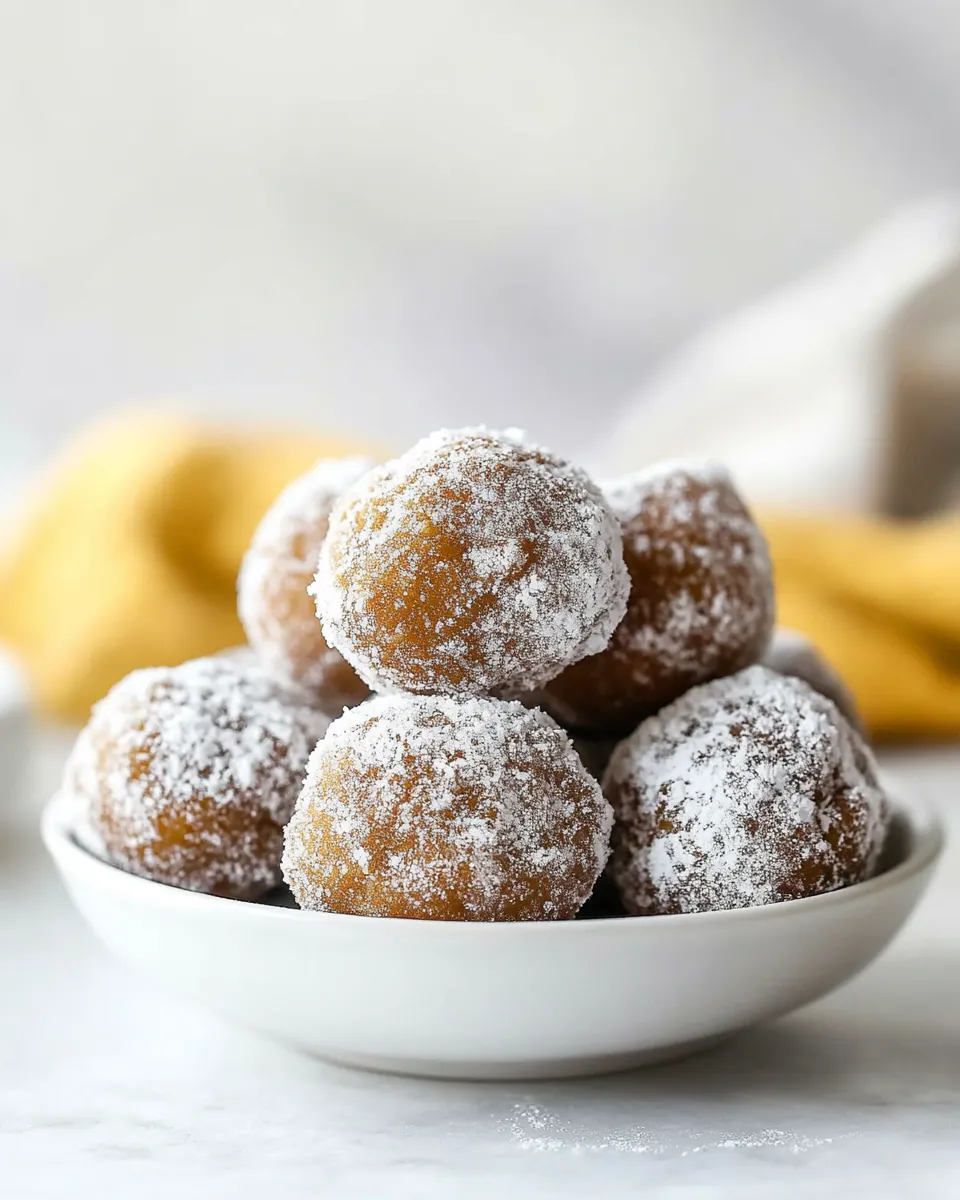
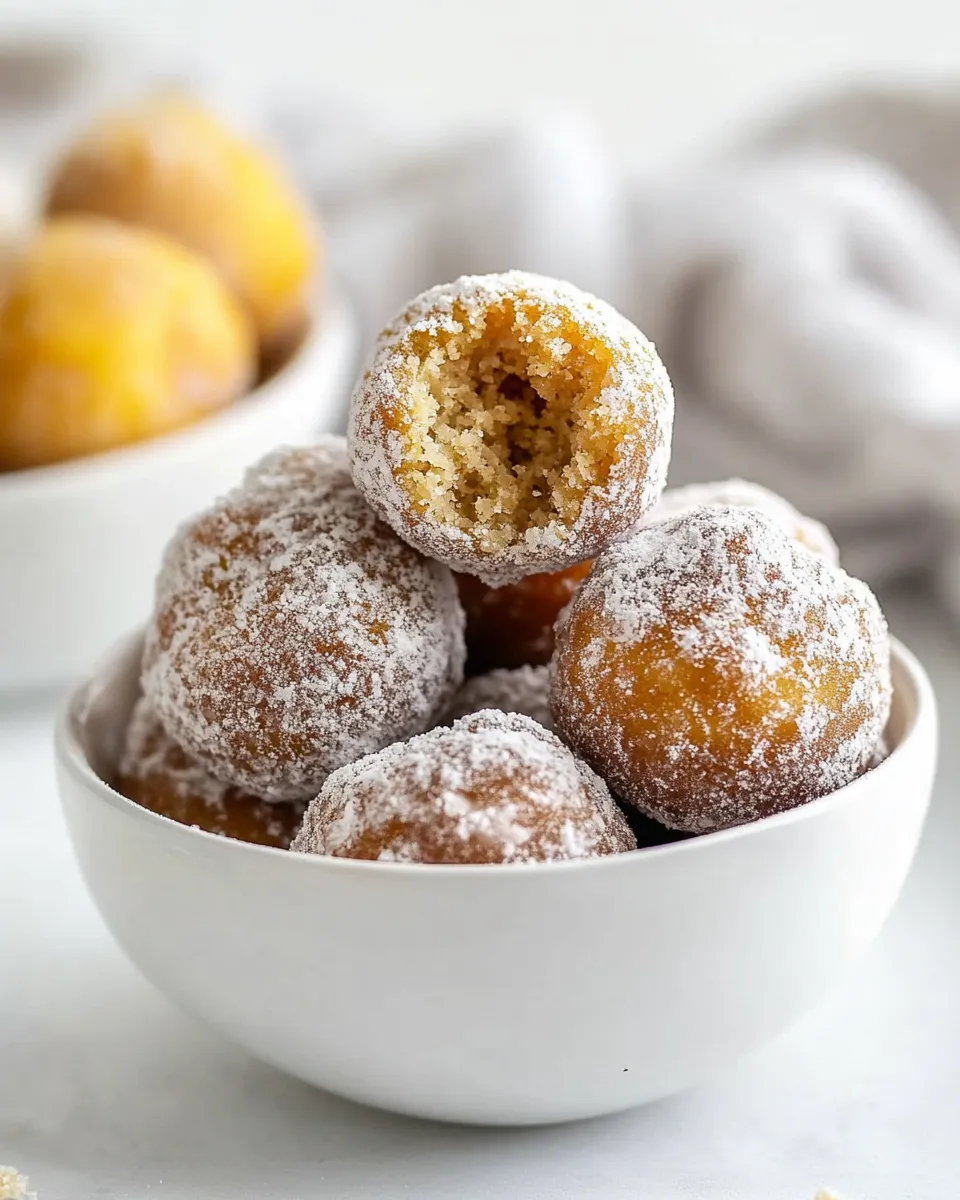
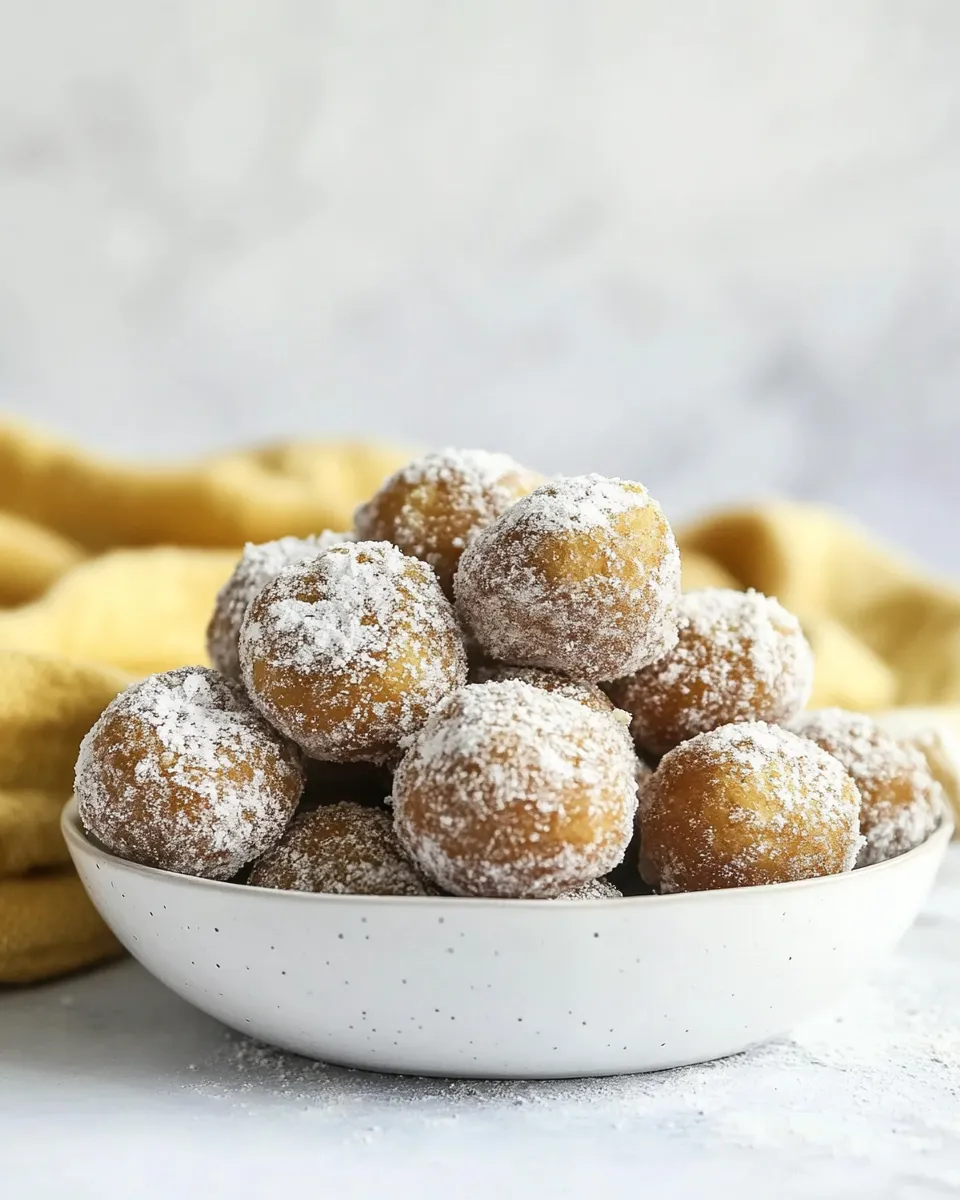
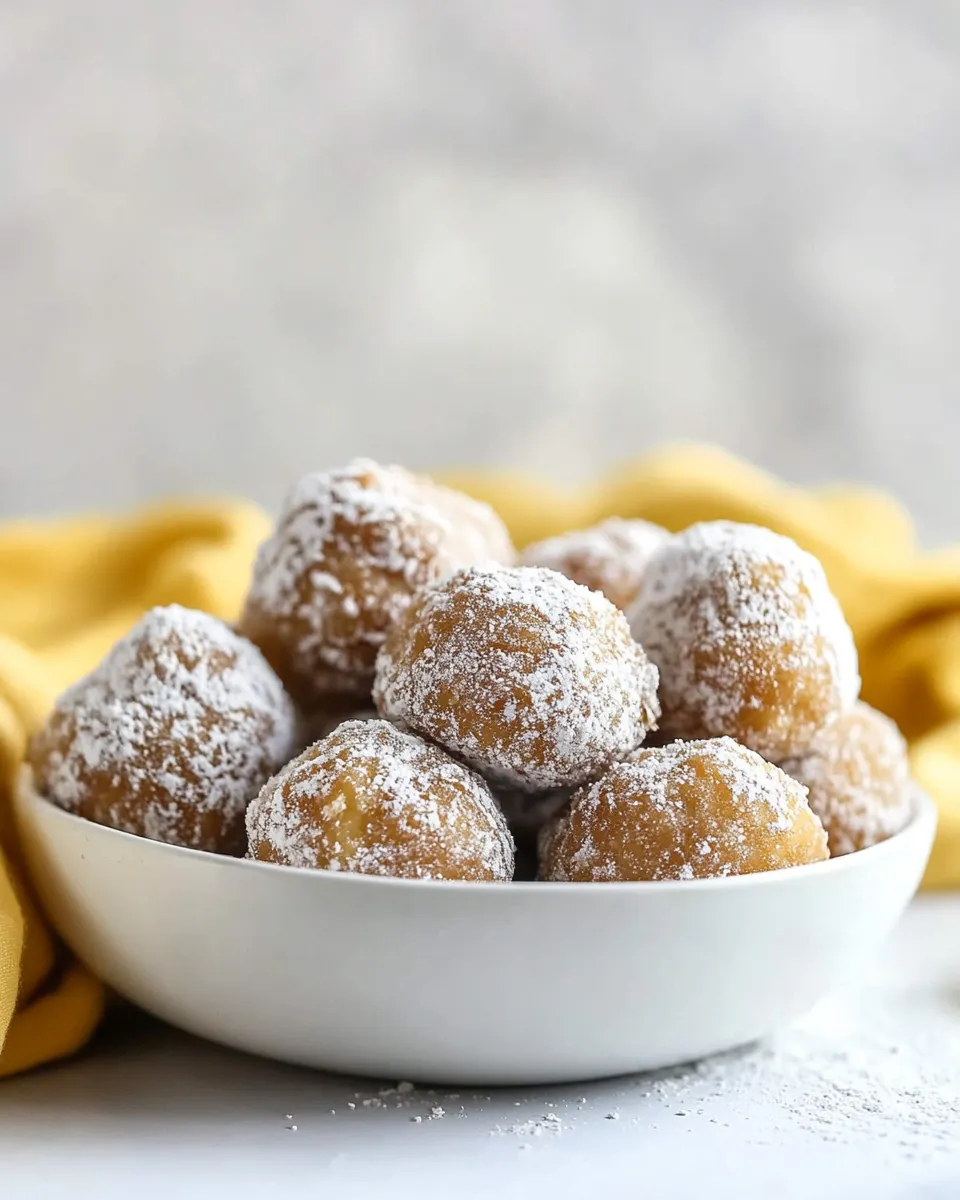
These donut holes are the kind I reach for when I want something warm, nostalgic, and straightforward. They’re yeasted, tender, and coated in plain granulated sugar so the flavor stays simple and focused on the light, airy interior. No fancy glazes—just crisp, sugared exteriors and pillowy centers.
The process stretches over two days because the dough rests overnight in the fridge. That extra chill time develops flavor and makes the dough easier to handle when it’s time to fry. The active work time is reasonable: mixing, a short rise, and a bit of frying.
What You’ll Need
Ingredients
- 1 teaspoon active dry yeast — blooms in warm milk to leaven the dough.
- 3 1/2 tablespoons milk, warm — activates the yeast; should be warm, not hot.
- 1 1/4 cup bread flour — gives structure and chew for a chewy, airy crumb.
- 1/2 cup all-purpose flour — balances the bread flour for tender texture.
- 2 tablespoons sugar — adds mild sweetness and helps yeast activity.
- 1 1/2 teaspoons salt — seasons the dough and controls fermentation.
- 4 eggs — enrich the dough, add structure and color.
- 1/2 cup unsalted butter plus 1 1/2 tablespoons — fat for tenderness and flavor; add gradually per instructions.
- Granulated sugar for coating — toss donut holes right from the oil while hot so the sugar adheres.
Stepwise Method: Donut Holes
- Whisk the active dry yeast into the warm milk in a mixing bowl until mostly dissolved.
- Add 1/2 cup of the bread flour to the yeast-milk mixture and stir until the mixture becomes a dry, chunky mass.
- Cover that mixture with the remaining bread flour, the all-purpose flour, sugar, and salt. Do not mix; simply cover and let it sit at room temperature for 30 minutes. Even though it looks dry, the mixture will rise.
- After 30 minutes, add 3 of the eggs to the bowl. Using a stand mixer fitted with a dough hook, mix on medium speed for about 10 minutes. Scrape down the bowl as needed to incorporate everything evenly.
- Add the remaining egg and mix for an additional 3 minutes to fully incorporate it into the dough.
- With the mixer running slowly, add the butter in small pieces. Wait until each piece is fully mixed in before adding the next. Scrape down the bowl often to ensure even mixing.
- Mix until the dough is very shiny and elastic. If it isn’t elastic yet, continue mixing—this dough will come together; patience here pays off.
- Transfer the dough to a bowl large enough for it to double in size. Cover tightly with plastic wrap and leave at room temperature for 1½ hours to rise.
- After the rise, fold the dough over on itself to gently deflate it. Re-cover with plastic wrap and refrigerate overnight. This chilling step firms the dough and develops flavor.
- The next day, prepare your frying station: a deep pot, thermometer, and 3 to 4 inches of neutral oil heated to 350°F (177°C).
- Portion the dough into roughly 40 pieces of about 0.5 ounce each. If the dough is too sticky to roll, use a small cookie scoop to drop portions directly into the oil.
- Carefully place a few pieces into the hot oil, avoiding overcrowding. Fry at 350°F until golden brown all over, about 1–2 minutes per batch; adjust as needed so the inside cooks through.
- Remove the donut holes with a slotted spoon and immediately toss them in granulated sugar so the coating sticks while they’re hot.
- Serve right away for the best texture—warm, sugar-crisp exteriors and soft, airy centers.
Why It Works Every Time
The method balances time and temperature to develop flavor and texture. The short bench rise at room temperature gets the yeast active, while the overnight chill relaxes the gluten and deepens flavor. Adding butter slowly ensures it fully emulsifies into the dough, creating the glossy, elastic texture you want in enriched doughs.
Frying at a steady 350°F cooks the exterior quickly without burning it and allows the interior to reach the right temperature without becoming greasy. Tossing the hot donut holes directly in granulated sugar guarantees a thin, even coating that clings and gives a satisfying crunch.
Ingredient Swaps & Substitutions
- Milk — whole milk is best for richness; you can use 2% in a pinch. Do not use milk that is too hot when activating yeast.
- Bread flour — gives chew; you can try all-purpose flour alone, but expect a slightly softer, less chewy crumb.
- Sugar — granulated sugar is specified for coating. If you want a sweeter exterior, use superfine sugar which will adhere more uniformly.
- Butter — unsalted is specified so you control salt levels; if using salted butter, omit or reduce added salt slightly.
- Eggs — provide structure and richness; no good substitute for the same texture. For egg allergies, a different recipe will be needed.
Gear Checklist
- Stand mixer with dough hook — recommended for consistent mixing and gluten development.
- Mixing bowls — for initial mixing and rising.
- Plastic wrap — to cover dough during rises.
- Digital scale or measuring cups — to measure ingredients accurately.
- Deep pot or heavy-bottomed fryer — for frying with stable heat.
- Deep-fry thermometer — essential to maintain 350°F for even cooking.
- Slotted spoon or spider skimmer — for removing donut holes from hot oil.
- Small cookie scoop (optional) — handy for portioning sticky dough.
- Cooling rack and baking sheet — to rest finished donut holes briefly before serving.
Common Errors (and Fixes)
- Oil too hot: Result — outsides brown quickly while insides remain raw. Fix — lower heat and test with a single piece; maintain 350°F.
- Dough too sticky to shape: Result — messy handling. Fix — use a small cookie scoop and drop directly into oil, or chill slightly to firm up dough.
- Under-mixing the dough: Result — weak gluten, dense crumb. Fix — mix until dough is shiny and elastic; if needed, mix a bit longer.
- Overcrowding the fryer: Result — oil temperature drops and donut holes absorb oil. Fix — fry in small batches and let oil return to 350°F between batches.
- Not chilling overnight: Result — less flavor and harder handling. Fix — plan ahead and refrigerate as directed; the extra time improves texture.
Variations by Season
Spring: Add a light citrus touch—toss finished donut holes with a dusting of lemon or orange zest mixed into the sugar.
Summer: Make them berry-friendly—serve with a small pot of warm jam for dipping instead of coating in sugar.
Fall: Mix cinnamon into the granulated sugar for a warm spice note; consider adding a tablespoon of pumpkin puree to the dough if you want a seasonal twist (note: this alters hydration).
Winter: Roll the hot donut holes in a mixture of sugar and finely grated nutmeg or cardamom for cozy warmth.
Notes from the Test Kitchen
During testing, the dough was very sticky after chilling, so I used a small cookie scoop to transfer portions directly into the oil. That worked beautifully and produced uniform pieces. If you prefer rounded balls, lightly oil your hands and roll very briefly—don’t overwork the dough.
Temperature control is everything. My first batch ran too hot and the outside browned too quickly, leaving a doughy center. Bringing the oil to a steady 350°F fixed that. Also, toss the donut holes in sugar immediately after frying so the heat helps the sugar adhere and creates that classic sugared sheen.
Leftovers & Meal Prep
These donut holes are best the day they’re made—fresh and warm. If you must store them, keep in an airtight container at room temperature for up to 24 hours and reheat briefly in a 300°F oven for 3–5 minutes to refresh the exterior. Do not refrigerate, as that will dry them out.
For make-ahead convenience, portion the dough into scoops, place them on a parchment-lined baking sheet, freeze until firm, then transfer to a freezer bag. Fry straight from frozen; they will need a bit more time in the oil. This saves shaping time on the day you want fresh donut holes.
Frequently Asked Questions
Q: Can I bake these instead of frying?
A: This recipe is designed for frying. Baking will change the texture; you can try small rounds at 375°F until golden, but expect a different result—less crisp exterior and denser interior.
Q: How do I know the oil is the right temperature?
A: Use a digital thermometer and aim for 350°F. If you don’t have one, drop a small piece of dough in: it should sizzle and rise to the surface steadily without browning immediately.
Q: Can I make the dough with all-purpose flour only?
A: Yes, but the texture will be softer and less chewy because AP flour has less protein than bread flour. The recipe will still work.
Bring It to the Table
Serve these donut holes hot from the oil, tossed in granulated sugar, on a simple platter with napkins and a small bowl of jam or chocolate sauce for dipping. They disappear fast, so have a tray ready for friends or family. A strong cup of coffee or a warm tea pairs perfectly.
They’re easy to make ahead in dough form and finish quickly when guests arrive, which makes them a wonderful show-stopper for casual brunches, holiday mornings, or an afternoon treat. Enjoy—simple, homey, and deeply satisfying.
Donut Holes
Ingredients
- 1 teaspoon active dry yeast
- 3 1/2 tablespoons milk, warm
- 1 1/4 cups bread flour
- 1/2 cup all-purpose flour
- 2 tablespoons sugar
- 1 1/2 teaspoons salt
- 4 large eggs
- 1/2 cup unsalted butter plus 1 1/2 tablespoons additional
- granulated sugar for coating
Instructions
- Whisk the active dry yeast into the warm milk in a mixing bowl until dissolved.
- Add 1/2 cup of the bread flour to the yeast mixture and stir until you have a dry, chunky mixture.
- Cover the chunky mixture with the remaining bread flour, the all-purpose flour, sugar, and salt. Cover and let sit at room temperature for 30 minutes to allow the flours to hydrate and the yeast to begin working.
- With a stand mixer fitted with the dough hook, add 3 eggs and mix on medium speed about 10 minutes, scraping the bowl as needed, until the dough begins to come together.
- Add the remaining egg and mix 3 more minutes until incorporated.
- Gradually add the unsalted butter in pieces, mixing each piece in completely before adding the next and scraping the bowl often; continue until the dough is shiny and elastic.
- Place the dough in a bowl large enough for it to double, cover with plastic wrap, and let sit at room temperature for 1½ hours.
- Fold the dough over itself, cover again with plastic wrap, and refrigerate overnight.
- When ready to fry, portion the chilled dough into about 40 pieces of 1/2 ounce each; if the dough is sticky, use a small cookie scoop and drop portions directly into the hot oil.
- Heat oil in a deep pot or fryer to 350°F (use a thermometer). Fry the donut holes a minute or two per side until golden brown and cooked through.
- Remove with a slotted spoon, drain briefly, then toss while warm in granulated sugar to coat; serve immediately.
Equipment
- Mixing Bowl
- stand mixer with dough hook
- Plastic Wrap
- large bowl for rising
- Refrigerator
- deep-fry thermometer
- deep pot or fryer
- slotted spoon or spider
Notes
- Use a thermometer to keep oil at 350°F for even cooking.
- If dough is too sticky to roll, use a cookie scoop to portion.
- Letting the dough rest overnight improves flavor and texture.